Spider control built for Tulsa homes dealing with recurring webs, hidden spider activity, and long warm-season pest pressure
Spiders are a common issue around Tulsa homes, especially when garages, sheds, storage spaces, landscaping, and steady insect activity create the kind of conditions they like. Fairway Lawns already positions its Tulsa team around local pest control and deep local experience, which fits well with the kind of recurring spider issues homeowners deal with in the area.
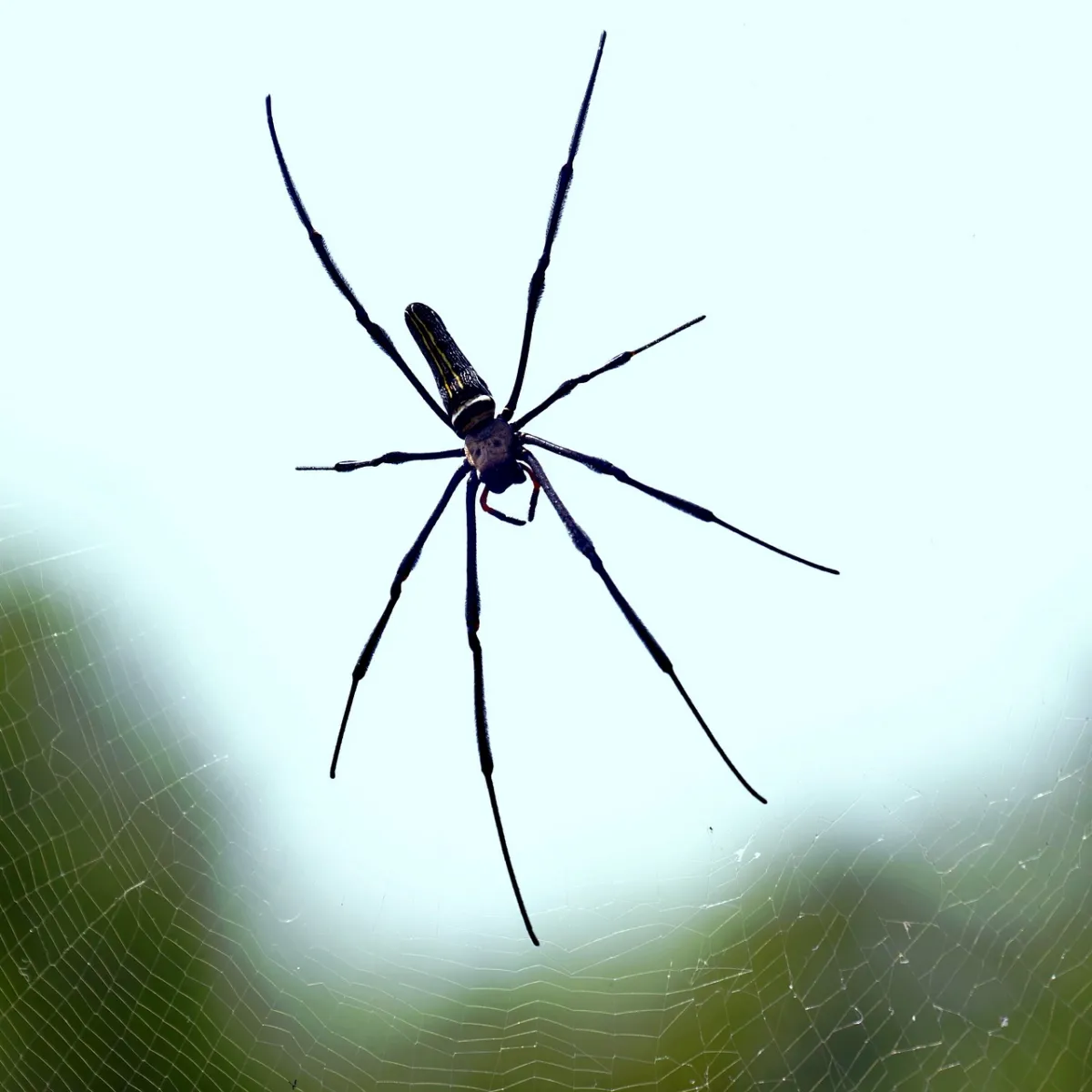
Built for the way spider pressure develops around Tulsa properties
A lot of spider problems begin in the same kinds of places: garage corners, shed interiors, patio furniture, roof eaves, stacked storage, and quiet spaces near the foundation. Webs build, insects get caught, and then more sightings start happening near entryways, windows, storage rooms, or interior corners. That progression is common because spiders stay where shelter and prey are easy to find.
That is why DIY control often feels temporary. Spraying one visible spider does not always reach the webs, egg sacs, or insect-heavy areas that are supporting the problem. Fairway Lawns’ broader Tulsa pest-control positioning around inspections and local solutions is a better fit for spider activity that keeps returning.
Strong spider control starts with understanding the full pattern
Fairway Lawns positions its pest-control service around careful inspections and practical treatment strategies, which is important for spider control because spider issues usually involve more than the visible webs alone.
The first step is identifying likely spider species, web concentrations, nesting areas, insect pressure, moisture issues, and possible entry points around the property.
Treatment may include targeted applications, perimeter service, web removal, egg sac removal, crack and crevice treatment, and focused attention to the places where spider activity is strongest.
Prevention may include reducing clutter, sealing openings, trimming vegetation, improving storage habits, and lowering the insect activity that often attracts spiders in the first place.
Because spider pressure shifts with weather and season, recurring service and follow-up can help prevent the same issue from building back up.
Oklahoma State University notes that one of the two dangerous spiders in Oklahoma is the brown recluse. Brown recluses are known for their violin-shaped marking and for hiding indoors and outdoors in quiet protected locations. They tend to avoid people and are often found in out-of-the-way spaces rather than in open, busy areas.
Oklahoma State University also identifies the black widow as one of the two dangerous spiders in Oklahoma. These spiders are recognized by the red hourglass marking on the underside and usually stay in webs in protected areas. Their bites can be serious, which is why homeowners generally want them addressed quickly when activity is found near the home.
Wolf spiders are common in Oklahoma and are often mistaken for more dangerous spiders. Oklahoma State materials list wolf spiders among the common non-dangerous spider groups found in the state. They are usually more intimidating than harmful and may show up in garages, patios, sheds, landscape beds, and sometimes indoors.
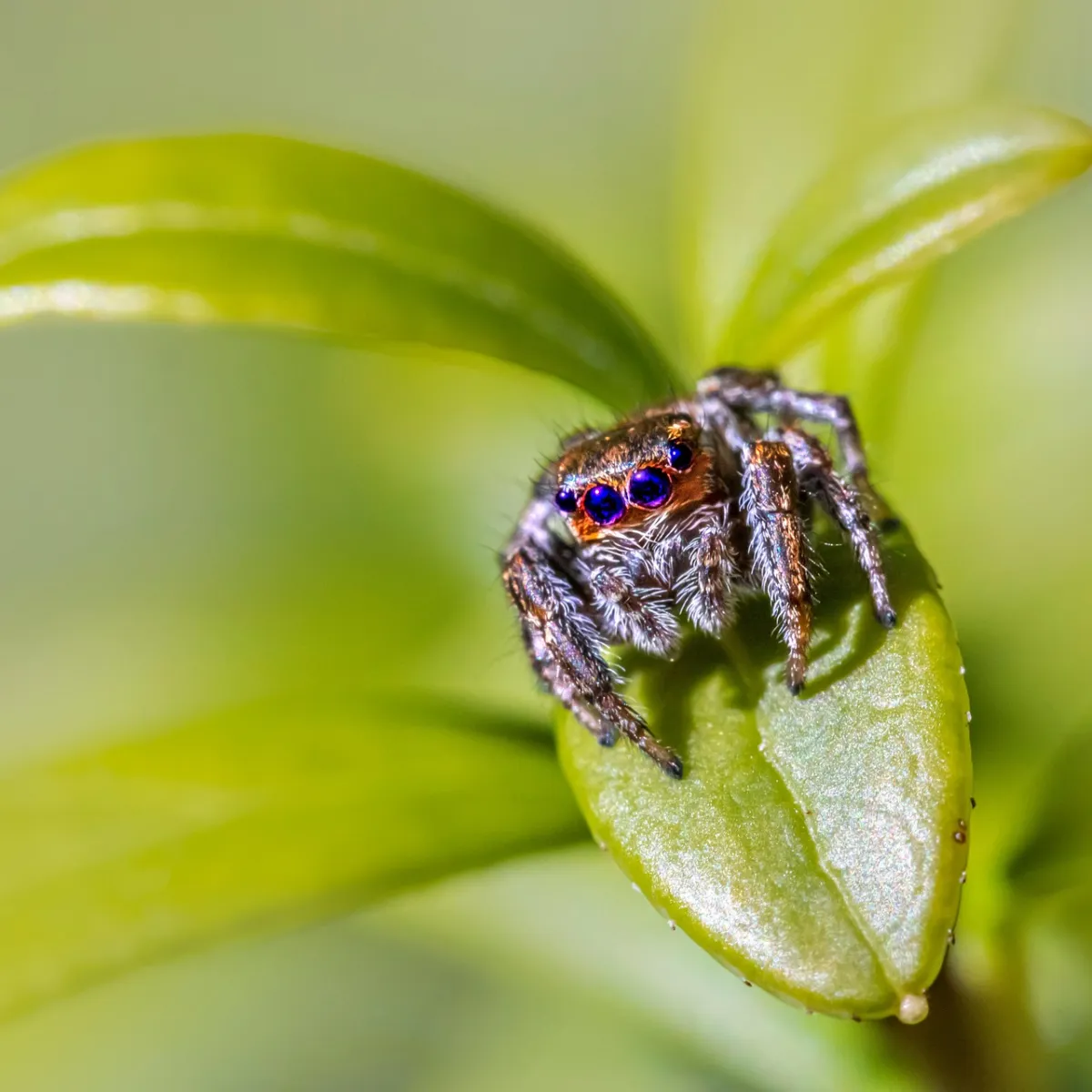
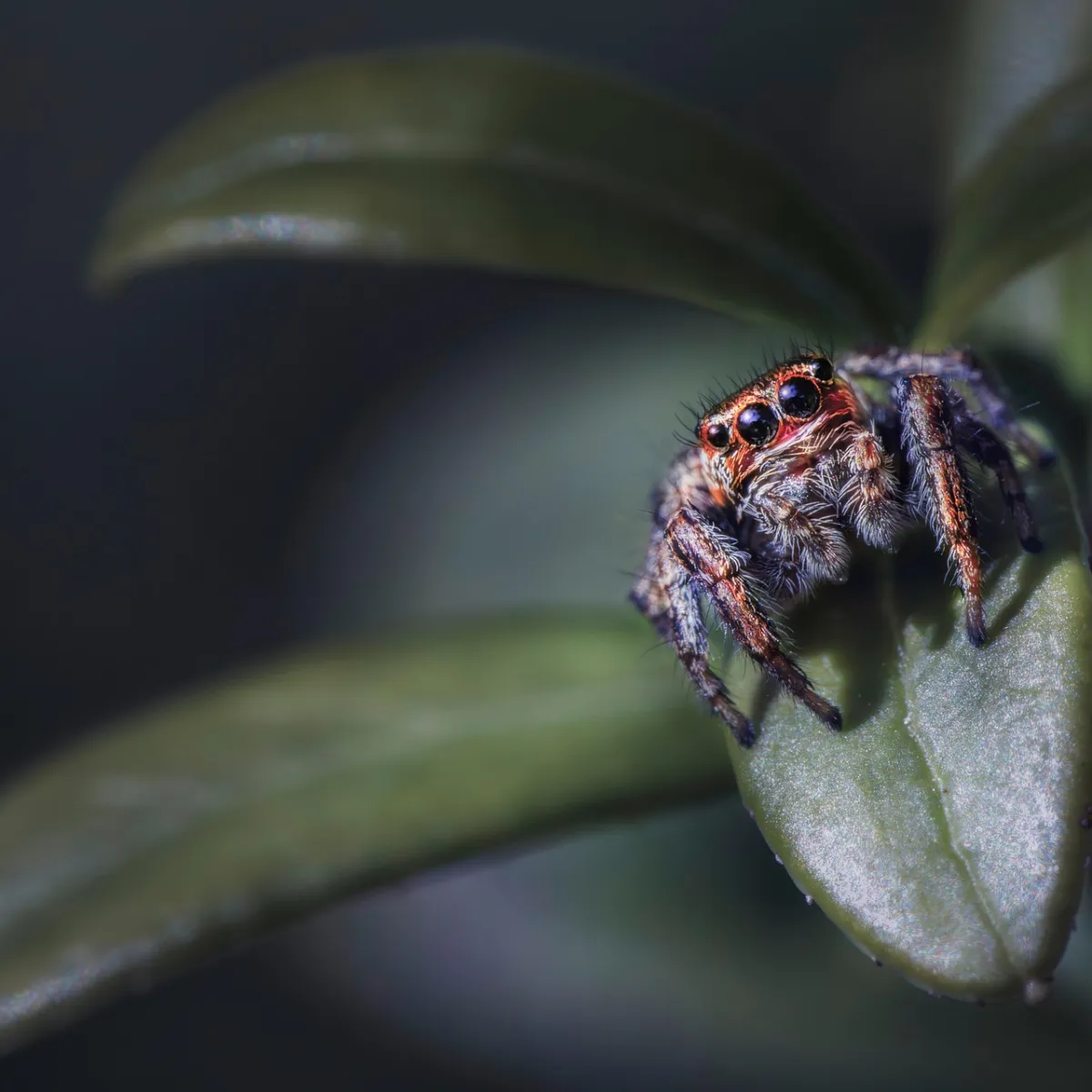
Jumping spiders are also common in Oklahoma. Oklahoma State notes that they are numerous in the state and pose no threat to people, though they may be seen on windows, walls, or other places where insect prey gathers. Their quick movement and visibility during the day often make homeowners notice them even when they are not the main infestation issue.
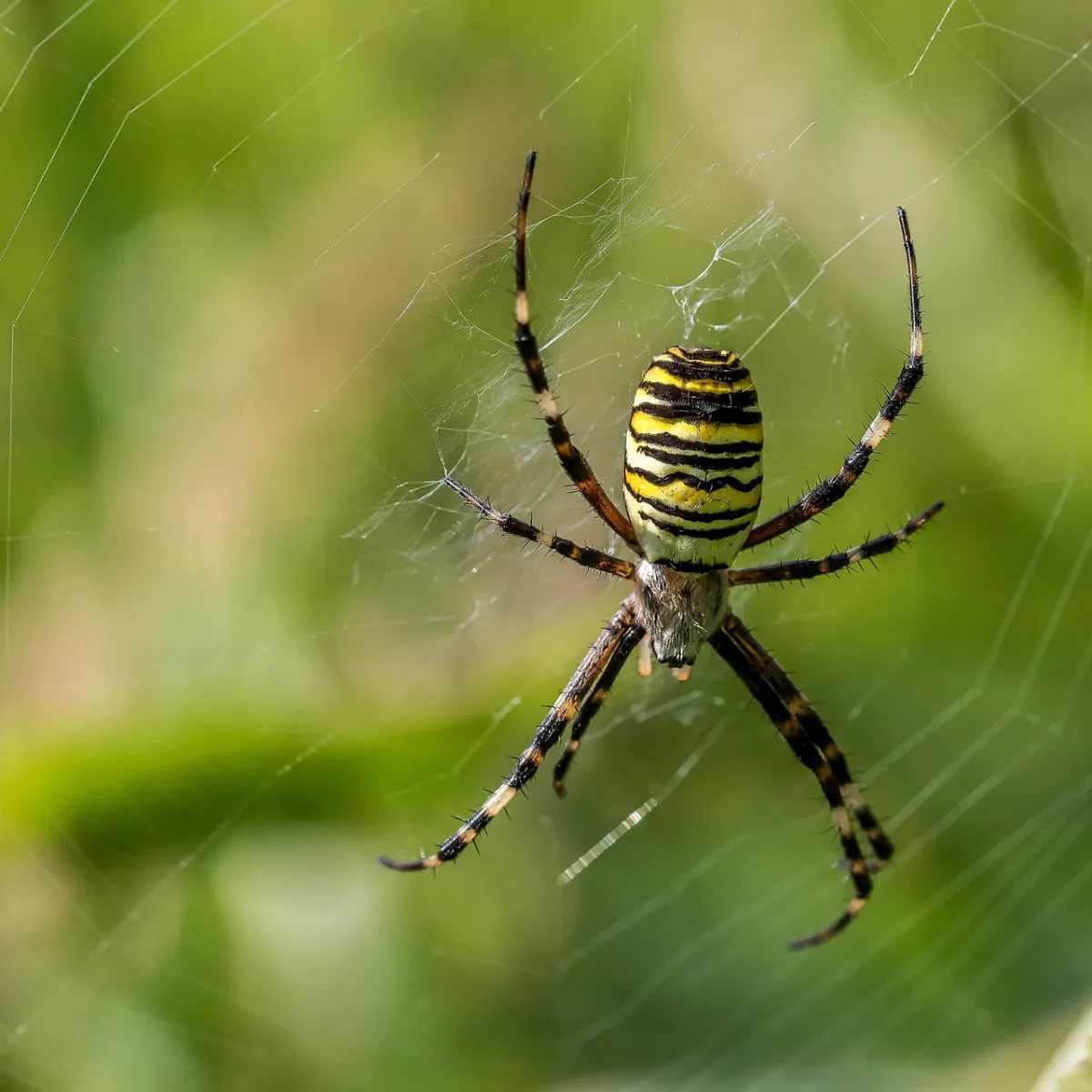
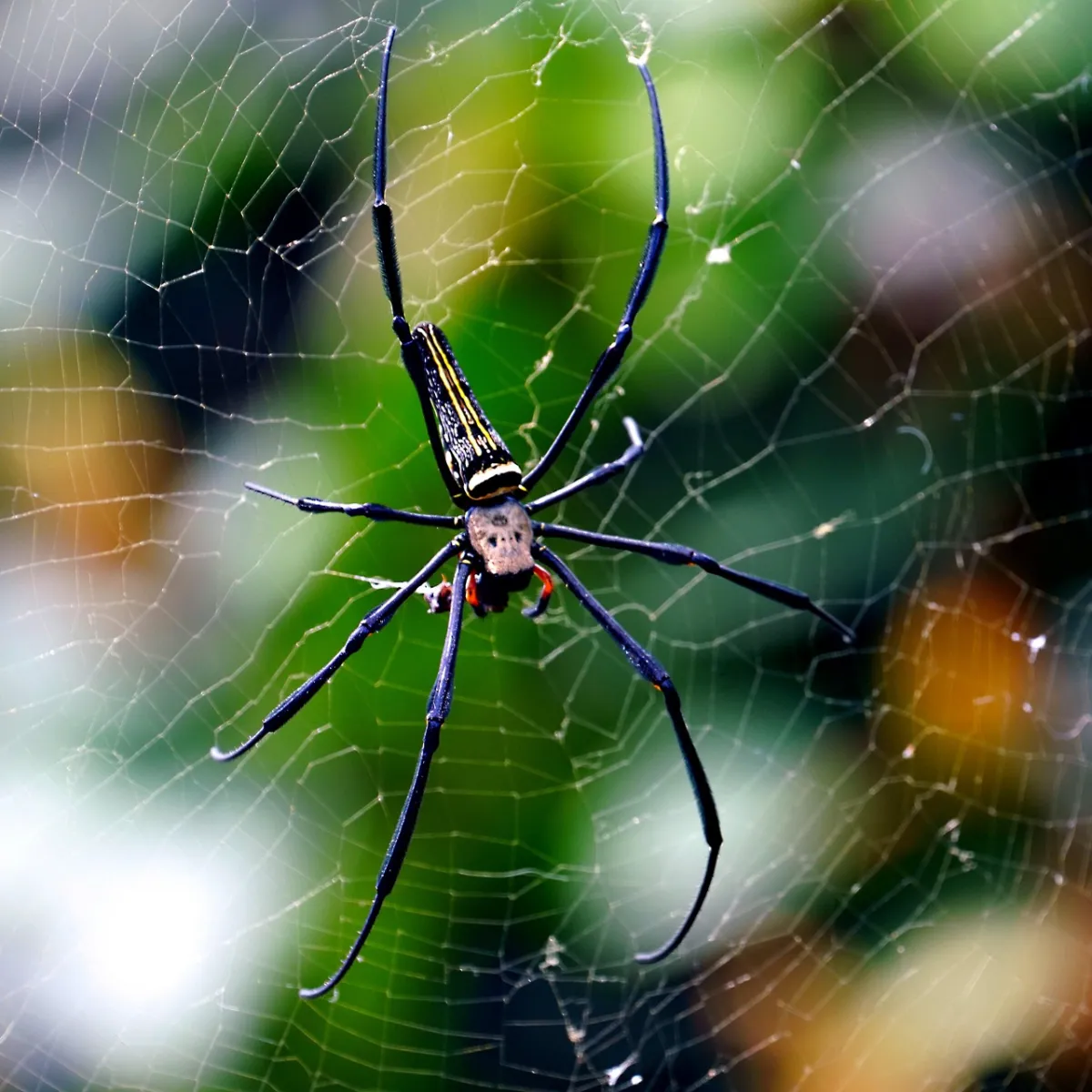
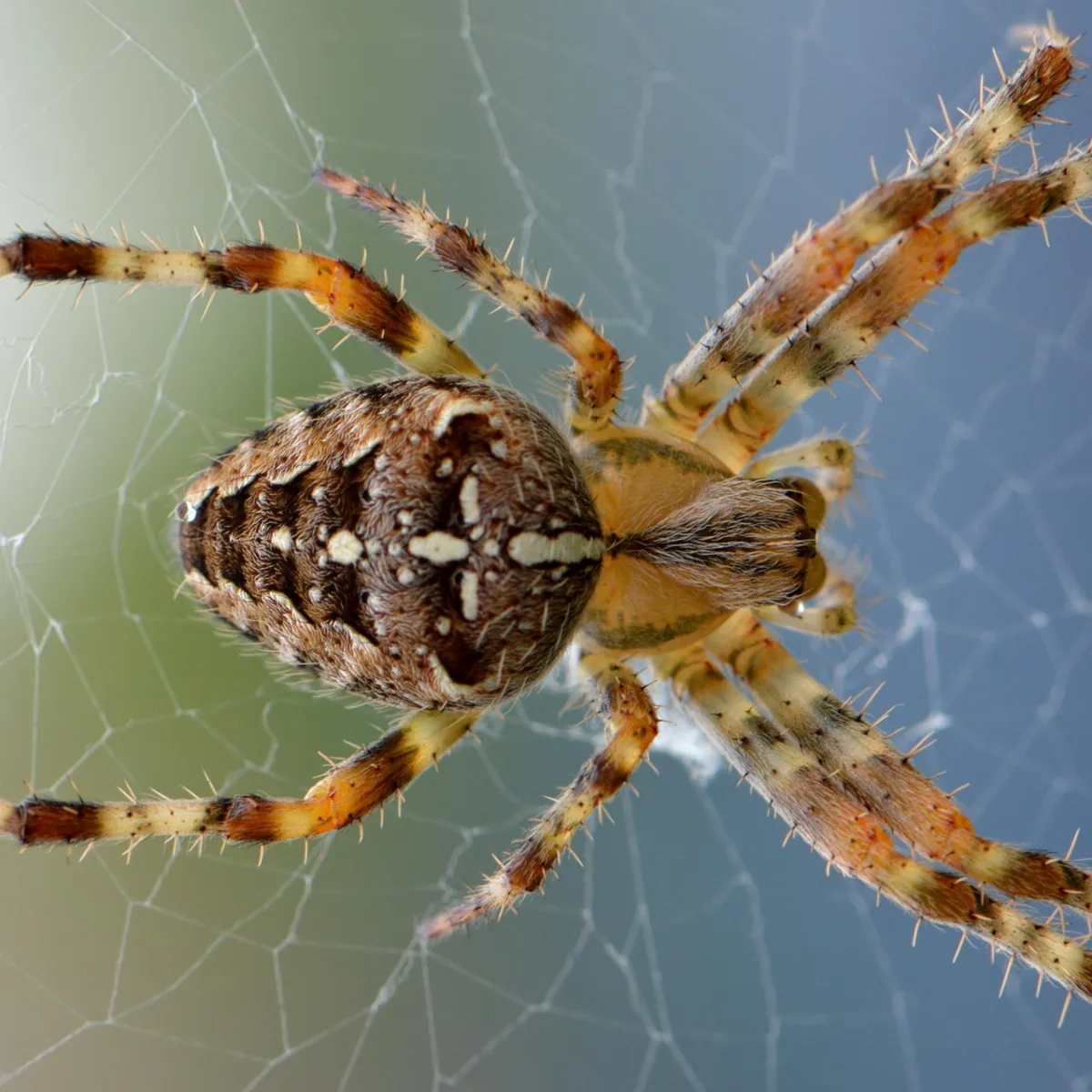
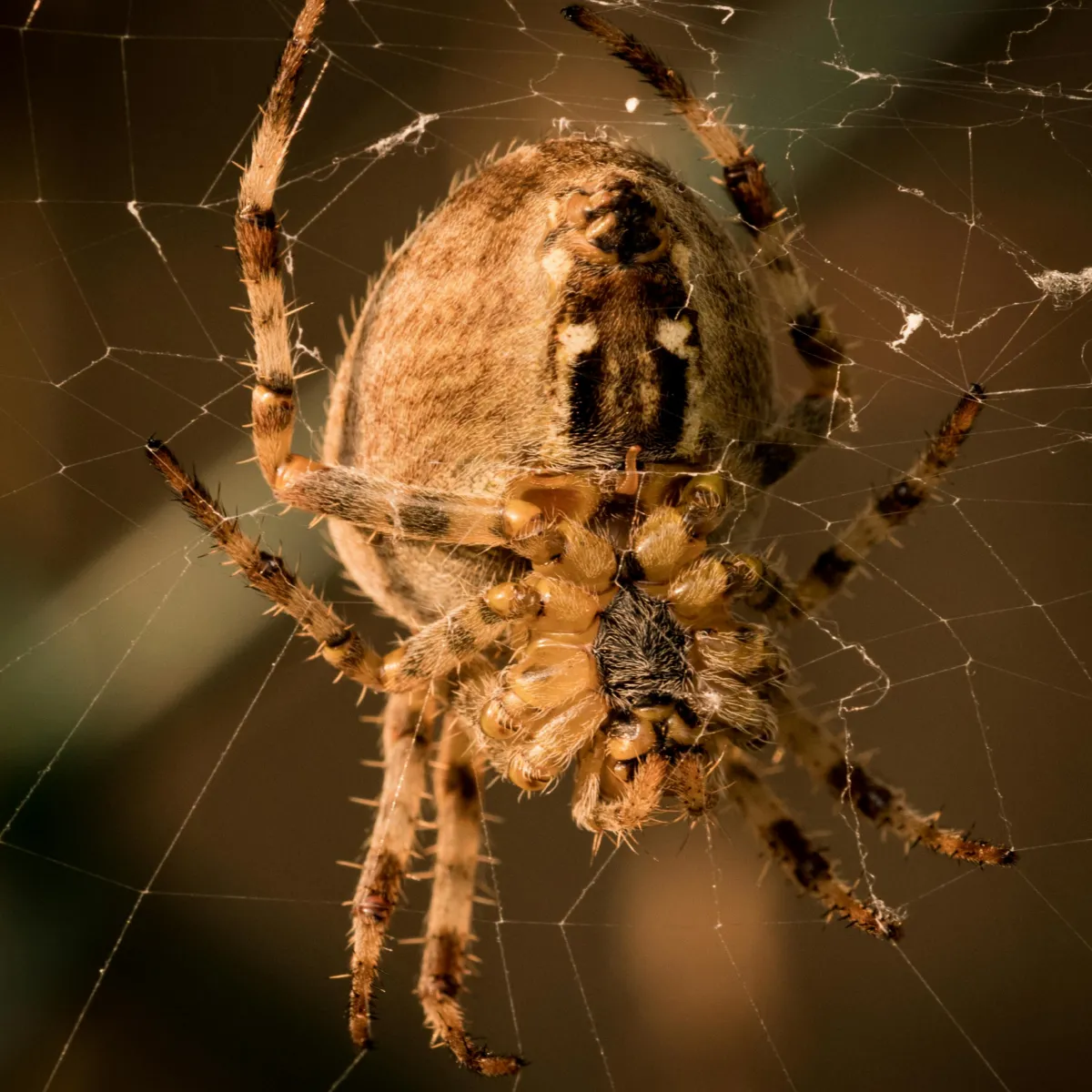
Garden spiders are another common non-dangerous group mentioned by Oklahoma State. They are usually outdoor spiders associated with visible webbing around landscaping, fences, porches, and shrubbery. They are mostly a nuisance, but their webs can become frustrating in outdoor living spaces.
When webs, egg sacs, and repeat sightings keep showing up
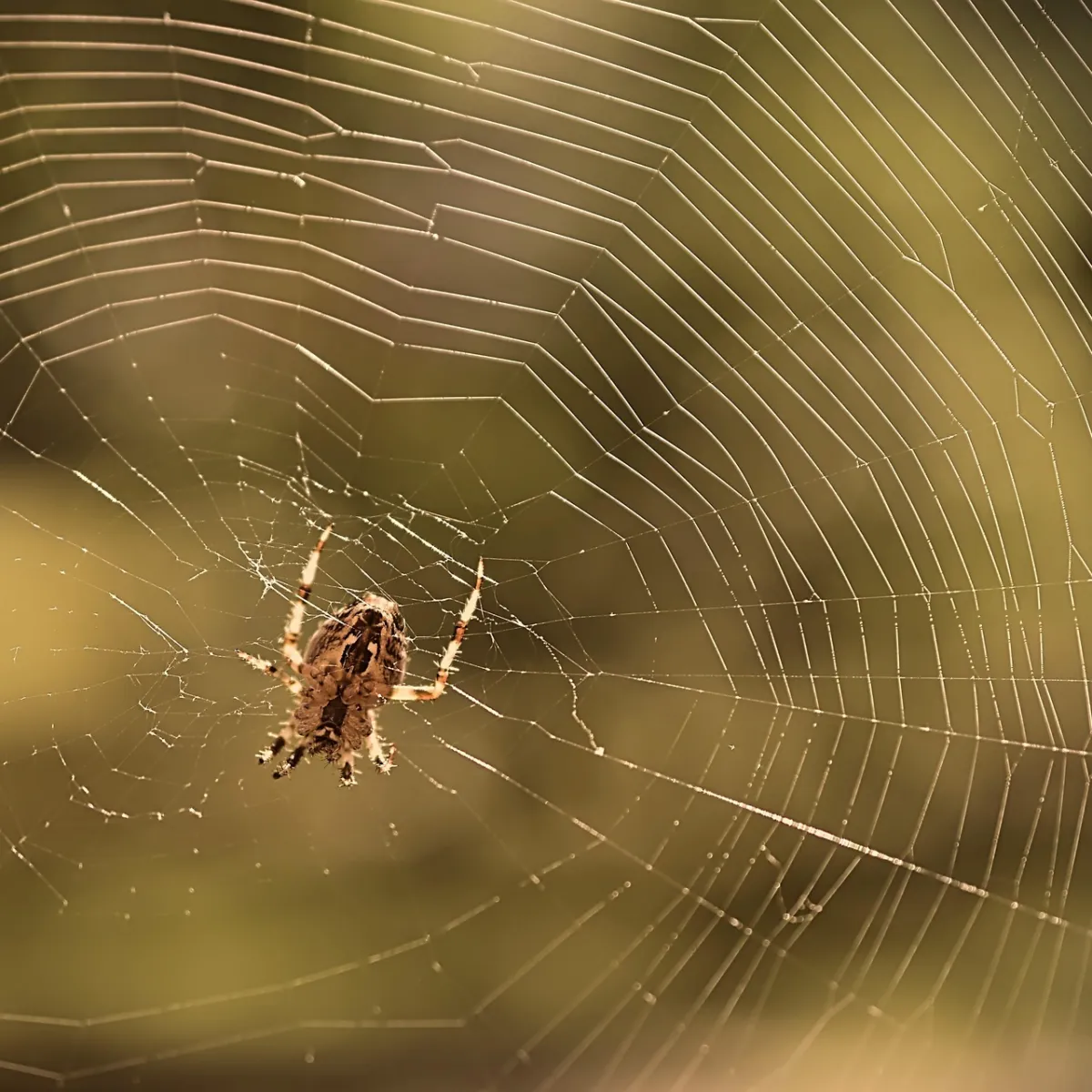
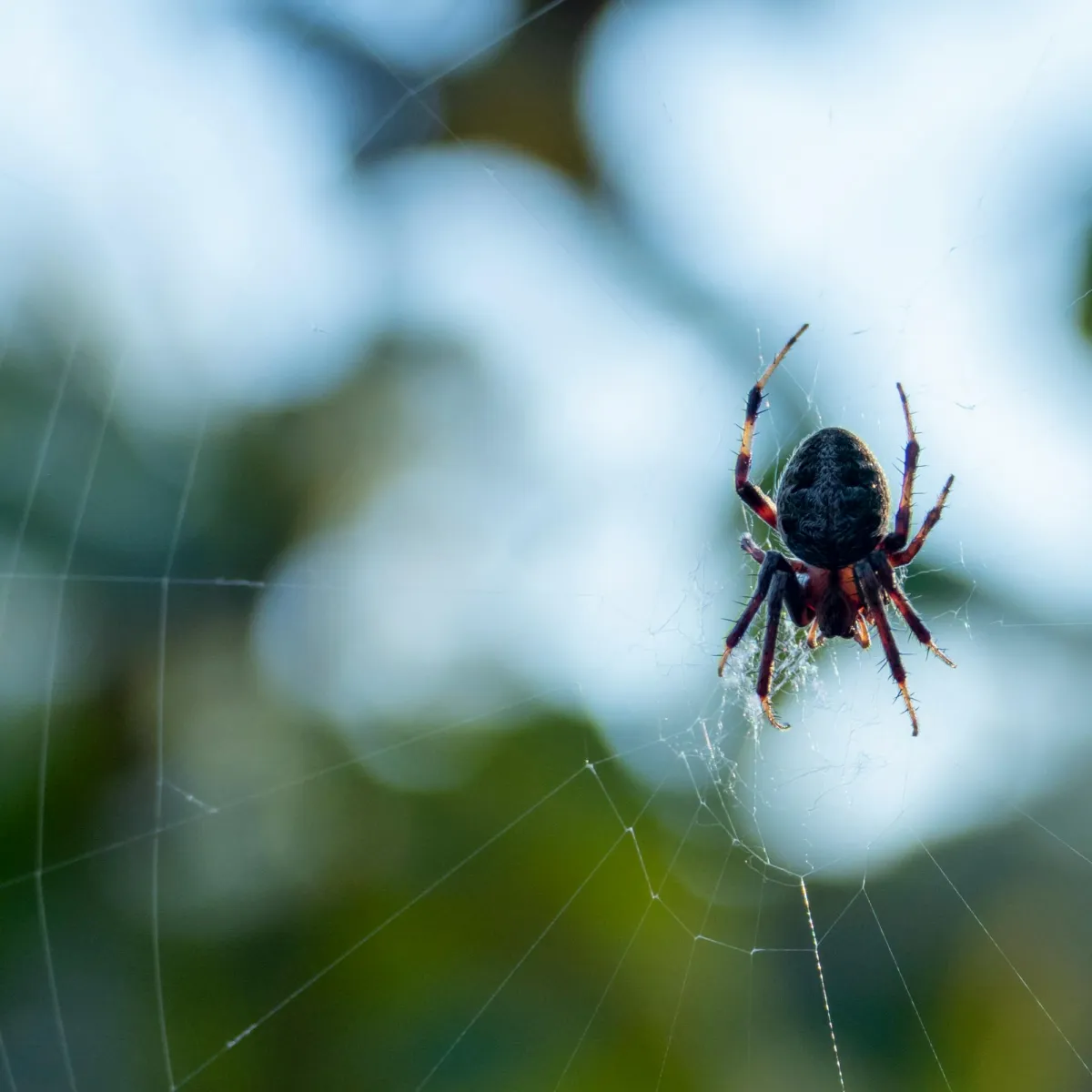
Repeated webbing is one of the clearest signs that spider activity is becoming established. In Tulsa, homeowners may notice webs around garage ceilings, porch corners, sheds, window edges, attic access points, storage shelves, and patio areas. Seeing spiders in the same rooms or around the same outdoor structures more than once is another sign the issue is not random.
Other signs include egg sacs, shed skins, dead insects caught in webbing, and activity that comes back soon after you clean or spray. When the same locations keep producing signs, spiders are usually finding reliable shelter and prey nearby.
Spiders stay close when the property offers food, shelter, and easy access
Spiders move toward homes because homes provide exactly what they need: insects to feed on and protected spaces to hide in. If bugs are gathering around lights, landscaping, damp areas, or window lines, spiders usually follow. Garages, sheds, crawl spaces, closets, and stored materials give them the kind of cover they prefer.
Tulsa’s long warm season also helps keep insect activity going. Fairway’s own Tulsa seasonal pest content emphasizes how summer heat and humidity keep pest pressure active and why recurring treatment is often more effective than one treatment alone.
The places spiders like most are usually quiet, sheltered, and rarely disturbed
In Tulsa, spiders may hide in garages, sheds, attics, crawl spaces, closets, roof eaves, wood piles, storage bins, foundation cracks, under furniture, around windows, and in vegetation close to the home. Black widows and brown recluses in particular are associated with protected areas where people do not disturb them often.
Outside, they may gather around porch lights, fence lines, patio furniture, and landscaping where insects stay active. Inside, they often settle in storage rooms and corners that do not see much daily traffic.
Tulsa spider activity can stay strong through much of the warm season
Spring usually brings more insect movement and more outdoor webbing. Summer keeps pressure high around patios, garages, landscaping, sheds, and exterior lights. Fall often brings more visible spider movement toward protected spaces, while winter may reduce outdoor activity but still leave spiders active in garages, attics, crawl spaces, and storage rooms.
Quick fixes often miss the hidden part of the problem
DIY sprays can kill spiders on contact, but they often miss hidden nesting spots, egg sacs, and the insect-rich areas that keep the population going. That is why the activity can seem to disappear briefly and then return.
Professional spider control works better because it combines inspection, targeted treatment, cleanup, and prevention. Fairway Lawns’ inspection-first pest-control approach is a better fit for long-running spider issues than a quick one-step spray.
A few property changes can help reduce future spider activity
Seal cracks around doors, windows, vents, and utility lines. Replace damaged screens and worn weather stripping. Keep garages, sheds, and storage areas more organized. Remove webs quickly, trim vegetation away from the home, and avoid storing wood directly against the structure.
It also helps to reduce moisture and insect attraction around outdoor lights, shaded corners, patios, and foundation areas.
Helpful answers for homeowners dealing with spider activity in Tulsa
If spiders keep showing up around your garage, shed, patio, attic, crawl space, or inside the house, Fairway Lawns can help. Our spider control service in Tulsa, OK is designed to reduce active spider pressure, remove webs, and help prevent the same issue from returning. Schedule an inspection and get a treatment plan built around your property.