Our Services - Pest Control
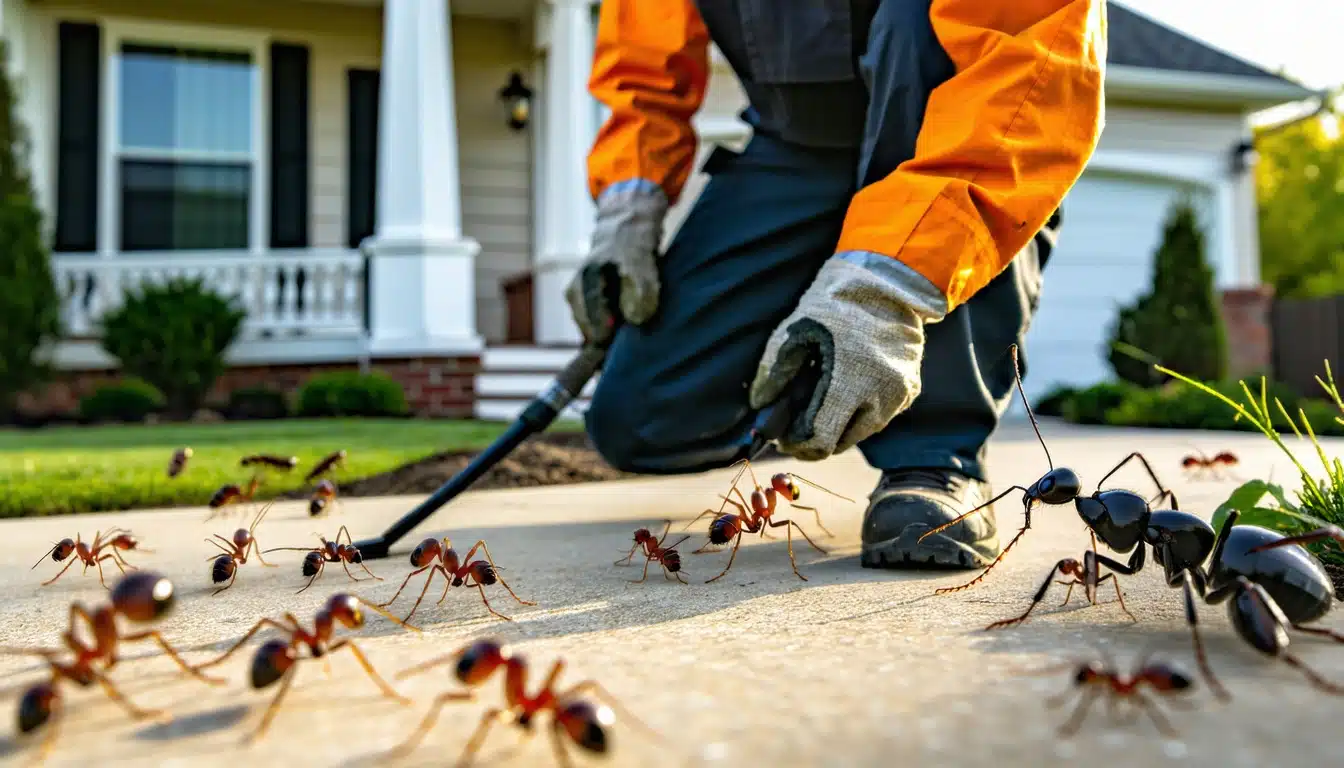
Fairway Lawns provides ant control services built to help stop active infestations, treat the source of the problem, and make your home or business feel easier to manage again.
Good ant control starts with knowing what kind of ant you are dealing with.
Ant infestations are easier to manage when the service follows a clear plan. Fairway Lawns uses a six-step process designed to identify the problem, treat it carefully, and help reduce the chance of it continuing.
Every ant control service begins with a detailed inspection of the property. We look for active trails, likely nesting areas, food and water sources, and the points where ants may be getting inside. We also work to identify the ant species, because fire ants, pavement ants, carpenter ants, and pharaoh ants all behave differently and do not respond the same way to treatment.
Once the species is identified, we look more closely at how the infestation is moving through the property. That includes where ants are entering, where they may be nesting, and which areas are seeing the most pressure. This helps us treat the problem more precisely instead of making broad applications without a clear target.
After the inspection, we recommend the treatment method that best fits the infestation, the size of the property, and the type of ant involved. In many cases, the property can be surveyed and treatment can begin during the same visit, which helps move things along quickly when the infestation is active.
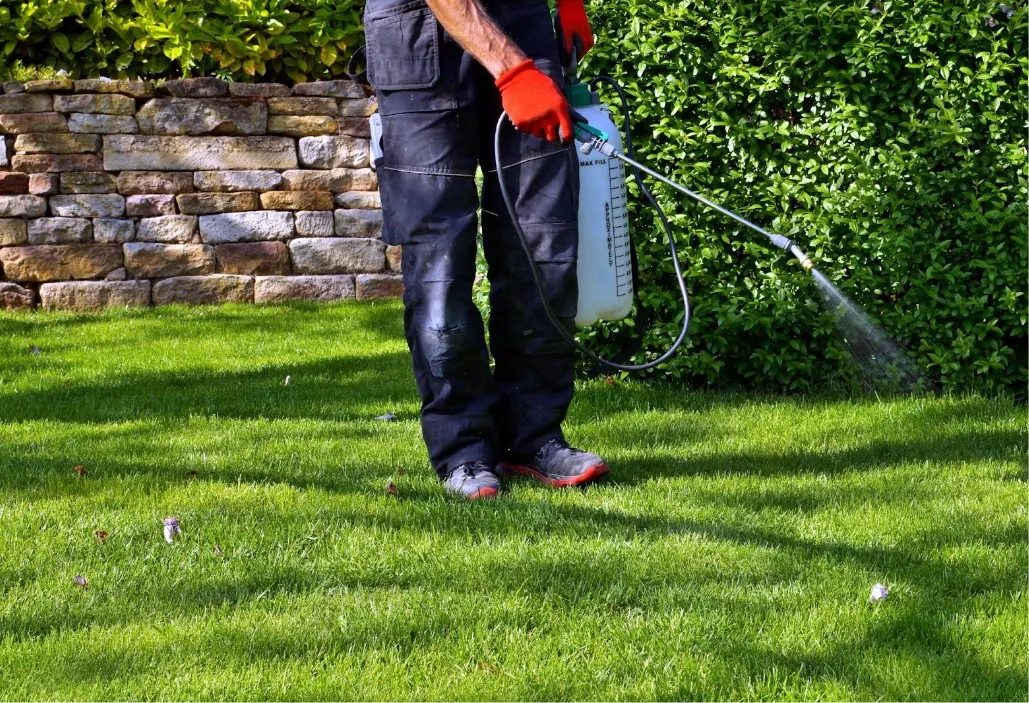
Treatment may include bait stations, traps, sprays, or a combination of methods depending on the infestation. The goal is to treat the colony in a way that makes sense for the species involved while being careful around the people, pets, and day-to-day activity on the property.
Safety always matters during ant treatment. Our team explains any precautions that should be followed, including avoiding treated areas until they are dry or following any site-specific instructions that apply to the service. We want the process to feel clear, not uncertain.
After treatment, we help guide the next steps that can reduce future ant pressure. That may include cleaning up food sources more carefully, sealing cracks and gaps, watching for leaks, managing moisture, and improving storage habits so ants have fewer reasons to return.
Not all ants behave the same way, and that is one reason ant control can be harder than people expect. Fairway Lawns highlights treatment for several of the more common and troublesome ant types.
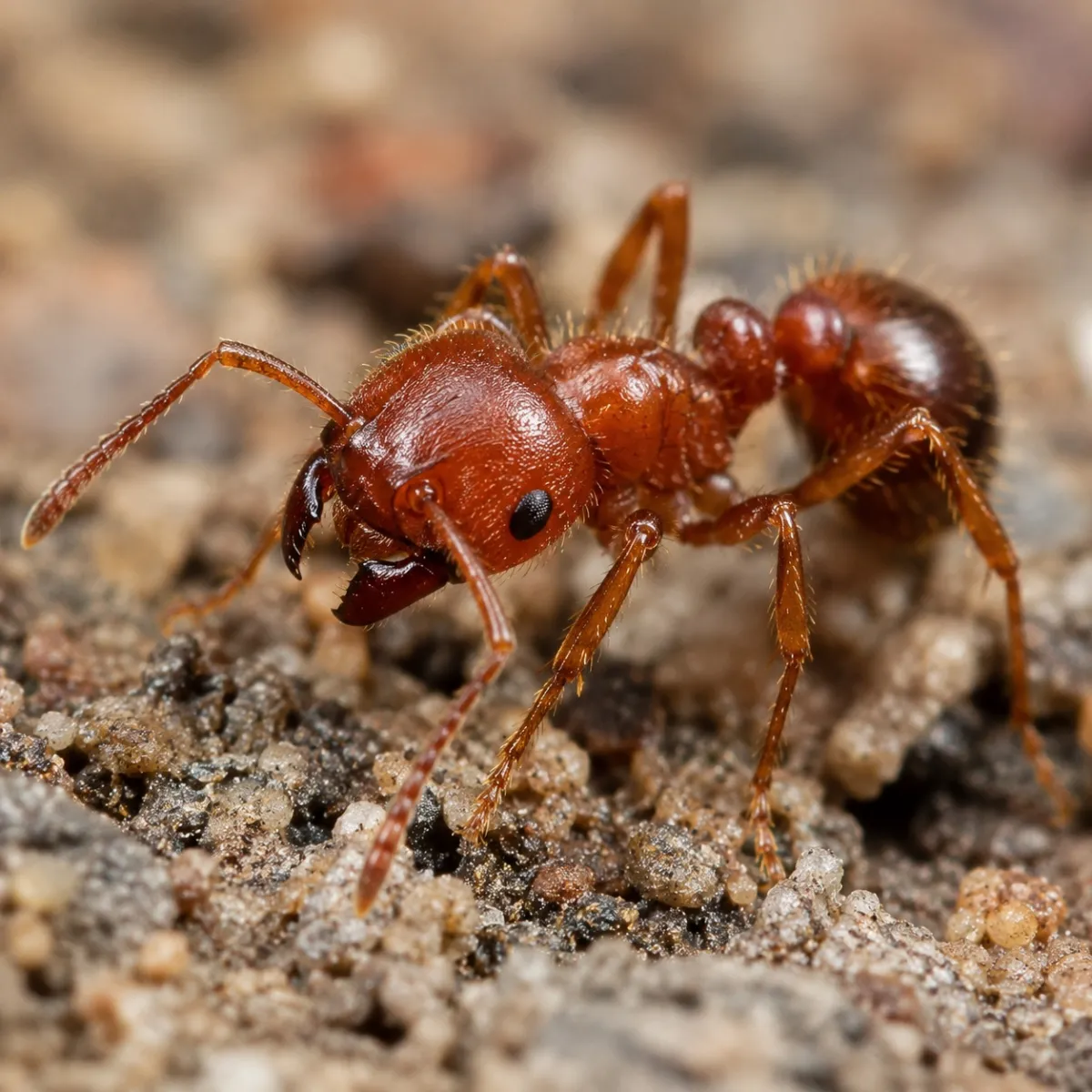
Fire ants are one of the more aggressive ants property owners deal with. A single colony can contain several queens and thousands of workers. They are known for painful bites and stings, and multiple ants may attack at once if the mound is disturbed.
Pavement ants often build nests under floors, inside wall spaces, around foundations, or beneath paved surfaces. They can form large infestations quickly and can become a steady indoor nuisance once they get established.
Carpenter ants excavate wood to build nests, which can still lead to serious structural concerns over time. They may nest inside walls, damp wood, or other hidden structural areas, and their bites can be painful.
Pharaoh ants are small and often found nesting in wall voids, behind baseboards, inside curtain rods, and other hidden indoor areas. They are known for contamination concerns and can be difficult to control without a more strategic treatment approach.
Ant control is harder than it looks because the colony is usually more established than people realize.
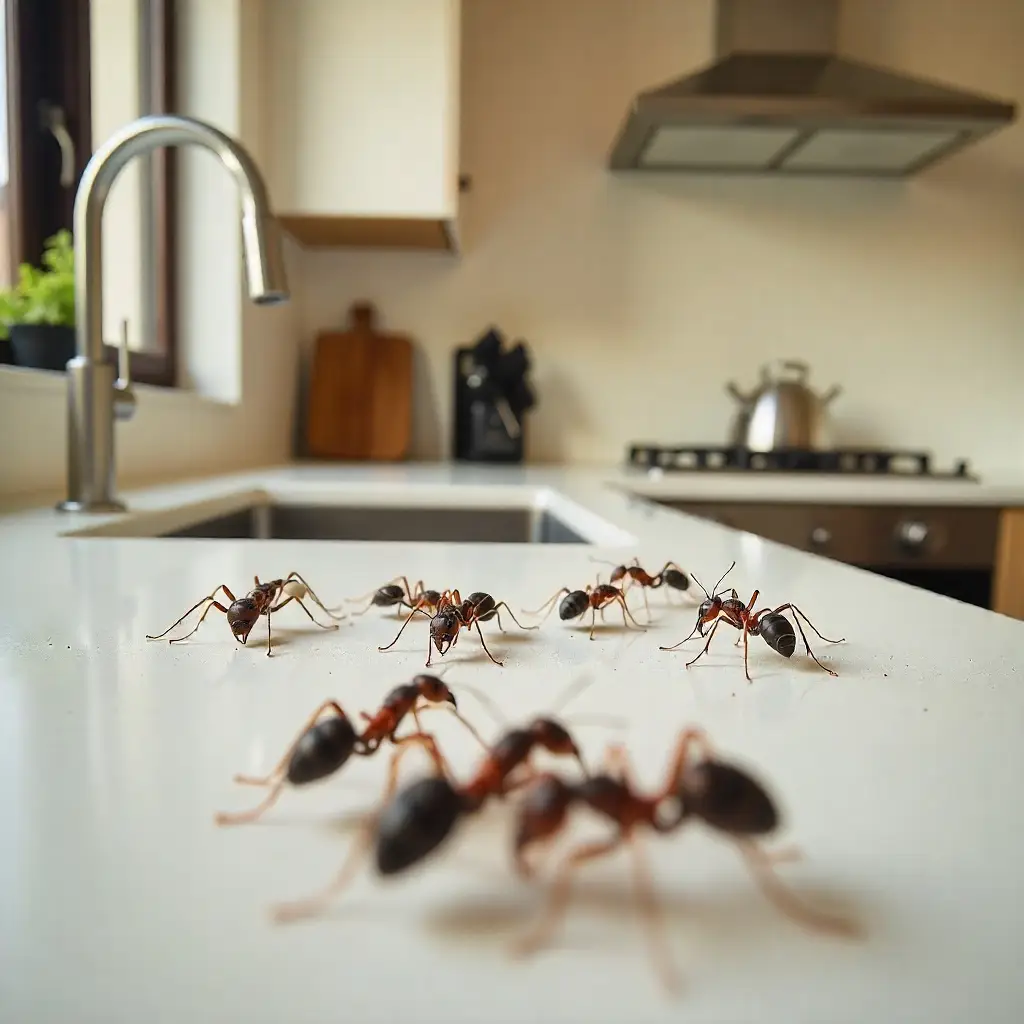
Ant infestations can build quickly, and large colonies are not easy to eliminate with a few store-bought products. By the time ants are moving through the kitchen, pantry, break room, office, or common areas, the nest may already be active in a place most people would never think to inspect.
That is why professional ant control matters. The issue is not only the ants on the counter. It is the colony behind them, the entry point they are using, the conditions attracting them, and the treatment method that makes the most sense for that species.
DIY treatments can sometimes scatter the problem or miss the nesting site entirely. Fairway Lawns approaches ant control by identifying the cause first, then applying treatment in a more informed and careful way.
Ants usually show up because a property is giving them something they want.
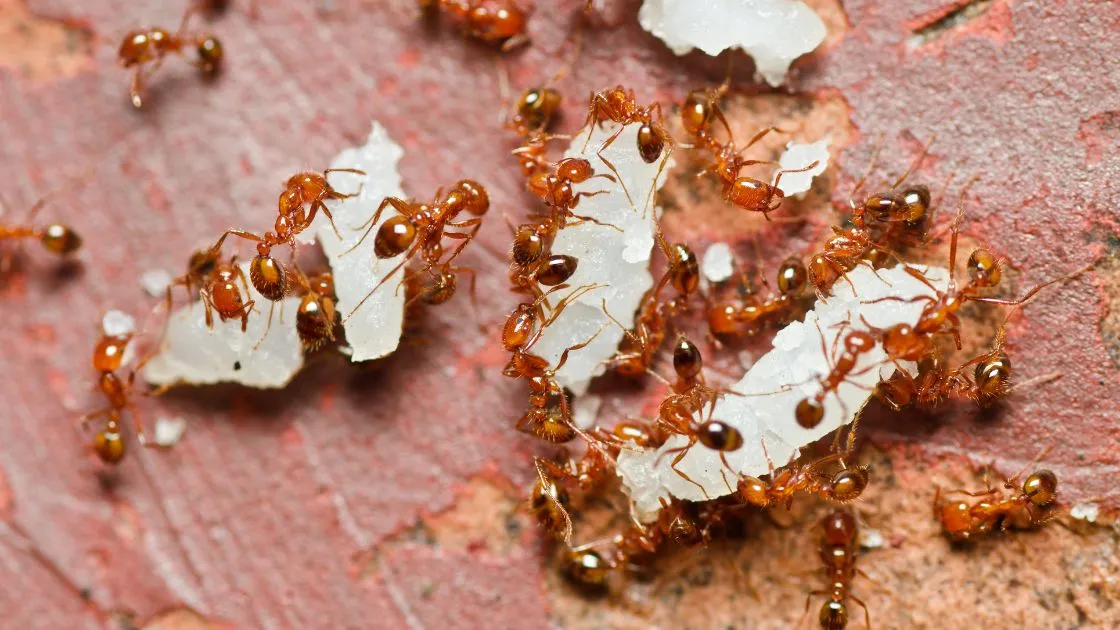
Ants are always looking for food and water, and they are especially good at finding both. Once one ant finds a food source, it can leave a scent trail that other ants follow back to the same spot again and again.
Sugary spills, crumbs, grease, open food containers, pet food, trash, damp areas, and standing water can all attract ants. Even a small recurring leak under a sink or a poorly sealed food storage area can keep activity going.
That is one reason ant control often works best when treatment is paired with prevention. The less access ants have to food, moisture, and easy entry points, the less inviting the property becomes.
A few practical changes can make a big difference after treatment.
Professional treatment can get the infestation under control, but prevention habits still matter. Ants are persistent, and they tend to return to places that keep offering food, water, or easy access.
Even small spills can attract foraging ants, especially sweet or greasy residue left behind on counters, floors, or shelves.
Crumbs under appliances, around trash areas, in pantries, or near pet bowls can keep drawing ants back into the same rooms.
Trash areas are one of the easiest places for ants to find food. Keeping lids closed and taking trash out regularly can help reduce attraction.
Dirty dishes in the sink and leftover residue in pet bowls can give ants a dependable food source, especially overnight.
Pantry goods, snacks, pet food, and bulk ingredients are better protected when stored in sealed containers instead of open bags or boxes.
Ants can get through very small gaps near doors, windows, and utility openings. Leaks and damp areas can also make the property more appealing to them over time.
Ant infestations can affect more than one type of property, not just homes.
Ants can become a problem almost anywhere people live, work, store food, or manage shared spaces. A homeowner may be frustrated by ants in the kitchen or bathroom. A property manager may be dealing with repeat activity across several units. A restaurant may need fast help because food-handling spaces cannot tolerate active pests.
Fairway Lawns works with property owners and managers across a range of settings, including homes, multi-unit residential properties, commercial businesses, hotels, restaurants, schools, churches, and more. The approach still comes back to the same thing: identify the ant species, locate the source, and treat the infestation with care.
People usually want to know whether treatment will be safe and disruptive.
Ant control should feel organized, not chaotic. In many cases, Fairway Lawns can inspect the property and begin treatment during the same appointment, which helps avoid delays once the issue is confirmed.
Our team uses treatment methods carefully and explains any safety guidance before leaving. In general, people may be on the property at the time of application, and we will let you know if there are any specific precautions to follow, such as staying off treated areas until they are dry.
That clear communication matters. Most people feel better about pest control when they know exactly what is being done and what comes next.
Most people call once the ants are already becoming part of daily life.
If ants are showing up in the kitchen, around the foundation, near entry points, in commercial areas, or anywhere else on the property, Fairway Lawns can help take a closer look and build a treatment plan that fits the infestation.
Request an ant control quote today and get professional help built around inspection, targeted treatment, and practical prevention.