Simple lawn care guidance for a healthier yard.
A healthy lawn starts with understanding the basics. Your grass type, mowing habits, soil conditions, thatch level, and seasonal weather all play a role in how your lawn grows and recovers.
Lawn 101 from Fairway Lawns is here to help homeowners make sense of common lawn care topics without overcomplicating the process. Use this page as a starting point to learn what your yard may need and when it may be time to bring in professional support.
Better lawn care starts with better information.
Every lawn has its own challenges. Some yards struggle with weeds. Others deal with thinning grass, brown patches, compacted soil, or mowing damage. The more you understand what is happening in your lawn, the easier it becomes to make the right decisions.
This Lawn 101 hub connects you to helpful resources on grass types, dethatching, lawn diseases, and mowing so you can better care for your yard through the seasons.
Know what type of grass is growing in your yard.
Different grasses need different care. Some thrive in full sun and heat, while others handle shade or cooler weather better. Knowing your grass type can help you mow at the right height, water more effectively, and understand how your lawn should respond during the year.
Fairway Lawns’ grass types guide covers common varieties like Bermuda, Centipede, St. Augustine, Zoysia, and Fescue. Each one has its own growth pattern, maintenance needs, and seasonal behavior.
Bermuda and Zoysia are known for handling heat and sun well. St. Augustine has a thicker blade and is common in warm climates. Centipede grows more slowly and often needs a lighter maintenance approach. Fescue is commonly used in cooler areas or lawns with more shade.
A spongy lawn may be trying to tell you something.
Thatch is the layer of organic material that sits between your grass and the soil. A small amount can be normal, but too much thatch can block water, air, and nutrients from reaching the roots.
When thatch builds up, your lawn may feel spongy, dry out faster, or stop responding well to fertilizer and watering. Dethatching helps remove that extra layer so your lawn can breathe and grow more comfortably.
If your lawn feels soft under your feet, looks brown beneath the green growth, or seems to struggle even with regular care, excess thatch may be part of the problem. Checking the thatch layer can help you decide whether it needs attention.
Brown spots are not always caused by heat.
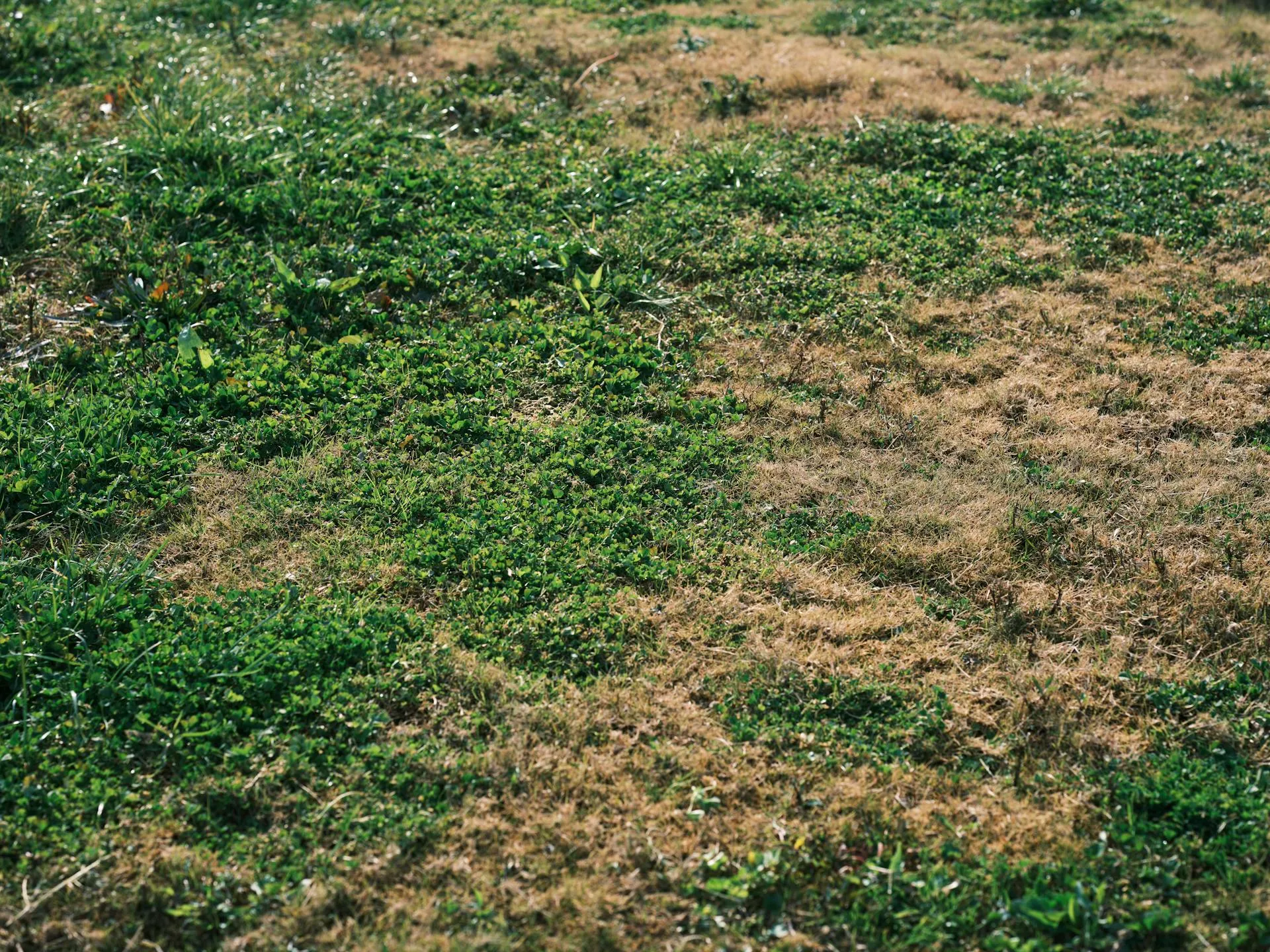
Lawn diseases can show up as brown patches, thinning grass, rings, spots, or discoloration. They are often more common when grass is stressed, humidity is high, or moisture stays on the lawn too long.
Some lawn problems look similar from the surface, so it can be hard to know whether you are dealing with disease, pests, drought stress, or poor soil conditions. A proper diagnosis helps avoid wasted time and the wrong treatment.
Look for patches that spread, yellowing or orange-tinted grass, gray leaf markings, powdery areas, mushrooms, or spots that do not improve after normal watering. If the issue keeps coming back, it may be time to have the lawn inspected.
The way you mow can shape the health of your lawn.
Mowing is one of the most important parts of lawn care. Cutting too short, mowing with dull blades, or removing too much grass at once can stress the lawn and make it easier for weeds, heat, and disease to take over.
A good mowing routine helps grass grow thicker and stay more resilient. The right height depends on your grass type, the season, and how actively your lawn is growing.
Keep mower blades sharp, avoid scalping unless it is recommended for your specific grass type, and try not to cut more than one-third of the grass blade at a time. During hot or dry weather, leaving the grass slightly taller can help protect the soil and roots.
Lawn care changes throughout the year.
Your lawn does not need the same care every month. Spring often focuses on recovery and new growth. Summer brings heat, watering concerns, and stress. Fall is a time to strengthen the lawn before cooler weather, while winter care depends on your grass type and local climate.
Following a seasonal approach helps your lawn get the right support at the right time instead of treating every issue the same way.
Small habits can make a big difference.
Many lawn problems start with simple mistakes. Watering too lightly, mowing too short, ignoring early disease signs, letting weeds spread, or using the wrong care plan for your grass type can all weaken the lawn over time.
The best thing homeowners can do is watch how the lawn responds. If your grass keeps thinning, discoloring, or developing the same problem areas, there may be something deeper going on.
You do not have to figure it all out alone.
Fairway Lawns can help you understand what your lawn needs and what may be holding it back. Whether you are dealing with weeds, lawn disease, mowing issues, thatch concerns, or general lawn stress, our team can evaluate your yard and recommend the right next step.
A healthier lawn starts with knowing what your grass needs and taking the right steps at the right time. Explore the Lawn 101 guides above, then contact Fairway Lawns when you are ready for local, professional lawn care support.
Contact Fairway Lawns today to request a quote and help your lawn move in the right direction.