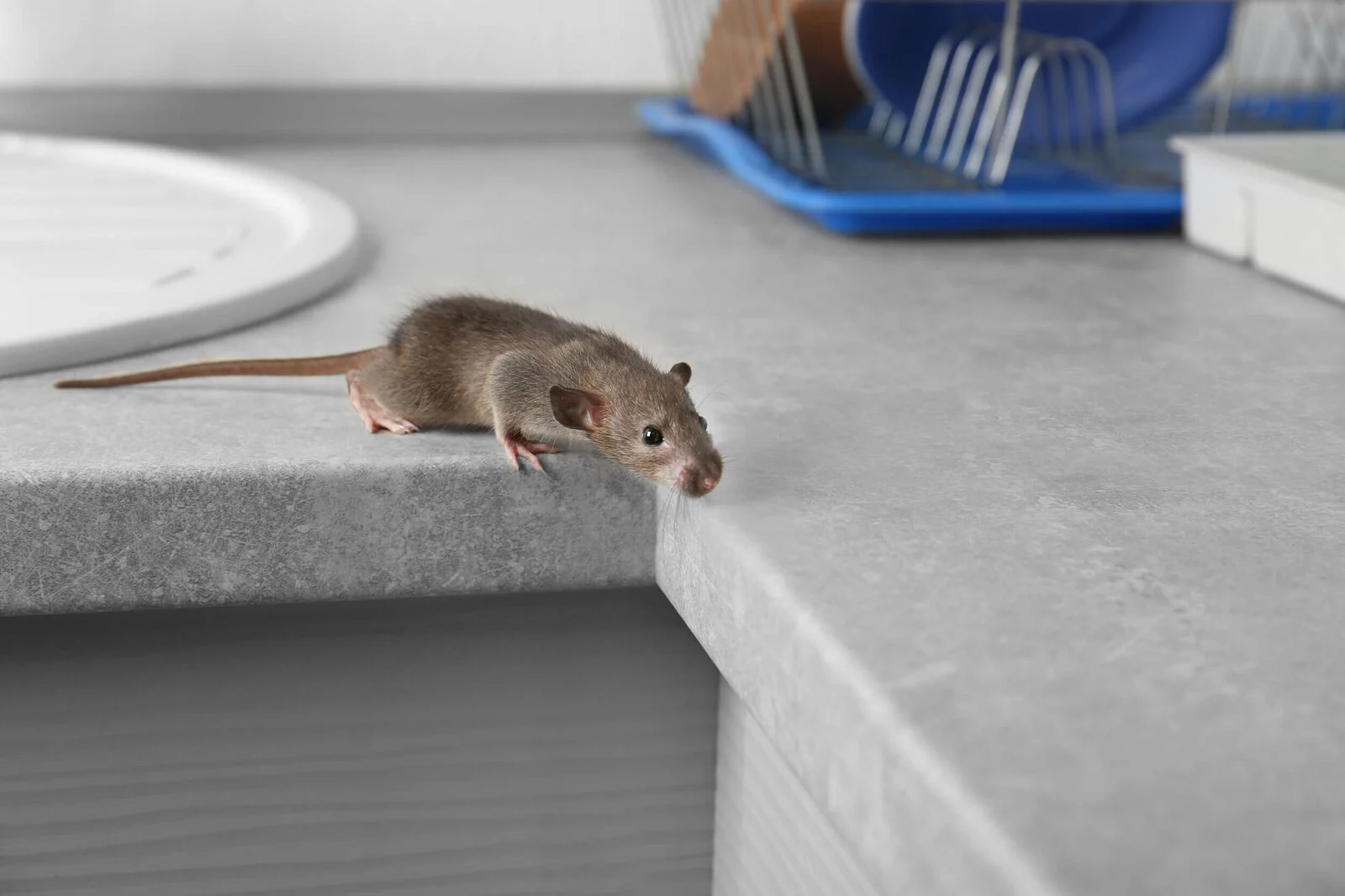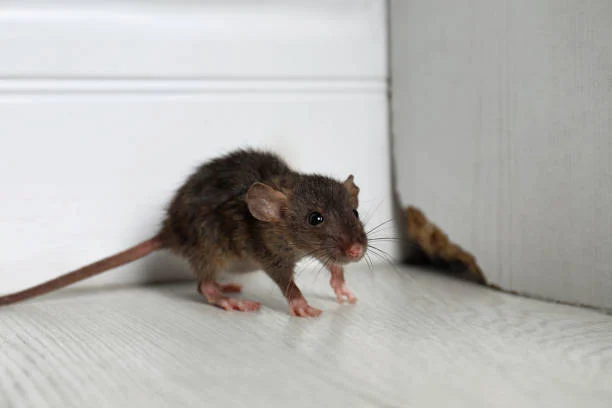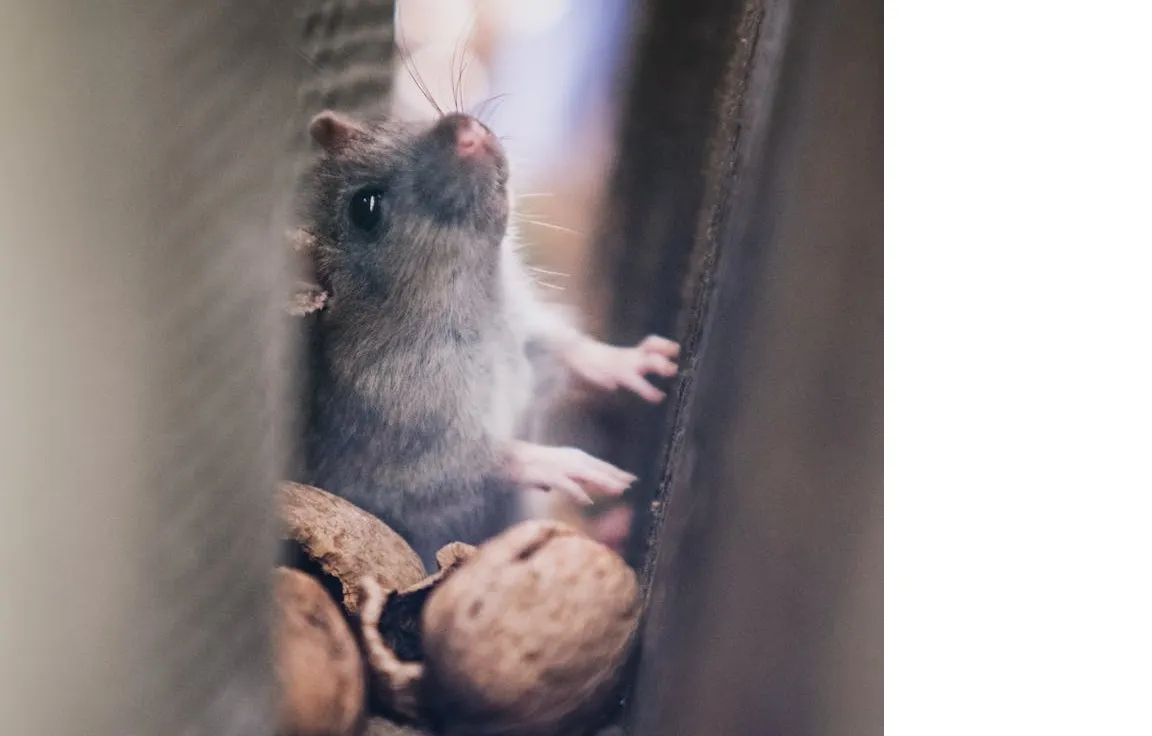
Our Services - Pest Control
Fairway Lawns provides rodent control services that help get rats and mice out, figure out how they got in, and make it harder for them to come back.
The best rodent control plans start by slowing down and figuring out what is really going on.
Rodent problems usually have more than one part to them. There is the activity you notice, the places you do not see, and the structural or environmental conditions that made the problem possible in the first place. That is why our process is built step by step.
The first step is a detailed inspection. We look for the evidence rodents tend to leave behind, including droppings, gnaw marks, nesting material, rub marks, food damage, and signs of movement in quiet areas of the home.
We also inspect likely access points around the structure, including rooflines, garage gaps, vent openings, utility penetrations, crawlspace areas, foundation gaps, and other places rodents may be slipping through. Knowing whether the issue involves rats, mice, or both helps shape the next steps.
Once we know rodents are present, we start piecing together how they are using the property. Where are they likely entering? Where are they traveling? Where are they nesting? Which areas are showing the clearest activity?
That matters because rodents are creatures of habit. They tend to reuse the same routes and hide in the same general zones. Understanding those patterns helps us build a more targeted plan instead of treating the home like every room is the same.
After the inspection, we put the first control measures in place. Depending on the situation, that may include interior trapping, secured exterior bait stations where appropriate, or a combination of methods based on the level and location of the activity.
The goal at this stage is to bring the rodent pressure down safely and strategically. We keep real household concerns in mind too, especially when kids, pets, storage areas, or frequently used rooms are involved.
Removing rodents is important, but it is only part of the solution. If the opening they used is still there, another rodent can find it later.
That is why exclusion matters so much. We identify gaps, cracks, damaged covers, roofline openings, vent issues, garage door gaps, pipe penetrations, and other access points that may need to be sealed or corrected. Closing those weak spots helps turn short-term control into longer-term protection.
Rodent control is rarely a one-visit issue. Follow-up visits help us see what changed after the first round of service, check traps or stations, remove captured rodents, and adjust placements if the activity is shifting.
This part of the process is what keeps the plan grounded in what is actually happening at the property. If there is still pressure in one area, we can respond to it. If things are improving, we can guide the next steps more clearly.
Once the activity is under control, the focus shifts to keeping the home less inviting. That may include storage changes, trimming vegetation back from the structure, securing food sources, reducing clutter, fixing water issues, or keeping outdoor pressure from building back up.
Some homes also benefit from continued monitoring, especially when rodent pressure around the property stays high. The idea is simple: do not just deal with the current problem, make the house harder to target next time.
Rodents usually get in through places people never notice until there is already a problem.
Rats and mice are always looking for the same things: food, water, shelter, and a way in. If a property gives them those things, even in small amounts, it can become attractive fast.
Sometimes it starts outside. Overgrown shrubs, stacked storage, pet food, bird seed, trash areas, fallen fruit, or water sources can pull rodents closer to the structure. From there, they start testing the edges of the house for weak points.
A gap under the garage door. A vent that is not sealed well. An opening near plumbing. A roofline issue. A crack near the foundation. Rodents do not need much space, and once they get inside, they often settle into quiet areas like attics, crawlspaces, garages, basements, utility spaces, and wall voids.
Not every homeowner sees a rat or mouse right away. In many cases, the first clues are indirect and easy to second-guess.
You may hear activity in the walls, attic, ceiling, under the floor, or behind cabinets, especially at night when the house is quieter.
Droppings often show up in garages, pantries, utility rooms, cabinets, attics, behind appliances, or along baseboards where rodents tend to travel.
Rodents chew constantly. That can mean damaged food packaging, gnawed storage boxes, chewed wires, insulation, plastic, or soft building materials.
As rodents move along the same routes, they can leave dark rub marks or smudges along walls, pipes, beams, and baseboards.
Shredded paper, insulation, cardboard, fabric, and other soft materials tucked into corners or hidden spaces can point to nesting activity.
A strong, stale, musky, or ammonia-like smell in a closed area may suggest urine, droppings, nesting, or hidden rodent activity.
Dogs and cats often notice rodent activity before people do. Scratching, staring, sniffing, or pawing at a wall, cabinet, or appliance can be a clue.
People usually want rodents gone because they feel uncomfortable having them in the house, and that reaction makes sense. But the problem goes beyond that.
Rats and mice can contaminate areas where food is stored, leave droppings in hidden spaces, damage insulation, and create odor problems that linger. They can also chew wires, which is one reason early action matters. The longer they stay active inside a structure, the more chances they have to damage materials people do not see every day.
Rodent activity can also lead to secondary problems. Fleas, mites, and other pests may be part of the picture in some cases. In attics, crawlspaces, garages, and storage areas, nesting and contamination can turn a small issue into a much bigger cleanup project.
rodent problem is easier to solve when you know what you are dealing with.
Fairway Lawns helps homeowners with the rodents most commonly found in and around residential properties.
Rats may nest in attics, rooflines, crawlspaces, garages, basements, sheds, or dense exterior areas around the home. They are strong chewers and often use larger structural weak points to get inside.
Mice can fit through much smaller openings and often settle into walls, pantries, cabinets, garages, storage rooms, attics, and utility areas. Because they reproduce quickly, even light mouse activity deserves attention.
Some problems start outside and only move indoors later. If the property has cover, food, water, and access points, rodents may stay active around the home until they find a way in.
Catching one rodent does not always solve the reason the infestation started.
A do-it-yourself trap can sometimes catch a rodent. What it usually does not do is explain why rodents are inside, where they are nesting, how they are getting in, and what will stop the next round of activity.
That is where professional rodent control helps. Fairway Lawns looks at the bigger picture. We inspect the property, identify signs of activity, locate likely access points, decide where control methods should go, and help guide exclusion and prevention steps.
Professional service also helps avoid careless placement of traps or bait stations in homes where children, pets, and shared family spaces need to be considered. The work is not just about removing a pest. It is about doing it in a way that is thoughtful, practical, and safer for the household.
The outside of the home often tells the story of what is happening inside.
Good rodent control does not stop with removal. Prevention plays a big role in keeping the issue from starting up again.
Check around vents, garage doors, utility lines, roof edges, crawlspace covers, and foundation areas for small openings rodents could use.
Keep pantry goods, pet food, bird seed, and bulk dry goods in sealed containers. Clean crumbs and spills promptly, and avoid leaving pet food out overnight.
Repair leaks, dripping faucets, irrigation issues, and standing water problems around the home. Rodents stay where water is easy to find.
Dense shrubs, vines, and overhanging branches can help rodents stay hidden near the structure and may even give them access to upper parts of the house.
Garages, sheds, crawlspaces, and attics become easier for rodents to use when clutter builds up. Organized, sealed storage makes nesting less convenient.
Colder weather, storms, nearby construction, and outdoor habitat changes can all push rodents toward homes. Small warning signs are easier to deal with early.
A good service visit should leave you with more clarity, not more confusion.
From the beginning, our goal is to make the process easier to understand. We inspect the home, explain what we are seeing, point out likely problem areas, and walk you through what the next step should be.
Some homes need a fairly straightforward plan. Others need more follow-up, more exclusion work, or more attention to exterior conditions that are drawing rodents closer. Either way, the service should feel practical and grounded in the actual condition of the property.
We are not trying to make the situation sound more dramatic than it is. We are trying to help you solve it in a clear, sensible way.
Most rodent questions come down to three things: what is it, how bad is it, and how do we stop it?
If you are hearing scratching, finding droppings, noticing chewed materials, or seeing signs that something is moving through the house, Fairway Lawns can help you figure out what is happening and what to do next.
Request a rodent control quote today and get a service plan built around inspection, removal, exclusion, monitoring, and prevention.