
Our Services - Pest Control
Fairway Lawns provides termite treatment services built to help catch termite activity early, treat active infestations, and protect your property from more serious structural damage.
Good termite work usually starts before anyone can see the full extent of the problem.
Termite control works best when there is a clear process behind it. Fairway Lawns uses a practical six-step approach that starts with inspection, moves into targeted treatment, and continues with prevention-minded guidance.
Every termite treatment service starts with a full evaluation of the property. We inspect the building for visible signs of termite activity, conditions that may make the structure more vulnerable, and areas where termites may already be active behind the scenes.
Once possible termite activity is identified, we look more closely at the severity of the issue and the size of the affected area. That helps determine how urgent the problem appears to be and what type of treatment is most appropriate.
After the inspection, we recommend a termite treatment plan based on the property conditions and what we found during the evaluation. In many cases, Fairway Lawns can inspect and treat during the same visit, depending on the severity of the infestation and the size of the area.
Treatment may include traps, bait stations, sprays, or a combination of methods designed to eliminate termites effectively and protect the structure. The plan is built around the infestation itself rather than using a one-size-fits-all response.
Safety remains part of the process from start to finish. Fairway Lawns explains any precautions that need to be followed during or after treatment, including avoiding contact with treated areas until they are dry.
Once treatment is in place, prevention becomes part of protecting the property long-term. That includes addressing moisture issues, reducing termite-friendly conditions, and keeping up with routine inspections so small problems do not get the chance to turn into bigger ones.
The hardest part about termites is that they can stay hidden while the damage keeps moving.
A termite problem is rarely just about the insects themselves. It is about what they are doing to the structure while they stay out of sight. Termites feed on wood and can cause serious damage to foundations and other structural parts of a property, which is why early detection matters so much.
That is also why professional termite treatment matters. Most property owners are not expected to know exactly what termite evidence looks like or how to tell the difference between minor surface wear and something more concerning. A trained inspection helps spot problems earlier, and a professional treatment plan helps address the infestation with methods built for the property and the level of activity.
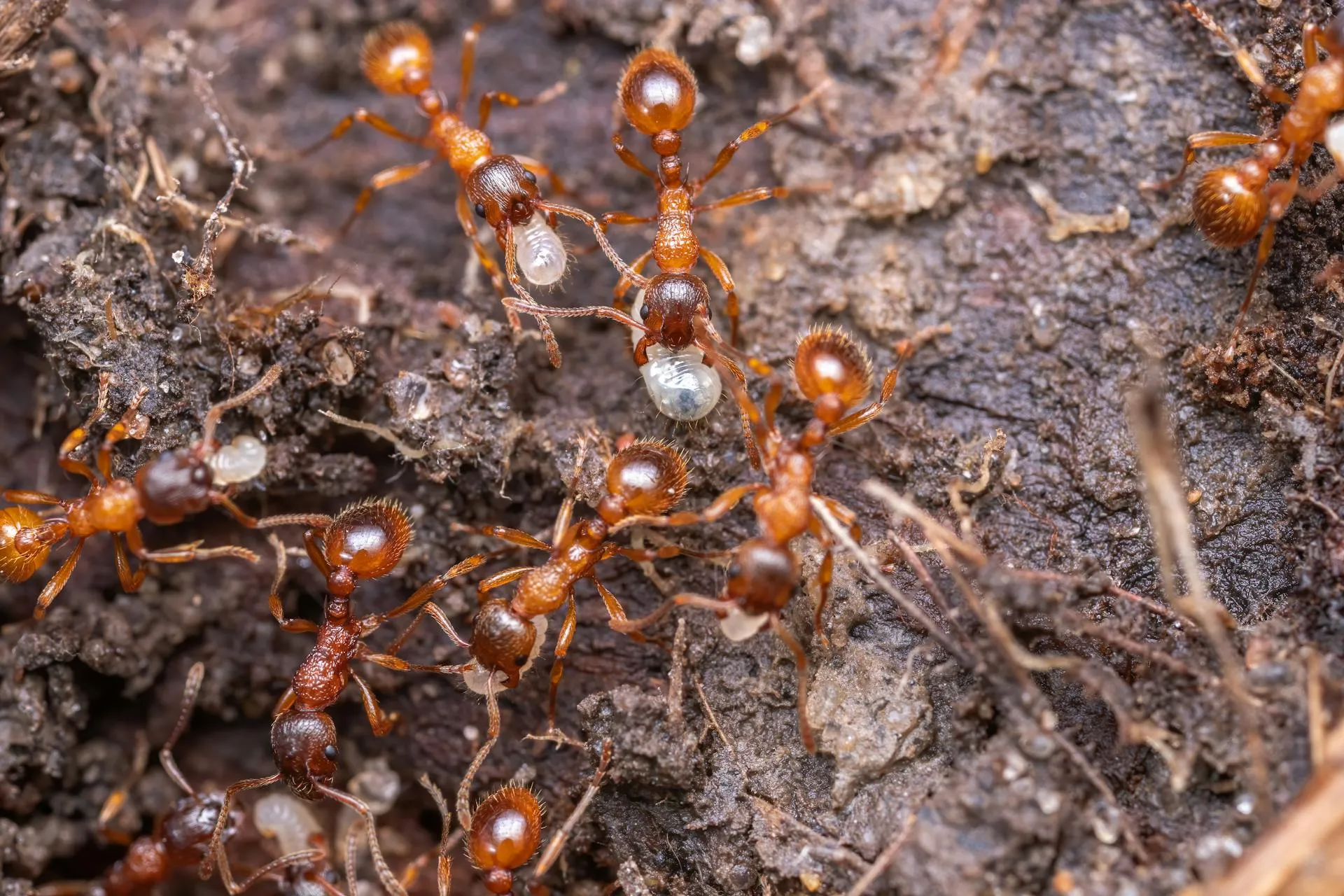
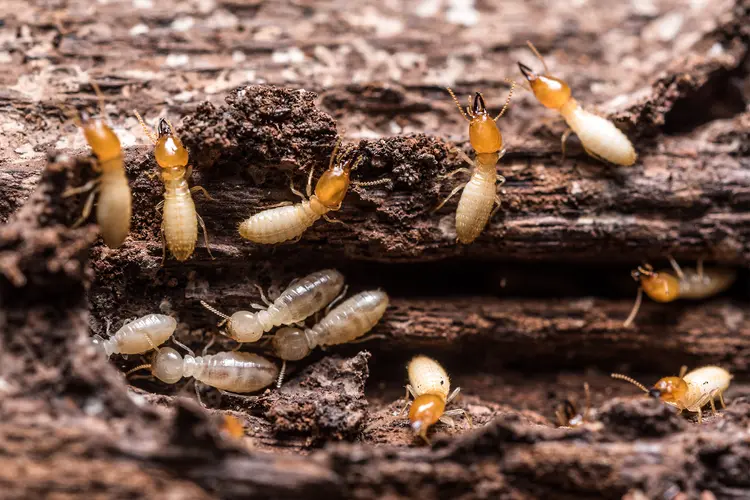
Termite activity often becomes noticeable through the evidence they leave behind rather than the termites themselves. There are a few warning signs property owners should take seriously.
Mud tubes near a structure can be one of the clearer signs of termite movement, especially where termites are traveling between the soil and the building.
Small piles that look like tiny fish scales may actually be discarded termite wings, which can appear near windows, doors, and other points around the property.
Visible droppings that resemble sawdust can be another sign of termite activity, especially in areas where the infestation has been active long enough to leave behind debris.
Discolored or sagging drywall, peeling paint, small holes in walls, or crumbling wood can all point to termite-related damage that needs a closer look.
Not every termite problem comes from the same kind of termite.
Different termite species can behave differently, which is one reason a professional inspection matters.
Subterranean termites are among the most common termites property owners deal with. They are often associated with mud tubes and soil-to-structure movement, which makes foundation areas and lower access points especially important during inspection.
Drywood termites are different because they can live directly inside the wood they are damaging. In some cases, they may also be introduced through infested wooden items such as furniture or other wood materials.
Termite prevention usually comes down to reducing the conditions that make a structure easier to target.
Even after treatment, prevention still matters. Small property conditions can make a structure more attractive to termites over time, especially when moisture and wood contact are involved.
Leaks, poor drainage, and damp areas around the structure can make the property more favorable to termites. Addressing moisture problems is one of the simplest ways to reduce risk.
Wood-to-soil contact can make it easier for termites to move from the ground into structural materials. Firewood, scrap wood, mulch-heavy buildup, and untreated wooden elements near the foundation should be watched closely.
Soft, cracked, or water-damaged wood can become more vulnerable over time. Taking care of repairs early can help reduce opportunities for termites to settle in.
One of the best forms of prevention is simply catching problems early. Routine inspections can help identify activity before visible damage becomes more severe.
Termite treatment is not just about getting rid of pests. It is about protecting the structure itself.
Termites feed on wood and other cellulose-based materials, which is why they can become such a serious structural pest. They may affect framing, support components, trim, drywall paper, flooring materials, and other parts of a building over time.
What makes this especially frustrating is that the damage may keep developing while the termites remain hidden. A property can look mostly normal from the outside while interior damage continues building in less visible areas.
That is one reason people take termites so seriously. The longer the infestation goes unnoticed, the greater the chance of more involved repair work later.
Most people want to know what treatment is actually going to look like before they commit to it.
If termite activity is suspected, Fairway Lawns starts by evaluating the property, reviewing the visible signs, and assessing how severe the problem appears to be. From there, we recommend a treatment plan based on the structure, the type of activity found, and the size of the affected area.
In many situations, the inspection and treatment process can move quickly, which helps when the concern is active termite damage. Our team also explains any precautions that should be followed, including staying away from treated areas until they are dry when necessary.
Good communication matters here. Termite treatment already feels stressful enough for most people. The process should feel clear and organized, not vague.
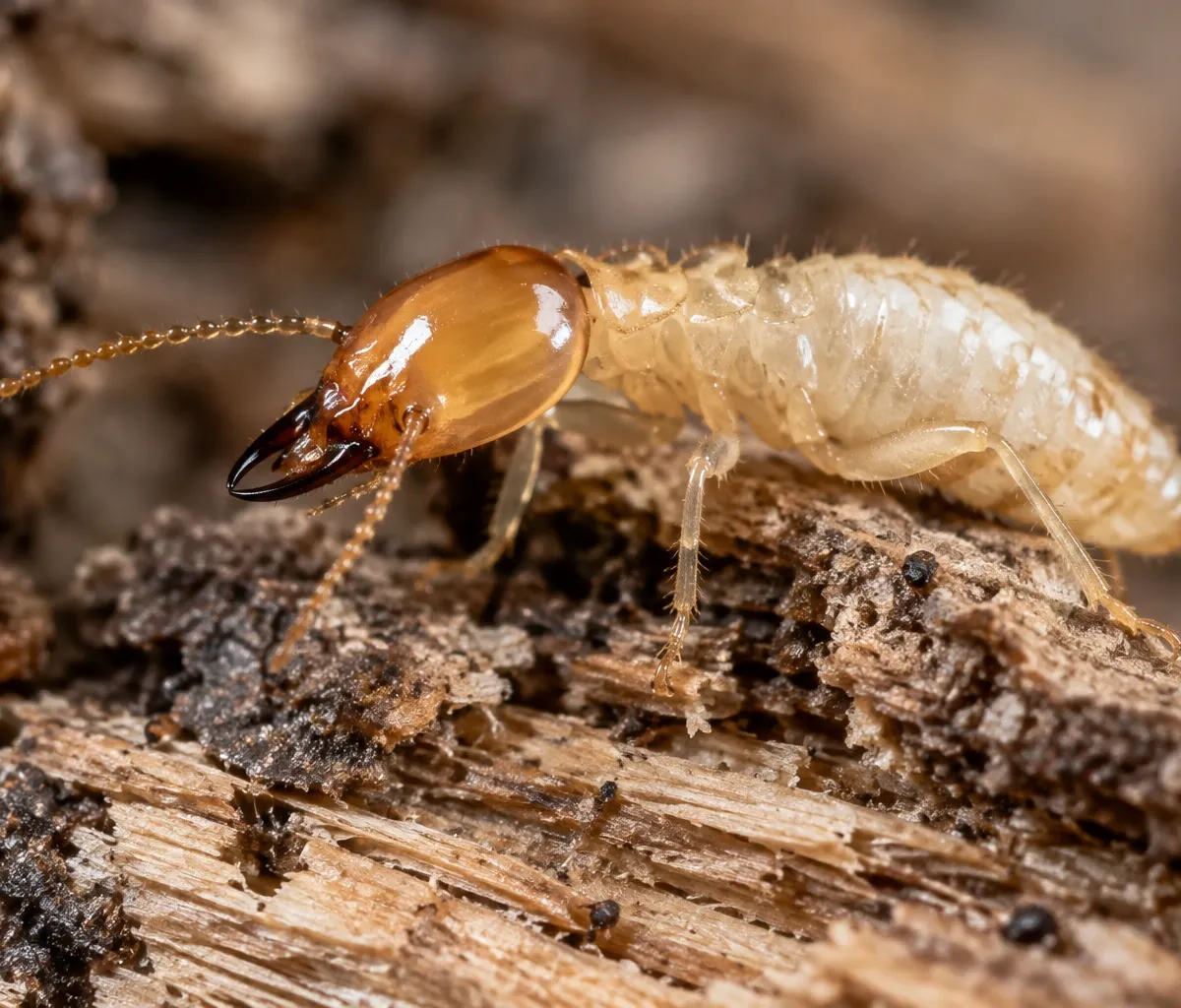
People are usually looking for more than treatment alone. They want to feel like the property is being protected properly.
Fairway Lawns takes termite concerns seriously because termite problems rarely feel small once they are confirmed. Our approach is built around careful inspection, practical treatment recommendations, and protecting the structure based on the actual conditions we find.
That means we do not jump straight to a generic response. We look at the evidence, consider the likely termite type, evaluate the affected areas, and recommend treatment that makes sense for the property. Some cases are caught early. Others need a more involved response. Either way, the service should feel thoughtful and direct.
Property owners usually want clarity as much as they want treatment. They want to know what is happening, how serious it looks, and what the next step should be. That is the kind of guidance Fairway Lawns aims to provide.
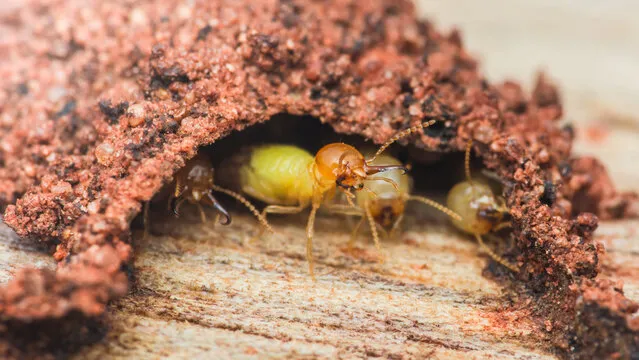
Termite questions usually start once something on the property no longer feels normal.
If you have noticed signs of termite activity or simply want a closer look at something that does not feel right around the property, Fairway Lawns can help inspect the issue and recommend the next step.
Request a termite treatment quote today and get professional help built around inspection, targeted treatment, and longer-term property protection.