When the Yard Starts Pushing Back
A lawn can stop feeling easy to use faster than most people expect once fire ants get established. One mound appears in a sunny stretch of grass, another turns up closer to where people cut across the yard, and before long the whole property starts feeling like something that needs extra attention. What used to feel ordinary outside starts feeling inconvenient.
For homeowners in Little Rock, Fairway Lawns provides fire ant control for active mound activity, recurring colony pressure, and the kind of yard problem that keeps resurfacing when only the top layer gets treated.

When the Same Issue Refuses to Stay Gone
What often makes fire ants so frustrating is the false sense of progress. A mound gets sprayed, flattened, or treated with something from the store, and for a short stretch it seems like the yard is back under control.
Then the activity returns.
That usually means the visible mound was never the full issue. The colony underneath can remain active even when the surface looks calmer, and when that happens, new mounds can form in the same area or somewhere nearby. What seemed like a fix may have only changed what was easiest to see.
Fairway Lawns addresses that by looking at how the infestation is behaving across the whole property. The treatment plan is shaped by how active the lawn is, how far the pressure has spread, and what kind of recurring pattern the yard is dealing with.
Why This Problem Affects More Than Appearance?
One mound might look small, but the effect on the yard is usually bigger than that.
Once active nests begin showing up in places people use often, the lawn stops feeling open and simple. That affects mowing, pet traffic, play areas, and the normal way people move through the property. A yard that should feel easy to enjoy can start feeling like something people work around.
There is also the larger issue below the surface. A mound may only be the visible sign of a colony that extends much farther underground, which is why short-term surface treatment often does not last.
What the Lawn Usually Shows First?
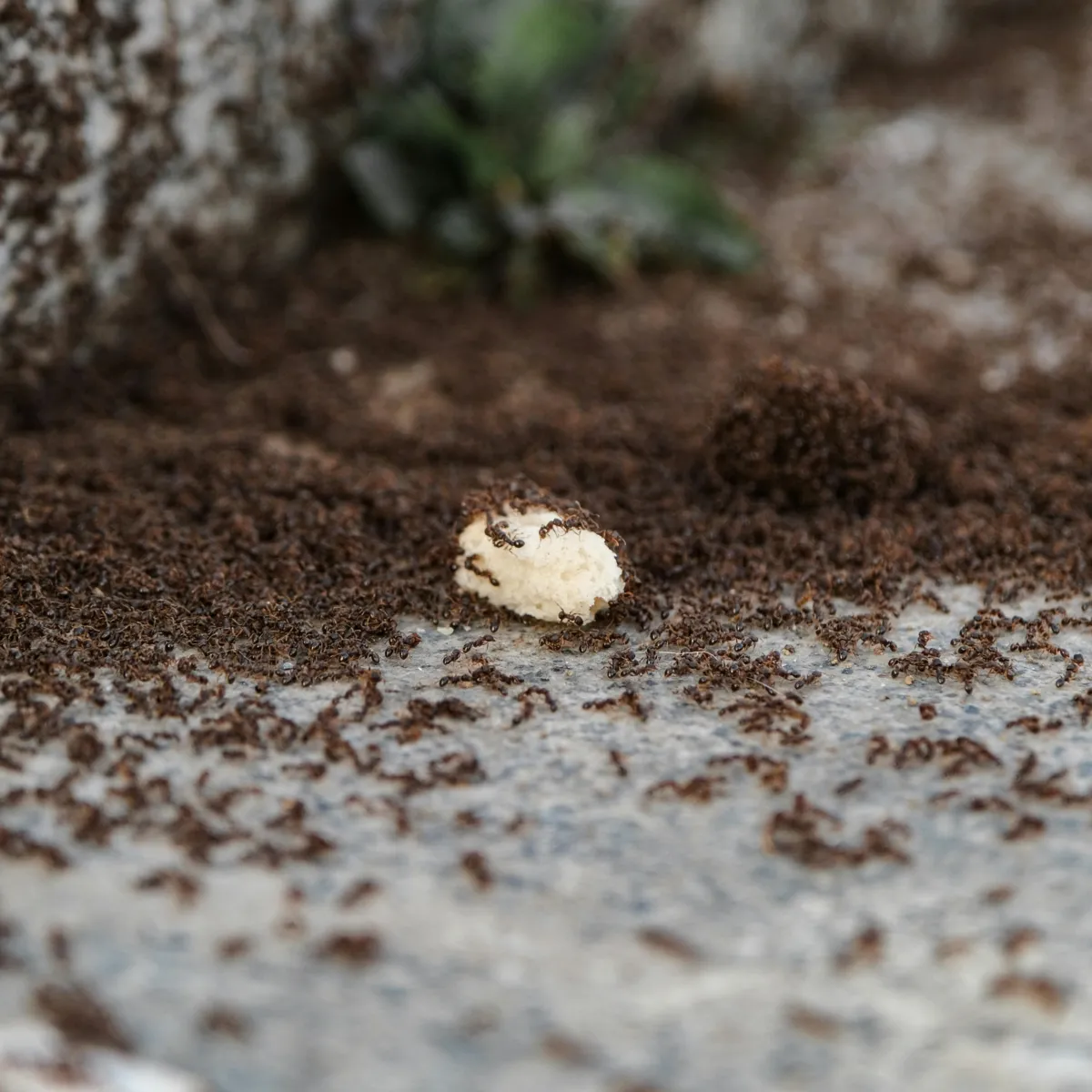
A loose mound of sandy soil is usually the first sign. These mounds tend to show up in sunny, exposed parts of the yard and are often easier to notice after rainfall.
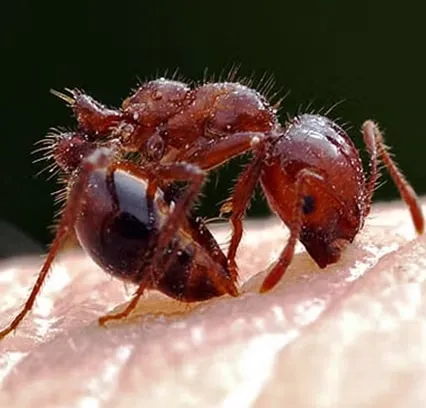
Other signs can include reddish-brown ants moving rapidly around the nest, sudden swarming after disturbance, repeated stings, or fresh mounds appearing in more than one section of the lawn. When that pattern keeps repeating after wet weather, it usually suggests the infestation is still active and not just a one-time flare-up.
How to Recognize Them Outdoors?
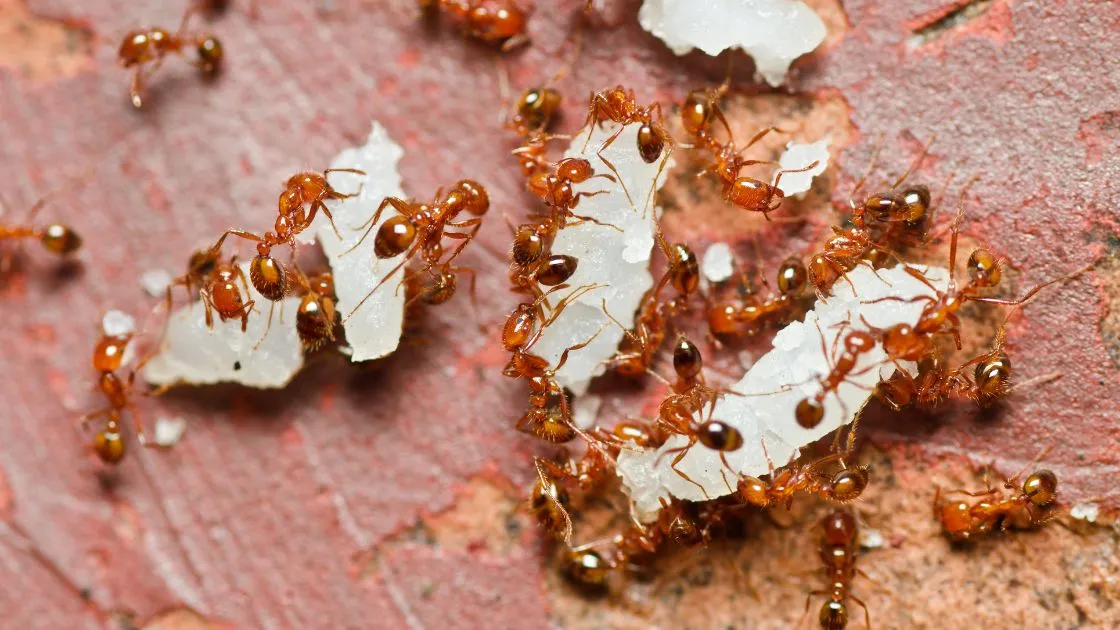
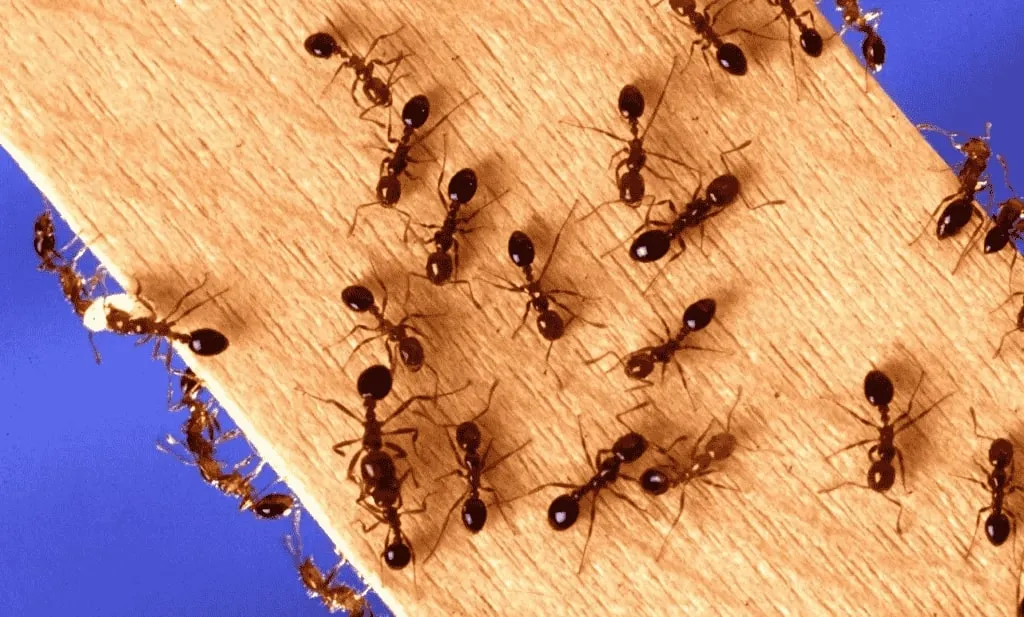
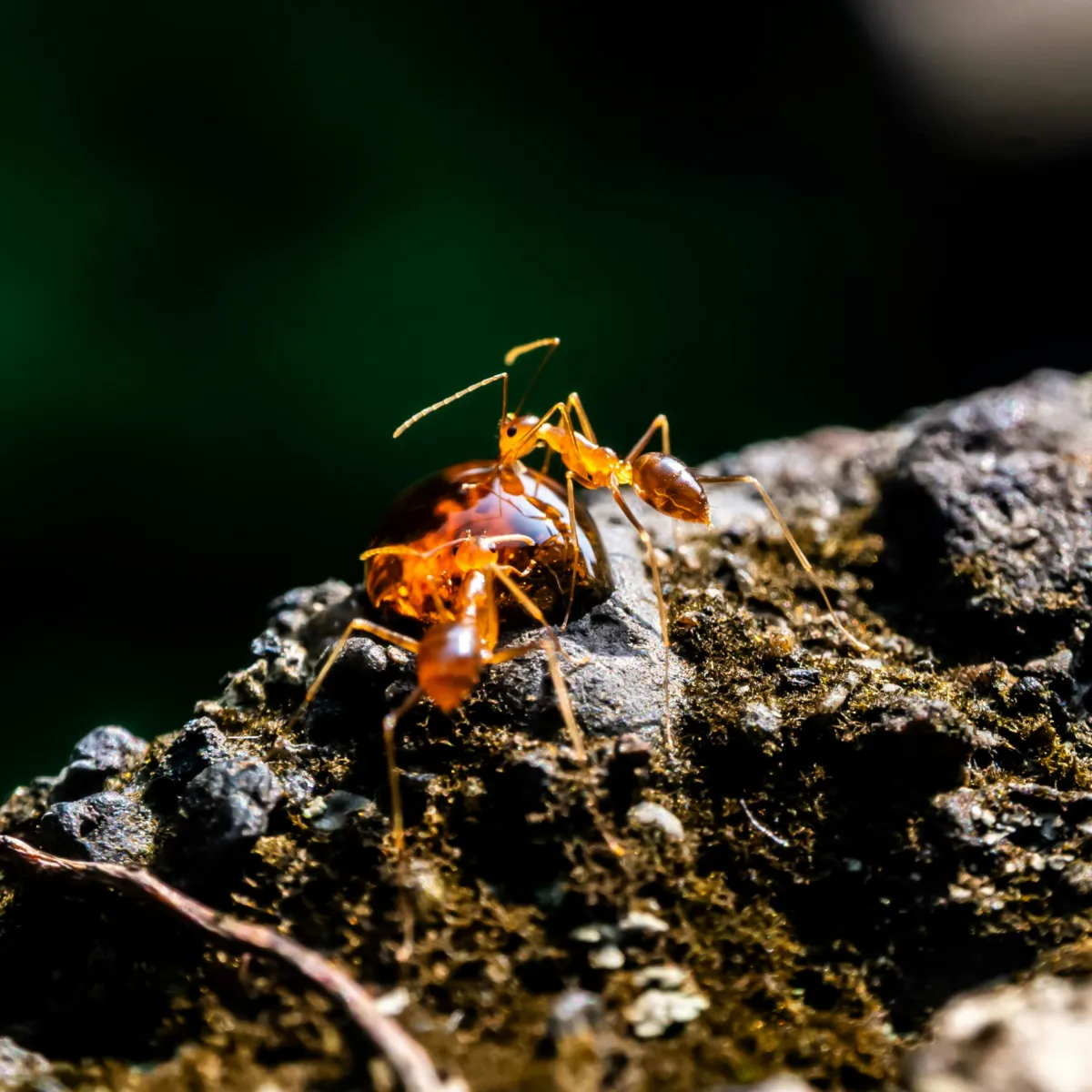
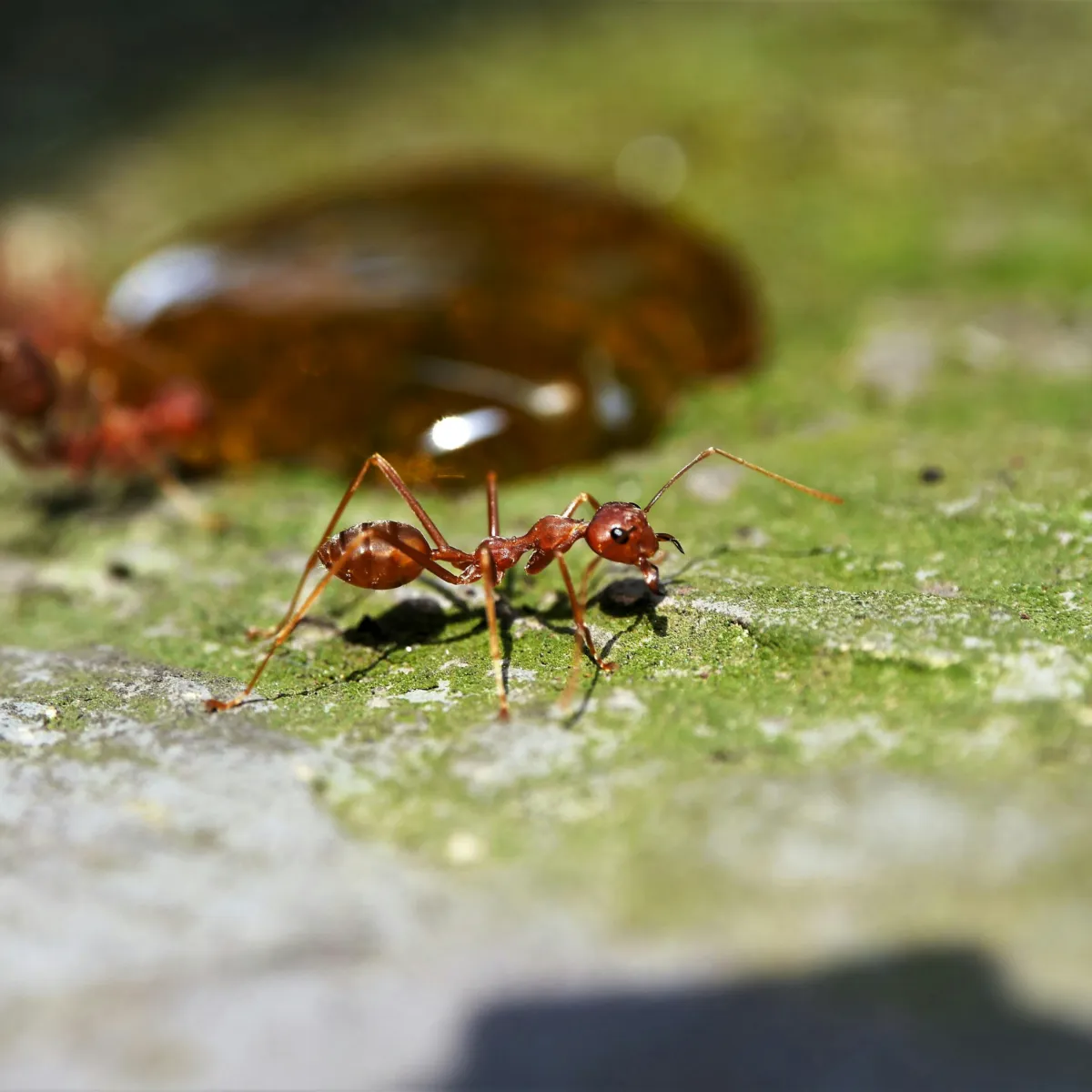
They are small ants with a reddish to reddish-brown color and are commonly found in open soil, bright lawn areas, and landscaped parts of the yard.
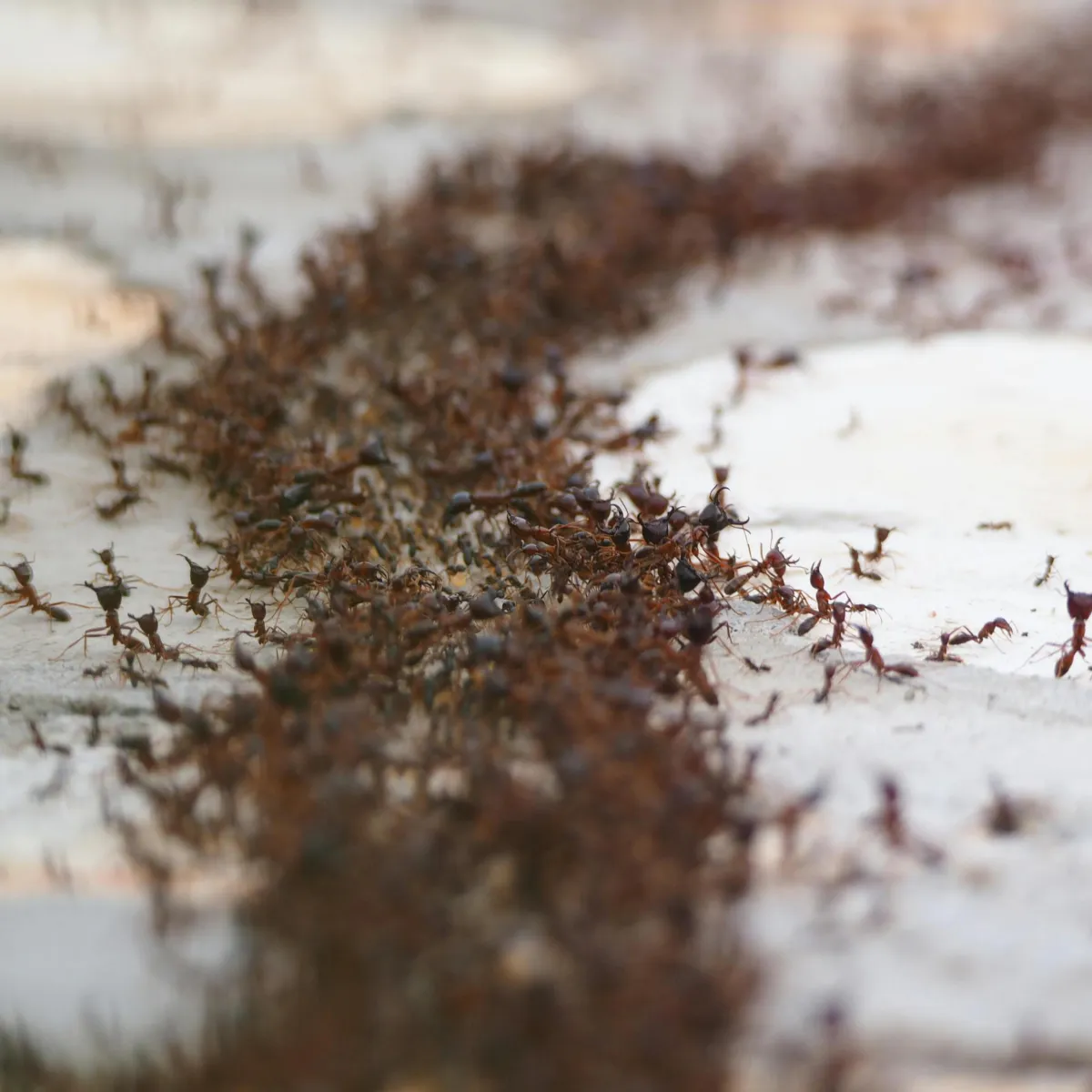
What makes them easiest to recognize is often their reaction rather than their size. Disturb the nest and they gather quickly, move fast, and become obvious in large numbers around the mound. That sudden activity is often what tells homeowners they are dealing with fire ants and not some other kind of ant in the lawn.
Why They Keep Coming Back?
The visible mound is only part of the colony. Much of the actual infestation remains below ground, where quick treatment may not reach enough of it to create lasting relief.
Some colonies spread wider underground than they appear above the surface. Some may involve more than one queen. Heat, rain, irrigation, and changing feeding behavior can all affect how well treatment works. Because of that, a yard may look improved for a short time while enough activity remains below to create new mounds later.
That is why fire ants often feel like a problem that pauses instead of a problem that ends.
How the Service Is Chosen for the Property?
Everything starts with an inspection of the yard. That means checking where mounds are forming, how concentrated the infestation appears, and whether the issue is limited to a few parts of the lawn or spread more widely across the property.
Once that is clear, treatment is selected based on the actual conditions in the yard. The goal is to reduce active colony pressure, lower visible mound activity, and help keep the same pattern from starting back up too quickly.
That first step matters because not every Little Rock lawn has the same kind of infestation. Some need focused work in a few active zones, while others need a broader response because activity is scattered across more of the yard.
Treatment Options That Fit the Infestation Pattern
Treatment depends on how the colony pressure is laid out across the lawn.
On some properties, direct treatment of the most active nests is the right place to start. On others, broader lawn coverage makes more sense because fresh activity is showing up in several sections instead of staying in one area. In certain situations, baiting may also be part of the plan when the goal is to address colony pressure beyond the most visible mound.
The key is that the treatment should match the pattern of infestation. A yard with a few concentrated trouble spots needs a different response than one with repeated mound buildup across multiple areas.
Why DIY Often Leads to More Repeat Work?
Many store-bought treatments focus on what is easiest to reach, which usually means the mound itself.
That can lead to temporary surface improvement without real colony control. A spray may reduce visible ants while leaving activity below intact. Baits may be less dependable if weather conditions interfere or if feeding behavior is different than expected. That is why homeowners often feel like they are treating the same yard problem again and again.
Professional treatment usually works better because it is based on how the infestation is acting across the lawn rather than on one product and one visible nest.
When Fire Ants Stand Out the Most?
Warm weather usually makes fire ant activity easier to notice, especially in sunny sections of the lawn. Rain often makes fresh mound formation even more obvious.
In Little Rock, that can keep the issue visible through much of the warmer season, particularly when wet weather is followed by new activity in open areas of the yard.
What to Know Before Normal Yard Use Begins Again
That is one of the first questions homeowners usually ask after service.
Fairway Lawns says treated areas should only be used again after any post-treatment guidance has been followed. That matters because people want to know when children can get back into the yard, when pets can roam normally again, and when the lawn is ready for regular use without uncertainty.
Why Homeowners Consider Fairway Lawns?
Fairway Lawns promotes local service in Little Rock, transparent pricing, professional treatment recommendations, and a 100% money-back guarantee.
That tends to matter most when homeowners are tired of short-lived fixes. Instead of trying another quick product, many want someone to inspect the property, explain what the infestation is doing, and recommend treatment that actually fits the lawn.
Questions Homeowners Commonly Ask
If new mounds keep showing up across the lawn, Fairway Lawns can help address the issue before more of the property becomes frustrating to use.
Schedule fire ant control in Little Rock, AR and stop letting active colonies turn ordinary yard space into something people keep having to navigate carefully.