When the Yard Starts Feeling Like a Problem
What makes fire ants so disruptive is not just the mound itself. It is the way one nest can change how the whole yard feels. A lawn that should feel easy to cross can start feeling like something people have to second-guess, especially once more than one mound appears and the sting risk becomes real.
Fairway Lawns helps Tulsa homeowners deal with active fire ant infestations by focusing on the colony activity that keeps the same issue building back across the lawn.
Where Short-Term Relief Usually Stops
The first response is often to deal with the most obvious mound and hope the issue ends there. A treatment gets applied, the soil settles down, and for a little while the lawn may look like it is getting back to normal.
Then another nest turns up.
That is usually the part homeowners find most frustrating. What is visible on top is often only a fraction of the infestation. If the colony below the surface is still active, fresh mound activity can show up again in another part of the yard even when the first spot seemed improved.
Fairway Lawns approaches that problem by looking at how the infestation is behaving across the property. Treatment is chosen based on the spread of activity, the level of mound pressure, and the overall pattern showing up in the lawn.
Why Fire Ants Change More Than the Grass?
A fire ant issue has a way of changing how a property functions. Once active nests begin appearing in places people actually use, the yard stops feeling simple.
That can affect mowing routes, play areas, pet paths, and even basic foot traffic across the lawn. What should feel like ordinary outdoor space starts becoming something people approach more carefully. That shift is often what makes the problem feel bigger than “just ants.”
There is also the deeper concern that one visible mound may only be the sign above ground, not the full extent of what is underneath.
What the Yard May Be Showing You?
In many yards, the first warning sign is not the ants themselves. It is the sudden appearance of fresh dirt mounds where the lawn looked normal before. These nests often show up in bright, open sections of the yard and may become more obvious after rain or a stretch of warm weather.
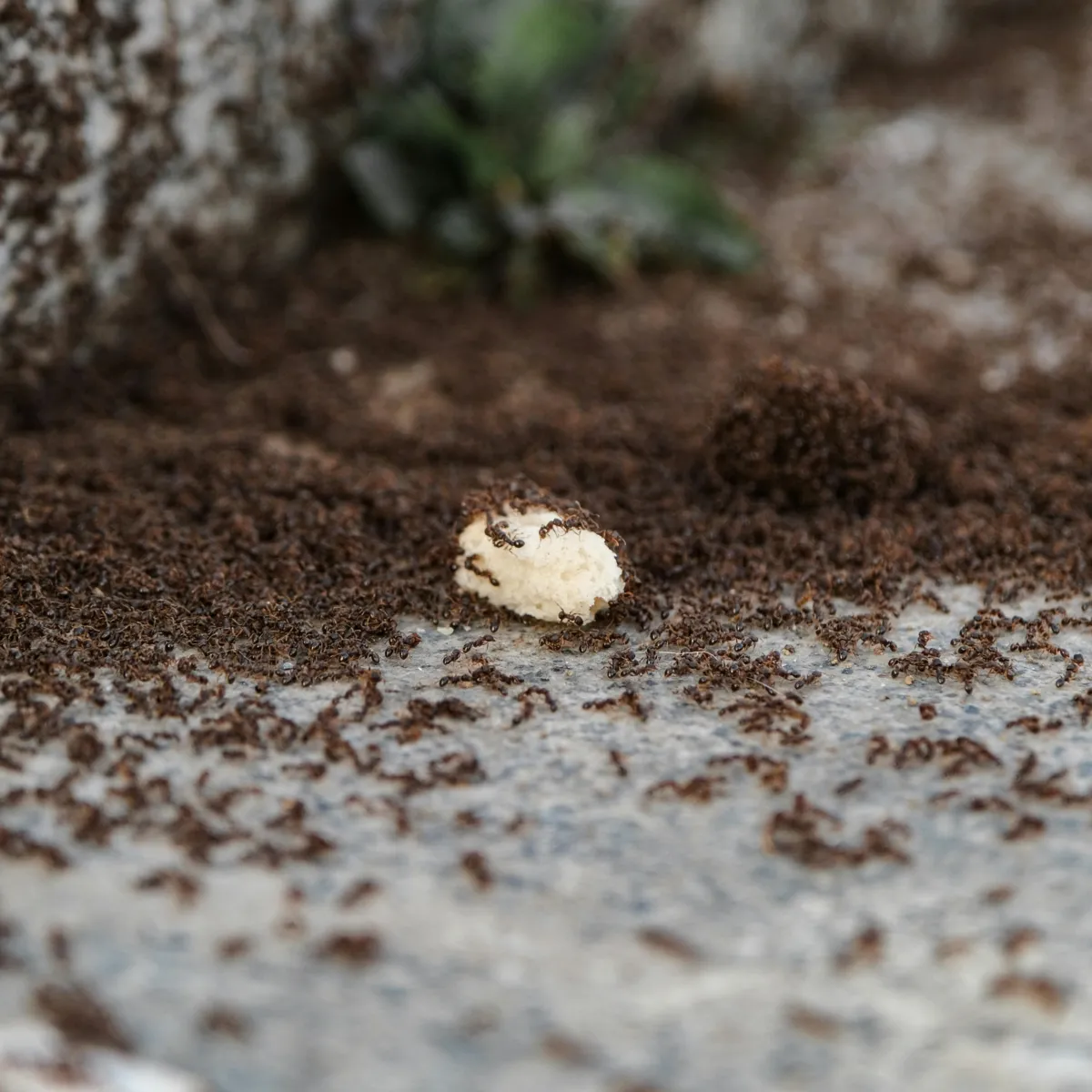
You may also notice quick ant movement around disturbed soil, repeated stings after walking through the grass, or new mounds appearing in more than one part of the property. When the same yard keeps producing that kind of activity, it usually points to a colony that is still established below the surface.
How to Recognize Them in the Lawn?
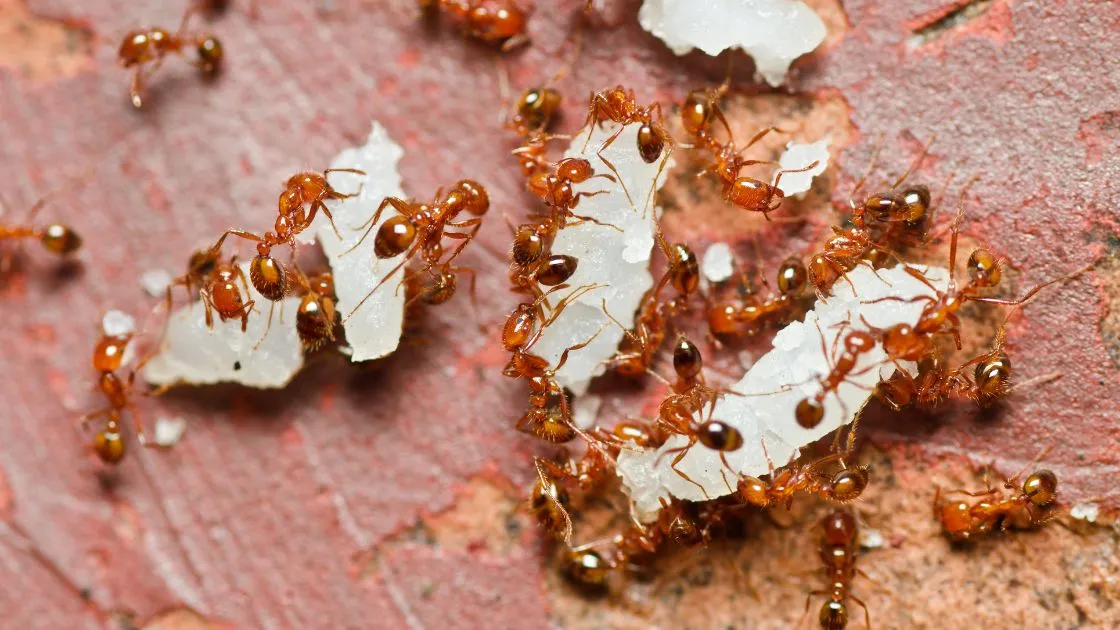
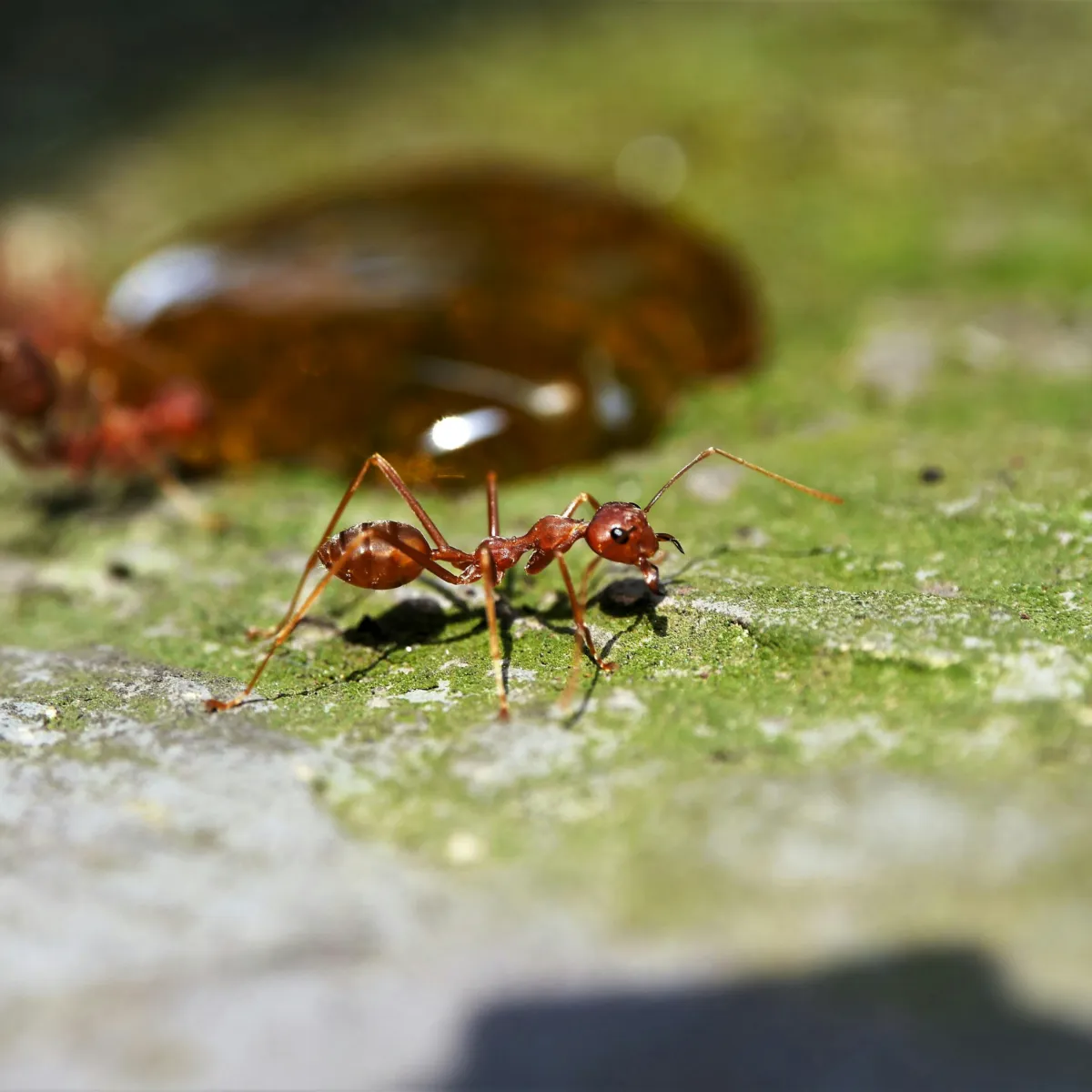
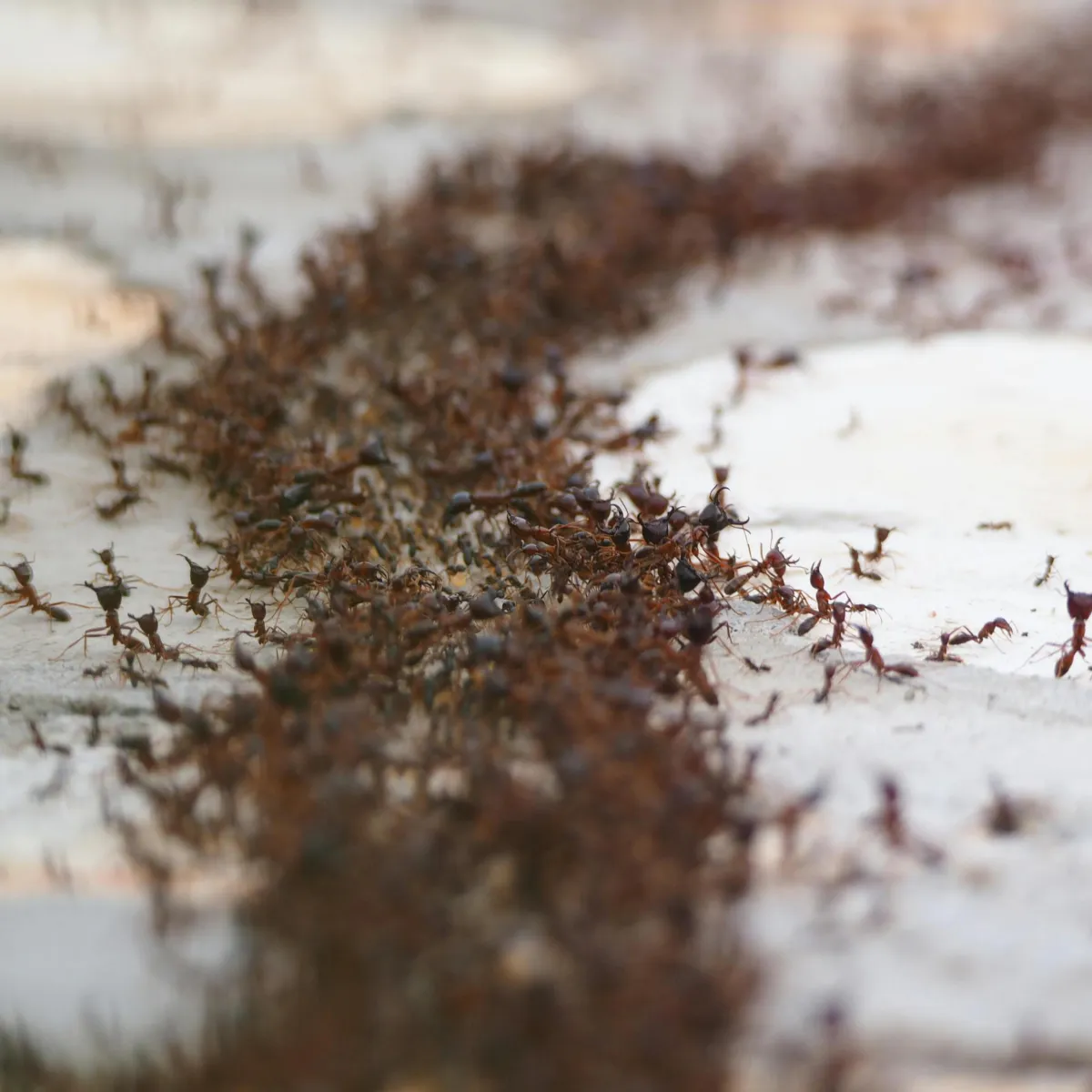
Fire ants are typically small, dark reddish-brown ants that show up in open parts of the yard where mound building is easier. Homeowners often notice them near sandy-looking nests in bright patches of lawn or exposed soil. The more obvious clue is usually their behavior. Disturb the area and they move with speed, gather tightly, and become much easier to spot than they were a few seconds before.
Why They Keep Coming Back?
Fire ants are hard to control because the obvious part of the infestation is only the top layer. A mound may be the first thing homeowners notice, but the colony underneath is often what keeps the issue going.
Weather can also complicate things. Rain, heat, and changing ant behavior can affect how well products work, especially when treatment depends on timing. That is one reason fire ants often seem gone for a short time and then show back up again in the same yard.
How the Service Is Built Around the Property?
The process starts with an inspection of the lawn. That includes checking where mound activity is forming, how active those areas appear, and whether the issue is concentrated in one section or spread across wider parts of the property.
From there, treatment is selected according to the way the infestation is laid out in the yard. The goal is to reduce active colony pressure, bring down visible mound activity, and help keep the same lawn from falling back into the same pattern too quickly.
That matters because not every Tulsa property is dealing with the same kind of fire ant issue. Some lawns need targeted attention in a few active spots, while others need a broader response.
Treatment Options That Match the Lawn's Pattern
The treatment plan depends on how the infestation is showing up across the property.
On some lawns, the best place to begin is with direct treatment for the most active nests. On others, wider coverage makes more sense because mound activity is scattered across several sections instead of staying in one place. In certain situations, baiting may also be part of the strategy when broader colony pressure needs to be addressed.
The point is not to treat every yard the same way. The point is to choose a method that fits how the infestation is actually behaving in that lawn.
Why DIY Often Ends in More DIY?
Many homeowners start with a store product because it feels like the fastest answer. The problem is that quick answers often stay quick.
A spray may affect only what is visible around the mound. Baits may work unevenly if weather conditions are off or if the ants are not feeding the way people expected. That is how a lawn can look better for a few days and still end up with fresh mound activity later on.
Professional treatment usually works better because it is chosen around the infestation pattern in the yard, not around one product and one visible nest. That usually gives homeowners a better chance of getting out of the repeat-treatment cycle.
When Fire Ant Activity Stands Out the Most
Warm weather usually makes fire ants easier to spot, especially in sunny parts of the lawn. Rain can also make fresh mound formation stand out much more clearly.
In Tulsa, that can make activity noticeable through much of the warmer season, especially when wet weather is followed by new mound buildup in open yard areas.
What to Know Before Using the Yard Again
Yes, when the treatment is applied correctly and the after-service directions are taken seriously.
Homeowners usually want to know one thing right away: when the yard is ready again. That is why clear post-treatment instructions matter. Waiting until treated areas are dry and safe for normal use helps families and pets return to the lawn with more confidence.
Why Homeowners Keep Fairway Lawns in Mind?
For many people, the appeal is having a company look at the property as a whole instead of reacting to one mound at a time. Fairway Lawns presents its service around local lawn knowledge, professional treatment recommendations, and pricing that is clearly explained upfront.
When mound activity keeps returning, that kind of approach can feel more useful than repeating the same short-term fixes. Homeowners often want clarity, a plan, and service that fits the yard in front of them.
Questions Homeowners Often Ask First
If the yard keeps showing fresh mound activity, Fairway Lawns can help address the problem before more of the lawn becomes harder to use.
Schedule fire ant control in Tulsa, OK and take care of the colony activity that keeps turning normal yard space into something people avoid.