Spider control for Little Rock homes dealing with hidden spider activity and recurring webs
Spiders are a common issue around Little Rock homes, especially where garages, crawl spaces, storage areas, landscaping, and steady insect activity give them the kind of shelter they like. Fairway Lawns provides spider control services in Little Rock, AR designed to reduce spider activity, clear webs, and help prevent the problem from settling in around your home.
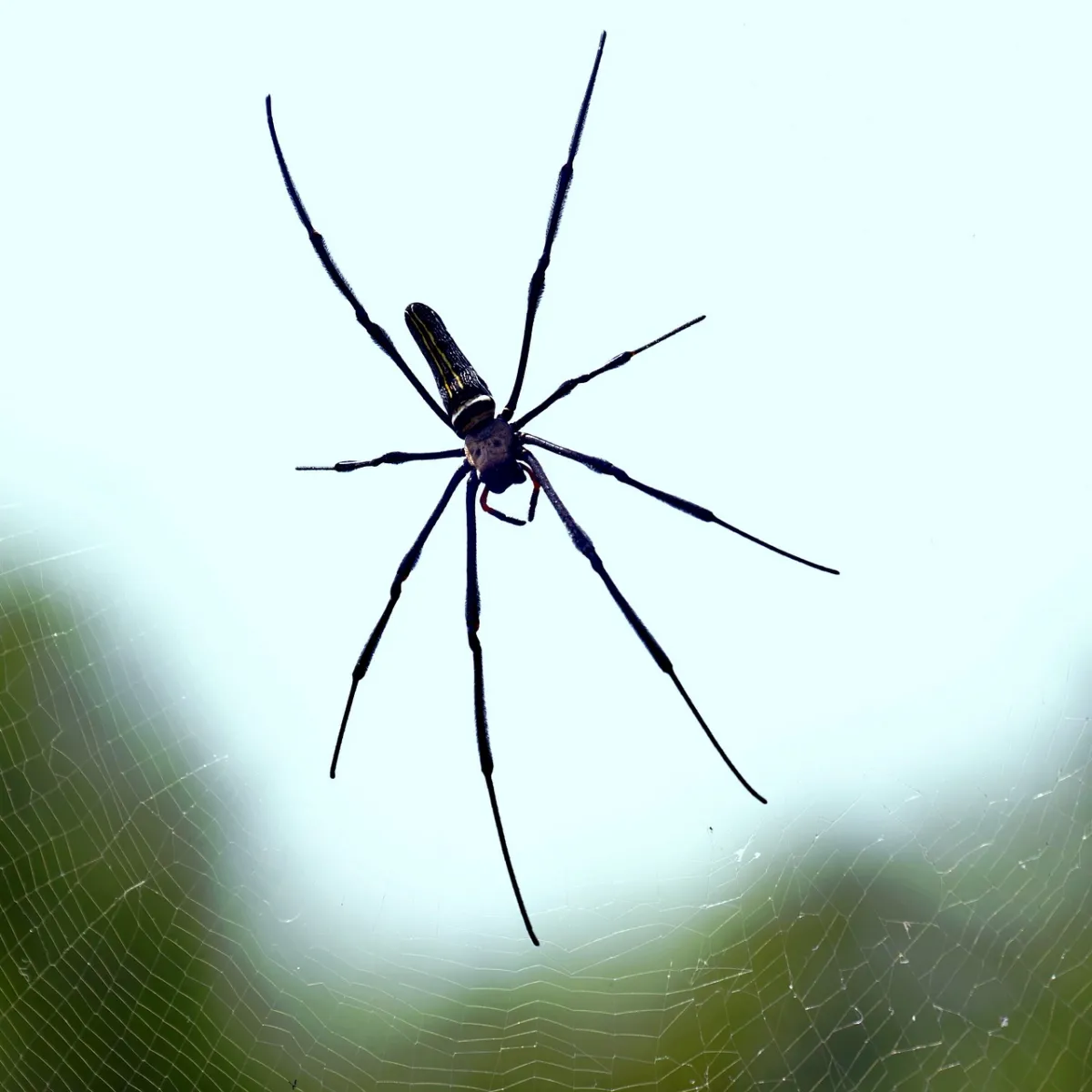
Built for the way spider problems grow around Little Rock properties
A spider problem does not always announce itself right away. It may start with webs in the garage, then another around a window corner, then a larger spider in a closet or near stored boxes. By the time homeowners start seeing spiders more often, the activity has usually been building for a while in areas that are rarely disturbed.
Little Rock homes often have several conditions that support that pattern. Warm weather, humidity, crawl spaces, garages, sheds, storage-heavy rooms, and steady insect activity all help. Once spiders find food and shelter, they tend to stay close.
That is why professional spider control matters. A quick DIY treatment may knock down a visible web or kill a spider in the open, but it rarely solves what is happening in the less obvious parts of the property. Fairway Lawns focuses on treatment, prevention, and the conditions that keep spider problems repeating.
Treatment works better when it includes prevention too
Fairway Lawns uses a spider control process designed to reduce visible spider activity and help prevent it from coming back.
The first step is identifying likely spider species, active webbing, nesting areas, insect pressure, moisture concerns, and possible entry points around the property.
Treatment may include targeted applications, perimeter service, web removal, egg sac removal, crack and crevice attention, and focused service in the areas where spiders are most active.
Prevention may include reducing clutter, sealing gaps, trimming vegetation, improving storage habits, and lowering the insect activity that is attracting spiders.
Because spider pressure can change through the year, recurring service and follow-up can help homeowners stay ahead of the problem instead of constantly reacting to it.
Brown recluse spiders are one of the biggest concerns in Arkansas. They prefer the kinds of hidden, low-traffic indoor spaces many homes already have, including closets, attics, storage boxes, garages, and laundry rooms. They are usually brown and easy to overlook until repeated sightings start raising concern.
Black widows are glossy black spiders with a red underside marking and are most often found in quiet, protected outdoor spaces. In Little Rock, they may hide in garages, sheds, crawl spaces, wood piles, under stored materials, and tucked-away corners outdoors. Their bites can be serious, so they are not a spider homeowners want to ignore.
Wolf spiders are common and tend to alarm homeowners because of their size and speed. They may appear in garages, patios, basements, landscape beds, and inside the home. They are usually nuisance spiders rather than a major health threat, but they can still be very unsettling.
House spiders are smaller nuisance spiders that build webs in corners, closets, storage rooms, around windows, and behind furniture. They are not usually dangerous, but they are often the source of the everyday webbing that makes a home feel like spiders are always around.
Cellar spiders have long thin legs and are commonly found in basements, garages, crawl spaces, and corners that stay damp or undisturbed. They are mostly nuisance spiders, but they can build webs quickly in lower-level areas of the home.
When the signs keep coming back, the problem is usually established
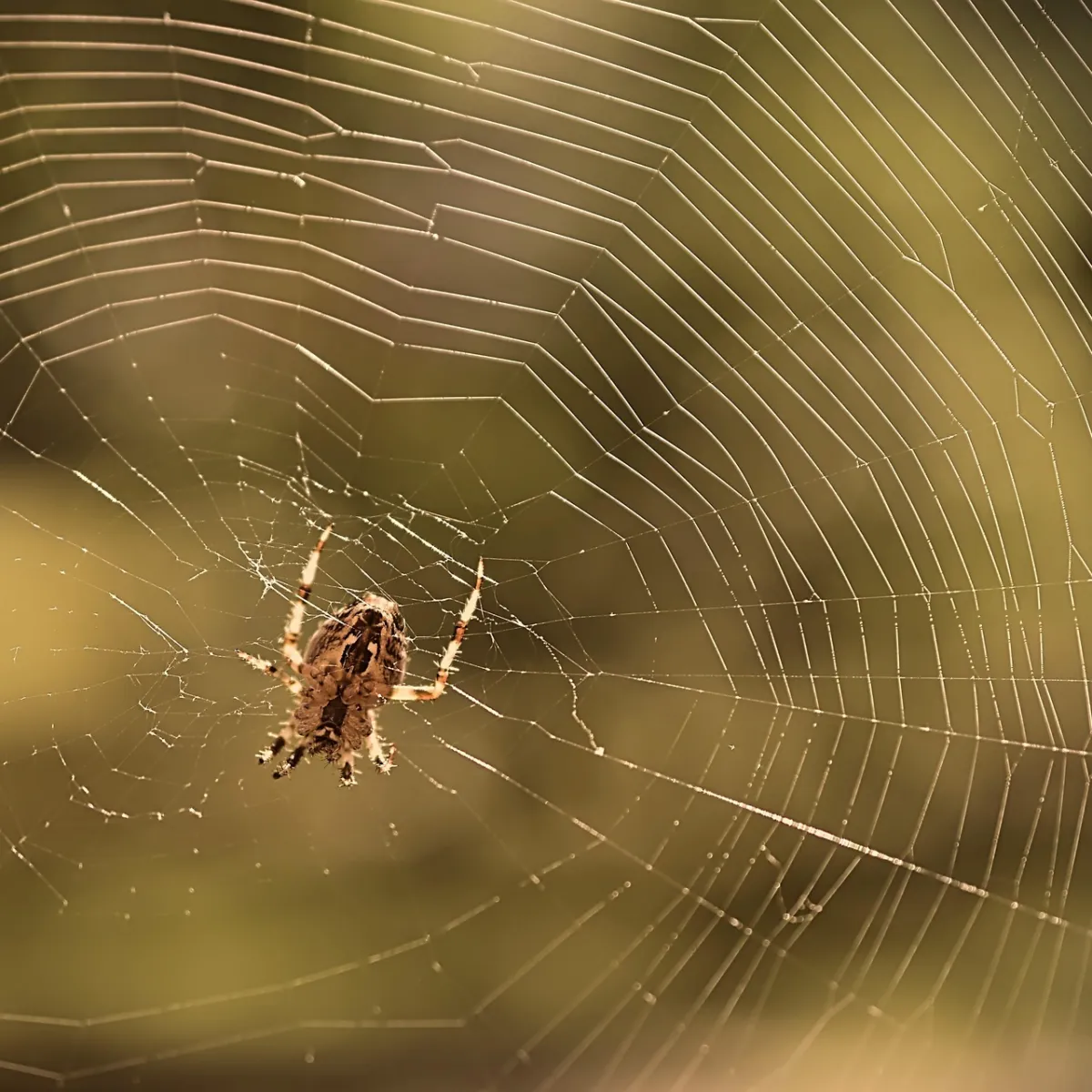
Repeated webs are one of the clearest signs that spider activity is becoming established around the home. In Little Rock, those webs may show up around garages, attic spaces, windows, basement corners, porch ceilings, crawl space openings, and storage shelving. Increased sightings in the same parts of the home are another sign the issue may be growing.
Other signs can include egg sacs, shed skins, insects caught in webbing, and activity that comes back soon after cleaning. If spiders keep appearing in quiet rooms, stored areas, or lower-level spaces, they are usually finding what they need nearby.
Spiders stay where food, shelter, and steady conditions are easy to find
Spiders move into and around homes when there is food, shelter, and a stable place to stay. Insects are the main driver. If bugs are active around exterior lights, landscaping, damp areas, and windows, spiders will usually follow. Homes also provide quiet places to hide, such as garages, closets, crawl spaces, and attics.
In Little Rock, warm weather and humidity help support insect activity for long stretches of the year. Rain and seasonal shifts can also push spiders toward more protected parts of the property, including the inside of the home.
The places spiders like most are often the ones people check the least
Spiders in Little Rock often hide in crawl spaces, garages, basements, attics, closets, sheds, roof eaves, storage bins, behind furniture, around windows, under decks, wood piles, and dense shrubs close to the house. They usually prefer quiet, dark, and undisturbed spaces where insects are available.
Outside, they may gather around porch lights, foundation edges, fence lines, and landscaping near the home. Inside, they often settle in rooms or corners that do not get much daily activity.
Spider activity in Little Rock tends to follow heat, insects, and shelter
Spring typically brings more insect movement and more outdoor webbing. Summer keeps activity high around garages, patios, landscaping, and lights. Fall often brings more visible spider movement toward protected areas of the home. Winter may reduce outdoor activity, but attics, basements, garages, and crawl spaces can still hold spider pressure.
A quick spray rarely reaches the parts of the problem that matter most
DIY treatments often focus on the spiders you can already see, but they usually miss the hidden parts of the problem. Egg sacs remain, nesting areas go untouched, and insects keep feeding the spider population.
Professional spider control works better because it takes a broader approach. Fairway Lawns focuses on inspection, targeted treatment, cleanup, and prevention so homeowners are not stuck in the same cycle of webs returning over and over.
A few smart property changes can help reduce future spider activity
Seal cracks around doors, windows, vents, and utility lines. Replace torn screens and worn weather stripping. Keep garages, closets, and storage rooms more organized. Remove webs quickly, trim vegetation away from the house, and avoid keeping wood piles directly against the structure.
It also helps to reduce moisture and insect attraction around the property, especially near shaded areas, gutters, and outdoor lighting.
Helpful answers for homeowners dealing with spider activity
If spiders keep showing up in your garage, crawl space, attic, porch, or inside the house, Fairway Lawns can help. Our spider control service in Little Rock, AR is designed to reduce active spider pressure, remove webs, and help prevent the same issue from returning. Schedule an inspection and get a treatment plan built around your property.