Fairway Lawns


Rodent Control Services

Fairway Lawns offers rodent control that is built around real homes, real families, and real concerns. Our goal is simple to describe but important to do well. We find where rodents are living and how they are getting in, remove the ones that are already inside, and help you close off weak spots so the problem is less likely to return.

Request a Quote

Pick the way that works best for you:

Call Us
Submit Form
Text Us
Get Instant Quote

Call us Today

It’s never been easier to have a beautiful lawn. Call today to lock in your savings and promo deals. But time is running out!

Hours

Monday – Friday: 7:00AM to 7:00pm CST
Saturday: 8:00am to 5:00pm CST
Saturday: 12:00pm to 4:00pm CST

800-300-8565

Contact Form

Get your free quote and offer for two FREE applications by filling out the form below.

Text Message Scheduling

Opt into our text messaging platform to begin your program and schedule with us today!

Name(Required)

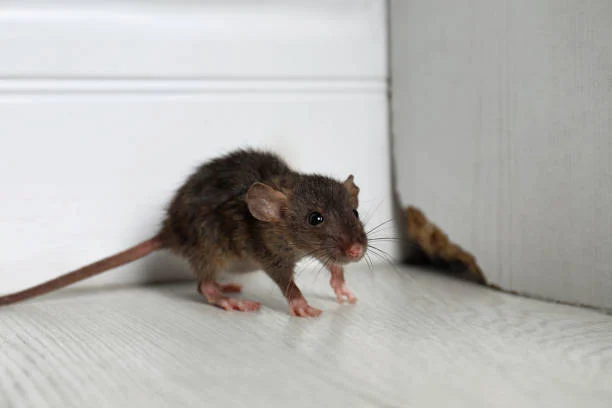
Hearing scratching in the walls at night. Finding droppings in the garage or pantry. Seeing something small dart along a baseboard and disappear before you can focus on it. Those moments are unsettling, and they usually mean one thing: rats or mice have moved in.

From the first visit, you can expect clear explanations, straightforward pricing, and technicians who treat your home with respect. Every recommendation is made with kids, pets, and day to day life in mind, so you can feel comfortable with the plan from start to finish.

Why Rodents Are a Problem?

Rodents are very good at turning our landscapes into their neighborhoods. Lawns, shrubs, mulch beds, fences, sheds, and stored items all create shelter and travel routes right up against homes. Once they are close, it only takes a small gap for them to make the jump indoors.

In warm weather, rats and mice often nest outside under decks, in dense vegetation, or around storage areas. When conditions change, temperatures drop, or storms roll through, they start looking for dry, quiet spaces inside. Attics, crawlspaces, garages, and wall voids are perfect if they can find a way in.

The trouble is that those entry points are not always obvious. A space under a door, a crack around a pipe, a worn vent screen, or a gap where building materials meet can be enough for a rodent to squeeze through. Once inside, they explore, find hidden corners, and begin to reproduce, often long before you see one out in the open.

Why Are There Rodents Showing Up?

Rodents follow opportunity. If your property offers shelter, food, and water, it is on their list.

Shelter can be stacked boxes in the garage, stored decorations in the attic, insulation inside walls, or thick plant beds along the foundation. Food might come from pet bowls, bird feeders, unsecured trash, crumbs in a pantry, or bags and boxes that are easy to chew into. Water can come from leaky spigots, low spots that stay damp, air conditioning drain lines, or pet dishes.

Changes in the area can also drive new activity. Construction, heavy landscaping projects, and demolition can disturb established nests and send rodents looking for new places to live. A home with a few small gaps suddenly looks very appealing when everything else around them is being disturbed.

Why You Should Not Wait

It is easy to hope that a little scratching noise is nothing serious. The challenge is that rats and mice do not stay “small” for long. They breed quickly, and a minor issue can turn into a larger infestation in a short period of time if it is ignored.

While they are inside, rodents chew, nest, and leave droppings behind. Wiring, insulation, stored belongings, and sometimes flexible plumbing or drain lines can all be damaged. Odors from droppings and urine build slowly in hidden areas and eventually work their way into living spaces.

Taking care of the problem early helps in three ways. It keeps repairs smaller, makes cleanup more manageable, and reduces health concerns for everyone who spends time in the home. The sooner Fairway Lawns can inspect and treat, the easier it is to get ahead of the activity.

Signs You Might Have a Rodent Infestation

Rats and mice try to stay out of sight, but they leave solid clues. Some of the most common signs include:
Scratching, scurrying, or light tapping sounds in walls, ceilings, or under floors, especially at night when the house is quiet.
Droppings along baseboards, in pantries, under sinks, behind appliances, inside cabinets, or in garages and storage areas.
Dark rub marks or greasy smudges on walls, pipes, rafters, or beams where rodents run the same paths again and again.
Gnaw marks on food packaging, cardboard boxes, baseboards, cabinets, wires, plastic containers, or flexible water and drain lines.
Small piles of shredded paper, insulation, fabric, or dried plant material tucked into corners or behind stored items as nesting material.
A musky or ammonia like odor that lingers in enclosed spaces such as closets, attics, crawlspaces, or utility rooms.
Pets staring at a specific spot on a wall or ceiling, or pawing at an appliance or cabinet for no clear reason, reacting to sounds or scents you may not notice.


Rodent Health and Property Risks

Rodents are not just unpleasant to think about. They can affect both the health of your home and the people in it.

Droppings and urine can contaminate food storage areas, shelving, countertops, and surfaces where children play or crawl. If those areas are not cleaned correctly, the chance of illness goes up, especially for young children, older adults, or anyone with breathing or immune concerns.

Rats and mice can also carry fleas, ticks, and mites. These secondary pests may move to pets or people and continue to cause problems even after rodents are removed if they are not addressed as part of the plan.

Chewing creates another level of risk. Rodents gnaw on electrical wiring and cable insulation, which can lead to electrical shorts and, in extreme cases, fire hazards. They tear and contaminate insulation, making it harder to keep your home comfortable and efficient. Stored clothing, furniture, decorations, keepsakes, and important papers are all vulnerable.

Left alone, a rodent infestation often leads to higher repair costs, more extensive cleaning, and stubborn odors that are difficult to remove without professional help.

Our Rodent Control Process

Step

1

Step 1: Inspection and Identification
Every good rodent plan starts with understanding what is happening in your home. Fairway Lawns technicians perform a careful inspection of the exterior, including the foundation, roofline, doors, and common entry points, then move inside to check areas like the attic, crawlspace where accessible, garage, basement, and utility rooms.

We look for droppings, gnaw marks, rub lines, nesting material, and the specific routes and openings rodents are using. Small gaps that seem harmless often turn out to be important. Our job is to find those details and put the full picture together.

We also identify which rodents are present. Roof rats, other rat species, and house mice may favor different areas and habits. Knowing who we are dealing with helps us choose the right traps, placements, and strategies.

Step

2

Step 2: Removal and Initial Control
Once we understand how rodents are getting in and where they are traveling, we design a control plan that fits your home and your comfort level.

This plan often includes interior trapping along active routes and secured exterior bait stations where appropriate and allowed. In some homes, traps alone may be recommended indoors, with bait stations used outside only. In others, a combined approach is the best way to bring activity down quickly and safely.

Our goal is to remove rodents efficiently while keeping children, pets, and non target animals in mind. Devices are placed in protected locations or tamper resistant stations, then checked and adjusted on a schedule that matches the level of pressure around your home.

Step

3

Step 3: Exclusion and Sealing
Lasting rodent control is not just about taking rodents out of the house. It also means keeping new ones from getting in. Fairway Lawns technicians identify and seal entry points using sturdy, rodent resistant materials.

Common problem areas include gaps around plumbing and electrical lines, worn or missing vent covers, spaces under doors or garage doors, cracks in foundations, and openings at the roofline where trim, soffits, or fascia meet the structure.

By closing these pathways, we make it much harder for new rodents to enter, even if they are still active in the neighborhood. Exclusion is one of the most important steps in preventing the same problem from repeating.

Step

4

Step 4: Monitoring, Sanitation, and Prevention
Rodent control is usually a short series of visits, not a single appointment. After the initial setup and sealing work, Fairway Lawns returns as needed to recheck traps and stations, remove captured rodents, and fine tune placements based on what we see.

When requested, we can help with key parts of cleanup. This may include removing carcasses, addressing accessible droppings, and using appropriate deodorizing or sanitizing products to help reduce odors and improve hygiene. For heavy contamination or insulation damage, we can explain next steps and suggest specialized cleaning or insulation services if needed.

As activity slows down, your technician will walk through simple changes that make a real difference over time, such as storage habits, sanitation, and small exterior adjustments. For homes that face constant pressure, we can design an ongoing monitoring and maintenance plan so you are not dealing with rodents alone.

Rodent Prevention Tips for Homeowners

Professional service lays the groundwork for control. Small changes around your home help keep it that way. These steps work hand in hand with your treatment plan.

Home Sealing

Look for light or air coming in around exterior doors and windows and install or improve weatherstripping and door sweeps where needed. Make sure window screens, vent covers, and foundation vents are in good shape and sit snugly.
Seal cracks and gaps in foundations and exterior walls. Use steel wool or metal mesh for larger openings and quality sealant for smaller cracks, especially where plumbing, electrical, and HVAC lines come through the walls.

Food and Water Control

Store pantry items, pet food, and bird seed in sturdy, airtight containers. Wipe up crumbs and spills quickly in kitchens, dining areas, and pet feeding spots. Try not to leave pet food out overnight if rodents are a concern.
Repair dripping faucets, leaky pipes, or irrigation issues. Empty buckets, trays, and other items that tend to hold water. Dry, well maintained areas are less inviting to pests of all kinds.

Yard and Exterior Maintenance

Keep mulch and dense vegetation a little distance away from the foundation to reduce hidden runways along the base of your home.
Trim tree branches and shrubs so they do not touch the roof or upper walls. Rodents use branches like bridges to reach attics and higher levels.
Make sure outdoor trash and recycling containers have tight fitting lids and stay closed between pickups. Manage compost and bird feeders so they provide less food for rodents.

Seasonality Considerations

In cooler months or during long periods of rain, rodents are more likely to look for warm, dry spaces indoors. This is a smart time to focus on inspections, sealing work, and careful storage before pressure builds.
As vegetation thickens in spring and summer, outdoor rodent populations may increase. Regular trimming, clutter reduction, and good housekeeping in garages, sheds, and storage spaces make it harder for rodents to settle in near your home.

Why Professional Rodent Control?

Over the counter traps and baits can catch a few rodents, but they rarely solve the entire problem. If devices are placed in the wrong spots, rodents may simply avoid them. If entry points are not sealed, new animals can move in as fast as others are removed.

Professional rodent control from Fairway Lawns looks at the complete picture. Our technicians understand how rodents behave, where they like to travel, and where they prefer to nest. We know what to look for, how to read the signs, and which steps are needed for a solution that lasts.

Safety is always part of the plan. Children, pets, and non target wildlife are considered whenever traps or bait stations are used. Our team is trained to place and secure equipment so it targets rodents while lowering risk for everyone else.

Cleanup of contaminated materials also requires care. When it is not done correctly, especially in tight or poorly ventilated spaces, it can create unnecessary exposure. Using proper protective equipment and sanitation practices helps support a healthier indoor environment.

Most importantly, a professional program with Fairway Lawns emphasizes inspection, exclusion, and prevention. That means you are not just reacting to the rodents you see today, but also taking smart steps to avoid the same problem in the future.

What We Treat?

Fairway Lawns rodent control services focus on the species most often found in and around local homes, including:

Rats, such as those that prefer attics, rafters, and higher areas, and those that stay closer to crawlspaces, basements, and ground level.

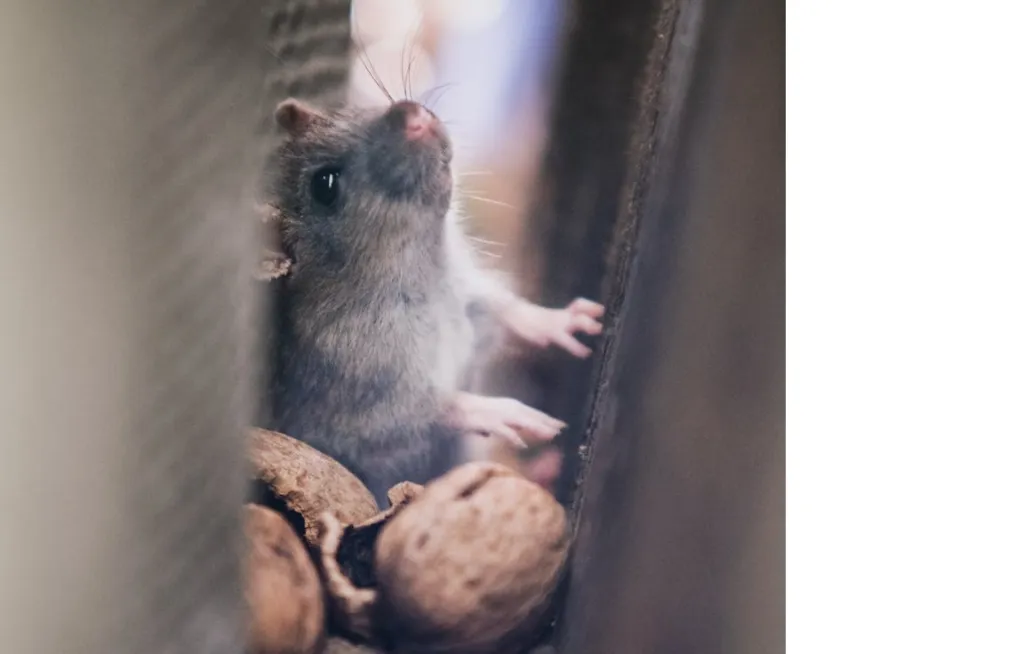
Mice, including house mice that live inside and around structures and field mice that move between outdoor cover and indoor nesting sites.

If you are dealing with other small rodents or nuisance wildlife, our team can inspect, explain what we can handle directly, and point you toward specialized help when that is the better option.

Rodent Control FAQs

Schedule Professional Rodent Control with Fairway Lawns

If you are hearing noises in the walls, seeing droppings, or simply suspect that rodents are active in your home, now is the time to act. Fairway Lawns is ready to help with professional rodent control that focuses on both removal and prevention.
Call our team today to schedule an inspection, or request a quote online, and we will walk you through the next steps to keep your home comfortable, healthy, and rodent free.