Our Services - Tree & Shrub Care
Fairway Lawns provides tree and shrub care services designed to help ornamental plants stay healthier, look better, and handle seasonal stress more effectively over time.
As the go-to resource for tree and shrub health across the South and Southeast – from the Carolinas and Georgia through Tennessee, Alabama, Arkansas, Oklahoma, and Florida – we provide regional plant health expertise and local knowledge that comes from caring for landscapes throughout the region’s varied climates and growing conditions.
Whether you’re in the humid coastal air of Charleston, the clay soils of the Piedmont around Greenville and Columbia, or the hot summers of the Mid-South in Memphis and Little Rock, the pests, diseases, and seasonal stress patterns that affect trees and shrubs shift from place to place. Fairway Lawns’ local branches apply that regional knowledge to every inspection, treatment plan, and follow-up visit.
Good ornamental care starts with paying attention before the damage becomes obvious from across the yard.
Tree and shrub care works best when there’s a clear plan behind it. Fairway Lawns uses a six-step process that starts with evaluating plant health, then moves into focused treatment and longer-term support.
Every tree and shrub care program starts with a closer look at the landscape. We inspect ornamental trees and shrubs for thinning, discoloration, visible insect issues, disease symptoms, branch stress, leaf damage, and other signs that the plants may need support.
Once the plants are reviewed, we assess what appears to be affecting them. That may include insect pressure, disease, nutrient deficiencies, weather-related stress, or a broader decline tied to site conditions.
After the inspection, we recommend a care plan based on the types of plants on the property and what they seem to be dealing with. Some landscapes need help correcting a specific issue. Others benefit from broader seasonal support.
Treatment is applied based on the actual condition of the trees and shrubs. The goal is to support plant health where it is needed most instead of taking a one-size-fits-all approach.
Some plant issues improve gradually, not overnight. Follow-up helps us monitor how the trees and shrubs are responding and whether any areas need continued attention.
As the landscape improves, the focus stays on helping plants remain stronger going forward. That can include seasonal care, preventative support, and attention to the patterns that tend to cause repeat decline.
Trees and shrubs do a lot of visual work on a property, which is why even subtle decline can change the whole look of the landscape.
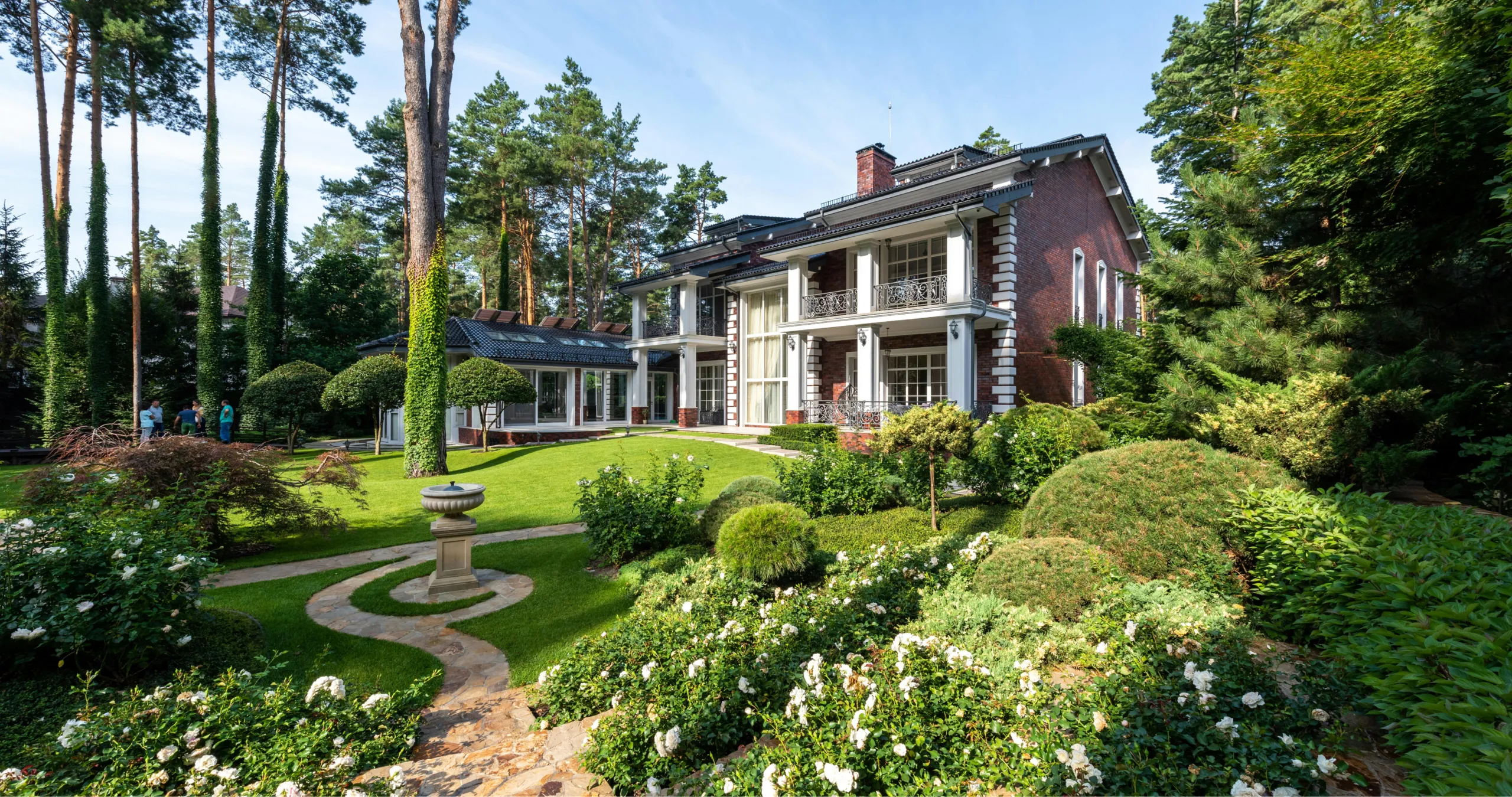
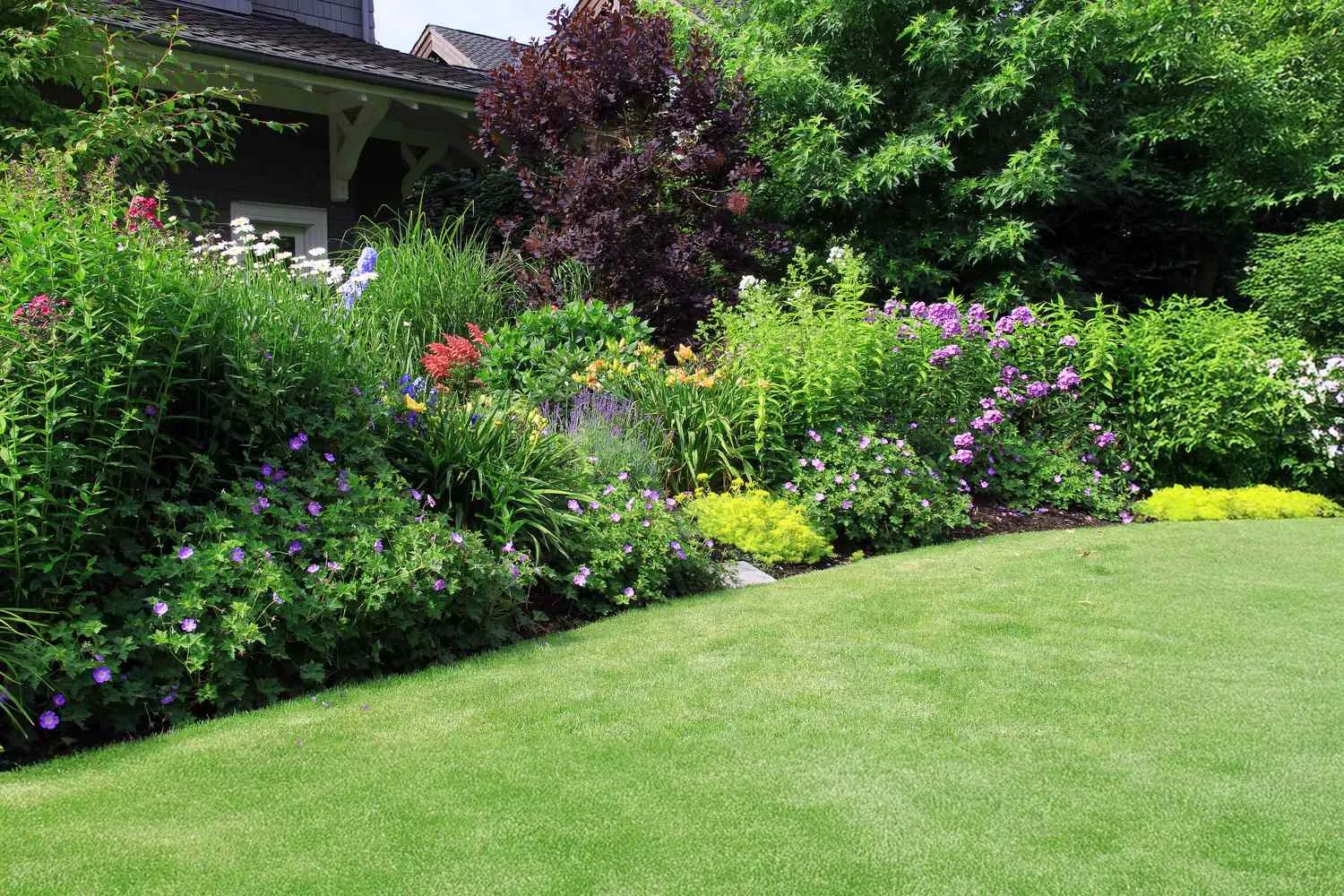
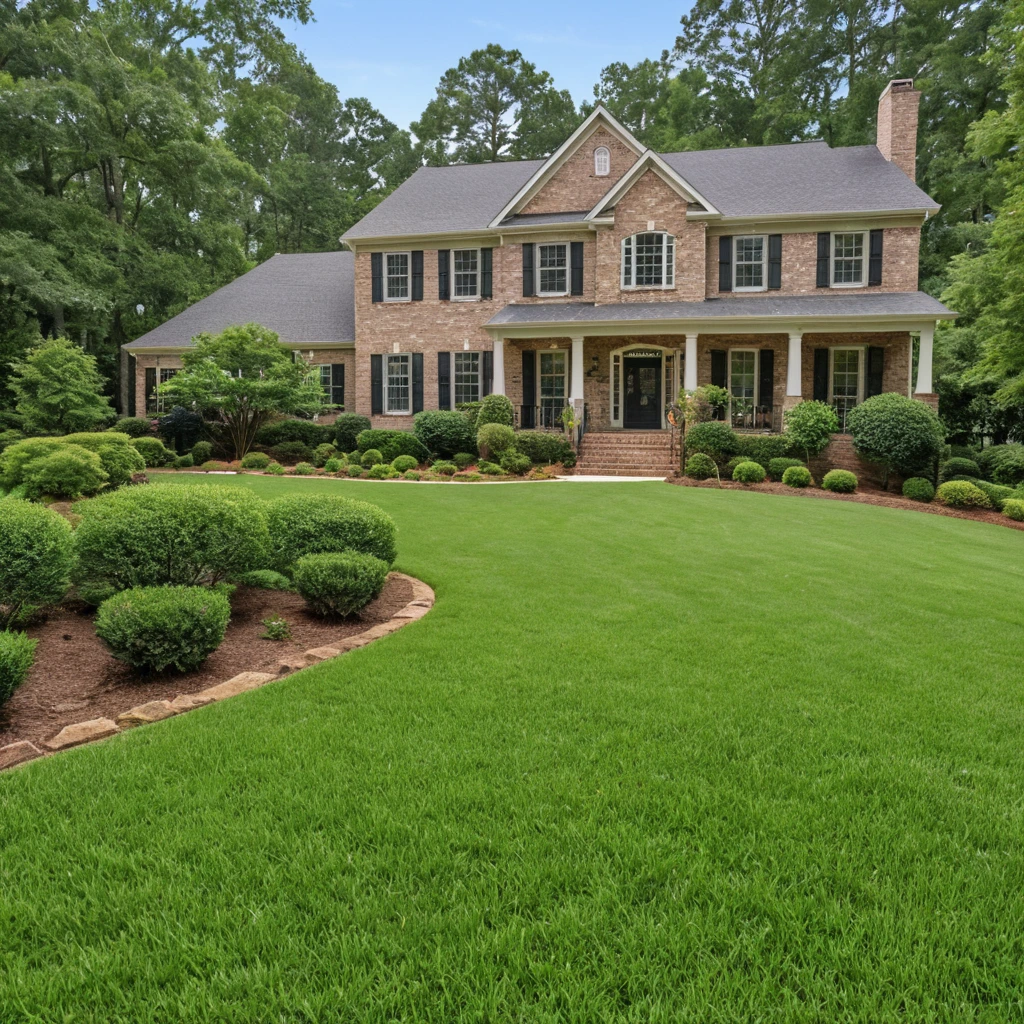
Healthy trees and shrubs shape the way a property feels. They soften the space, frame the home or building, add color and structure, and help the landscape look more established. When they start to decline, the whole property can feel less cared for, even if the lawn is still being maintained.
That is one reason tree and shrub care matters so much. These plants are often some of the most visible and valuable parts of the landscape, and they usually take years to grow into the role they play on the property. When they become stressed, infested, discolored, or uneven, the impact is immediate.
A good care program helps protect that investment and gives the landscape a better chance to stay attractive and stable over time.
The Southeast’s warm, humid summers, mild-to-cold winters, and heavy clay or sandy soils create a distinct set of pressures on ornamental plants. It’s far different from what you’d see in the Northeast or Midwest. Fairway Lawns’ branches focus on the species most common in Southeastern landscapes and the specific pests and diseases they tend to face. Below is a regional guide to what we watch for and when treatment timing tends to matter most.
oak wilt risk and general canopy decline
Live oaks are a signature Southern shade tree, but the oak group is vulnerable to oak wilt, a fungal disease spread by sap-feeding beetles attracted to fresh pruning wounds. While oak wilt pressure in the Southeast is generally lower than in parts of Texas and the Midwest, we still recommend avoiding pruning during the high-risk window (roughly February through June) and sealing any wounds that occur during that time. Dormant-season inspections are the best time to evaluate canopy density, deadwood, and overall structural health.
boxwood blight and leafminer
Boxwood blight is a fungal disease that spreads quickly in humid, wet conditions and causes leaf spotting, defoliation, and dieback. Late winter is a good time for a preventive fungicide application and a sanitation review (removing fallen leaf debris where the fungus overwinters) before spring growth begins.
scale insects and leafminer
Many holly varieties common in Southeastern landscapes are prone to scale and leafminer activity. Dormant oil applications in late winter can help suppress overwintering scale before populations build in spring.
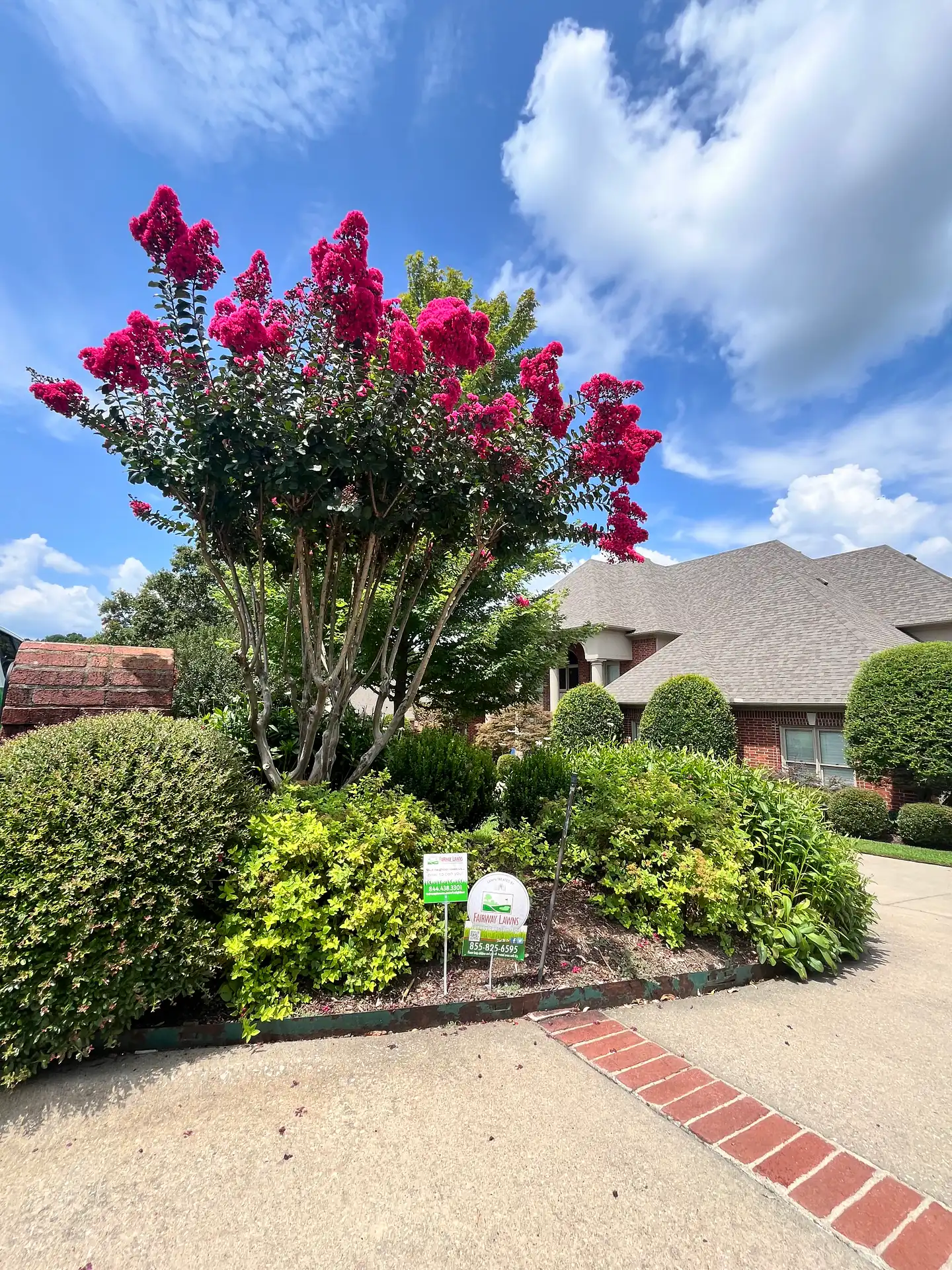
Crape myrtle bark scale (CMBS) has become one of the most common ornamental pest issues across the Southeast, appearing as white or gray felt-like masses on bark, often accompanied by black sooty mold from the honeydew it produces. Early spring before bud break is typically the ideal window for a systemic soil drench, giving the treatment time to move through the plant before scale crawlers become active. A late-winter dormant oil application can also help knock back overwintering populations.
Azalea lace bugs feed on the undersides of leaves, causing a stippled, bleached appearance on the foliage. Treatment timed to early nymph activity, generally April into May, tends to be most effective, with a second generation sometimes appearing later in summer.
Adult leafminer emergence in spring is a second key treatment window separate from the dormant blight application above.
Dogwoods, especially flowering dogwood, are susceptible to anthracnose, a fungal disease favored by cool, wet spring weather that causes leaf spotting and can lead to branch dieback if left unmanaged over multiple seasons. Powdery mildew tends to show up later, in the heat and humidity of mid-to-late summer. Spring fungicide applications timed to leaf-out, paired with sanitation pruning, are the primary tools we use.
Rose rosette disease (RRD) is a virus spread by microscopic eriophyid mites, and it has become a significant problem for Knockout roses and other rose varieties throughout the Southeast. There is no cure once a plant is infected management is almost entirely preventive, focused on mite control and monitoring for early symptoms like excessive thorniness, reddened new growth, and distorted clusters of small branches (“witches’ brooms”). Infected plants typically need to be removed to protect the rest of the planting.
Magnolia scale is one of the larger soft scale insects found on ornamental trees, and heavy infestations can produce enough honeydew to coat leaves, branches, and anything below the tree in sticky residue and sooty mold. The crawler stage, which typically appears in late summer to early fall, is generally the most effective window for treatment, with dormant oil as a supplemental option in late winter.
Trees and shrubs can struggle for a lot of different reasons, and the symptoms don’t always look dramatic right away.
Some ornamental pests feed on leaves, stems, or plant tissue in ways that leave shrubs and trees looking thin, faded, or generally weaker than they should.
Plant disease can affect leaf color, cause spotting or dieback, weaken branch growth, and make the overall plant look stressed or uneven.
If a tree or shrub is not getting what it needs from the soil, it may show poor color, weak growth, reduced flowering, or a slower recovery after stress.
Heat, cold, dry periods, heavy moisture, and abrupt weather changes can all affect how landscape plants hold up across the year.
Sometimes the issue is not a single dramatic problem. It is a slow weakening over time that makes the plant look less full, less vibrant, and less stable from one season to the next.
Most plant issues get easier to manage when they are addressed earlier. A few warning signs are worth paying attention to.
When a shrub or tree starts looking less full than usual, that can be an early sign of stress, pest pressure, or disease.
Yellowing, browning, fading, or uneven leaf color can point to issues that need a closer look.
Leaves with holes, chew marks, spotting, curling, or unusual surface damage may signal insects or disease activity.
When branch ends begin weakening or dying back, the plant may already be under enough stress that treatment is worth considering.
If one side of a plant looks noticeably weaker, thinner, or less healthy than the rest, it may be dealing with a site-specific or plant-specific issue.
On magnolias and crape myrtles in particular, honeydew, sooty black coating, or fuzzy white/gray bark deposits are often visible signs of scale insects at work.
A tree and shrub care program may involve several types of support, depending on what the landscape needs.
The first step is understanding the condition of the plants and identifying the signs that point to stress, disease, or pests.
Some trees and shrubs need help because they are not getting the nutrients they need to maintain healthy growth and color.
Targeted care can help address insects that are damaging ornamental plants or weakening them over time.
When disease pressure is affecting leaves, branches, or the overall look of the plant, treatment can help reduce further decline.
Some landscapes benefit from a recurring program that supports trees and shrubs through the parts of the year when stress tends to build.
Tree and shrub care is not only about fixing obvious damage. It is also about helping the landscape stay ahead of preventable decline.
Trees and shrubs are long-term parts of the landscape. Because of that, they usually do better with consistent attention than with occasional reaction after a visible problem has already taken hold.
Ongoing care helps keep an eye on the health of the plants over time. It also helps catch changing conditions earlier, when the landscape may respond better and more fully. That does not mean every plant needs constant correction. It means a thoughtful program can help keep the landscape steadier and easier to manage.
For many properties, that kind of consistency is what keeps ornamental plants from slowly slipping backward without anyone noticing until the decline is harder to reverse.
Fairway Lawns provides tree and shrub care through local branches across the Southeast and Mid-South, each staffed with technicians familiar with the pests, diseases, soils, and seasonal timing specific to their area. Find your location below for city-specific tree and shrub care information, or contact us directly to get started.
Don’t see your city listed? Contact Fairway Lawns to find out if we serve your area.
Most people want tree and shrub care to feel straightforward. They want to know what is wrong, what can be done, and whether the plant has a good chance to improve.
Fairway Lawns approaches tree and shrub care with the understanding that ornamental plants are a major part of how a property looks and feels. We know people are not just trying to keep shrubs alive. They want them to stay attractive, healthy, and balanced within the landscape.
That is why our approach starts with observation and condition review instead of assumptions. We look at what the plant is showing, what may be causing the stress, and what type of support makes sense for the landscape.
People usually want clarity as much as treatment. They want to understand whether the issue is minor or more serious, what kind of care is worth doing, and how to help the plant hold up better moving forward. That is the kind of help Fairway Lawns aims to provide.
Tree and shrub questions usually start once someone notices the landscape is not looking as strong or as even as it used to.
If your trees or shrubs are thinning, losing color, showing stress, or simply not looking the way they should, Fairway Lawns can help take a closer look and recommend the right next step.
Request a tree and shrub care quote today and get professional help built around healthier plants, a stronger landscape, and more dependable long-term care.