Get your lawn back on track with 50% OFF first application!* 50% OFF First Application!* Call Now

Fire ant treatment for Homewood yards that stay active

Professional Fire Ant Control Services in Homewood, AL

Fire ants can make a yard feel less welcoming long before the whole lawn is covered in mounds. When a colony settles into a spot people walk through often, the problem starts affecting everyday life almost immediately. A lawn that should feel easy to use begins demanding extra caution, and simple outdoor routines stop feeling simple at all. Fairway Lawns provides professional fire ant control in Homewood, AL for homeowners dealing with active mounds, repeated sting concerns, and fire ants that are making the yard harder to enjoy.

Professional help for visible mounds and the colony activity underneath them

Fire Ant Treatment for Homewood Lawns

Homeowners often notice the first mound and assume they can circle back to it later. What changes that thinking is when another mound appears near a walkway, along the edge of the yard, or in the middle of a section of grass that gets used all the time. At that point, the issue starts moving from a minor irritation to something that affects where people step, how children play, and how pets move across the property. The lawn does not have to be covered in mounds for the problem to feel bigger than expected.

Our service is designed to address the activity causing that disruption rather than only the mound that happens to be easiest to see. We inspect the lawn, evaluate where fire ants are most active, and treat the affected areas based on the property’s conditions. That means homeowners get a more targeted answer to current mound activity and underground colony pressure. If fire ants are getting in the way of how you use your yard in Homewood, Fairway Lawns can help. Contact us for a quote, request service, or call to check availability.

Why fire ants matter beyond the mound itself?

Why Fire Ant Control Matters?

Fire ants are aggressive insects, and they tend to respond quickly when their nest is disturbed. That makes them a problem that can escalate fast during ordinary yard use. A person can cross the lawn, do a little trimming, or move over a mound with equipment and suddenly end up dealing with repeated stings in a matter of seconds. That quick defensive response is one of the main reasons they are more serious than many other ants found outdoors.

They also affect the whole feel of the property. Mounds can point to a larger underground colony, and that colony can change the way the lawn gets used, even if only a few visible problem spots exist. Fire ants can interfere with the comfort of outdoor spaces, create concerns for children and pets, and make people avoid parts of the yard altogether. Professional treatment matters because the goal is to address the colony, not simply scatter the ants visible on top.

What usually tips homeowners off first

Signs of a Fire Ant Infestation

The first sign many homeowners notice is a mound of loose, sandy soil showing up in a sunny part of the lawn. These mounds often become more obvious after rain, when fresh soil is pushed upward and the disturbed area stands out against the surrounding grass. In some yards, the activity begins with one mound and slowly becomes easier to spot elsewhere as time goes on.

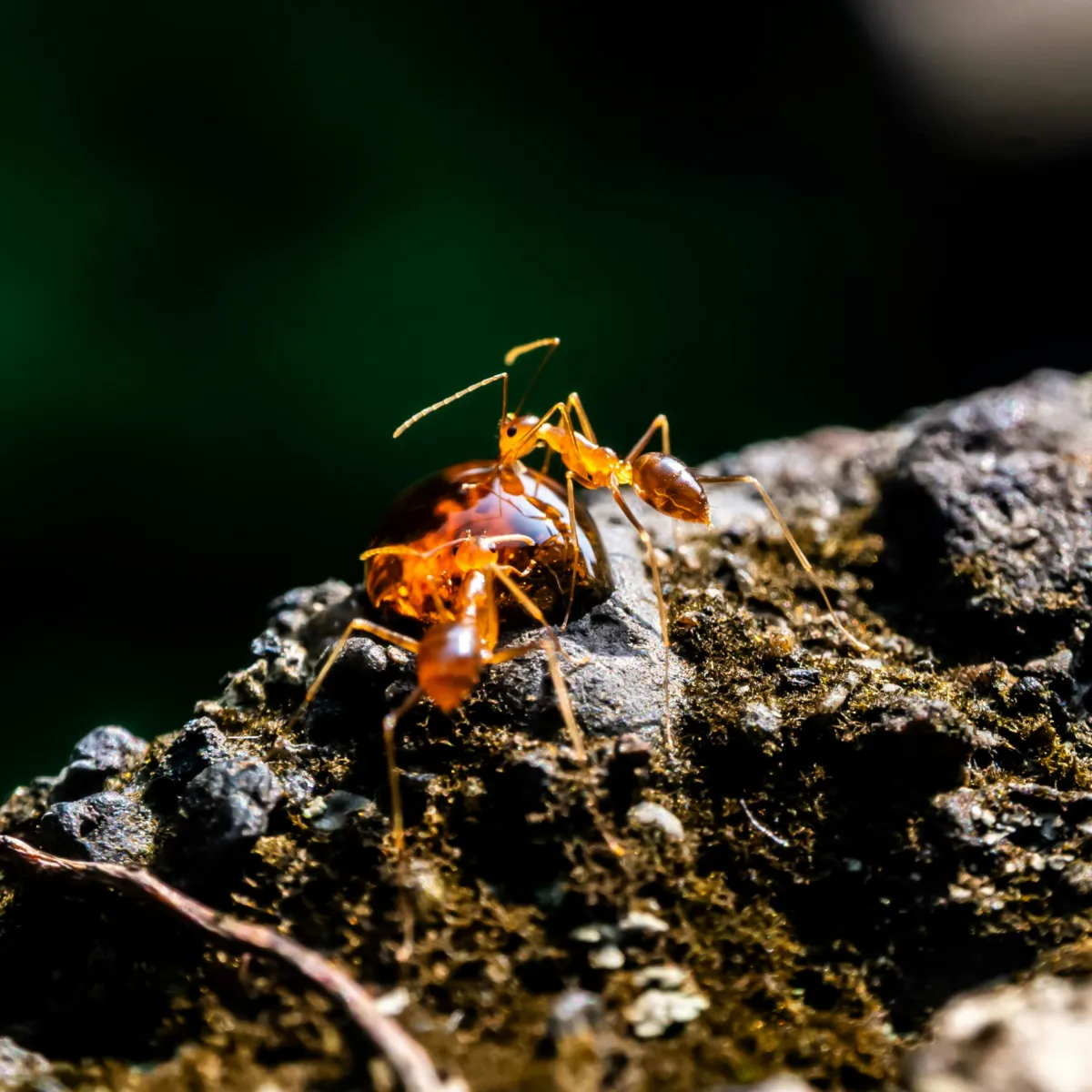
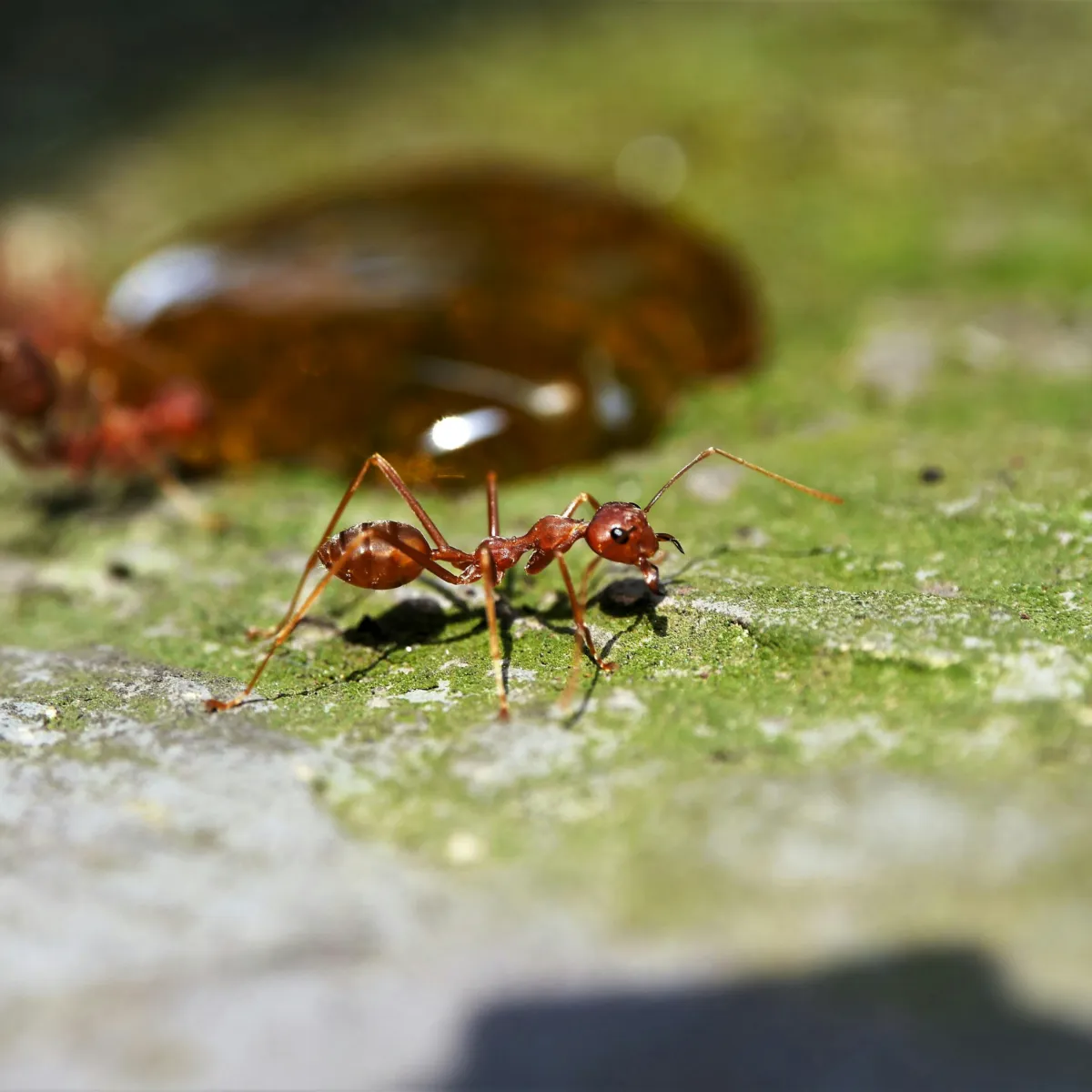
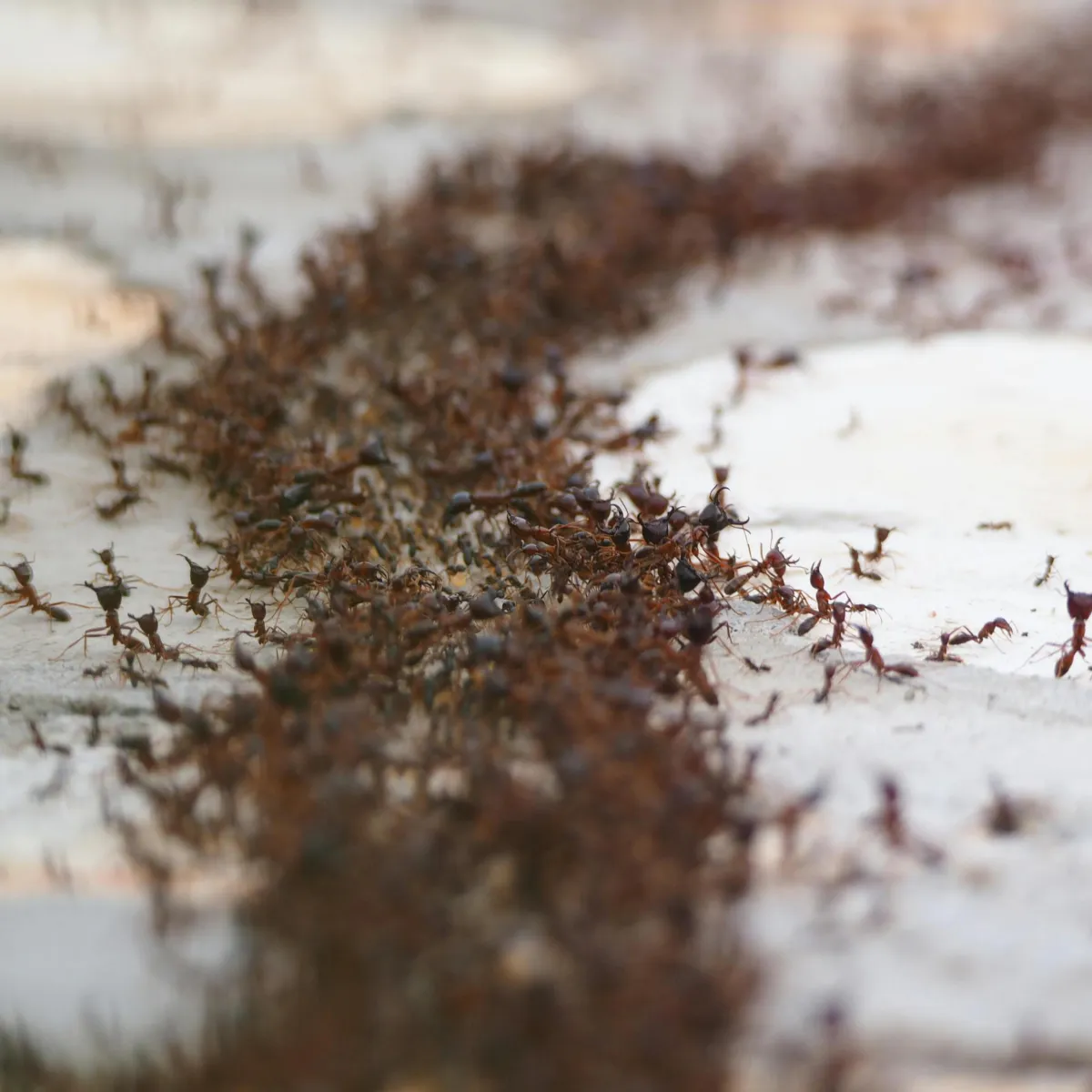
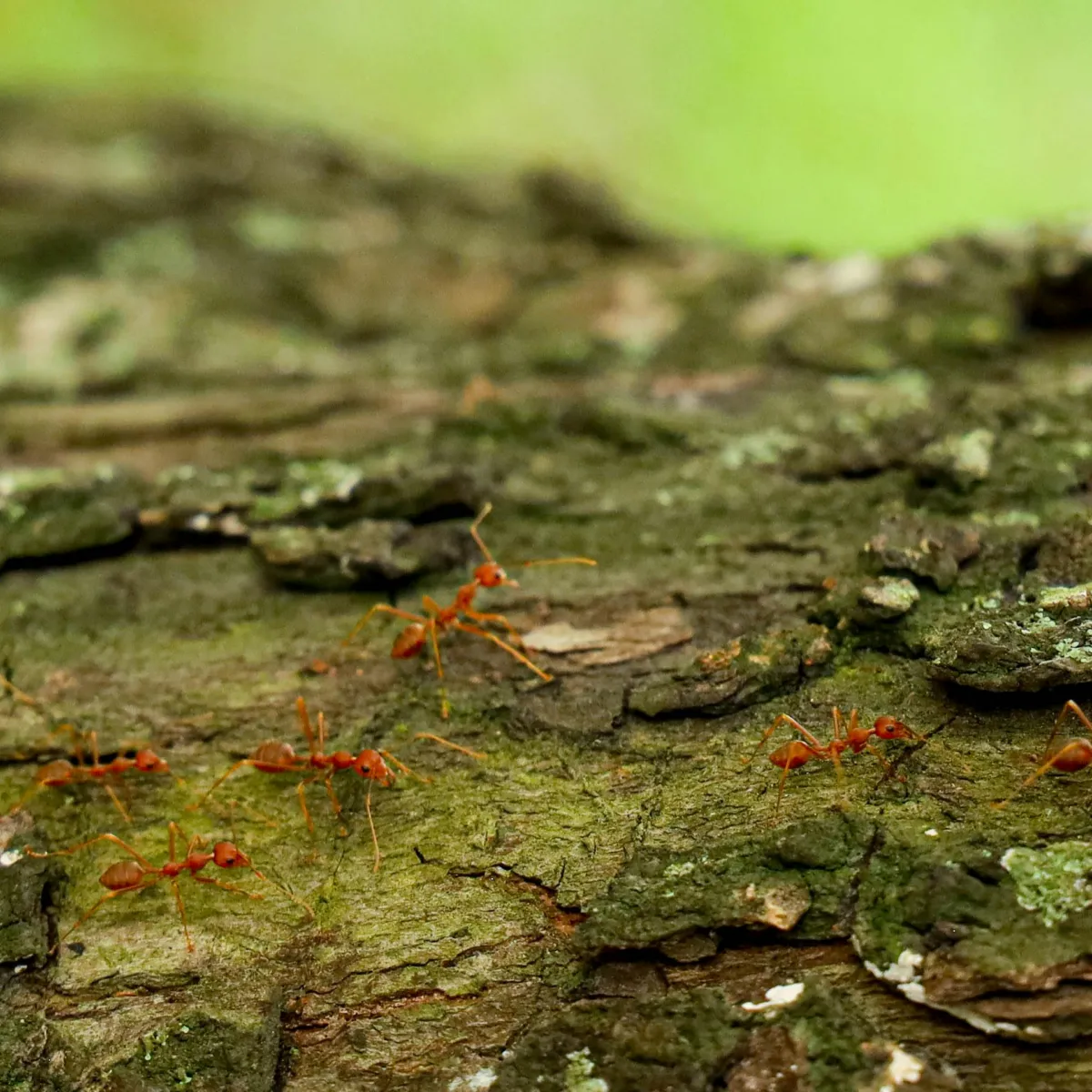
Another strong clue is the ants themselves. Fire ants are reddish-brown, and they can swarm quickly when their mound is disturbed. People may also notice painful stings, pets reacting in certain lawn areas, or repeated mound activity in spots that seemed clear just days earlier. When the same yard keeps producing new mounds across more than one section, that is often a sign the infestation is no longer isolated.

How to recognize fire ants in the yard

What Do Fire Ants Look Like?

Fire ants are small ants that are usually reddish or reddish-brown in color. They generally range from about 1.6 to 5 mm long, and workers in the same colony may vary somewhat in size. That can make them less obvious at first glance, especially when homeowners are only seeing a few ants at a time rather than a larger swarm.

They are commonly found in sunny, open lawn areas and in exposed soil around the property. Their mounds may appear in turf, around hardscape edges, near planting beds, or in areas where the ground stays warm. Even when the mound itself seems fairly low or narrow, the colony below it may still be active enough to create repeated trouble in the yard.

Why they are so hard to wipe out?

Why Fire Ants Are Difficult to Get Rid Of?

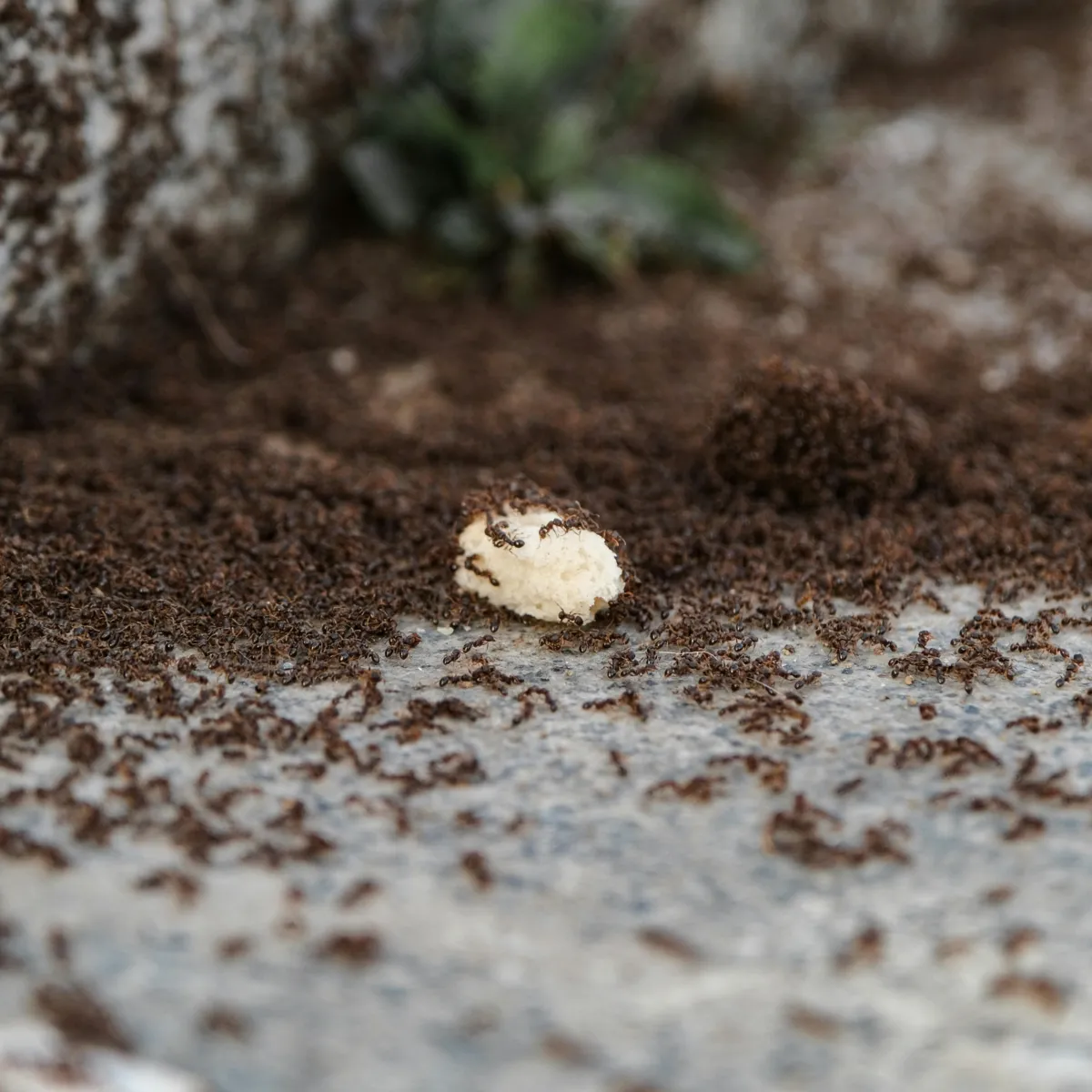
Fire ants are difficult to control because the mound visible on the surface is only part of the colony. Much of the population stays underground, where basic surface treatment may not reach deeply enough to matter. In some cases, colonies may also have multiple queens, which can make the problem more persistent and more frustrating than homeowners expect when they try to manage it themselves.

Conditions in the yard also affect how well treatment performs. Rain, watering, high temperatures, and shifts in foraging can all influence results. A DIY spray may quiet visible ants temporarily without doing enough to reduce the deeper colony. That is one reason homeowners often feel like the problem disappeared for a short time and then came right back in a slightly different form.

How our fire ant control service works

How Our Fire Ant Control Service Works

We begin by inspecting the lawn and visible mound activity to understand how fire ants are affecting the property. That includes identifying where activity is concentrated, determining how severe it appears to be, and looking for signs that the problem extends beyond the first mound a homeowner noticed. A proper inspection makes it easier to build a treatment plan that fits the lawn instead of guessing at the issue.

After the inspection, we treat active mounds and the lawn areas connected to that activity. The focus is on reducing present fire ant pressure while helping protect the property against continued mound formation. Depending on what we find and how the lawn responds, follow-up or continued monitoring may also be recommended as part of helping the yard stay more usable over time.

Treatment options for different fire ant problems

Professional Fire Ant Treatment Options

Some lawns need broader treatment because fire ant activity is spread across multiple areas. In those cases, broadcast treatment may be used to address wider lawn pressure instead of chasing individual mounds one at a time. Other properties may be better suited for direct mound treatment when specific colonies stand out as the main concern.

There are also situations where a two-step approach makes more sense. That can include bait-based treatment to help address colony activity and mound drench treatment where direct application is appropriate. We explain the treatment direction in straightforward terms so homeowners understand why the chosen method fits the lawn and why professional fire ant treatment is usually more complete than a DIY attempt.

Why DIY and professional service are not the same?

DIY vs Professional Fire Ant Control

DIY fire ant products can seem promising because they may change the mound quickly, but surface results do not always mean the colony has been controlled. Baits depend on the ants actively foraging, and that means timing can have a major effect on whether the product performs well enough. A homeowner may apply something with good intentions and still not get meaningful control because the conditions are not right.

Rain and dew can also affect some products, and direct mound treatment can raise sting risk when someone has to work up close. Professional service helps reduce that uncertainty by matching the treatment to the infestation level and the conditions on the property. That gives homeowners a more deliberate answer than trying one bag or spray after another and hoping the problem stops returning.

Why fire ants are a concern for families and pets?

Are Fire Ants Dangerous?

Fire ants can sting repeatedly when their nest is disturbed, and those stings may cause burning pain, red bumps, or pustules. The problem is not only that the stings hurt, but that the ants can react so quickly that people sometimes do not realize what is happening until they are already in the middle of it. That makes active mounds a much bigger concern than their appearance alone suggests.

Some people may have more severe reactions that require medical attention. Children, pets, and anyone who spends regular time in the lawn may be most exposed when fire ants settle into high-use areas. For many households, the danger is not hypothetical once a mound appears in a place people cross or use every day.

Can Fire Ants Damage Your Lawn?

Fire ant mounds can make a lawn feel less even, less attractive, and less practical to use. Their tunneling and mound-building can create uneven spots in the turf, interfere with mowing patterns, and make parts of the yard less comfortable for walking or play. In some cases, the lawn still looks healthy overall but no longer feels easy to use normally.

That loss of usability is often the biggest frustration. Homeowners get tired of steering around mounds, warning family members about certain parts of the grass, or changing normal outdoor habits because of one recurring pest. Fire ants can affect the appearance of the lawn, but they also affect how the yard functions in everyday life.

When Are Fire Ants Most Active?

Fire ants are most often noticed in warm, sunny conditions, which is why activity tends to increase during warmer months. In Homewood, homeowners may begin seeing more mound activity during hotter stretches of the year when the lawn is also being used more regularly. Sunny sections of turf are often where the first obvious signs begin to show.

Rain can also make the issue stand out because fresh soil makes mounds more visible. During very hot weather, the ants’ foraging activity may shift, so visible surface movement can vary even when the colony is still active below ground. That means a temporary lull in what homeowners see does not always mean the problem has gone away.


What to know about treatment around family and pets?

Is Fire Ant Treatment Safe for Families and Pets?

Treatments should always be applied according to label directions, and technicians should provide clear re-entry guidance afterward. That means homeowners should know when treated areas can be used again and what precautions apply until then. Good service includes not just treatment, but practical communication about how to use the lawn safely once the application is finished.

Depending on the treatment used and the property conditions, family members and pets may need to stay off treated sections until the application is dry or otherwise settled. Those instructions should be clear and easy to follow. Responsible fire ant treatment includes helping the household understand what comes next so normal yard use can resume safely.

Why Homewood homeowners choose Fairway Lawns?

Why Homeowners Choose Fairway Lawns for Fire Ant Control?

Homeowners choose Fairway Lawns because they want lawn and pest experience backed by a professional inspection and customized treatment recommendations. We look at the lawn itself, explain where fire ant pressure is showing up, and offer guidance that reflects how the property is being used by the household. That gives homeowners a more practical plan instead of a generic answer.

We also provide family- and pet-conscious guidance, convenient scheduling, seasonal protection options where appropriate, and a free quote. If satisfaction guarantees apply in your service area, we can explain those as well. For Homewood homeowners who want fire ant treatment with a clearer strategy behind it, Fairway Lawns is ready to help.

Questions Homewood homeowners ask about fire ants

Fire Ant Control FAQs

Get Fire Ant Control in Homewood, AL

Do not let fire ant mounds keep deciding how your yard gets used.
Reach out to Fairway Lawns today for a quote and professional fire ant treatment in Homewood, AL.