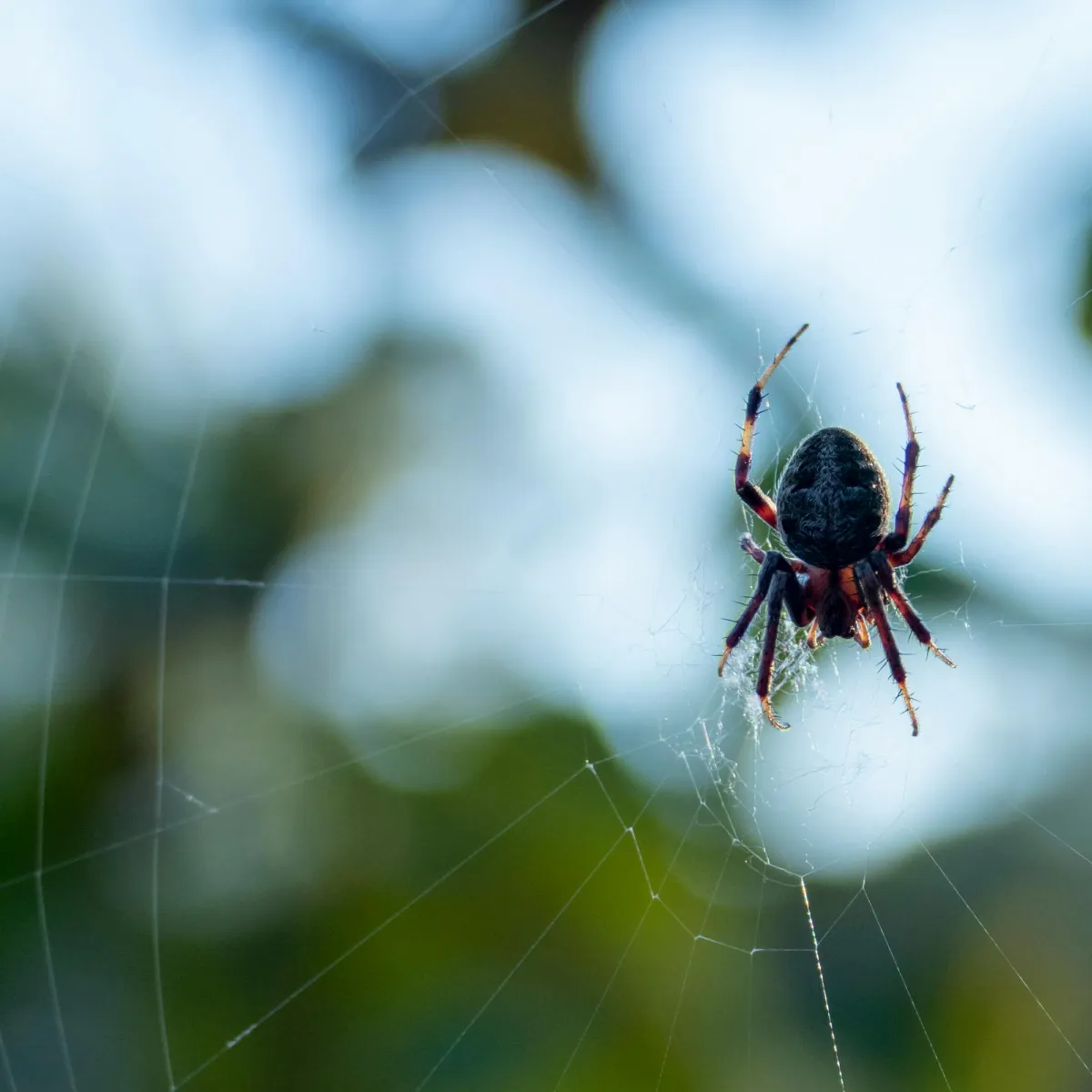
Local Spider Control
In North Little Rock, spider problems usually build quietly. A few webs in the garage, a spider near the baseboards, or recurring activity around windows can turn into a bigger issue when warm weather, humidity, and a steady insect population keep spiders active around the property.
Fairway Lawns provides spider control services for North Little Rock homes and businesses with targeted treatments, exterior protection, web removal, and prevention-focused service. Our approach is built to reduce visible activity while helping stop spiders from settling back into the same hiding spots.
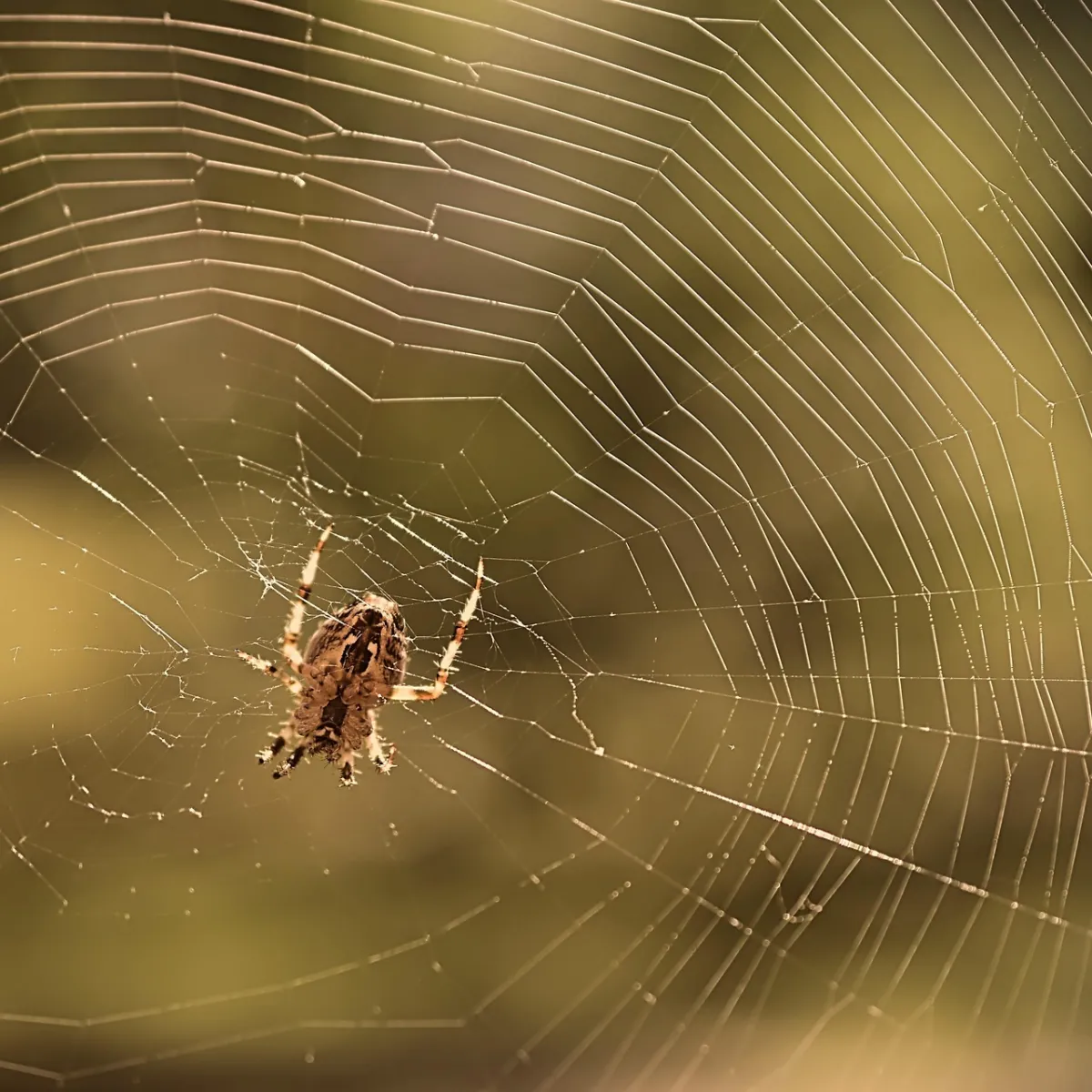
Targeted treatment for webs, hiding spots, and recurring spider activity
Spider issues in North Little Rock often show up around garages, porches, eaves, sheds, landscaping, and low-traffic indoor areas where spiders can stay undisturbed. Warm seasons, moisture, and insects around lights and entry points all help support spider activity.
That is why spider control needs to do more than knock down the ones you can see. Professional service focuses on inspection, species patterns, nesting areas, web removal, targeted treatment, and long-term prevention so the problem is handled more completely.
Fairway Lawns helps both residential and commercial properties with spider inspections and treatment plans tailored to the layout of the property. We look at common local spider pressure, conducive conditions, and the places where spiders tend to return.
Treatment Plan
Spider control works best when it starts with a clear inspection and follows through with targeted service. Fairway Lawns focuses on identifying the problem areas, reducing active spider pressure, and helping prevent re-infestation over time.
We inspect the property to identify likely spider species, nesting zones, webbing patterns, entry points, moisture issues, and the insect activity that may be feeding the problem. This helps us tailor treatment to the layout and pressure of the property.
Treatment may include targeted applications to problem areas, exterior perimeter service, web removal, egg sac removal, crack and crevice treatment, and spot treatment where activity is most consistent. The goal is to reduce both visible spiders and hidden harborages.
After treatment, we look at the conditions helping spiders return. That may include recommendations around vegetation, moisture, clutter, gaps, and maintenance practices that make the property less attractive over time.
Spider activity can shift with the seasons, so follow-up service and recurring maintenance can make a big difference. Monitoring helps address new activity before it turns back into a larger infestation.
Wolf spiders are large, fast-moving spiders that usually look intimidating because of their size and speed. They are generally considered nuisance spiders, but they can bite if handled or trapped.
They often hide in garages, mulch beds, crawl spaces, and around foundations. Activity tends to increase in warmer months, and they may wander indoors when prey is plentiful or weather conditions change.
House spiders are smaller web-building spiders commonly found in corners, ceiling lines, closets, and storage areas. They are mostly a nuisance, but repeated webbing can make a home feel neglected and signal ongoing insect activity.
They stay active year-round indoors and tend to build webs in quiet areas with low disturbance. Their presence usually points to favorable nesting conditions and a steady food source nearby.
Brown recluse spiders are a high-concern species in Arkansas because of the potential medical importance of their bites, even though they are not always encountered in every property. They are light to medium brown and prefer dark, undisturbed hiding areas.
They are often found in attics, closets, boxes, stored items, and tucked-away indoor spaces. Activity can continue through much of the year indoors, and the biggest risk comes from accidental contact when moving stored belongings.
Black widows are glossy dark spiders known for building irregular webs in protected outdoor and semi-sheltered areas. They are medically significant and should always be treated with caution, especially around homes with children or pets.
In North Little Rock, they may hide around sheds, wood piles, outdoor furniture, utility areas, and low-traffic corners. They are more active in warmer weather and prefer spaces where prey and shelter are easy to find.
Jumping spiders are compact, active hunters that are often noticed on walls, windows, and sunny exterior surfaces. They are usually considered nuisance spiders and are less associated with heavy webbing than other species.
They tend to appear during warmer months and may move indoors through gaps around doors and windows. While they are not usually dangerous, frequent sightings can still become frustrating for homeowners.
Cellar spiders are long-legged spiders that build loose webs in damp, quiet spaces. They are usually nuisance spiders, but heavy webbing in basements, garages, and storage spaces can become noticeable fast.
They prefer lower-light environments with some moisture and little disturbance. Basements, utility areas, and corners near ceiling lines are common nesting spots, especially where insects are also present.
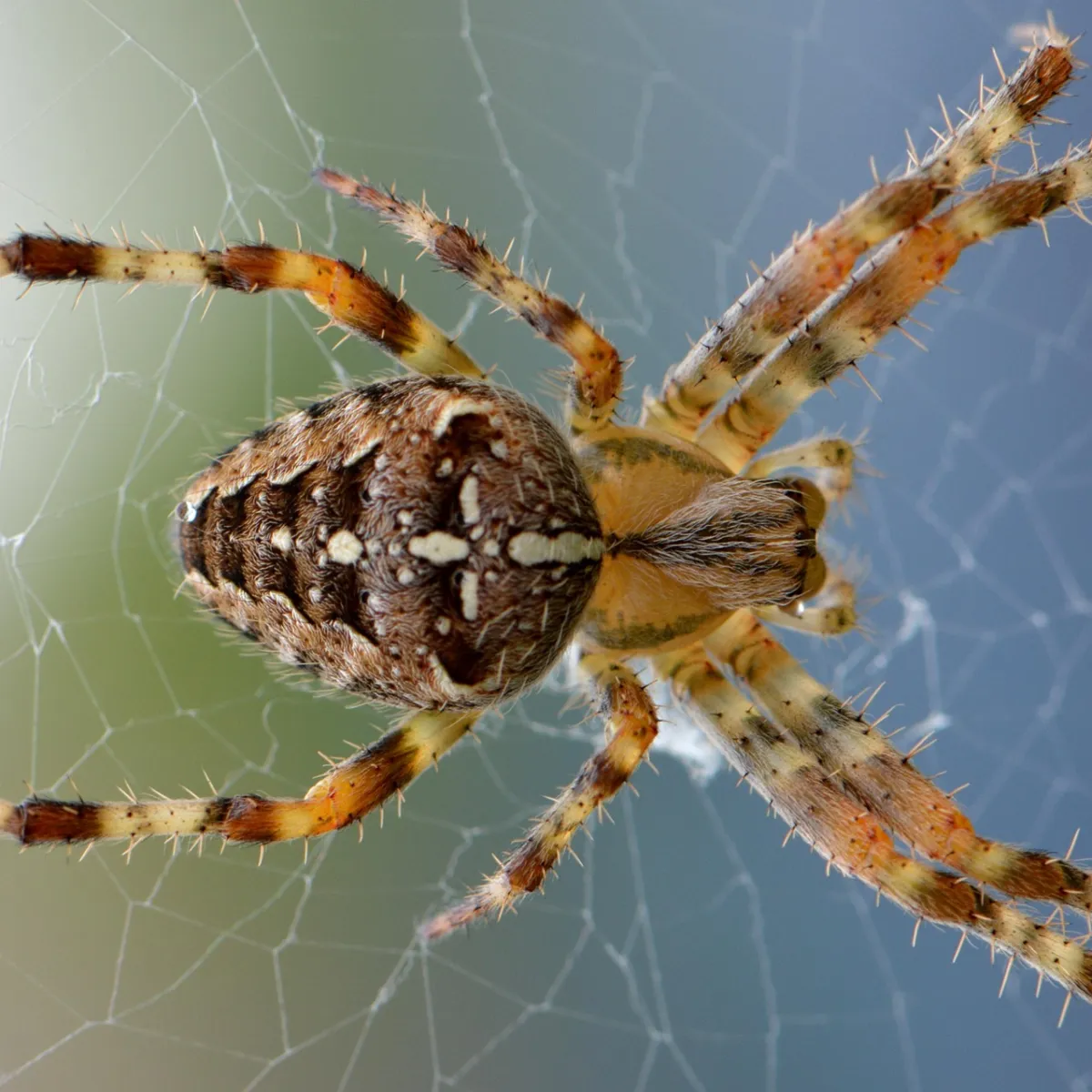
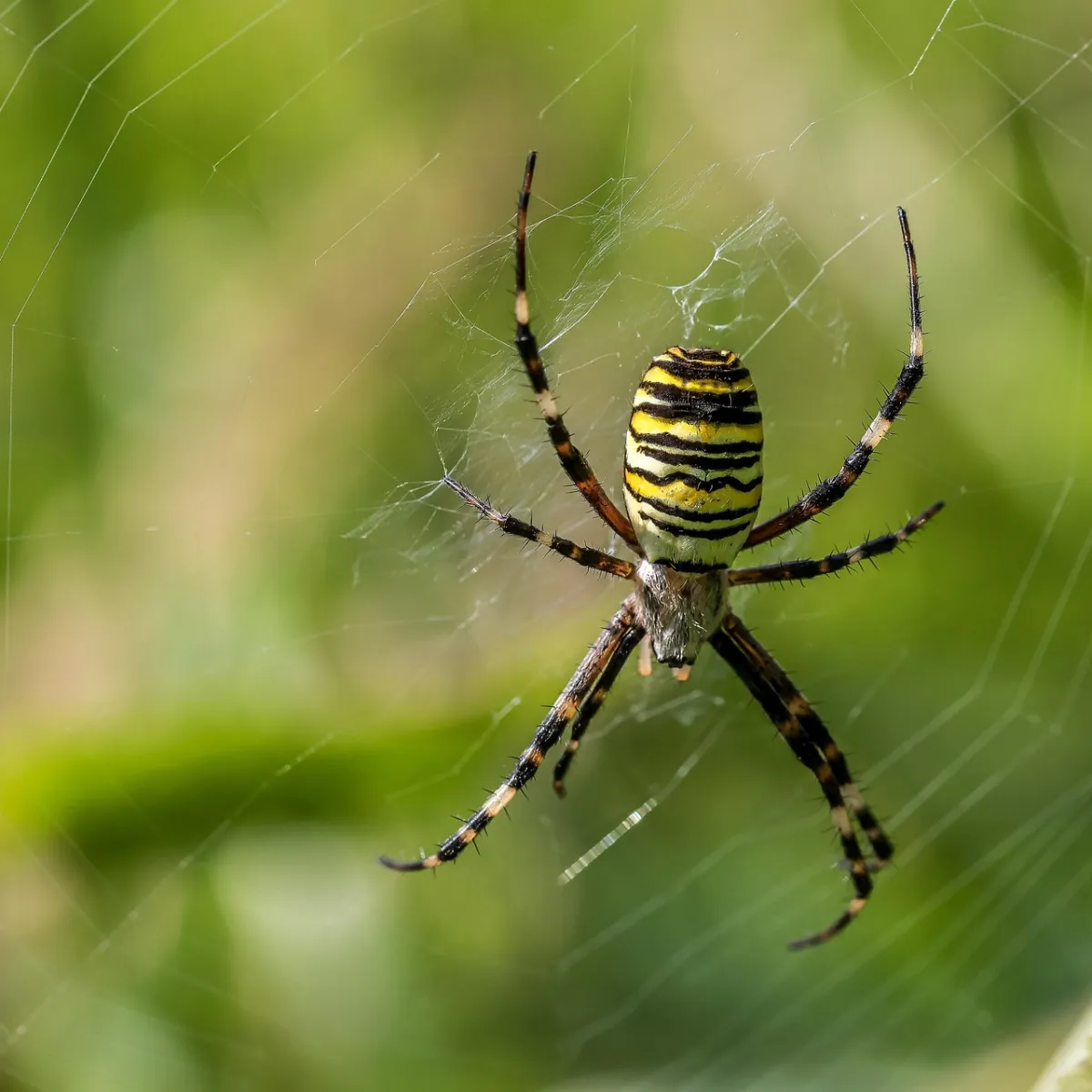
Orb weavers are outdoor web builders known for the large circular webs they create around shrubs, decks, lights, and eaves. They are mostly nuisance spiders, but their webs can become a recurring problem around entryways and outdoor living areas.
They are especially noticeable in late summer and fall when outdoor insect activity is high. In North Little Rock, they often show up near landscaping, porches, and any area where lighting attracts flying insects.
Infestation Signs
Spider infestations usually start with repeated clues rather than one dramatic sign. Homeowners in North Little Rock often notice more webs around windows and eaves, more spiders in garages or bathrooms, or recurring activity in corners that were already cleaned.
Other signs can include egg sacs, shed exoskeletons, dead insects trapped in webs, spider droppings, and sightings in attics, basements, or storage rooms. When spiders keep showing up even after store-bought sprays, there is usually a larger underlying issue.
What Draws Them In?
Spiders move indoors for a few simple reasons: food, shelter, moisture, and protection from weather swings. In North Little Rock, warm temperatures, humidity, rainfall, and a long active pest season can keep insect populations high enough to support spider activity around the home.
As seasons shift, spiders may also move inside looking for more stable conditions. Dense shrubs, mulch, wood piles, clutter, and gaps around doors or foundations all make it easier for them to settle near or inside the property.
Hidden Hotspots
Spiders rarely stay out in the open for long. Around North Little Rock properties, they are more likely to hide in basements, crawl spaces, attics, garages, closets, roof eaves, sheds, deck framing, stored items, and vegetation close to the structure.
They also gather around window corners, foundation cracks, under furniture, behind boxes, and in low-traffic rooms where they can stay undisturbed. The more shelter and insect activity available, the easier it is for spider populations to build.
Seasonal Patterns
Spider activity in the North Little Rock area changes throughout the year. Spring usually brings increasing insect activity and new breeding cycles, which gives spiders more opportunity to establish around the property.
Summer is often the busiest season for visible webs and outdoor spider activity. Fall is when many homeowners notice a spike in indoor sightings as spiders move toward sheltered areas, while winter activity tends to continue in garages, attics, crawl spaces, and quiet interior spaces.
Why Experts Help?
DIY spider sprays usually hit the spiders you can see, but they often miss the egg sacs, hidden nesting spots, and the insect populations that keep drawing spiders back. That is why many properties seem better for a few days, then go right back to the same pattern.
Professional spider control looks at the bigger picture. Fairway Lawns uses targeted treatment, residual protection, web removal, and prevention strategies that address the conditions behind the activity instead of only reacting to visible spiders.
Reduce Future Activity
There are simple ways to make a North Little Rock property less attractive to spiders. Sealing cracks, replacing damaged screens, reducing clutter, trimming vegetation, removing wood piles, and vacuuming webs quickly can all help lower spider pressure.
It also helps to manage moisture and reduce insects around the exterior. Keeping outdoor lighting from attracting large insect populations near doors and windows can make a noticeable difference over time.
Conscious Applications
Spider control should be effective without creating unnecessary concern around the home. Fairway Lawns uses licensed technicians and treatment methods designed to address spider activity responsibly and with clear service guidance.
We also take pets, children, and how the property is used into account when applying treatment. That includes explaining what was treated, what to expect next, and any practical steps that help support results after service.
Why Fairway?
Fairway Lawns brings local experience, professional inspections, and practical treatment plans built around what properties in Central Arkansas actually deal with. That matters in a place like North Little Rock, where warm weather, trees, moisture, and seasonal insect pressure all play a role in spider activity.
Homeowners choose Fairway because they want service that feels specific to the property, not generic. Our team focuses on thorough evaluation, targeted treatment, and ongoing prevention so the results hold up better over time.
Helpful Answers
If spiders keep showing up around your North Little Rock home or business, Fairway Lawns can help you get ahead of the problem with targeted treatment and practical prevention. Schedule an inspection and get a quote for spider control built around your property.