Spider activity often becomes obvious only after it has had time to spread
In Warrenville, spider problems often develop through repetition rather than one dramatic infestation. A web keeps coming back by the garage door. Another starts forming under the porch rail. A spider turns up in a storage corner, and then the same kind of sighting begins happening in a different room. Once the issue starts appearing across multiple areas of the property, it usually means the home is offering more support for spider activity than the owner can see directly.
Fairway Lawns offers pest control services in the Augusta market and describes its pest service as property-specific, inspection-based, and built around targeted treatment. That regional presence supports using the Augusta hub for nearby Warrenville spider-control content.
Spider control is more successful when the property's conditions are part of the strategy
Spider infestations around Warrenville homes are often tied to a mix of sheltered exterior zones and quiet interior spaces. Covered entries, side yards, storage-heavy garages, utility rooms, crawl spaces, and little-used closets all provide conditions spiders can use well. Add in steady insect movement around lights or landscaping, and the home becomes much more attractive than most people realize.
That is why treating only the latest web or spider sighting often leads to short-lived results. The visible activity may be only a small part of the real issue. A spider in the bathroom can reflect a stronger problem in the crawl space. A web near the side entrance may point to lighting, vegetation, or outside harborage supporting the same pattern night after night. Professional spider pest control works better because it looks at what is sustaining the problem rather than reacting only to where it was last noticed.
Warrenville properties with porches, detached storage, stacked materials, and lower-traffic side areas can be especially vulnerable to layered spider pressure. Those features create multiple places where spiders can remain active without being noticed immediately.
Control becomes more dependable when the service follows a sequence
We begin by examining where spider activity is most active and what may be helping it continue. That includes species clues, web concentrations, prey insect movement, moisture concerns, and likely entry points.
Treatment is then directed toward the places where spiders are most likely to hide, travel, or rebuild. That may include perimeter treatment, focused interior applications, web removal, egg sac treatment, and crack-and-crevice attention in likely harborages.
Longer-lasting results often depend on changing the features that make the property attractive. That can include reducing clutter, altering storage patterns, trimming vegetation, improving screens, and lowering insect attraction around lights and entry doors.
For homes with seasonal or repeat spider pressure, continued service can help stop the same pattern from becoming re-established later.
The local spider mix includes nuisance species and higher-concern species
Black widows are one of the more serious spider concerns around South Carolina homes. They prefer low-disturbance shelter such as sheds, wood piles, crawl spaces, meter boxes, under patio furniture, and protected storage corners. Their hidden habits make them easy to miss until activity has already developed.
Wolf spiders are fast-moving hunters that often appear without warning in garages, lower hallways, utility rooms, laundry spaces, and near thresholds. They are often alarming because of their size and speed, even when they are not the most dangerous spider present.
House spiders are persistent indoor web-builders that favor corners, upper walls, closet interiors, and little-used rooms. Their webs may seem minor at first, but when the same activity keeps returning in multiple places, it usually signals a broader issue.
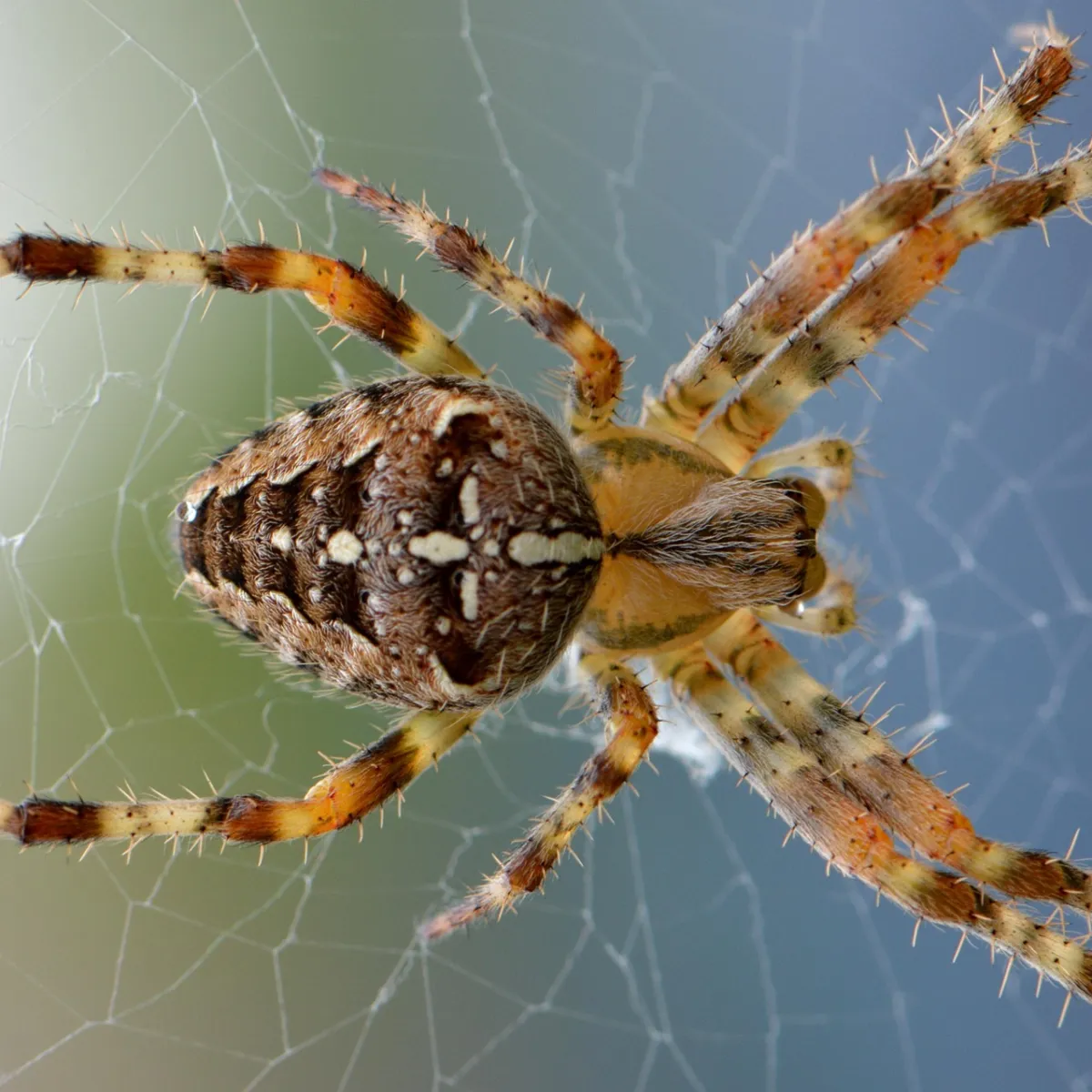
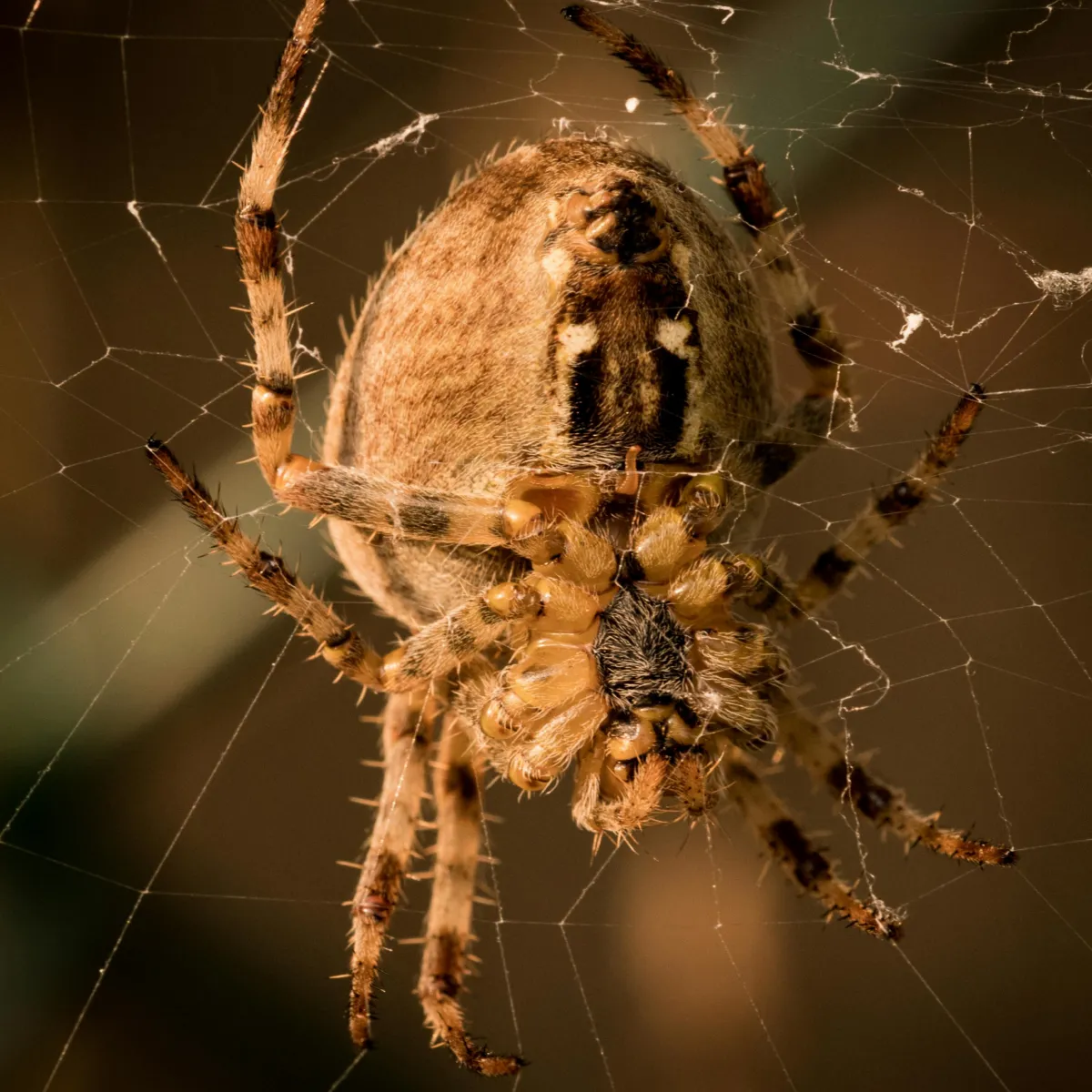
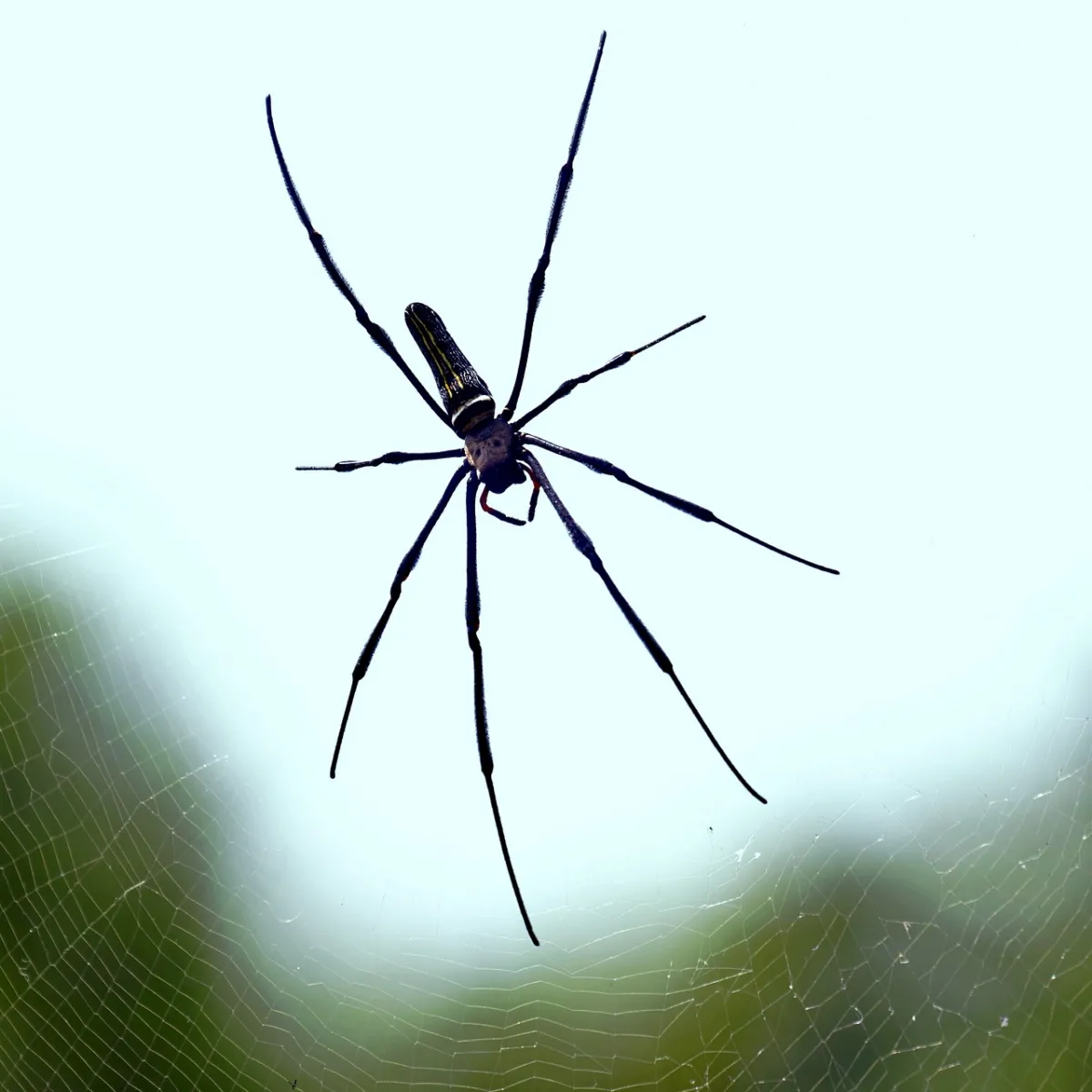
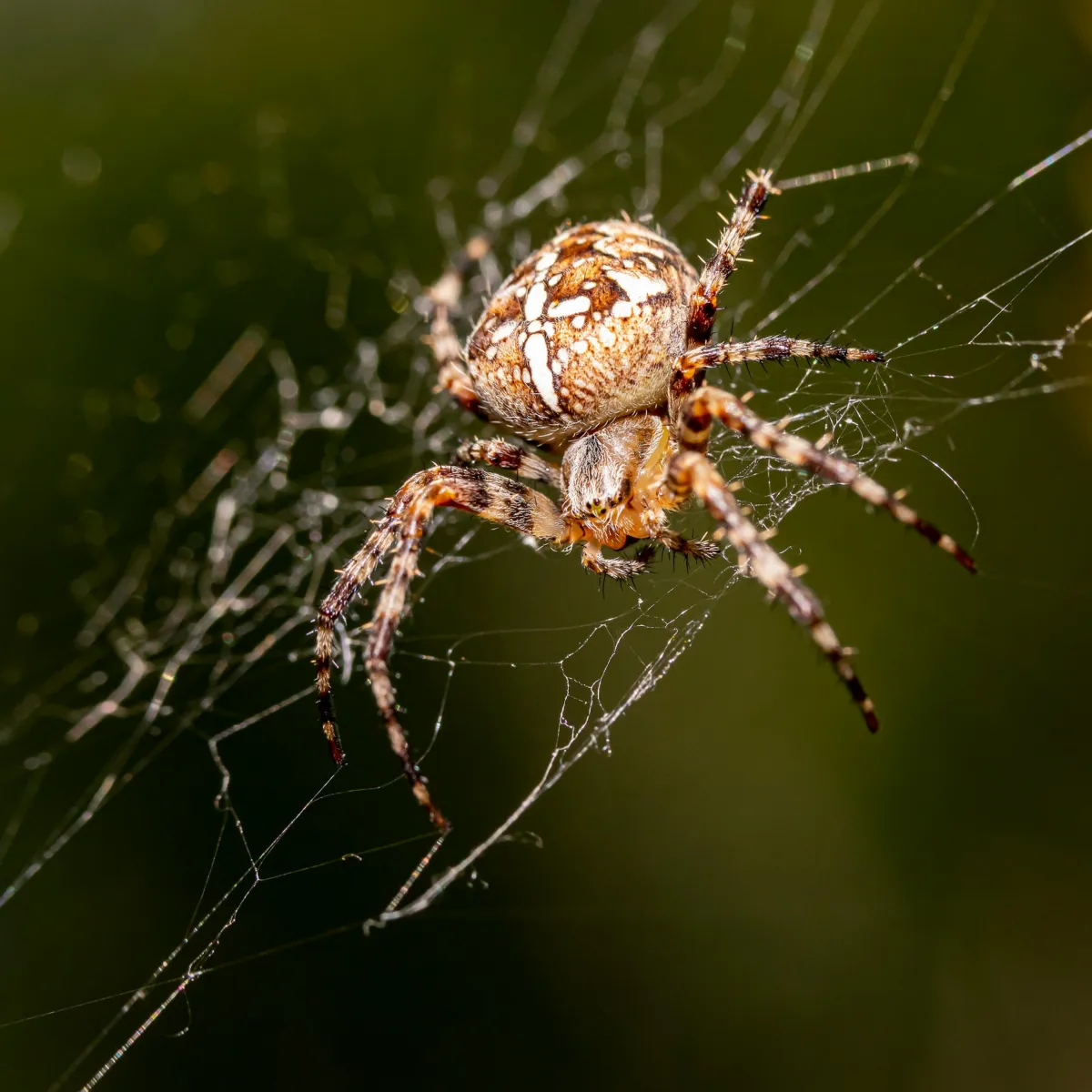
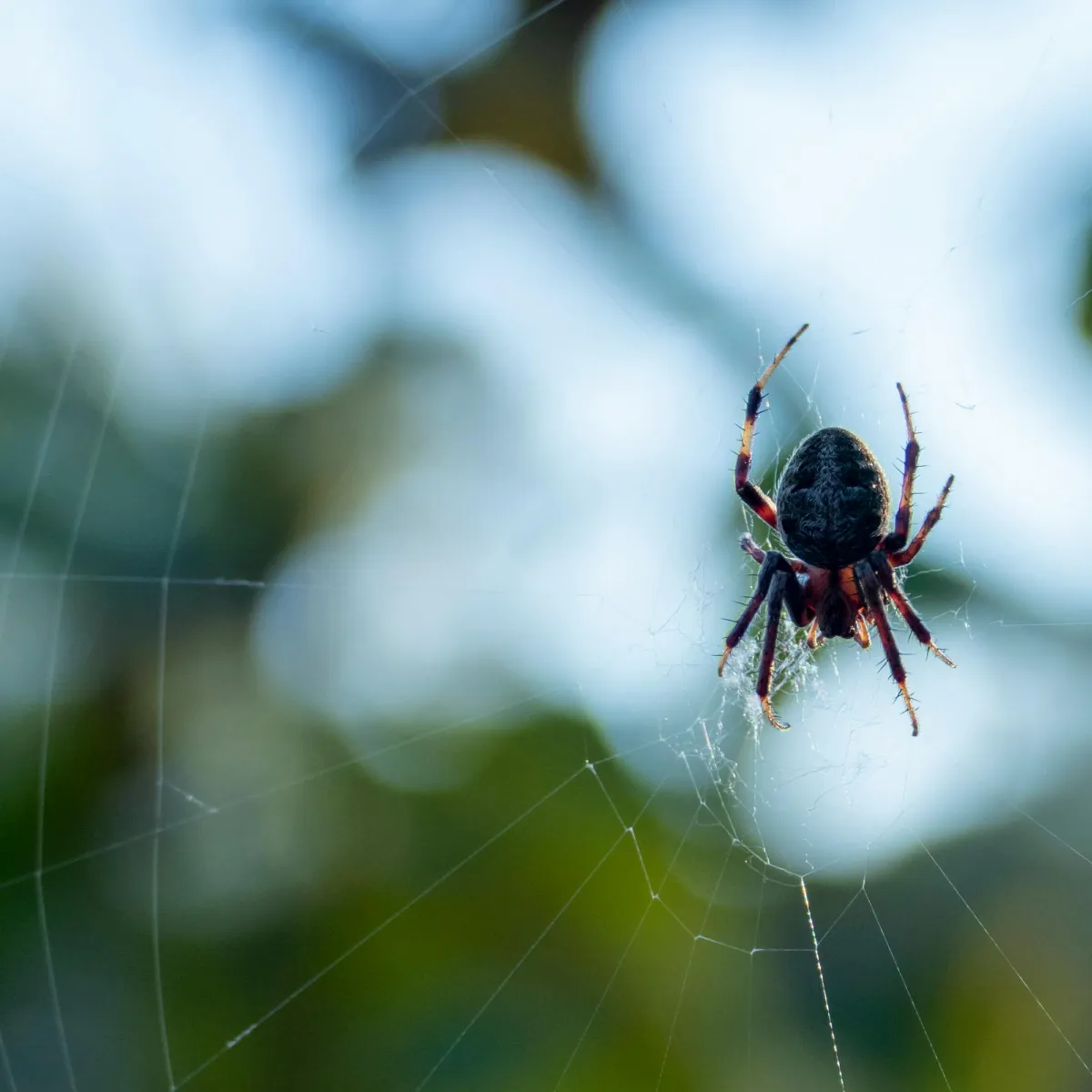
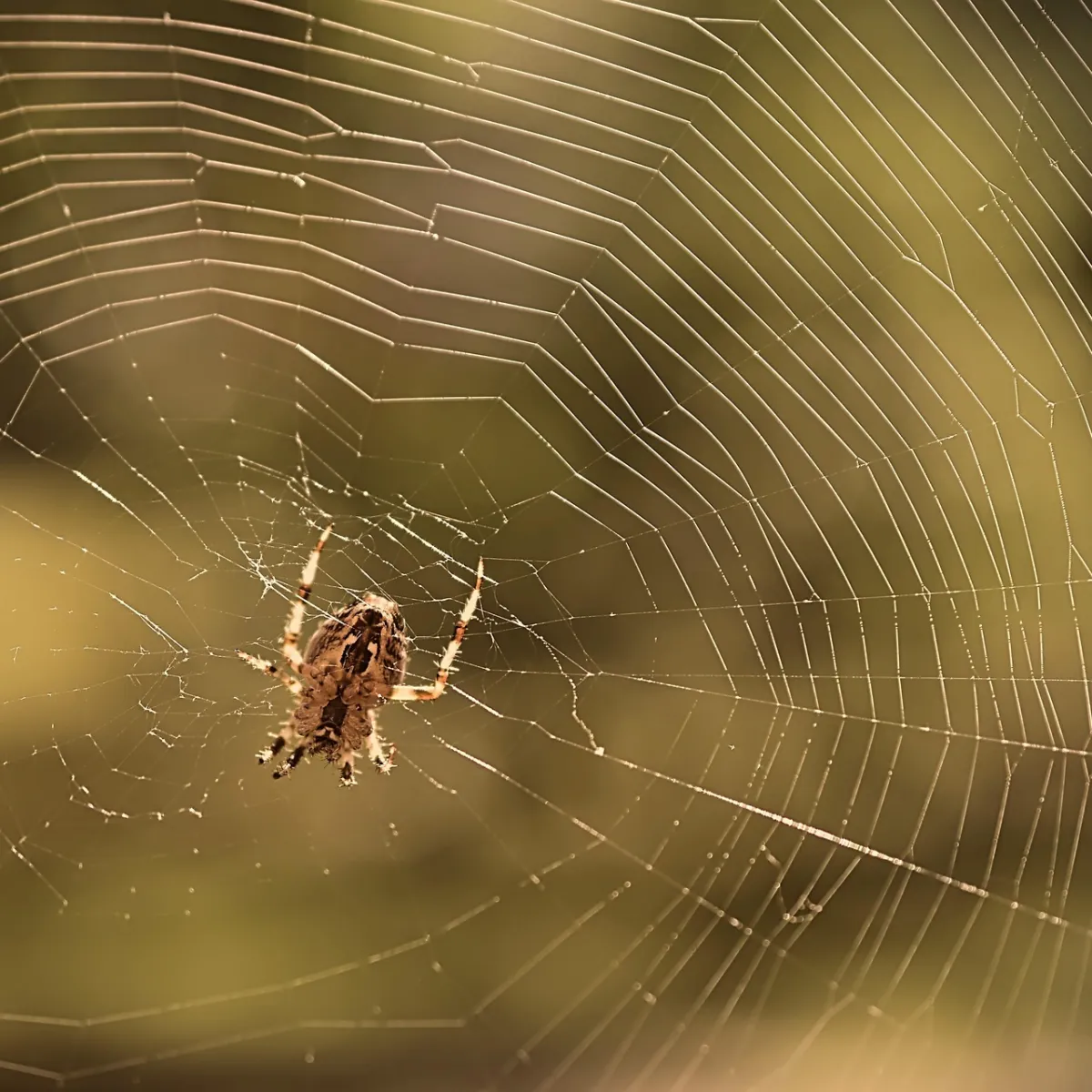
Orb weavers build large circular webs around porch rails, fencing, shrubs, eaves, and decorative structures. Their webs can become a regular nuisance around walkways and entrances.
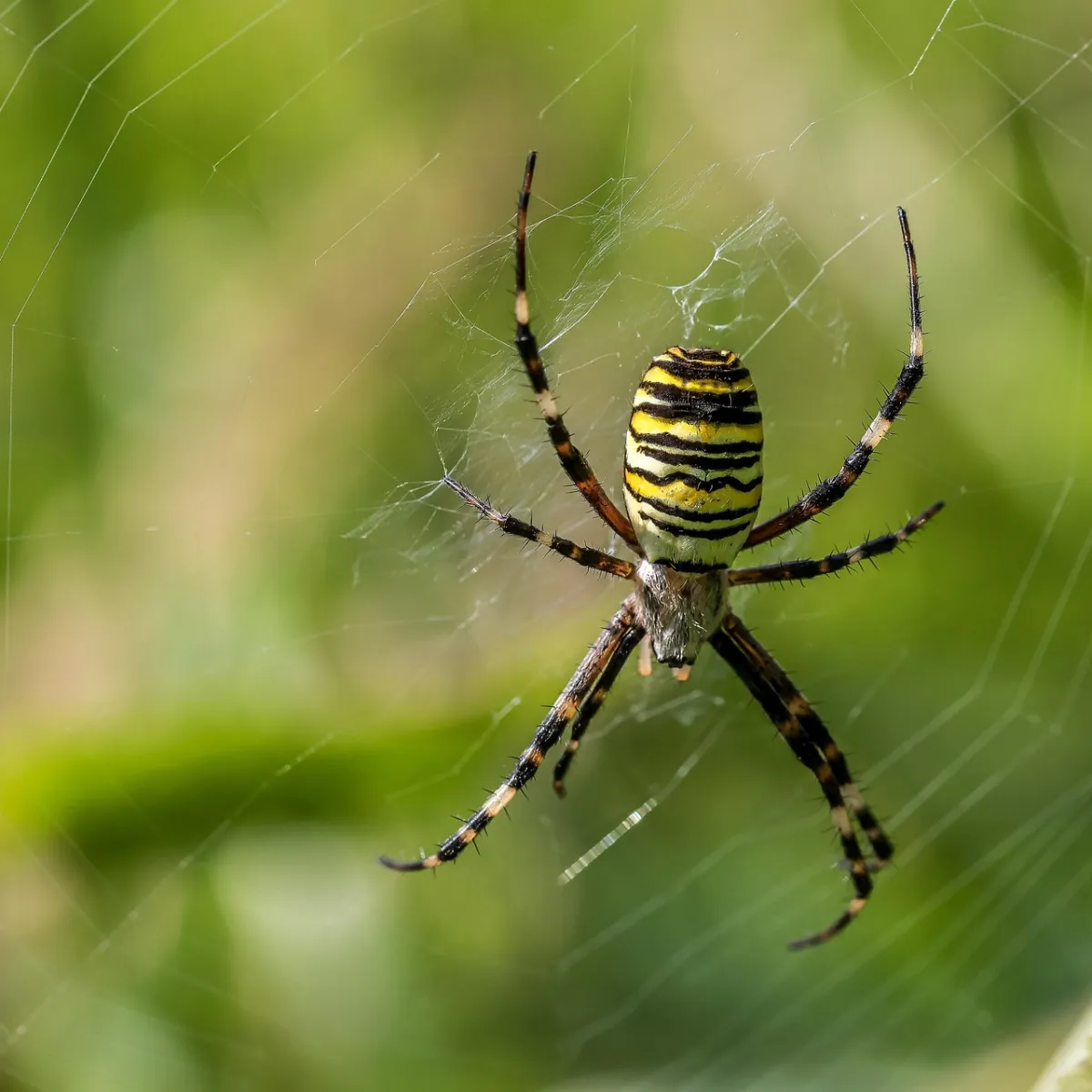
Garden spiders remain mostly outdoors near flower beds, ornamental plantings, and landscaped edges where insect activity is steady. Their webs are especially noticeable once they begin crossing areas that people use every day.
Cellar spiders usually settle into garages, utility corners, basements, and other indoor spaces where stillness and shelter remain reliable. Their presence often signals that the structure is spider-friendly even if the species itself is not dangerous.
A spider infestation usually reveals itself through recurring evidence
Spider infestations often become clear when the same clues show up over and over again. Webs returning to the same corners, spiders appearing in several rooms, and outdoor activity beginning to overlap with indoor sightings are all signs worth taking seriously.
Other evidence may include egg sacs beneath stored objects, shed exoskeletons in quiet corners, droppings near web-heavy areas, and dead insects trapped in webs. Another common sign is temporary improvement after household treatment followed by a quick return of the same kind of activity. That usually means the source of the infestation remains in place.
The home becomes attractive when it offers better shelter than the outdoors
Spiders enter homes because structures provide shade, protection, stable conditions, and nearby prey. In Warrenville, insects can remain active around the exterior for long periods, especially near lights, porch areas, landscaping, and moisture-prone edges. That gives spiders a steady reason to stay close to the house.
Once they are near the structure, even very small openings may allow access. Gaps under doors, screen tears, vent edges, utility penetrations, and foundation cracks can all become entry points. If those openings lead into garages, crawl spaces, closets, or attics, spiders often continue using the home rather than remaining only outside.
Weather shifts tend to intensify this pattern. Rain, humidity, and cooler fall conditions can all change where spiders shelter, which is why homes sometimes see a sudden increase in indoor activity after months of mostly outdoor webs.
The most productive hiding places are usually the least disturbed ones
Spiders tend to stay where they can remain undisturbed long enough to rebuild. Around a Warrenville home, that can include attic edges, crawl spaces, under decks, garage shelving, behind stacked storage, inside closets, beneath furniture, along roof eaves, inside sheds, and near foundation voids. These are often the areas where webs and egg sacs survive the longest.
Outside, spider activity may also stay concentrated in shrubs near the home, stacked wood, patio furniture, fence corners, utility areas, decorative borders, and low-traffic yard features. Those zones are important because they often keep the property under steady pressure from outside inward.
Spider pressure changes with the seasons rather than staying constant
Spring usually starts the rise in spider activity because prey insects become more active and outdoor webs become easier to notice. Summer often brings the strongest exterior pressure around patios, porches, roof edges, detached storage, shrub lines, and outdoor seating areas.
Fall often shifts more of the complaint indoors. Garages, attics, closets, utility rooms, and quiet storage areas become more active as spiders move toward more protected shelter. Winter may reduce how much webbing is seen outside, but protected indoor areas can still remain active for a long time.
The visible signs may disappear before the root cause does
DIY spider treatment often improves the appearance of the problem without fully reducing the infestation. A web may be gone, but the egg sac remains. A spider at the door may disappear, but the outside harborage behind the shrubs is still active. Insects may keep gathering around the same light every night.
Professional spider control works better because it treats the pattern behind the problem. By identifying the places spiders are using and the conditions that are supporting them, service can go beyond temporary cleanup and offer a more complete response.
The home can either keep inviting spiders or start resisting them
If spider activity has already become familiar, low-traffic areas need to be checked more consistently. Garages, closets, attics, under-porch spaces, sheds, and storage rooms should be inspected often enough that webs do not have time to accumulate unnoticed. Organized storage also reduces the amount of sheltered hiding room available.
Outside, it helps to trim vegetation away from the siding, move wood stacks off the house, repair damaged screens, manage moisture at the foundation, and reduce strong insect attraction near lights and doors. These prevention steps are often most useful when combined with treatment.
A selective treatment plan is often the most practical fit for occupied homes
A targeted spider service keeps the focus on where the issue is actually strongest. That kind of selective approach is often more practical for households that want effective service without unnecessary over-application across areas that are not driving the problem.
A repeated issue deserves a provider that understands how the property is functioning
Fairway Lawns presents its pest-control service around inspection, targeted treatment, and practical next steps based on the pest activity happening on the property. That approach fits spider issues especially well, because spider infestations are rarely just about one visible sighting.
Its Augusta location page also supports the regional hub structure being used for Warrenville content.
These are the questions Warrenville homeowners often ask when spider activity keeps returning
If spider activity around your Warrenville home keeps returning to the same corners, porches, garages, and storage areas, Fairway Lawns can help you address the deeper cause. Schedule service to reduce active webs, target hidden spider shelter, and make the property less supportive of future infestations.