Brown patch disease is a common problem that affects many lawns. It is caused by a fungus that thrives in humid conditions and can quickly turn your lush green grass into unsightly brown patches. Knowing how to identify and treat brown patches is important for keeping your lawn healthy.
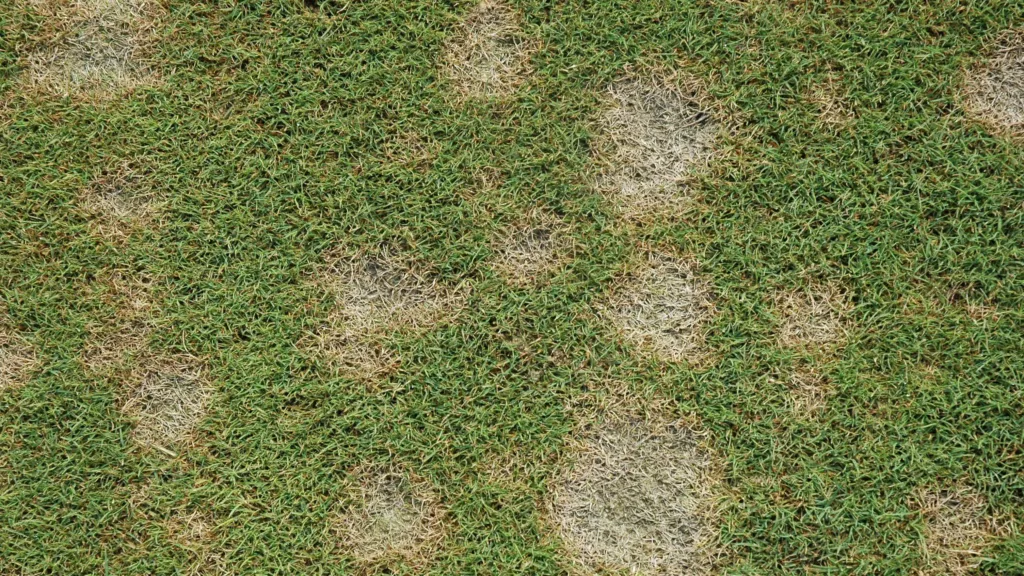
Brown patches typically appears as circular brown areas on your lawn. These patches can range from a few inches to several feet in diameter. The fungus attacks the grass, killing the blades and leaving your lawn looking patchy and weak.
Understanding the causes of brown patches can help you prevent them from occurring. Factors like excess moisture, high humidity, and over-fertilizing can create the perfect environment for the fungus to thrive. By managing these factors, you can reduce the risk of brown patches affecting your lawn.
Treating brown patches effectively involves a combination of proper lawn care practices and the right products. From adjusting your watering schedule to using fungicides, there are several steps you can take to control brown patches. With the right approach, you can restore the health of your lawn and keep it looking green and vibrant.
What is Brown Patch Disease?
Brown patch is a fungal lawn disease caused by Rhizoctonia solani. The fungus thrives in warm, humid weather and can spread quickly if you don’t do anything about it. Brown patch most often appears in late spring and early fall, when conditions are ideal for fungal growth.
This lawn disease can affect many types of grass, but some turf types are more vulnerable than others. Cool-season grasses such as tall fescue and perennial ryegrass are particularly susceptible, and bentgrass is also regularly affected. Kentucky bluegrass is less commonly hit, though it isn’t immune, especially when conditions favor the fungus. If your lawn includes a mix of grass types, brown patch may show up in some areas more than others.
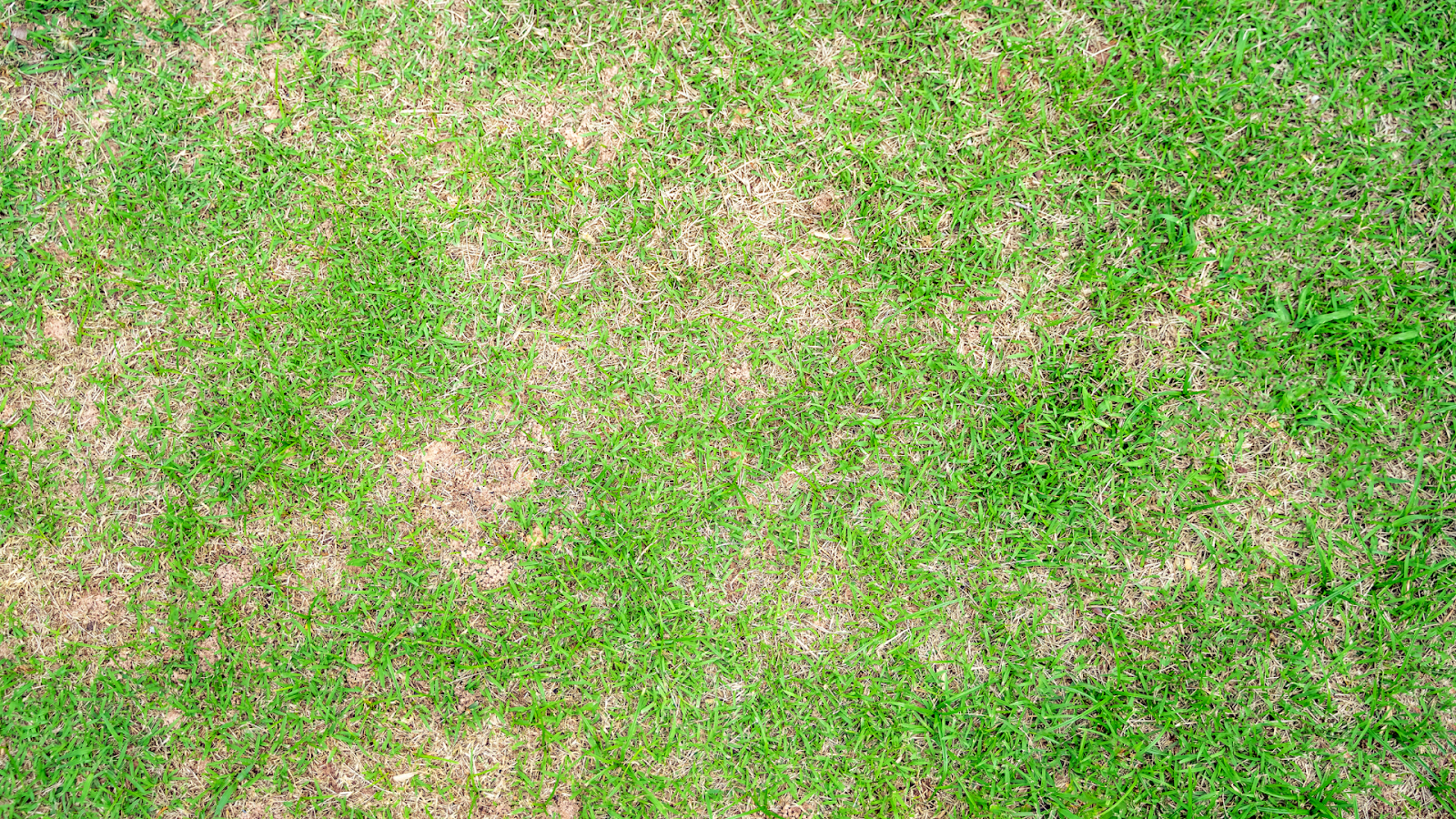
As for warm-season grasses, brown patch will attack almost all of them. That includes St. Augustine, centipede, Bermuda, and Zoysia. So southern lawns are no stranger to this destructive fungus.
When the disease attacks, it starts by infecting the grass blades. Infected grass turns brown and dies, forming the circular patches that give the disease its name. These patches can grow and merge, causing significant damage if left untreated.
Knowing what brown patch is, and which grasses are most at risk, helps you catch it early. Proper lawn care practices can keep the fungus from taking hold and your grass healthy and green.
Causes of Brown Patch in Lawns
Several factors contribute to the development of brown patch disease in lawns. Here are some common causes:
- Excess Moisture: Overwatering your lawn can create damp conditions ideal for fungal growth. Poor drainage and heavy rainfall can also contribute to excess moisture.
- High Humidity: Brown patch thrives in humid conditions. Warm, sticky summers provide the perfect environment for the fungus.
- Dense Grass: Lawns with dense grass can trap moisture, creating ideal conditions for fungus to grow.
- Over-Fertilizing: Using too much nitrogen fertilizer encourages rapid grass growth, which is more susceptible to infection.
- Improper Mowing: Cutting your grass too short weakens it and makes it more prone to disease.
- Prolonged Leaf Wetness: Leaf wetness is one of the biggest triggers for brown patch. When grass blades stay wet for roughly 10 to 12 hours or more, the fungus has the time it needs to infect the plant. Several things can stretch out that wet period: watering at night means grass can’t dry off until morning, humid weather slows evaporation, and frequent rainfall keeps the lawn wet. The longer the blades stay that way, the greater the risk.
- Thick Thatch: A heavy thatch layer acts like a sponge, creating trapped moisture right at the base of the grass. This damp, protected environment is favorable for fungus. It keeps the lawn wetter for longer after you run the sprinklers or it rains. Extended moisture in the thatch can also let the disease spread from blade to blade.
Understanding these causes can help you adjust your lawn care practices to reduce the risk of brown patch disease.
Identifying Brown Patch: Key Signs to Look For
Spotting brown patch disease early can save your lawn from extensive damage. Here are key signs to look for:
- Brown Patches (Round or Irregular): Look for patches of brown, dead grass. They’re often roughly circular, but they aren’t always perfectly round and can be irregular or uneven in shape. Patches can range from a few inches to several feet in diameter, and they may grow and merge over time.
- Yellowed Grass: Grass around the edges of the patches may appear yellow or lighter green before turning brown.
- Leaf Lesions: Look closely at individual grass blades. Infected blades may show tan, oblong spots with dark brown or purplish borders. These dark-bordered lesions are one of the clearest signs of brown patch, and they’re easiest to spot by checking carefully along the edge of a patch.
- Smoke Ring: In the early morning, while dew is still on the grass, you may see a grayish-white, web-like ring around the edges of a patch. Known as a smoke ring, this is a sign of active fungus. It usually disappears as the grass dries, so check your lawn early in the day, before the sun burns off the morning dew.
- Thinned Turf: Overall thinning of the grass in affected areas is common. The grass may feel soft and waterlogged.
By recognizing these symptoms early, you can start treatment before the disease spreads further.
Differences Between Brown Patch and Other Lawn Issues
It’s important to differentiate brown patch disease from other common lawn issues. Here are some key differences:
- Brown Patch vs. Dollar Spot: Dollar spot disease causes small, silver-dollar-sized patches of dead grass. Unlike brown patches, the patches are smaller and more numerous.
- Brown Patch vs. Drought Stress: Drought-stressed grass turns brown uniformly and lacks the distinct circular pattern of a brown patch. Drought damage also affects the grass more evenly.
- Brown Patch vs. Grub Damage: Grubs eat grass roots, causing large, irregular patches of dead grass. You can often lift the grass easily to find the grubs underneath.
Understanding these differences helps in accurate diagnosis and choosing the right treatment for your lawn problem.
Best Conditions for Brown Patch Development
Brown patch thrives in certain conditions. Knowing these factors can help you prevent outbreaks.
Hot, Humid Summer Weather: Brown patch is primarily a summer disease. Homeowners are most likely to see outbreaks during stretches of hot and humid weather, when daytime temperatures hover around 80°F or higher and nighttime temperatures stay consistently above roughly 60 to 65°F. Warm nights are especially important since they give the fungus plenty of time to establish itself. Outbreaks can also begin in late spring and early fall, whenever warm, muggy conditions return.
Prolonged Humidity and Extended Leaf Wetness: Temperature isn’t the only factor. The risk climbs when heat is paired with high humidity and turf that stays wet. Extended leaf wetness gives the fungus the time it needs to infect the grass. Humid nights, dew, and rainfall all stretch out that wet period.
Overwatering: Too much moisture, especially water that sits on the grass overnight, promotes fungal growth. Overwatering or an inefficient irrigation system can create the damp conditions brown patch needs.
Poor Air Circulation: Lawns surrounded by buildings, fences, or dense shrubbery can trap moisture and limit air movement. These areas stay damp longer, giving the fungus time to take hold.
Dense Plant Growth: Thick, lush grass holds more moisture. These damp conditions are what the fungus needs to thrive.
Common Myths About Brown Patch
There are several misconceptions about brown patch disease. It’s important to separate fact from fiction:
- Myth: Brown Patch is Incurable: Some believe that once a lawn has a brown patch, there’s no hope for recovery. This is false. With prompt and proper treatment, you can control and even eliminate brown patches.
- Myth: Only Certain Grass Types Get Brown Patch: While some grass types are more susceptible, brown patches can affect many different types of grass. Kentucky bluegrass, tall fescue, and perennial ryegrass are common victims.
- Myth: Brown Patch Only Occurs in Unhealthy Lawns: Even well-maintained, lush lawns can suffer from brown patches. Good lawn care reduces the risk but doesn’t completely prevent the disease.
- Myth: Fungicide is the Only Treatment: While fungicide is effective, it’s just one part of a comprehensive treatment plan. Proper watering, mowing, and fertilizing practices are essential in managing brown patches.
Understanding these myths helps you take a more informed approach to brown patch disease.
Immediate Steps to Take If You Spot Brown Patch
Once you spot a brown patch, you should take immediate action. These steps prevent it from spreading. Be sure to do them before you start trying to repair the damage caused by brown patch.
- Reduce Watering: Limit watering to early mornings to allow the grass to dry out during the day, so moisture doesn’t linger and encourage fungal growth. Avoid watering in the late afternoon or evening.
- Improve Air Circulation: Trim back any overgrown shrubs or plants that block airflow around your lawn. This helps reduce moisture levels.
- Avoid Excess Nitrogen: Completely stop applying high-nitrogen fertilizers. Don’t just reduce how much you’re using. Brown patch thrives in nitrogen-rich environments, making the problem worse.
- Mow Properly: Keep your mower blades sharp and mow the lawn at the recommended height. Avoid cutting the grass too short, as it stresses the plants.
- Rake Lightly: Gently raking the affected grass helps improve airflow, making it easier for those areas to dry out more easily. Just be sure not to drag your rake from the infected area to a healthy spot. This can worsen the problem by spreading the disease.
Following these steps can help limit the spread of brown patches and set the stage for more extensive treatments if needed.
Effective Treatments for Brown Patch
Treating brown patch works best when you combine targeted chemical control with changes to the conditions that let the disease initially take hold.
Fungicides
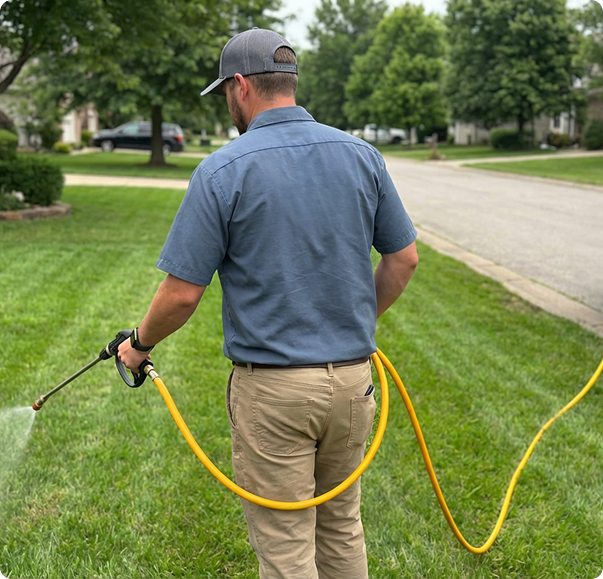
Apply a fungicide labeled for brown patch, and follow the label instructions carefully. Fungicide control is most effective when applied early, because it protects healthy grass and slows the spread of active fungus. It does not make damaged grass regrow, though.
Blades that are already dead won’t green back up. Lawn recovery takes time as new growth slowly fills in. It’s also important to confirm the problem is actually brown patch before treating. After all, drought stress, grubs, and other lawn diseases can look similar. Choosing a product for the identified disease works far better than spraying unidentified brown spots generically.
Proper Watering
Water in the early morning so blades can dry quickly as the day warms up. Watering at night or too often keeps turf wet longer and feeds the fungus.
Improved Airflow and Thatch Control
Trim back dense shrubbery where possible, and dethatch if the thatch layer is thick. Both help moisture escape faster. Aeration also improves drainage and reduces compaction, which encourages healthier roots and makes the soil less hospitable to fungi.
Balanced Fertilization
Use a balanced fertilizer that doesn’t excessively boost nitrogen. Too much nitrogen pushes soft, rapid growth that’s more vulnerable to infection and can make outbreaks worse.
Is Fungicide Always Necessary?
Not always. If the outbreak is mild, correcting the underlying conditions may be enough to stop the disease and let your lawn recover on its own. But fungicide alone won’t solve the problem either. If watering, airflow, thatch, and fertilization issues aren’t fixed, brown patch is likely to return the next time hot, humid weather arrives.
The most reliable approach combines using fungicide when it’s warranted to control active fungus and correcting the underlying conditions to support lawn recovery. If you’re unsure what’s causing the brown spots, or whether treatment is needed, a professional can identify the cause and recommend the right plan.
Will Grass Recover From Brown Patch?
Usually, yes. Brown patch mainly hurts the grass blades instead of killing the roots and crowns. That means affected turf can bounce back once conditions improve and the disease is controlled.
Lawn recovery typically takes about 2 to 4 weeks, as healthy new blades grow in to replace the damaged ones. Just remember to keep watering early in the morning, avoid excess nitrogen, and give your lawn time to respond.
If bare areas don’t fill back in, it’s time for lawn repair. Small patches can be reseeded, while larger areas may call for resodding. Overseed thin spots, too, and consider choosing disease-resistant grass varieties so your lawn is better prepared the next time hot, humid weather returns.
Preventing Brown Patch: Best Practices
Preventing brown patch disease in your lawn is easier than treating it. These tips will keep your lawn healthy and reduce the chances of brown patches developing.
- Proper Watering: Deep, infrequent watering is best. Water early in the morning, and avoid watering late in the day so moisture doesn’t sit on the grass overnight.
- Mowing Techniques: Mow your lawn at the right height. Taller grass promotes deeper roots, making the lawn more resistant to disease.
- Aeration: Aerate your lawn to improve air and water flow to the soil, making it harder for the fungus to thrive.
- Fertilization: Use fertilizers wisely. Over-fertilizing can encourage disease, so choose a balanced fertilizer and follow recommendations.
- Prevent Disease Spread: Brown patch can hitch a ride on your lawn equipment. Mower blades, rakes, and other tools can carry infected plant material from one area to another, so clean them after working in affected areas. When mowing or raking, avoid moving directly from infected areas into healthy grass. If possible, tackle healthy turf first and finish with the affected areas. It also helps to limit unnecessary foot traffic through actively affected areas, since walking through them can move the fungus onto healthy blades.
Implementing these simple steps can go a long way in preventing brown patches and keeping the disease from spreading across your lawn.
Role of Fertilization in Managing Brown Patch
Fertilization plays a crucial role in managing brown patch disease. Knowing the right type and amount of fertilizer to use can make a big difference:
- Balanced Fertilizers: Use a balanced fertilizer to ensure your lawn gets all essential nutrients. Over-fertilizing, especially with nitrogen, can make your lawn more susceptible to brown patches.
- Timing: Apply fertilizer during the growing season, not when the lawn is dormant. This helps the grass grow strong and resist diseases.
- Soil Testing: Conduct soil tests to understand nutrient levels. This helps you choose the right fertilizer and avoid over-application.
By following these fertilization tips, you can create a healthier, disease-resistant lawn.
Safe and Eco-Friendly Solutions for Treating Brown Patch
Fertilization plays a key role in managing brown patch disease, but what’s right for your lawn depends on whether you’re dealing with an active outbreak or looking at long-term care.
During an Active Outbreak
When brown patch is actively spreading, hold off on nitrogen fertilizer. Excess nitrogen pushes soft, rapid growth that is especially vulnerable to infection. This can make the outbreak even worse. So skip any nitrogen applications until the disease lessens. Instead, focus on correcting watering and other conditions.
Recovery and Long-Term Fertilization
Once the outbreak subsides and your lawn begins to recover, you can return to an appropriate fertilization program based on your lawn’s needs. A few guidelines keep it on track:
- Balanced fertilizers: Choose a balanced fertilizer so your lawn gets all essential nutrients. Over-fertilizing, especially with nitrogen, can leave your lawn more susceptible to brown patch in the future.
- Timing: Apply fertilizer during the growing season, not when the lawn is dormant. This helps grass grow strong and resist disease.
Soil Testing
Conduct soil tests to understand your lawn’s nutrient levels. This helps you choose the right fertilizer and avoid over-application, so you’re feeding your lawn only what it needs.
By holding back nitrogen during an active outbreak and returning to a smart, balanced program afterward, you can support recovery and build a healthier, more disease-resistant lawn.
Long-Term Care Strategies for a Healthy Lawn
Long-term care is essential for a healthy lawn that resists brown patch disease. Here are some strategies for keeping your lawn in top shape:
- Regular Maintenance: Follow a consistent lawn care routine that includes mowing, watering, and fertilization.
- Seasonal Adjustments: Adjust your lawn care practices based on the seasons. For example, water more frequently in the summer and aerate in the fall.
- Monitor for Diseases: Keep an eye on your lawn for early signs of disease. Early detection can make treatment easier and more effective.
- Soil Health: Focus on improving soil health by adding organic matter and ensuring proper drainage.
With these long-term care strategies, you can maintain a lush, green lawn that is less prone to diseases like brown patches.
When to Call a Lawn Care Professional
Seeing brown spots on your lawn? It might or might not be brown patch. If your lawn’s symptoms don’t clearly match what’s described above, a professional can identify the true cause (another lawn disease, drought stress, pests, or something else).
It’s also time to call if outbreaks keep coming back, spread across large areas of your lawn, or get worse despite your best efforts. These issues often point to underlying lawn conditions, such as drainage problems, thick thatch, or irrigation issues, that are easy to miss without a trained eye.
Getting the diagnosis right matters. Applying the wrong treatment wastes time and money and lets the issue continue. Plus, it can stress your turf further. A lawn care professional can pinpoint the problem, select the right treatment, and recommend the changes that will help your lawn recover and stay protected.
Restore Your Lawn’s Health: Brown Patch Treatment
Brown patch disease can be a real challenge for any lawn owner. However, with the right knowledge and techniques, you can prevent and manage this common issue. From proper watering and mowing to smart fertilization and eco-friendly treatments, you have the tools to keep your lawn healthy and disease-free.
If you’re ready to take the next step in lawn care in Little Rock, AR, Fairway Lawns has the expertise you need. Let’s achieve a vibrant, resilient lawn together. Get in touch with us today to find out more and get started on creating the lawn of your dreams!
Blog Contributor: Rodney Eichler
Rodney Eichler serves as the Conway Branch Manager for Fairway Lawns and brings 12 years of experience to the team. He is a Commercial Applicator and Licensed Operator under Classification 4. His background gives him a practical understanding of customer education, field performance, technician growth, and the importance of safe, consistent lawn care operations.