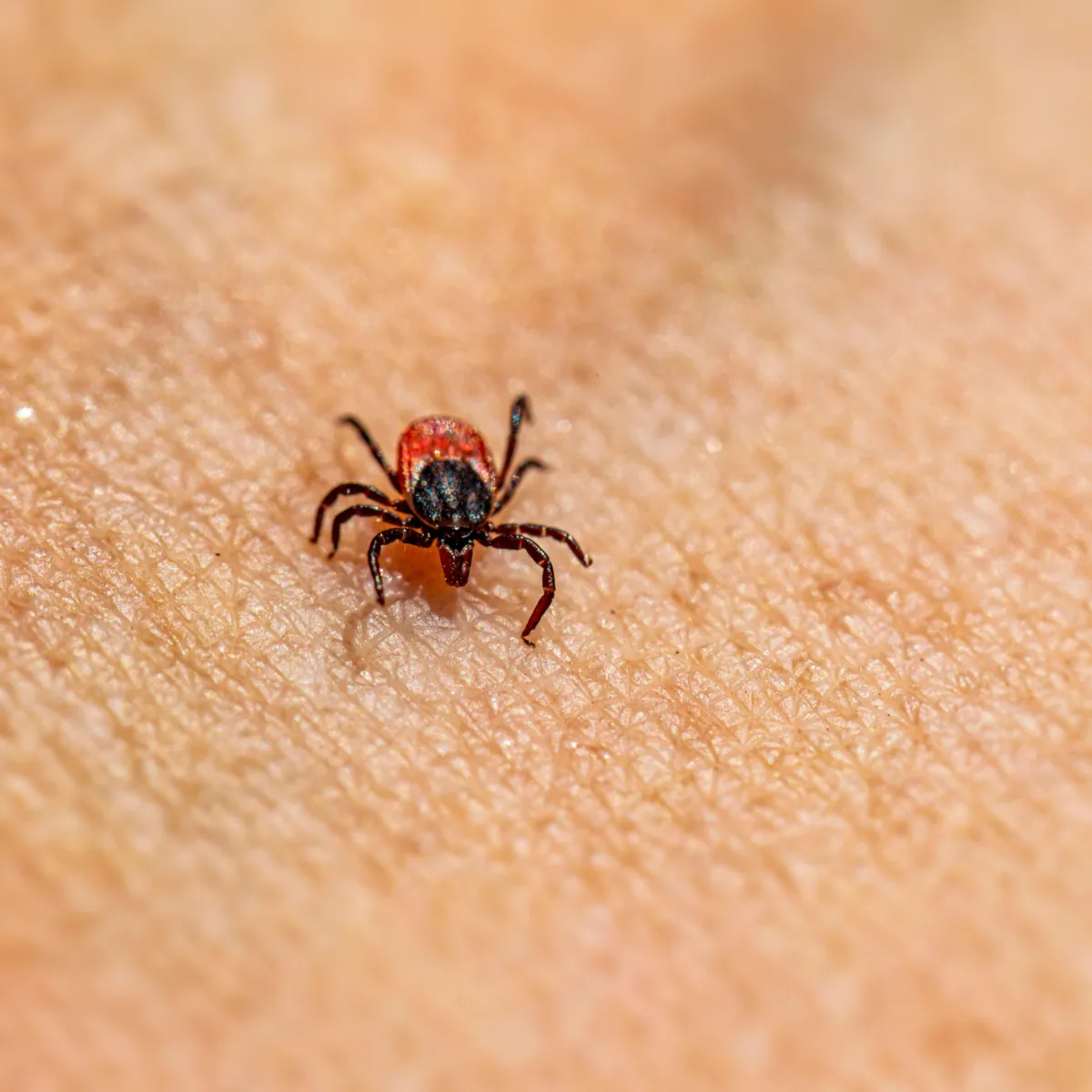
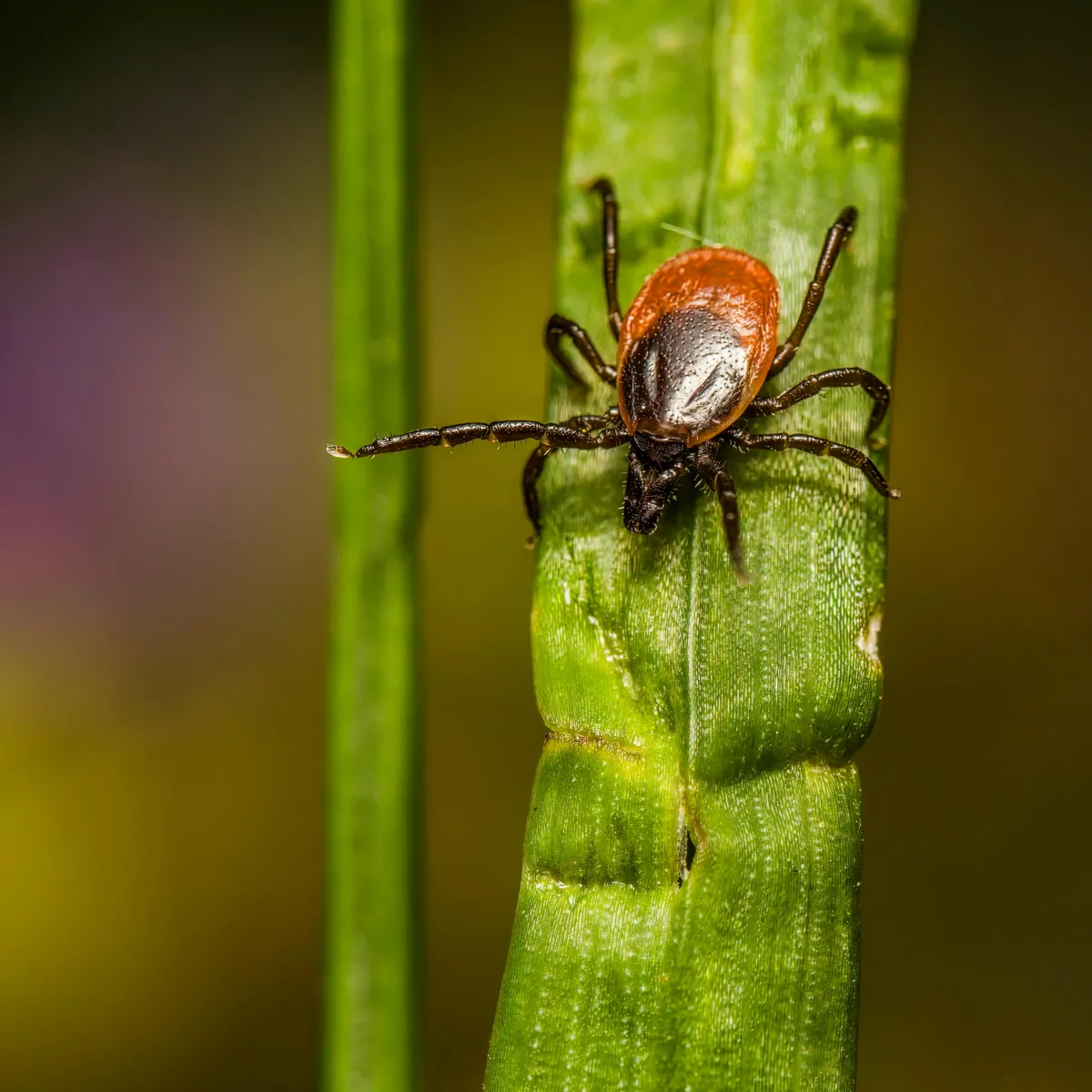
Franklin Tick Control
Tick pressure in Franklin usually does not begin in the middle of the lawn. It builds where finished landscaping meets deeper shade, where grass runs into trees, and where the most attractive parts of the property stay coolest and most protected. A dog route along a hedge line, a mulched path near the back edge of the lot, or a shaded transition between lawn and planting bed can all hold hidden activity long before it gets noticed.
Fairway Lawns provides tick control in Franklin with focused treatment built around the parts of the property where people and pets actually move, gather, and spend time.
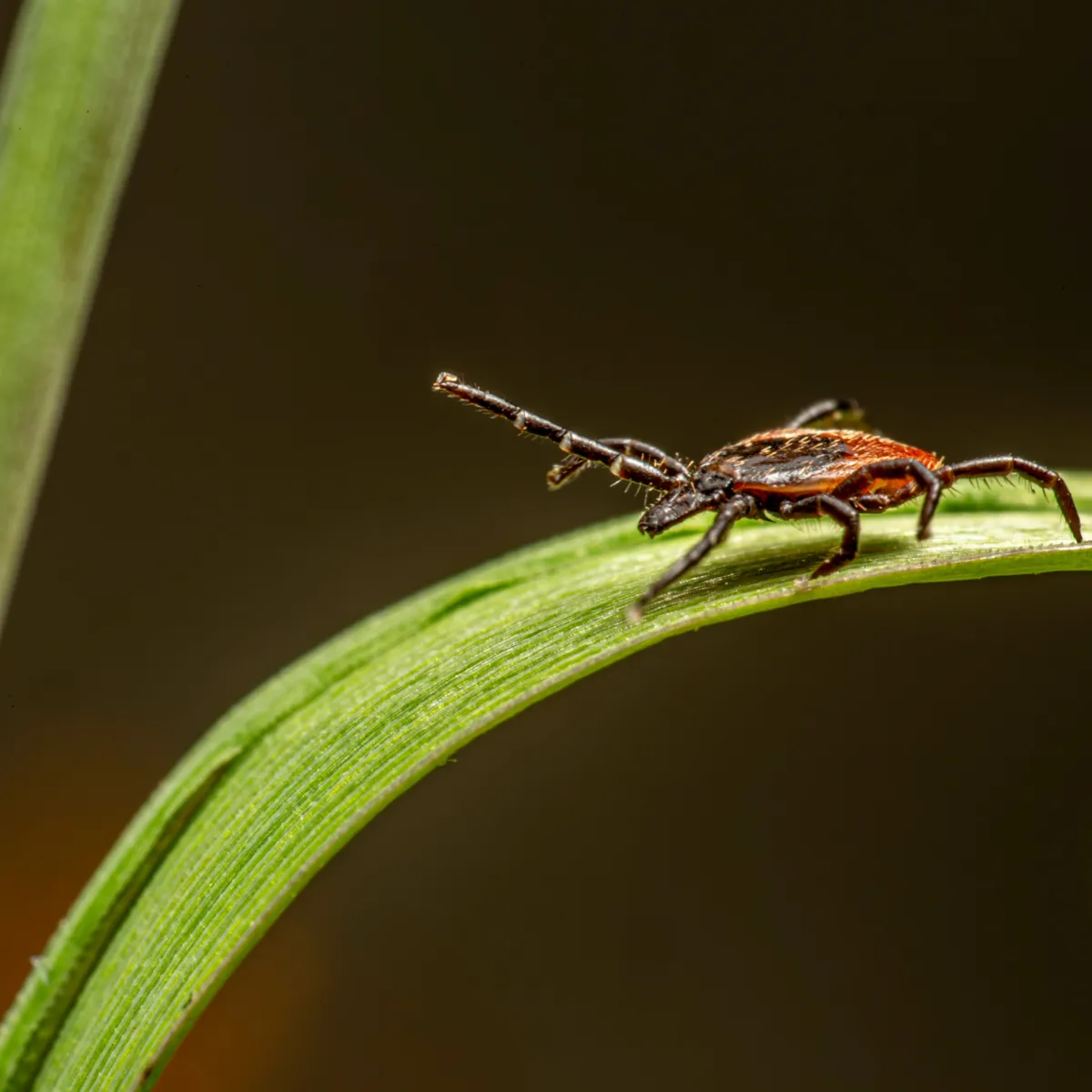
Built for pet paths, wooded transitions, shaded borders, and larger residential lots
Open turf is rarely where tick pressure starts. More often, it develops where lawn meets shrub massings, mulch, trees, fence lines, and denser cover.
That is why effective tick control should focus on the areas most likely to hide activity instead of treating the property like one uniform space. Fairway Lawns starts with a property assessment and builds service around those higher-risk parts of the yard.
Tick Control Steps
A strong tick treatment plan works best when it follows the places where ticks are most likely to hide, move, and return. Fairway Lawns uses a clear process to inspect the property, target the right locations, and support longer-lasting reduction.
We inspect for shade, moisture, vegetation density, pet traffic, wildlife exposure, and the parts of the yard used most often.
We treat the places where ticks are most likely to stay active, including fence lines, shrub borders, mulch edges, wooded transitions, and protected corners.
We focus on reducing tick movement around the spaces that matter most, including patios, pet areas, side-yard routes, backyard paths, and gathering spaces.
Because tick pressure can return as weather and vegetation shift, recurring service is often the better fit for homeowners who want steadier results.
Why Tick Pressure Matters?
Ticks matter because they can affect both people and pets, and they are easy to miss before contact happens. In Franklin, warm weather, humid conditions, mature tree cover, and long active seasons can all support tick pressure around residential yards.
Properties with dogs, quieter borders, wooded backyard edges, outdoor seating, and layered landscaping often deal with more hidden activity than homeowners expect.
Where Tick Activity Builds?
Ticks prefer protected areas with shade, cover, and retained moisture. They are less likely to stay in the center of open lawn and more likely to gather along shrub lines, fence edges, mulch borders, wooded transitions, pet routes, and shaded backyard corners.
The lawn can look polished and still support activity around the outer edges and less-disturbed parts of the property.
Pets, Family, and Tick Prevention
Ticks often stay unnoticed until a dog brings one inside or someone finds one after spending time outdoors. That is what makes them especially frustrating. The issue stays quiet until contact happens.
Professional treatment helps reduce tick activity around the places that matter most, including dog paths, patio routes, shaded borders, play areas, and outdoor seating spaces.
When Tick Pressure Gets Worse
Tick pressure in Franklin often rises in spring as temperatures warm and vegetation thickens. Summer humidity can keep that activity going, especially in shaded places that hold moisture and cover.
Fall can still bring active pressure, particularly where leaf buildup, denser borders, and regular animal movement remain part of the picture. If the yard stays shaded and protected, activity may last longer than expected.
Why Franklin Homeowners Choose Fairway?
Franklin properties often blend larger residential lots with mature landscaping, wooded edges, privacy plantings, and outdoor living areas that can quietly support hidden tick activity. Those shaded transitions matter because they are where tick pressure tends to hold.
Fairway Lawns understands how those yard features affect tick pressure and builds service around the places homeowners most want to keep comfortable.
Helpful Tick Prevention Steps
Keeping grass cut, trimming shrubs, reducing leaf buildup, and clearing excess brush can help make the yard less inviting to ticks. It also helps to keep pet areas maintained and reduce debris along shaded borders.
Checking pets after time outside and reducing wildlife attraction where possible can also support better control. These steps work best when paired with targeted professional treatment.
One-Time Tick Option
A one-time tick treatment can be helpful when there is a specific concern, such as recent sightings, heavier pet exposure, or an outdoor event where extra yard protection matters.
It can help in the short term, but if the property continues to support ticks, activity may return.
Season-Long Tick Support
Recurring tick control is often the better choice for Franklin homeowners who want steadier protection through the active season. Regular treatments help reduce reinfestation pressure and keep the most vulnerable parts of the yard covered as conditions change.
For properties with pets, shade, thicker borders, or recurring moisture, ongoing service is often the most practical option.
Tick Questions from Franklin Homeowners
If ticks are making your Franklin yard feel less comfortable for your family, pets, or guests, Fairway Lawns can help with treatment built around how the property is actually used. Whether the concern is around the dog route, fence line, wooded edge, patio path, or shaded side-yard border, our team can inspect the property and recommend a plan that helps keep tick pressure lower through the season.