Blythewood Yards Should Feel Walkable Again
A fire ant mound in Blythewood can be easy to miss until someone steps too close. It might sit along the fence line, near the driveway, beside the dog’s favorite path, or out in the sunny part of a big backyard where kids run around.
Then one sting changes the whole mood.
Blythewood lawns often have the kind of open, sunny space fire ants like. Add warm weather, rain, and softer soil after storms, and mounds can show up faster than most homeowners expect. Fairway Lawns Columbia provides fire ant control in Blythewood, SC to treat active colonies, reduce mound activity, and help make the yard feel usable again.

Help for large yards, mounds, stings, and pet areas
Fire ants can make a big yard feel smaller. Once you know there are mounds in the grass, you start avoiding certain spots. You watch where the dog sniffs. You warn the kids before they run outside. Mowing gets more stressful too, especially if mounds are scattered.
Our fire ant pest control service starts with an inspection of the lawn. We look for active mounds, sunny problem areas, and places where colonies may be spreading. In Blythewood, that may include fence lines, open turf, landscaped beds, driveways, play areas, and the edges of wooded yards.
After the inspection, Fairway Lawns Columbia recommends a treatment plan based on what is actually happening. Some yards need mound treatment. Others need a wider lawn approach. We also explain how to use the yard safely after service, especially around children and pets.
Mounds Can Make Big Yards Unusable
Fire ants are aggressive when their mound is disturbed. They can swarm quickly and sting more than once. That is what makes them different from many other ants homeowners see in the yard.
A child may step near a mound without seeing it. A dog may paw at the dirt. Someone mowing may hit the colony before realizing it is active. In those moments, fire ants can climb and sting fast.
The stings may burn, itch, swell, or form small pustules. Some people may have stronger reactions, and severe reactions can require medical attention.
The mound above ground is only part of the problem. Fire ants live underground, and the visible mound may connect to a larger colony. Professional fire ant control matters because it focuses on the colony and the yard conditions, not just the surface dirt.
Fresh Soil Means Ants Are Working
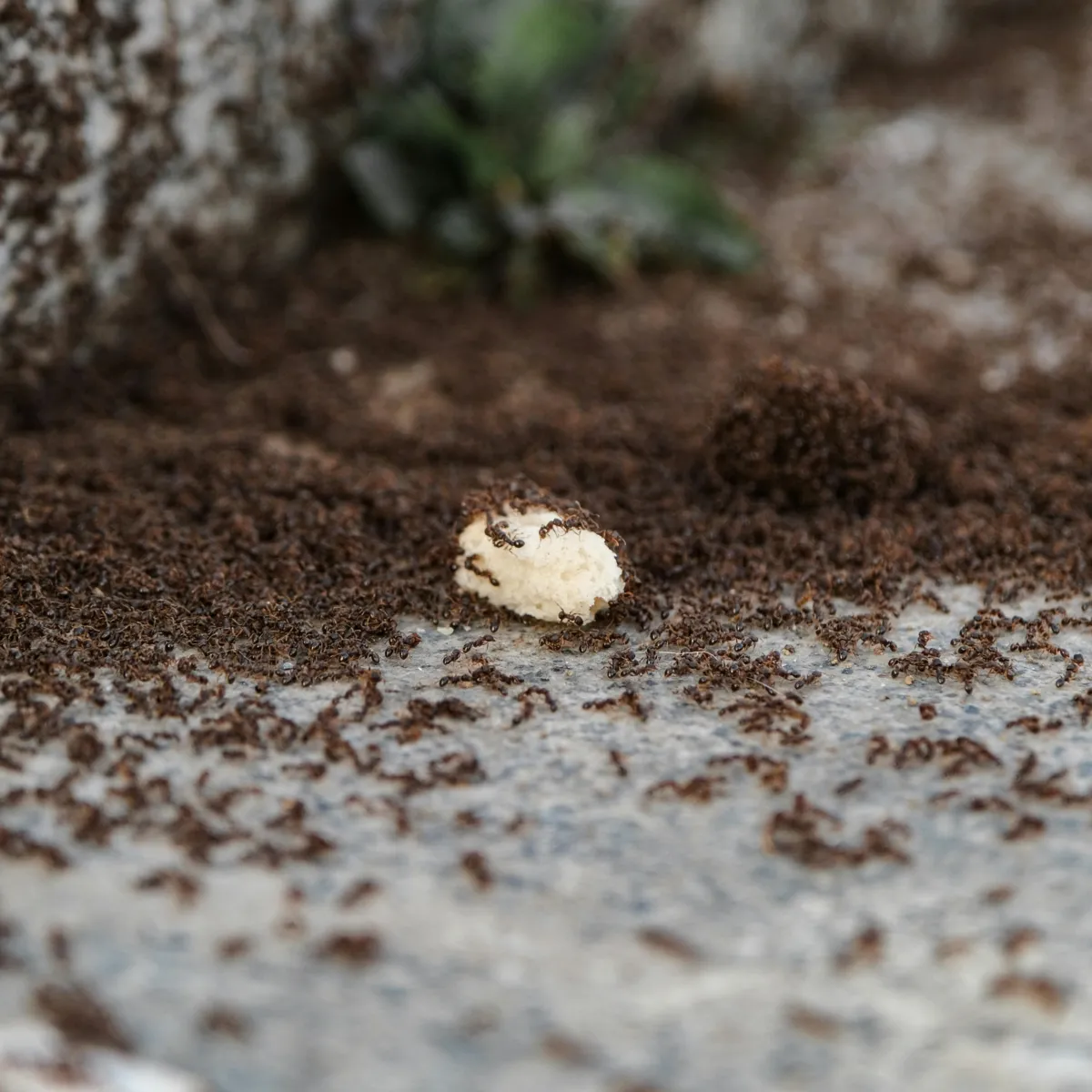
Fire ant mounds often look like loose, sandy soil pushed up through the grass. In Blythewood, they may appear after rain, irrigation, or warm sunny days when the ants are repairing tunnels.
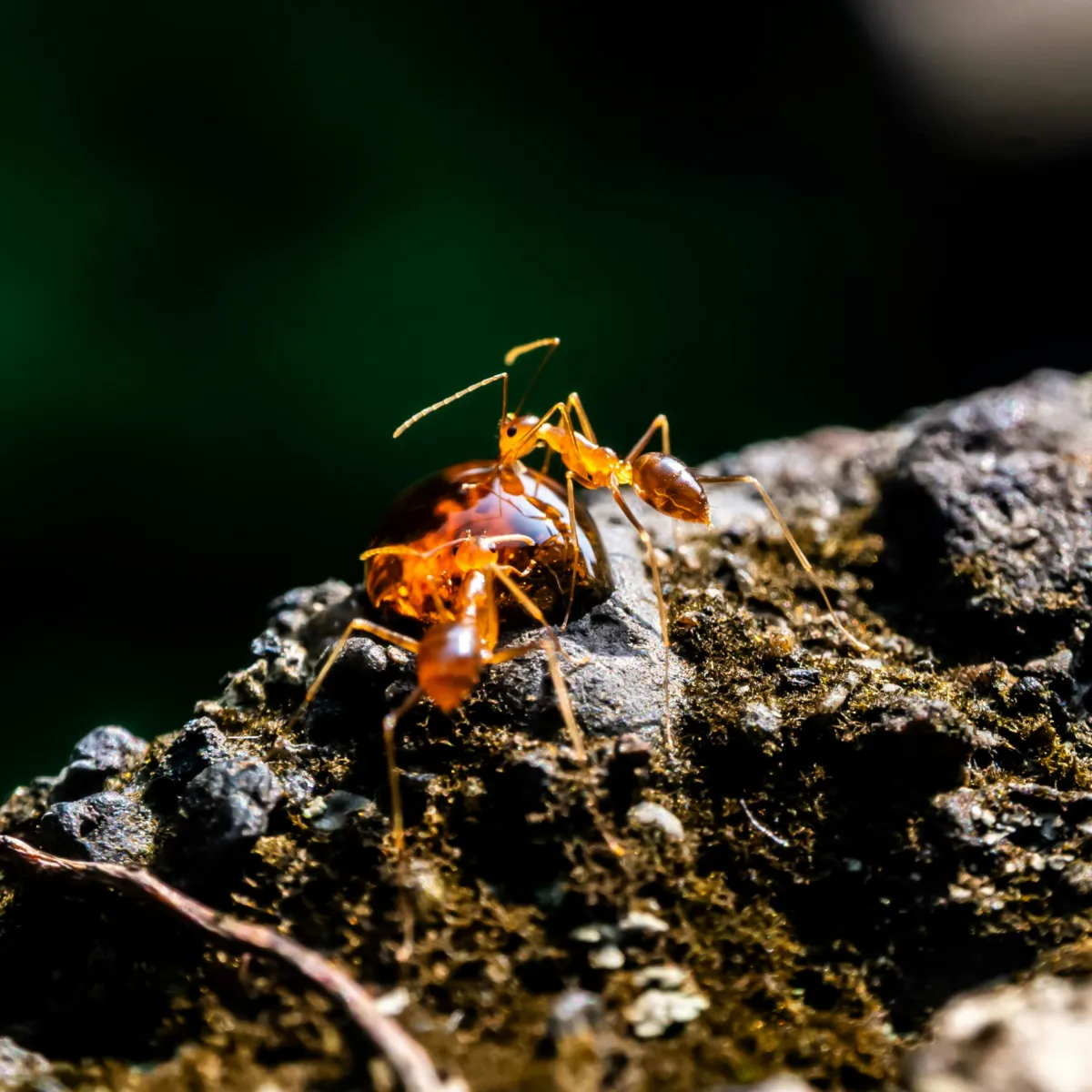
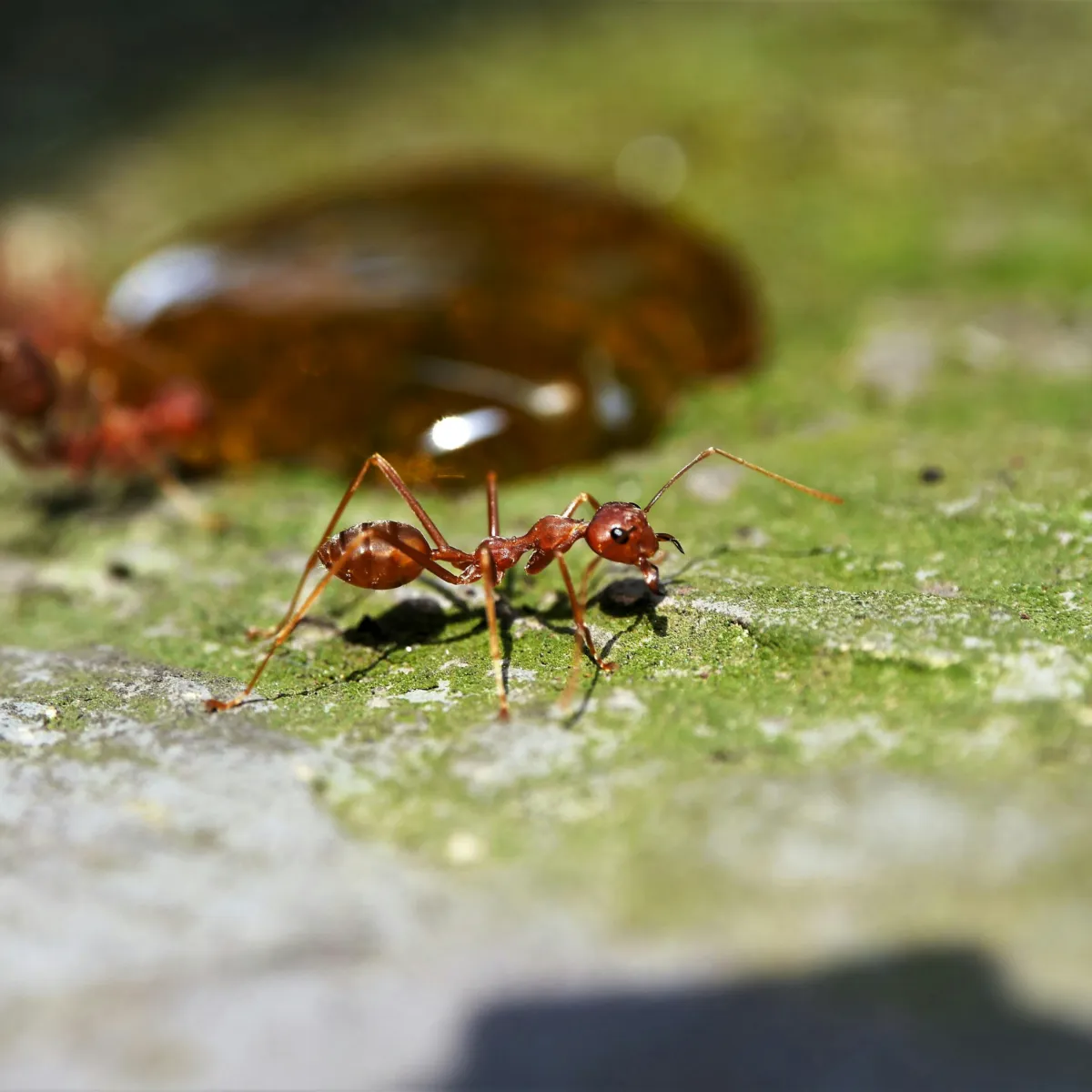
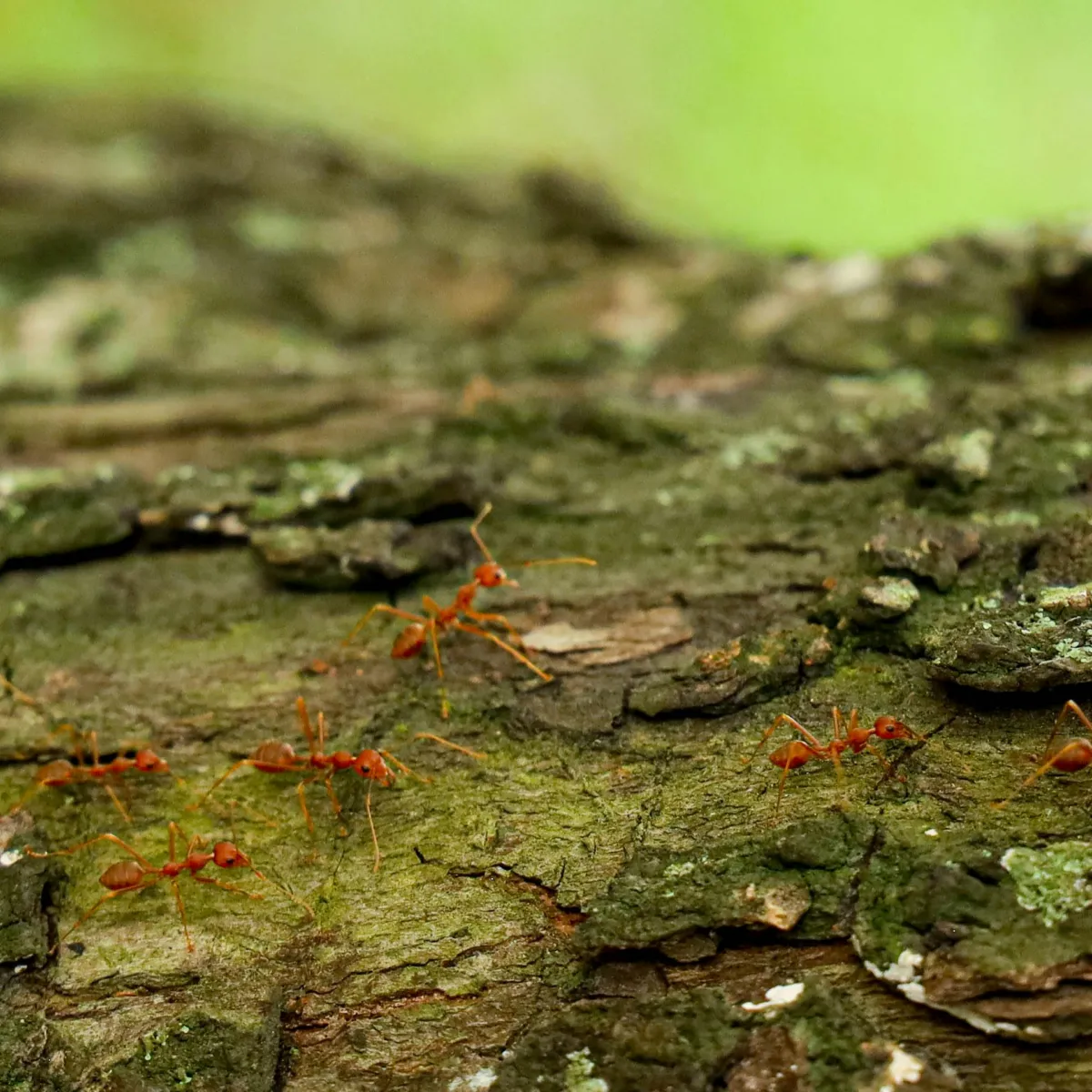
You may see reddish-brown ants moving across the mound or nearby lawn. If the mound is disturbed, fire ants usually react aggressively. They do not just wander away.
Other signs include repeated stings, pets avoiding a part of the yard, mounds near a playset, or several colonies showing up across open turf. Fire ants may build along sidewalks, driveways, landscape borders, fence lines, or sunny patches in the backyard.
If the same area keeps getting new mounds, there may be more activity underground than you can see.
Tiny Ants Can Bring Serious Stings
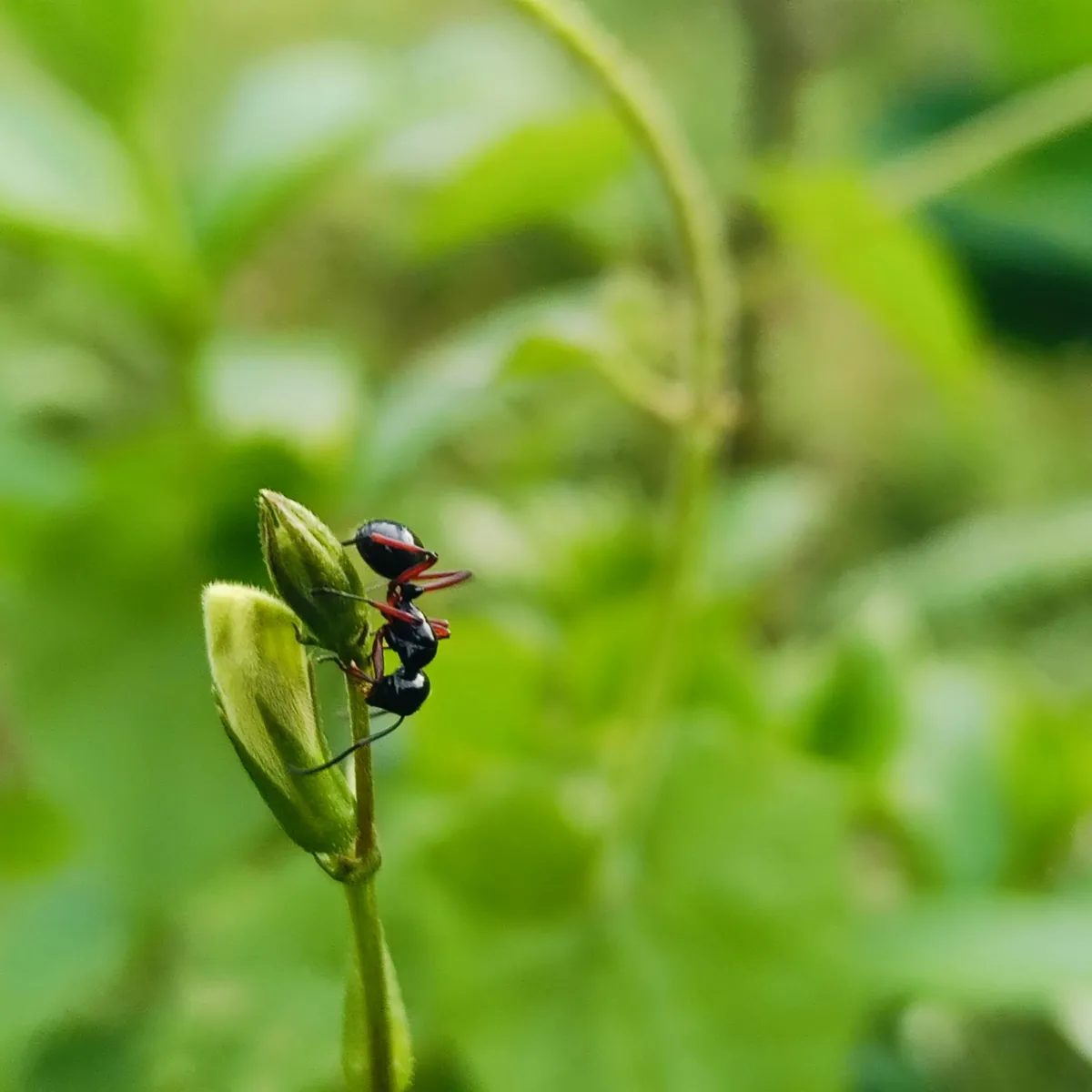
Fire ants are small reddish or reddish-brown ants. Most are roughly 1.6 to 5 millimeters long, which makes them easy to underestimate.
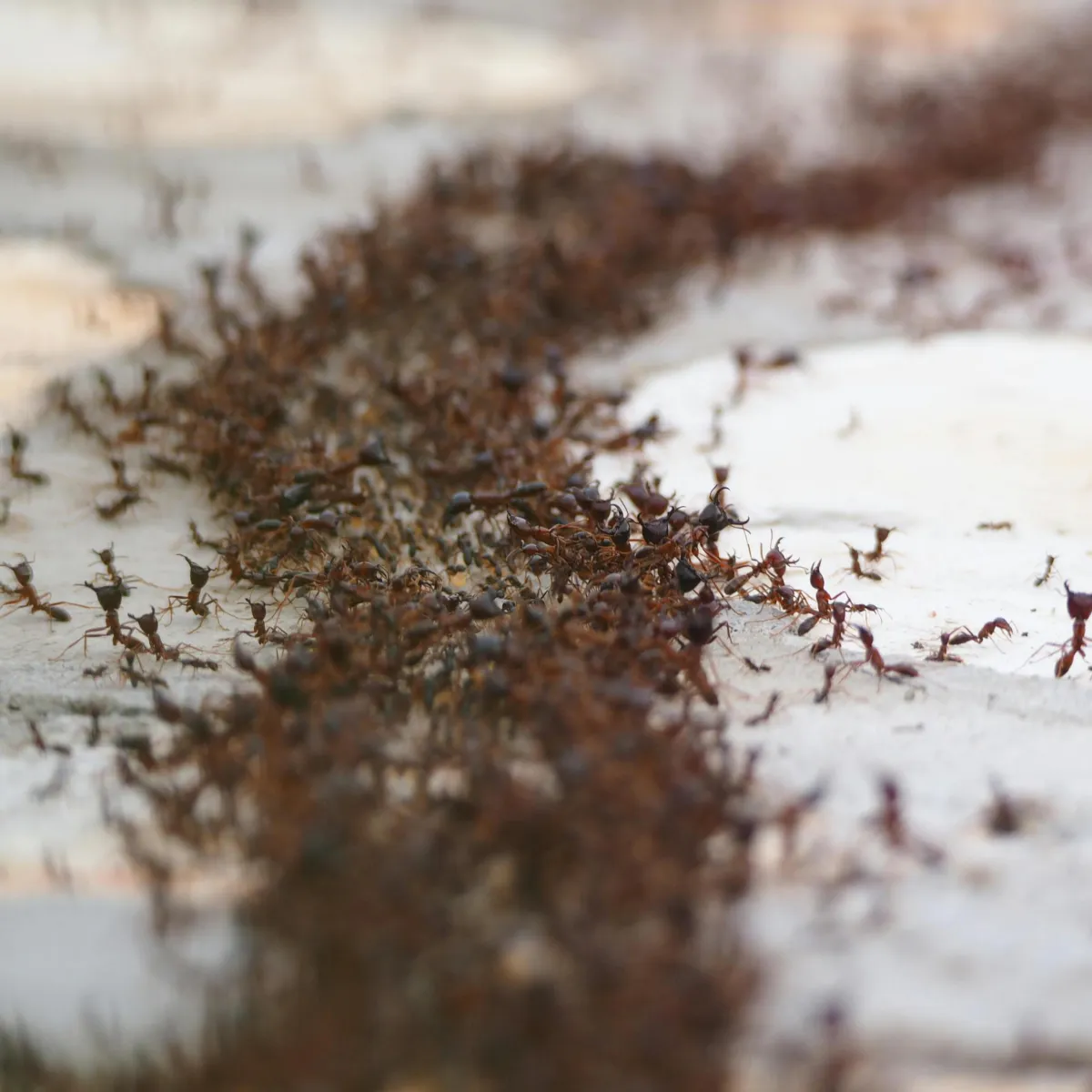
Their behavior is usually easier to recognize than their size. When a mound is disturbed, they may rush out together and climb onto shoes, socks, legs, pet paws, tools, or mower wheels.
They are common in sunny lawn areas, open soil, fields, and along hard edges like sidewalks or driveways. Their mounds often look loose and crumbly, and they usually do not have one neat center opening.
Red imported fire ants are common in South Carolina and can become a real problem when they settle into lawns that families use every day.
Colonies Stay Busy Below The Grass
Fire ants are hard to control because most of the colony is underground. The mound is just the part you notice.
Some colonies are large. Some may have multiple queens. That means a quick spray on top of the mound may not reach the heart of the colony.
DIY baits can be tricky too. They depend on active foraging and dry conditions. If it rains, if the bait gets damp, or if the ants are not feeding at that time, results may be limited.
Mound treatments can also put you close to the ants. If the colony swarms, stings can happen fast. A professional fire ant exterminator can inspect the yard and choose a treatment based on mound activity, weather conditions, and how widespread the issue is.
Treatment Should Match Your Yard's Layout
Fairway Lawns Columbia begins by checking the lawn carefully. In Blythewood, that may mean walking large backyard areas, fence lines, sunny turf, driveway edges, pet areas, and places near trees or landscaping where activity may spread.
We look at how many mounds are present, how active they appear, and whether the problem is concentrated or scattered.
Once we understand the lawn, we recommend the right treatment plan. Treatment is applied according to label directions, and the technician explains what to expect afterward.
If pets, children, or guests need to stay off treated areas until dry, we make that clear. If your yard has a history of repeat fire ant activity, we can also talk about seasonal service or monitoring.
Some Lawns Need More Than Mounds
Fire ant treatment depends on the level of activity in the yard.
A broadcast treatment may be recommended when fire ants are spread across a wider lawn area or when several mounds are active.
A mound treatment may be used when visible colonies are limited to specific areas.
A two-step treatment approach may combine wider lawn coverage with direct mound treatment when the yard needs both.
A bait-based treatment may be used when fire ants are actively foraging and the weather is right.
A mound drench treatment may be appropriate for certain active colonies where direct treatment makes sense.
Fairway Lawns Columbia explains the treatment before service begins, so you know what is being done and why it fits your Blythewood lawn.
Guessing With Fire Ants Gets Frustrating
A lot of homeowners try to handle fire ants with store-bought products first. That makes sense. Nobody wants to wait when there is a mound in the yard.
The problem is that fire ants are not always simple. A spray may only kill the ants you see. Bait may fail if conditions are wet or the ants are not actively feeding. A mound treatment may stir up the colony and put you close enough to get stung.
Professional fire ant control starts with the yard, not the product. A technician looks at the number of mounds, where they are located, how active they are, and whether the lawn needs spot treatment or broader coverage.
For large Blythewood yards, that can make a big difference.
Fire Ant Stings Can Ruin Outdoors
Fire ants can be dangerous because they can sting repeatedly. A person or pet may disturb a mound and receive multiple stings before getting away.
The stings may cause burning pain, redness, itching, swelling, or small pustules. Some people may have stronger reactions. Severe allergic reactions can happen and may require medical help.
Children and pets are especially exposed because they may run, sit, roll, dig, or play in grass without seeing the mound first.
Fire ants are more than an eyesore. When they are active, they can change how safe a yard feels.
Clear Yard Guidance Helps After Treatment
Fire ant treatments should be applied according to label directions. Fairway Lawns Columbia uses trained technicians who follow proper application guidelines.
After service, we explain re-entry instructions. Pets and family members may need to stay off treated areas until dry or until the technician says the lawn is ready.
Tell us if your dog uses a certain path, your kids play in a specific part of the yard, or mounds are close to a porch, kennel, playset, or garden. Those details help us give guidance that fits your household.
The goal is to treat fire ants while keeping the safety steps simple and clear.
Local Lawn Experience Matters For Fire Ants
Fairway Lawns Columbia understands how fire ants behave in Blythewood lawns. Larger yards, sunny turf, wooded edges, humidity, rain, and long outdoor seasons can all play a role in fire ant activity.
Our team brings lawn care and pest control experience together. We inspect first, explain what we find, and recommend treatment based on the yard in front of us.
Homeowners choose Fairway Lawns Columbia for professional inspections, practical treatment recommendations, family and pet-conscious guidance, seasonal options, easy scheduling, and a satisfaction-focused approach.
If fire ants are making your yard stressful to use, our local team can help.
Blythewood Fire Ant Questions Answered Clearly
Fire ants should not make a big yard feel smaller or unsafe.
Schedule fire ant control in Blythewood with Fairway Lawns Columbia today. We will inspect your lawn, treat active mound areas, and help you get back to using the grass without watching every step.