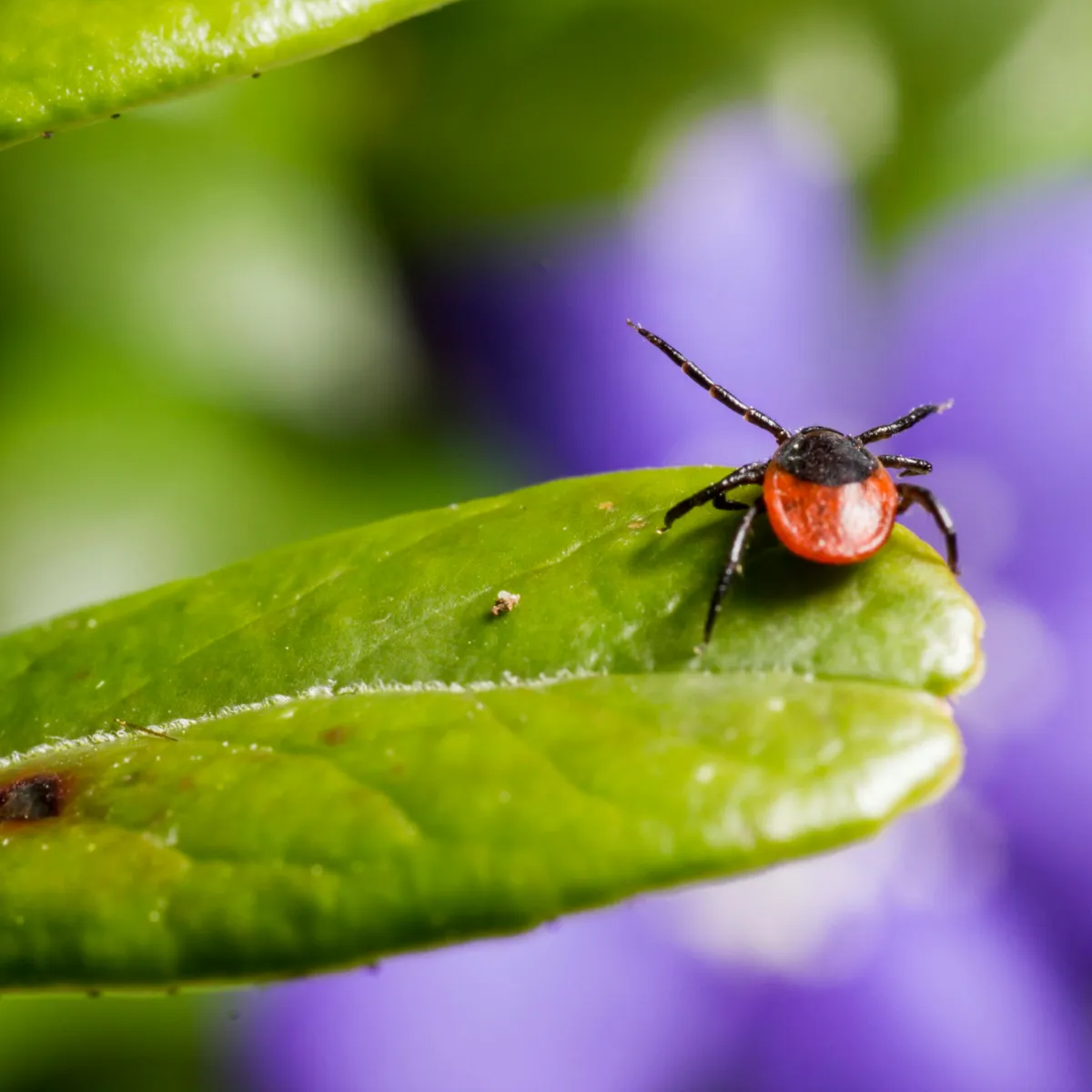
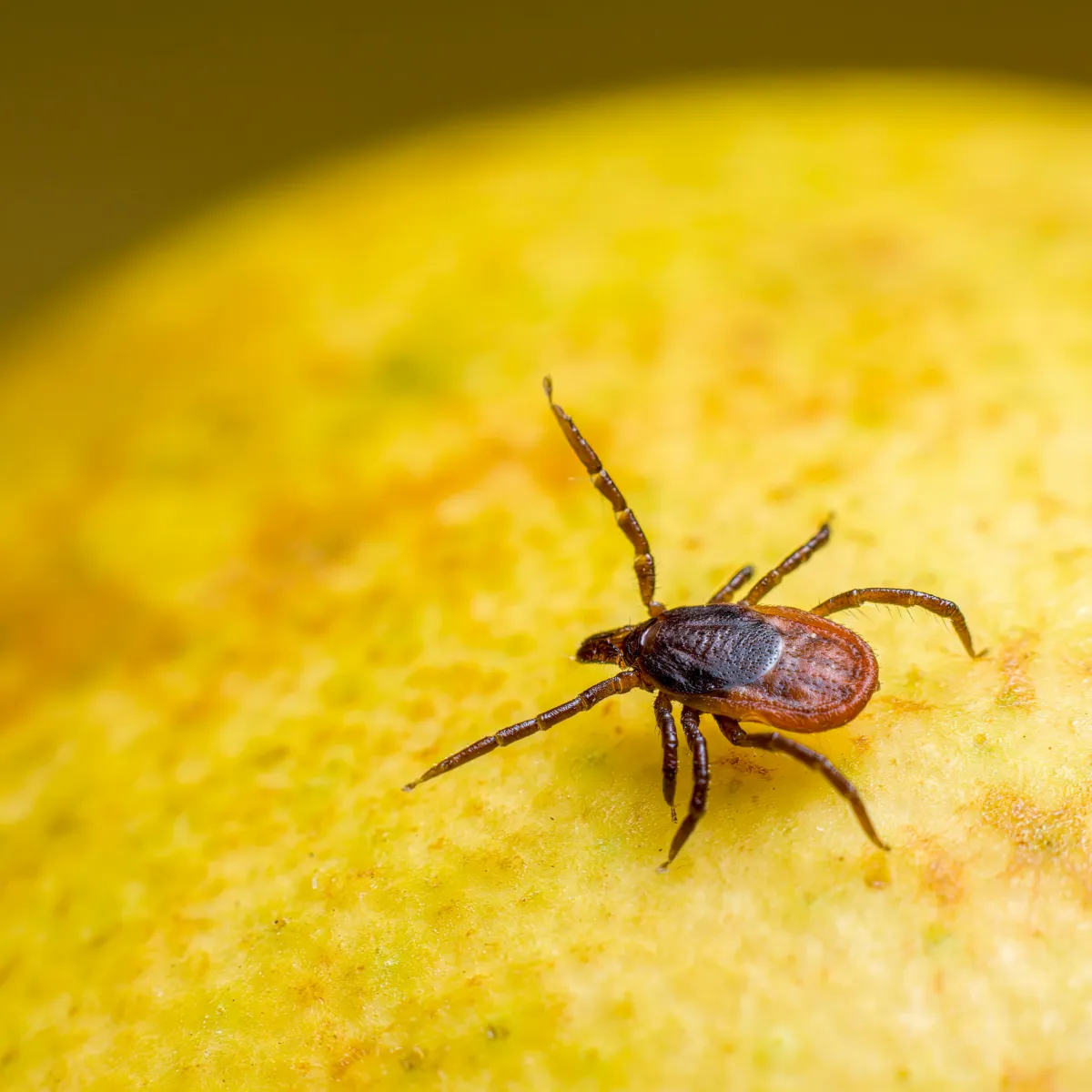
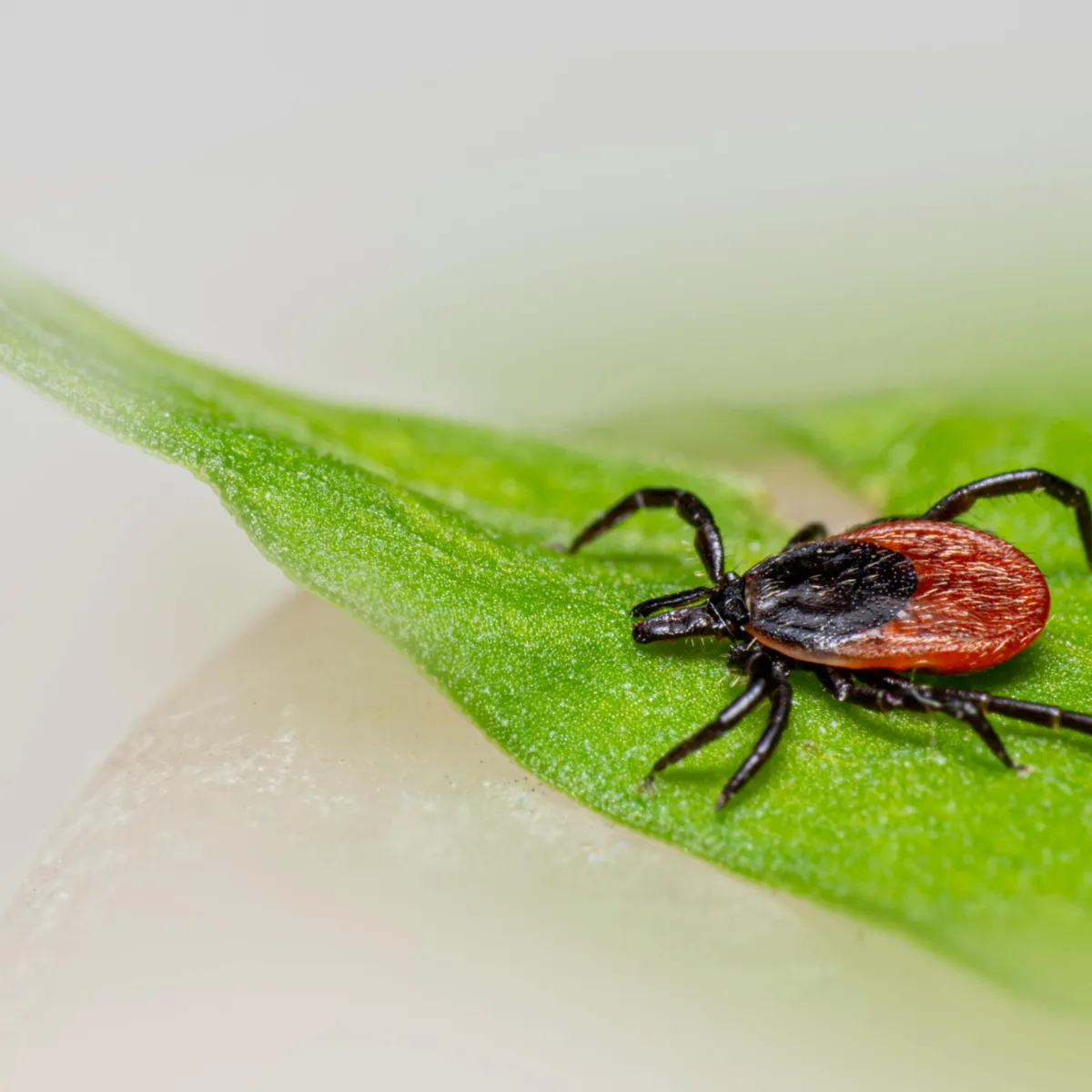
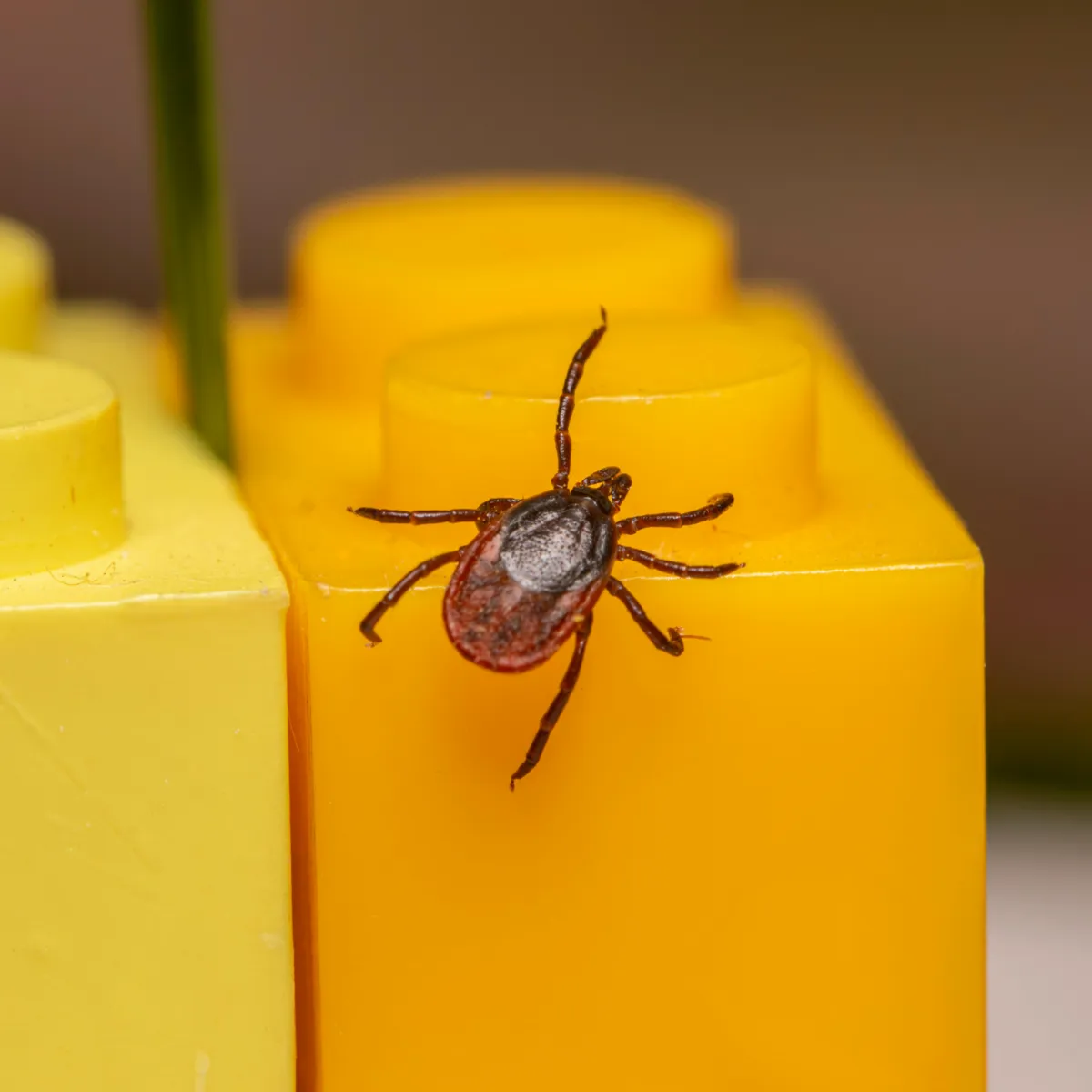
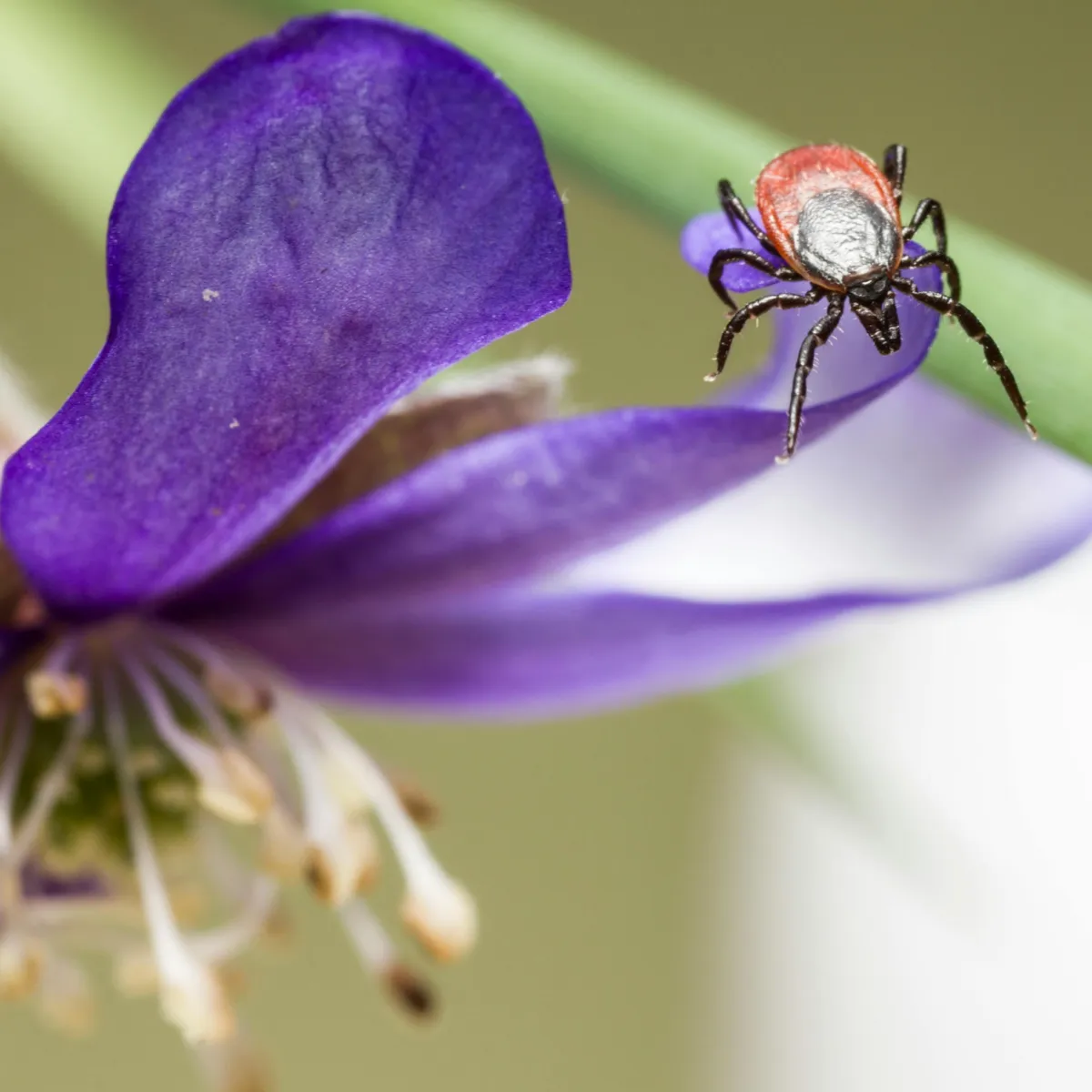
A wide backyard can still hide tick pressure around the edges
In Vilonia, a yard can feel open, useful, and easy to enjoy near the house while becoming much more favorable for ticks as it stretches outward. The lawn by the patio may stay trimmed, the play space may feel open, and the main backyard may look simple to manage, but the pressure often starts where the property changes. It may be the line of trees behind the yard, the side section near a fence, the corner around a shed, or the stretch where maintained grass starts giving way to rougher cover.
Fairway Lawns provides tick control in Vilonia for homeowners who want treatment built around how the property is actually used. The goal is to reduce activity where it tends to start, then help protect the outdoor areas that matter most, including patios, pet zones, play space, backyard seating, and the everyday paths families use around the property.
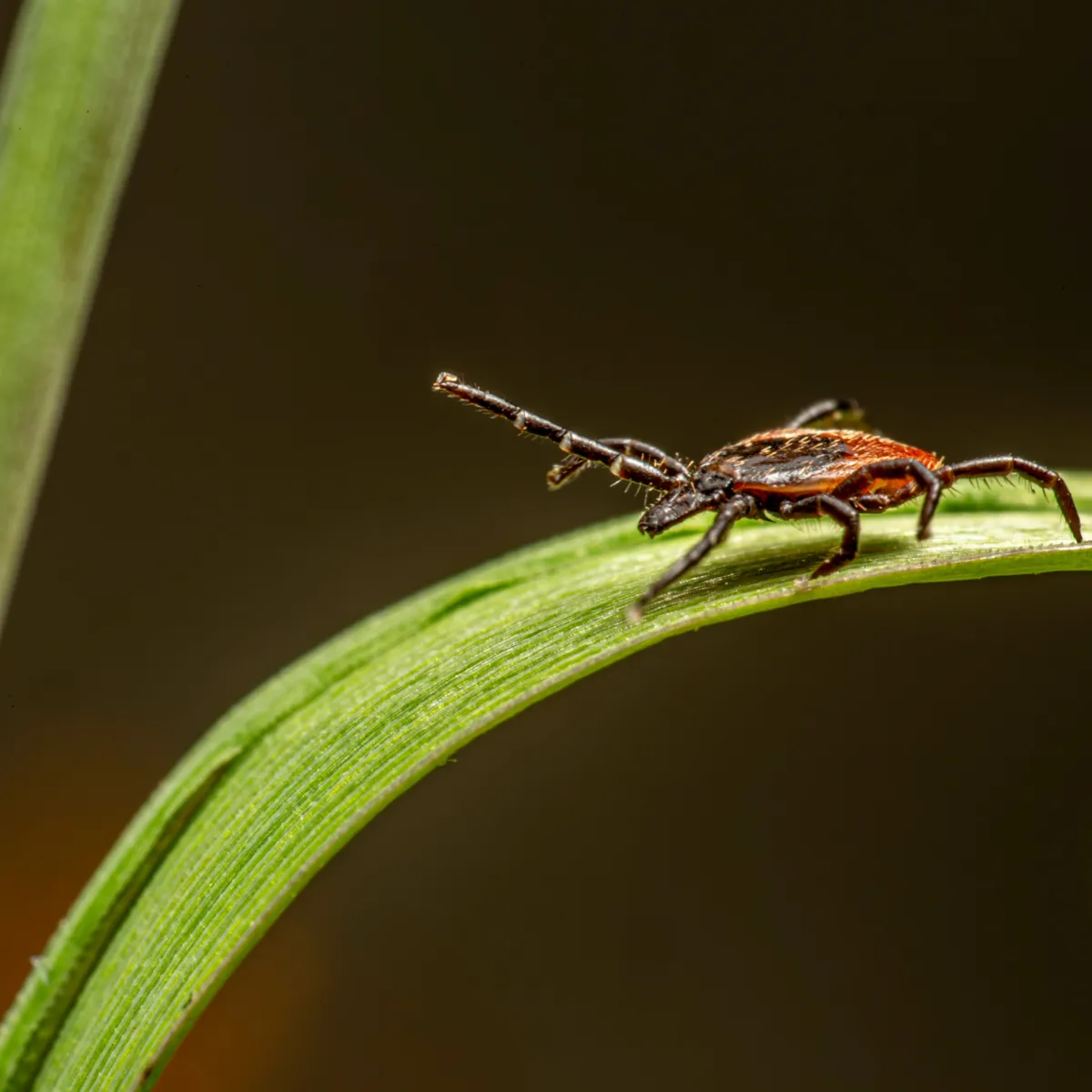
Bigger yard transitions often explain repeat tick problems
A tick issue in Vilonia often has more to do with the shape of the property than with how the main lawn looks from the house. One yard may have a tree line across the back that keeps the perimeter cooler and more protected. Another may have pressure near an outbuilding, beside a side fence, or along the edge where open grass starts feeling less finished and more natural. Even when the middle of the yard looks clean and manageable, the outer sections can still hold enough cover to keep the same problem coming back.
That is why better tick control starts with the structure of the property itself. Fairway Lawns approaches tick service in Vilonia with inspection, targeted treatment, and recommendations based on the sections most likely to support repeat activity. That makes the service more useful for homes where open yard space, pet movement, and more protected outer edges all overlap.
A clean lawn can still support hidden activity
Tick control works best when treatment is focused on the areas where ticks are most likely to hide, travel, and return. Fairway Lawns uses a clear step- by- step process to inspect the property, target problem zones, and support ongoing protection around the outdoor areas that matter most in Vilonia.
We inspect the yard for conditions that support tick activity, including shade, moisture, overgrown vegetation, wildlife exposure, pet zones, and the parts of the property most used by family and guests. In Vilonia, that often means looking closely at outer lot edges, tree- lined borders, side- yard transitions, shed areas, and the places where maintained lawn meets more protected cover.
We apply targeted treatment to the places where ticks are most likely to stay active. That can include shaded lawn edges, landscape beds, fence lines, brushy transitions, damp borders, and other protected areas around the property.
Barrier applications help reduce tick activity around foundations, shrubs, tree lines, yard edges, around sheds, near pet areas, and around the outdoor spaces people use most often. On Vilonia properties where open lawn sits close to tree cover or broader outer sections, this step helps reduce the chance of ticks moving from hidden areas into the spaces families use the most.
Because tick pressure can return as weather and vegetation change, recurring service is often the better option for homeowners who want steadier protection through the active season. In Vilonia, where larger yards and thicker outer edges can keep some sections favorable for longer stretches, ongoing treatment helps keep the same problem from building again.
The outer edge usually matters more than the center of the yard
Ticks are easy to overlook until they begin affecting the way the yard feels. A dog comes back inside after running the perimeter. Someone notices a tick after mowing near the back edge or walking toward a shed or gate. A part of the property that used to feel routine starts feeling like a place that needs more attention.
In Violonia, warm weather, humidity, rainfall, and the mix of open lawn with tree- lined or rougher edges can all help create the kind of conditions ticks prefer. A property does not have to look neglected to have a problem. It may only take a few shaded borders, damp corners, or thicker transitions near the outside of the yard to keep activity close to the same outdoor spaces families use every day.
The best results usually come from treating the property in stages
On many Violonia properties, ticks are more likely to hold near the outside borders than in the center of the lawn. They tend to stay where there is more shade, more stable moisture, and more ground- level cover. That can include tree lines, fence rows, the ground around sheds, deeper bed edges, leaf buildup near the back of the lot, lower areas that stay damp, and the places where maintained grass starts blending into thicker cover.
Those sections matter because they often sit just beyond the parts of the property people still use every day. A patio, pet area, or stretch of lawn may feel open and comfortable, but the border next to it can still keep feeding activity back into that same usable space if it stays protected.
The way a family uses the property usually reveals where protection matters most
For many homeowners, tick control becomes more important once it starts affecting how the property is actually used. Dogs cover more of the yard than people usually do. Kids move between the patio, lawn, and play area without noticing where denser cover begins. Even simple routines like walking to a gate, mowing the back section, setting up outside, or checking on a shed can bring people close to the same hidden trouble spots again and again.
That is why targeted treatment matters. It helps reduce activity near the parts of the property that matter most to daily life in Violinia, especially where family yard space sits close to shaded borders, pet routes, and more protected outer sections.
Seasonal weather can change which parts of the yard stay favorable the longest
Spring often brings quicker growth, greener borders, and more time spent outside, which can make sheltered sections of the property active again before homeowners expect it. Summer adds warmth, humidity, and heavier outdoor use, while tree lines, thicker grass near the perimeter, and lower sections of the lot continue holding the kind of cover ticks prefer. Fall does not always bring quick relief either, especially where leaves and protected ground cover remain in place along the back and side edges.
Rain can make the pattern easier to notice. One section of the yard may dry quickly, while a rear strip, a low corner, or a shaded area beside a fence or structure stays damp much longer. On many Violinia properties, those differences explain why the same trouble spots keep returning.
A better plan starts with the parts of the yard homeowners usually overlook
Tick control is more effective when it reflects how a property is arranged and used. In Violinia, that often means paying attention to the parts of the yard homeowners do not think much about until the issue repeats, like the far back edge of the lot, the strip near a fence row, the side of the yard around a shed, or the section where the lawn starts feeling less finished and more natural.
Fairway Lawns provides tick control in Vilonia with that kind of property awareness in mind. Instead of treating every yard like one simple open lawn, the focus stays on the sections that affect comfort, pet movement, and outdoor use the most.
A few practical changes can make the outer yard less inviting over time
Professional treatment works better when the property is not continuing to offer the same protected conditions unchecked. Keeping grass trimmed, reducing leaf buildup, cutting back heavier growth near fences and outbuildings, maintaining pet areas, and paying attention to damp or shaded edges can all help limit the kinds of places where ticks tend to settle in.
For many Vilonia homeowners, the biggest improvement comes from noticing where the issue repeats. It is often not the whole property. It is one back edge, one side strip, one corner near a building, or one transition where open lawn gives way to thicker cover that keeps supporting activity close to the spaces people use most.
Sometimes one active section needs attention before the whole pattern can be addressed
A one- time treatment can be a good fit when one section of the property needs quick attention. That may be after ticks are noticed near a patio, around a pet route, beside a rear border, or along the part of the yard where trimmed grass starts meeting rougher cover.
That kind of treatment can help reduce current pressure in the short term and address one active trouble area without delay. For some Vilonia homeowners, it also becomes the first step before deciding whether recurring service makes more sense for the property overall.
Longer- term service helps keep outer- yard pressure from rebuilding
Recurring tick control is often the better fit for homeowners who want steadier protection through the season. When a yard keeps offering shade, moisture, cover, and regular pet or family use, the same protected sections can keep becoming active again even after short- term relief.
For Vilonia properties with larger yard depth, tree- lined borders, outbuildings, and steady outdoor use, recurring service often provides the most dependable support. It helps stay ahead of the pattern instead of waiting for the next round of activity to show up.
Clear after- care matters when treated areas overlap with normal family routines
Tick control should always be applied according to label directions and followed by clear after- service guidance. In many cases, treated areas should be avoided until they are dry or until normal use is recommended.
Fairway Lawns explains what to expect after service so homeowners know when pets, children, and guests can use the yard normally again. That is especially important on Vilonia properties where treated areas often include the same spaces used for everyday outdoor living.
Nearby properties often share the same mix of open lawn and rougher outer sections
Fairway Lawns provides tick control for homeowners in and around Vilonia who want help protecting lawns, patios, pet areas, and other outdoor spaces from recurring activity. Properties with tree- lined back edges, rougher outer sections, detached structures, and regular family use often benefit from the same focused approach.
The most useful questions usually come from the parts of the property that keep causing trouble
If ticks are making part of your yard harder to enjoy, Fairway Lawns can help with treatment built around the places where activity tends to begin. Whether the trouble is near a back lot line, a shaded strip beside an outbuilding, a pet route, or the part of the lawn closest to rougher cover, our team can inspect the property, treat the right sections, and recommend a plan that fits the way your Violinia yard is actually used.