Fire ant help for Austin lawns that need real relief
Fire ants can make a yard feel like a problem much faster than most homeowners expect. One mound in the grass may not seem urgent at first, but once more activity starts showing up in the same yard, everything changes. Spots that used to feel normal suddenly become places people avoid, pets get redirected, and simple outdoor routines stop feeling simple. Fairway Lawns provides professional fire ant control in Austin, AR for homeowners dealing with active mounds, recurring fire ant activity, and outdoor areas that no longer feel as comfortable as they should.
Professional help for active mounds and underground colony control
A lot of fire ant problems start with one visible mound and the hope that it will stay that way. Then another one shows up after a stretch of warm weather, and another appears in a different part of the lawn a few days later. At that point, the issue stops feeling isolated. It starts changing the way the yard gets used, especially in places where people walk often, where children play, or where pets move through the grass without hesitation.
That is why our fire ant treatment is built around more than what shows up on the surface. We inspect the property, look at where activity is strongest, and treat the affected lawn areas based on the level of infestation we find. The goal is to address active mounds while also targeting the colony activity below them, so homeowners are not stuck repeating the same short- term fixes over and over. If fire ants are making your yard harder to use in Austin, Fairway Lawns can help. Call today, request a quote, schedule service, or check availability.
Why fire ants become more than a small lawn issue
Fire ants are aggressive and territorial, which is one reason they become such a frustrating yard pest. When their mound is disturbed, they can respond fast and sting several times in a short span. That makes them a real concern in lawns where normal activity is already happening, because people do not always see the mound until they are already too close to it.
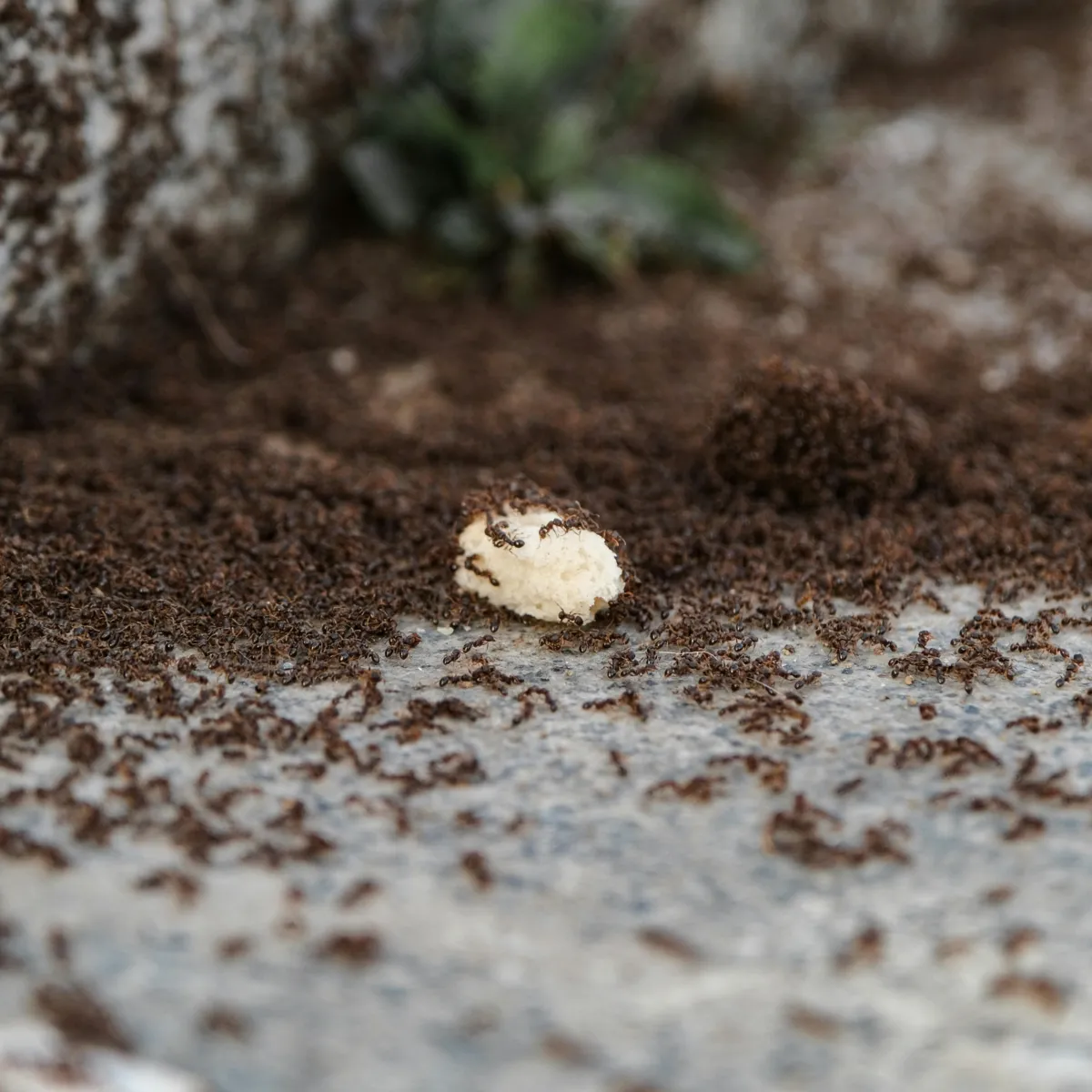
They also affect far more than one patch of grass. Fire ant mounds can point to larger underground colonies, and those colonies can interfere with the way homeowners use their property every day. Fire ants may affect children, pets, outdoor chores, and the overall comfort of spending time outside. They are more than a nuisance because they change how the lawn functions. Professional treatment matters because it is meant to address the colony, not just the visible mound.
What homeowners usually notice before they know the full problem
One of the first signs is the appearance of loose or sandy mounds in the lawn, especially in sunny areas where the ground stays warm. These mounds often become easier to spot after rainfall, when fresh soil is pushed up and stands out more clearly against the surrounding turf. Sometimes homeowners notice one mound first and assume it is the only one, only to find more appearing in other sections later.
Other signs include reddish- brown ants that swarm aggressively when the mound is disturbed. Painful stings are another common clue, especially when the same part of the yard keeps causing trouble for people or pets. If multiple mounds begin showing up across the lawn, or if one section of the property keeps producing fresh activity, that usually means the fire ant issue is established enough to need real attention.
What fire ants look like in the yard
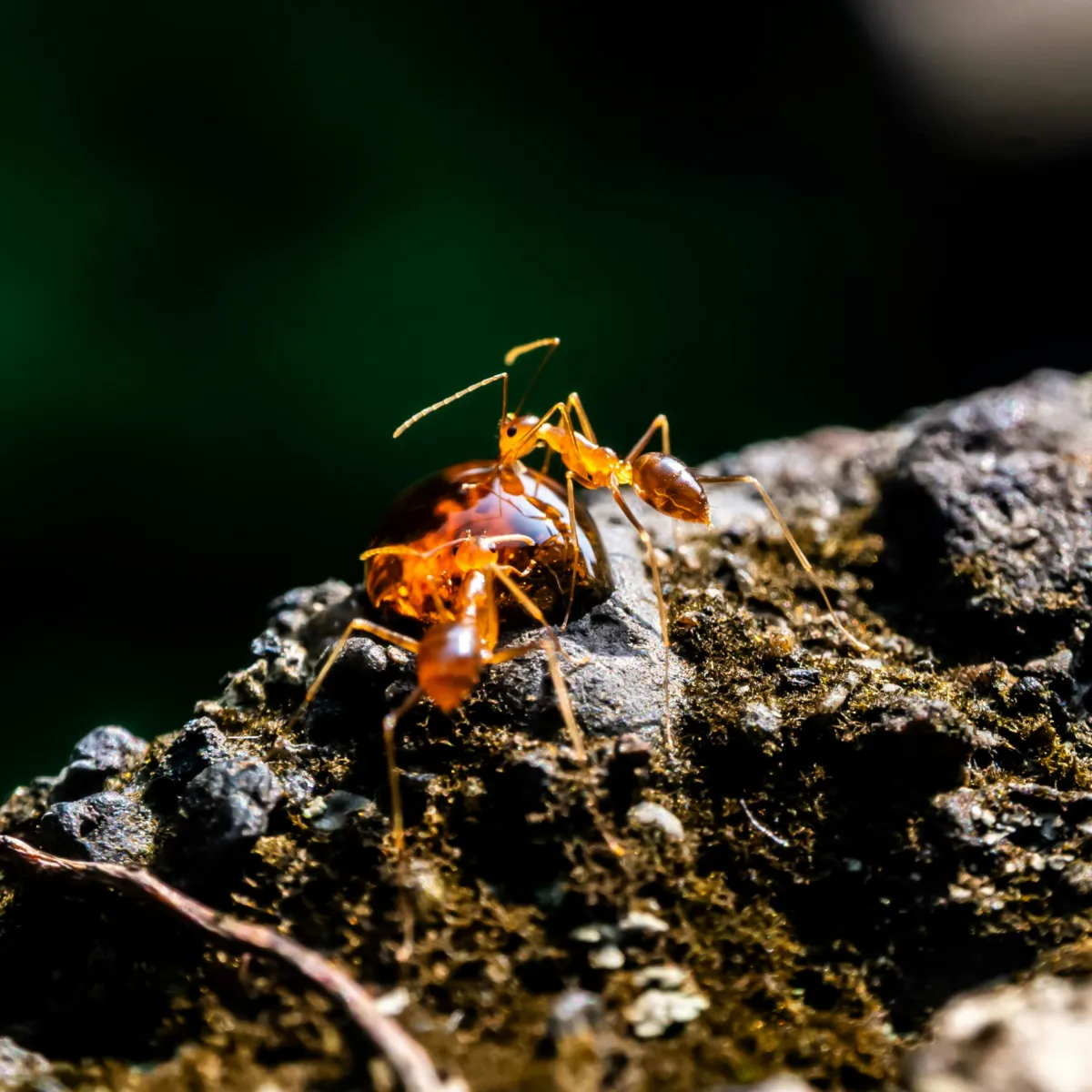
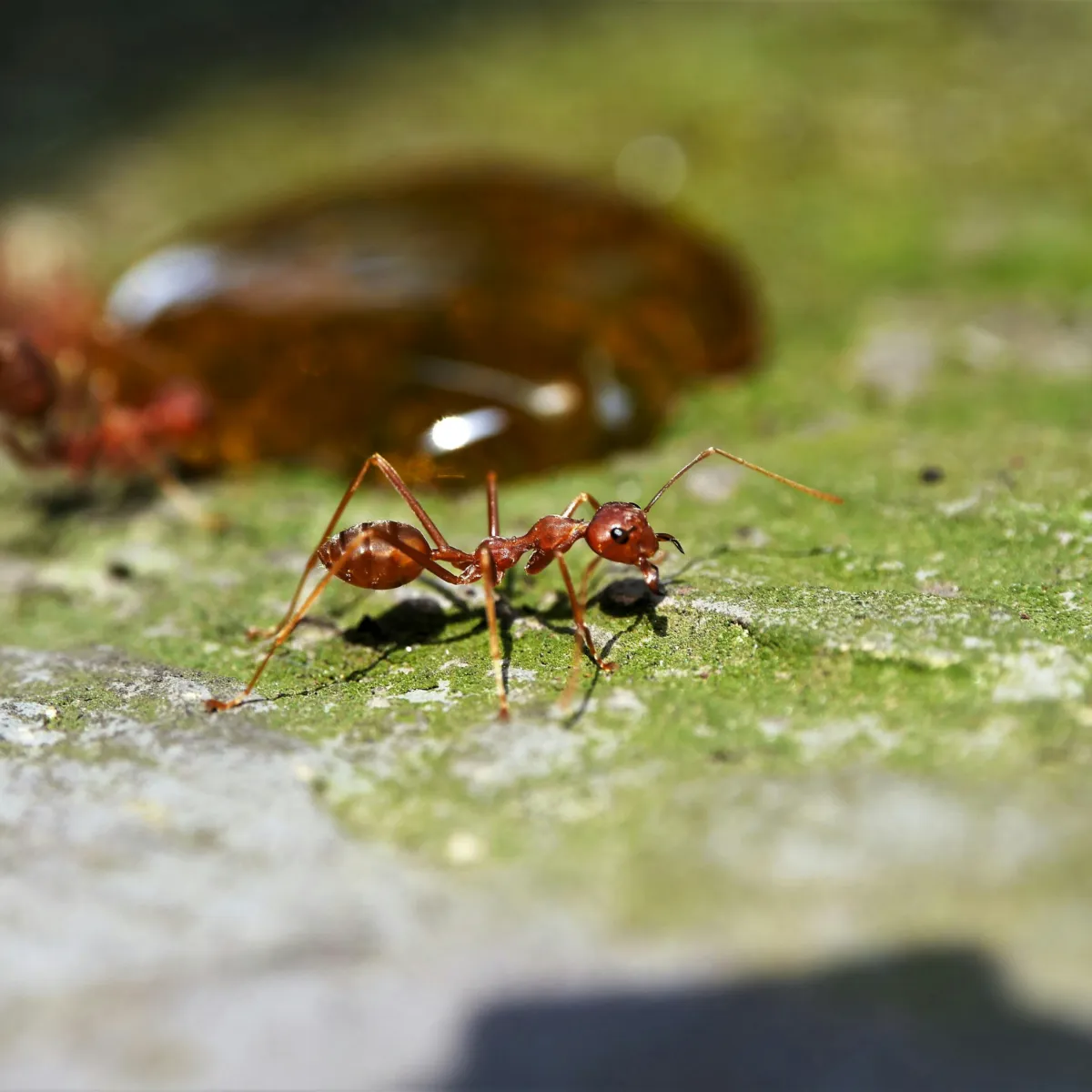
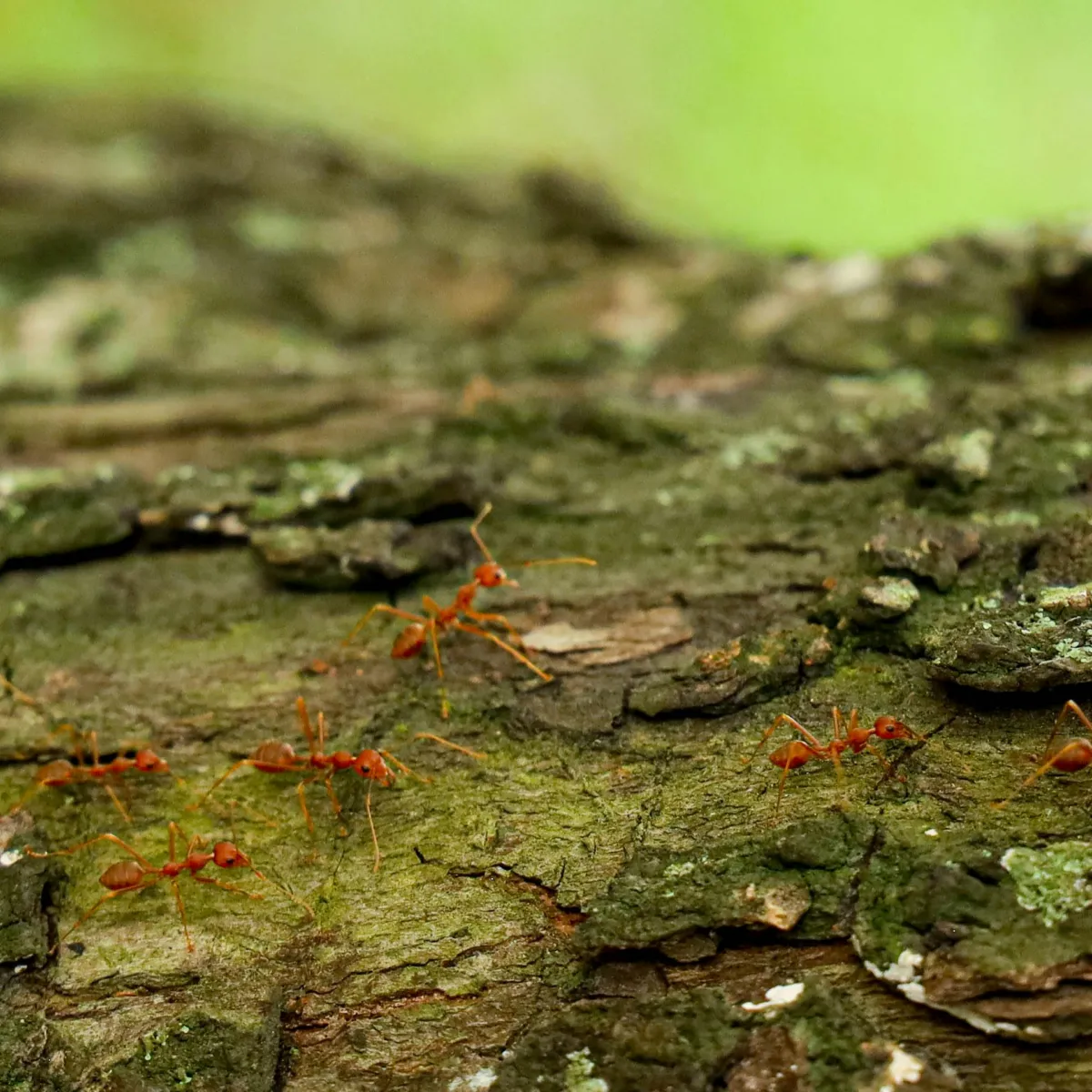
Fire ants are usually reddish or reddish- brown and small in size, often around 1.6 to 5 mm long. Workers within a colony can vary somewhat in size, so they do not always look exactly the same when homeowners first see them. In many yards, it is their quick and aggressive behavior near the mound that makes them easier to recognize than their appearance alone.
They are commonly found in sunny, open lawn areas and exposed soil around the property. Their mounds may appear in turf, near sidewalks, around driveways, along landscape beds, or in other parts of the yard where the soil warms up easily. Even when a mound does not look especially large, it can still be tied to a colony active enough to create repeated problems.
Why fire ants are difficult to get rid of
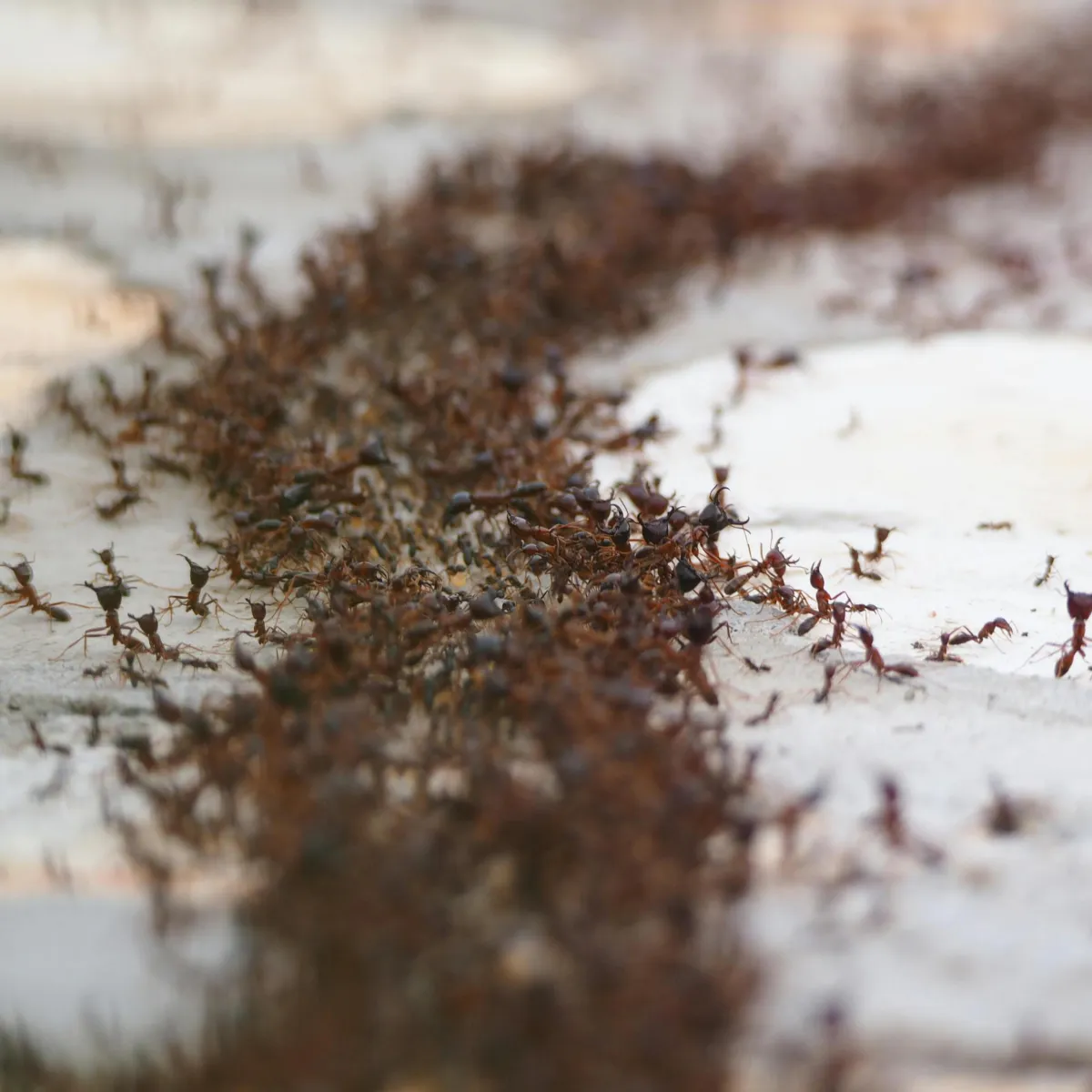
Fire ant colonies can be large, spread underground, and in some cases include multiple queens. That makes them harder to eliminate than they first appear. What homeowners see on top of the lawn is often only part of the problem, and visible mound activity may represent a colony that extends farther underground than expected.
DIY sprays may only kill the ants visible at the surface, while rain, watering, heat, and foraging behavior can all affect how well treatment works. That is one reason a mound may seem better for a short period and then return later, or why new activity appears in another part of the yard after the first mound was treated. Surface- level treatment often falls short because it does not fully address the underground colony driving the problem.
How our fire ant control service works
We start by inspecting the lawn and visible mound activity to see where fire ants are active and how severe the infestation appears to be. That inspection helps us understand whether the issue is limited to a few obvious spots or whether the lawn is dealing with broader fire ant pressure. It also gives us a clearer picture of which parts of the yard need the most attention.
After that, we treat active mounds and the lawn areas tied to that activity. The purpose is to reduce the fire ant pressure that is already affecting the property and help protect the lawn against continued activity. Depending on the severity of the infestation and how the property responds, follow- up or monitoring may also be recommended. The treatment is built around the yard itself, not around a generic one- size- fits- all answer.
Professional fire ant treatment options for Austin properties
Some lawns need broadcast treatment because fire ant activity is spread across a wider section of the property and cannot be handled by focusing on one mound at a time. Other yards may be better suited for direct mound treatment when specific colonies are clearly creating the main problem areas. The right option depends on how the infestation is showing up across the lawn.
In some situations, a two- step treatment approach may be the better fit. That can include bait- based treatment to help target colony activity and mound drench treatment where direct applications make sense. We explain treatment options at a high level so homeowners understand what is being done and why the service plan fits their property. Professional treatment is usually a safer and more complete option than trying to manage an established fire ant problem with DIY products alone.
Why DIY and professional treatment are not the same
DIY sprays may not reach the colony deeply enough to give lasting control. A mound can look less active for a little while without the deeper infestation actually being solved, which is why many homeowners end up dealing with fresh mound activity later in the same yard. Baits can also be inconsistent because they depend on ants actively foraging at the right time.
Rain or heavy dew can reduce effectiveness, and direct mound treatment can increase sting risk when someone has to get close to an active nest. Professional service helps match the treatment to the infestation level and the conditions in the yard, which takes away a lot of the guesswork. That is often the difference between short- term improvement and a more useful long- term result.
Why fire ants can be dangerous
Fire ants can sting repeatedly, and those stings may cause burning pain, red bumps, or pustules. What makes them especially frustrating is how quickly they can react once their mound is disturbed. A person might not realize how close they are to active fire ants until the stings have already started, which is part of what makes the problem feel so sudden.
Some reactions may be severe enough to require medical attention. Children, pets, and anyone who uses the lawn often are usually the most exposed when active mounds form in common- use areas. Fire ants can be dangerous because they combine repeated stings with sections of yard that people naturally expect to use without a second thought.
What to know about treatment around family and pets
Treatments should be applied according to label directions, and technicians should provide clear re- entry guidance after service. That means homeowners should know when treated areas can be used again and what precautions to follow until then. Clear aftercare matters because a treatment plan is only as practical as the guidance that comes with it.
Pets and family members may need to stay off treated areas until dry or otherwise settled, depending on the product used and the conditions on the property. Those instructions should be clear and easy to follow so the household knows when normal lawn use can safely begin again.
Why homeowners choose Fairway Lawns for fire ant control
Homeowners choose Fairway Lawns because they want lawn and pest experience supported by professional inspection and customized treatment recommendations. We take time to understand how the fire ant problem is affecting the property, explain the treatment direction clearly, and provide family- and pet- conscious guidance based on the actual lawn conditions.
We also offer seasonal protection options where appropriate, convenient scheduling, and a free quote. If satisfaction guarantees apply in your service area, we can explain those during the service conversation. For Austin homeowners who want more than a quick surface fix, Fairway Lawns offers a more complete path toward fire ant control.
Common questions about fire ants in Austin lawns
Your yard should not feel like a place people have to avoid. Contact Fairway Lawns today for a quote and professional fire ant treatment in Austin, AR.