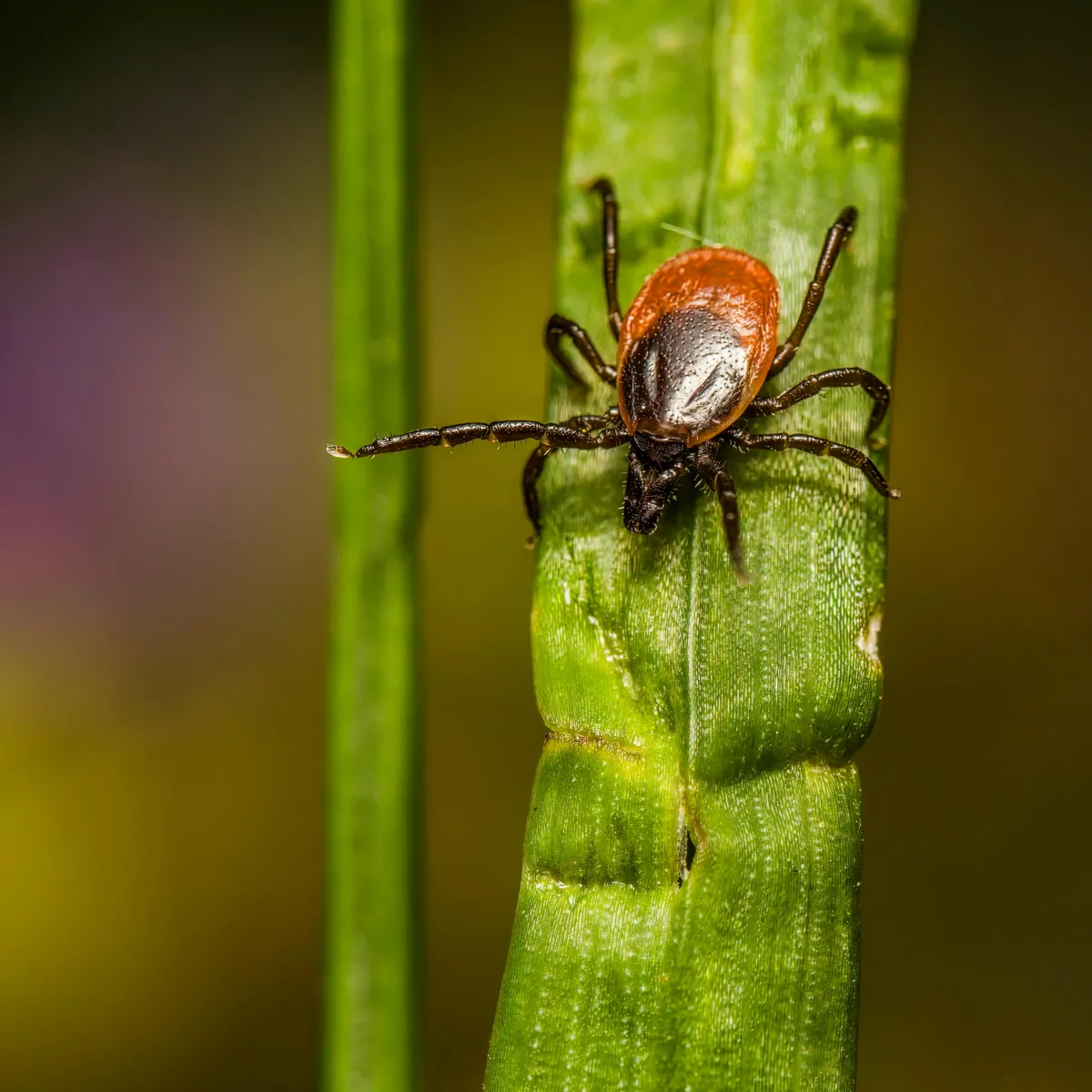
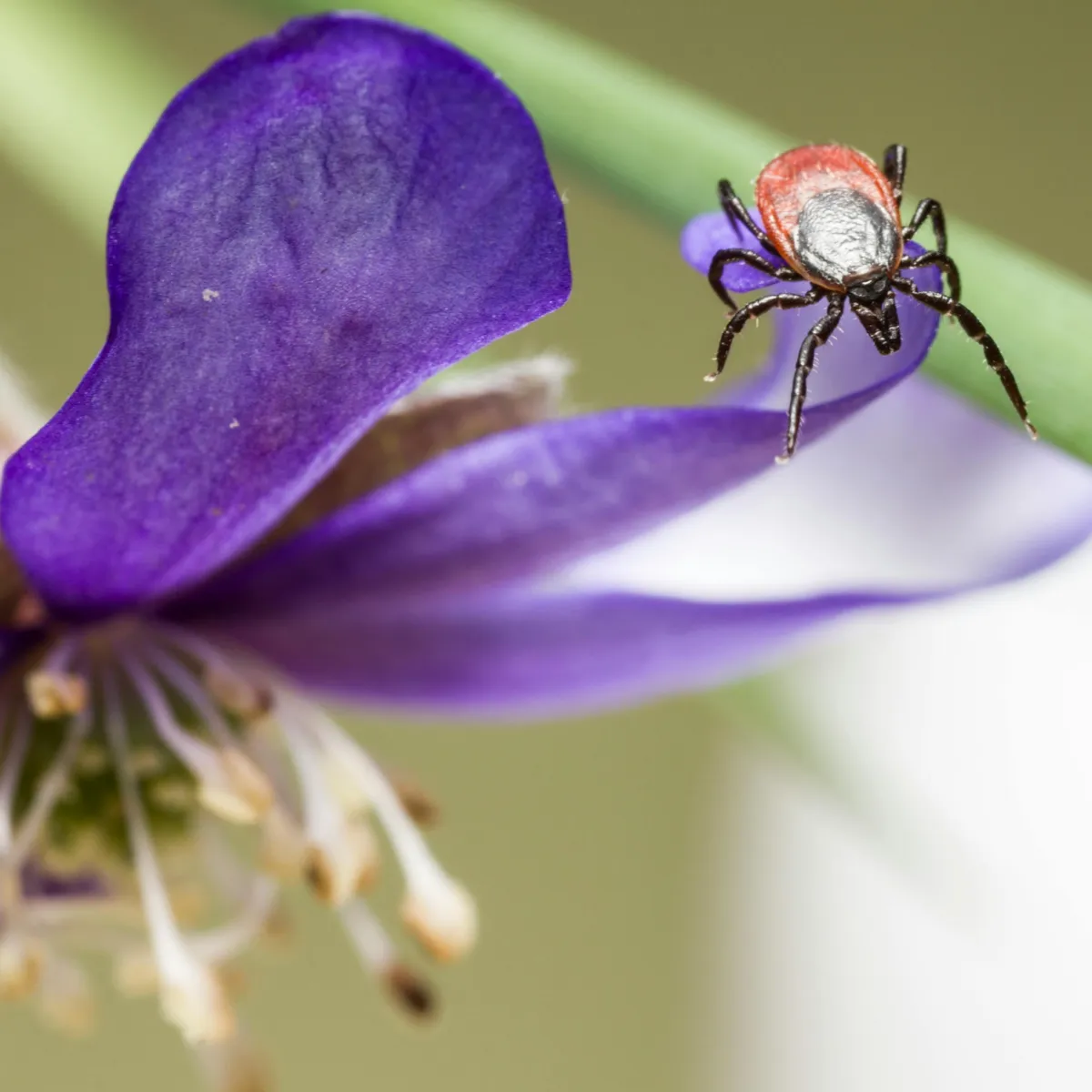
Where the yard feels most natural and undisturbed is often where tick pressure begins to settle in first
A property can remain attractive and still become much harder to enjoy once ticks begin establishing themselves around the yard. It often happens quietly. A pet comes back from outside, someone notices activity after time in the grass, or a section near the edge of the property starts feeling less comfortable than it used to. The visible lawn may not seem very different, but the hidden sections around it can completely change how safe and usable the outdoor space feels.
Fairway Lawns provides professional tick control in Nassau Village- Ratliff, FL for homeowners who want to reduce that pressure before it spreads farther into the parts of the property they use most. Our service is designed to treat yards, lawns, and outdoor living areas with attention focused on the sections where ticks are most likely to remain active. By targeting those trouble zones early, we help homeowners keep their outdoor space more comfortable for family life, pets, and everyday use.
The strongest yard protection comes from finding the source areas, not just reacting where the activity is noticed later
Not every part of a property creates the same level of concern. One yard may have thick growth along a boundary that stays shaded most of the day. Another may have a planting zone near the house, a pet run beside a fence, or a lower corner that stays damp after rain. In places where outdoor space blends into more natural edges, even a relatively small section can create enough pressure to affect the whole property.
Our service begins with a property assessment so treatment can reflect the actual layout, conditions, and use of the yard. Once likely activity zones are identified, we apply targeted treatments to the areas most likely to support ticks and to the outdoor spaces where homeowners want protection most. That may include lawns, patios, play spaces, pet areas, seating areas, pools, border growth, and sections of the property where maintained turf transitions into more sheltered cover. The aim is to reduce the conditions that allow tick activity to keep rebuilding around the same locations.
Tick problems can feel sudden, but they usually develop quietly in the background before they ever become obvious
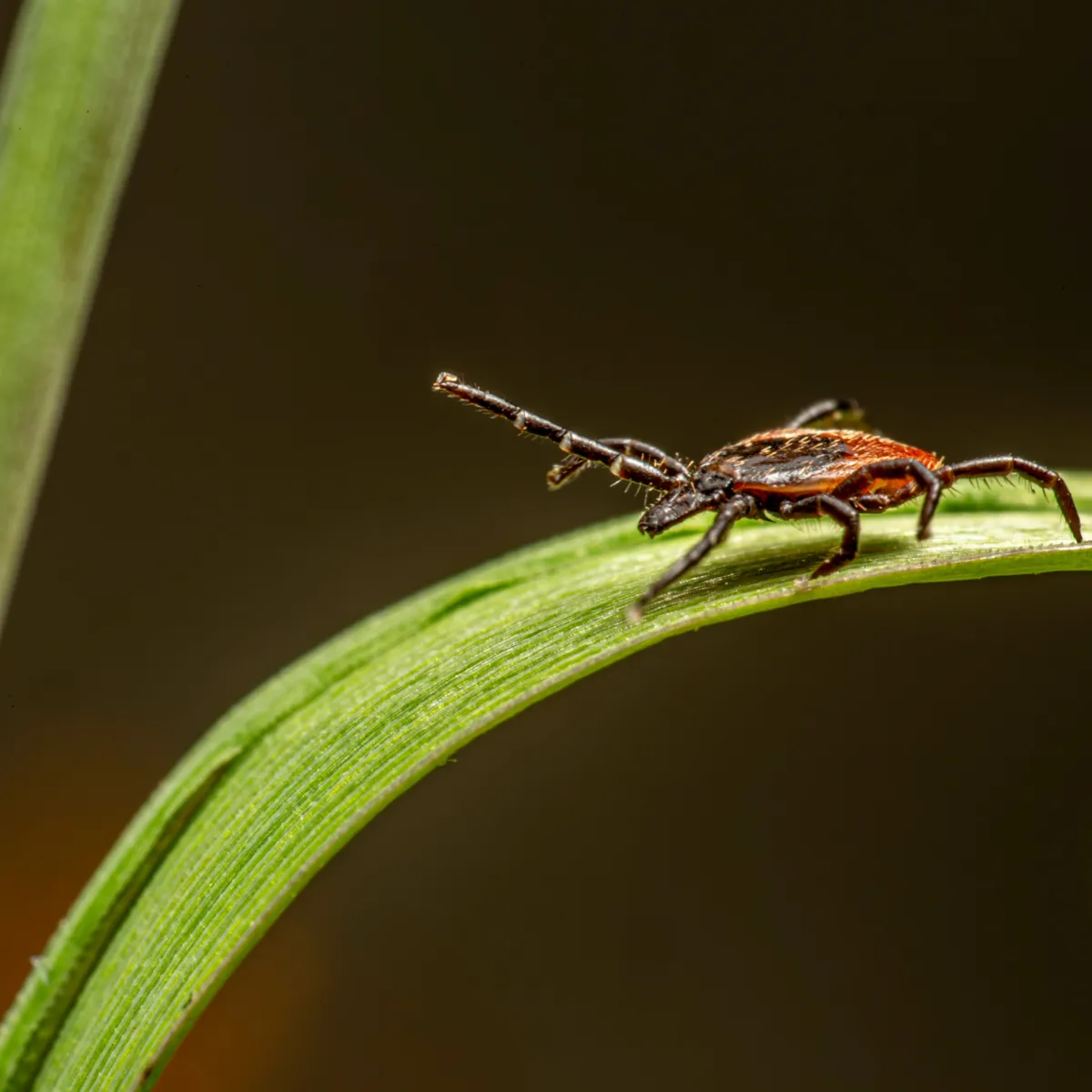
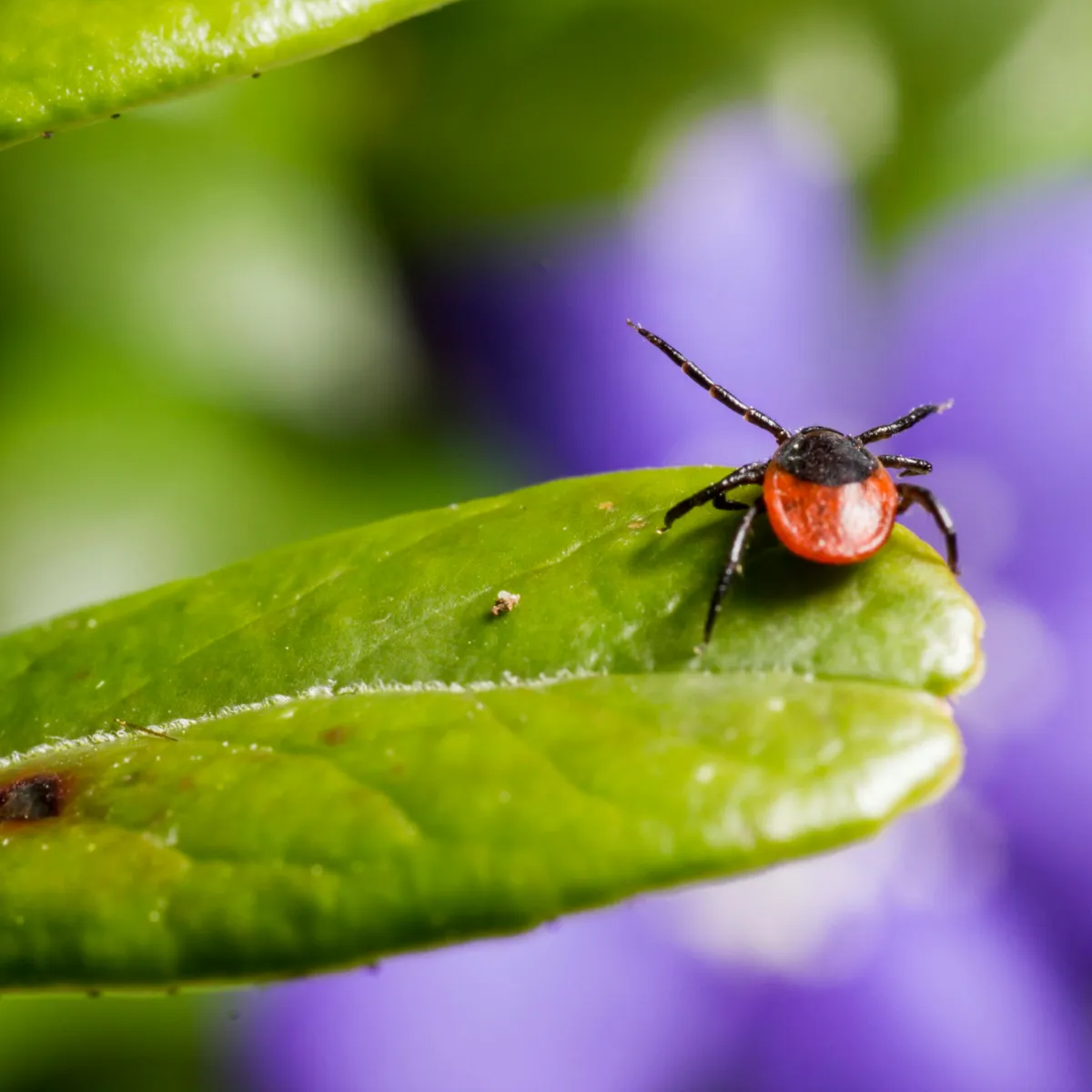
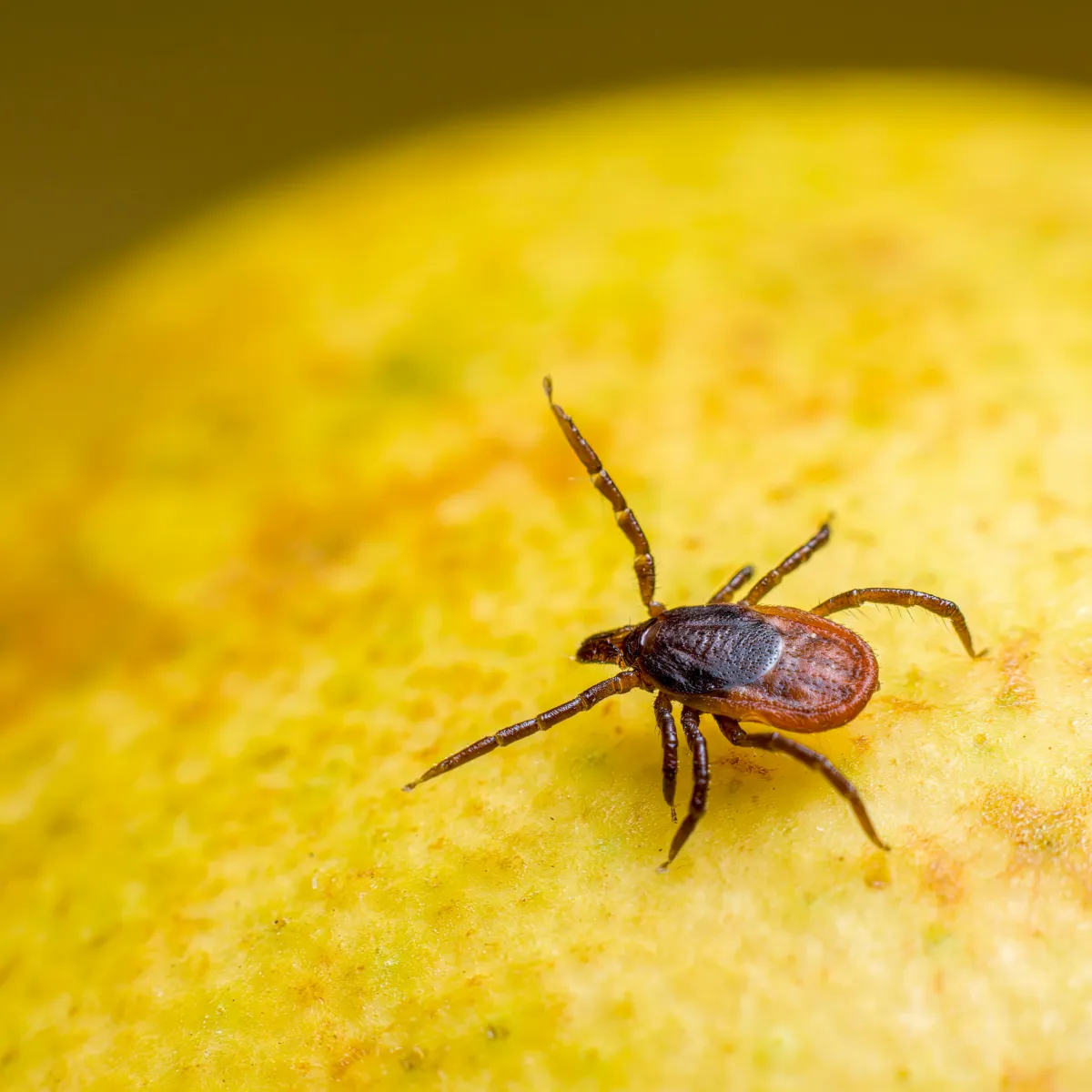
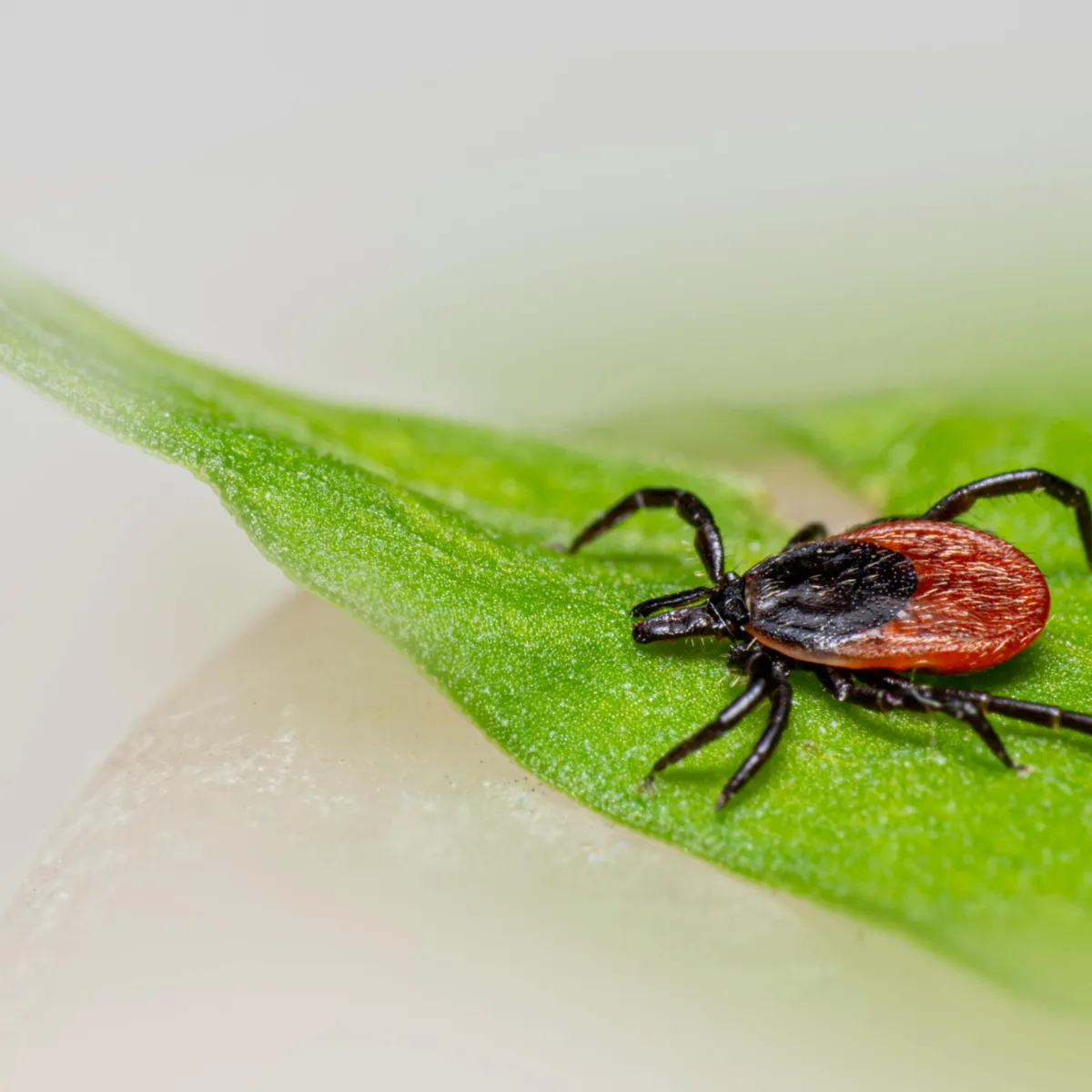
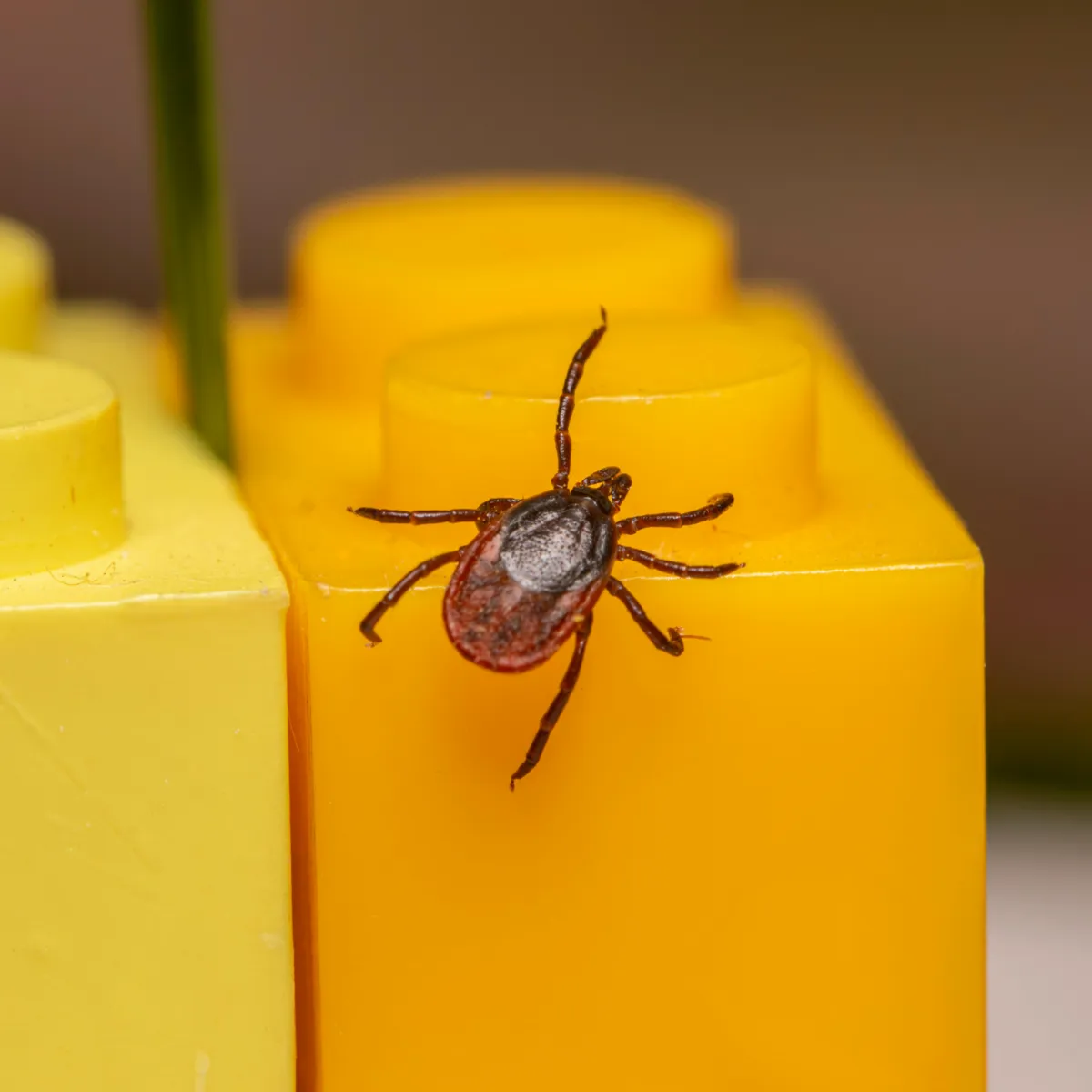
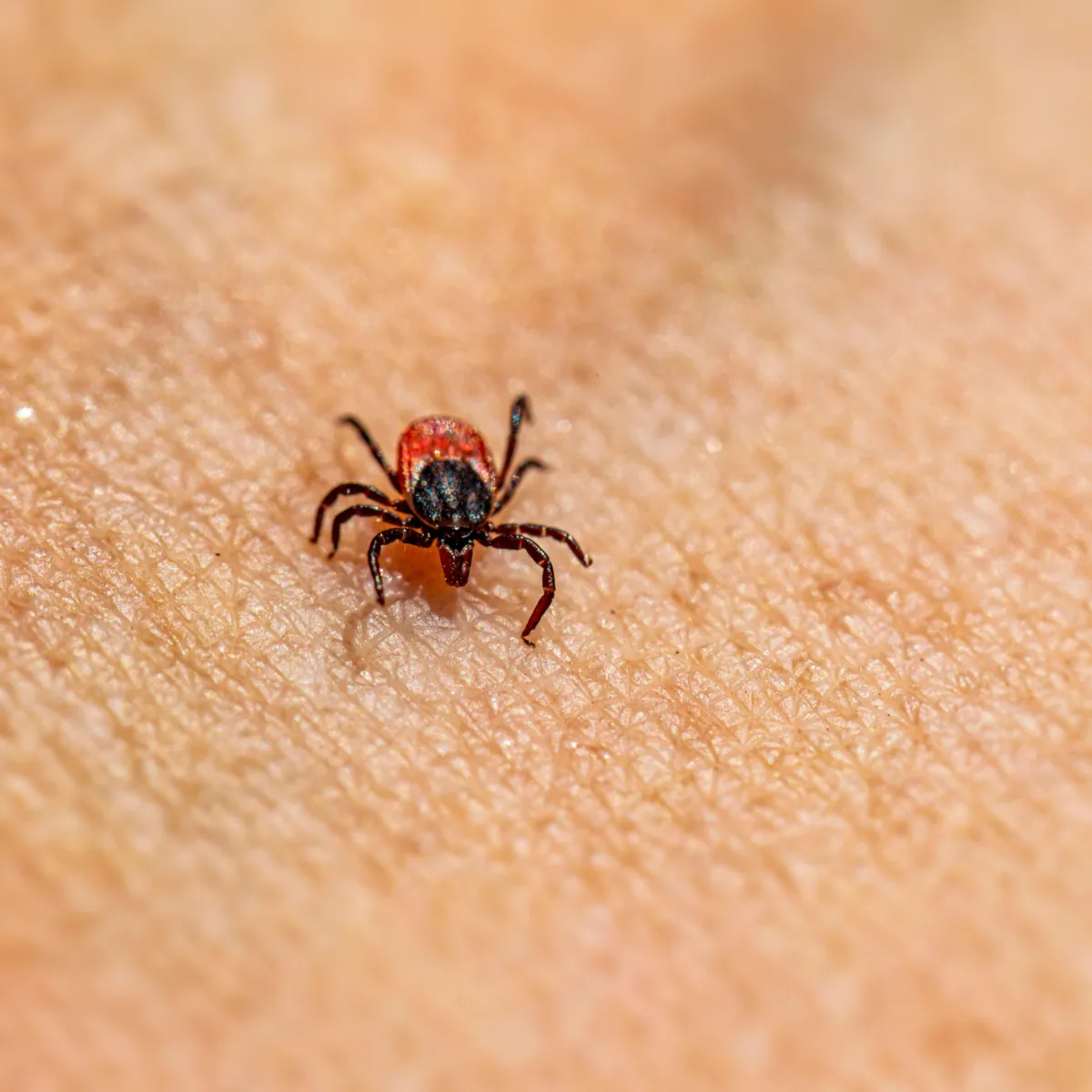
Ticks are more than a simple outdoor irritation because they can affect both people and pets while remaining hard to notice before they bite. Many bites are not felt right away, which means a homeowner may not realize the yard has become active until a tick is found after time outside or brought close to the house by a pet. That delay is one reason the issue often feels more surprising than it really is.
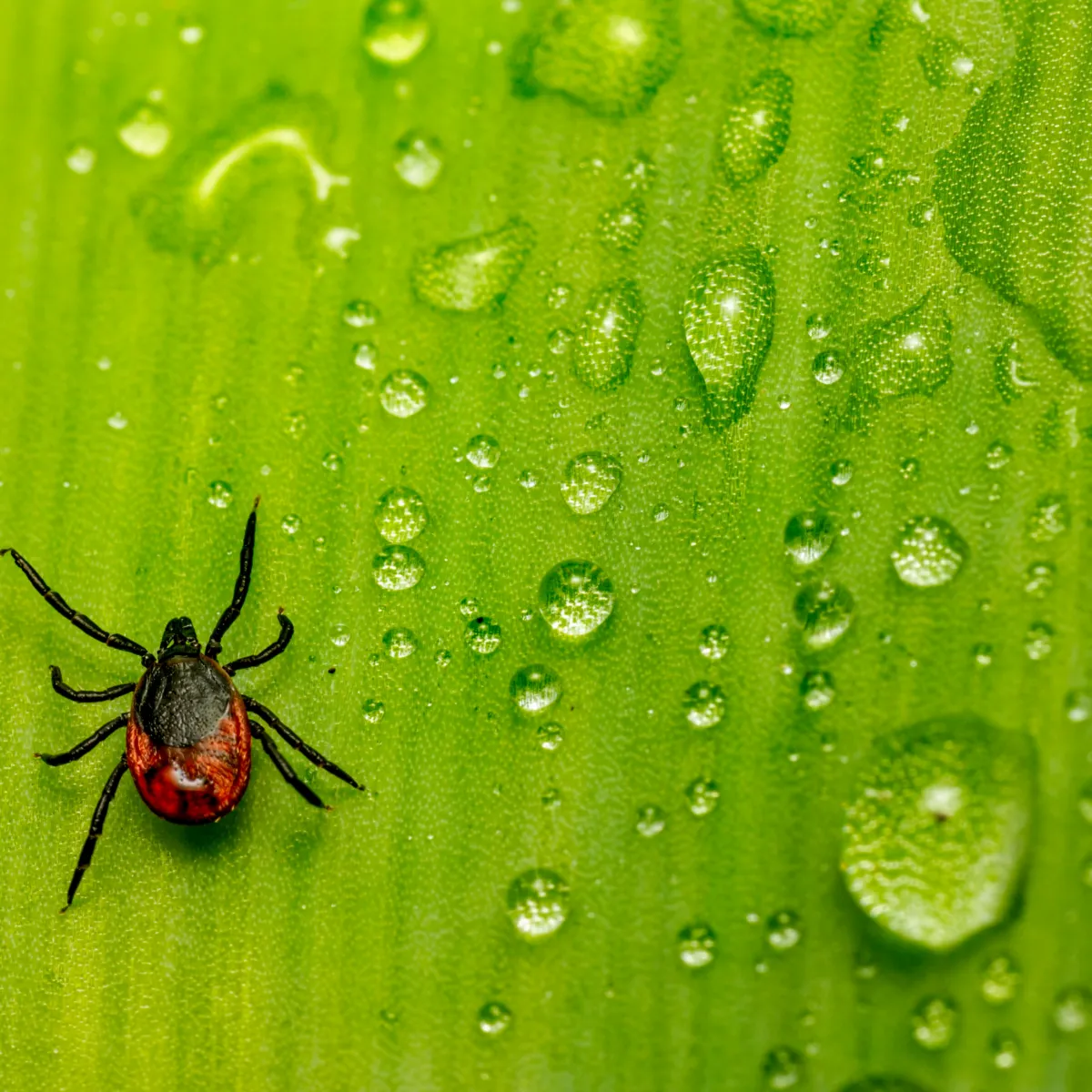
Warm weather, regular moisture, humidity, and active vegetation can all help support tick activity in this part of Florida. Properties with shaded sections, tall grass, brush, wooded edges, wildlife movement, and damp protected areas are often more likely to hold ongoing pressure. Even a maintained yard can still support recurring activity when a few hidden sections keep the right conditions in place. Professional treatment helps reduce the population around the property itself so the same outdoor spaces do not keep becoming the same source of concern.
The places ticks favor most are usually the areas where cover stays thick, movement stays light, and moisture stays longer
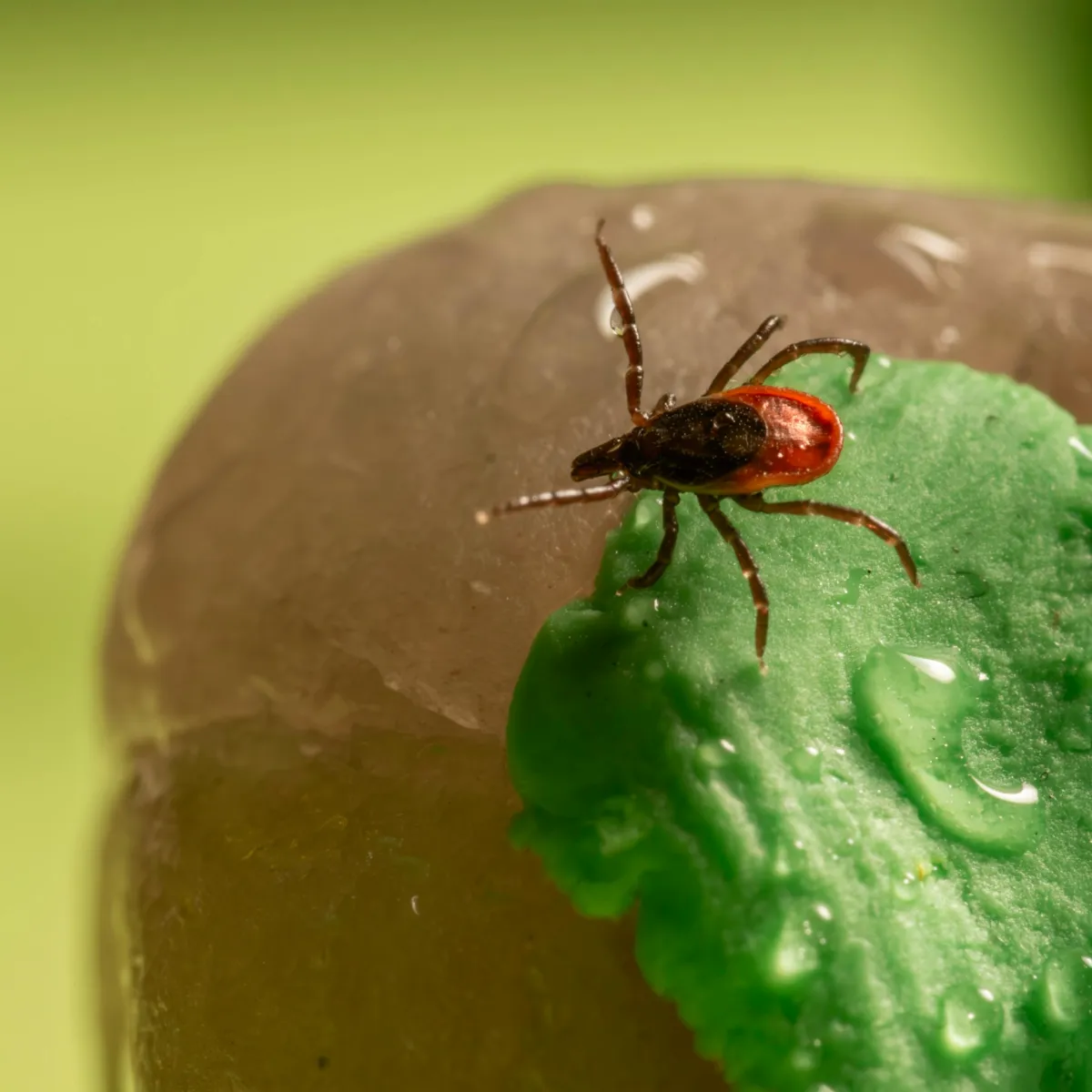
Ticks usually remain in sections of the property that protect them from full sun and drying conditions. Around residential yards, that often means taller grass, overgrown vegetation, brush, leaf piles, wood piles, and dense planting near the soil. Fence lines and shaded lawn edges can also become important because they often collect more cover than the open center of the yard.
Other likely hiding spots include the ground near sheds, the areas beneath decks, the edges of wooded sections, and the spaces around pet activity zones. Wildlife pathways can increase pressure in those same places, especially when movement keeps repeating through sheltered cover. Damp corners and protected lower sections deserve close attention because they may stay favorable well after the rest of the property feels dry.
A better result usually comes from moving through the property in an organized sequence instead of treating the whole yard as one uniform space
We begin by evaluating the property to identify where ticks are most likely to stay active. That includes looking at shade, retained moisture, vegetation density, pet movement, low- traffic edge zones, and the points where open lawn changes into more sheltered ground cover.
Once the likely activity zones are identified, treatment is applied to the parts of the yard where ticks are most likely to remain active. This may include perimeter grass, bed edges, fence lines, side sections, lower damp spots, and other protected areas that keep cover close to the ground.
After the main source areas are treated, we create a protective barrier around the outdoor spaces homeowners use most often. That may include lawn edges, the foundation perimeter, shrubs, landscape beds, fence boundaries, tall grass, wooded borders, the areas around sheds, the spaces under decks, pet zones, play areas, patios, outdoor seating sections, and any sections where shade or moisture remain heavier.
If the same favorable yard conditions remain in place, activity can return. Continued service helps reduce that cycle and supports more consistent protection through the active season.
The real benefit of treatment is not just fewer ticks, but fewer second thoughts about using the yard the way it was meant to be used
The concern becomes more personal once pets and children are part of the picture. Dogs move through border grass, thicker planting, and shaded runs naturally, often crossing active areas before anyone realizes where the pressure is coming from. Children do much the same around lawns, patios, and play areas, where open- looking yard space may sit close to the exact sections ticks prefer. Because tick bites are easy to miss, reducing exposure around those everyday- use spaces matters.
Professional yard treatments help reduce activity around patios, decks, pools, play areas, fire pits, lawns, pet areas, gardens, and outdoor dining spaces. That kind of coverage can help make the whole property feel more usable again rather than forcing homeowners to keep watching the same parts of the yard with extra concern.
Seasonal change does not affect every section of the yard equally, which is why certain areas may stay favorable much longer than others
Spring often brings fuller growth, softer ground, and a gradual increase in outdoor activity. During this time, border vegetation, shaded beds, and low protected sections may begin supporting more tick activity as moisture and plant cover increase together.
Summer can keep the property warm, humid, and heavily used. At the same time, dense edges, pet routes, and sheltered corners may continue providing the kind of conditions ticks need to remain active.
Fall may feel less intense than peak summer, but that does not always mean tick pressure disappears. Lingering warmth, persistent cover, and quieter sections of the property can continue supporting activity around the same areas.
Moisture often determines which parts of the yard hold pressure longest. Open turf may dry fairly quickly, while lower sections, shaded strips, and dense planted edges may keep enough dampness to remain favorable much longer.

The right provider should understand why local properties often have just a few key sections that shape how the whole yard feels
Effective tick control depends on recognizing the specific parts of the property that are actually driving the issue. In many yards, the problem is not the most visible section. It may be a moisture- holding edge, a dense strip near a structure, or a shaded border that stays favorable week after week. Fairway Lawns approaches treatment with that kind of property- specific attention rather than relying on a broad one- size- fits- all pattern.
Homeowners choose Fairway Lawns because they want trained local technicians, licensed and insured service, transparent pricing, and a free quote from a company that understands Florida tick pressure and local yard conditions. Recurring service options are available, and treatment planning is built around family routines, pet activity, and the outdoor spaces homeowners want to keep comfortable.
The work done between treatments can either help the yard improve or quietly let the same conditions rebuild again
Homeowners can support better results by making the property less favorable to ticks between service visits. Keeping the grass maintained and trimming shrubs can reduce some of the low shelter that allows activity to stay hidden near the soil. Removing debris, stacked wood, and heavy leaf buildup can also help because those materials often create cool protected cover.
It is also helpful to reduce overgrown brush, maintain pet areas carefully, and keep heavily used outdoor spaces away from sheltered border sections whenever possible. Pets should be checked after spending time outside, and wildlife attraction should be limited where practical. When the same spots keep becoming the source of concern, recurring treatment is often the most effective next step.
Sometimes the first need is not a full long- term plan, but quick relief in the area causing the most immediate disruption
A one- time tick treatment can be a practical option when one section of the property needs prompt attention. That may be after ticks are found near a patio, along a pet route, beside thick planting, or in an area that needs to be used soon for guests or an outdoor gathering.
This type of service can help reduce present activity where the concern feels most urgent and provide short- term relief in that specific zone. For some properties, it also serves as a useful first step before deciding whether a recurring program would provide stronger long- term stability.
The better long- term strategy is usually the one that prevents new activity from settling into the same hidden spaces before it becomes noticeable again
Recurring service is often the more dependable choice for homeowners who want steadier protection through the season. Because weather, moisture, and vegetation can keep recreating favorable conditions, regular treatments help manage new activity before it becomes established around the property. That ongoing approach also lowers the chance that the same source areas will continue feeding the same problem back into the yard.
Nearby homes may be dealing with many of the same hidden yard conditions even when the surface layout looks different from one property to the next
Fairway Lawns provides tick control for Nassau Village- Ratliff- area homeowners who want help protecting lawns, patios, pet spaces, and other outdoor areas from recurring tick activity. Nearby properties with similar conditions, such as shaded boundaries, thicker growth, retained moisture, and active family use of the yard, may also benefit from the same treatment approach.
The most useful questions usually begin with the sections of the yard that keep drawing attention for the same reasons over time
If the yard is becoming harder to enjoy because of recurring tick activity, Fairway Lawns can help you take a more targeted approach. Our service is designed to address the sections where pressure begins so the outdoor parts of your property can feel easier to use again over time. Contact Fairway Lawns today to request a quote for tick control in Nassau Village- Ratliff.