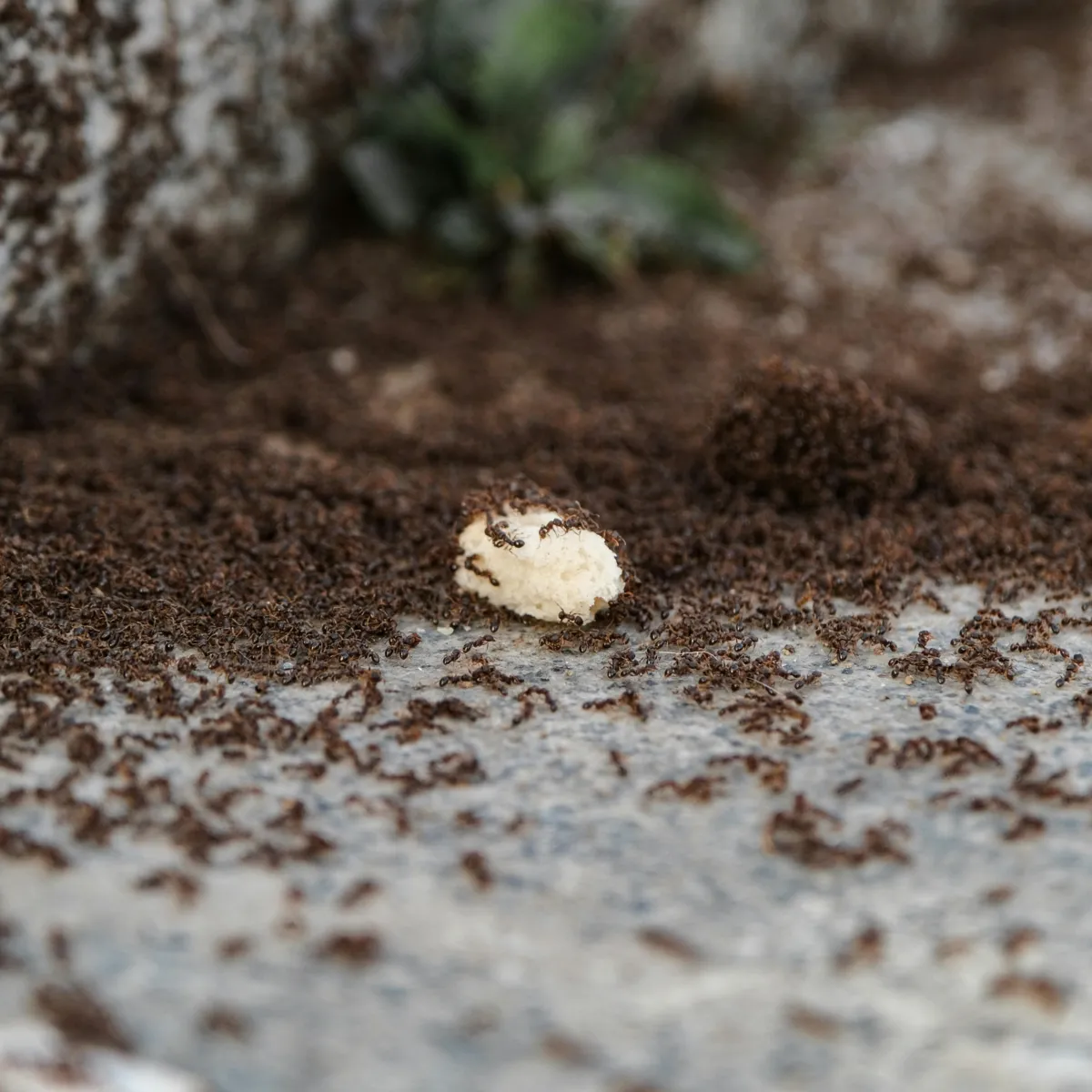
Fire ants dominate the lower stretches of Arkansas, but Tontitown sits in a part of the state where they have never managed to settle in for good. The Ozark elevation and the cold winters of Northwest Arkansas hold them back, so fire ant pressure here bears no resemblance to what homeowners face down south. What keeps the door cracked open is growth: as orchard and vineyard land gives way to new neighborhoods, the sod, soil, and nursery stock that arrive with construction can carry the occasional colony into town. Fairway Lawns can confirm whether a mound is truly fire ants and treat any verified colony at the source, working from our Springdale branch just east on Highway 412.

A fresh mound on former farmland is worth a second look
Fire ants bring stinging swarms, raised mounds, and real safety worries wherever they establish, yet Tontitown does not lie in fire ant country the way the southern part of the state does. The USDA imported fire ant quarantine reaches across the lower two-thirds of Arkansas, and Washington County, sitting higher and colder, falls outside that line. Those winters have long kept fire ants from taking root here. For Tontitown homeowners, the practical point is this: fire ants are not an everyday worry, but with the steady pace of building on old orchard and vineyard ground, sod and fill arrive from many places, and a stray colony can settle into a new lawn before anyone takes notice.
Because the mound is only the doorstep of a far larger nest below, knocking it apart or flooding it with a store product almost never finishes the colony. When you turn up a mound that looks like fire ant work, the smart move is to have it identified rather than assume, since plenty of native Washington County ants can pass for the real thing. We inspect the spot, confirm the species, and if it is fire ants, apply targeted treatment built to reach the colony underground while keeping your household and pets in mind. Want a professional set of eyes on it? Request a free inspection, or call to talk it over.
Even a single colony deserves real attention
Fire ants protect their nest with real ferocity, swarming out and stinging the instant a mound is jostled. That temper, together with their venom, makes them a true hazard to children and pets in the yard. One mound usually rests over a much larger colony below, and certain nests run on several queens, so anything that fails to reach the whole colony tends to invite the trouble straight back. Where fire ants stay this rare, that is even more reason to put a confirmed colony in professional hands early, eliminating it before it can spread and dig in.
What shows on the surface points to a bigger problem below
– Loose, sandy mounds in the lawn, frequently with no hole on top
– Mounds that swell fast in the days following a rain
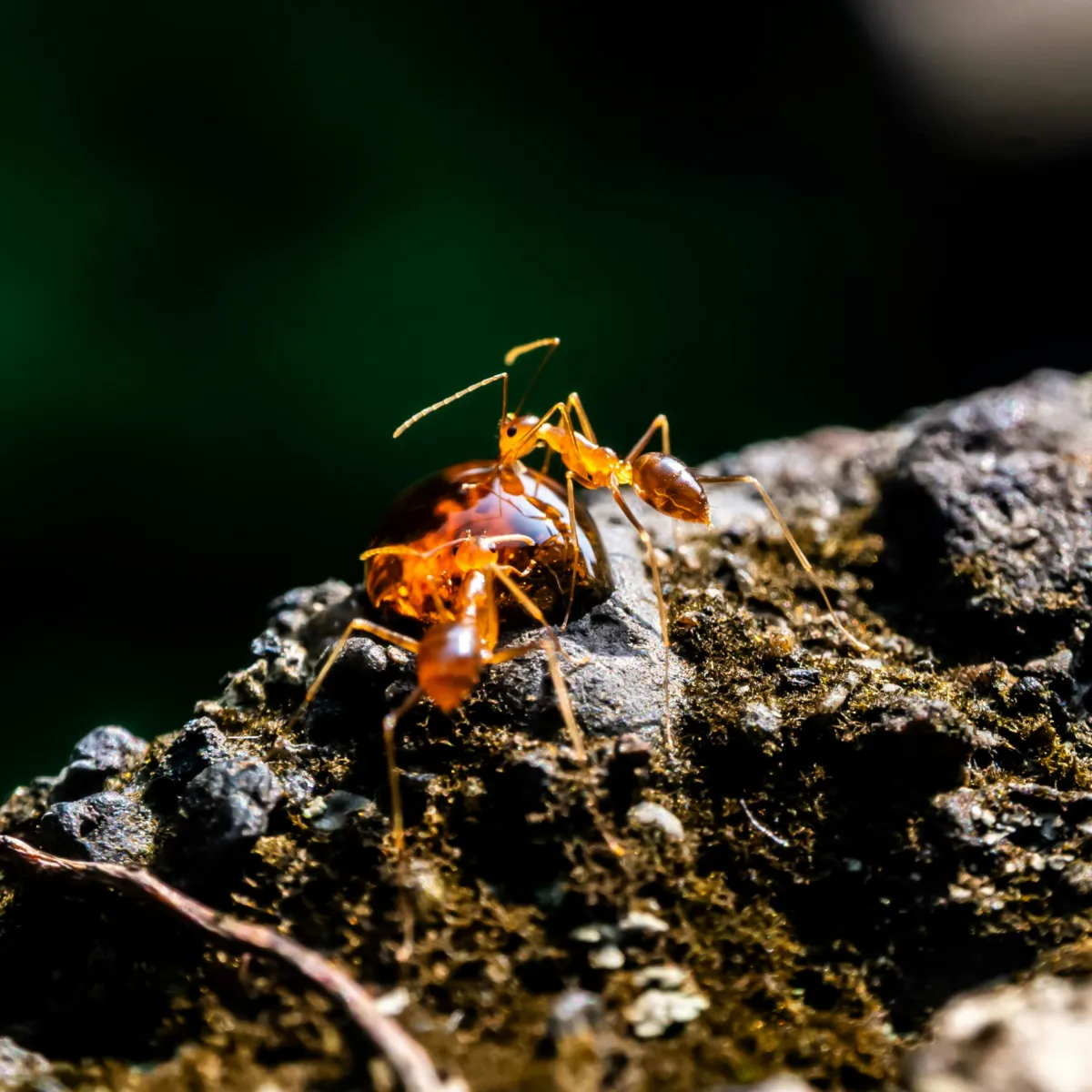
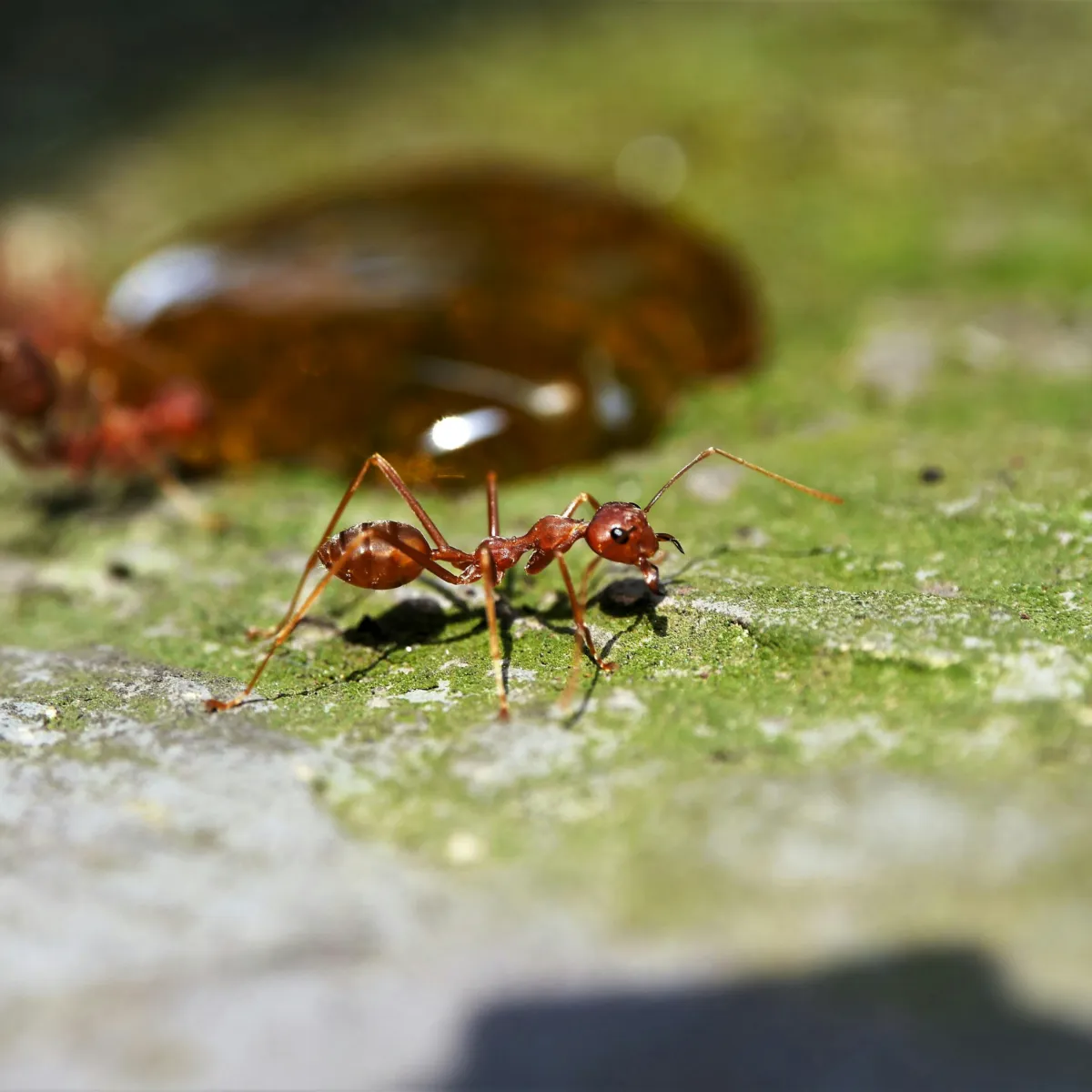
– Small reddish to reddish-brown ants
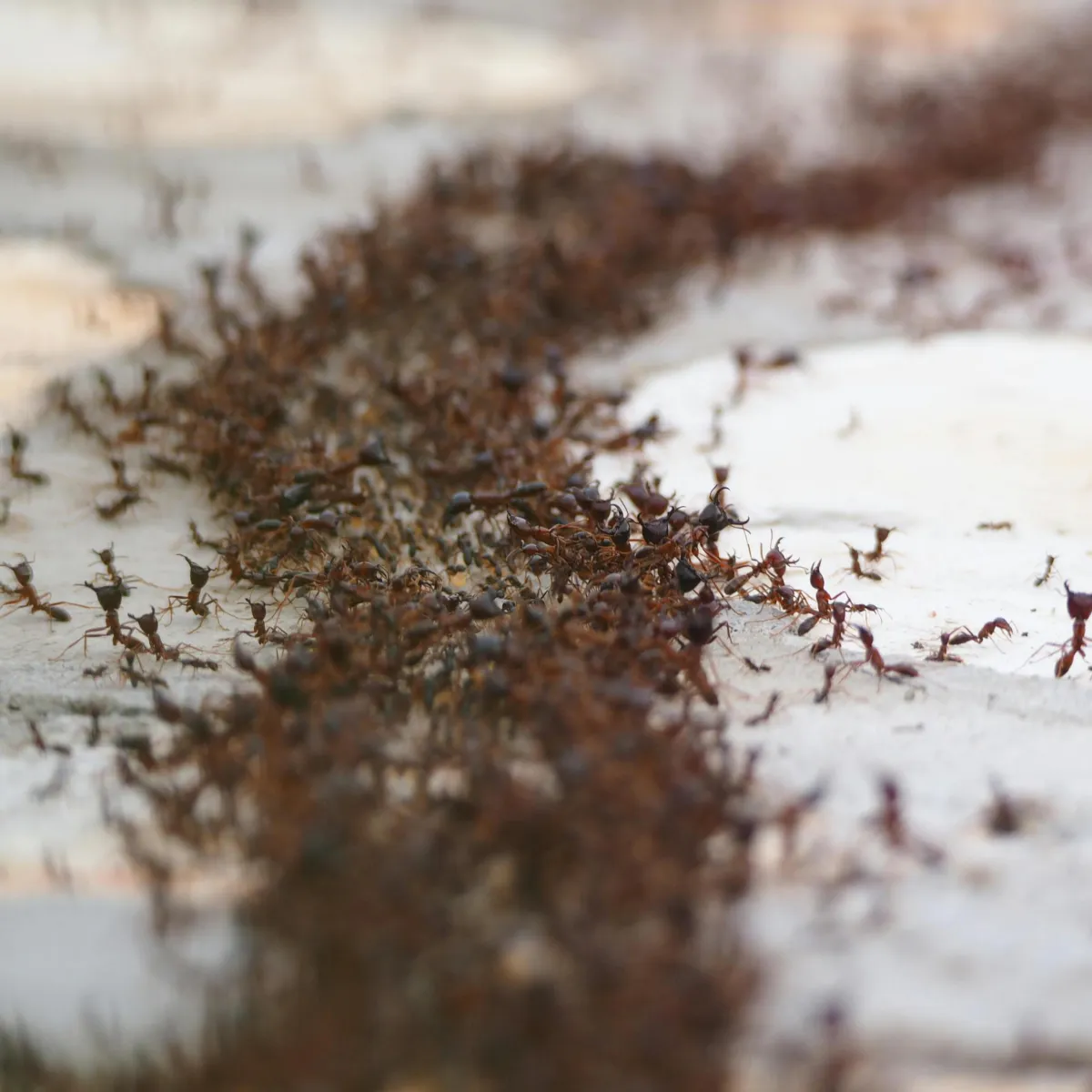
– A quick, boiling swarm the moment the mound is disturbed
– Stings that burn at first and then itch for days
– Reports of stings from family members or pets out in the yard
– Several mounds turning up across the property
Getting the species right comes first
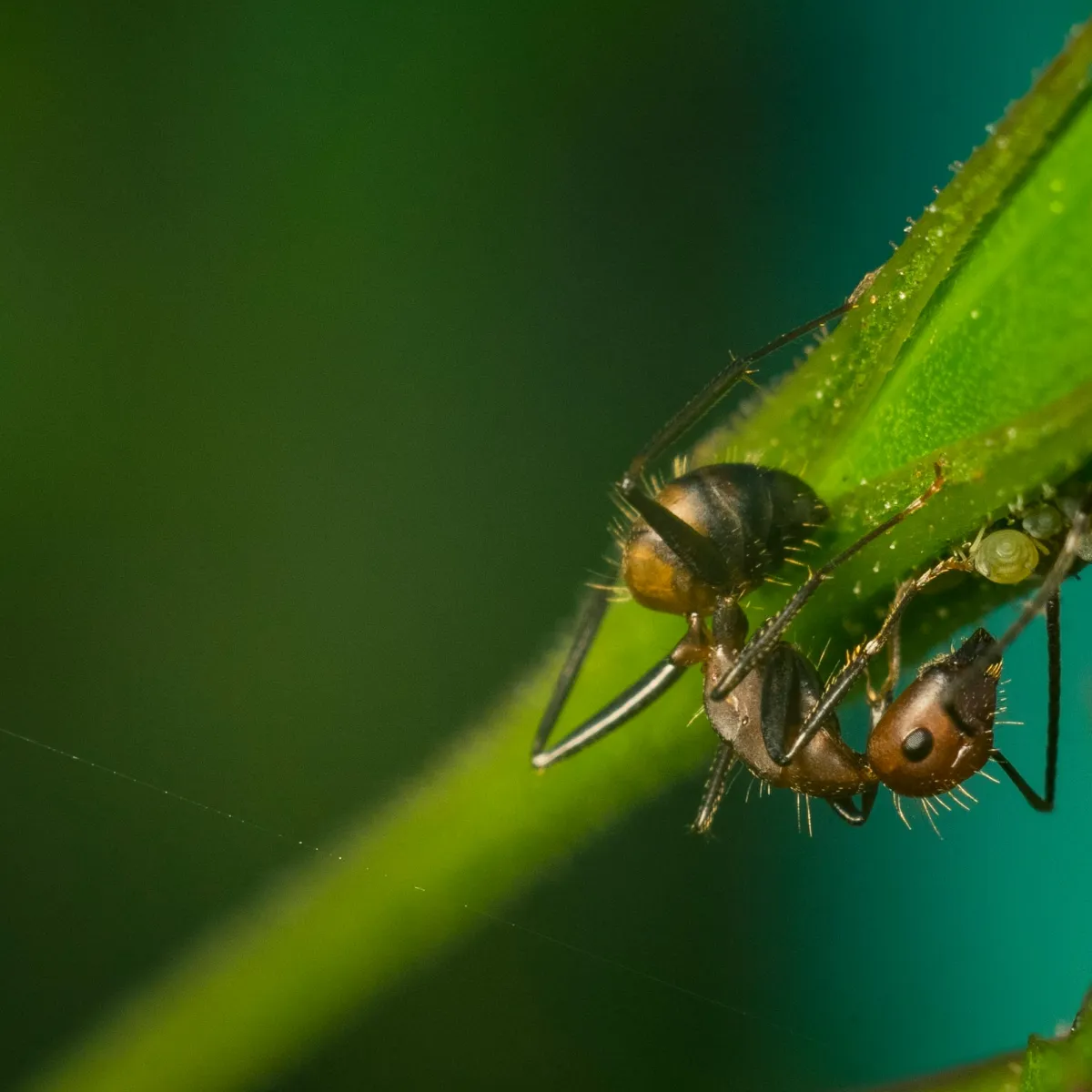
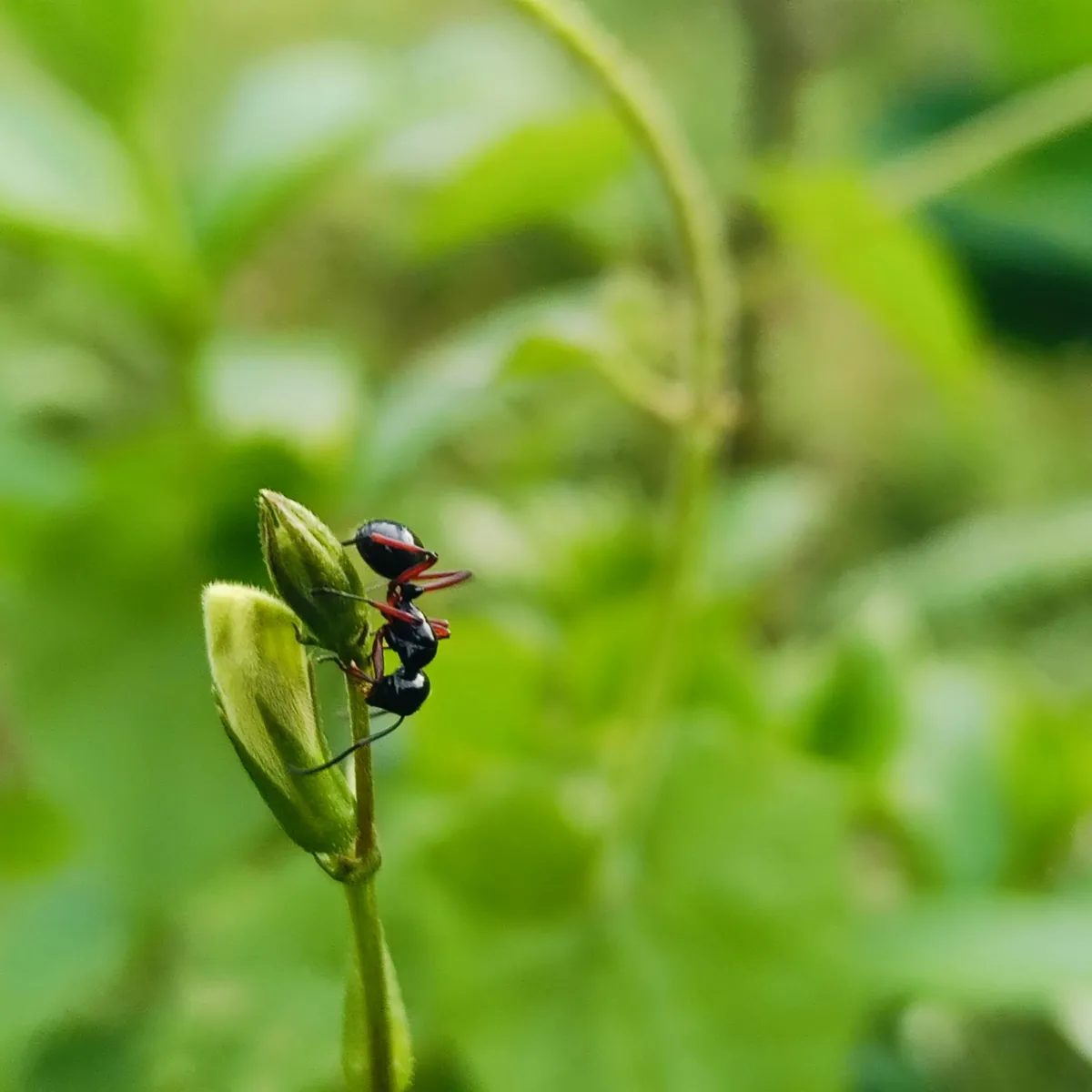
Fire ants are small, roughly 1.6 to 5 mm, and colored reddish through dark reddish-brown. Their telltale sign is behavioral, an immediate and aggressive swarm when something disturbs them. They build loose, sandy mounds out in sunny, open areas, usually in lawn turf or exposed dirt. Since Washington County is home to a long list of native ants that look the part at a glance, a confirmed identification carries more weight here than it does down south, and it is the sensible opening step whenever a questionable mound shows up.
There is a reason fire ants shrug off a do-it-yourself fix
A fire ant colony can grow to a substantial size and reach far beyond the visible mound, and nests with multiple queens are particularly tough to clear. What sits above ground is only a sliver of the whole. Most consumer sprays touch only the ants on the surface, leaving the colony beneath intact and ready to rebuild. Weather swings, from heavy rain to baking heat, can dull a product and alter how the colony behaves, and jabbing at a mound to treat it usually just provokes a swarm. That is why a targeted, professional treatment aimed squarely at the colony is the approach that genuinely works.
The method depends on what the colony looks like
We survey the property and confirm whether fire ants are truly what you have, then judge whether the activity is isolated or widespread. From there we apply the fitting approach, whether that is a direct mound treatment, a broadcast application for scattered activity, a bait the ants carry home, or a combination. We explain what we are doing and why, and we arrange follow-up or monitoring when it suits your yard.
Different problems call for different tools
Depending on what the inspection reveals, treatment may involve a mound drench for single colonies, broadcast coverage for activity scattered across the lawn, a two-step method for stubborn cases, bait the ants haul back to the nest, and follow-up monitoring on active properties. We will walk you through which option fits. Whatever the choice, professional treatment is safer and more thorough than guessing with a store product, because it is shaped around the infestation in front of us.
A consumer product and a professional treatment are worlds apart
Home and hardware-store remedies tend to come up short because they treat only what shows and never reach the heart of the colony. Baits depend on the ants foraging and grow unreliable in the wrong weather. Sprays often fail to soak in deeply enough, and disturbing a mound to treat it sharply raises the chance of a sting. A professional assessment and a targeted treatment actually resolve the matter, which is why a call beats an experiment, all the more so where misidentifying the ants is easy.
Take fire ant stings seriously around kids and pets
A fire ant sting arrives with a sharp burn and leaves a red welt or a blister-like pustule that can itch for days. For certain individuals, one sting is enough to trigger a serious allergic reaction requiring emergency treatment. Children, pets, and anyone out on the lawn carry the most exposure, which is part of why a confirmed colony deserves prompt handling rather than a wait-and-see approach.
Effective treatment and household safety belong together
Every treatment is performed by licensed, trained technicians who follow each label direction. We hand you clear re-entry guidance, generally asking that pets and family keep off treated spots until everything has dried. Before we begin, we make certain you know exactly what to do to keep everyone safe.
Local lawn and pest experience makes the difference
As a lawn care and pest control company grounded in Northwest Arkansas, we understand the turf as well as the pests, and we know the local ground well enough to tell a true fire ant colony from the many native ants that imitate them. You receive a professional inspection, an honest answer, treatment recommendations matched to your yard, and family-minded, pet-minded guidance, plus seasonal options should you want continued monitoring. Standing behind every job with our 100% satisfaction guarantee, applicators certified through the Arkansas State Plant Board, a 4.5 out of 5 rating from over 78,000 homeowners, hassle-free scheduling, and a free quote, getting a clear answer and a real solution is straightforward.
Quick answers to the questions homeowners actually ask
Stumbled onto a mound and unsure what built it? Skip the guesswork, and steer clear of the stings. Reach out to Fairway Lawns by phone or request a free inspection online, and our Springdale team will evaluate the spot, determine whether fire ants are present, and treat any live colony at its source. We serve Tontitown and the surrounding Washington County area.