Bentonville draws people who care about art, outdoor recreation, and community. The downtown square anchors a revitalized city center, the Crystal Bridges Museum and its trails define the cultural landscape, and Coler Mountain Bike Preserve brings riders from across the region. Homes here range from restored historic properties to sleek modern builds, many situated on properties that edge against wooded green space. Spiders settle into all of them, and when they do, Fairway Lawns handles the removal, the identification, and the prevention that keeps them gone. Our Springdale-based team serves Bentonville and Benton County with licensed pest control and a satisfaction guarantee.
What you see is just the scout
A spider indoors signals something else thriving outside. They hunt in abundance, so wherever you spot webbing, an abundant insect population is already established. Bentonville’s landscape, from the downtown properties to the homes near Crystal Bridges and into the newer neighborhoods, creates the humid, sheltered conditions spiders crave. The brown recluse and black widow, both present in Benton County, warrant specific attention and professional handling. A recluse prefers the dark, undisturbed spaces: attics, closets, garages, and the quiet corners inside walls. A widow gravitates toward mulch, rock gardens, deck undersides, and outdoor storage.
Store-bought sprays kill only the spiders you can see and never touch the egg sacs, which hatch into replacement generations. They miss the insects drawing spiders in and ignore the entry points and cracks that keep delivering new arrivals. Professional treatment combines inspection to identify the species, targeted application where spiders actually hide, removal of existing webs and egg sacs, and preventative sealing and monitoring. Our licensed technicians inspect thoroughly, confirm what you’re dealing with, treat the active infestation, and lay out a plan to keep spiders from reestablishing.

The process targets the source, not the symptom
We examine inside and out, identify the species and how numerous they are, locate entry points, and assess the moisture and insect conditions feeding the infestation.
We treat where spiders live and breed, remove existing webs and egg sacs, apply residual products where effective, and address the perimeter to stop new arrivals.
We recommend sealing entry points, clearing clutter, and reducing the insects that feed spiders, then go over maintenance options.
We schedule recurring visits for ongoing protection, and our guarantee covers re-treatment if spiders return between services.
Species determines the strategy
Tan, small, with a violin-shaped mark on the back. The recluse thrives across Benton County and gravitates toward dark, rarely disturbed zones like attics, storage, garage corners, and the spaces behind walls. A bite can slowly develop into a wound that’s hard to heal, making the recluse a priority in any property.
Glossy black body with a distinctive red hourglass. Widows prefer mulch beds, rock gardens, shaded deck areas, and storage. They’re shy creatures unlikely to bite unless pressed, but their venom is potent enough to warrant medical attention.
Swift, stocky ground hunters that drift indoors when fall cools the air. They look intimidating but pose no threat and actually help by hunting smaller pests.
The reliable cobweb makers in ceiling corners and window frames. Harmless but prolific, they pile up webs and egg sacs if left alone.
Pale and long-legged, hanging in tangled webs in basements and crawl spaces. No danger, but they point to the moisture and insect activity that bring in tougher pests.
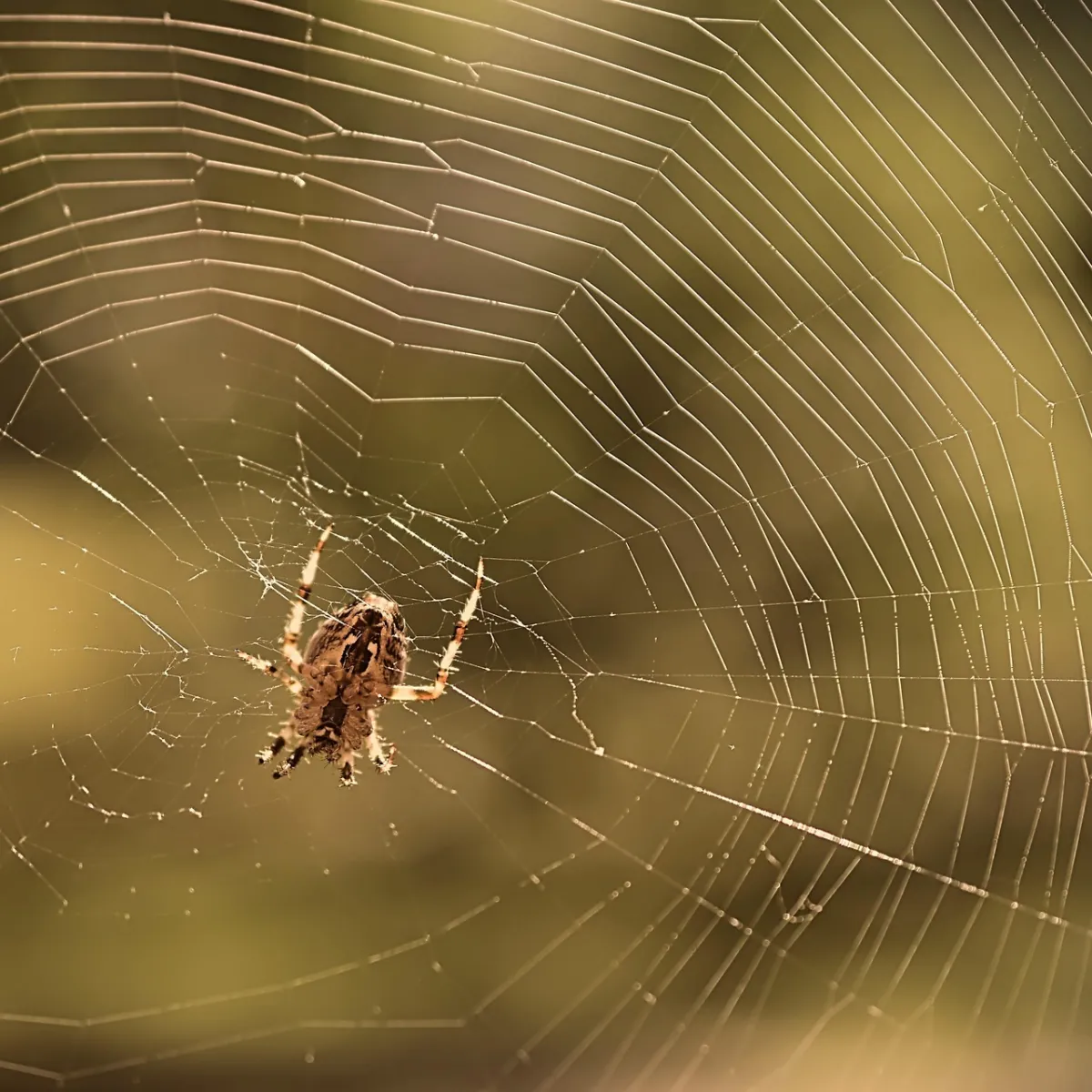
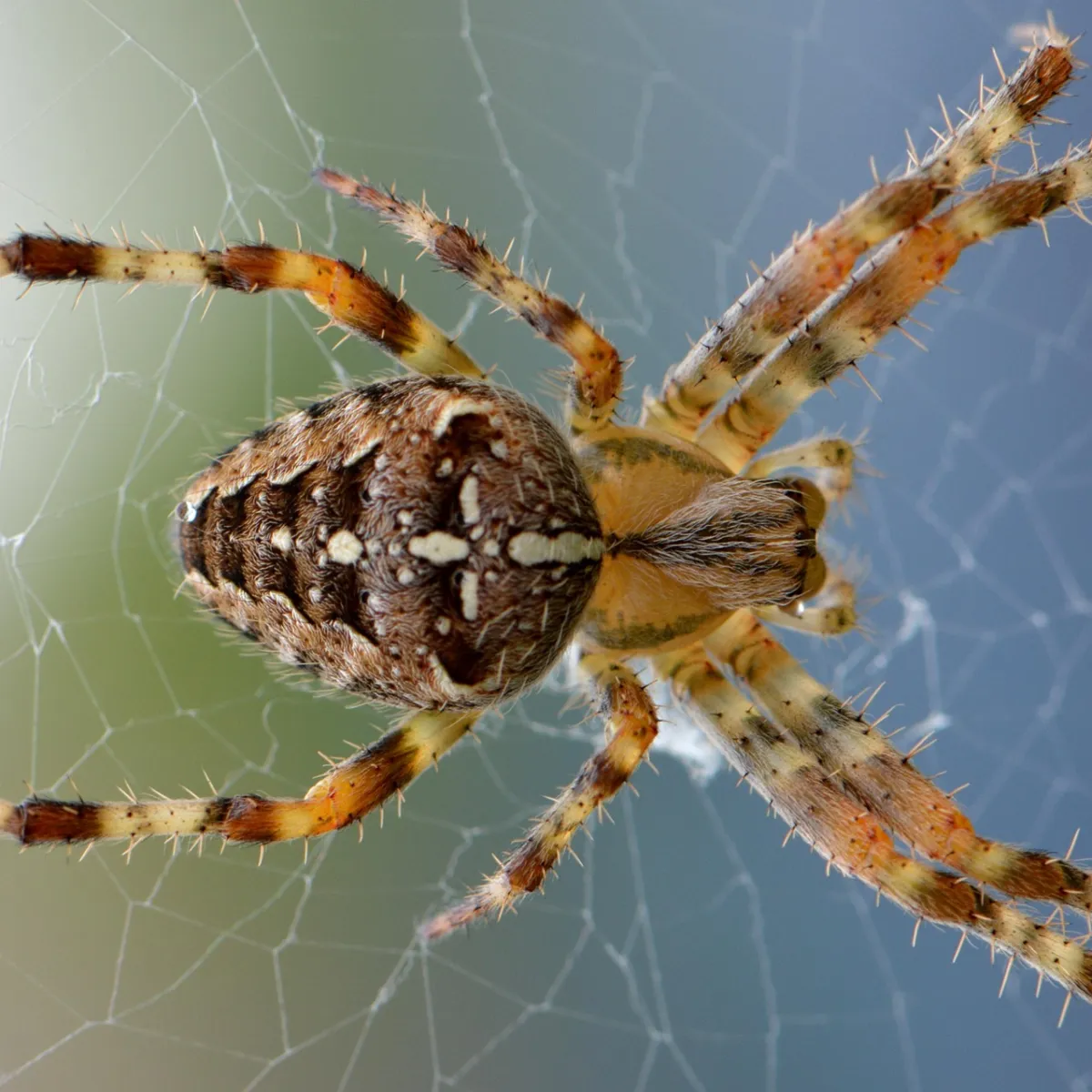
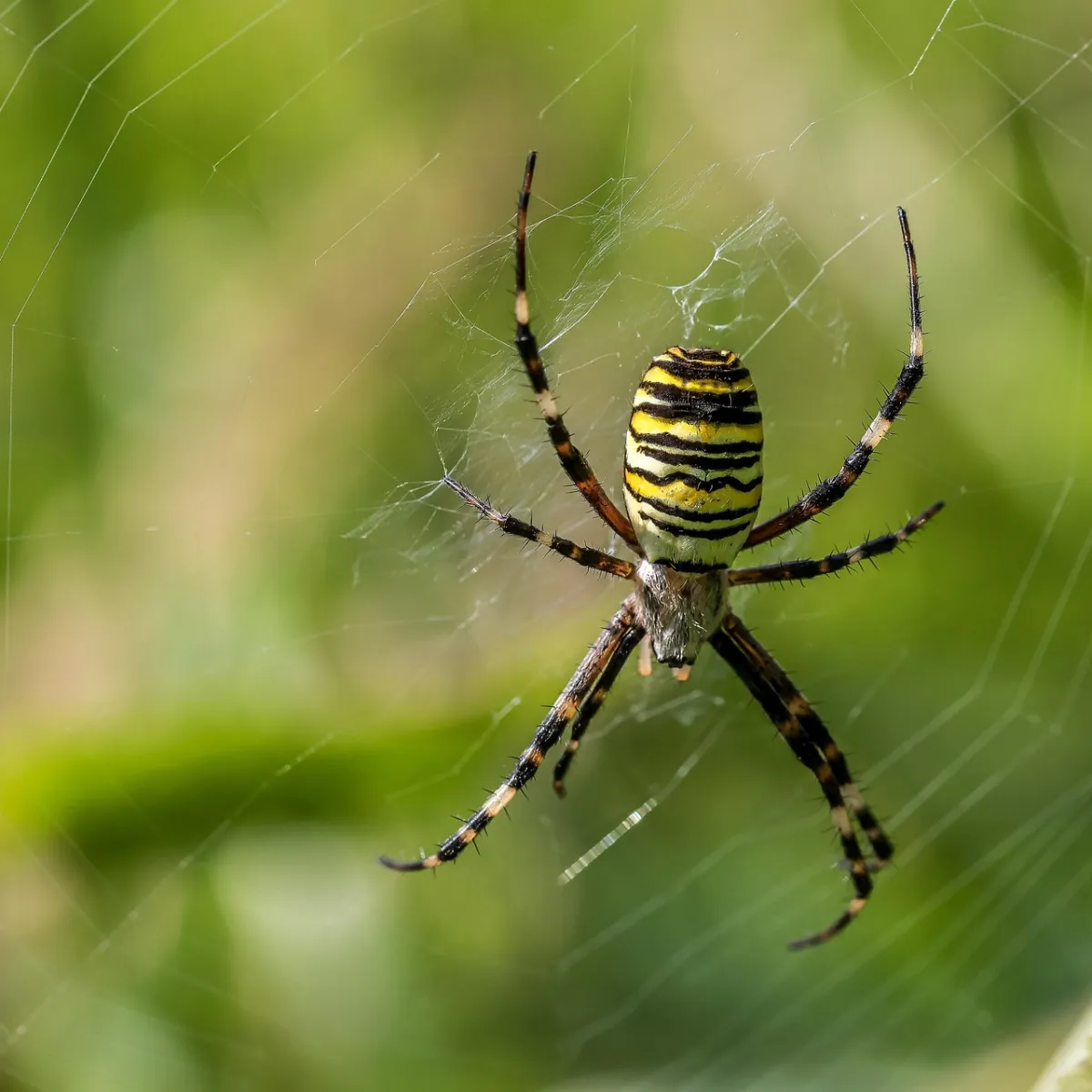
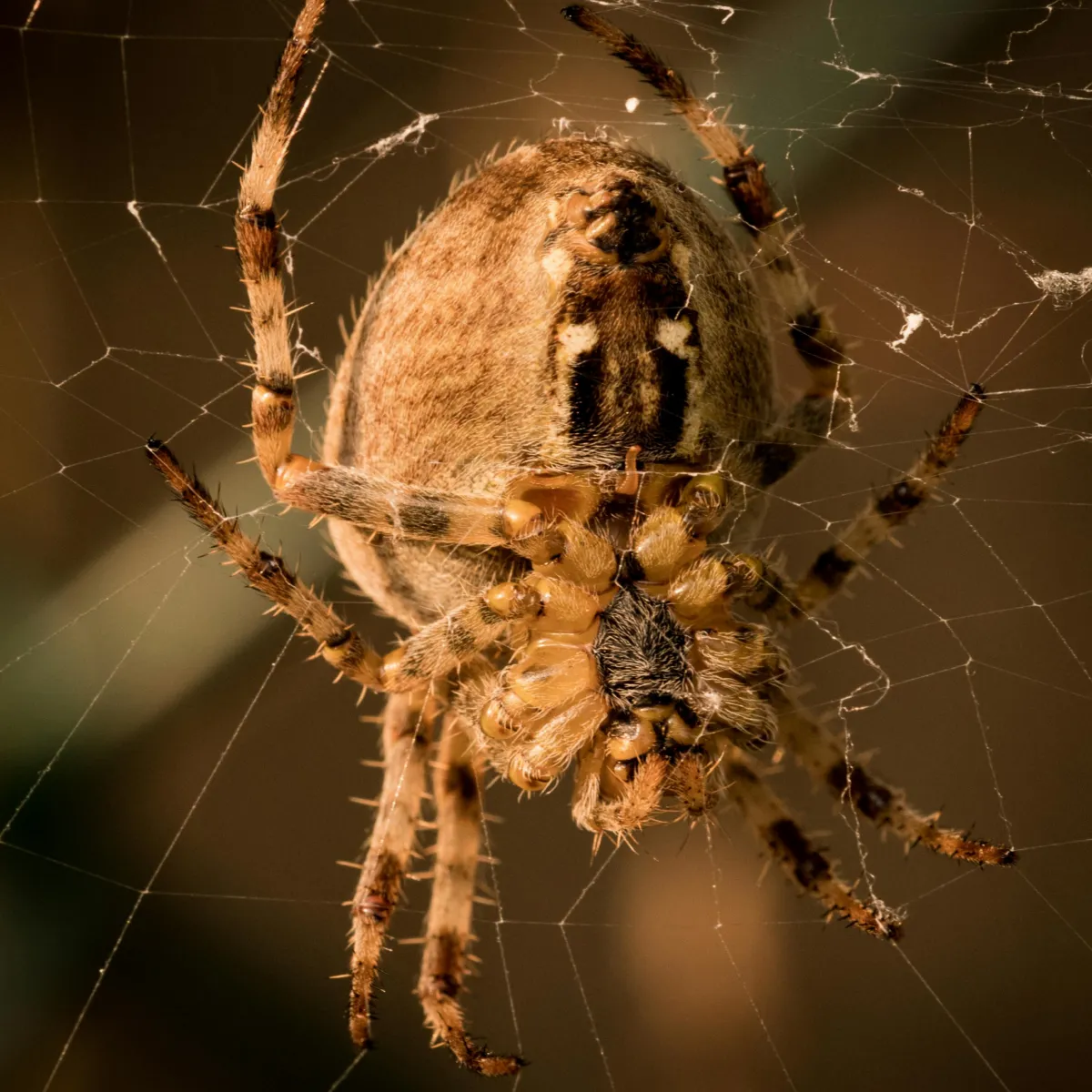
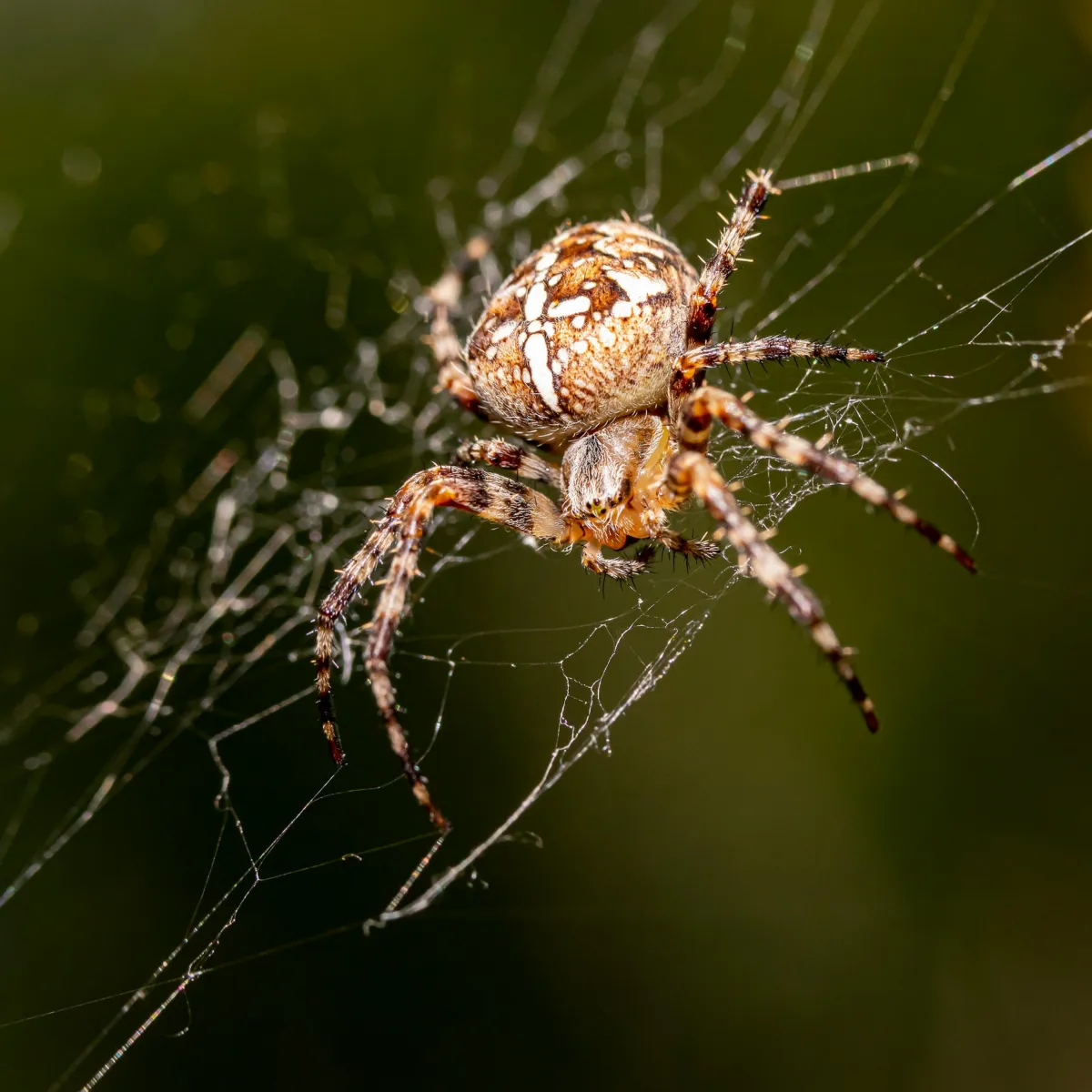
Builders of the large spoked webs across porches, eaves, and gardens from late summer on. They stay outdoors and pose no danger, though one overnight web can block a doorway.
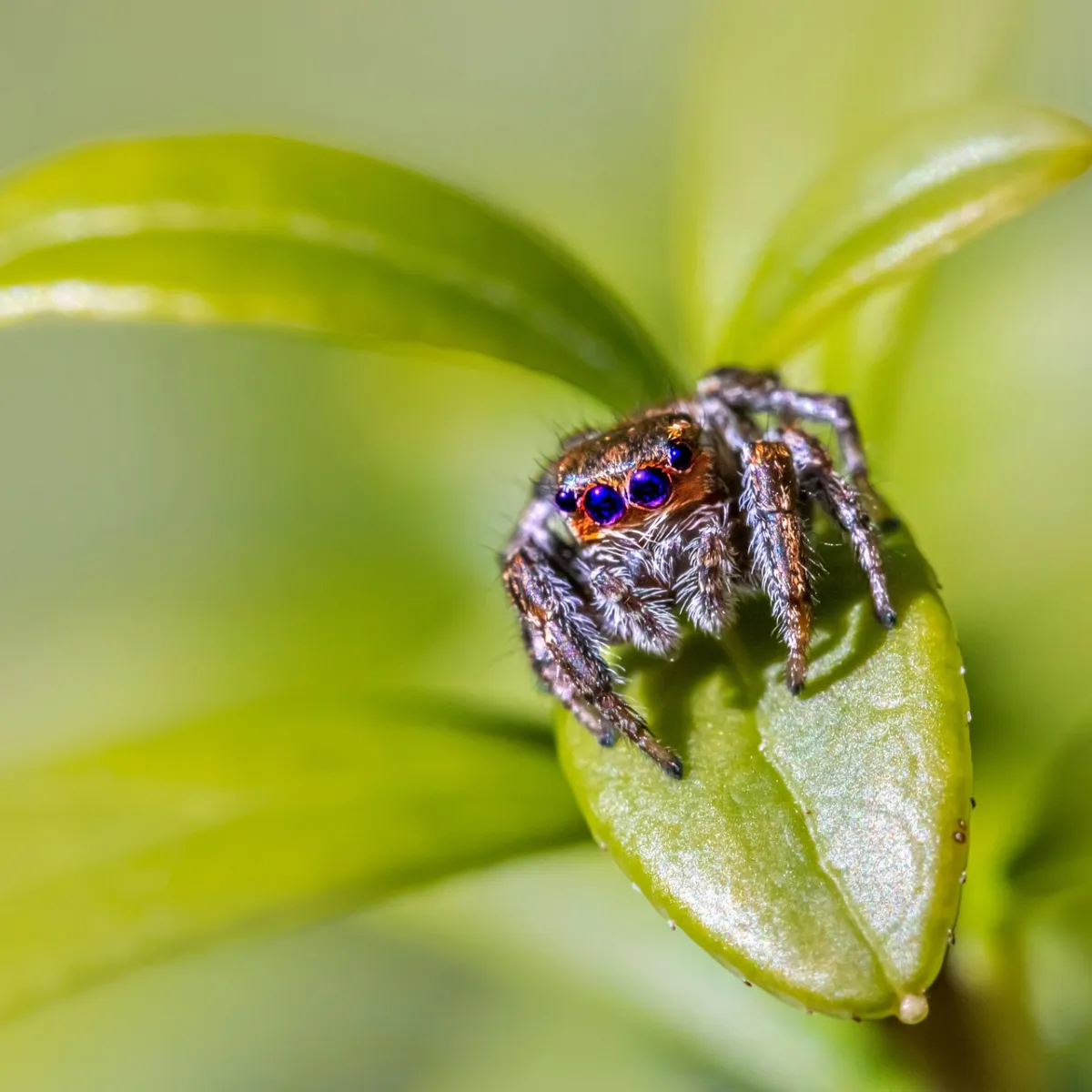
Tiny and sharp-eyed, bouncing along sunlit siding and ledges. Harmless, and useful for picking off other insects.
The signals stack up before it's an infestation
– Frequent indoor sightings, especially in garages, basements, and closets
– New webs in corners, eaves, window frames, and along walls
– Round, papery egg sacs woven into webbing
– Dead insects collecting in webs and on windowsills
– Multiple spiders turning up in different rooms
– Webbing that reappears within days of being cleared
Spiders come inside for reasons you can change
Around Bentonville, a handful of factors pull them indoors:
– They’re chasing the insects that make up their food source
– They seek warmth and shelter as temperatures drop in fall
– They’re drawn to the moisture in basements and crawl spaces
– They want quiet, undisturbed corners for egg laying
– Cracks and gaps around doors, windows, and utilities offer entry
– Mulch, landscaping, and vegetation against the foundation create a path inside
Spiders claim the still, seldom-touched spaces
– Attics, crawl spaces, basements, and garages
– Closets, storage areas, and packed shelves
– Behind furniture and between stored items
– Window corners and roof eaves
– Under deck railings and in shed corners
– Wall cavities and gaps around plumbing and electrical
– Mulch beds and landscaping against the foundation
Bentonville's four seasons shift when spiders peak
Spring: Warming weather triggers breeding and the first outdoor webs around eaves and gardens.
Summer: Peak outdoor activity, with warm, humid conditions keeping webbing heavy around the property.
Fall: The busiest season indoors. Cooling temperatures drive spiders inside to breed and overwinter, spiking indoor sightings.
Winter: Outdoor activity fades, but spiders that moved inside remain in heated basements, attics, and garages.
A spray can treats the symptom, not the source
Aerosol cans reach only the spiders in plain sight and never touch the egg sacs, which hatch replacements within days. Off-the-shelf products ignore the insects spiders hunt, the entry points they use, and the moisture drawing them in. Professional service ties all of that together with residual treatments, integrated pest management, and a follow-up schedule, so the relief actually holds.
A few home habits cut spider activity between visits
– Seal cracks and gaps around doors, windows, utility lines, and the foundation
– Repair torn window and door screens
– Declutter basements, attics, garages, and storage
– Keep mulch and vegetation pulled back from the foundation
– Vacuum regularly and remove webs and egg sacs as you spot them
– Use LED or yellow exterior bulbs that draw fewer insects
– Address leaks and damp basements promptly
– Move woodpiles away from the house
Strong treatment and a safe home belong together
All applications are performed by state-certified, licensed technicians who follow label directions precisely. We review safety steps before service, advise on re-entry timing, and discuss any family or pet considerations specific to your home. Your household’s safety is built into the plan from the start.
Local knowledge makes the difference
– Licensed and insured, with applicators certified through the Arkansas State Plant Board
– A Springdale-based team that knows Bentonville, from downtown properties to modern homes near Crystal Bridges and the newer neighborhoods
– 100% satisfaction guarantee, with free re-treatment if spiders return between visits
– Rated 4.5 out of 5 across more than 78,000 homeowners in the Southeast
– Seasonal maintenance plans for year-round protection
– Trained technicians, fast response, and scheduling that works around you
– No long-term contracts
Straight answers make spider control easy to plan
Spider webs reappearing, or worried about recluse or widow activity? Let’s deal with it. Call Fairway Lawns or request a free inspection online, and our Springdale team will identify the problem, treat the active areas, and put prevention in place so the relief lasts. We serve Bentonville and the surrounding Benton County area.