Fire ant treatment for Sevierville lawns that should not feel like obstacle courses
A yard can stay green and still become irritating in all the ways that matter most. Fire ants often cause exactly that. The property may still look fine from the road, but once active mounds start showing up where people walk, work, and spend time outside, the whole lawn begins to feel less natural to use. Fairway Lawns provides professional fire ant control in Sevierville, TN for homeowners dealing with active mounds, recurring fire ant activity, and outdoor spaces that no longer feel easy to move through.
Professional help for active mound activity and the colonies underneath it
A fire ant issue usually becomes bigger than expected because it keeps showing up in the parts of the yard that matter most. One mound might seem manageable at first, especially if it is not directly in the way. Then another forms in open turf, another near where the family moves through the lawn, and the property starts feeling less predictable every time someone steps outside. That is when the problem stops feeling temporary and starts becoming part of daily life around the yard.
Our service is built around that wider kind of disruption. We inspect the property, identify where fire ant pressure is strongest, and treat the lawn based on the actual spread of the infestation. That means the plan is not just meant to quiet one mound for the moment. It is designed to reduce the activity visible now while also addressing the deeper colony pressure driving the problem forward. If fire ants are making your Sevierville yard harder to use normally, Fairway Lawns can help. Call today, request a quote, schedule service, or check availability.
Why fire ants become more than an annoyance once they settle into the lawn?
Fire ants matter because they can turn a completely ordinary outdoor moment into a painful one with almost no warning. Someone can be mowing, crossing the grass, moving tools, or doing a simple task in the yard and disturb an active mound without realizing it. Once that happens, repeated stings can follow quickly. That kind of immediate reaction is what makes fire ants such a frustrating problem around residential properties.
They also affect the broader experience of using the lawn. Active mounds usually mean there is colony pressure below the surface, and that changes how comfortable the property feels for families, pets, and regular outdoor routines. Homeowners start hesitating in places they never used to think twice about. Fire ant control matters because it helps restore the sense that the yard is a usable part of the home instead of a place that has to be managed around an infestation.
What usually signals the problem is active in the lawn
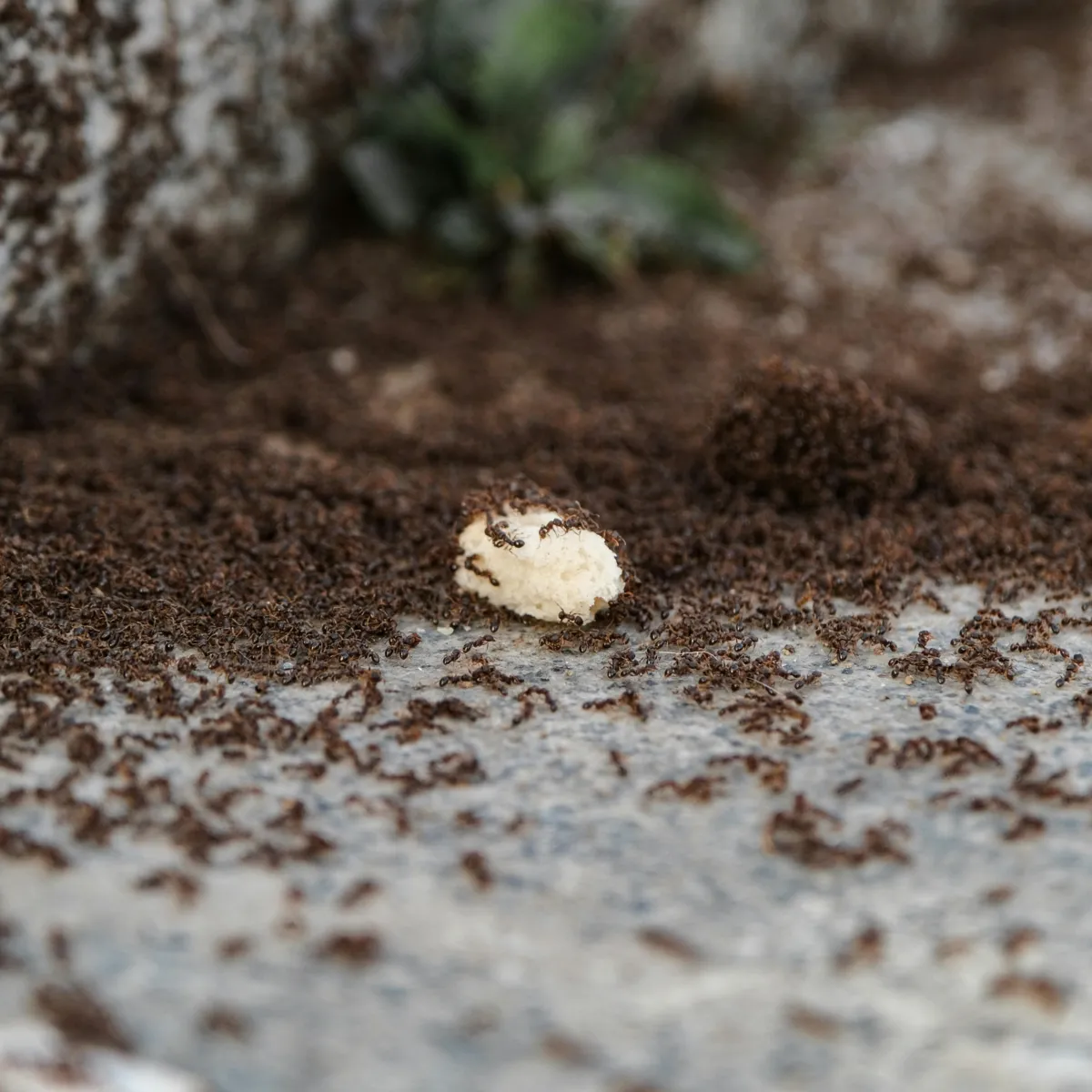
One of the easiest signs to spot is a mound of loose, sandy soil in an open section of grass. These mounds often stand out more after rainfall, when fresh soil pushed to the surface looks more obvious against the turf. In some yards, that first mound seems isolated long enough to make the issue look manageable. In others, new mounds begin appearing in separate spots quickly enough that the scope of the problem becomes much clearer.
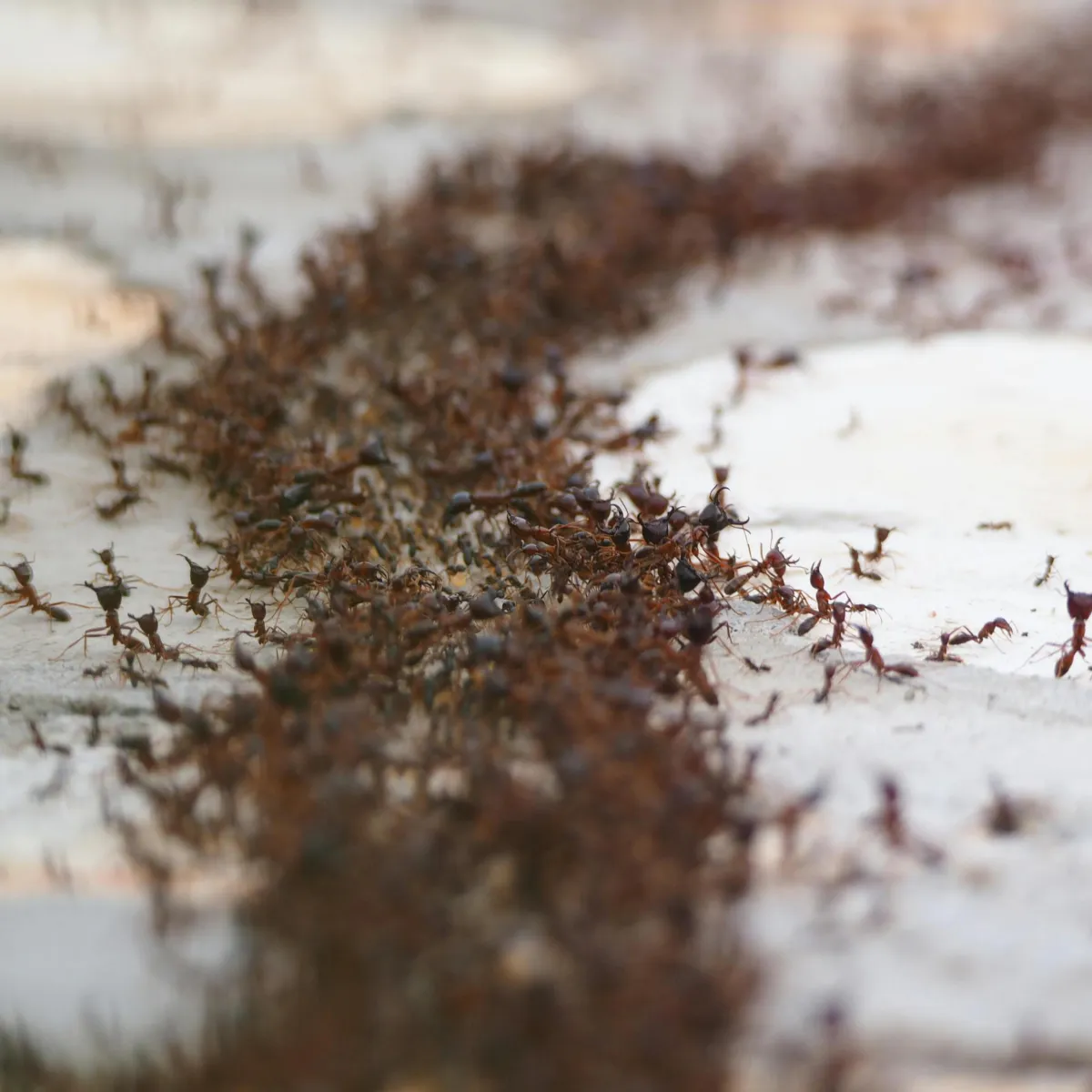
Other signs usually follow that pattern. Fire ants are commonly reddish-brown and move quickly when their mound is disturbed. Repeated sting incidents in one section of the lawn, pets reacting to the same area more than once, or fresh mound activity showing up where the property looked clear recently can all point to active colony pressure below the surface. When those signs keep repeating, the yard is usually dealing with more than one isolated surface issue.
What fire ants usually look like in a Sevierville yard
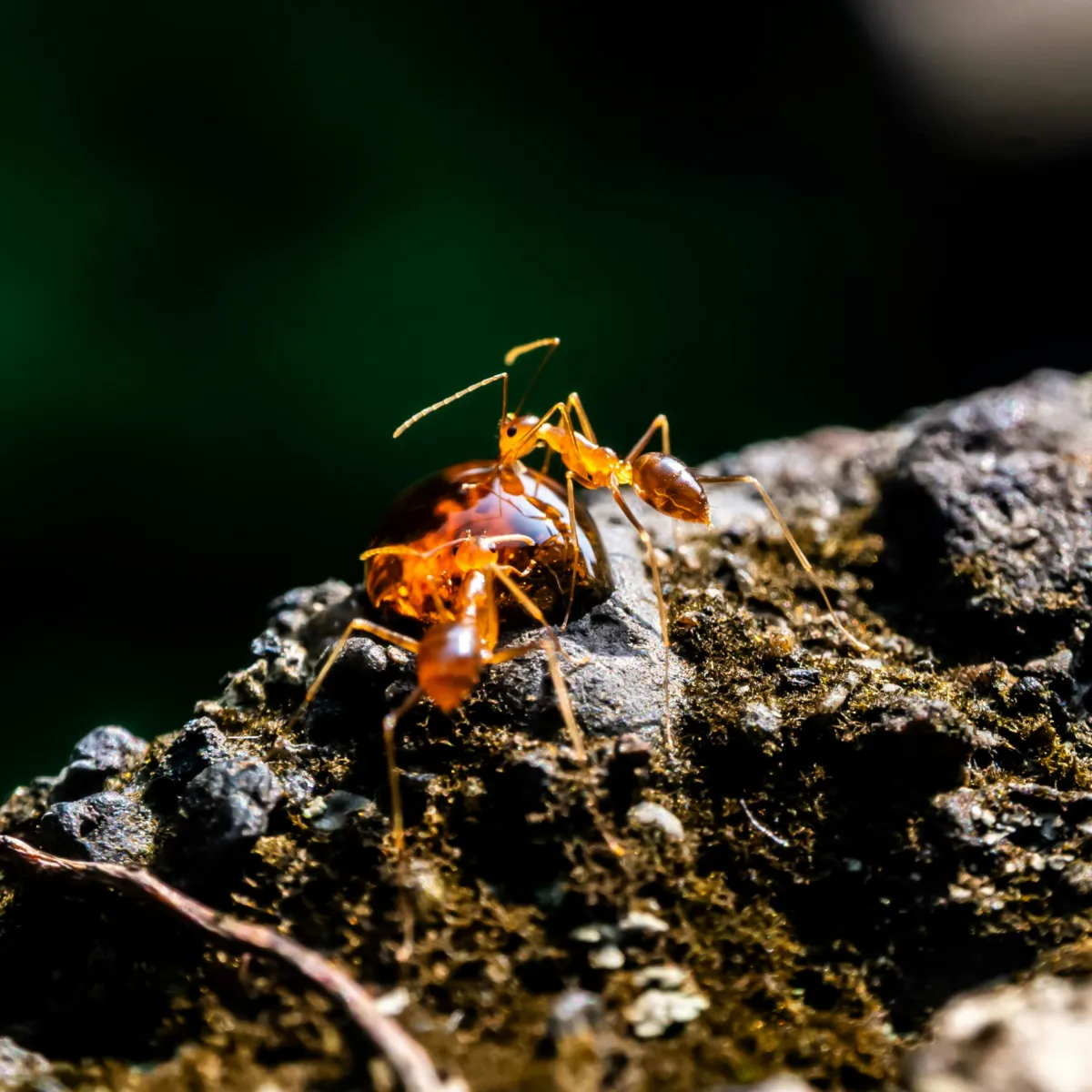
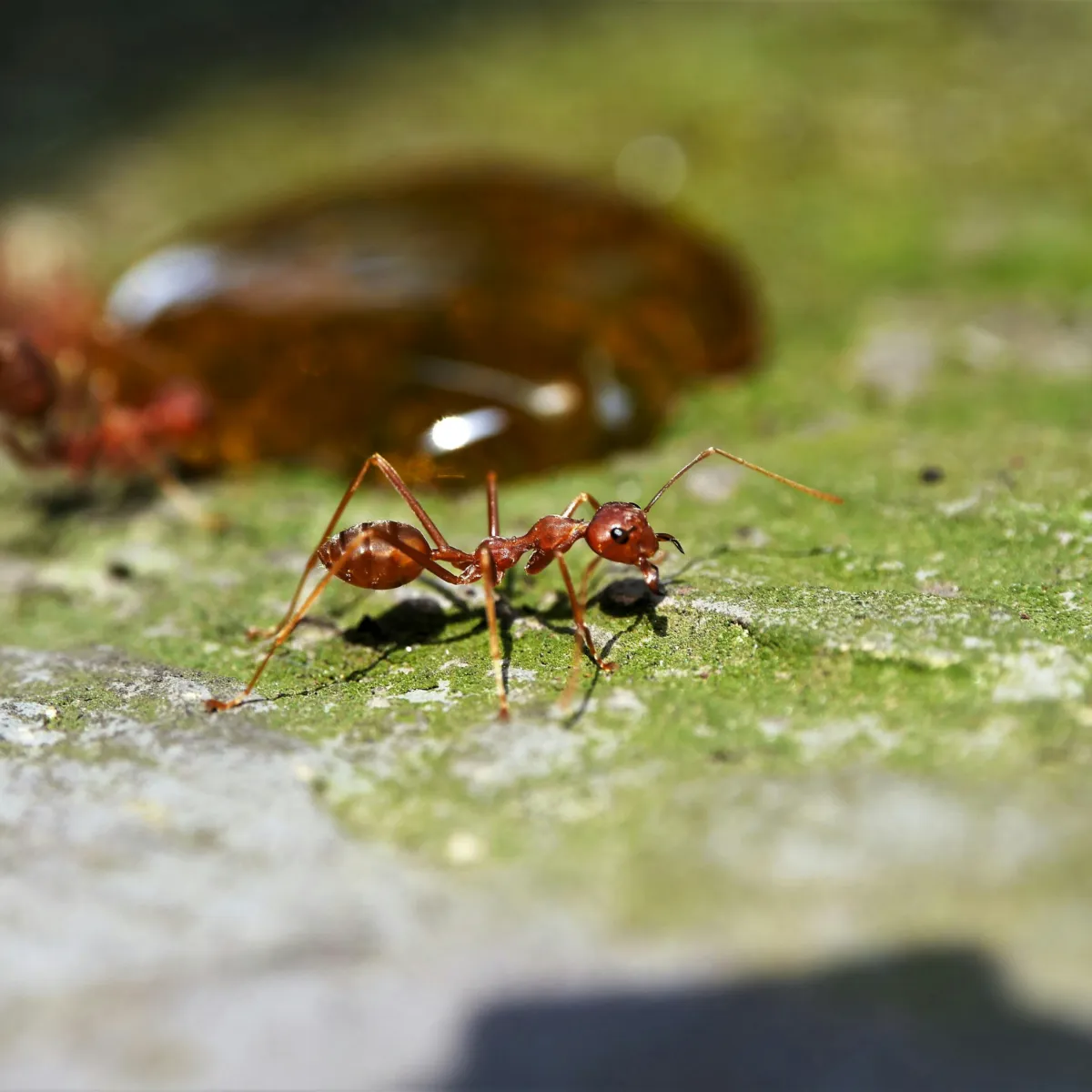
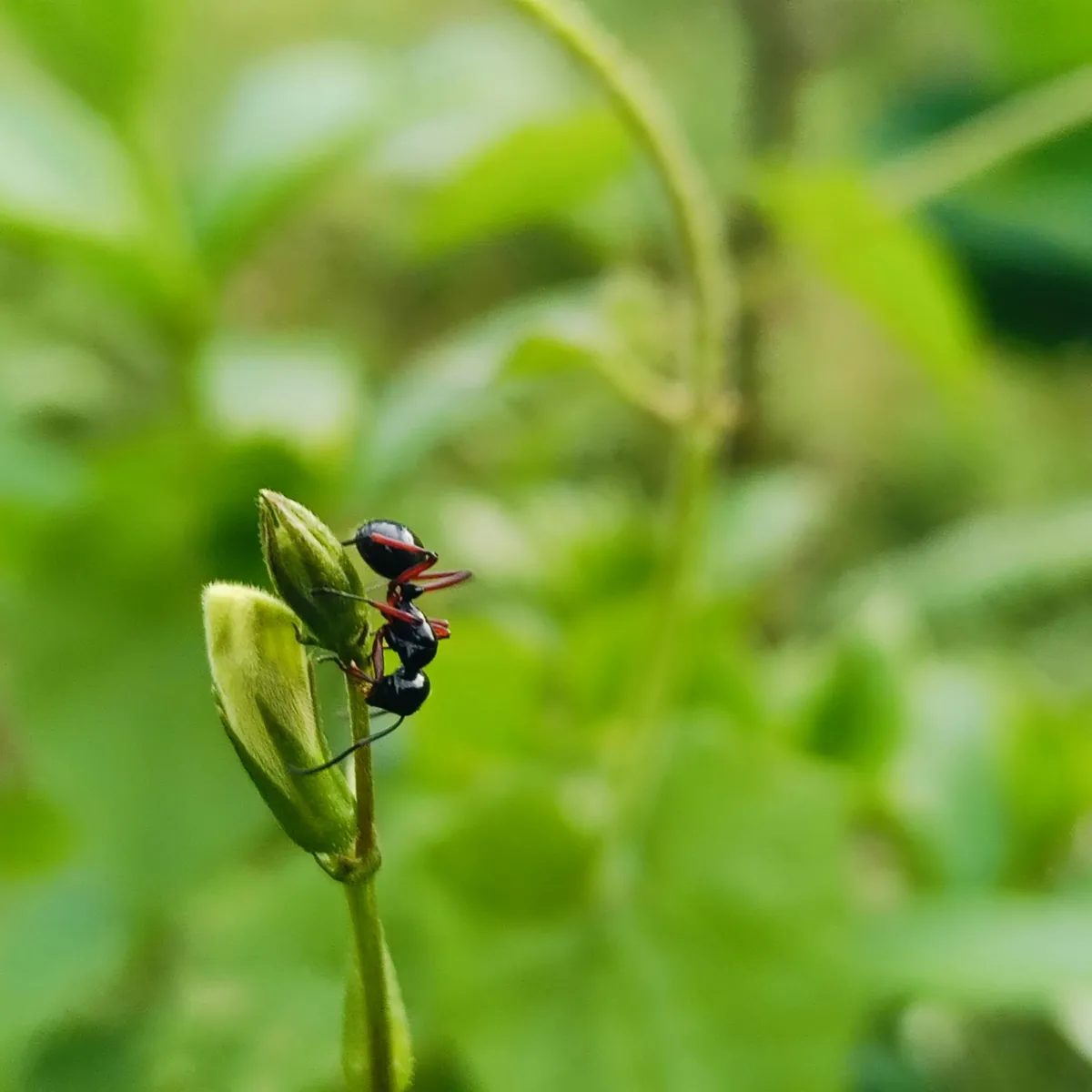
Fire ants are small ants that are generally reddish or reddish-brown in color. They often range from about 1.6 to 5 mm in length, and workers within the same colony may vary in size. Homeowners often notice them through the combination of mound shape, body color, and how quickly they rush out when the nest is disturbed rather than through any single exact detail.
They commonly build in open, sunny areas of turf, around driveways, beside sidewalks, near flower beds, or anywhere the soil stays exposed enough to warm up well. Even when a mound does not appear especially large, the colony beneath it can still be active enough to create repeated issues across the property. That is one reason fire ants are easy to underestimate at first.
Why fire ants are difficult to fully get rid of?
Fire ants are difficult to eliminate because the visible mound is only the part of the colony that homeowners can easily see. Most of the infestation remains underground, and some colonies may involve multiple queens. That makes the issue more persistent than it first appears. A mound may look improved while enough of the deeper colony remains active to rebuild or shift activity elsewhere in the yard.
That is why so many at-home treatments fall short over time. Sprays may affect visible ants without reducing enough of the underground problem to keep fresh mounds from forming later. Baits also depend on feeding conditions and can be influenced by heat, rain, yard moisture, and timing. The lawn may appear better briefly and then show new activity because the actual source of the problem was never fully addressed.
How our fire ant control service works
We begin by inspecting the property and visible mound activity to understand where fire ants are active and how widespread the issue appears to be. That helps us determine whether the lawn is dealing with a few isolated active spots or a broader pattern of colony pressure across more of the property. The inspection gives us a clearer picture of what the yard is actually facing.
After the inspection, we treat active mounds and the lawn areas tied to that activity. The goal is to reduce the current fire ant pressure and help prevent new mound formation from continuing to interfere with how the property gets used. Depending on what we find and how the yard responds, follow-up or monitoring may also be recommended. The service is built around the actual conditions in that property instead of around a generic treatment model.
Treatment options that fit the actual spread of activity
Not every fire ant problem looks the same, which is why treatment options may vary from one lawn to another. Some properties need broader coverage when fire ant activity is showing up across several sections of the yard, while others are better suited to direct mound treatment when the issue is tied to a smaller number of active colonies. In certain situations, a two-step treatment plan may be the stronger choice, using bait-based treatment to help target the colony and mound drench treatment where more direct control is needed. We walk homeowners through those options so the treatment makes sense for the property and does not feel like a generic one-size-fits-all service.
Why DIY and professional treatment usually feel very different?
DIY treatment often looks successful early because the visible mound changes quickly. It may flatten or appear less active, which can make it seem like the problem is nearly solved. The issue is that surface change does not always mean the underground colony has been reduced enough to stop later activity. That is why new mounds often appear after the yard seemed improved.
There is also the challenge of treating an active mound without stirring it up. Baits depend on the ants feeding under the right conditions, and direct treatment can trigger swarming if timing is off. Rain, lawn moisture, and temperature can all affect how reliable the result will be. Professional service usually gives a better outcome because the treatment is chosen around the actual yard conditions and the severity of the infestation from the start.
Why fire ants can be dangerous around the home?
Fire ants can sting repeatedly, and those stings may cause burning pain, swelling, red bumps, or pustules. One of the biggest concerns is how quickly a completely normal outdoor moment can turn into a sting problem. A person may be doing something simple in the yard and suddenly realize an active mound was much closer than expected.
Some people may also have stronger reactions that require medical attention. Children, pets, and anyone who spends regular time outside may be the most exposed when active mounds are present in the parts of the lawn that get used most. Fire ants can be dangerous because they bring repeated sting risk into everyday outdoor spaces that should otherwise feel safe and routine.
What to know about treatment around family and pets
Treatments should always be applied according to label directions, and homeowners should receive clear re-entry guidance after service. That matters because treatment should solve the infestation without leaving the household uncertain about when the lawn can safely be used again. Clear aftercare helps make the service easier to follow in daily life.
Depending on the product used and the property conditions at the time of service, children, pets, and other family members may need to stay off treated sections until the application is dry or otherwise settled. Those directions should be easy to follow and specific enough that outdoor use can safely resume.
Why homeowners choose Fairway Lawns for fire ant control?
Homeowners choose Fairway Lawns because they want lawn and pest experience backed by a professional inspection and treatment recommendations that fit the property. We take time to identify where fire ants are active, explain the service plan clearly, and provide family- and pet-conscious guidance based on how the lawn is actually used.
We also offer convenient scheduling, a free quote, and seasonal protection options where appropriate. If satisfaction guarantees apply in your service area, we can explain those during the service conversation. For Sevierville homeowners who want the yard to feel normal and comfortable again, Fairway Lawns is ready to help.
Common questions about fire ants in Sevierville lawns
Your yard should not feel like it comes with built-in obstacles every time you step outside.
Contact Fairway Lawns today for a quote and professional fire ant treatment in Sevierville, TN.