Get your lawn back on track with 50% OFF first application!* 50% OFF First Application!* Call Now

Some of the worst tick pressure in a yard starts in the quiet strips most homeowners pass every day without a second thought.

Tick Control in Clinton, TN

Around Clinton, a property does not have to look wild or neglected to start having tick trouble. A trimmed lawn can still have the wrong mix of shade, moisture, and cover in the back corners, along a fence, beside a shed, or where the grass thins into rougher growth. Those are the places that often stay out of mind until a pet brings the issue closer to the house or somebody notices ticks after spending time outside.

Fairway Lawns provides tick control in Clinton, TN for homeowners who want to deal with the source of the problem instead of waiting for the next surprise. The work is built around how a yard actually behaves through changing weather, not just how it looks from the driveway. When the areas that keep holding activity are identified and treated the right way, the yard starts feeling like usable outdoor space again instead of something that always comes with a question mark.
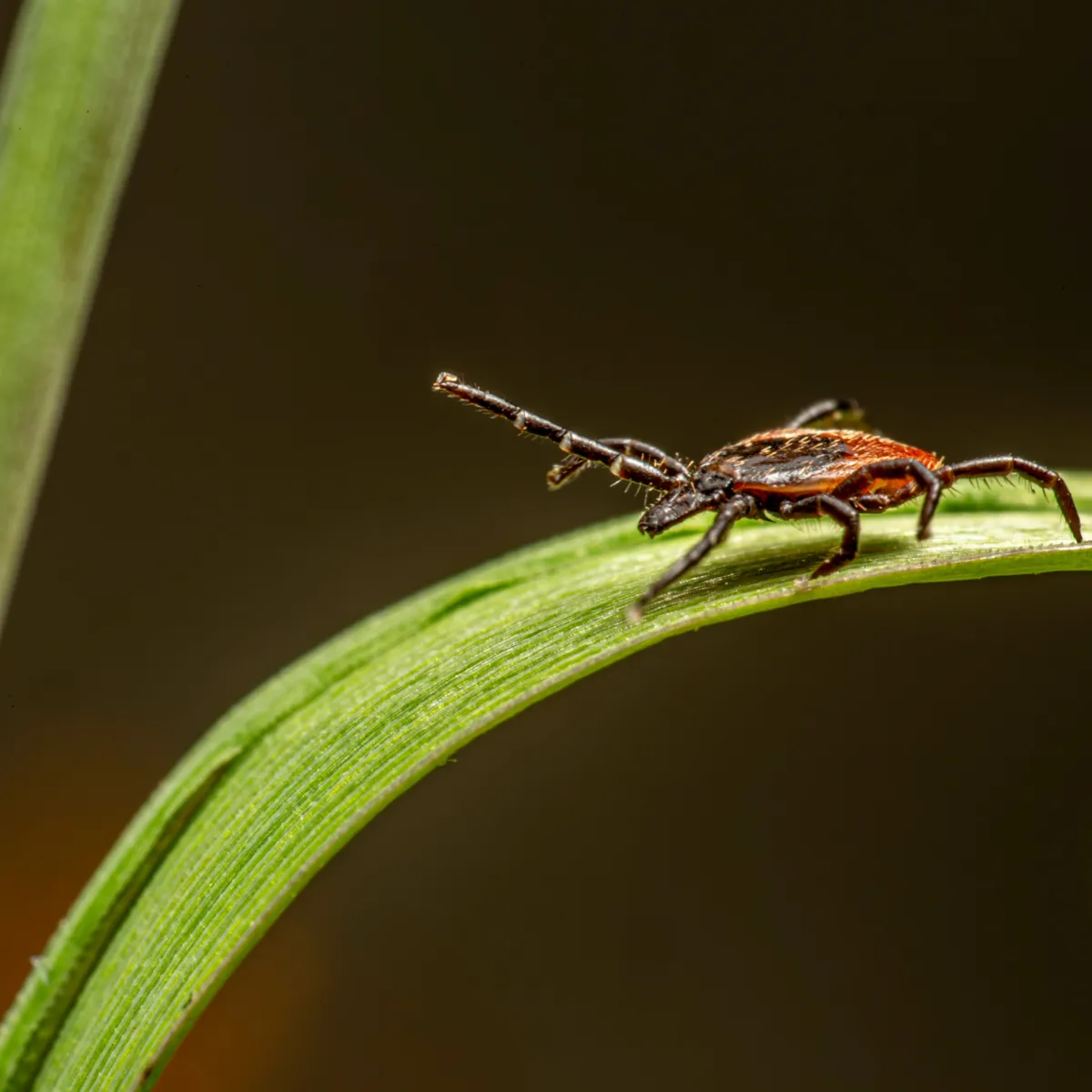
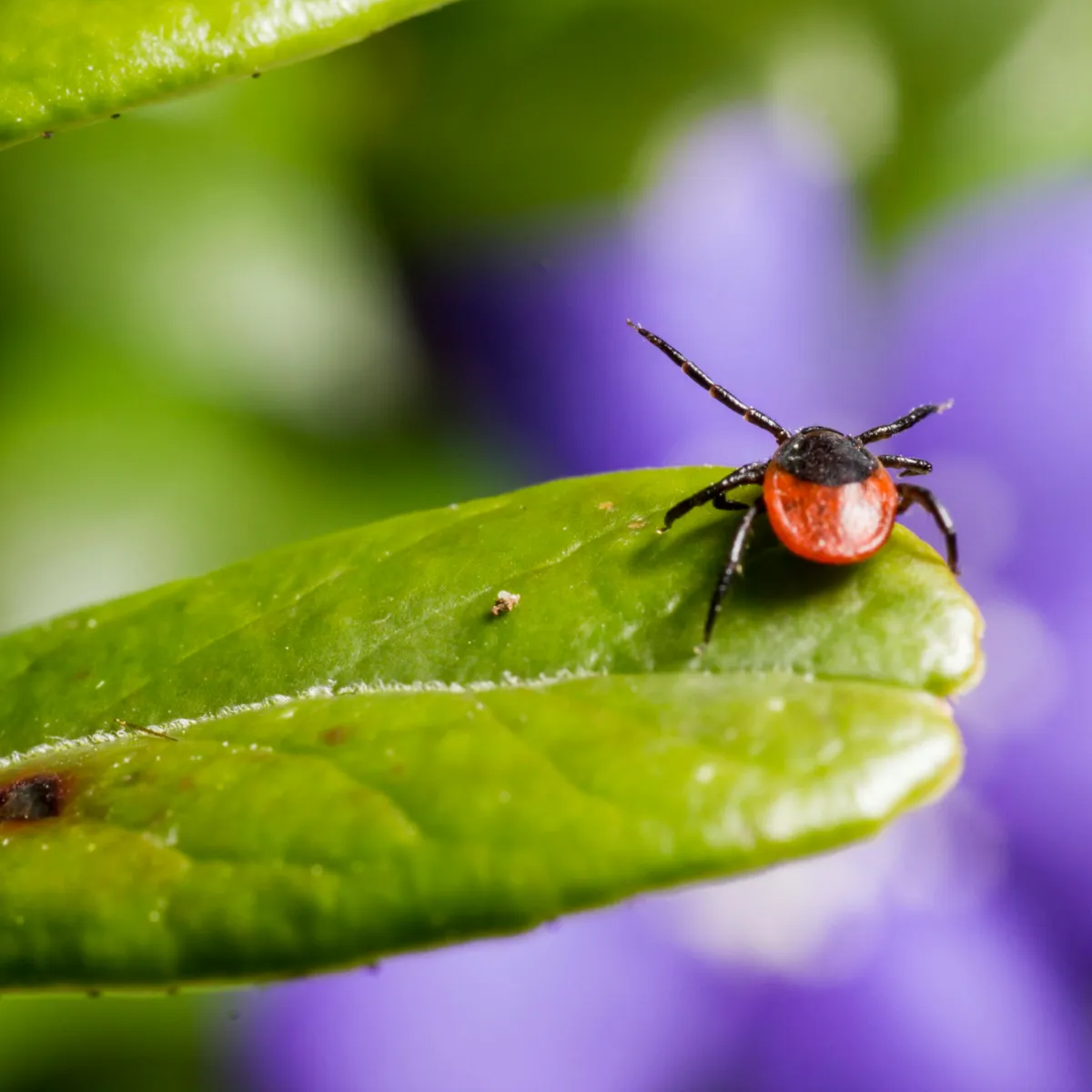
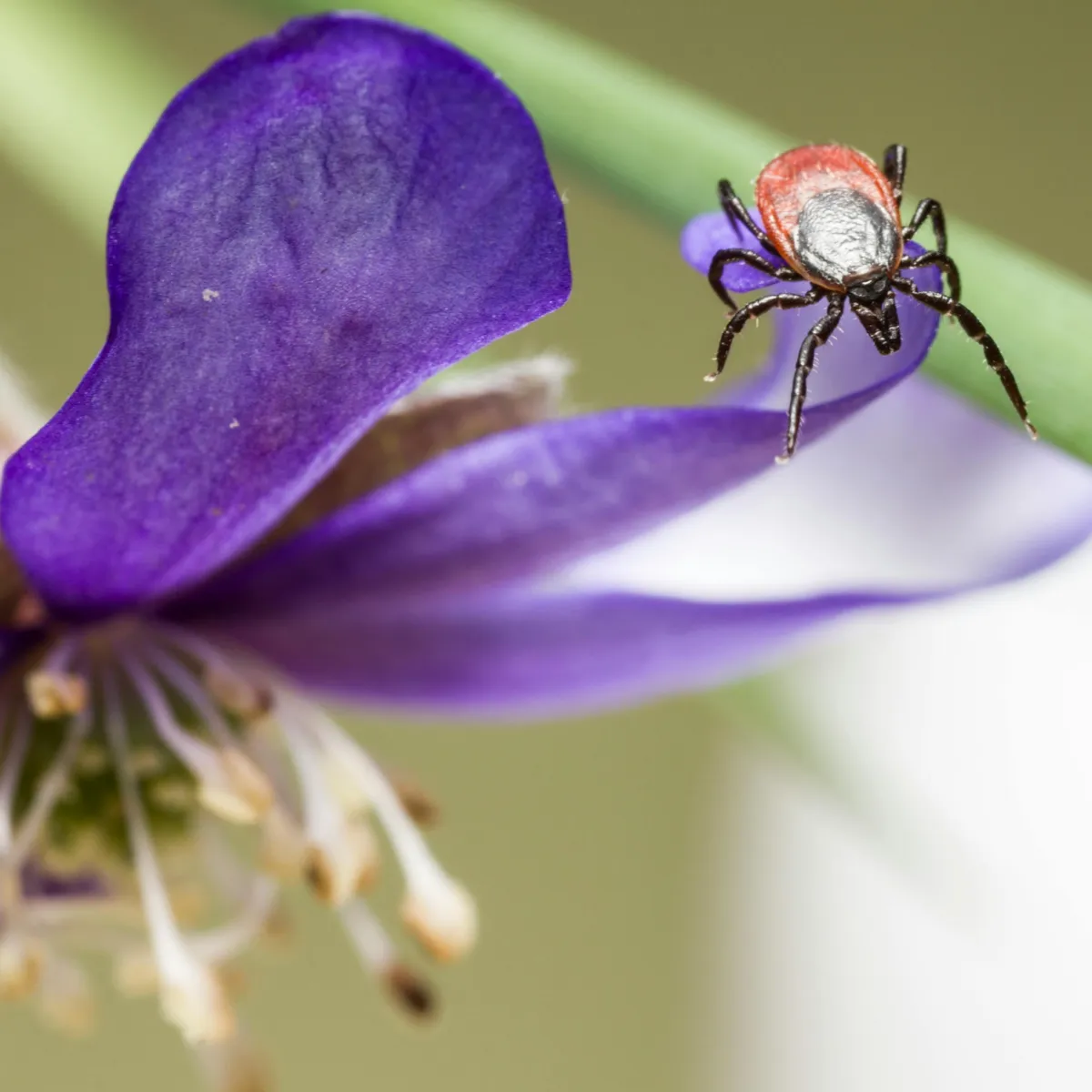
Professional Tick Control Services in Clinton, TN

Most yards in Clinton do not have a blanket problem from front to back. They have a pattern. It may be the low strip near the back line that never seems to dry as quickly as the rest of the lawn, the foundation bed that stays thick through the season, or the narrow side yard where shade hangs around most of the day. On some properties, the issue develops where open turf gives way to tree cover or rougher vegetation. On others, it follows the routes pets use every single day.

That is why the service starts with a close look at the layout of the property and the sections most likely to keep producing activity. Treatment is then directed to those trouble areas and to the nearby spaces people use most often, including lawns, patios, walkways, pet runs, play areas, and the transitions between maintained grass and heavier cover. The goal is not to chase the problem after it spreads. The goal is to get ahead of the parts of the yard that keep causing it.

The best way to handle a yard problem is to work from the hidden source areas toward the places where daily life actually happens.

Our Tick Control Process

Inspect the Property

The first step is reading the yard the way it functions in real conditions. Shade, drainage, thicker cover, pet movement, and the transition from open lawn to rougher edges all tell the story. That inspection helps separate the areas that simply look green from the areas that are quietly supporting repeat activity.

Treat Tick-Prone Areas

Once the likely holding spots are identified, treatment is applied where ticks are most likely to remain active. That often includes shaded borders, denser vegetation, fence lines, damp low sections, and the rougher edges that do most of the work behind the scenes.

Create a Protective Barrier

After the source zones are treated, attention shifts to the parts of the property that are used the most. Lawns, patios, walkways, pet spaces, and outdoor seating areas are all part of that plan. The idea is to reduce movement from hidden sections into the places where people and pets spend time.

Continue Protection

Because the yard changes with weather, growth, and ground moisture, continued protection matters. A section that dries quickly one month may hold cover and dampness the next. Ongoing service helps keep those shifts from turning into the same old problem again.

Ticks become a bigger issue when they stop being a hidden edge-of-the-yard problem and start affecting the way the whole property gets used.

Why Tick Control Matters in Clinton?

A lot of homeowners do not realize the yard is supporting ticks until the issue has already started interfering with normal routines. Sometimes it is a dog coming back in from outside with one. Sometimes it is finding one after mowing, gardening, or walking near a border that did not seem important before. That delay is what makes yard activity so frustrating. The source is usually there first, and the discovery comes later.

Clinton’s mix of warm weather, seasonal moisture, and steady plant growth makes it easy for certain parts of a property to stay favorable longer than expected. That does not mean the entire yard is a problem. More often, it means a few sections stay comfortable for ticks while the rest of the property looks completely manageable. If those sections are left alone, they tend to keep feeding the same issue back into the spaces the household uses every week.

The most active parts of a yard are usually not the most visible parts, they are the sections where the ground stays protected and the cover stays close.

Where Ticks Hide Around Your Yard?

Ticks usually hold in the lower, quieter areas of a property where sunlight is limited and the soil does not dry quickly. That often means taller grass along a fence, thicker beds around shrubs, mulch lines with leaf buildup, or the outer edges of the yard where maintained turf turns into rough growth. These places do not always look dramatic, but they create the kind of shelter ticks rely on.

Other common holding areas include the space under decks, around outbuildings, behind ornamental plantings, and along tree lines where wildlife movement is more likely. The same route a dog takes every day can run right through the exact type of cover ticks prefer. In many yards, the issue is not one obvious hotspot. It is a handful of smaller areas working together and steadily pushing activity toward the parts of the property people use most.

The real payoff is not just fewer ticks on paper, it is having a yard that feels simpler to use from one week to the next.

Tick Prevention for Families and Pets

For most families, tick control becomes important because of routine. Dogs do not avoid the shady edge of the property because it looks cooler and heavier than the lawn. Children do not stop at the border of a bed because leaves have built up around it. People use outdoor space the way they always have, which is exactly why hidden activity becomes such a headache once it starts showing up in the wrong places.

That is why treatment needs to support the way the property is actually lived in. The lawn, the path to the back gate, the patio, the play area, and the route the dog runs along the fence are all connected. When pressure is reduced around those spaces, the whole yard becomes easier to use. The difference usually shows up in small ways first, and then in the overall comfort of being outside without second-guessing every edge of the property.

The weather changes the yard in stages, and each stage affects the parts of the property that stay favorable the longest.

Seasonal Tick Control in Clinton

Before the season is in full swing, spring usually starts shifting conditions in the yard faster than people expect. Growth fills in, the soil softens, and the difference between open lawn and protected borders becomes more obvious. A section that looked harmless during colder weeks can begin holding moisture and cover once temperatures rise, especially near fences, shrubs, and back edges where grass and rougher growth meet.

Summer changes the property differently. The middle of the lawn may dry quickly and look fine, but the more protected sections of the yard often behave nothing like the open turf. The line beside a hedge, the area behind a storage building, the bed near the foundation, or the strip under tree cover can stay cooler and more sheltered. Those are often the sections that keep activity going while the rest of the yard appears less favorable.

Once fall arrives, many homeowners expect the issue to fade, but certain areas can keep enough cover and moisture to stay active longer than expected. Leaves begin to collect, airflow changes, and some borders become heavier instead of lighter. If one part of the property already had a tendency to hold activity earlier in the year, fall often keeps that same pattern alive.

Rain matters through all of it. One stretch of the yard may dry quickly while another stays damp for days. That difference is often one of the clearest clues to why the same few places turn into repeat trouble spots. It is not just about weather on paper. It is about how the ground on that specific property reacts to it.

The strongest service usually comes from understanding how a yard behaves over time, not from guessing based on appearance alone.

Why Choose Fairway Lawns for Tick Control in Clinton?

Effective tick control depends on knowing where the property is actually creating pressure. On most yards, the issue does not come from the entire lawn. It comes from a few sections where shade, moisture, and low cover keep lining up the wrong way. If those places are missed, the problem often returns. If those places are identified and treated with purpose, the result tends to hold much better.

Fairway Lawns provides licensed service, trained technicians, and treatment plans built around real yard conditions. Homeowners are not looking for a generic answer. They want someone to walk the property, understand which sections are feeding the issue, and address the parts of the yard that matter most. That practical approach is what makes the service more useful than simply treating whatever happens to be easiest to reach.

Yard maintenance can help, but it works best when it supports the treatment plan instead of trying to carry the whole job by itself.

Tick Prevention Tips

Basic upkeep still matters. Grass that stays cut back is less likely to hold the kind of low cover ticks prefer. Leaf piles and yard debris should not be left sitting along fence lines, behind structures, or near thicker planting where moisture tends to collect. Heavier growth around sheds, decks, and back borders is also worth watching because those are the places where favorable conditions can build quietly.

It also helps to pay attention to where pets move and which sections of the yard stay damp after rain. If one route always runs along thicker cover, or one edge of the property never seems to dry as fast as the rest, those are good signs that the area deserves extra attention. These habits help, but when activity is already established, they usually work best alongside treatment instead of as a substitute for it.

Sometimes the smartest first move is to knock back the worst section of the property and learn from how the yard responds.

One-Time Tick Treatments

A one-time treatment can make sense when activity is clearly tied to one part of the yard. That could be a shaded fence line, a dog path beside a border, a damp back corner, or a stretch near the patio that has become hard to ignore. In that kind of situation, focused treatment can help bring quick relief in the area causing the most concern.

For some homeowners, that may be enough. For others, it becomes the first step before deciding whether the rest of the yard is likely to need longer-term support. Either way, a one-time visit can be useful when the issue is localized and the goal is to deal with one obvious problem zone without overcommitting too early.

When the same yard conditions keep coming back, regular service usually works better than waiting for the same headache to rebuild itself.

Recurring Tick Control

Recurring service is often the better fit for properties where the same sections of the yard keep staying favorable. Shade does not move much. Damp corners do not fix themselves. Dense borders do not usually open up on their own. If the layout of the property keeps supporting activity, the most practical approach is often to stay ahead of it instead of reacting to each new round.

For many homeowners, recurring service is what keeps the yard from falling back into the same pattern of short-term improvement followed by the same repeat problem. It gives the property a steadier level of protection through changing weather and growth.

Nearby homes may look different at first glance, but many of them deal with the same kinds of hidden yard conditions.

Tick Control Near Clinton / Areas Served

Fairway Lawns provides tick control in Clinton and surrounding Knoxville-area communities where properties often share similar issues, including tree cover, rough borders, mixed landscaping, shifting ground moisture, and uneven shade. Even when lot sizes and layouts vary, the same kinds of pressure points tend to show up again and again across the area.

The most helpful questions usually come from the parts of the yard that keep repeating the same behavior.

Tick Control FAQs

Get a Quote for Tick Control in Clinton

If ticks keep turning up around the yard, Fairway Lawns can help identify the sections that are driving the problem and treat them directly. Contact us today to request a quote for tick control in Clinton, TN.