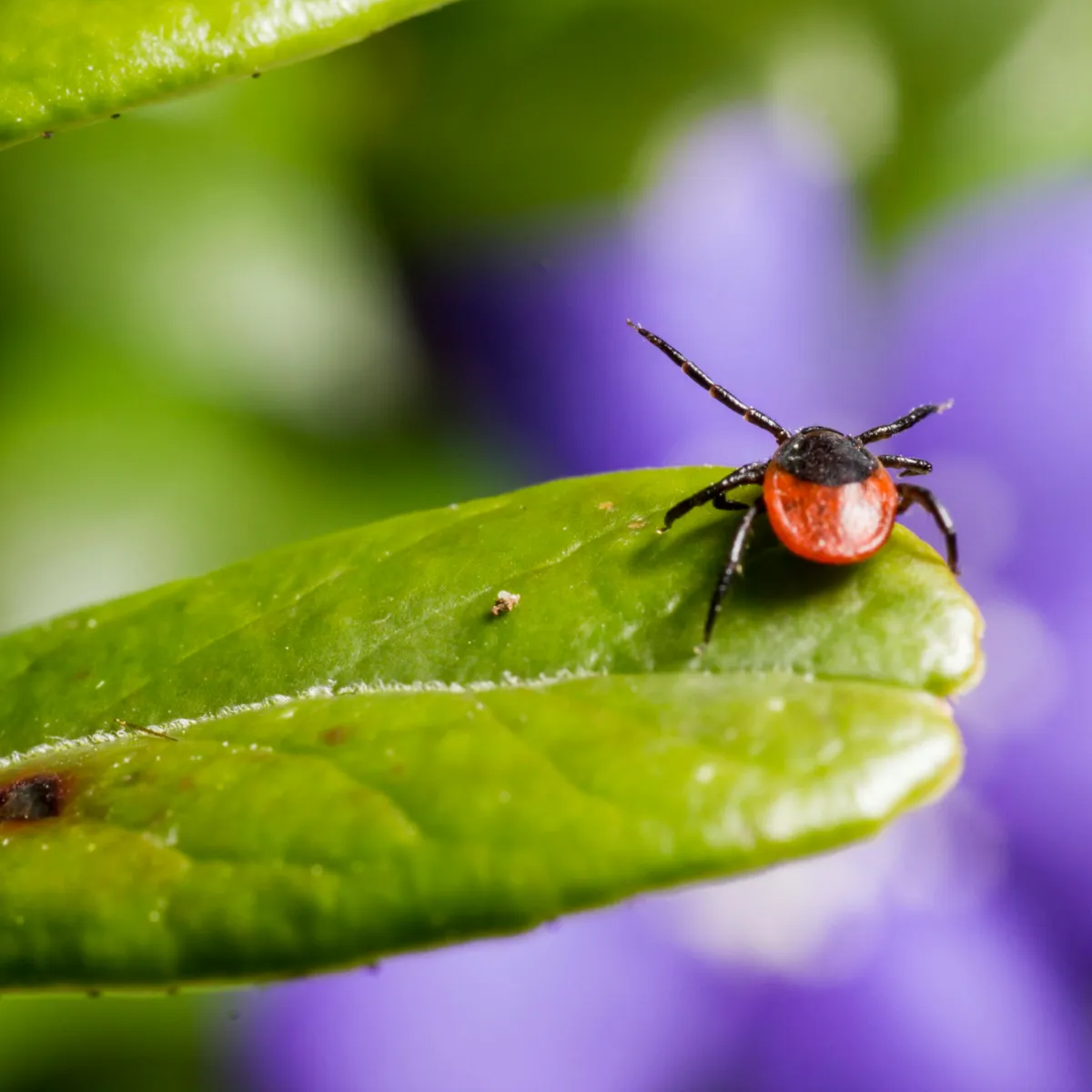
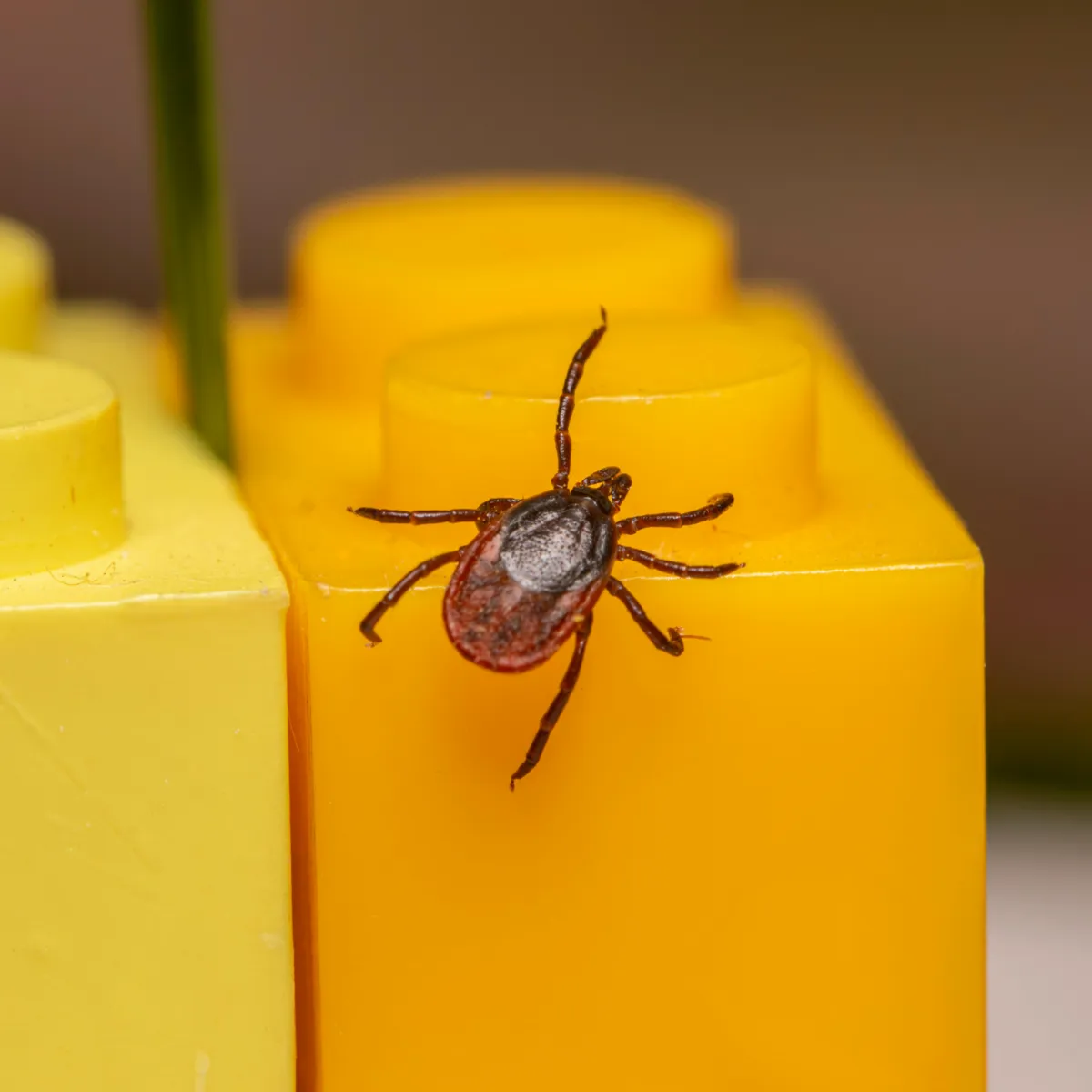
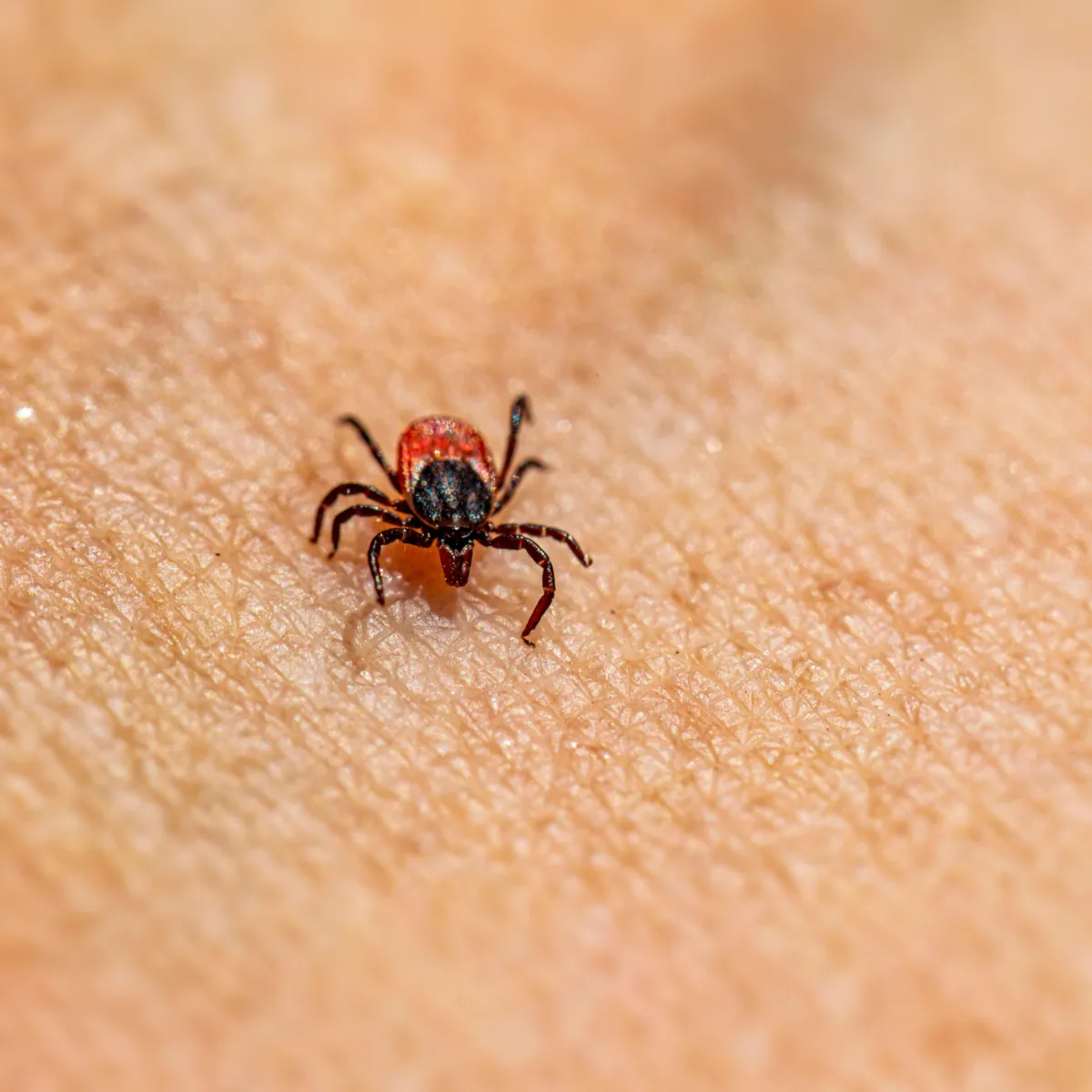
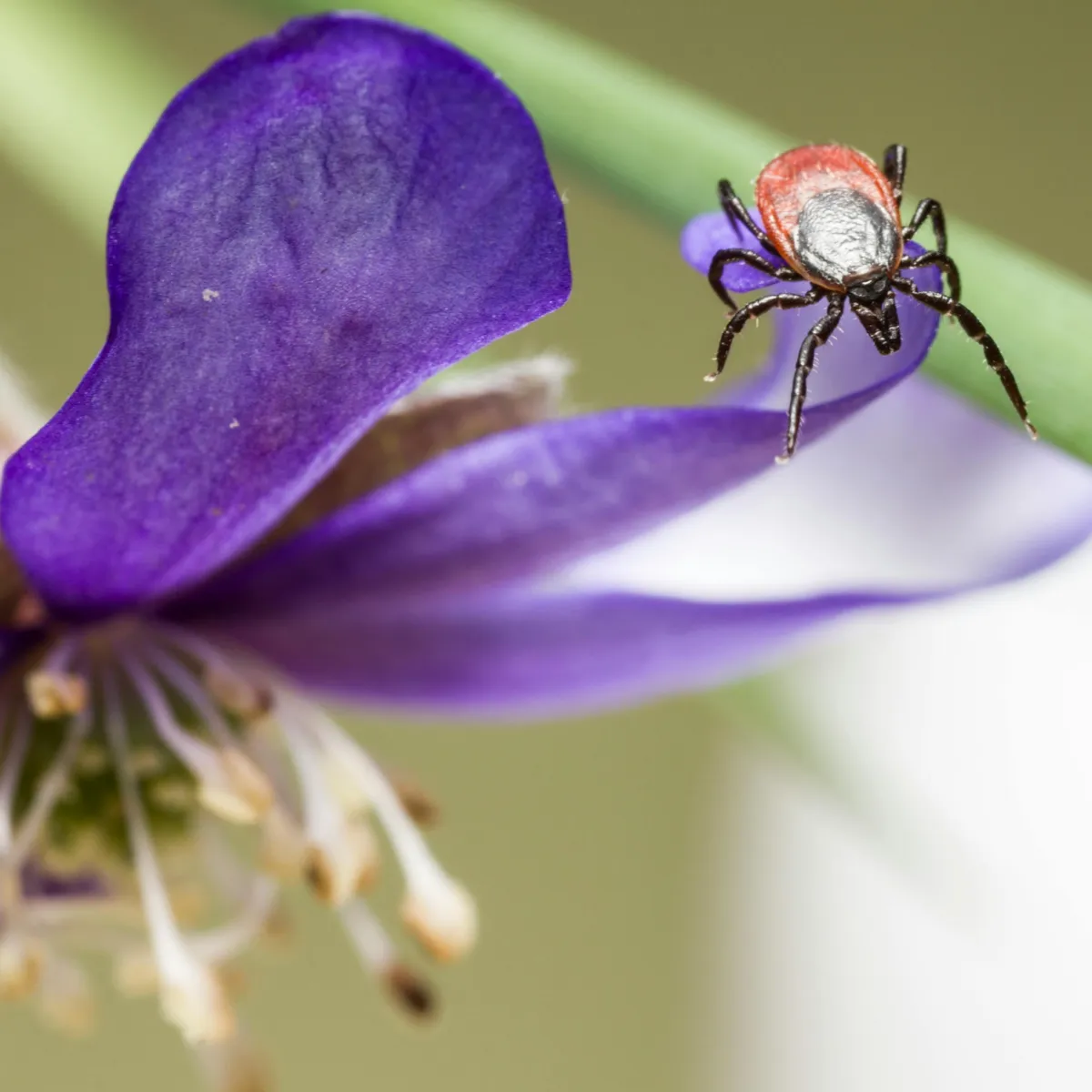
Manicured subdivisions still back up to greenways where ticks thrive
Madison has grown into one of the most sought-after addresses west of Huntsville, a place of planned neighborhoods, top-rated schools, and a steady stream of families drawn by the region’s aerospace and tech work. What many newcomers do not anticipate is how often those tidy subdivisions butt right against Indian Creek, common-area woods, and the wooded shoulders of Rainbow Mountain, all of which give ticks a foothold. A flawless front lawn does nothing to stop a tick that wandered in from the greenbelt behind the fence.
Fairway Lawns delivers professional tick control in Madison, AL for homeowners who would rather prevent the problem than scramble after it. Our crews work the shaded, humid, brushy ground where ticks gather before they ever reach the play set or the patio. Schedule a single visit or a recurring plan through the warm months, count on a free quote up front, and on recurring service we will return at no extra charge if ticks creep back between treatments.
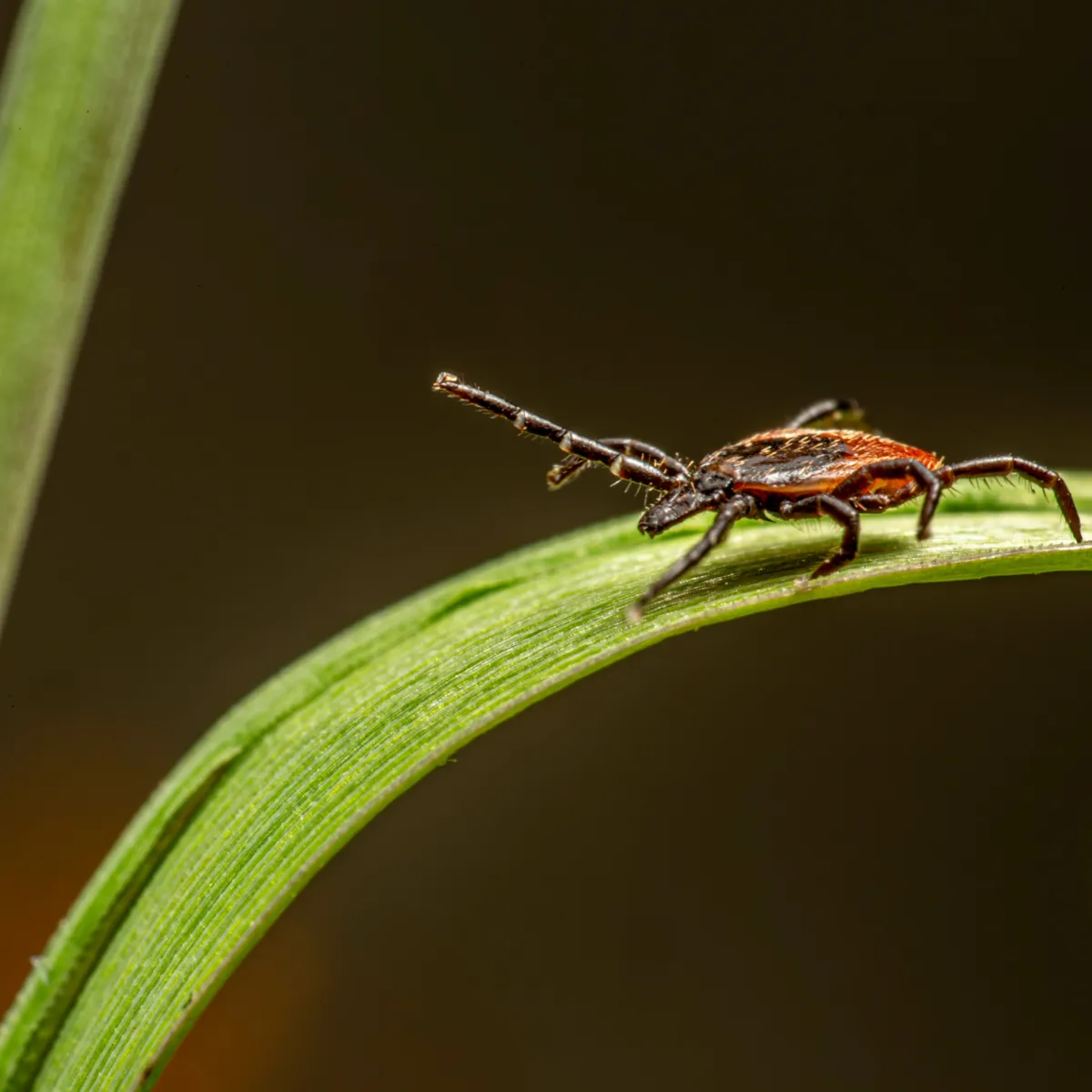
A picture-perfect lawn can sit right beside a hidden tick reservoir
Two homes a few doors apart in Madison can face entirely different tick situations. A lot that backs to the Indian Creek greenway may carry its heaviest pressure along that shaded rear strip, while a home tucked against a common-area tree stand might struggle with the leaf-littered border the developer left in place. Even a newer build on open ground can inherit a soggy swale that never fully dries. We sort out which of those is the real engine before we ever touch a sprayer.
Every appointment begins with a walk of the property, reading how the shade lies, where stormwater collects, how the beds and fences are laid out, and which corners your household lives in. From there the treatment zeroes in on those source areas along with the spaces people and pets use most: the lawn, patio, pet runs, swing sets, pool decks, seating areas, edge grass, planting beds, and the wooded seam that frames the lot. Removing what ticks rely on does more than any amount of chasing the few that surface.
We sequence the work so each step builds on the one before it
Since no two Madison yards behave the same, we shape the plan around what the walk-through reveals rather than a rote checklist. A standard visit runs through four stages.
We begin on foot, gauging the depth of the shade, the way water drains, the height of the grass, the density of the beds, the paths the pets follow, and the line where mowed turf gives way to greenway or brush. That read shows us where ticks have massed and where the treatment will pay off.
With the strongholds mapped, the product goes where ticks actually shelter: the edge grass, bed margins, fence rows, damp low spots, shaded flanks of the house, and the rest of the protected ground they hole up in. Hitting that ground directly beats coating open lawn the ticks never used.
Next we ring your most-used spaces with a treated buffer. It can follow the lawn's edge, the foundation, the fences, the shrubs and beds, the tall grass, and the timber line, then carry on beneath decks, around sheds, through pet runs and play areas, across patio seating, and into any deep shade or boggy stretch where ticks try to slip back.
Because the greenway keeps feeding ticks toward the house, one treatment is just the opening. Visits repeated through the active season catch fresh arrivals before they nest and hold the protection steady as the yard fills in over the summer.
Ticks rarely make a sound, so the warning comes late or not at all
A tick is no minor pest, since it can transfer disease to your children and your animals while staying almost impossible to notice. Plenty of Madison families never suspect a thing until one turns up latched to the dog after a romp along the greenway, or fixed behind a child’s knee after an afternoon in the yard. Because the bite carries no sting, the problem gets a long, quiet head start.
North Alabama is close to ideal tick habitat. Warm, drawn-out summers, regular rain, creek-fed humidity, and the wooded greenbelts threaded through Madison hand ticks shade, cover, and an endless supply of deer and small mammals to ride in on. A sharp-looking lawn offers no protection by itself, because a few damp, shaded pockets along the edges can sustain the whole population. Treating on a schedule drives those numbers down at the source rather than leaving you to react at the back door.
The pristine center of the lawn is the last place ticks settle
Ticks shun hot, open ground, so they gather exactly where a quick glance never lands. Tall grass and brush give them a perch to wait on; matted leaves, woodpiles, and the shade beneath a deck trap the moisture they must have. A mulched bed running along the foundation or a fence line down the property edge simply hands them a path.
Where a Madison lot meets greenway timber or a retention area, anything in the gap, a shed, a gate, a swing set, marks a spot where deer and rodents shed ticks as they pass. Pet runs take the brunt, since dogs wear the same routes into the brush day after day. The shaded, slow-drying fringes of a planned lot deserve the closest look, because they stay hospitable long after the open lawn has baked dry.
Busy family yards run straight through the ticks' favorite ground
For Madison’s young families, the tick risk lines up almost perfectly with how the yard gets used. The dog cuts the same corner toward the greenway twice a day, and the kids dart from the trampoline to the back fence and into the shaded common-area edge without a thought for where the cover starts. Since the bite goes unfelt, a tick can ride indoors on a sock or a paw and stay hidden until well after bath time.
Knock the activity down along those well-worn routes and the whole yard opens up again. The patio becomes somewhere to linger after work, the lawn turns back into open ground for a game of tag, and the dog can patrol the fence line without bringing passengers home. Aiming the treatment at where the family actually goes is what restores that ease.
North Alabama hands ticks a long, warm runway every year
Spring sets the pace early here. As the ground warms across the Tennessee Valley and the greenways leaf out, dormant ticks stir and fan out hunting a host, so an early treatment heads off that first surge before it digs into the shaded borders. Summer then keeps the air heavy and the watered, shaded parts of a Madison yard comfortable even while the open lawn bakes, which is exactly when treated edges and pet zones earn their keep through all the outdoor use.
Fall talks plenty of homeowners into easing off, but in north Alabama the warm stretch runs long, the leaf fall stacks fresh shelter, and certain ticks keep questing past the first cool morning. Rain threads through the whole pattern, since each storm refills the moisture ticks bank on, and while the open lawn drains fast, the creek edges, swales, and shaded strips stay damp and welcoming far longer.
The driving source is seldom the corner a homeowner suspects
Effective tick control comes down to locating where the pressure truly begins, and on a planned Madison lot that is rarely the obvious spot. It may be a shaded run beside the garage, a soggy swale along the back line, or a developer-left tree stand that holds cover all season. Fairway Lawns sizes up each property on its own terms instead of dragging one stock routine across every yard in the subdivision.
Homeowners stay with us for technicians who know the Tennessee Valley, licensed and insured service, clear pricing, and a free quote from a crew that understands how local creeks and weather drive tick numbers. Recurring coverage is there for anyone who wants the calm to hold, treatments are planned with kids and pets in mind, and a rebound between scheduled visits brings us back to re-treat. Since our work runs well past ticks, the same crew can handle other outdoor pests when they show up.
Small routines between visits stretch every treatment further
A professional treatment lasts longer when you make the yard less inviting. Keeping the grass cut and the shrubs trimmed lets sun and air dry the soil, thinning the cover ticks shelter in. Clearing leaf litter, woodpiles, and stray clutter strips out the cool, hidden ground where they wait.
It also helps to keep pet areas tidy, run your hands over the dog after every greenway walk, and drop the habits that draw deer and rodents, with moving a bird feeder back from the lawn an easy start. A band of mulch, gravel, or rock between the turf and the greenway edge gives ticks a dry line they avoid, and setting play gear away from the brush keeps the kids clear of the worst of it. When one corner keeps flaring, recurring service is the dependable fix.
A single trouble pocket sometimes needs one decisive treatment
A one-time treatment fits when a single part of a Madison lot suddenly gets out of hand. Families often call after finding ticks near the patio, along a worn pet trail, in a dense planting, or in a spot they are about to open up for a birthday party or a cookout. It drops the local activity fast and works as a trial run before anyone commits to a recurring schedule.
Lasting calm comes from never letting the numbers rebuild
When the goal is lasting relief rather than a short reprieve, recurring tick control carries more weight. The population climbs back as rain, heat, and new growth move through the season, so scheduled returns meet each wave before it can root. That steady cadence also lowers the odds that the same shaded corners keep reigniting the same problem.
Homes sharing a greenway tend to share the same tick pressure
Fairway Lawns serves Madison households that want their lawns, patios, pet areas, and the rest of their outdoor space kept clear of returning ticks. Other Tennessee Valley properties with the same makeup, greenway borders, creek humidity, common-area woods, and steady backyard use, tend to respond to the same approach. If your home sits along a greenbelt and you are unsure it falls in our range, just ask, because we cover well beyond the city limits.
A few questions surface on nearly every Madison property
When ticks are shrinking how much of your own yard your family can enjoy, Fairway Lawns can step in with treatment aimed right at where they breed. Whether they ride in off the greenway, a shaded fence line, a worn pet trail, or the dense bed by the patio, our crew will survey the property, treat the ground that matters, and shape a plan around how your household really lives outdoors. Book your visit today, or reach out to schedule service and claim your free quote.