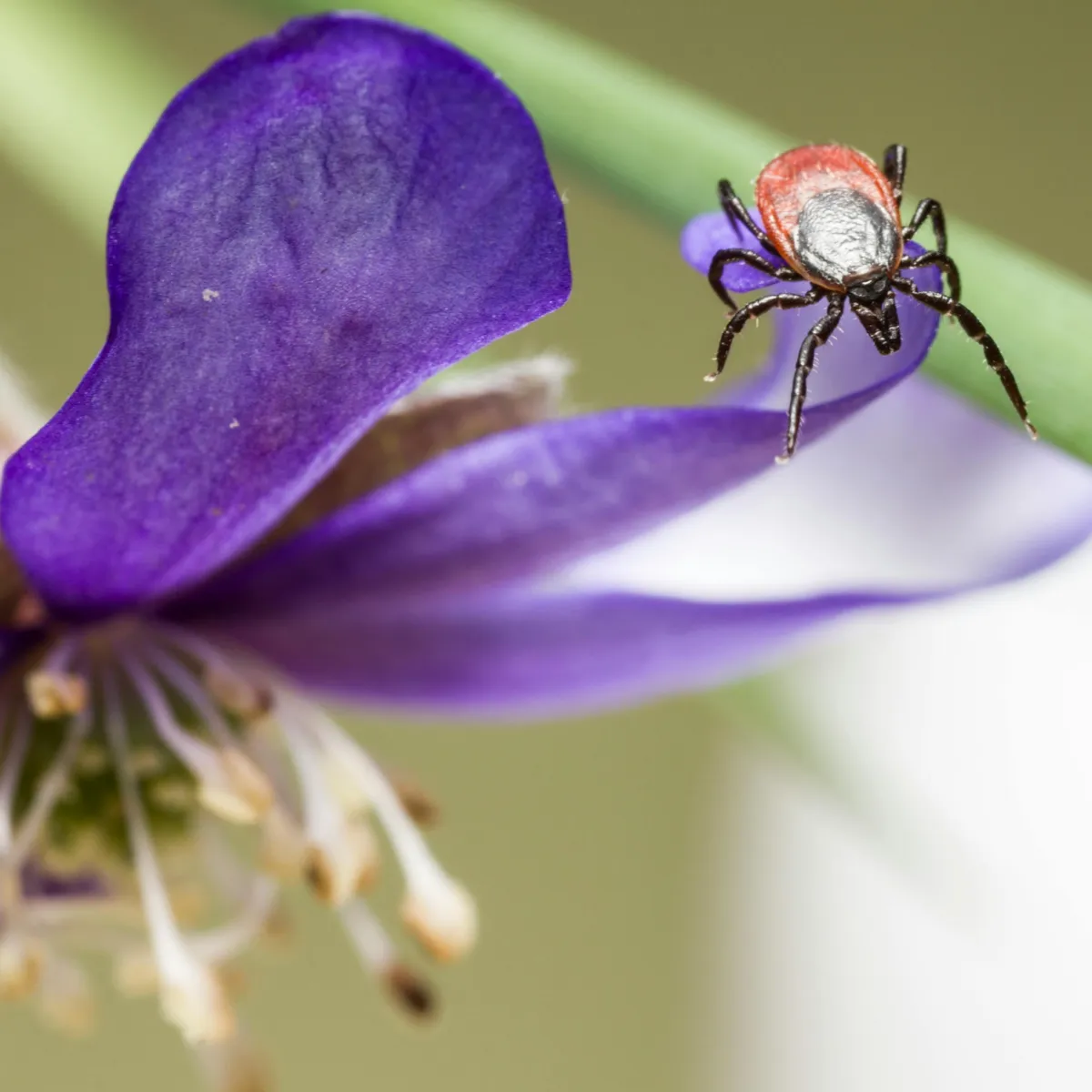
Small-town lots framed by prairie and farmland keep ticks well supplied
Collinsville keeps a small-town feel on the north edge of the metro, with a historic main street surrounded by farmland, prairie, and scattered tree lines. That mix of tidy neighborhoods and open country is part of the town’s character, and it also gives ticks an easy way into a residential yard. A home can be neatly kept and still pull ticks in off a pasture edge or a brushy fence row. The activity rarely begins out on the open lawn; it builds along the quiet edges.
Fairway Lawns provides professional tick control in Collinsville, OK for homeowners who would rather get out ahead of the problem than keep reacting to it. We focus treatment on the shaded, damp, overgrown stretches where ticks gather and feed the rest of the property. Book a single visit or set recurring coverage for the warm months, begin with a free quote either way, and expect a return trip if ticks rebound between treatments on a recurring plan.
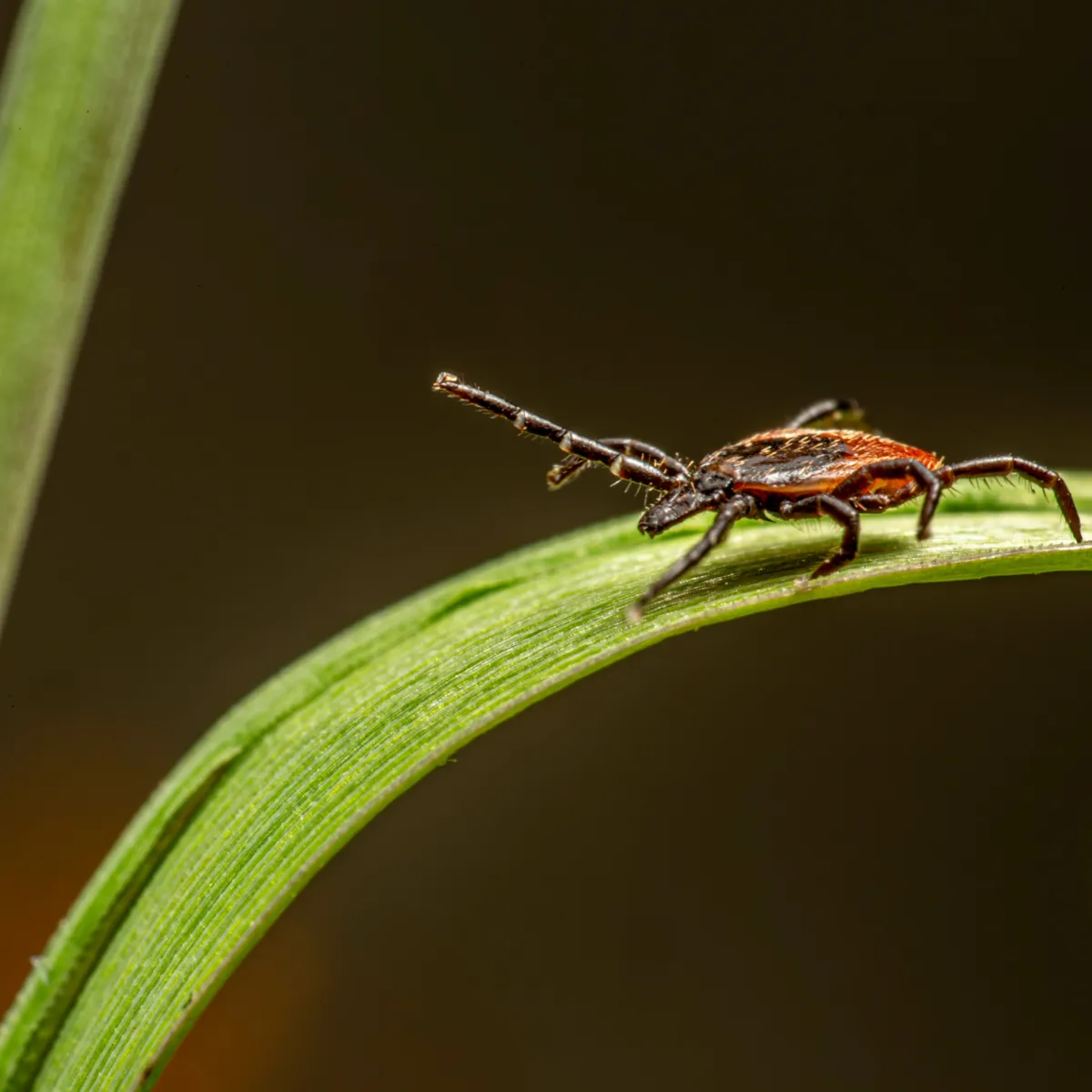
One yard's problem corner is a non-event on the lot next door
Tick pressure rarely looks the same from one Collinsville lot to the next. A property backing onto a field may carry most of its risk along that grassy rear line, while a place in town might struggle with a damp, shaded bed or a fence row tucked out of the sun. Acreage and edge-of-town homes often hold onto thick cover that quietly keeps the cycle running. Identifying the one feature doing the work is exactly why we inspect before we treat.
Every visit opens with a read on the property: where shade pools, where water lingers, how the beds and borders sit, and which outdoor spaces the household relies on. Treatment then targets those source areas plus the spots where people and pets gather, including lawns, patios, pet runs, play sets, pool decks, seating areas, border grass, planting beds, and the edges around the lot. Breaking the conditions ticks need accomplishes far more than reacting to the few you spot.
A deliberate order beats blanketing the entire yard
Since each lot behaves differently, the plan follows what the inspection turns up instead of a rigid checklist. A typical visit moves through four stages.
We start on foot, taking stock of shade, drainage, grass height, planting thickness, pet routes, and the seams where mowed lawn meets field or rougher cover. That read tells us where ticks are likely clustered and where the treatment will count for the most.
With the hot spots identified, the product goes where ticks actually hole up: perimeter grass, bed lines, fence rows, damp low corners, shaded side strips, and other protected ground. Hitting those areas head-on beats coating the open turf ticks already avoid.
Then we lay a treated band around your most-used spaces. It can follow lawn edges, the foundation line, fences, shrubs and beds, tall grass, and field or wooded borders, then reach the ground under decks, the area by sheds, pet runs, play areas, patio seating, and any heavily shaded or moist stretch where ticks try to creep back in.
Leave the inviting conditions in place and ticks return, so one treatment is a start rather than a finish. Repeat visits across the active season keep newcomers from settling and hold the coverage steady as the yard shifts from week to week.
A tick is usually well settled before a homeowner ever sees one
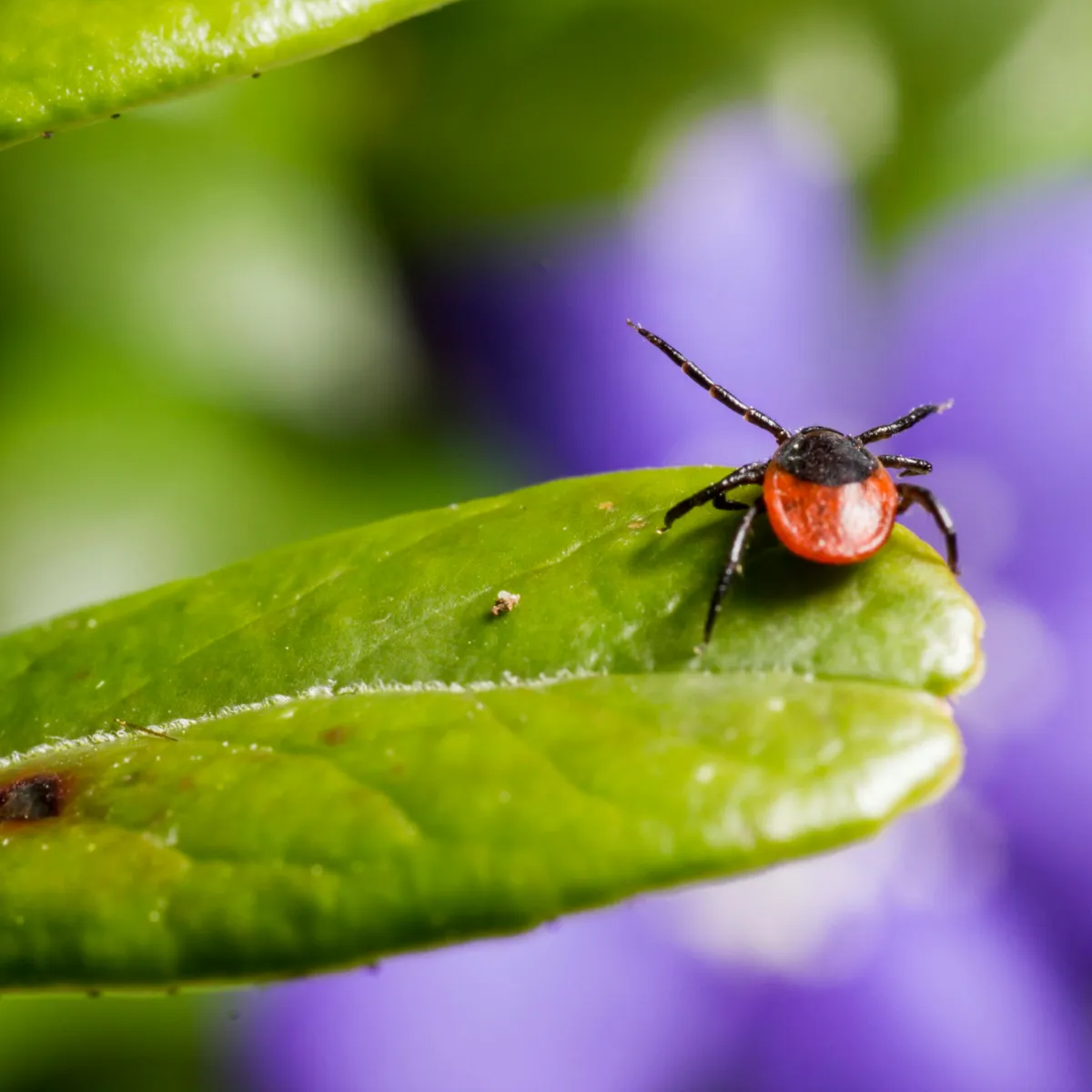
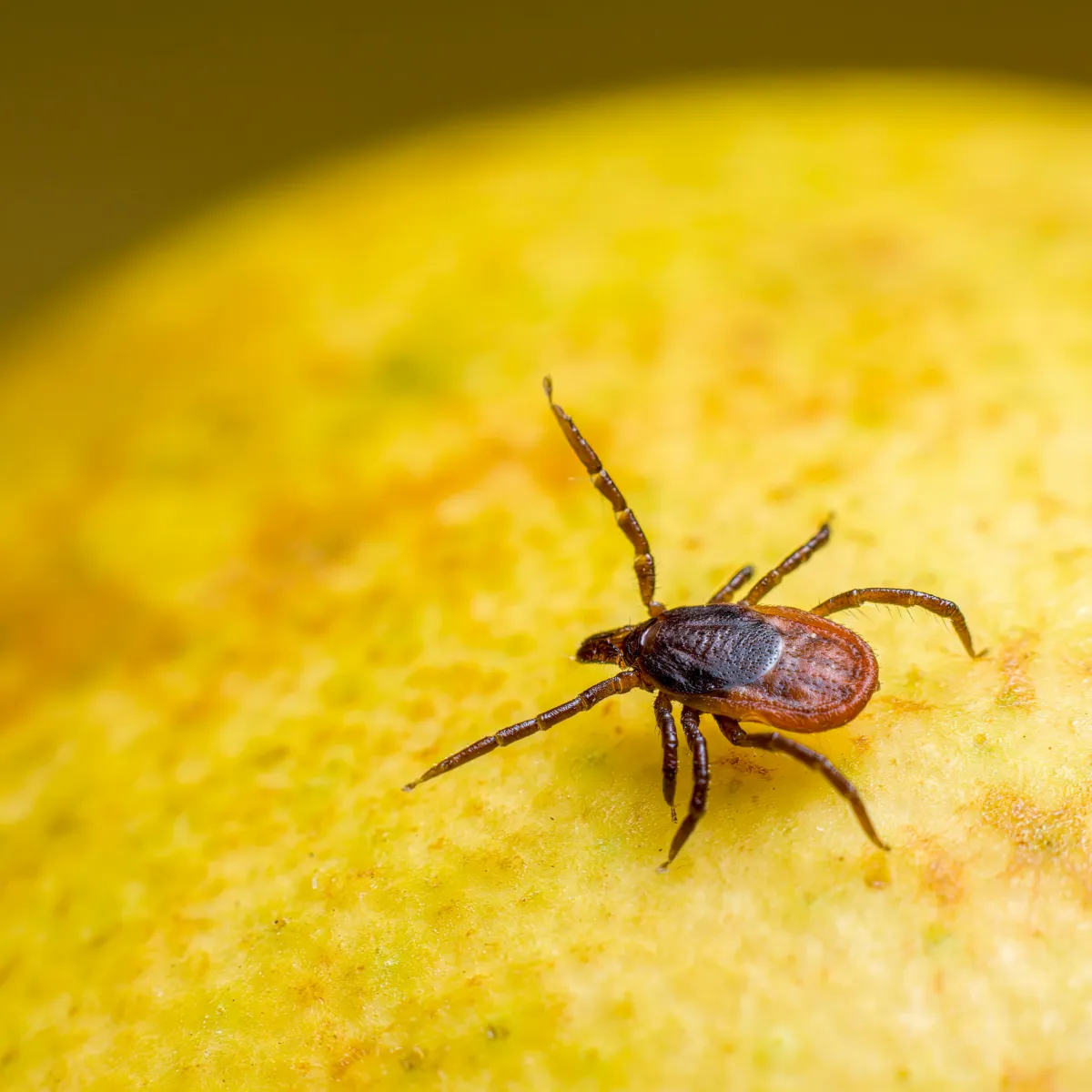
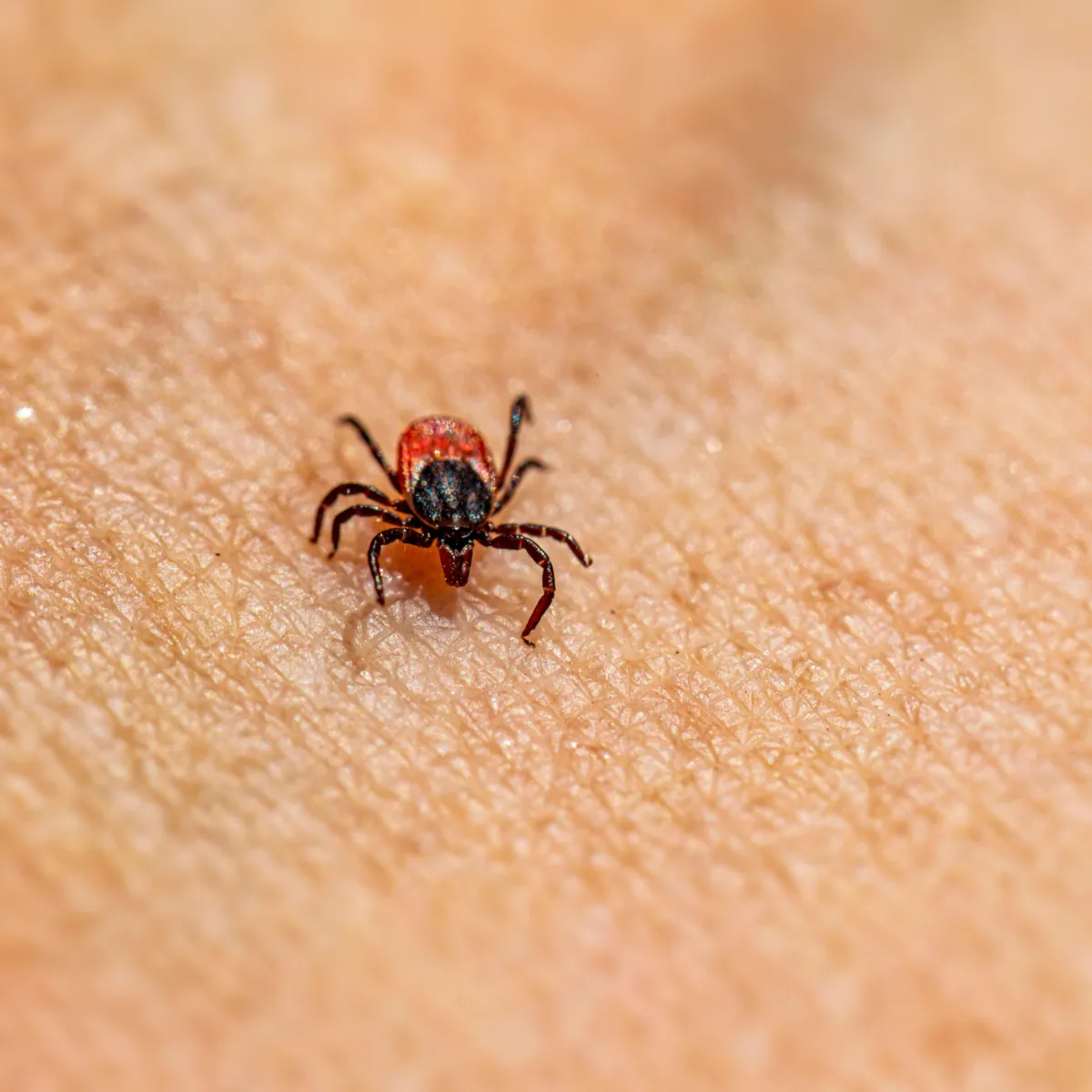
A tick is not just a bother, since it can transmit illness to people and pets and is designed to go unseen. Many households never suspect the yard is harboring them until one rides in on the dog after a lap near the field, or appears on a pant leg after time near the beds. Because the bite usually causes no pain, the issue can feel like it landed overnight even though it was building for a while.
This corner of Oklahoma is generous to ticks. Humid summers, regular rain, and the prairie grass, farmland, and tree lines around Collinsville give them cover and a steady supply of wildlife hosts. A polished yard provides little protection by itself, and only a few damp, sheltered pockets near the perimeter can keep things going. Routine treatment knocks the population back at the source rather than leaving you to manage whatever reaches the patio.
The risk gathers in the shaded, damp ground people skip past
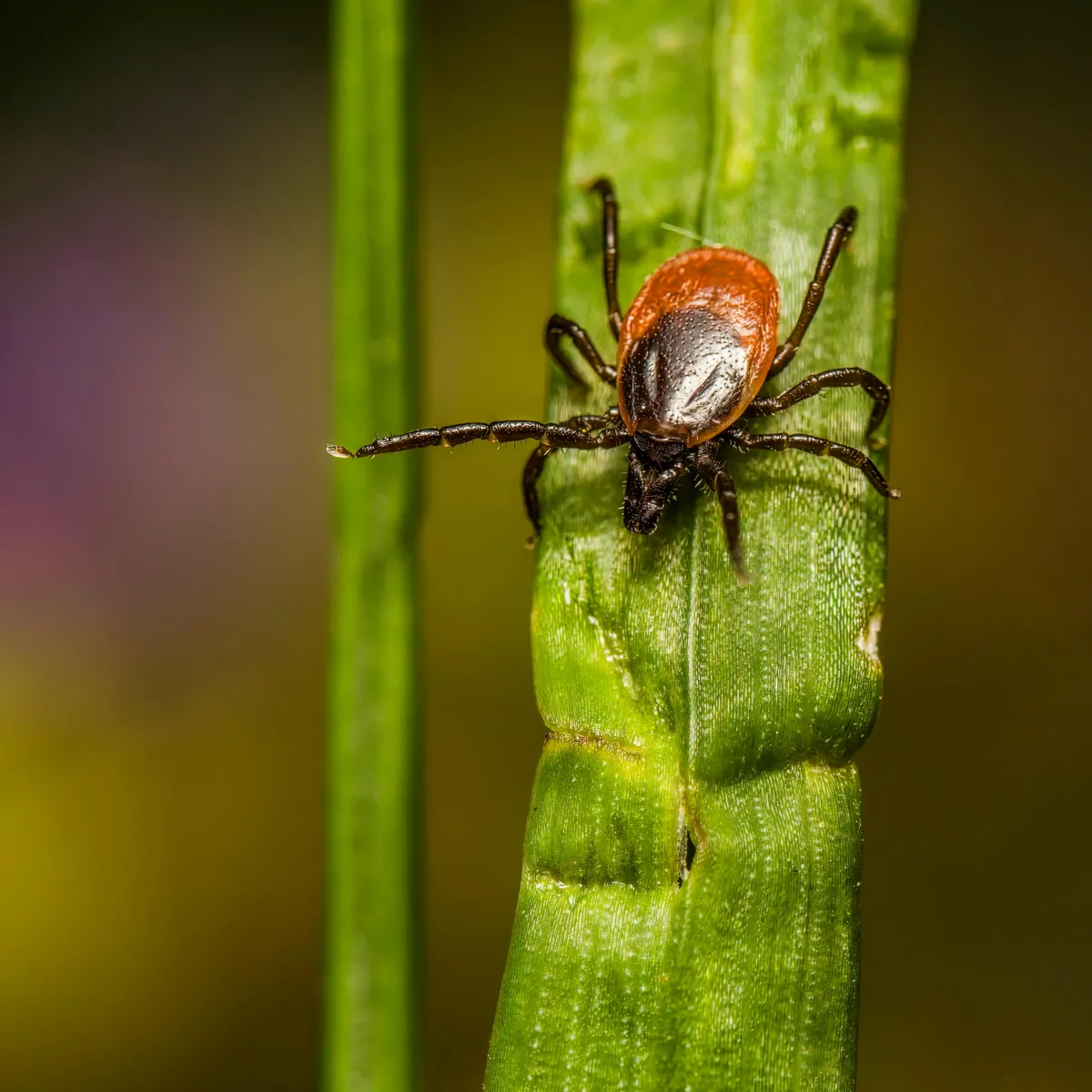
Ticks steer clear of hot, open ground, so the danger sits in the spots people walk by without a thought. Tall grass and brush give them a perch to wait on, while leaf litter, woodpiles, and the cool shade beneath a deck hold the moisture they cannot do without. The mulched beds along the house and the line of a fence serve as the routes they travel.
Near a field edge or a tree line, anything in the path, a shed, a gate, the kids’ swing set, sits right where ticks ride in on deer, rabbits, and rodents. Pet zones take heavy traffic because dogs wear the same trails day after day. The shaded, slow-to-dry margins of a yard deserve the hardest look, since they stay hospitable long after the open lawn has baked dry.
The danger lines up with the parts of the yard people use daily
Around Collinsville, where tidy yards back onto farmland and prairie, families tend to spend the most time exactly where ticks are most at home. The dog trots its daily circuit near the back fence, the kids set up camp at the edge of the mowed grass, and the rough cover just beyond is where ticks wait for a host. A painless bite lets one travel inside on a child or a pet unnoticed.
Once the activity near those edges drops, the yard becomes fully usable again. The back fence stops being a no-go zone, the kids can roam the lawn, and the dog can make its rounds without bringing anything home. Treatment built around where the family actually goes is what makes the difference.
Each stretch of the year favors a different part of the lot
Spring usually rebuilds the conditions that make some yard sections more favorable than others. As beds fill in and grass grows thicker, the edges of the property often become more protected. That extra cover near the soil can be enough to bring repeat activity back into the same problem areas.
Once summer heat settles in, the property usually splits into dry sections and protected sections. The dry sections are often obvious. The protected ones are the real concern. Those are the cooler edges, denser beds, and shaded runs that do not dry as quickly and keep activity tucked away near the ground.
The move into fall often changes how the yard holds cover. Leaves begin collecting, sunlight shifts, and some borders become even more sheltered than they were in summer. That change can help keep activity in the same areas that have already been a problem earlier in the year.
Rain adds pressure where the yard already has weak spots. If a shaded strip, low edge, or bed line always stays wet longer than the rest of the property, that section is likely to remain more favorable for much longer after each rain event.
What is really driving it is hardly ever the obvious spot
Fairway Lawns approaches tick control in Collinsville with attention to the way the yard is really set up. The company does not treat the whole property as if every section behaves the same. Instead, it focuses on the places where cover, shade, and moisture stay in place long enough to create repeat problems. That yard-specific approach helps homeowners get service that feels more accurate, more thoughtful, and more useful as the season moves along.
A little upkeep between visits keeps the results going
For homeowners in Collinsville, prevention is often less about doing one major thing and more about staying consistent with the basics. Border areas should be kept clean, overgrown corners should be opened up, and the parts of the yard that stay damp after rain should not be ignored just because they sit outside the main lawn. Those quieter sections are often the ones that need the most attention if the goal is to keep the property less favorable overall.
Now and then a single hot spot just needs clearing fast
One-time treatment is often most helpful when homeowners can point to one section of the yard and say that is where the issue keeps showing up. A defined problem area makes targeted service a practical choice, especially when the rest of the property does not seem to be causing the same level of concern. That may include a patio edge, a pet route, a border near shrubs, or a back corner that stays protected.
It can also serve as a useful first response before deciding whether recurring service is needed. By dealing with the most active section first, homeowners can see whether the yard settles down or whether the same problem pattern starts building again once conditions shift back in favor of it.
Reliable control comes from denying ticks any foothold
Recurring treatment is often about the conditions in the yard just as much as the ticks themselves. If a property regularly holds moisture in the same places, keeps the same dense cover around borders, or stays shaded in the same key sections, then the problem is likely to return as long as those conditions remain in place.
A recurring plan helps manage that reality. Rather than treating the yard only after activity is obvious, service stays focused on the areas most likely to become active again. That helps reduce surprises and keeps the property easier to use through the season.
Homes along the same fields and tree lines share the same pests
Fairway Lawns serves Collinsville homeowners who want to protect lawns, patios, pet areas, and the rest of their outdoor space from recurring ticks. Nearby properties across the Tulsa metro that share the same makeup, including field and tree-line edges, retained moisture, heavy border growth, and steady backyard use, tend to benefit from the same approach. If you sit near the edge of town and are not sure you are covered, just ask, because our reach runs well past the city limits.
The same questions tend to come up once ticks make themselves known
Fairway Lawns can help you get ahead of the hidden yard conditions that keep bringing tick issues back. Schedule service for your Collinsville property or reserve a quote today.