Fire ant treatment for Holland yards that need normal use back
A fire ant problem can make a yard feel off in a way that is hard to ignore once it starts. One mound in the wrong place may not sound like a big deal, but when another shows up nearby and then another turns up where people walk or pets play, the lawn starts feeling less like part of the home and more like something everyone has to avoid. Fairway Lawns provides professional fire ant control in Holland, AR for homeowners dealing with active mounds, recurring fire ant activity, and outdoor areas that have become harder to use than they should be.

Professional help for active mounds and recurring colony pressure
Fire ants often become a bigger issue because they do not stay in one neat, predictable place. A homeowner may notice a mound and plan to deal with it later, only to find another one in a completely different part of the yard before the week is over. That is when the problem starts changing how the lawn works. People stop cutting through certain areas, pets get redirected, and yard tasks that used to be automatic begin requiring more attention than anyone wants to give them.
Our service is designed to deal with that wider pattern instead of just the most obvious mound on top of the grass. We inspect the property, identify where fire ant activity is strongest, and treat the affected areas based on what is actually happening in the yard. The point is to reduce the active pressure that keeps creating new mounds rather than only addressing the surface sign of it. If fire ants are making your Holland lawn harder to enjoy, Fairway Lawns can help. Call today, request a quote, schedule service, or check availability.
Why fire ants quickly become more than a minor yard issue
Fire ants are aggressive once their nest is disturbed, and that is what makes them such a headache around the home. A normal day in the yard can turn into repeated stings with very little warning. People mowing, walking, trimming, or playing outside may not realize there is an active mound nearby until they are already dealing with the result.
There is also the bigger issue of how the property changes around the problem. Fire ant mounds often point to active colony pressure below the surface, and that pressure can make the lawn less useful for everyone who spends time there. Children may lose access to parts of the grass, pets may be kept away from sections they used before, and homeowners may start treating the whole yard more carefully than they want to. Fire ant control matters because it helps return normal use to the property.
What usually tells people fire ants are active in the yard
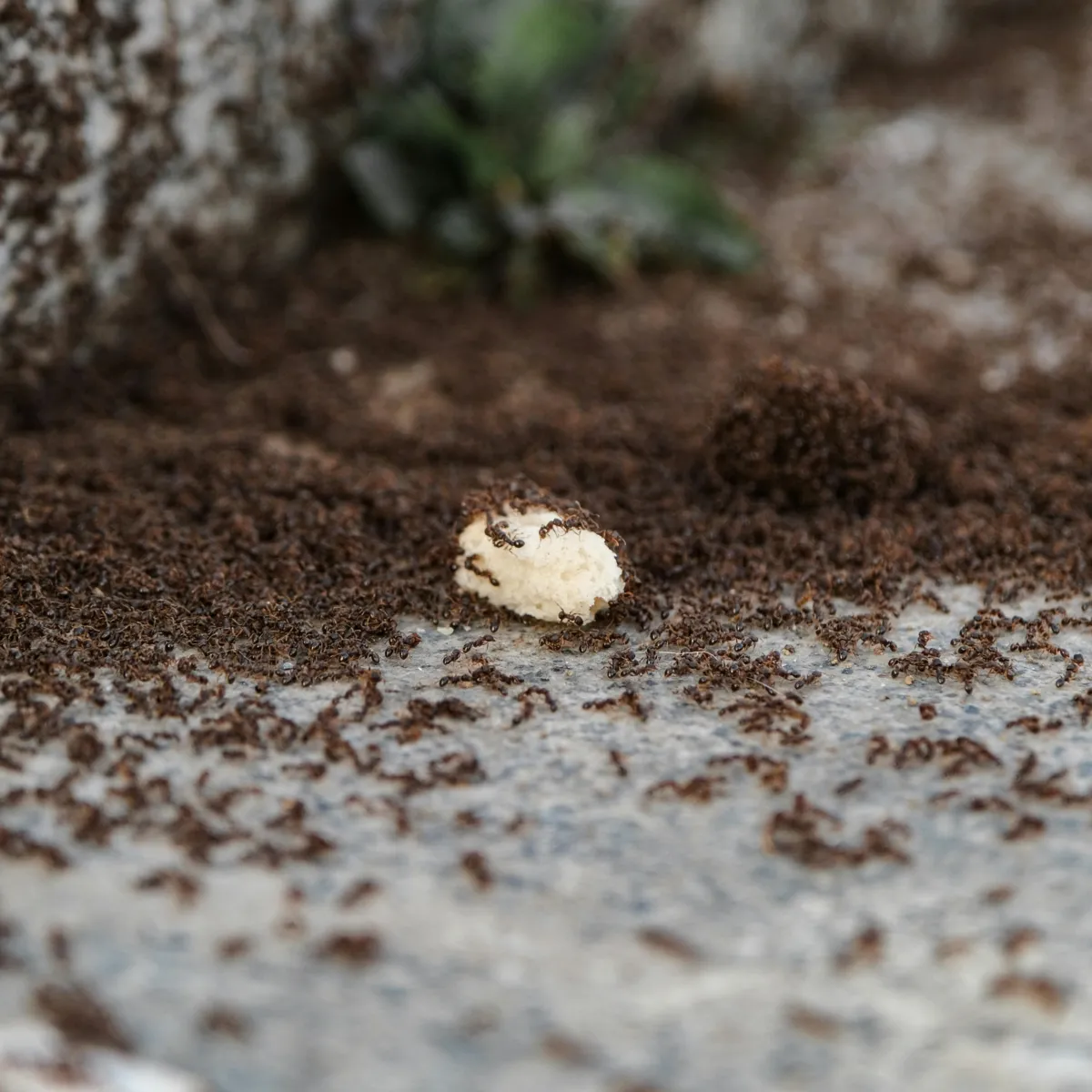
One of the clearest signs is the appearance of sandy mounds in open parts of the lawn. These mounds often become easier to notice after rain because fresh soil has been pushed upward and stands out against the grass. Some lawns show one mound at first, but others begin producing fresh activity in different areas quickly enough that the issue becomes obvious almost all at once.
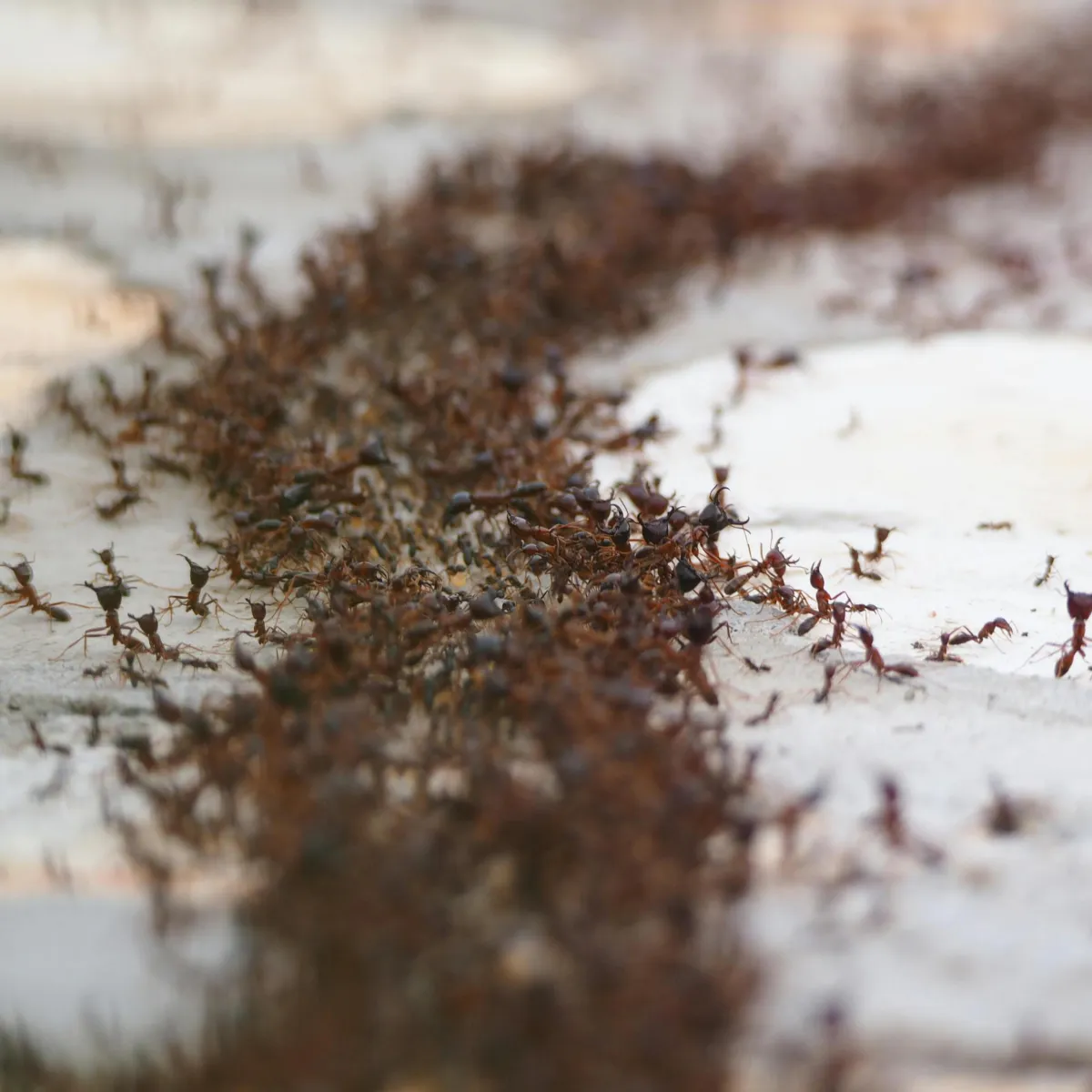
The ants themselves are another sign. Fire ants are usually reddish-brown and swarm quickly when their mound is disturbed. Painful stings, pets reacting to the same part of the yard, or fresh mound formation in spots that seemed clear before can all point to an active infestation. When those patterns keep repeating, the yard is usually dealing with more than something small.
What fire ants tend to look like outdoors
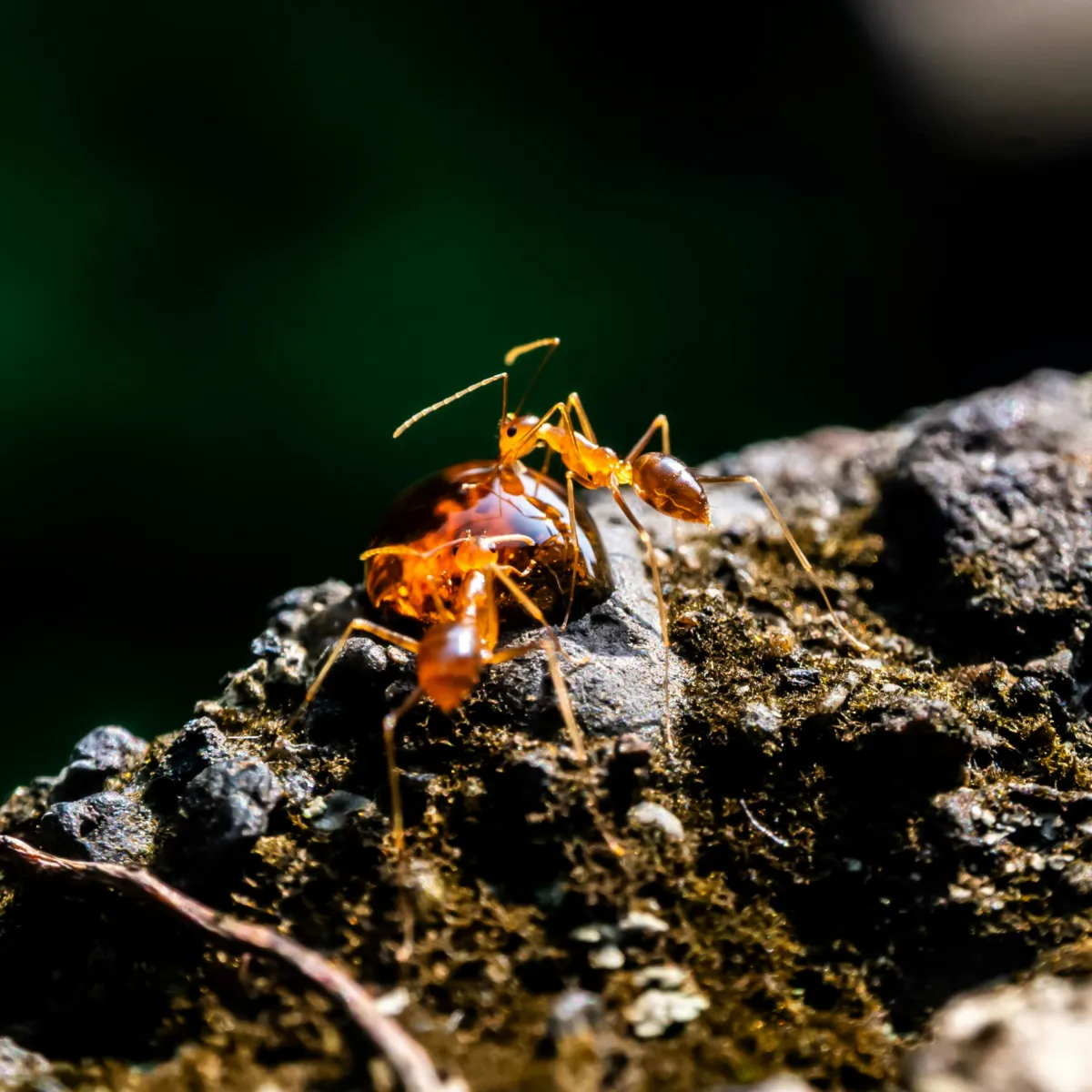
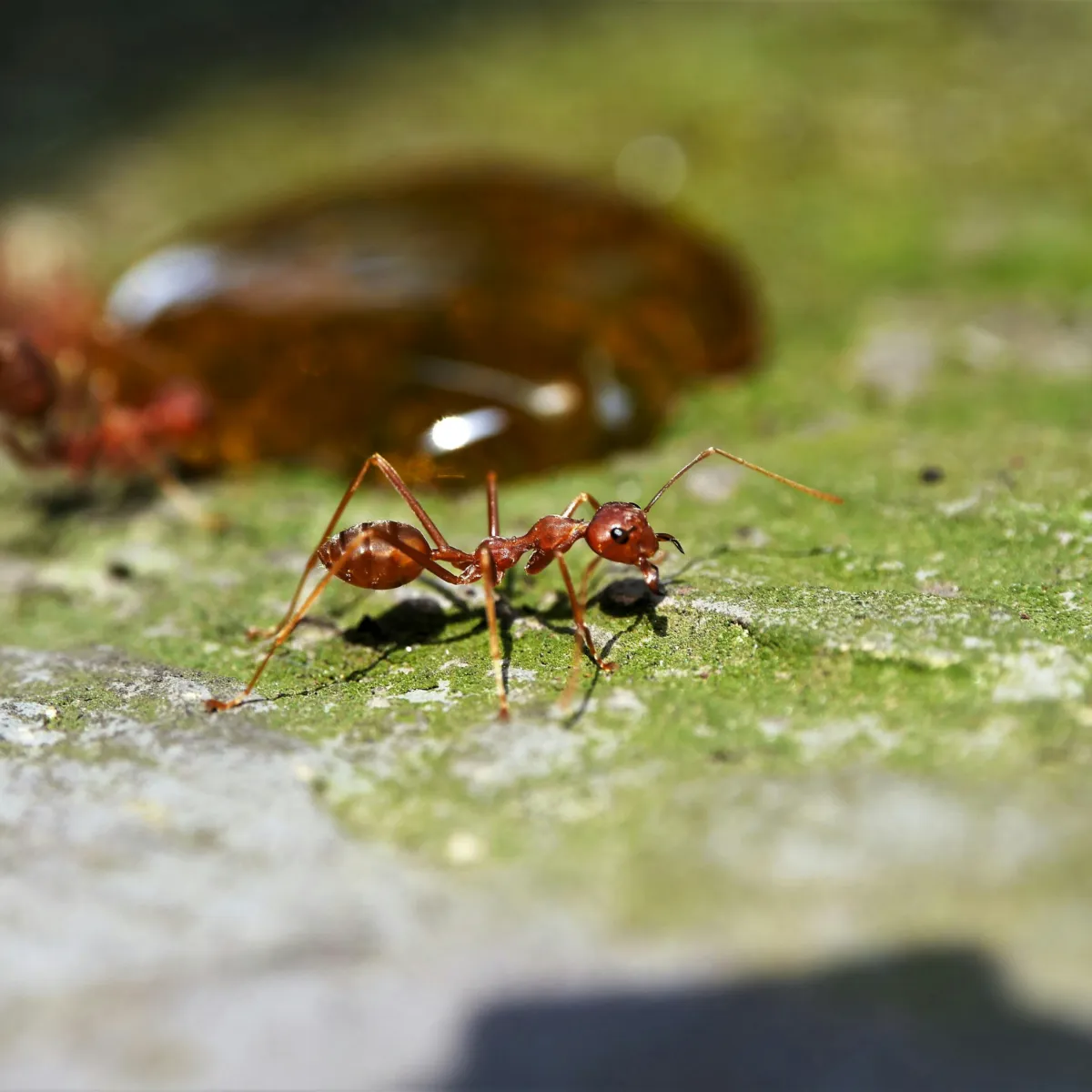
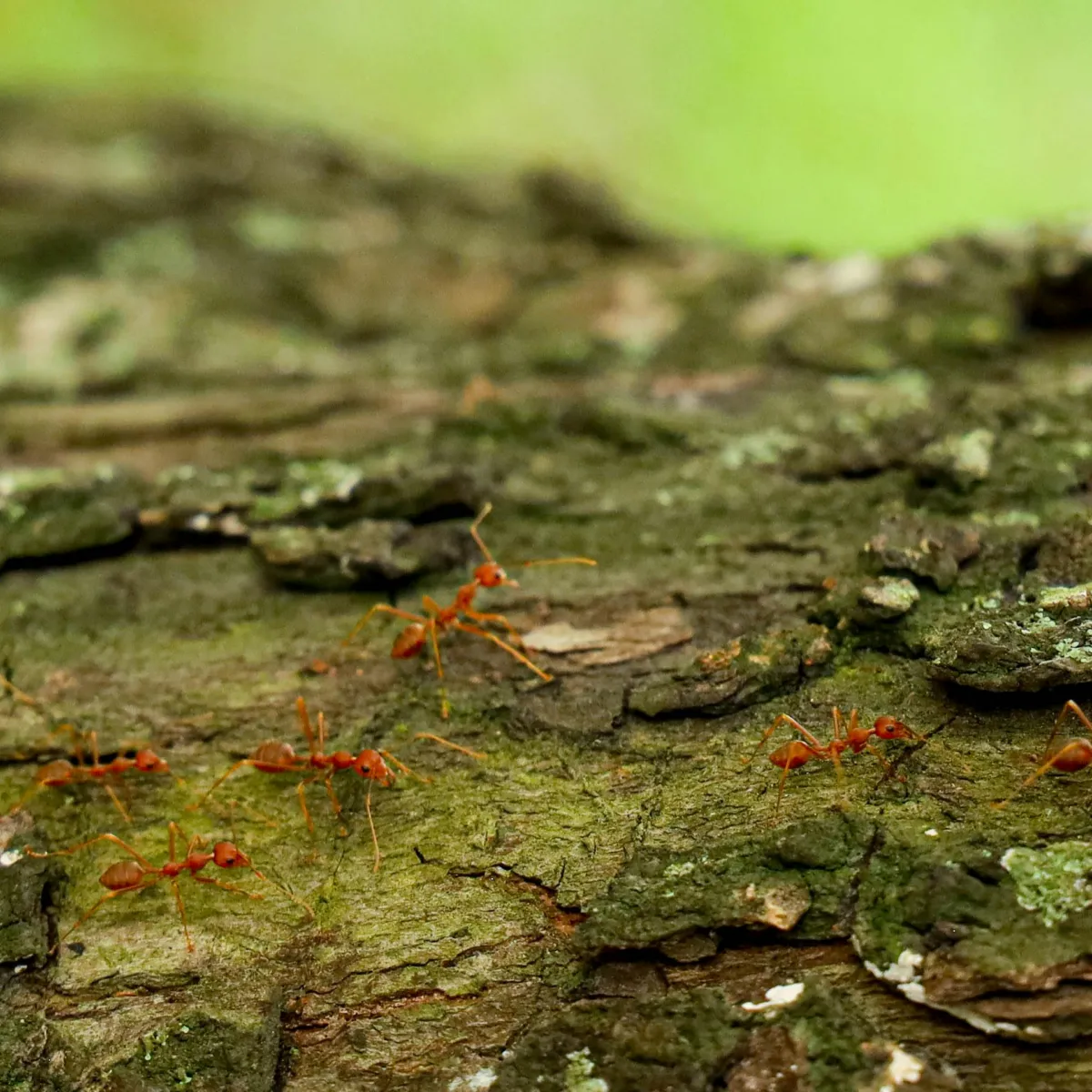
Fire ants are small ants that are typically reddish or reddish-brown in color. They usually range from about 1.6 to 5 mm long, and workers from one colony can vary somewhat in size. That means homeowners do not always identify them by size first. More often, it is the color and the way they rush out around a disturbed mound that makes them easier to recognize.
They commonly build in open areas where the soil gets warm and stays exposed. Their mounds may appear in turf, around beds, near driveways, beside sidewalks, or in other sections of lawn that get regular sun. Even when the mound itself looks fairly modest, the colony underneath can still be active enough to cause repeated problems in the yard.
Why fire ants can be difficult to fully eliminate
Fire ants are difficult to get rid of because the mound visible on top of the lawn is only part of the colony. Much of their activity stays underground, and some infestations may include multiple queens, which makes the problem more persistent than homeowners expect. A mound may look like the whole issue, but what matters most is usually what cannot be seen from the surface.
That is also why DIY products often disappoint people. Sprays may affect visible ants without doing enough to stop the colony below. Baits can depend on timing, weather, and the ants feeding the way the product requires. Rain, watering, and heat all play a part. The result is that the mound may seem improved for a little while while the real problem stays active and comes back later.
How our fire ant control service works
We begin by inspecting the lawn and the visible mound activity to get a clear picture of where fire ants are active and how far the issue seems to extend. That helps us see whether the problem is tied to one or two visible colonies or whether there is broader fire ant pressure affecting more of the property. Inspection matters because the lawn needs a treatment plan that fits what is actually happening there.
After that, we treat active mounds and the lawn areas tied to that activity. The goal is to reduce present fire ant pressure and help protect the yard against continued mound formation. Depending on what we find and how the property responds, follow-up or monitoring may also be recommended. The service is built around the conditions on the property so the treatment has a clear purpose from the start.
Treatment options for different lawn conditions
Some lawns need a wider treatment because the activity is spread beyond one or two obvious spots. In that kind of situation, broadcast treatment may make the most sense because it addresses the broader pattern of fire ant pressure in the yard. Other lawns may be better suited to direct mound treatment when the main problem is tied to a smaller number of visible colonies.
In some cases, a two-step plan may be the best route. That can include bait-based treatment to help target colony activity and mound drench treatment where direct application is needed. We explain treatment options clearly so homeowners understand why the plan matches the way the infestation is showing up in the yard. Professional treatment usually works better because it is chosen around the lawn itself instead of around guesswork.
Why DIY and professional treatment usually feel very different
DIY treatment often seems helpful because it changes the surface of the mound quickly. The problem is that surface change does not always mean the colony is controlled well enough to stop fresh activity. A mound can look quieter without the deeper infestation actually being removed, which is why new problem spots keep appearing later.
There is also the question of sting risk and timing. Direct mound treatment means getting close enough to a live nest to disturb it, and baits do not always work the same way when the conditions are off. Rain, dew, lawn moisture, and heat can all affect the result. Professional service usually produces a better outcome because the treatment is matched to the yard conditions and the infestation level from the beginning.
Why fire ants can be dangerous around a home lawn
Fire ants can sting repeatedly, and those stings may cause burning pain, swelling, red bumps, or pustules. What makes them especially unpleasant is how fast the whole thing can happen. Someone can be going about a regular yard task and end up with several stings in seconds because they got too close to an active mound without knowing it.
Some people may have stronger reactions that need medical attention. Children, pets, and anyone who spends time in the yard regularly may be especially exposed when mounds form in areas used often. Fire ants can be dangerous because they put repeated sting risk in places that should feel normal and safe to use.
What to know about family and pet safety after treatment
Treatments should always be applied according to label directions, and homeowners should receive clear re-entry guidance after service. That matters because people want the fire ant issue handled without being left wondering when the lawn can safely be used again. Clear instructions are part of making treatment practical for real household use.
Depending on the product used and the lawn conditions at the time of service, pets and family members may need to stay off treated areas until the application has dried or otherwise settled. Those directions should be specific and easy to follow so normal outdoor use can start again with confidence.
Why homeowners choose Fairway Lawns for fire ant control
Homeowners choose Fairway Lawns because they want lawn and pest experience backed by a professional inspection and treatment recommendations that fit the property. We take time to understand where fire ants are active, explain the treatment plan clearly, and provide family- and pet-conscious guidance based on how the yard is actually used.
We also offer convenient scheduling, a free quote, and seasonal protection options where appropriate. If satisfaction guarantees apply in your area, we can explain those during the service conversation. For Holland homeowners who want a yard that feels easier and safer to use again, Fairway Lawns is ready to help.
Common questions about fire ants in Holland lawns
Your yard should not keep losing space to fire ant mounds.
Contact Fairway Lawns today for a quote and professional fire ant treatment in Holland, AR.