Where Does Snow Mold Come From & How to Protect Your Grass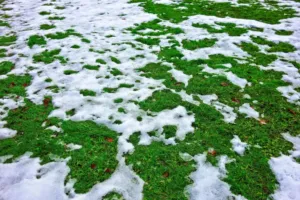
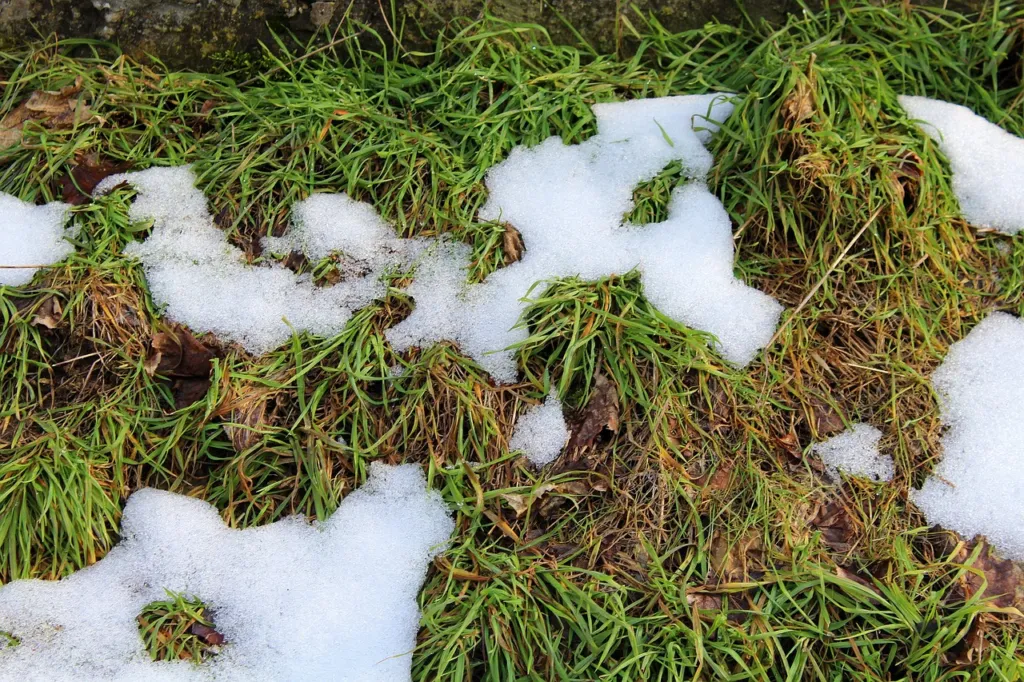
Snow mold is one of those lawn issues that sneaks up on homeowners, especially in the South. Your turf looks fantastic in autumn. Then winter snow and ice cover it for a short time. Suddenly, you’ve got strange circular patches scattered across your yard.
What causes this and why does it happen? Keep reading as the lawn care professionals at Fairway Lawns explain everything about this cold-weather grass fungus and how to prevent and treat it.
What Exactly Is Snow Mold?
The name is misleading. Snow mold isn’t technically mold in the conventional sense. It’s a fungal infection triggered by particular pathogens that remain inactive in your soil most of the year.
These fungi “activate” when temperatures range between 32 and 45 degrees Fahrenheit, as melting snow generates ideal moist conditions. This explains why it typically emerges during the winter-to-spring transition. You may observe the actual fungal growth, or more frequently, those distinctive straw-colored patches of compromised turf.
The timing factor is crucial. Snow mold becomes visible after snow disappears, catching property owners completely unprepared. One moment your lawn is under snow and ice, the next it’s revealed with these odd patches you’ve never seen before.
Types of Snow Mold
Snow mold varieties aren’t identical. Two primary types exist. Recognizing the distinction can prevent significant time, expense, and needless anxiety.
Gray Snow Mold
This is the less severe variant. You’ll spot gray or white circular patterns throughout your lawn. They might even appear silvery under certain lighting. This type requires genuine snow coverage to flourish, making it fairly predictable in northern regions.
The positive aspect? Gray snow mold mainly affects appearance. It damages grass blades themselves but generally preserves roots and crowns intact. Your lawn may look unattractive for several weeks, but it’ll frequently self-recover given time, sunlight, and adequate air circulation.
Pink Snow Mold
Despite its name, pink snow mold shows up in pink, rust, or reddish-brown colors. It’s also considerably more destructive than its gray relative. Pink snow mold penetrates deeper, potentially killing grass crowns and root systems.
Actually, it doesn’t require snow coverage to create havoc. Prolonged cool, damp conditions during early spring can activate it. Lawns in transition regions or locations with wet springs may experience pink snow mold even following moderate winters.
Pink snow mold damage frequently requires special attention, including overseeding and repairing bare spots. Without treatment, those zones might not naturally regenerate, leaving you with thin areas come summer.
How Lawn Care Experts Identify Snow Mold
Professional technicians examine more than simply discolored patches.
- Location patterns provide clues. Professionals check zones where snow accumulated heavily (beside driveway snow banks, along north-facing shaded slopes, anywhere with inadequate drainage).
- Timing matters. When these symptoms emerge within days or weeks following snow disappearance, it’s likely snow mold. The fungus has been working for weeks or months, only revealing itself once spring arrives.
- Shape and dimensions. Snow mold generally appears in circular or irregular formations, spanning from several inches to multiple feet across. The grass looks straw-colored, matted down, and crusty in texture.
- Color indicates severity. Those gray or white patches? Relatively minor concern. Pink, rust, or reddish-brown coloring? That warrants significantly more attention.
What Triggers Snow Mold on Your Lawn?
Perfect conditions include prolonged snow coverage before the ground completely freezes. When snow accumulates on unfrozen, moist soil, it establishes ideal conditions for fungal development. Moisture from melting and refreezing patterns only intensifies the problem.
However, weather alone doesn’t explain everything. Your lawn’s condition entering winter creates a substantial difference. Excessive thatch and lengthy grass can hold moisture, while leaf debris weakens grass and soil by obstructing light.
Naturally, inadequate drainage and compressed soil compound the issue. Water simply remains stagnant…exactly what fungi thrive on. And repeatedly dumping snow in identical locations? That zone’s probably experiencing snow mold.
Professional Snow Mold Prevention Strategies
Mowing & Yard Maintenance
- Incremental height reduction before winter proves essential. Decrease mowing height gradually across your final seasonal mows. Target grass at approximately 2 to 2.5 inches entering winter.
- Think about bagging clippings during that ultimate fall mowing. Typically, leaving clippings returns nutrients to soil, which benefits lawns. But that final pre-winter mow? Bagging stops excess organic matter from collecting on soil surfaces and holding moisture.
- Don’t allow damp leaves to pile up. Anything retaining moisture spells trouble for turf. When trees shed leaves late into autumn, maintain removal efforts.
- Following snowfall, be conscious of where you’re depositing snow when clearing your driveway. Avoid creating enormous, concentrated mounds. Distribute it when feasible.
Preventative Fungicide Programs
- For lawns experiencing recurring snow mold challenges, preventative fungicide treatments prove effective. But timing is absolutely vital. These products must be applied before snowfall; otherwise, you cannot intervene until snow mold materializes.
- This definitely represents an area where professional application surpasses DIY, particularly for high-value lawns or properties with persistent snow mold difficulties.
Drainage & Soil Health
- Ensure your property has appropriate drainage. Survey your grounds following heavy rainfall and identify where water accumulates or drains sluggishly. These locations are snow mold breeding zones requiring grading enhancements, drainage system installation, or soil amendments improving water absorption.
- Soil pH factors in too. Most cool-season grasses favor slightly acidic to neutral pH (6.0-7.0). When pH shifts excessively beyond this spectrum, grass becomes stressed and more vulnerable to disease.
Aeration & Thatch Management
- Autumn aeration might represent the single most powerful practice for snow mold prevention. It eliminates compaction, enhances water penetration, boosts oxygen circulation, and assists in decomposing excessive thatch.
- Regarding thatch, maintain it below three-quarters inch. Verify by removing a small lawn wedge and measuring the spongy layer between grass blades and soil.
Fertilization Best Practices
- Skip late-fall nitrogen surges. When fertilizing during fall (which you should), emphasize balanced, slow-release formulations promoting root development without stimulating excessive top growth.
- Exercise caution with the “winterizer” term generally. What fall lawns actually need is potassium-rich formulation enhancing cold resistance.
What’s the Most Susceptible Types of Grass?
The type of grass you have plays a role in your chances of developing snow mold too. Cool-season grass varieties bear the heaviest snow mold burden. However, warm-season Bermuda grass can be affected as well.
Bermuda can occasionally be affected by snow mold, particularly the pink kind. So this is the most likely grass and snow mold combination you’ll find in southern states.
Bentgrass faces high risk. Golf courses with bentgrass putting surfaces invest substantial resources to combat snow mold annually because this grass variety is extremely susceptible. For home lawns, bentgrass practically guarantees snow mold appearance after substantial snow accumulation.
Kentucky bluegrass falls within the moderate risk range. It can develop snow mold, yet possesses decent recovery capabilities. Its underground stems, known as rhizomes, enable spreading and filling damaged zones.
Perennial ryegrass demonstrates similar vulnerability to Kentucky bluegrass. The primary distinction is recovery rate. Ryegrass can’t spread sideways as aggressively, so damaged sections require longer periods to naturally fill in.
What Actions to Take When Snow Mold Emerges on Your Grass
Once symptoms appear, fungicides won’t provide relief. So what’s the solution? The optimal immediate response is gentle raking to separate matted grass. This boosts air circulation and assists turf drying, halting additional fungal activity.
Then just wait. Track regrowth across several weeks. Gray snow mold situations frequently display significant recovery within weeks of consistent sunshine and drying weather.
Avoid drastic measures. Your initial impulse might involve applying fertilizer to “accelerate” grass recovery, but that can prove counterproductive. Damaged turf must prioritize reestablishing healthy growth patterns initially.
Lawn Restoration Following Snow Mold Damage
Gray snow mold generally recovers independently. Allow time, maintain standard spring lawn maintenance routines, and you’ll likely witness those damaged zones fill in as temperatures rise and growth intensifies.
Pink snow mold damage demands a more proactive strategy. Once you’ve verified grass isn’t recovering, it’s time removing dead turf, preparing soil, and overseeding those bare sections.
Professional seeding services guarantee proper timing and distribution. Overseeding appears straightforward, but achieving consistent germination demands proper seed-to-soil contact, suitable seed variety selection, adequate moisture regulation, and protection from birds and erosion.
Want to Get Rid of Snow Mold?
When you’ve confronted snow mold, that’s your lawn signaling it needs assistance. A thorough lawn care program addressing underlying problems will deliver returns year after year. After all, snow mold is just one of many fungal diseases that target stressed, poorly maintained turf.
Ready to enjoy long-term lawn health? Reach out to Fairway Lawns today! We proudly serve seven states and dozens of communities, ensuring high-quality lawn care and pest control services across the South:
Huntsville AL
Birmingham AL
Jacksonville FL
Conway AR
Springdale AR
Ft Smith AR
Little Rock AR
Augusta GA
Tulsa OK
Columbia SC
Greenville SC
Charleston SC
Knoxville TN
Nashville TN
Memphis TN