Spider pressure often builds where people look the least
Spider activity in Langley often becomes noticeable only after it has already settled into more than one part of the property. A web may keep returning under a porch overhang. A large spider may show up in the garage near stored bins. Then a few days later, another turns up in a closet or utility corner. When those signs stop feeling occasional and start feeling familiar, the property is usually supporting more spider activity than the homeowner can see at a glance.
Fairway Lawns offers pest control services and frames that service around inspection, targeted treatment, and practical next steps based on what is happening at the property. The company also operates an Augusta location page that supports nearby service-page content for Langley under the Augusta hub.
The real issue is usually bigger than the latest web
Spider infestations around Langley homes are often connected to a mix of quiet indoor shelter and steady exterior pressure. Covered entries, shaded landscaping, garage storage, crawl spaces, and little-used rooms can all become part of the same problem. If insects are active around lights, shrubs, or moisture-prone edges, spiders have even more reason to remain near the structure.
That is why spider pest control works better when the property itself is evaluated instead of treating only the most recent place activity was noticed. The spider in the hallway may not be where the problem started. The web by the back steps may be tied to stronger pressure in the landscape beds or under the porch. Surface treatment can improve what is visible, but without addressing the hidden conditions, the same issue often returns.
Langley properties may also have side yards, storage spaces, porches, and utility areas that receive less daily attention than the main living spaces. Those are exactly the types of areas where spider activity can become established quietly.
Control is stronger when each step follows a purpose
The first step is identifying where spider activity is strongest and what conditions are helping it continue. That includes likely species, web-prone areas, prey insect activity, moisture concerns, and likely access routes.
Treatment is then directed where spiders are most likely to stay active. That may include perimeter applications, focused interior service, web removal, egg sac targeting, and crack-and-crevice attention in likely harborages.
Long-term improvement often depends on reducing the features that are making the property attractive. That may include lowering clutter, trimming plants away from the structure, changing storage habits, and reducing insect attraction near lights and windows.
For homes with repeated or seasonal spider pressure, follow-up attention may help keep the same problem from rebuilding after treatment.
Different spiders create different kinds of concern
Black widows are among the highest-concern spiders found around South Carolina homes. They prefer dark sheltered areas where human traffic is low, including crawl spaces, wood piles, sheds, meter boxes, and under outdoor furniture. Because of the risk associated with their bite, they should be addressed quickly and carefully.
Wolf spiders are large roaming hunters that often appear suddenly because they do not need a large web to stay active. They are commonly found in garages, mudrooms, laundry spaces, lower-level rooms, and along interior floor edges where they move in search of prey.
House spiders are frequent indoor web-builders that favor corners, closets, spare rooms, and upper wall edges. They are usually nuisance pests, but repeated webbing in multiple indoor areas can make the home feel like the problem is spreading.
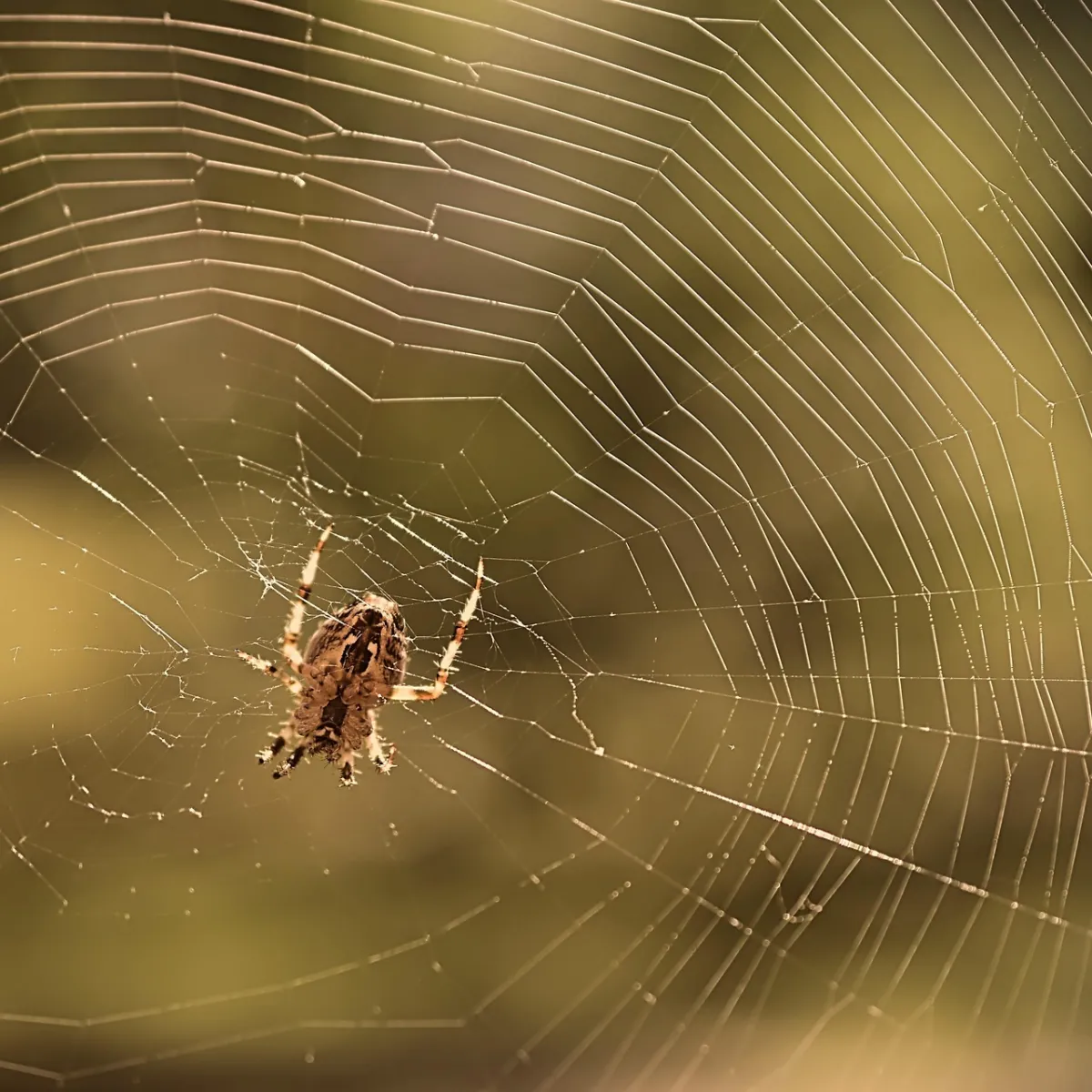
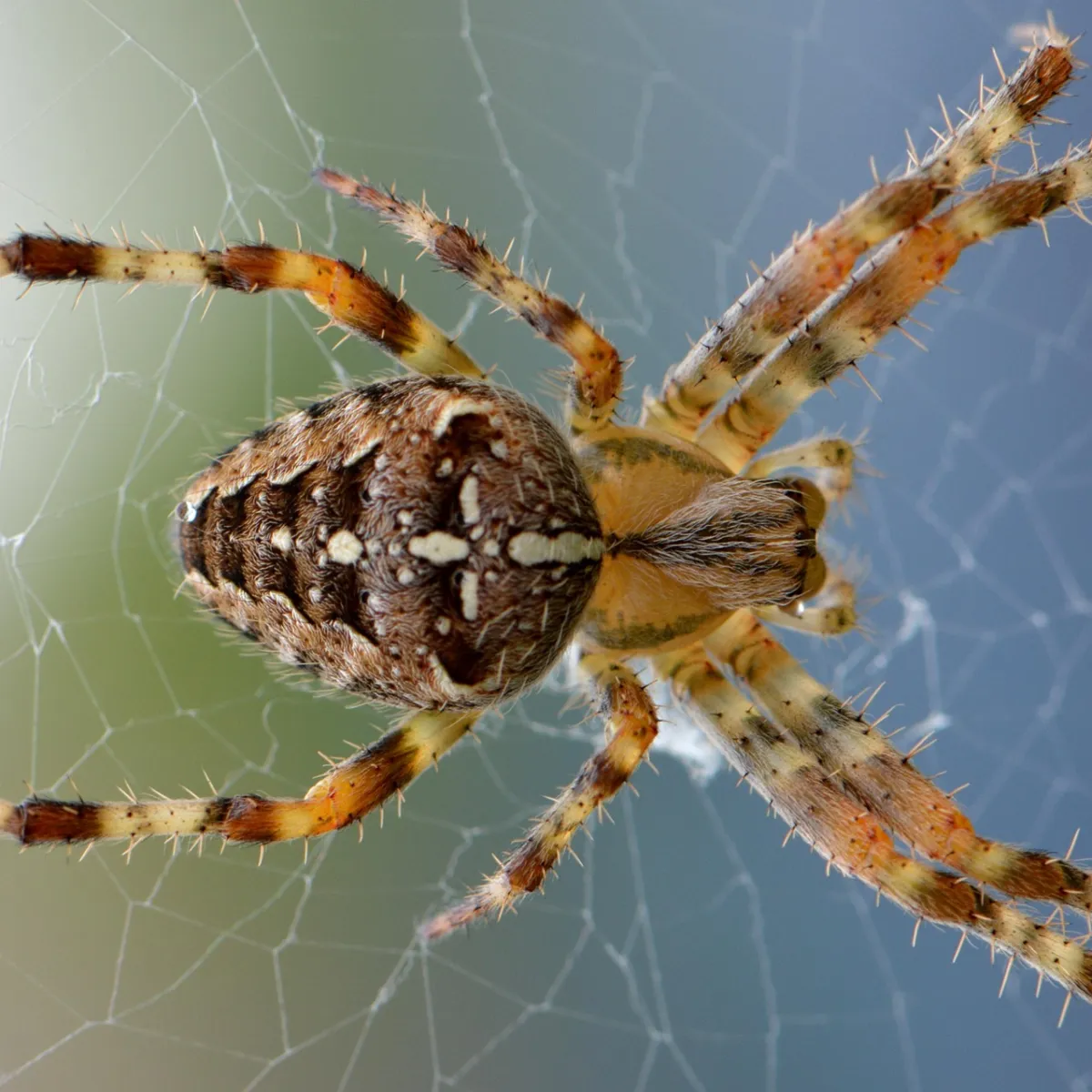
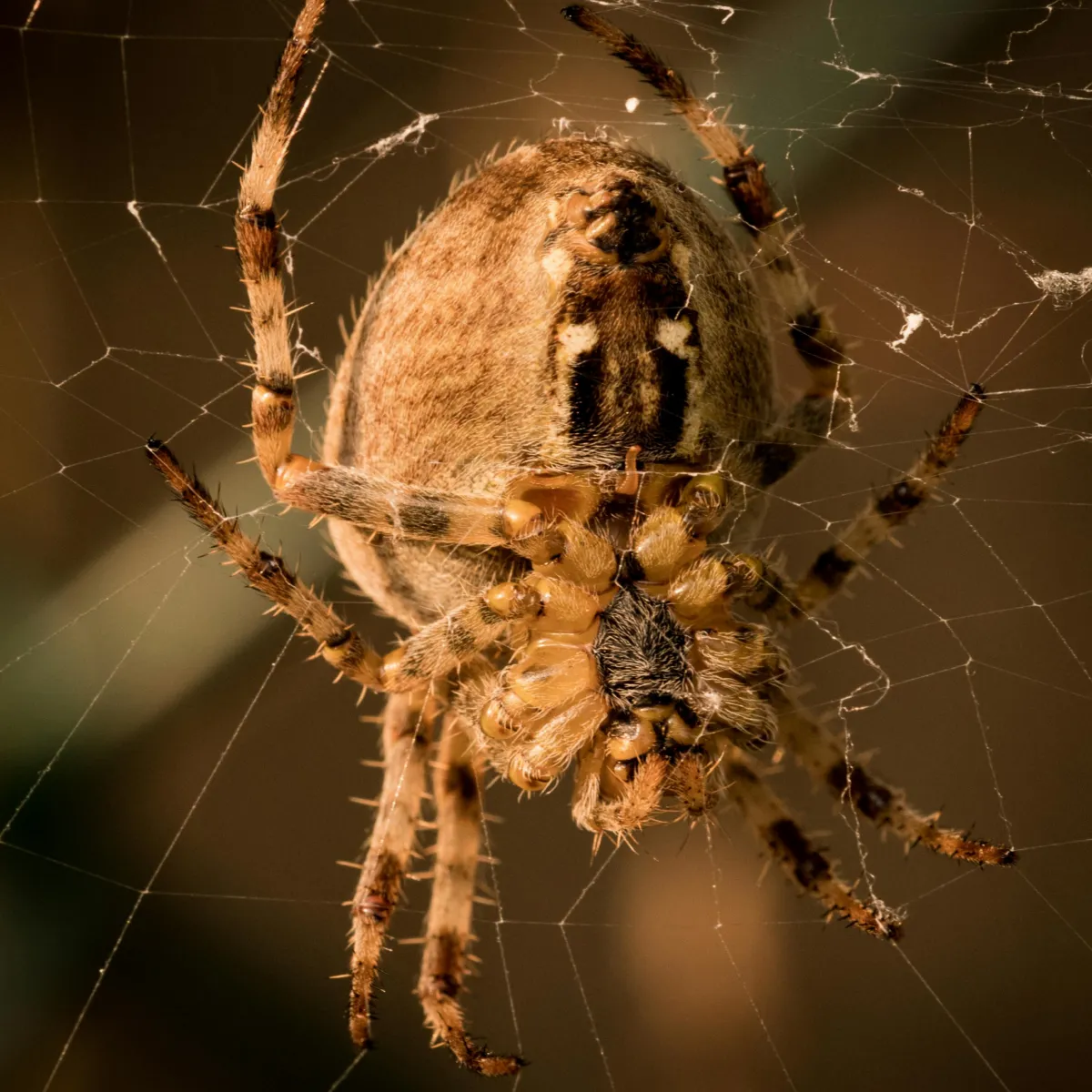
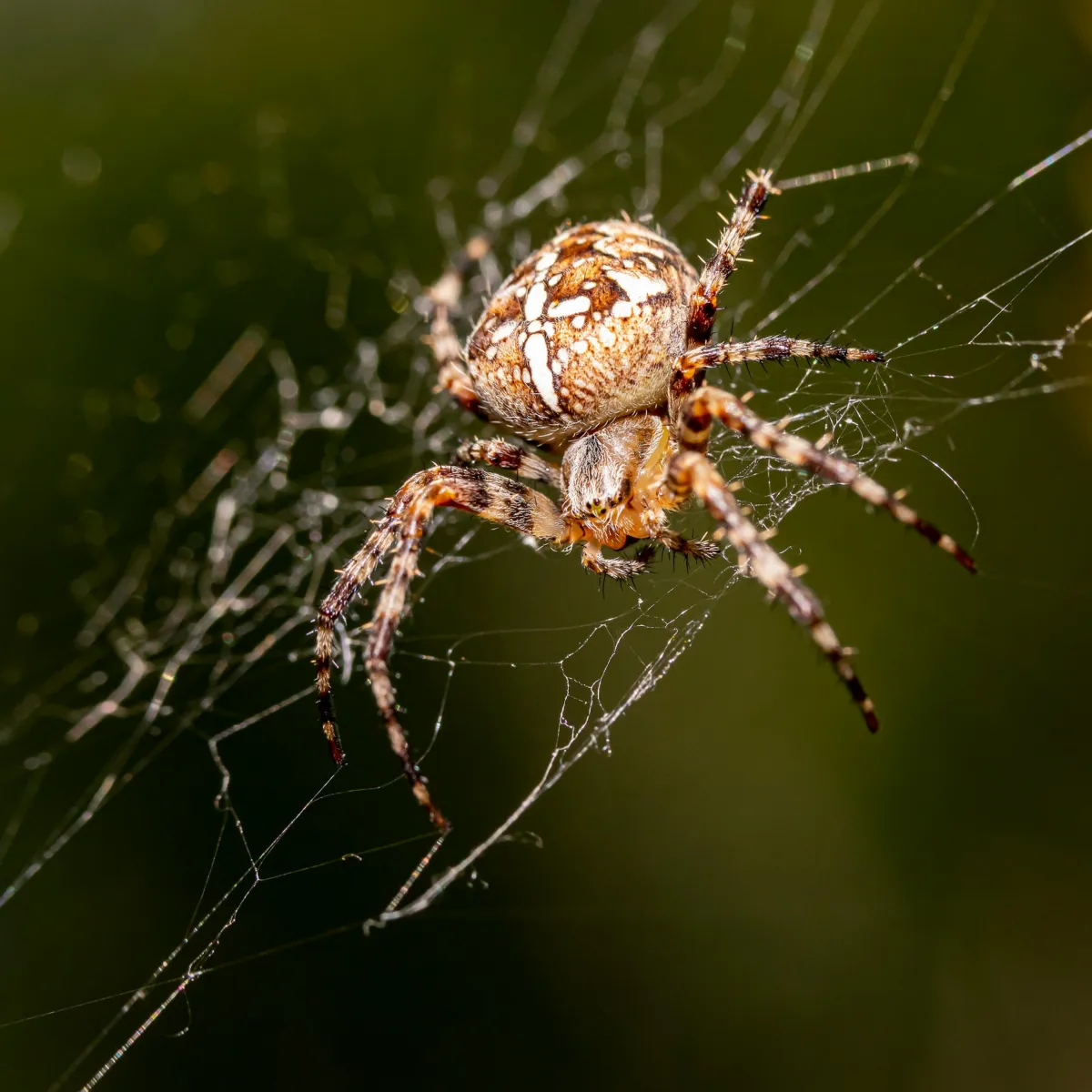
Orb weavers build broad circular webs across porch rails, gutters, fencing, shrubs, and decorative outdoor structures. Their webs may not present much direct danger, but they can become a constant frustration around outdoor living spaces.
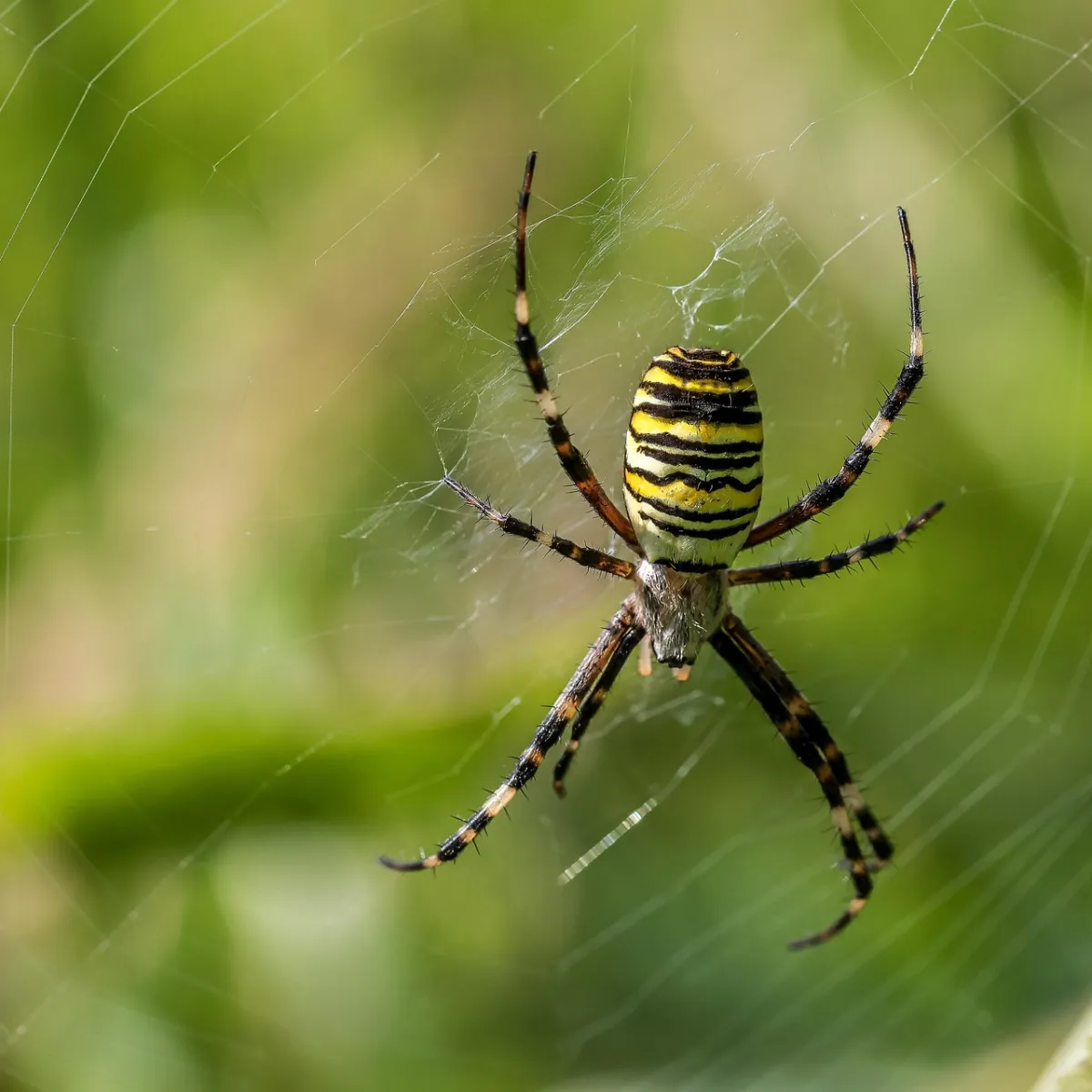
Garden spiders are usually found in planted areas, flowering beds, and taller vegetation. Their presence becomes especially noticeable when their webs begin spanning walkways, side-yard access points, or patio edges.
Cellar spiders often stay in basements, garages, utility rooms, and low-traffic corners where shelter remains consistent. They are not usually dangerous, but they can still signal that the structure has conditions spiders can use over time.
The pattern usually becomes clear before the homeowner realizes the extent
Spider infestations often reveal themselves through repetition rather than a single dramatic event. Webs that keep reappearing in the same places, spiders showing up in several parts of the property, and activity shifting from outside spaces into indoor rooms are all signs that the population may be becoming established.
Other clues include egg sacs tucked beneath stored materials, shed skins in corners, droppings near web-heavy areas, and insects trapped in webs. Another warning sign is when household sprays seem to help briefly, but new activity begins showing up again in short order. That usually means the visible spiders were only part of the issue.
A house becomes useful to spiders long before the owner sees all the signs
Spiders enter homes because buildings offer a combination of shelter, protected temperatures, and access to prey. In Langley, warmer months can keep insect movement high around doors, windows, porches, and landscaping. That gives spiders a strong reason to stay close to the structure.
Small openings are often enough for access. Gaps under doors, worn screens, vent edges, utility penetrations, and foundation cracks can all create opportunities. Once spiders find quiet shelter just inside those openings, they may continue using the home even if the exterior conditions change.
Seasonal shifts can make this more obvious. Rain, humidity, and cooler fall weather often change where spiders choose to remain active, which is one reason some homes experience a noticeable rise in indoor sightings later in the year.

The strongest harborage is usually hidden in plain sight
Spiders usually choose spaces that remain dark, still, and out of the way. Around a Langley home, that often means attic corners, garages, crawl spaces, behind stacked storage, under decks, beneath furniture, along closet floors, inside utility areas, near soffits, and in detached storage buildings. These are the areas where webs and egg sacs can survive the longest without interruption.
Outside, spider-supporting conditions may include wood piles, shaded shrubs, decorative borders, low-use side yards, fence corners, and covered outdoor furniture. These perimeter zones matter because they often keep the property under steady pressure even when indoor webs are being removed.
Spider pressure changes throughout the year in noticeable ways
Spring often starts the increase as insects become more active and exterior webs become easier to spot. Summer usually brings the heaviest outdoor activity around porches, railings, shrub lines, sheds, patios, and lights.
Fall often shifts the complaint indoors. Instead of mostly seeing spiders on the outside, homeowners begin noticing more activity in garages, closets, attics, and other protected spaces. Winter may reduce how often webs are seen outdoors, but indoor harborage can still remain active.
What disappears from sight may not be gone from the property
Store-bought products often remove what is easiest to see, but they usually do not address what is keeping the infestation alive. Hidden egg sacs may remain. Exterior harborage may stay active. Insects around the perimeter may still be attracting more spiders. The property conditions that helped create the issue may be unchanged.
Professional spider control works better because it addresses the pattern behind the sightings. By identifying the hiding areas, access points, and supporting conditions, treatment can go beyond temporary cleanup and offer a more stable result.
The way the property is maintained can support longer-lasting relief
If spider activity has already appeared, low-traffic areas need more frequent attention. Garages, closets, attics, crawl spaces, and utility rooms should be checked regularly so activity does not build unnoticed. Removing fresh webs early and keeping storage organized can reduce the amount of hidden shelter available.
Outside, it helps to keep vegetation away from the siding, move stacked materials off the structure, repair damaged screens, manage moisture near the foundation, and reduce insect attraction where possible. These steps often work best alongside treatment rather than instead of it.
Treatment should fit a home that still has to function normally
A focused spider service keeps the work centered on the parts of the property where the issue is strongest. That targeted approach is often more practical for active households than broad unnecessary applications that do not reflect the actual layout of the problem.
A repeating spider problem deserves a company that looks deeper
Fairway Lawns describes its pest-control service as inspection-based, problem-specific, and designed around targeted treatment and follow-up guidance. That approach is especially useful for spider issues, because spider infestations are often tied to the way the structure and surrounding property function together.
The company’s Augusta location page also supports the Augusta hub structure being used for nearby Langley content.
These are the kinds of questions many Langley homeowners ask once spider activity becomes routine
If spider activity around your Langley home keeps coming back in the same corners, storage areas, and outdoor structures, Fairway Lawns can help you take a more complete approach. Schedule service to reduce active webs, target hidden spider shelter, and make the property less favorable for future infestations.