Spider Protection for Hoover Homes and Outdoor Spaces
In Hoover, spider activity often goes from manageable to frustrating because it begins popping up in several places at once. A web shows up under the patio cover. Another appears in the garage rafters. Then a spider turns up near a closet baseboard, followed by one in a bathroom or hallway corner. Once the signs start repeating across the property, the home is usually giving spiders enough shelter and access to remain active for longer than expected.
Fairway Lawns’ Birmingham location page lists pest control as part of its services, and that branch serves this area from Bessemer.
Spider Treatments That Go Beyond What You Can See
Spider infestations around Hoover homes often depend on overlapping conditions. Landscaped borders may hold shade and moisture near the walls. Porch lighting may keep drawing insects to the same spots at night. Garages may contain storage that creates quiet protected gaps. Attics, utility rooms, and closets may remain undisturbed long enough for webs, eggs, and repeated activity to build quietly.
That is why one quick spray in the room where a spider was found usually does not hold. The visible spider may not be where the issue is strongest. A sighting in the hallway could point back to attic shelter. A web near the outdoor dining area may reflect insect movement and protected harborage around nearby shrubs or furniture. Effective spider pest control follows the layout of the problem instead of assuming the most visible place is the only place that matters.
Hoover homes often feature porches, patios, garages, and landscaped edges that create exactly the kind of sheltered transitions spiders use well. When those exterior and interior shelters work together, spider activity tends to repeat.
A clear service process usually creates a more stable result
We begin by identifying the strongest spider pressure points and the conditions supporting them. That includes likely species, web-heavy areas, prey insect activity, moisture concerns, and possible entry routes.
Treatment is then focused on the places where spiders are most likely to remain active. That may include perimeter applications, focused interior treatment, web removal, egg sac treatment, and crack-and-crevice attention in likely harborages.
Long-term improvement usually depends on reducing what made the property attractive in the first place. That may involve trimming vegetation, improving screens, changing storage patterns, and reducing insect attraction near lights and entryways.
For homes with repeat seasonal activity or strong perimeter pressure, continued service may help keep the same spider pattern from coming back.
The spider species around the home do not all create the same kind of risk
Black widows prefer dark, low-disturbance areas such as crawl spaces, sheds, wood piles, meter boxes, storage corners, and patio furniture undersides. Because of their medical significance, any confirmed widow activity should be taken seriously and handled carefully.
Wolf spiders are quick-moving hunters that often appear around garages, lower hallways, utility spaces, and door thresholds. They are commonly noticed because they are larger than many nuisance spiders and move fast enough to surprise people.
House spiders are common web-builders found in upper corners, spare rooms, closets, behind furniture, and along window edges. Their repeated webs often become the first sign that a home has become more spider-friendly than the owner realized.
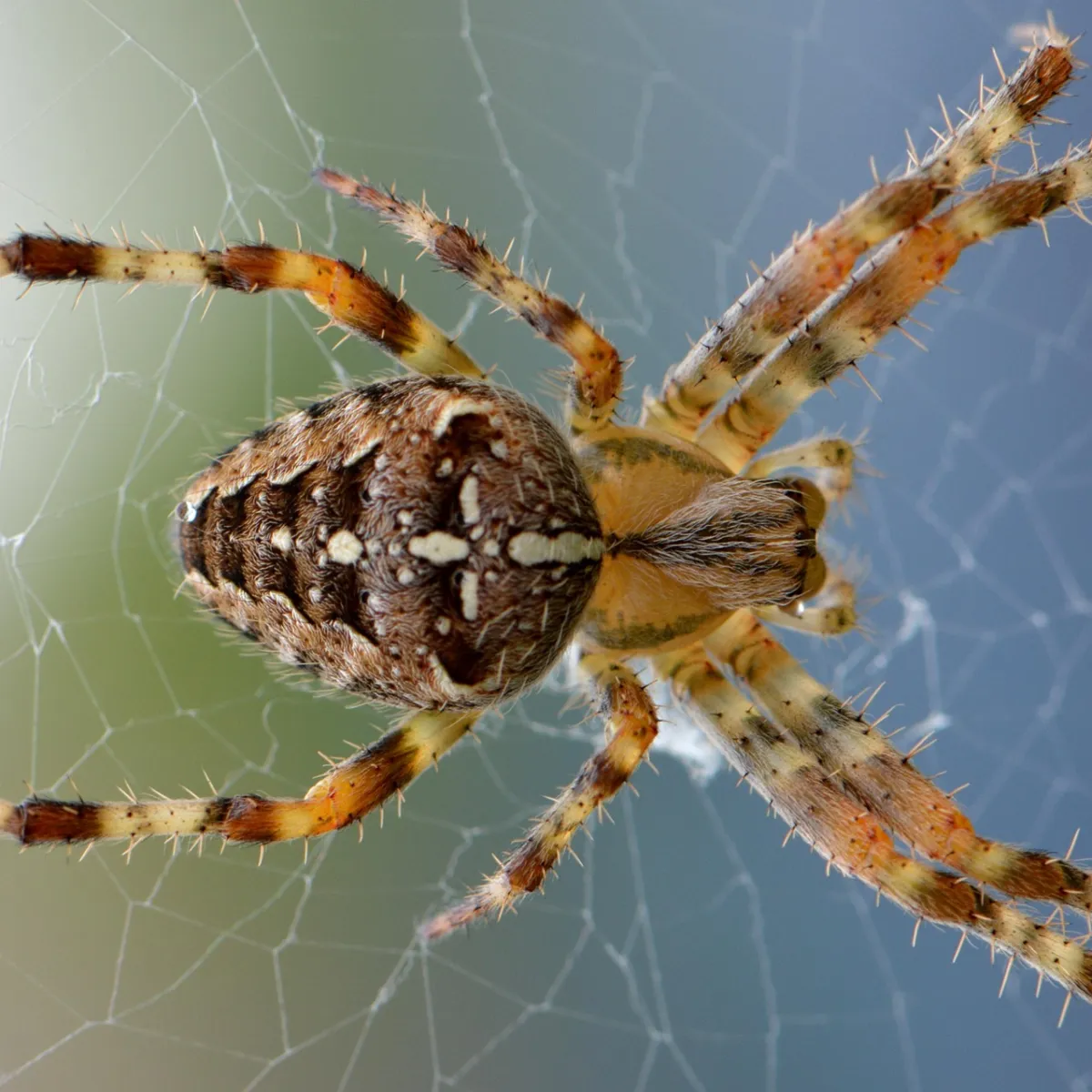
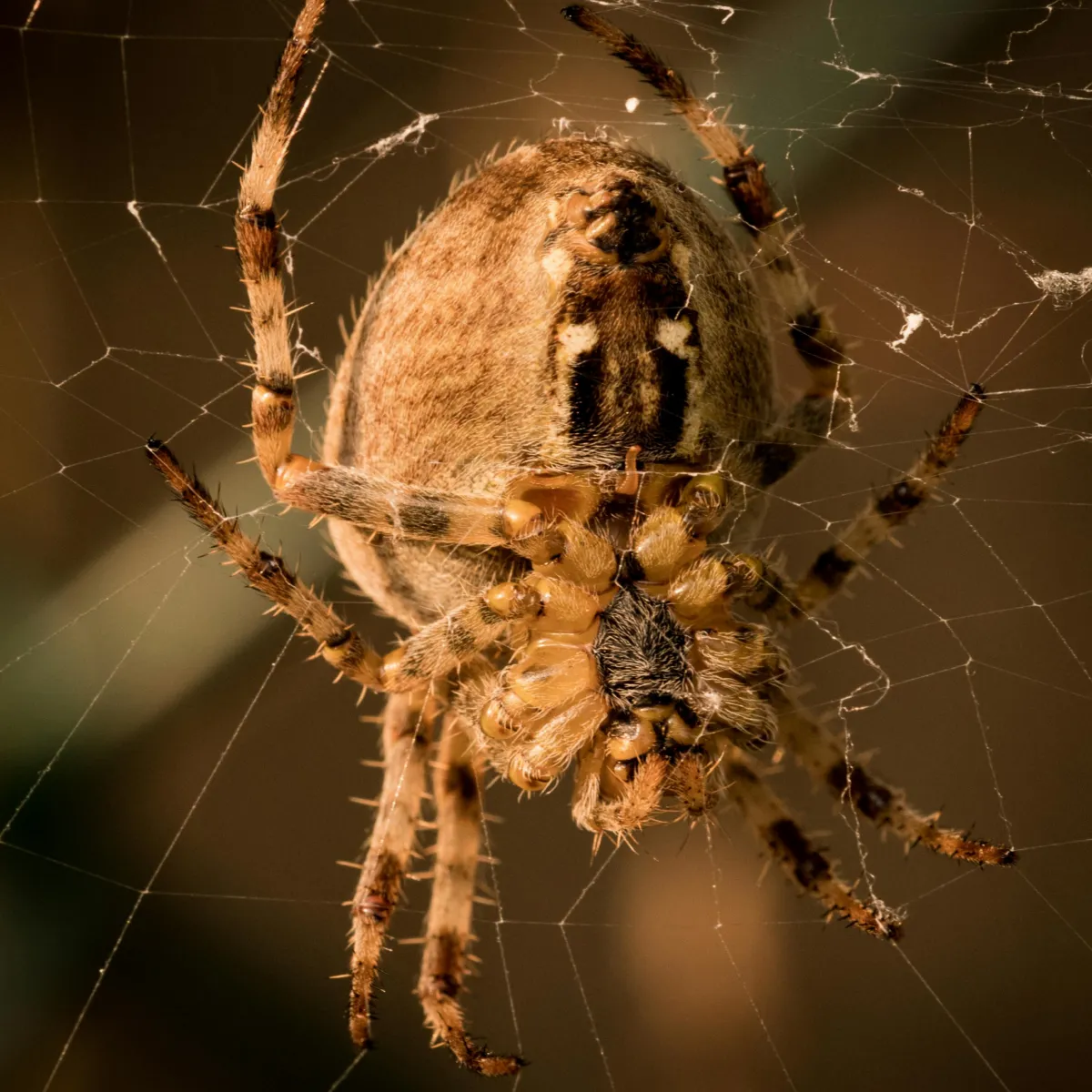
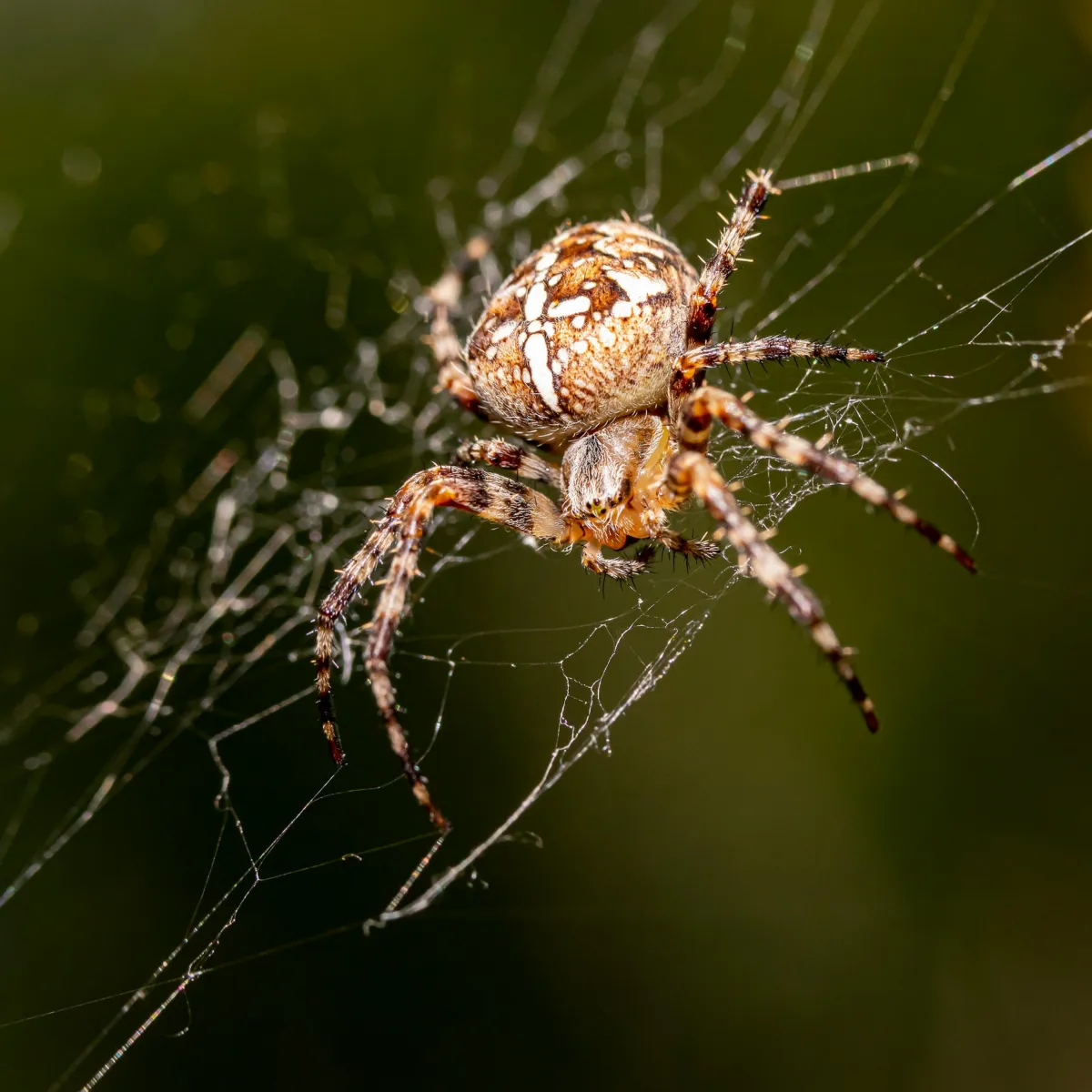
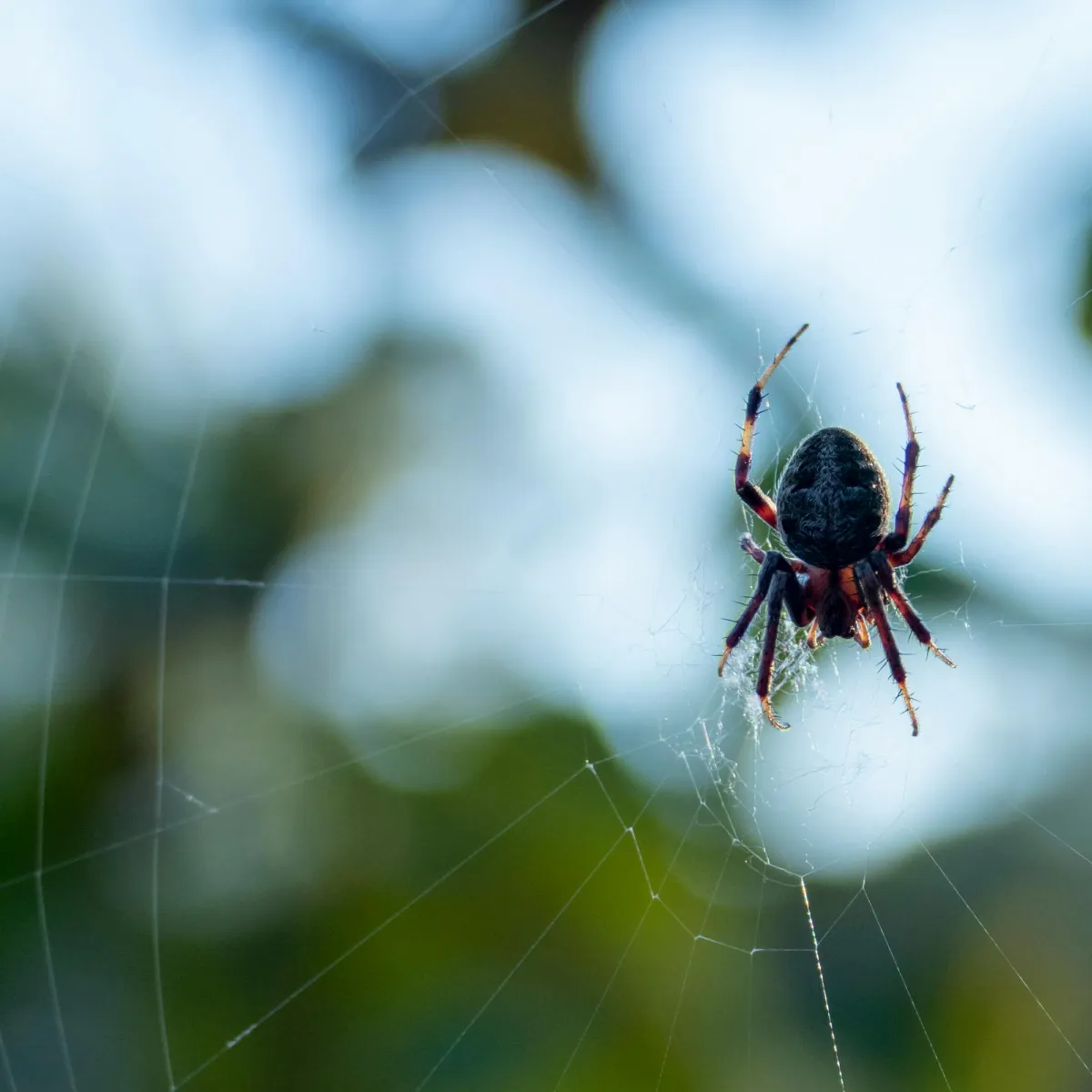
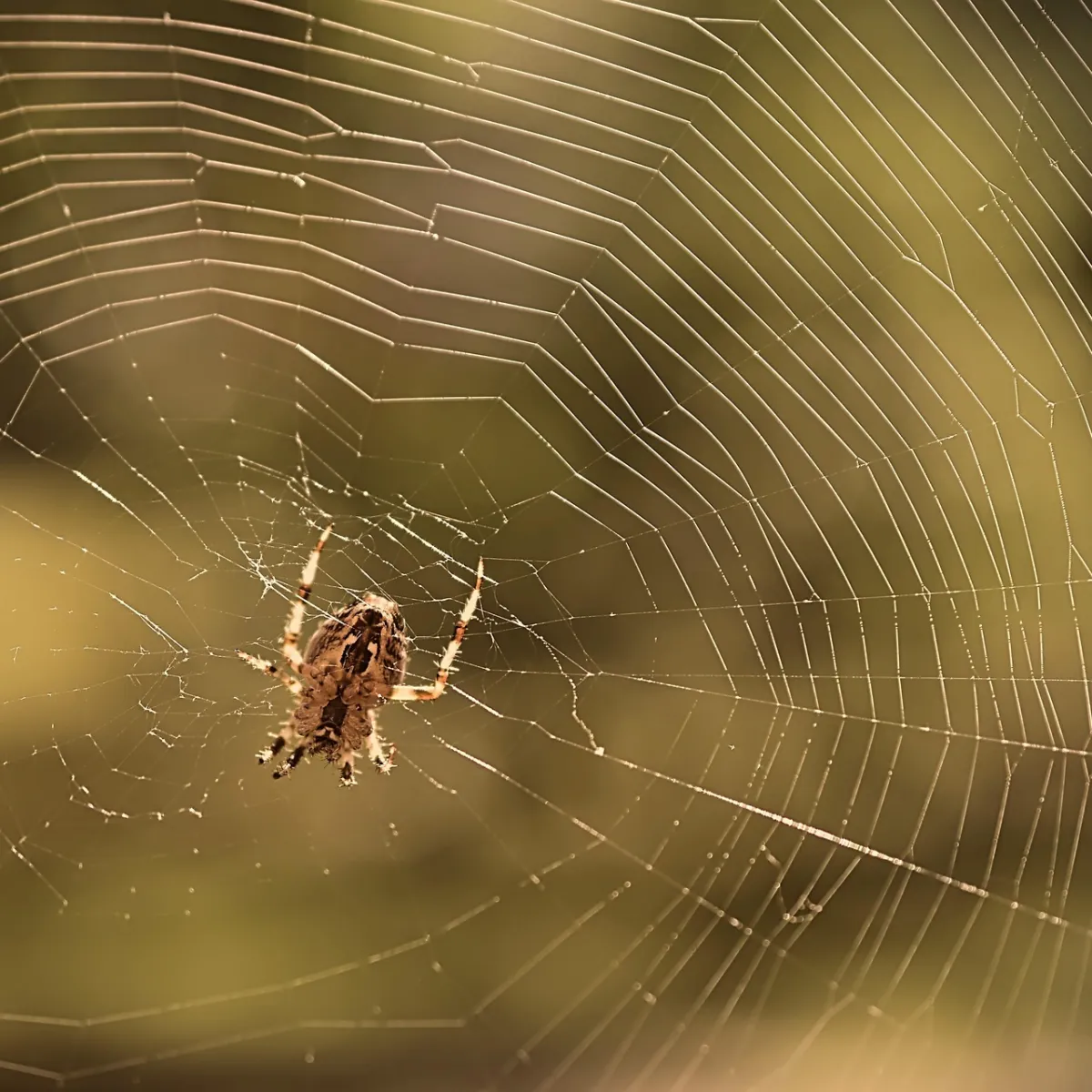
Orb weavers create broad circular webs around railings, fence lines, gutter edges, shrubs, and porch structures. They are mostly outdoor nuisance spiders, but their webs can become difficult to keep up with when activity is strong.
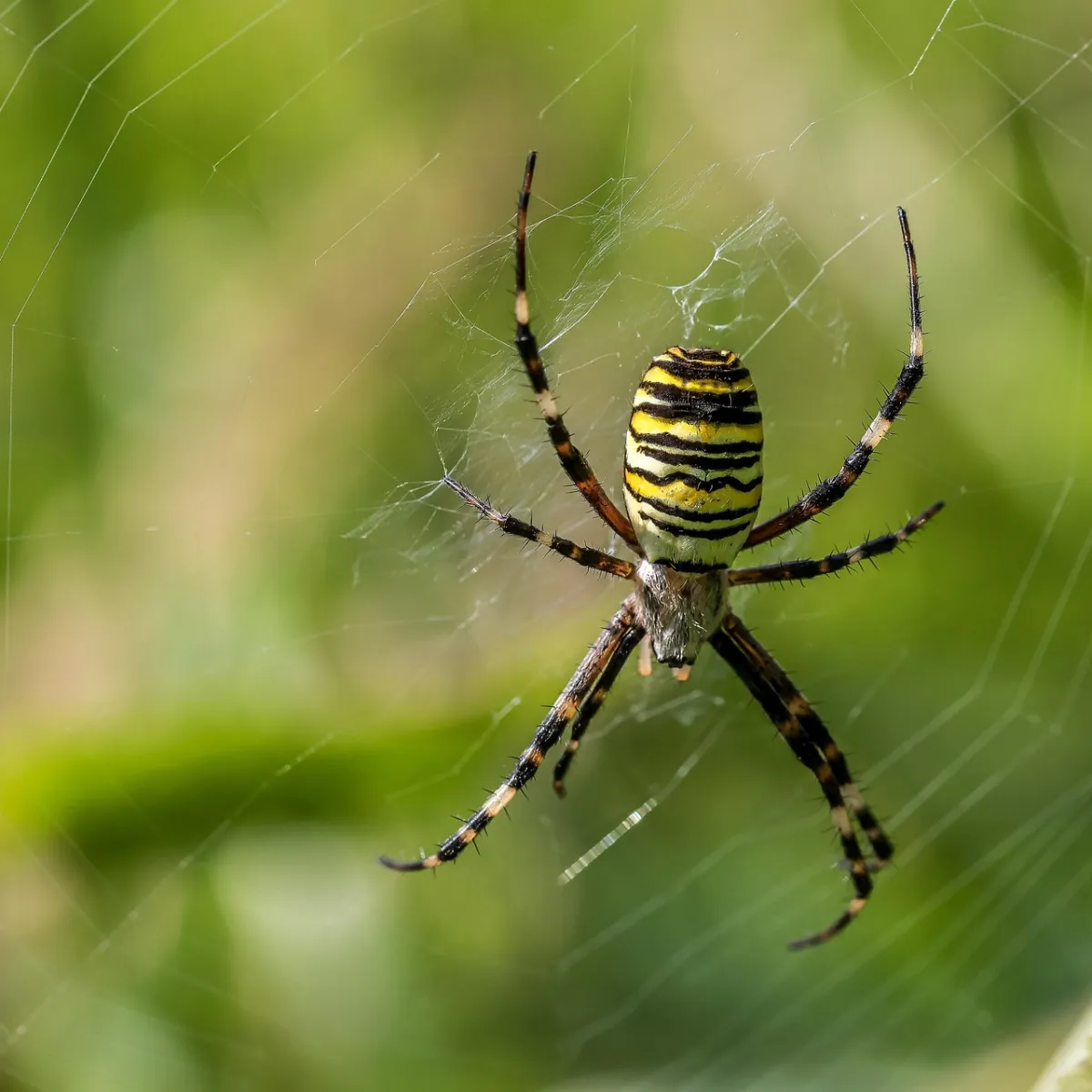
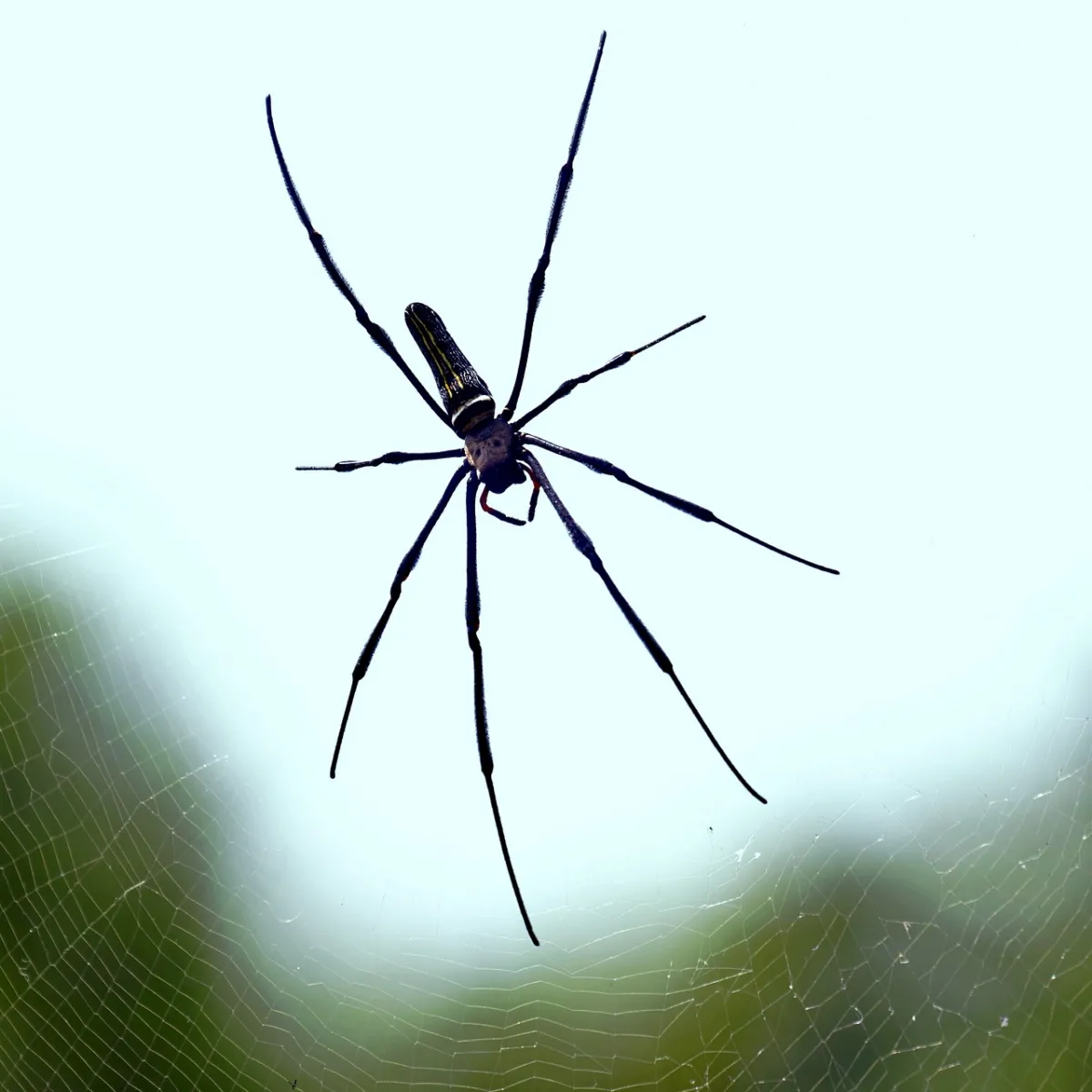
Garden spiders usually stay near landscaping, flower beds, and taller vegetation. Their large webs become especially noticeable once they appear around side-yard access routes or patio edges.
Cellar spiders are often found in garages, basements, utility rooms, and low-traffic storage corners. Though usually harmless, they often point to indoor shelter conditions that support continued spider activity.
A spider infestation usually looks like repetition before it looks severe
Spider infestations often reveal themselves through recurring evidence. Webs return in the same locations, spiders appear in several rooms, and outdoor activity overlaps with indoor sightings. That kind of pattern matters more than any one isolated spider.
Other signs include egg sacs beneath furniture or tucked into storage, shed skins in corners, droppings near active web zones, and insects trapped in webbing. When store-bought products seem to help only briefly, that is another clue that the visible activity is not the whole issue.
Spiders enter homes because the structure offers better conditions than the yard alone
Spiders move inside because homes give them stable shelter, darker hiding areas, and nearby prey. In Hoover, insect pressure around exterior lighting, landscaping, and moisture-prone areas can keep spiders close to the house for long periods. Once the home also gives them quiet spaces inside, the property becomes even more useful.
Entry points can be small. Gaps under doors, screen tears, vent edges, utility openings, and foundation cracks all create opportunities. If those routes lead to attics, garages, closets, or crawl spaces, spider activity can continue with very little interruption.
Seasonal changes can intensify the issue. Rain, humidity, and cooler fall weather often shift activity toward more protected indoor spaces, which is why homeowners may suddenly notice more spiders later in the year.
Spider harborage is usually strongest where people do not look often enough
Spiders often stay in attic corners, crawl spaces, garages, closet floors, under furniture, beneath porches, behind stacked storage, inside sheds, along soffits, and near foundation openings. These locations remain sheltered and quiet enough for webs and egg sacs to survive longer than they would in more active parts of the home.
Outside, activity may build in shrubs close to the house, wood stacks, patio furniture, decorative borders, side-yard storage, and fence corners. If those outside areas remain active, they often keep indoor sightings coming back even after the most visible webs are removed.
Spider pressure in Hoover changes with the time of year
Spring often marks the beginning of increased spider pressure because prey insects become more active and web-building outside becomes easier to notice. Summer usually brings the strongest exterior activity around patios, porch structures, shrubs, sheds, and lights.
Fall often shifts more activity inside. Garages, attics, closets, and utility corners become more active as spiders move toward protected shelter. Winter may reduce visible webbing outdoors, but indoor refuge spaces can continue supporting activity for much longer.
A quiet week after spraying does not always mean the issue is resolved
DIY spider treatment often improves the appearance of the problem without reducing the hidden parts that keep it going. Egg sacs may remain undisturbed. Exterior harborage may keep producing new activity. Insects around the property may still be feeding the cycle. Quiet storage and attic spaces may still be usable shelter.
Professional spider control works better because it follows the larger infestation pattern. By focusing on what is supporting the spiders instead of only what is easy to see, it offers a more complete answer than repeated household spraying.
The way the property is maintained can make the difference between temporary and lasting relief
If spider activity has already become familiar, low-traffic spaces need more regular attention. Check attics, closets, garages, utility corners, and under-porch areas often enough that webs do not build unnoticed. Keep storage more organized and reduce deep clutter where possible.
Outside, trim plants away from the siding, move stacked materials away from the structure, repair damaged screens, reduce moisture buildup, and pay attention to where insects gather around lights. Prevention works best when it strengthens treatment rather than trying to replace it.
A selective treatment plan is often the best fit for a busy home
A targeted spider-control plan keeps treatment centered on active trouble spots rather than using unnecessary blanket coverage. That approach is often more practical in occupied homes where people and pets still need the space to function normally.
A recurring issue deserves a provider that studies the whole setup
Fairway Lawns’ Birmingham page presents pest control as a local service backed by the company’s Bessemer branch. That local structure matters because recurring spider problems often depend on the specific way a home, yard, perimeter, and indoor shelter zones work together.
These are the questions Hoover homeowners often ask when spiders keep returning
If webs and spider sightings keep returning around your Hoover home, Fairway Lawns can help you take a more complete approach. Schedule service to reduce visible activity, target hidden spider shelter, and make the property less favorable for future infestations.