Spider infestations often grow in quiet spaces first
Spider problems in Bath can develop slowly enough that homeowners adapt to them before realizing how much activity has built up. A web by the basement steps gets brushed away. Another turns up near a back window. A spider appears in the garage after sunset, then one shows up in a corner of a spare room. When those signs become familiar instead of unusual, the property is often supporting a continuing cycle of spider activity.
Fairway Lawns offers pest control services that include inspections, targeted treatments, prevention, and follow-up support, and the company also maintains dedicated spider-control service pages focused on reducing sightings, clearing webs, and helping prevent future infestations.
Spider control works better when the quiet zones get attention
Spider issues around Bath homes are often rooted in the parts of the property that receive the least daily attention. Crawl spaces, garage corners, under-porch areas, attic edges, storage shelves, utility closets, and low exterior recesses all make useful shelter. Once these areas begin supporting activity, the same webs and sightings can keep returning even if the visible signs are cleaned away.
Basic cleanup helps temporarily, but it usually does not reach the deeper problem. A spider can rebuild a web. An egg sac can hatch later. A shaded exterior zone can continue producing activity close to the house. Professional spider pest control is more effective because it connects these pieces instead of treating each sighting as a separate event.
Bath properties often have the kind of mixed indoor and outdoor shelter that allows spider populations to remain close to the structure for long periods. If insects are also active around lights, near landscaping, or at entry points, the property becomes even more attractive.
A step-by-step process creates stronger control
The first step is identifying where the activity is strongest and what may be helping it continue. That includes likely species, common web zones, insect pressure, sheltered harborage, and possible entry routes.
Treatment is then focused on the areas most likely to matter, such as the perimeter, common hiding areas, web-heavy spots, cracks and crevices, and locations where egg sacs may be present.
To improve long-term results, the property often needs practical changes. That may include reducing clutter, trimming landscaping, improving exclusion, and lowering insect attraction around key exterior zones.
Some Bath properties benefit from continued attention because seasonal shifts or persistent harborage make spider pressure more likely to return.
The spiders around a property do not all behave the same way
Black widows are a major concern when they are found around homes. They are most likely to use protected low-traffic locations such as crawl spaces, wood piles, meter boxes, sheds, stacked planters, and outdoor storage areas. Because of the medical importance of their bite, they should not be treated as a routine nuisance pest.
Wolf spiders are large wandering hunters that can appear in garages, utility spaces, hallways, and along the floor line without warning. They do not need large visible webs to remain active, which is one reason they are often noticed suddenly.
House spiders are common indoor web-builders that settle into spare rooms, closets, ceilings, behind furniture, and around windows. Their presence may not seem serious at first, but repeated webbing indoors often signals a property that is supporting broader spider activity.
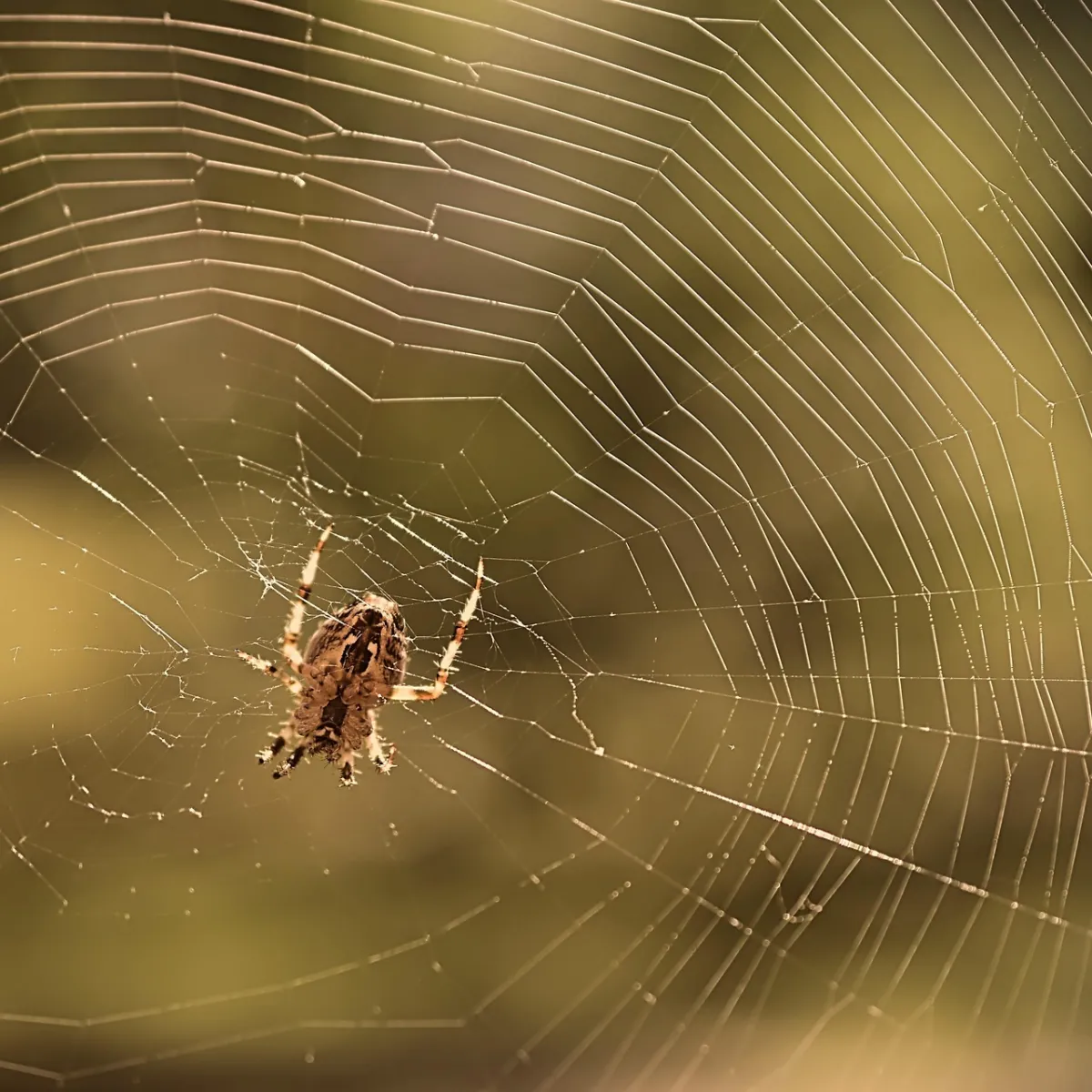
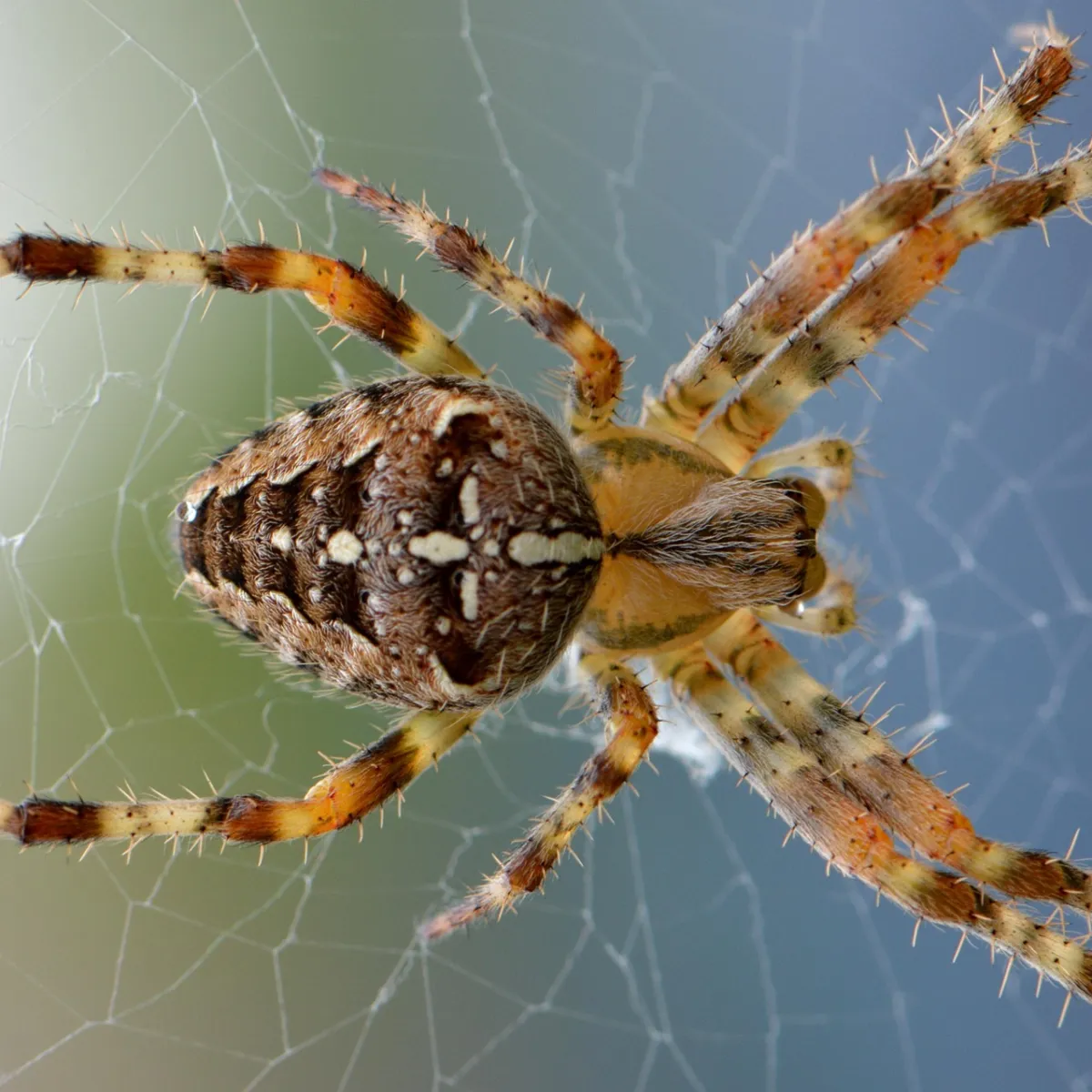
Orb weavers create large well-defined webs around porches, railings, shrub lines, gutters, and walkways. They are typically more of a nuisance because of the amount of webbing they produce than because of direct danger.
Garden spiders usually stay near plant beds and taller vegetation. They are mostly outdoor spiders, but their large webs can interfere with daily use of patios, side yards, and front walk areas.
Cellar spiders often occupy basements, garages, utility areas, and other sheltered indoor corners. Though usually harmless, they can contribute to the sense that spider activity is spreading throughout the property.
The property usually provides warnings before the issue feels severe
Spider infestations often reveal themselves through repetition. Webs that return after removal are one of the clearest signs. Sightings in multiple parts of the home are another. When spiders begin showing up in garages, closets, storage rooms, porches, and indoor corners within the same period, the activity is usually more established than it first appears.
Other signs can include egg sacs attached to boxes or hidden edges, shed exoskeletons, insect remains in webbing, and active spider movement in low-use parts of the structure. Another strong indicator is when store products appear to help briefly but the same problem comes back soon afterward.
A building offers shelter that outdoor conditions cannot always provide
Spiders enter structures because they offer refuge, reliable surfaces for hiding, and often a nearby source of insects. In Bath, warm months can keep prey insects active near the home for long periods. That makes porches, doors, windows, garage entries, and shaded exterior corners especially attractive to spiders.
Rain, humidity, and seasonal cooling can push them toward more sheltered areas. Once they find access through small cracks, damaged screens, vent gaps, or door openings, they may begin using the building as a long-term part of their habitat.
Spider movement indoors is rarely random. It usually reflects a property where exterior pressure and interior shelter have started to overlap.
The most useful hiding places are often the easiest to overlook
Common spider hiding places around Bath homes include attic corners, crawl spaces, under decks, garage shelving, behind stacked containers, closet floors, beneath furniture, around soffits, inside sheds, and near foundation cracks. These areas stay quiet long enough for webs, egg sacs, and repeated activity to develop unnoticed.
Outside, problems often begin in shaded landscaping, firewood stacks, low-use side yards, detached buildings, and decorative borders near the home. If these areas remain active, the building itself tends to stay under pressure from the perimeter inward.

Spider activity rises, shifts, and settles differently through the year
Spring usually starts the increase as insects become more active. Summer often brings the strongest outdoor webbing around shrubs, decks, garage entries, lights, and rooflines. During that period, many homeowners notice more activity on the exterior of the property.
Fall often changes the complaint. Instead of mostly outdoor webs, people begin seeing more spiders indoors or in sheltered transition areas like garages and attics. Winter may reduce exterior visibility, but interior refuge spaces can still remain active.
Because of this pattern, spider infestations often feel like they are moving around the property even when the underlying pressure never really went away.
What you can see is rarely everything that is there
Do-it-yourself products often handle the visible symptom rather than the underlying issue. They may remove a spider from a wall or knock down a web under the porch, but they usually do not eliminate the hidden egg sacs, protected harborage, or nearby exterior activity that helps the infestation continue.
Professional spider control is more effective because it identifies how the problem is working across the property. That allows treatment to target the actual pressure points instead of relying on repeated reactions to isolated sightings.
A few practical habits can support better results
Inspect low-traffic areas regularly instead of waiting for the activity to become obvious. Keep garages, basements, closets, and storage spaces organized so spiders have fewer undisturbed hiding options. Remove fresh webs quickly and avoid long periods of unchecked clutter.
Outside, keep shrubs and plants away from the siding, repair torn screens, move wood away from the structure, and pay attention to standing moisture around the foundation. Reducing insect attraction near lights also helps lower the reason spiders stay close to the home.
The service should be designed for real occupied spaces
A targeted treatment plan allows attention to stay where the issue is strongest instead of spreading unnecessary application across the entire property. That kind of selective approach is often more practical for homes where children, pets, and everyday routines still need to move comfortably through the space.
A repeated spider problem deserves a thoughtful plan
Fairway Lawns presents its pest control services as inspection-based and prevention-minded, with targeted treatments and follow-up support, and its spider-control page specifically focuses on reducing sightings, clearing webs, and helping prevent future infestations. Those service principles align well with spider problems, which are rarely solved by one quick spray.
Because spider issues often involve multiple areas of a property at once, a company that already frames service around inspections and practical treatment planning is a better fit than a purely reactive approach.
These are the kinds of questions homeowners ask when the problem keeps returning
If spider activity around your Bath property keeps showing up in the same places, Fairway Lawns can help you address the cause more directly. Schedule service to reduce visible webs, target hidden spider harborage, and help keep the property from sliding back into the same infestation pattern.