Local fire ant treatment for problem lawns
A yard with fire ants can go from manageable to frustrating without much warning. One week the lawn seems normal, and the next there are mounds in the grass, problem spots near places people use all the time, and more worry about where pets or children might step. Fairway Lawns offers fire ant control in Belvedere, SC for homeowners dealing with active colonies, repeated mound activity, and lawns that no longer feel as comfortable as they should.
Handle the problem before it spreads across more of the yard
Fire ant issues often build little by little. A homeowner notices one mound and plans to deal with it later, then another one shows up after a warm stretch or a rainstorm, and the yard starts feeling less predictable. It becomes easier to understand why the problem matters once regular routines start changing around it.
Our service is designed to address what the lawn is showing right now. We inspect the property, identify where fire ant pressure is strongest, and treat the affected areas based on what we find. Instead of only reacting to the mound that stands out most, we focus on reducing the activity that is making the yard harder to use and trust.
Why fire ants turn into a bigger lawn issue?
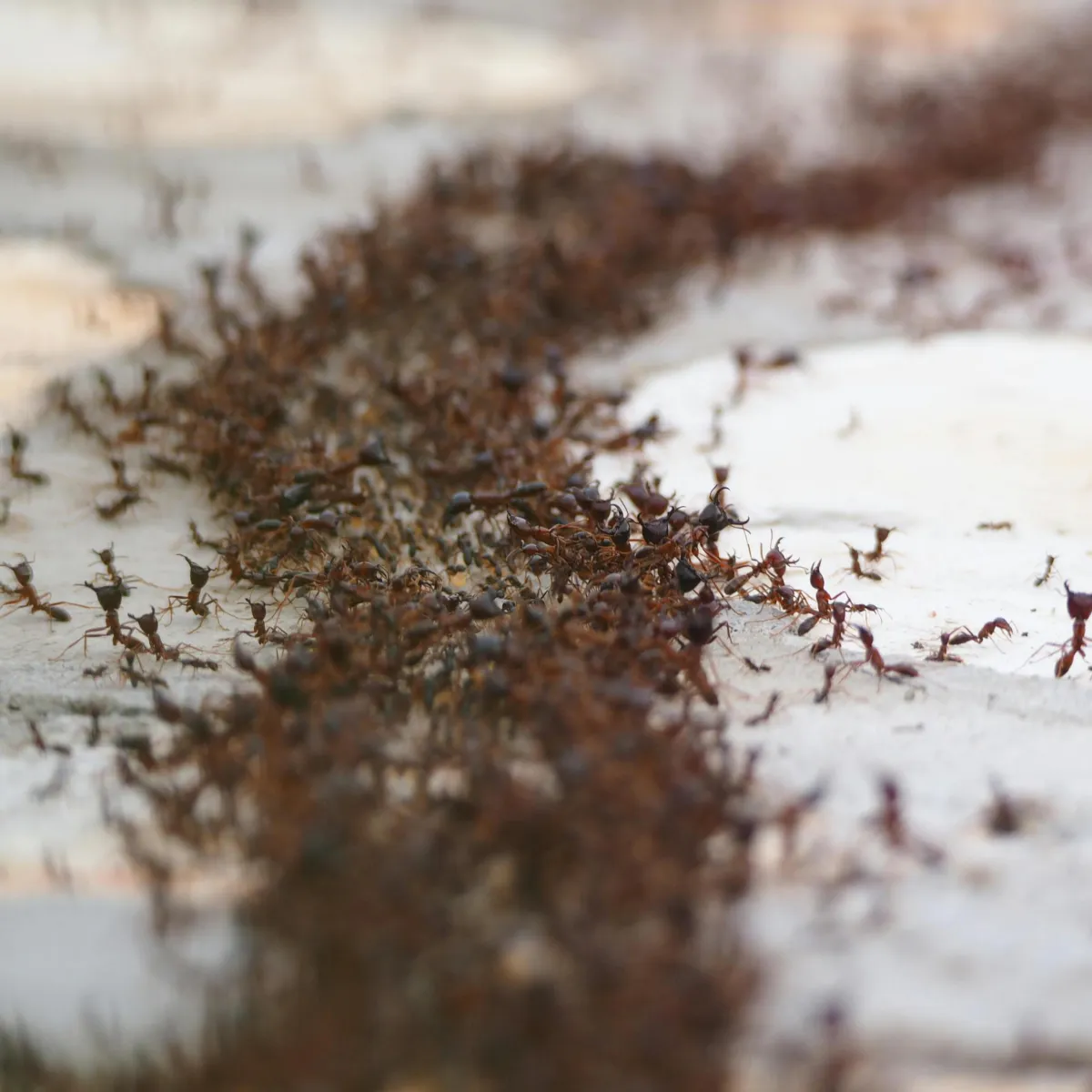
Fire ants matter because they are fast to defend their nest. A person can disturb a mound during everyday yard use and end up dealing with several stings in seconds. That kind of reaction makes them more than a minor nuisance and turns them into a real concern around homes where people spend time outside.
They also affect more than one small patch of grass. Once fire ants are active, the whole property can start feeling different. Homeowners become more careful, outdoor routines shift, and certain parts of the yard get avoided altogether. That change in usability is one of the main reasons the problem deserves quick attention.
What usually signals that fire ants are present
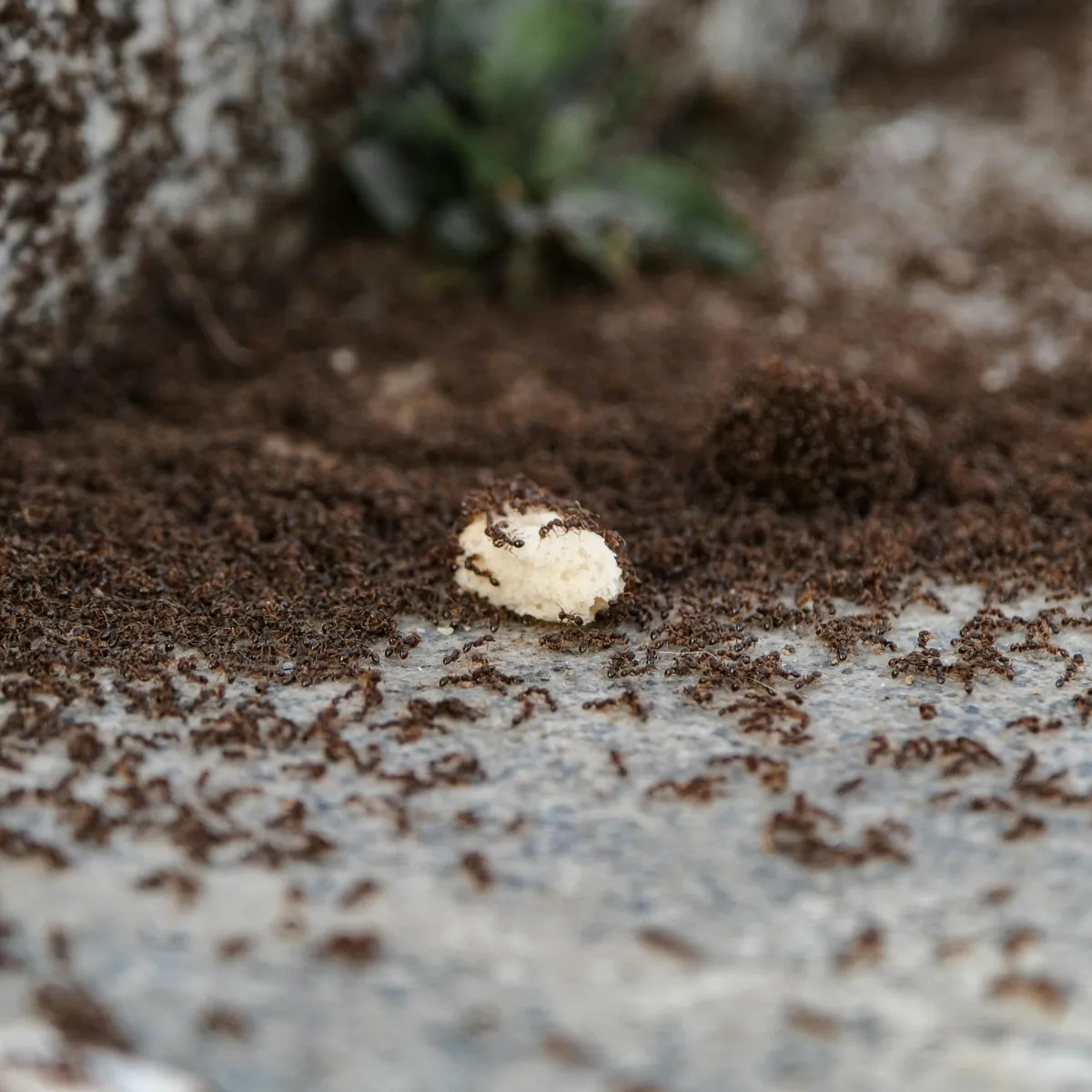
A common sign is a mound of loose soil in a sunny part of the lawn. These mounds often look sandy and may be easier to notice after rainfall, when fresh soil stands out more clearly against the surrounding grass. In some yards, one mound appears first and others follow soon after.
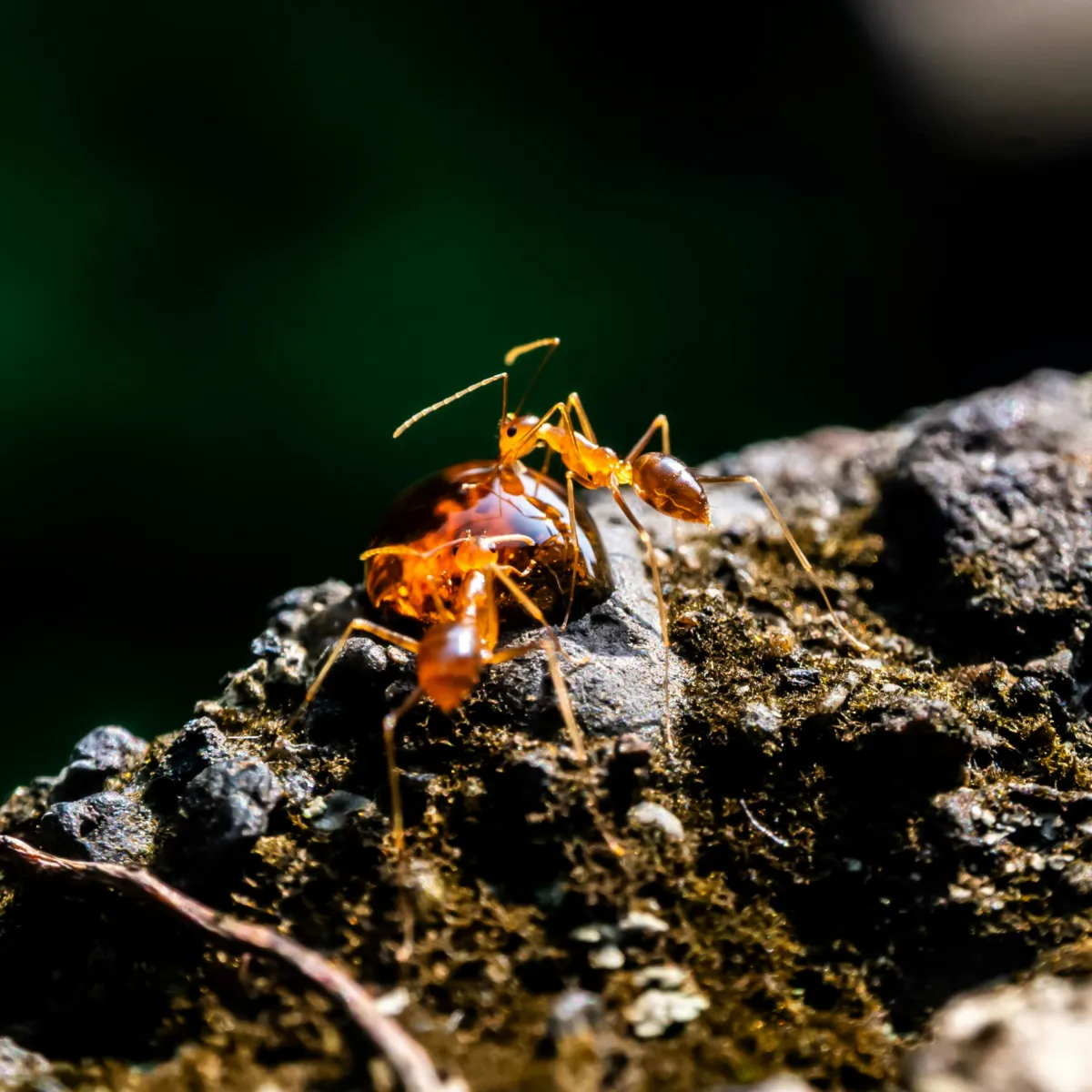
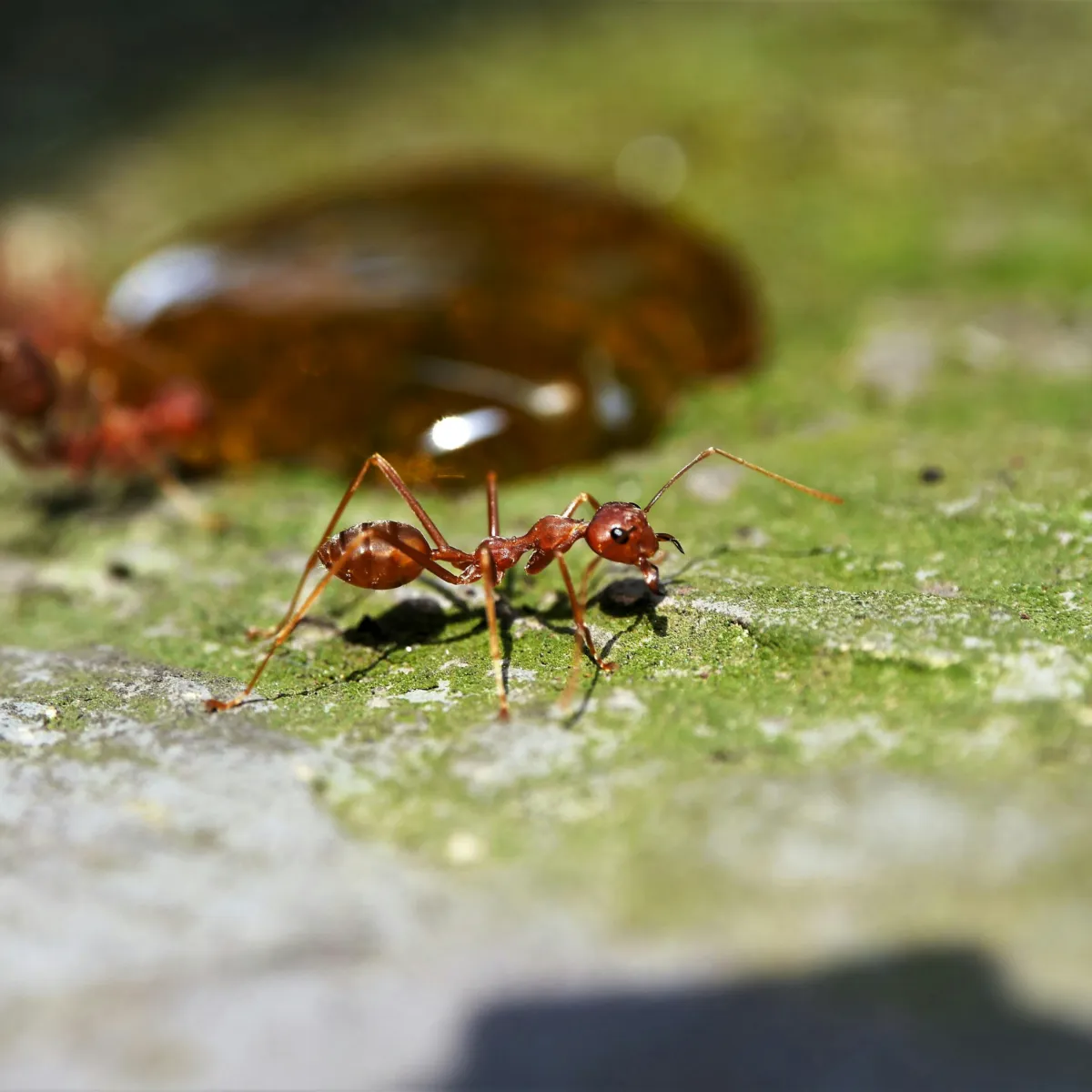
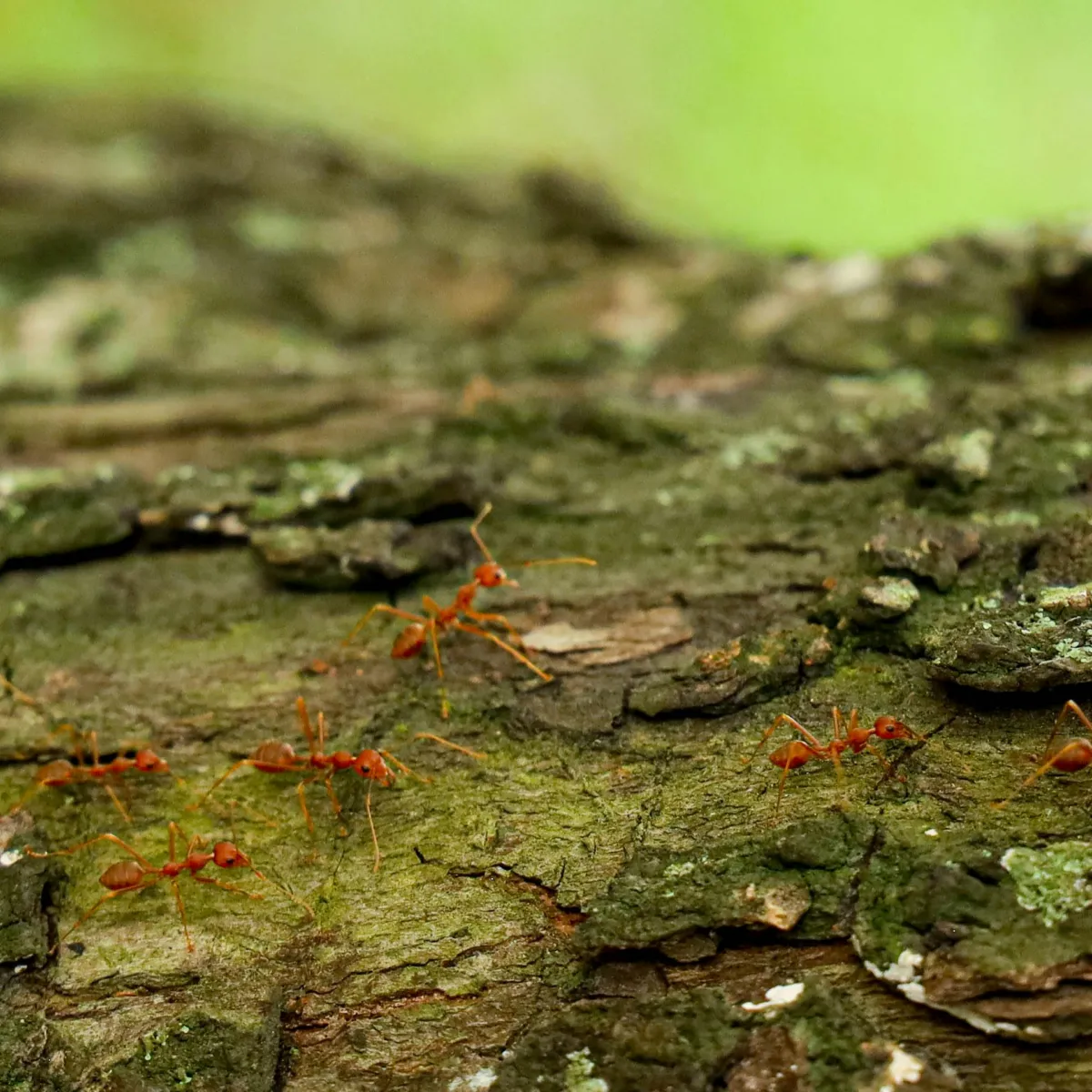
Another clue is the ants themselves. Fire ants are usually reddish-brown and quick to swarm if the nest is disturbed. Painful stings, repeated mound activity, or pets reacting in a particular area of the yard can all be signs that fire ants are more active than the surface alone suggests.
How to identify what you are seeing
Fire ants are small ants that are usually reddish or reddish-brown in color. They often range from about 1.6 to 5 mm long, and the workers in one colony may vary somewhat in size. Their aggressive reaction around the mound is often what makes them easiest for homeowners to recognize.
They are often found in warm, open areas of the yard. Their mounds may show up in turf, around hardscape edges, near planting beds, or in bare sections of soil that get good sun. Even when a mound looks small, the colony beneath it can still be active enough to create real lawn problems.
Why fire ants can keep coming back?
Fire ants are difficult to get rid of because the visible mound is only one part of the infestation. Most of the colony remains below the surface, where many quick surface treatments do not reach well enough to provide more complete control. That is why the problem can seem better for a time and then return.
Treatment conditions also matter more than many homeowners expect. Rain, watering, heat, and shifts in ant activity can all affect performance. Some colonies may have multiple queens too, which can make them more persistent and harder to eliminate with a simple do-it-yourself attempt.
How our fire ant treatment is handled?
We begin by inspecting the lawn for active mounds and for signs that the property may be dealing with more widespread fire ant activity. That helps us understand whether the issue is limited to a few visible spots or spread over a larger section of the yard. It also helps us choose a treatment approach that fits the property instead of guessing.
After the inspection, we treat the active mounds and the lawn areas connected to that pressure. If the amount of activity suggests it, we may also recommend continued monitoring or follow-up service. The aim is to reduce the current infestation and help the lawn stay easier to use over time.
Treatment approaches based on the yard
Some lawns need wider treatment because the activity is spread across several areas of the property. In those situations, broadcast treatment may be part of the service plan so more of the yard can be addressed at once. Other properties may have more concentrated activity, which can make direct mound treatment the better choice.
There are also times when a two-step approach makes sense. That may include bait-based treatment to help target colony activity and direct applications where visible mounds need immediate attention. We explain the options clearly so homeowners understand why the chosen method fits the lawn.
Why DIY treatment often leaves homeowners unhappy?
DIY fire ant treatment can be frustrating because the mound may change without the colony actually being controlled. Homeowners often think the problem is getting better when the surface quiets down, only to see fresh activity appear later in the same area or another part of the yard.
There is also the issue of being too close to the nest while treating it. Fire ants can respond quickly once disturbed, and that raises the sting risk for homeowners trying to handle the problem alone. Professional service helps avoid that trial-and-error cycle and gives the yard a more targeted treatment plan.
Why fire ants can become a household concern?
Fire ants can be dangerous because they may sting repeatedly when their nest is disturbed. Those stings can cause burning pain, bumps, and pustules that remain after the initial contact. Even one active mound can create a painful situation quickly if someone steps in the wrong place.
Some people may also have stronger reactions that require medical attention. That makes fire ants a bigger concern in homes where children play in the lawn, pets spend time outside, or homeowners are regularly doing work around the yard.
What to know before going back on the lawn
Treatments should always be applied according to label directions. After service, our technicians explain when treated areas can be used again and what homeowners should keep in mind until then. That guidance helps families manage the lawn more confidently after the visit.
Depending on the treatment used and the conditions in the yard, people and pets may need to stay off treated sections until the application has dried or settled. We make those instructions clear before the service is complete so there is no confusion about what comes next.
Why Belvedere homeowners choose Fairway Lawns?
Homeowners in Belvedere choose Fairway Lawns because they want a service that starts with inspecting the actual property. We look at where fire ant activity is showing up, explain what we find, and recommend treatment based on the conditions in the lawn instead of offering a generic answer.
We also make scheduling easy and provide practical follow-up information after service. If fire ants are making your yard harder to use, our team can help you address the issue with a plan built around the property and the pressure it is facing.
Questions homeowners ask when fire ants keep disrupting the yard
If fire ants are making your yard harder to use, Fairway Lawns is ready to help. Contact us today for a quote and professional fire ant treatment in Belvedere, SC.