Fire ant treatment for lawns that need real relief
Fire ants can make a yard feel less usable in ways that show up fast. A few mounds here and there can turn into a bigger headache when they start appearing near walkways, play areas, or spots where people spend time outside. Fairway Lawns provides fire ant control in Graniteville, SC for homeowners dealing with active mounds, painful stings, and colony activity that keeps interfering with normal lawn use.
Stop the problem before the yard feels off-limits
A fire ant issue does not have to cover the whole yard to become a real problem. Sometimes one or two active areas are enough to make homeowners change how they use the lawn. People start stepping around certain spots, watching pets more closely, and putting off outdoor chores because they do not want to run into another mound.
Our fire ant service is designed to respond to what is actually happening on the property. We inspect the lawn, look for where activity is strongest, and treat the affected areas based on the infestation we find. Instead of focusing only on the mound you can see, we work to address the fire ant activity that is making the yard harder to enjoy.
Why fire ants cause more trouble than many people expect?
Fire ants are aggressive, and they do not need much disturbance to react. A person can brush a mound while mowing, step near it while walking through the grass, or disturb it while doing simple yard work and end up with several stings in a short period. That makes them a much bigger concern than ordinary ants seen around the home.
They also create a wider yard problem than many people realize at first. Mounds affect how the lawn looks, but the bigger issue is how they affect everyday use. A yard with fire ants becomes less comfortable for children, pets, guests, and anyone trying to spend time outside without worrying about what is underfoot.
What often tells homeowners fire ants are active
Fresh mounds are usually the first thing people notice. They often look loose and sandy and tend to stand out in sunny areas of the lawn, especially after rain. Some yards will show one mound at a time, while others may suddenly have several visible problem spots within a short stretch.
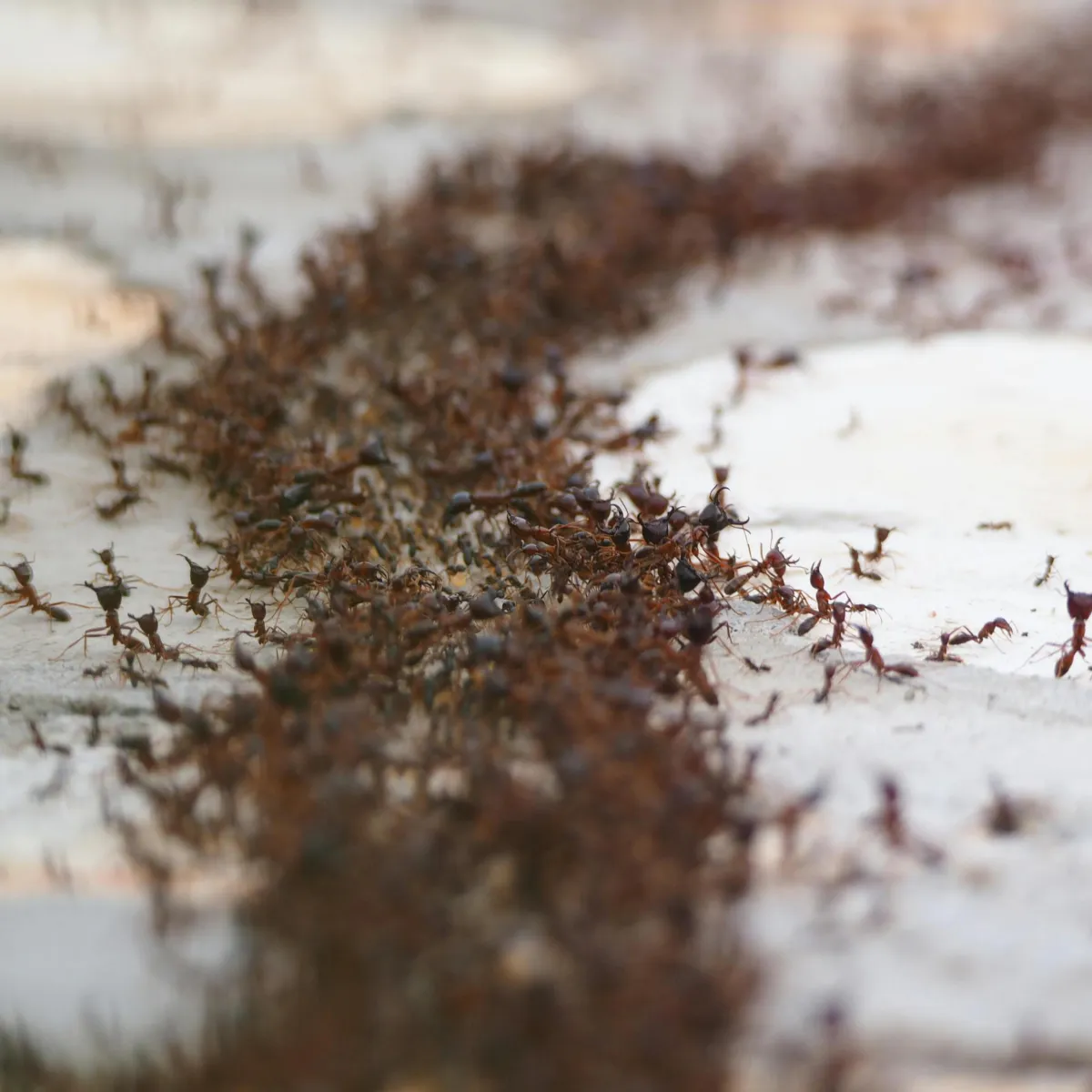
Homeowners may also notice reddish-brown ants swarming when the mound is disturbed. Stings, pets reacting to certain parts of the yard, or repeated mound activity in the same sections of the lawn can all point to fire ants settling in and becoming an ongoing issue.
How fire ants usually appear in the lawn
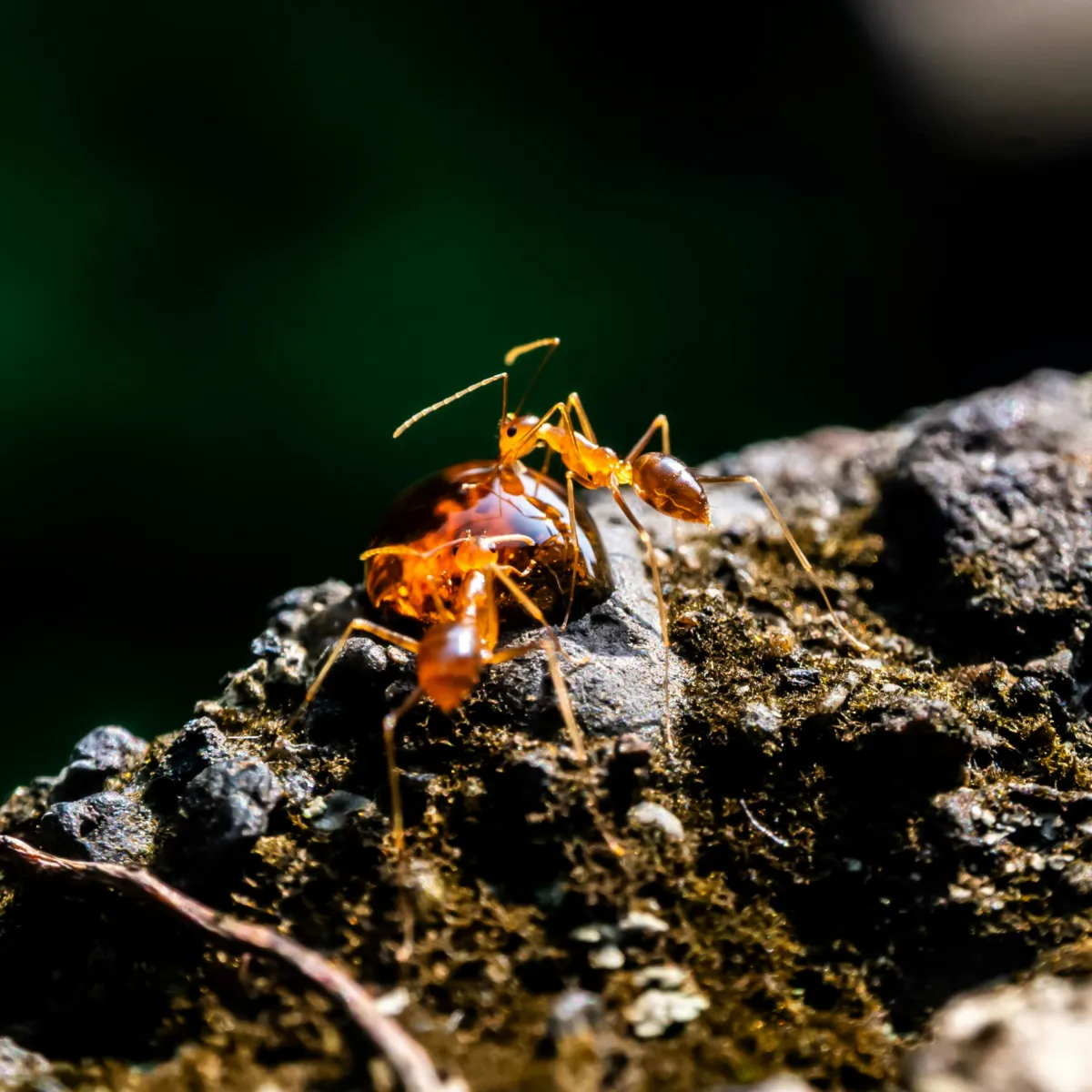
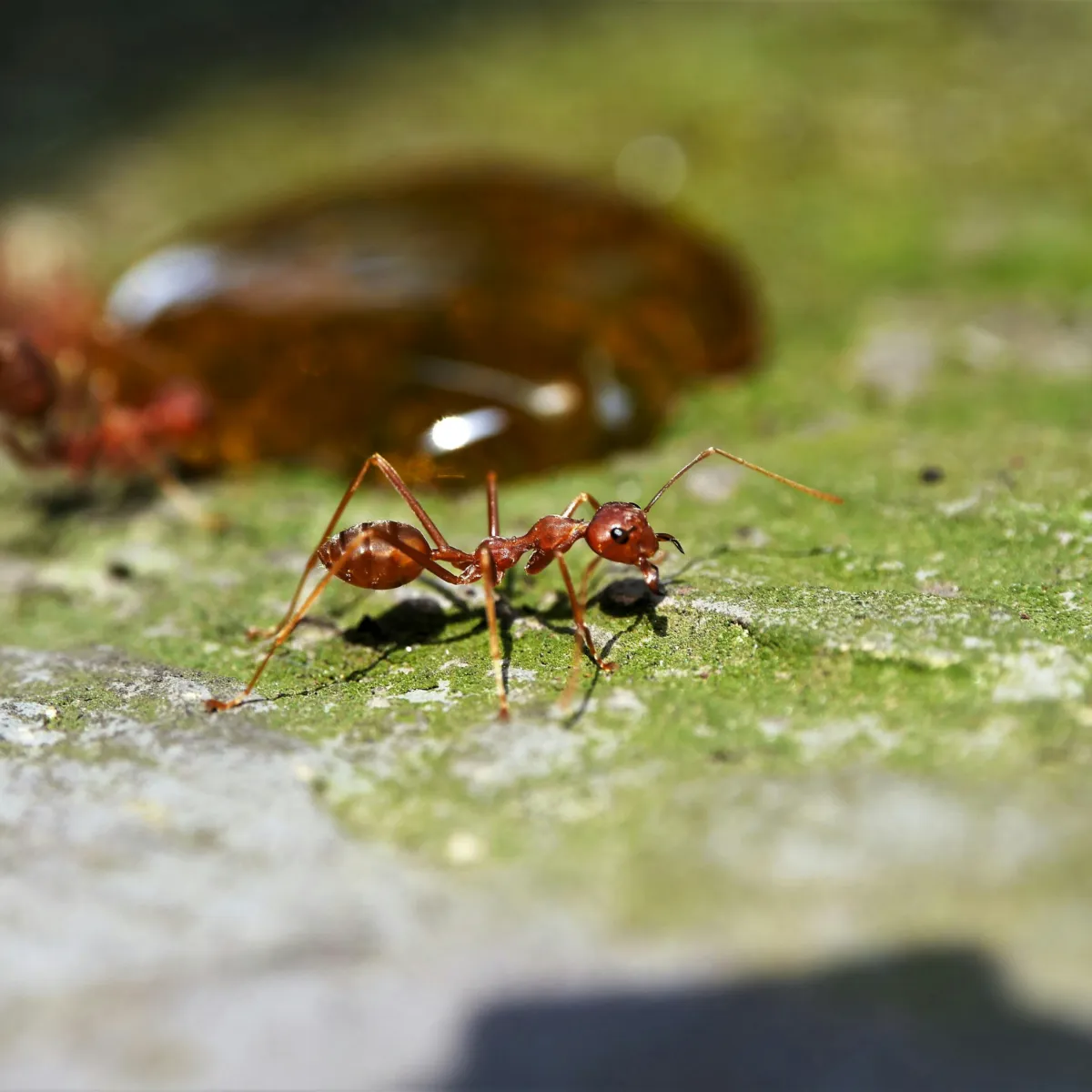
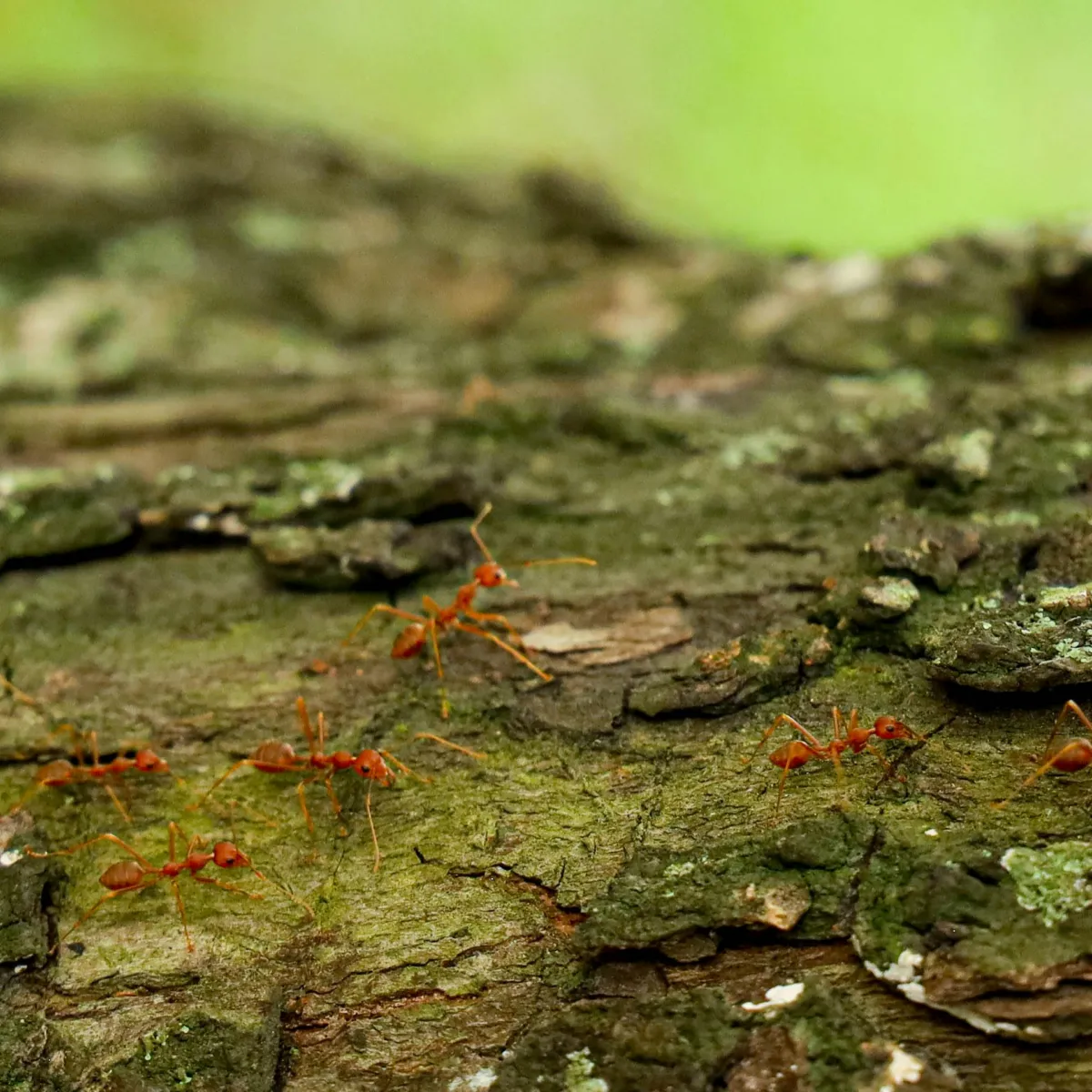
Fire ants are small ants that are usually reddish to reddish-brown in color. They generally range from about 1.6 to 5 mm long, and a colony may include workers that vary somewhat in size. Their color helps, but behavior is often what makes them easier to identify once the nest is disturbed.
They are commonly found in open areas where the soil gets plenty of sun. Mounds may appear in turf, along driveways, beside planting beds, or in exposed patches of soil around the property. In some cases the nest may seem small on the surface even though the colony below is more established than it looks.
Why getting rid of fire ants is harder than it seems?
Fire ants are hard to eliminate because most of the colony remains underground. The mound on top is only one visible part of a larger nest, and surface-only treatments often do not reach enough of the colony to create lasting control. That is one reason homeowners may treat a mound and still see activity return later.
Yard conditions also play a role. Rain, irrigation, high heat, and changes in ant foraging can all affect results. Some colonies may have multiple queens as well, which can make the infestation more stubborn and harder to knock back with a quick DIY approach.
How our fire ant service is handled
We begin with a lawn inspection to look for active mounds and signs of fire ant pressure in other areas of the property. That helps us understand whether the issue is isolated to one section of the yard or spread more broadly. It also helps us choose a treatment plan that fits the actual problem.
After the inspection, we treat the active mounds and the lawn areas connected to that activity. If the amount of pressure suggests the yard may need continued attention, we may also recommend follow-up service or monitoring. The goal is to reduce current fire ant activity and help keep it from taking over again.
Treatment methods based on the lawn conditions
Some lawns need wider treatment because the activity is spread across several sections of the property. In those cases, broadcast treatment may be part of the plan. Other lawns may have more concentrated mound activity and be better suited for direct treatment on specific colonies.
There are also situations where a two-part approach makes more sense. That may include bait-based treatment to target the colony and direct mound treatment where immediate attention is needed. We explain the treatment options in clear terms so homeowners know why a certain method fits their yard.
Why many homeowners move past DIY products?
DIY fire ant products can seem like a good first step, but they often give only partial results. A mound may flatten out or look less active for a little while, but that does not always mean the colony has been controlled. Homeowners can end up treating the same issue again and again without really solving it.
There is also the risk that comes with getting close to active nests. Fire ants can come out fast once disturbed, which makes self-treatment more frustrating and uncomfortable than many people expect. Professional service helps take away a lot of the guesswork and builds the treatment around the infestation instead of around a generic product label.
Why fire ants are a real safety concern?
Fire ants can be dangerous because they may sting several times once their nest is disturbed. Those stings often cause burning pain, raised bumps, and pustules that can remain after the initial contact. Even a small active mound can turn into a painful encounter very quickly.
Some people may also have stronger reactions and need medical attention. That is why fire ants are such a concern in lawns where children play, pets roam, and homeowners are outside doing regular yard work throughout the week.
What homeowners should know after treatment
Treatments should always be applied according to label directions. After service, our technicians explain when treated areas can be used again and what homeowners should keep in mind right after the application. That guidance is part of making the service easier to manage safely.
Depending on the product used and the conditions on the property, people and pets may need to stay off treated areas until the application has dried or settled. We make those instructions clear before the visit is complete so homeowners know exactly when regular yard use can start again.
Why Graniteville homeowners choose Fairway Lawns?
Homeowners in Graniteville choose Fairway Lawns because they want a company that looks at the actual yard before recommending a treatment plan. We inspect the property, explain what we find, and base our service on the fire ant activity present instead of treating every lawn the same way.
We also make scheduling straightforward and provide practical guidance after the visit. If fire ants are changing how you use your yard, our team can help you address the problem with a plan built around your property.
Questions that come up when fire ants keep returning
If fire ants are making your yard harder to use, Fairway Lawns can help. Contact us today for a quote and professional fire ant treatment in Graniteville, SC.