Spider activity often takes hold in the background first
A spider problem in Graniteville can develop without looking dramatic at the start. The first signs are often easy to brush aside: a web near a basement window, a large spider in the garage after dark, or repeated activity around the side entrance. Over time, though, those scattered signs can begin connecting. Webs return where they were already removed. Spiders appear in several parts of the property instead of one. Quiet corners begin showing more activity than usual. That is usually when the issue stops feeling random.
Fairway Lawns offers pest control services and also maintains spider-control content focused on reducing spider sightings, clearing webs, and helping prevent future infestations. The company also uses an Augusta location hub, which supports Graniteville pages being structured under that regional section of the site.
Spider control works best when the conditions around the home are part of the plan
Spider infestations around Graniteville homes are often connected to the way the property functions day after day. Exterior lighting may be drawing insects toward doors and windows. Landscaping may be creating cool shaded shelter close to the siding. A garage may be storing boxes, tools, and bins in a way that creates deep quiet spaces spiders can use. Crawl spaces and attics may offer long-term refuge that stays mostly undisturbed. When all of these conditions overlap, the property can quietly support spider activity for far longer than most people expect.
That is why professional spider pest control should not be based only on the last place a spider was seen. A spider on the bathroom wall may reflect stronger activity in a crawl space, utility opening, or exterior foundation gap. A web on the back porch may be tied to prey insects gathering around lighting or to harborage hidden in nearby shrubs. Spot treatment may make one sign disappear, but unless the full pattern is addressed, the same problem often returns.
Graniteville homes can be especially vulnerable when outside shelter and inside hiding areas connect easily. Covered porches, detached storage, low-traffic side yards, stacked outdoor items, and attic or garage clutter can all help spiders remain close to the structure without drawing much attention until the issue becomes repeated.
A stronger result comes from following a sequence, not guessing
We begin by studying where spider pressure is strongest and what the property is doing to support it. That includes likely species, visible web concentrations, moisture-prone areas, prey insect activity, and potential access points.
Treatment is then applied to the places where spiders are most likely to hide, travel, or rebuild. That may include perimeter applications, targeted interior treatment, web removal, egg sac treatment, and focused crack-and-crevice attention where harborage is most likely.
Long-term improvement usually depends on reducing the features that are making the home attractive. That may involve changing storage patterns, trimming plants away from the structure, sealing visible gaps, and lowering insect attraction around lights and entry points.
Where spider activity is seasonal or repeatedly tied to the same parts of the property, ongoing service can help keep the same pattern from forming again.
The species around the property do not all behave the same way
Black widows are one of the more serious spiders found around South Carolina homes. They tend to stay in low-disturbance protected spaces, including crawl spaces, wood piles, sheds, under patio furniture, storage corners, and meter boxes. Their irregular webs are usually placed where they can remain hidden for long periods. Because of the concern associated with their bite, they should be taken seriously whenever they are found.
Wolf spiders are large, fast-moving hunters that do not need large webs to stay active. They may appear in garages, mudrooms, lower-level hallways, utility spaces, and near entry doors. Many homeowners notice them because of their size and sudden movement, which makes them seem more aggressive than they often are.
House spiders are common indoor web-builders that settle into upper corners, behind furniture, inside closets, and along window lines. They are often more of a nuisance than a danger, but repeated webbing inside a home usually points to an environment that is helping them stay.
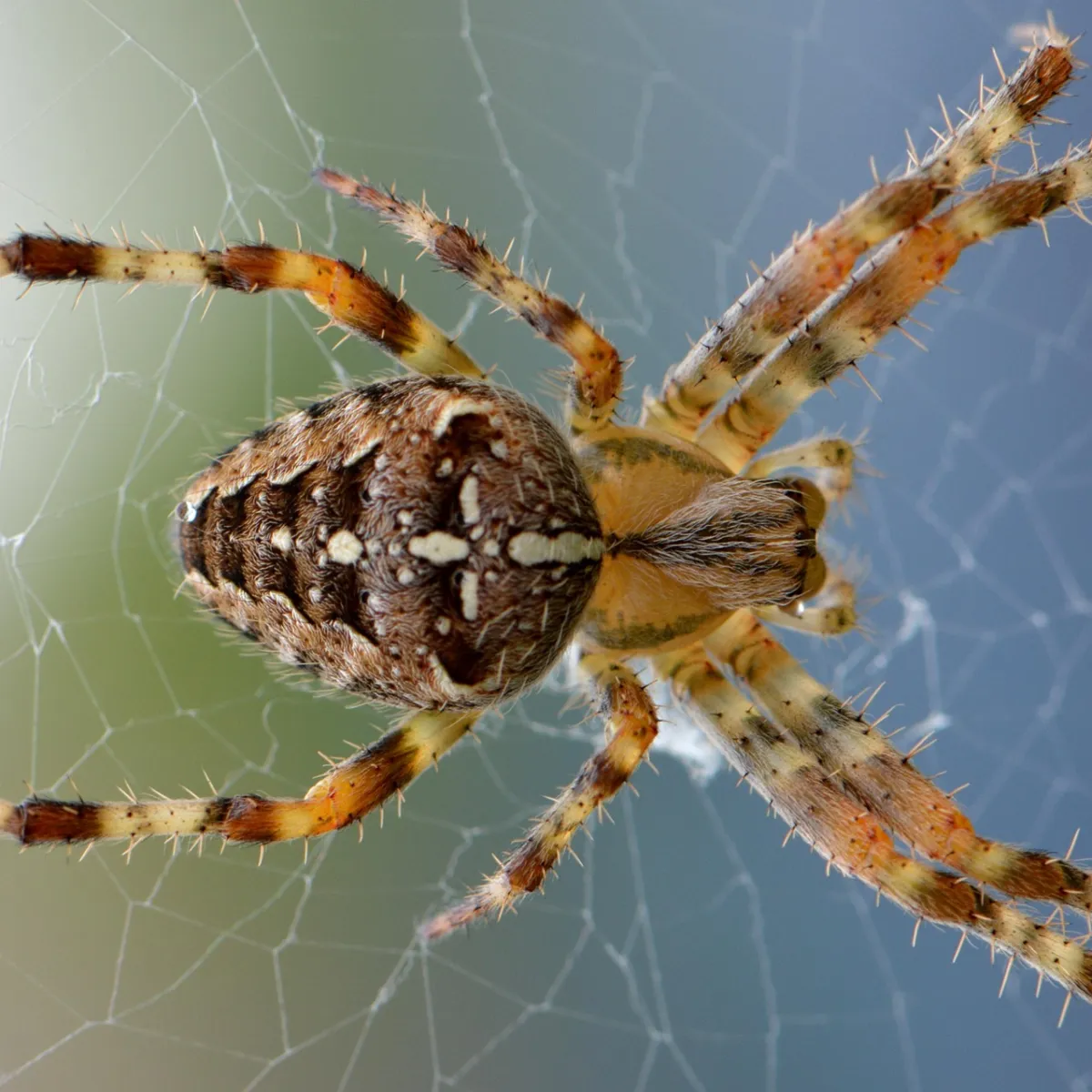
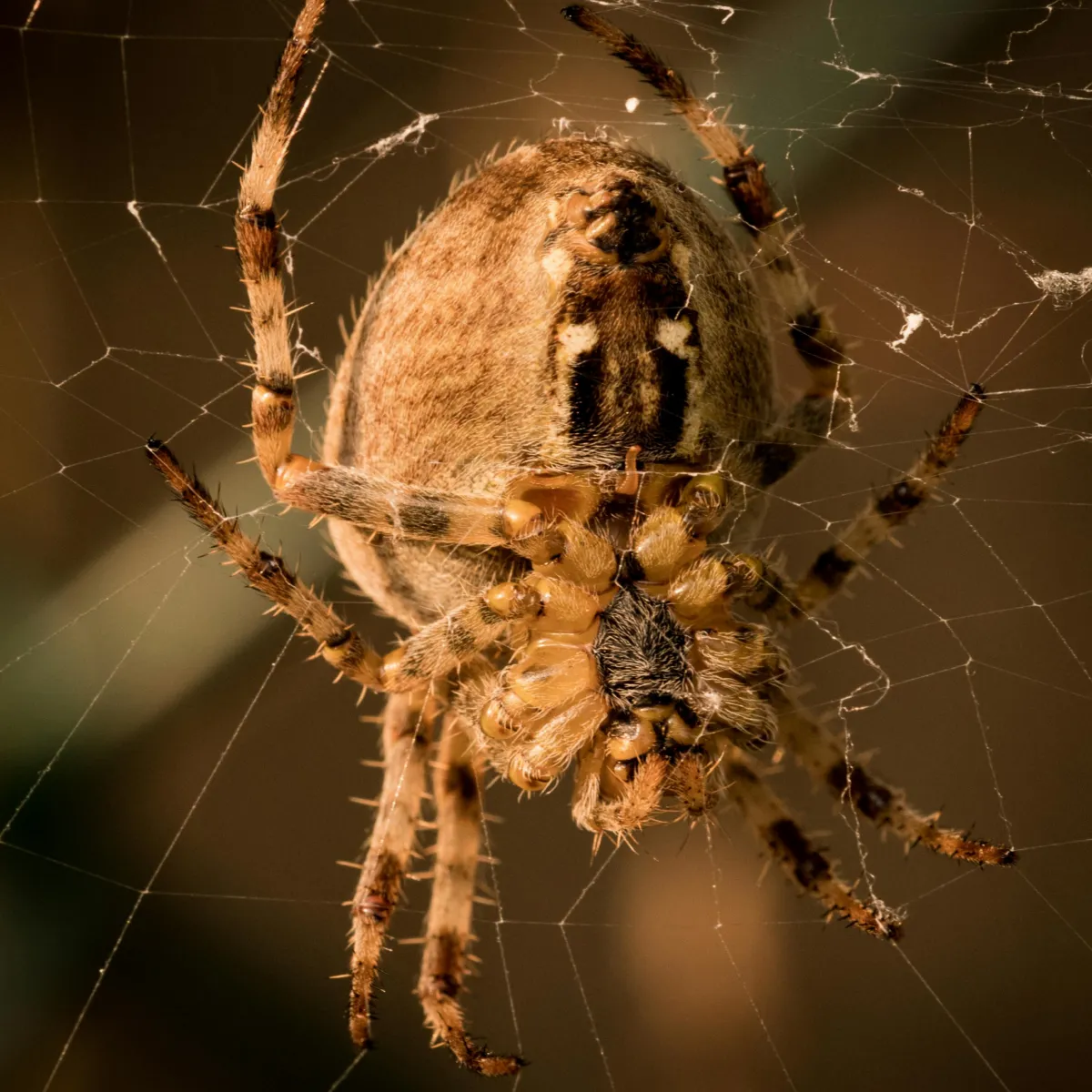
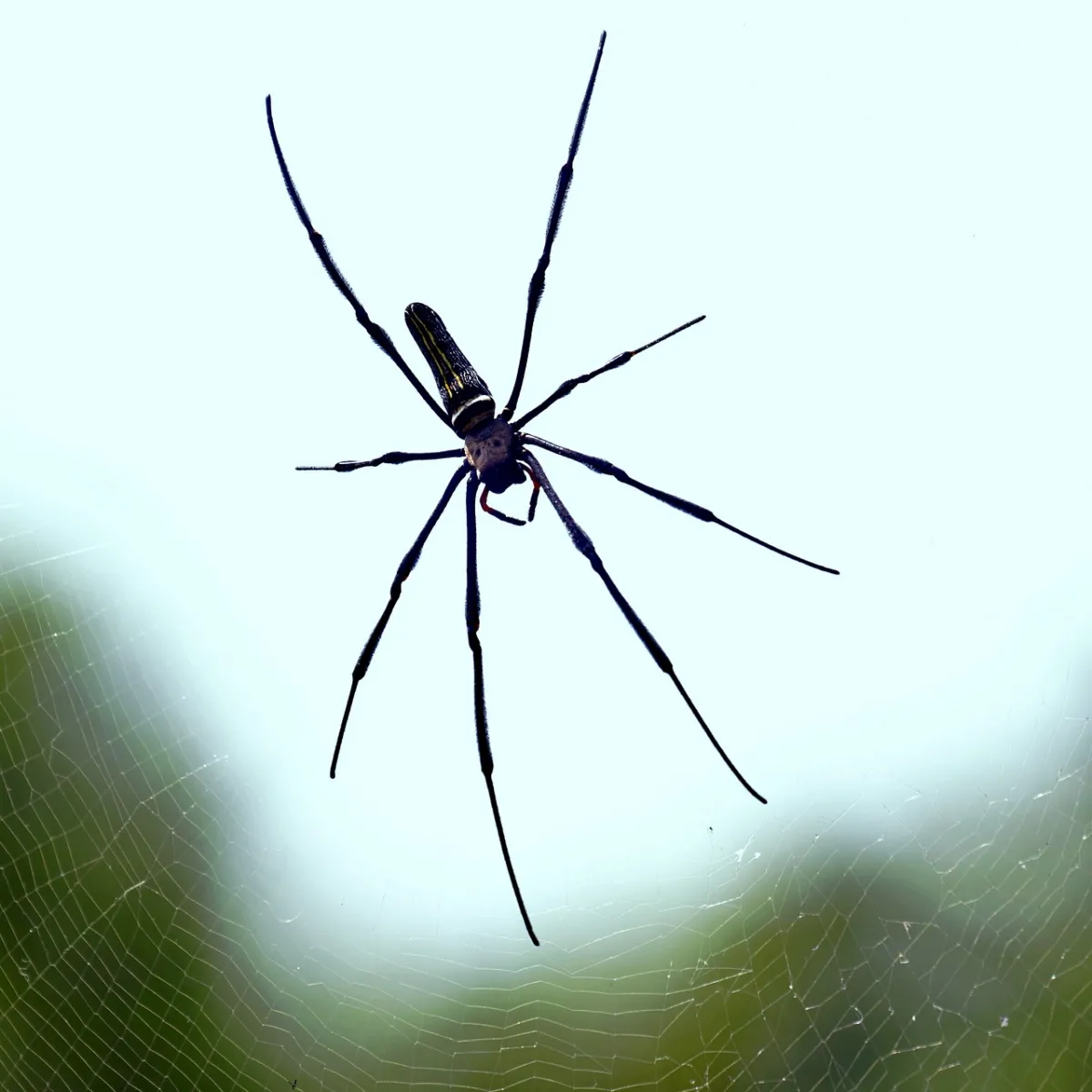
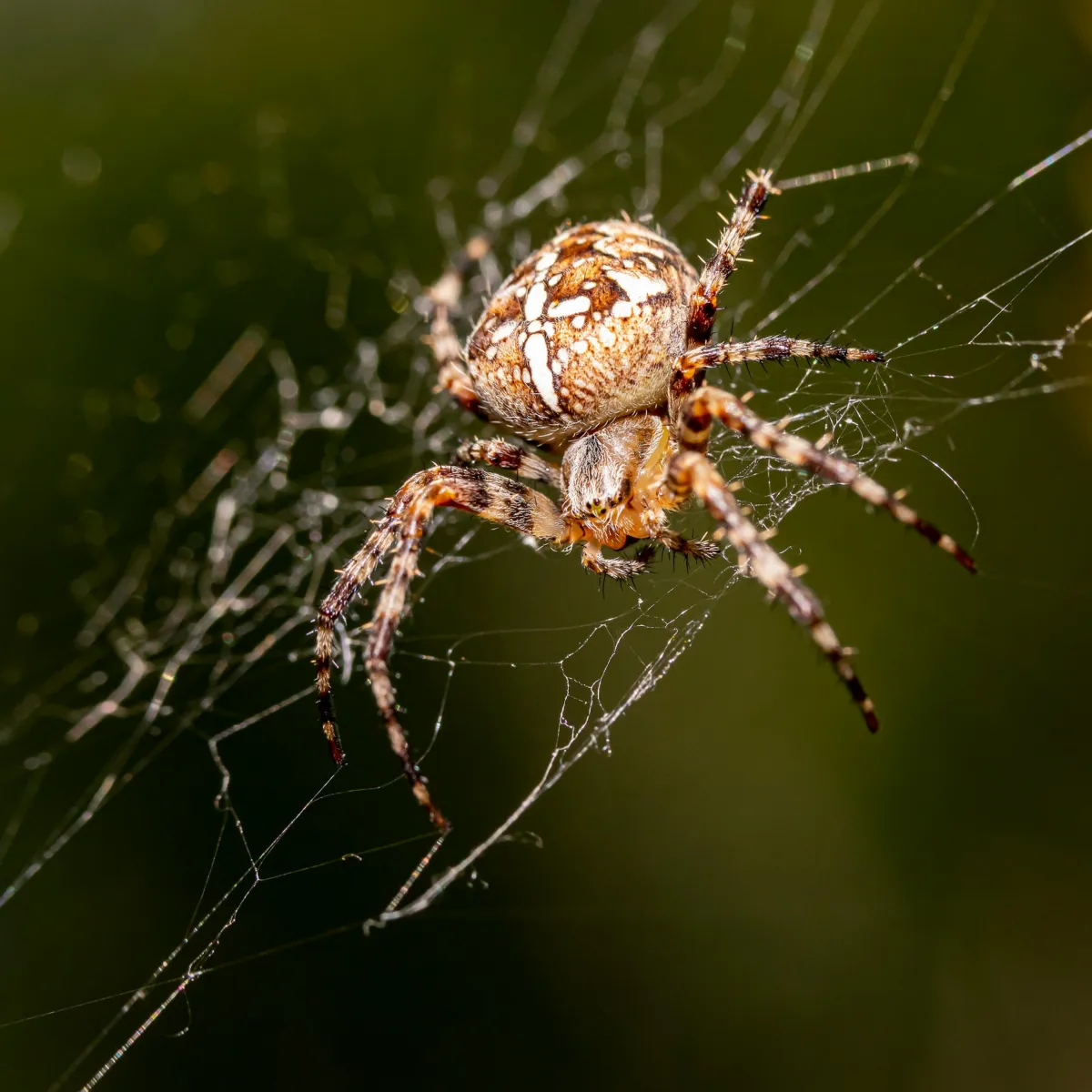
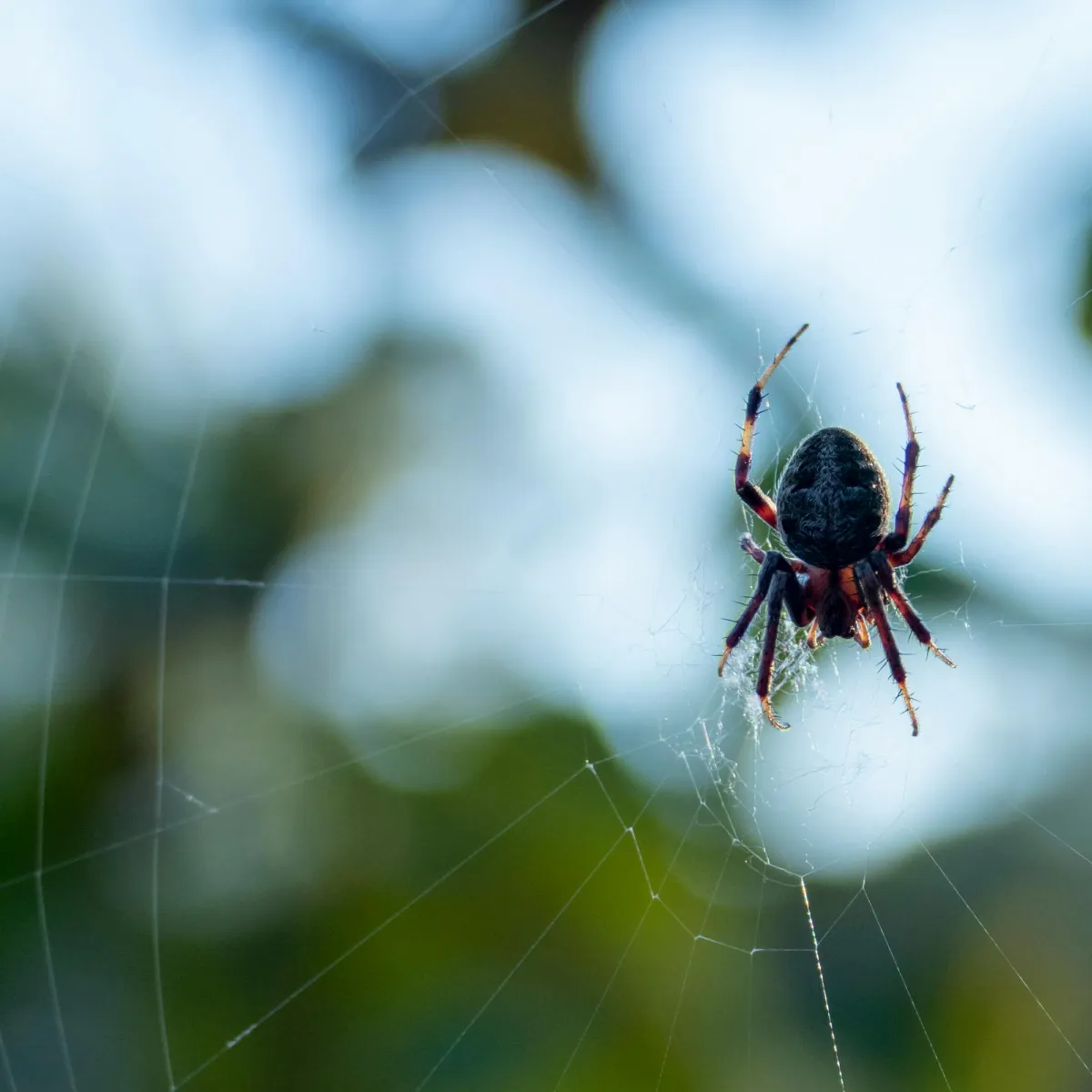
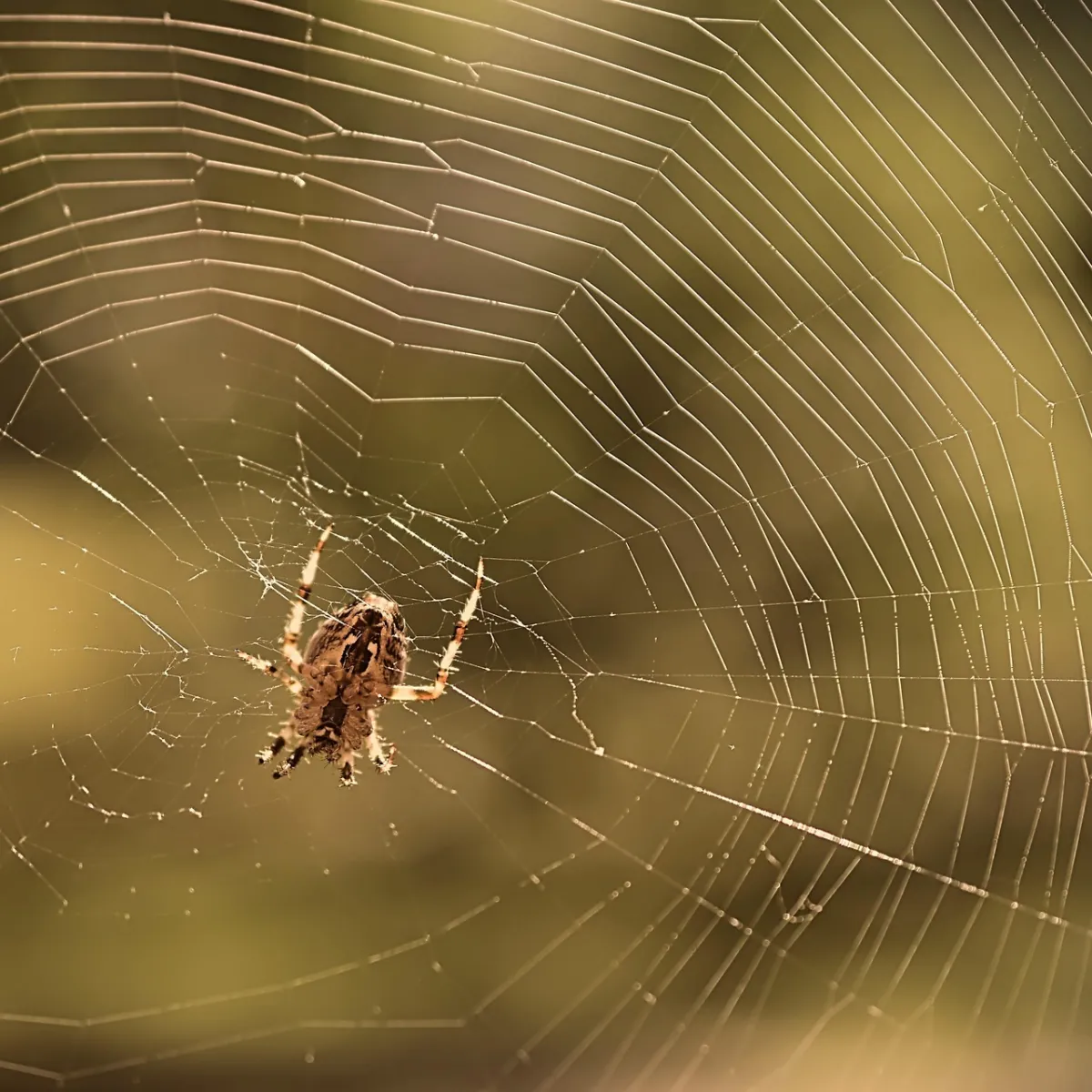
Orb weavers spin the large circular webs often seen between railings, shrubs, porch edges, fence posts, and gutter lines. Their webs are easy to notice and can become a repeated annoyance around entrances or outdoor living spaces.
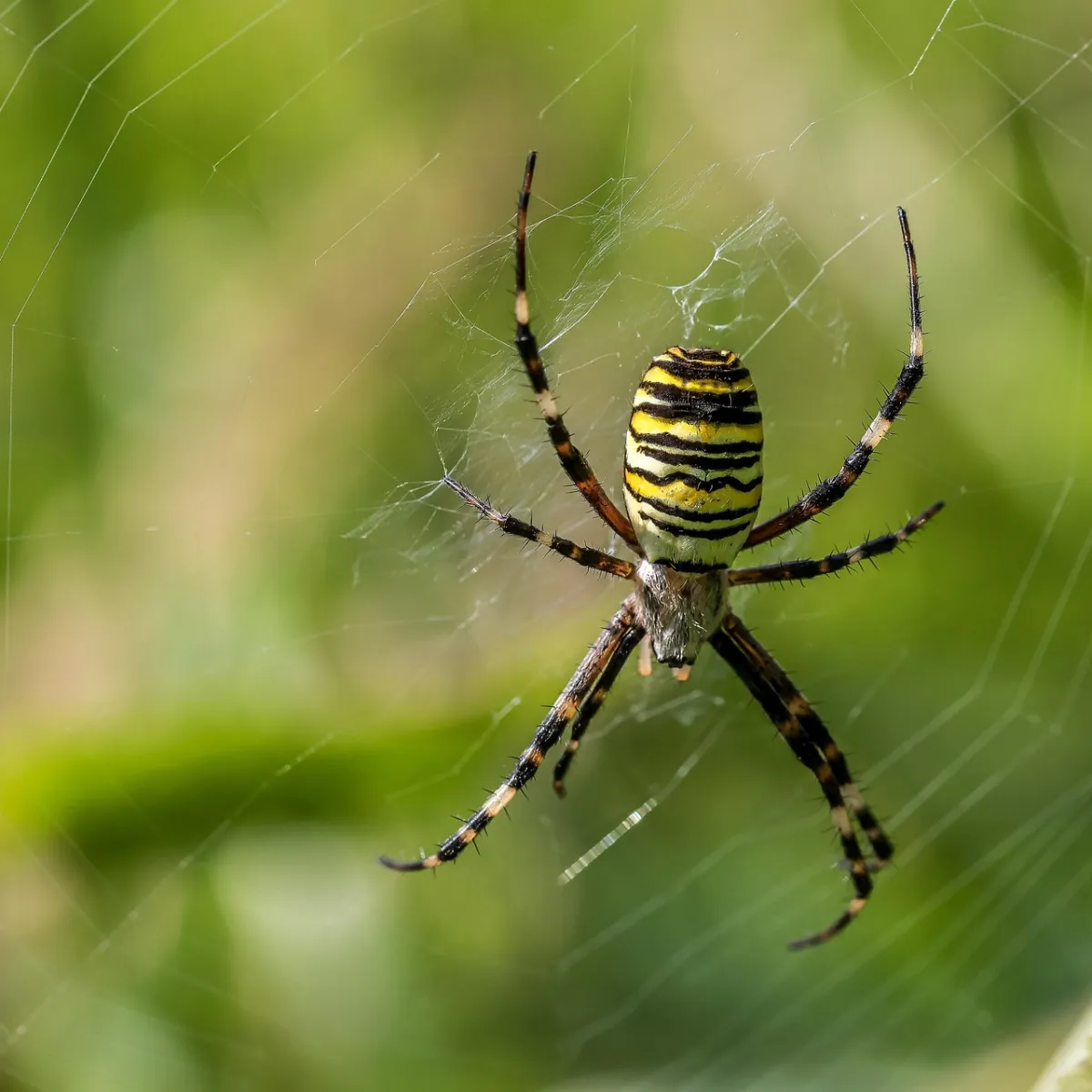
Garden spiders stay mostly outdoors near landscape beds, flowering plants, and taller vegetation. Their webbing becomes especially noticeable during warmer months when insect activity is high and outdoor movement around the property increases.
Cellar spiders are commonly found in basements, garages, utility corners, and low-disturbance spaces where moisture and shelter remain fairly stable. They are not usually dangerous, but their presence often suggests that the property offers multiple spider-friendly conditions.
Spider infestations usually leave evidence before they feel severe
A home does not need to feel overrun before a spider infestation is underway. The first clues are often patterns. Webs return in the same corners. Activity appears in both indoor and outdoor areas. Spiders begin turning up in closets, garages, attics, and around windows instead of just one isolated location.
Other signs include egg sacs attached beneath furniture or hidden behind storage, shed skins in corners, insect remains caught in webbing, and spider activity that returns shortly after over-the-counter sprays were used. Those details matter because they often point to an established source rather than random wandering pests.
A recurring issue is often more telling than a dramatic one. If the same parts of the property keep becoming active again, the population is probably being supported by conditions that have not yet changed.
A structure becomes attractive when it offers easier survival
Spiders enter homes because buildings offer shelter, better temperature stability, and access to prey. In Graniteville, exterior insect movement can stay active for long stretches during warm months, which means spiders may remain close to the structure even before homeowners notice them. Once the building also provides quiet indoor refuge, it becomes even more useful.
Entry points are often smaller than people assume. Screen damage, gaps under doors, openings around utilities, vent edges, and foundation voids can all be enough. When those points connect to garages, attics, crawl spaces, or storage-heavy rooms, spider activity often has an easy path indoors.
Changes in weather can make the shift more noticeable. Rain may push prey insects toward protected spaces. Cooler seasonal changes can make interior shelter more attractive. As those transitions happen, a property that already had mild exterior pressure may suddenly start producing indoor sightings.
The places spiders use most are usually not the places checked most often
Spiders usually prefer dark, quiet areas that stay undisturbed long enough for webs and egg sacs to remain intact. Around Graniteville homes, that often includes attic edges, crawl spaces, garage shelves, behind stacked bins, closet floors, under porches, beneath furniture, along soffits, around foundation gaps, and inside detached outbuildings.
Outside, spiders may stay active in low shrubs, stacked wood, shaded corners, decorative borders, utility recesses, and low-use patio areas. These outside zones matter because they often serve as the pressure source that keeps the interior problem from fully going away.
A home with repeated spider issues usually has both indoor shelter and outdoor support. Addressing only one side of that pattern can leave the other side active.
Spider pressure in this area changes with the seasons instead of staying fixed
Spring often begins the yearly increase because prey insects start moving more consistently. Summer tends to produce the most visible outdoor activity, especially around patios, shrub lines, porches, detached storage buildings, and roof edges. That is when web-building becomes hardest to ignore.
Fall often changes the nature of the complaint. Rather than mostly noticing spiders outdoors, homeowners begin seeing more activity in garages, attics, closets, and utility spaces. Winter may reduce outdoor web visibility, but indoor refuge areas can still stay active when shelter and prey are available.
Because of this seasonal shift, some homeowners feel like the spider issue is moving around the property when in reality it is simply changing where it is easiest to notice.
A temporary drop in sightings is not the same as real control
Do-it-yourself sprays often remove visible spiders without solving the structure of the infestation. Hidden egg sacs may remain in place. Exterior harborage may continue producing new activity. Stored clutter, quiet indoor corners, and prey insects may still be there to support the next round of sightings.
Professional spider control works better because it addresses the way the problem is functioning as a whole. Instead of reacting to one spider at a time, it targets the conditions and locations that keep allowing the activity to rebuild. That broader approach is especially important when the same issue has already returned more than once.
The home itself can either help or hurt the outcome
If spider activity has already been noticed, the best prevention steps often involve giving more attention to the areas that normally receive the least. Garages, closets, attics, utility corners, crawl spaces, and storage rooms should be checked regularly enough to catch webs before they become well established. Keeping these spaces organized and reducing deep clutter also makes them harder for spiders to use.
Outside, it helps to move stacked wood away from the structure, keep shrubs off the siding, repair torn screens, reduce moisture buildup near the foundation, and pay attention to insects gathering near lights. Prevention works best when it supports the treatment plan instead of replacing it.
Targeted service tends to be the most practical fit for occupied homes
A well-designed spider treatment plan keeps the focus on the places where the issue is actually strongest. That kind of selective service is often more practical than broad unnecessary application, especially in homes where family routines and pets still need to move through the space normally.
A recurring issue deserves a provider that studies how the property is being used
Fairway Lawns describes its pest control service around inspection, targeted treatment, prevention, and follow-up support, and its spider pages specifically emphasize reducing webs and recurring sightings. Those service principles fit spider infestations particularly well because spider problems are often rooted in both the structure and the surrounding property conditions.
The company’s Augusta location page also supports using the Augusta hub for nearby Graniteville spider-control content.
These are the types of questions homeowners usually ask once the pattern becomes obvious
If spider activity around your Graniteville home keeps rebuilding in the same places, Fairway Lawns can help you address the deeper cause. Schedule service to reduce visible webs, target hidden spider shelter, and make the property less comfortable for future infestations.