Fire ant help for yards that stay busy
Fire ants can be especially frustrating in a yard that gets used all the time. When mounds start showing up near walkways, fences, play spaces, or open grass areas, they can turn a normal routine into something people have to think about every time they step outside. Fairway Lawns provides fire ant control in Grovetown, GA for homeowners dealing with active colonies, visible mounds, and lawn areas that no longer feel as comfortable as they should.
Take the pressure off the lawn
Many homeowners first try to work around fire ants instead of treating them right away. They step around one mound, avoid another spot, and hope the issue stays contained. The trouble is that fire ant activity can spread across the yard over time, and the longer it sticks around, the more normal lawn use starts to change.
Our fire ant service is meant to deal with that before the problem grows further. We inspect the yard, look at where colonies are active, and treat the lawn according to the infestation we find. Instead of chasing one visible mound after another, we focus on reducing the fire ant activity that is making the property harder to use.
Why fire ants affect more than one corner of the yard?
Fire ants are not just annoying because they build mounds. They are a real issue because they defend those nests aggressively. A person can disturb a mound while mowing, edging, watering, or simply walking through the lawn and get stung before they even realize what happened.
They also affect daily life outside in a broader way. Once a yard has active fire ants, homeowners tend to change where pets are allowed to roam, where kids can play, and how yard work gets done. Even a few colonies can create that kind of disruption when they are in the wrong places.
What often shows up before homeowners call
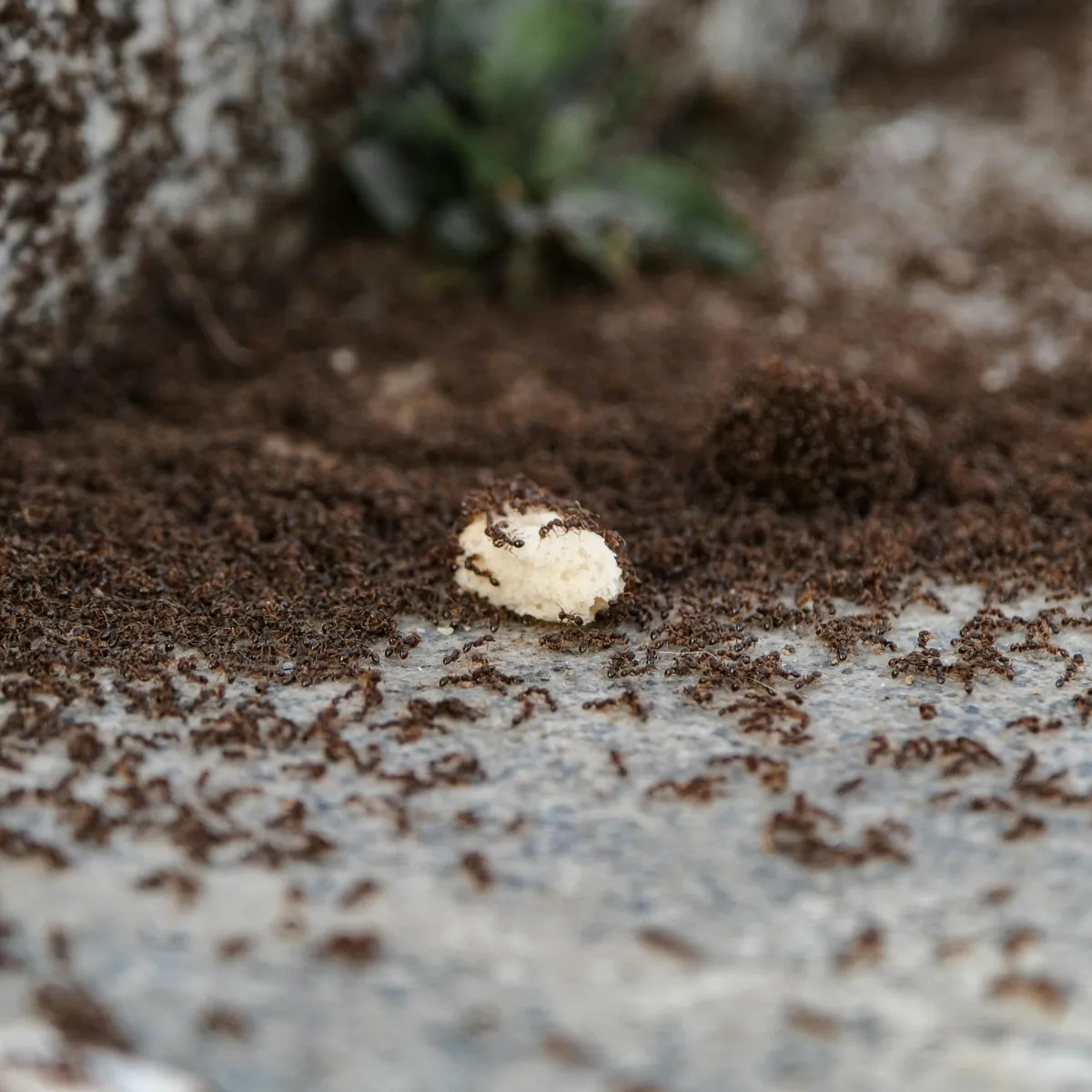
Visible mounds are often the first clue. These mounds usually look loose and sandy, and they often show up in places that get plenty of sun. After rainfall, they may seem even more obvious because the fresh soil stands out against the rest of the lawn.
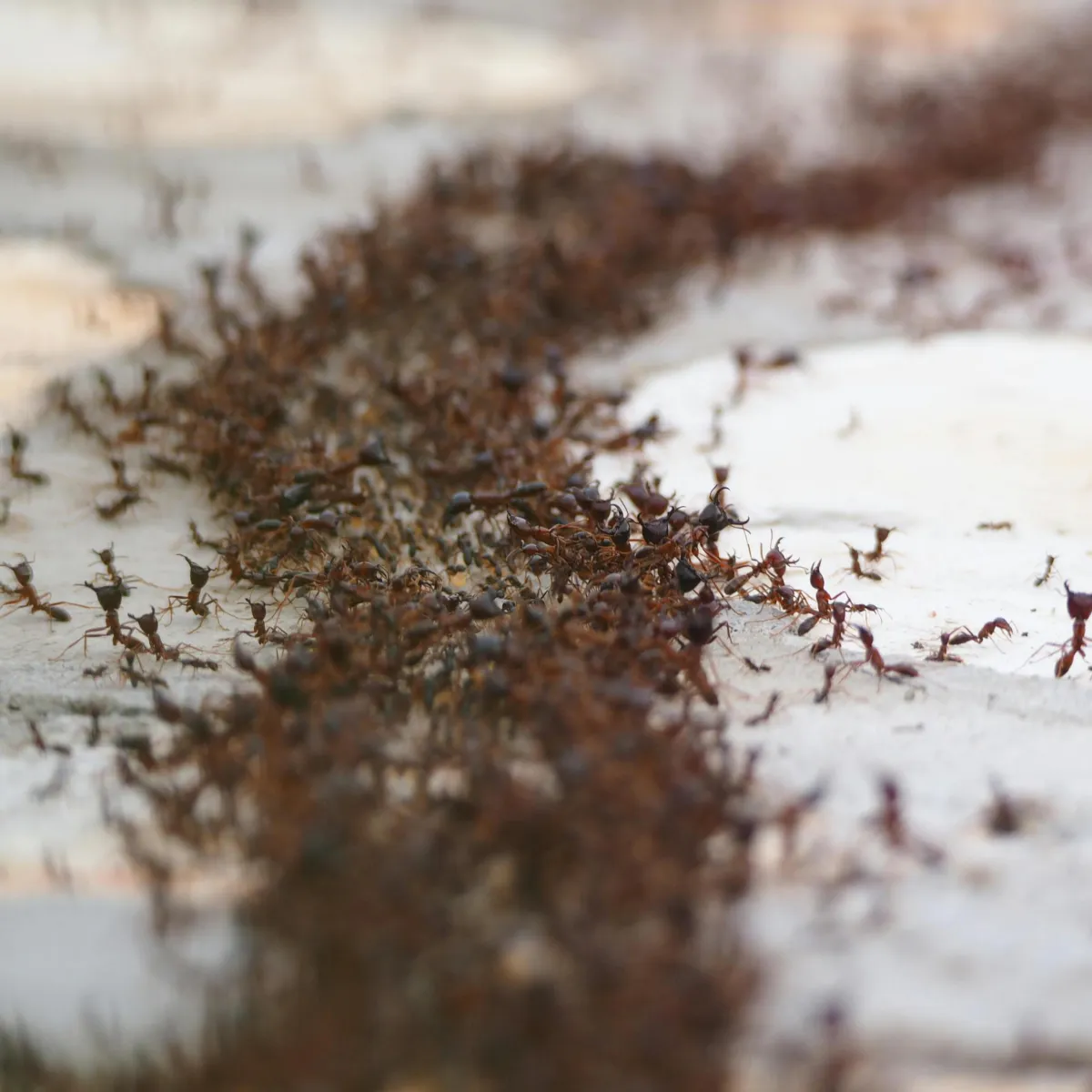
Other signs include ants swarming when a mound is disturbed, painful stings, and repeated activity in the same zones of the yard. Some homeowners also notice pets avoiding certain spots or reacting after walking through areas where mounds are present. Those patterns can all point to fire ants becoming established on the property.
How to tell what you are seeing
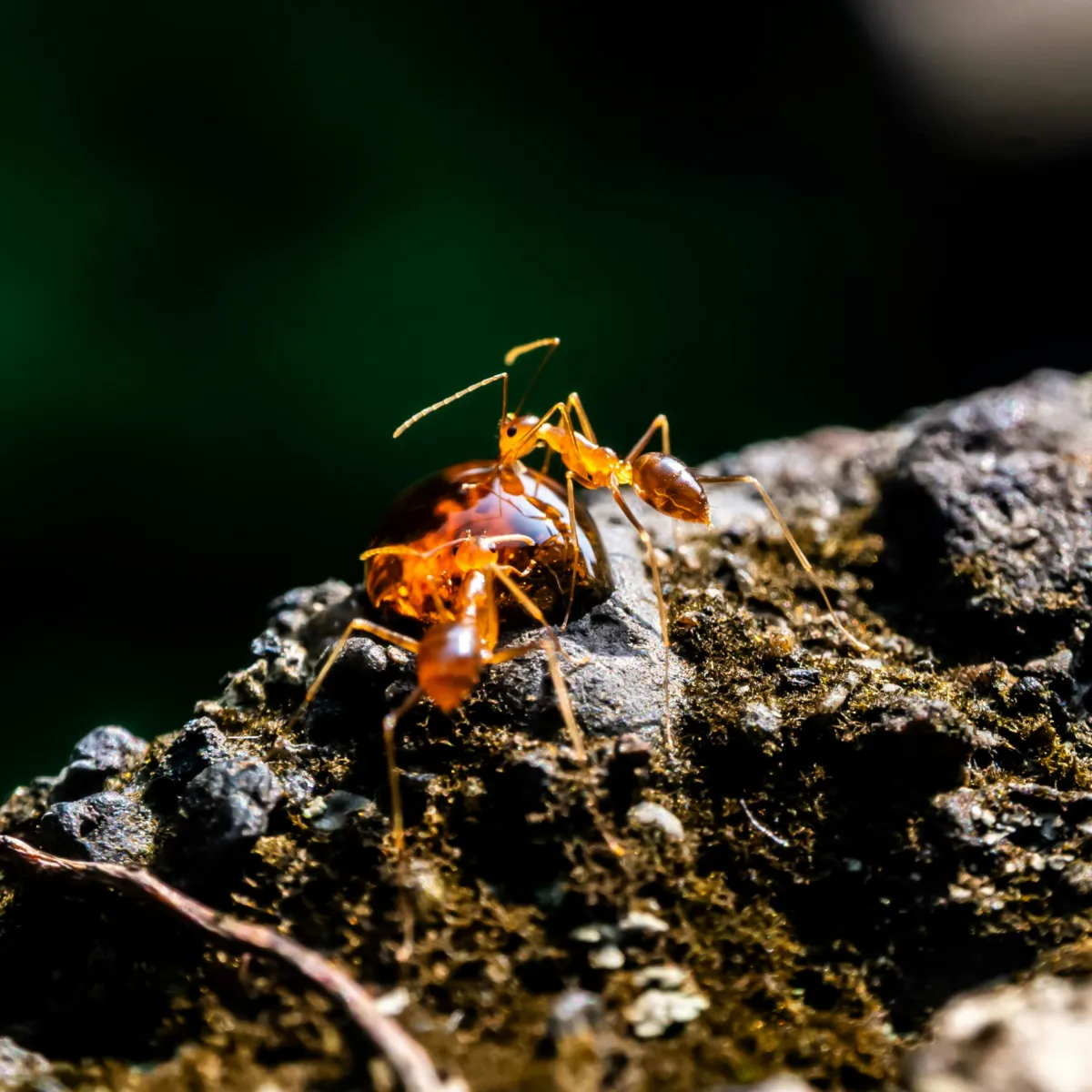
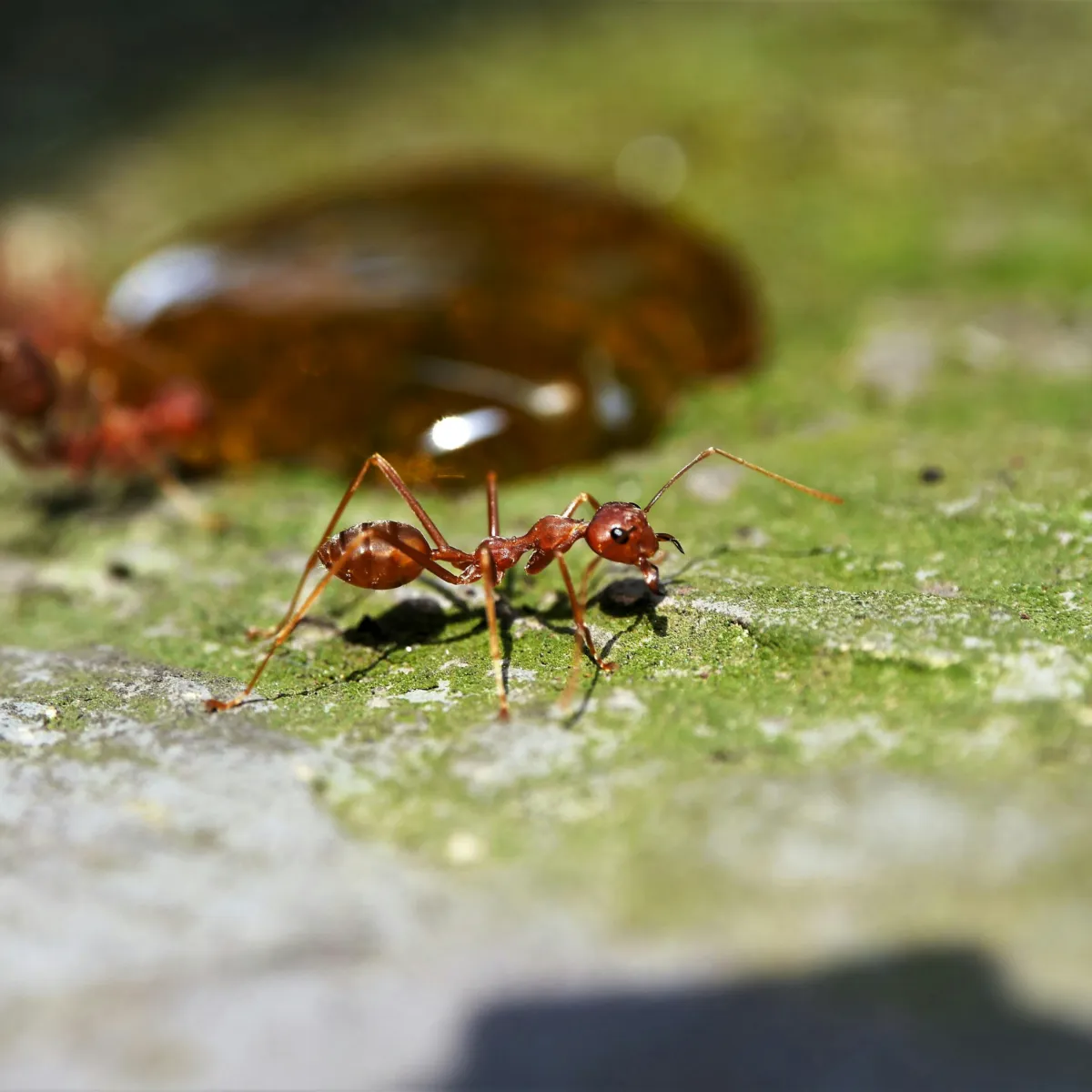
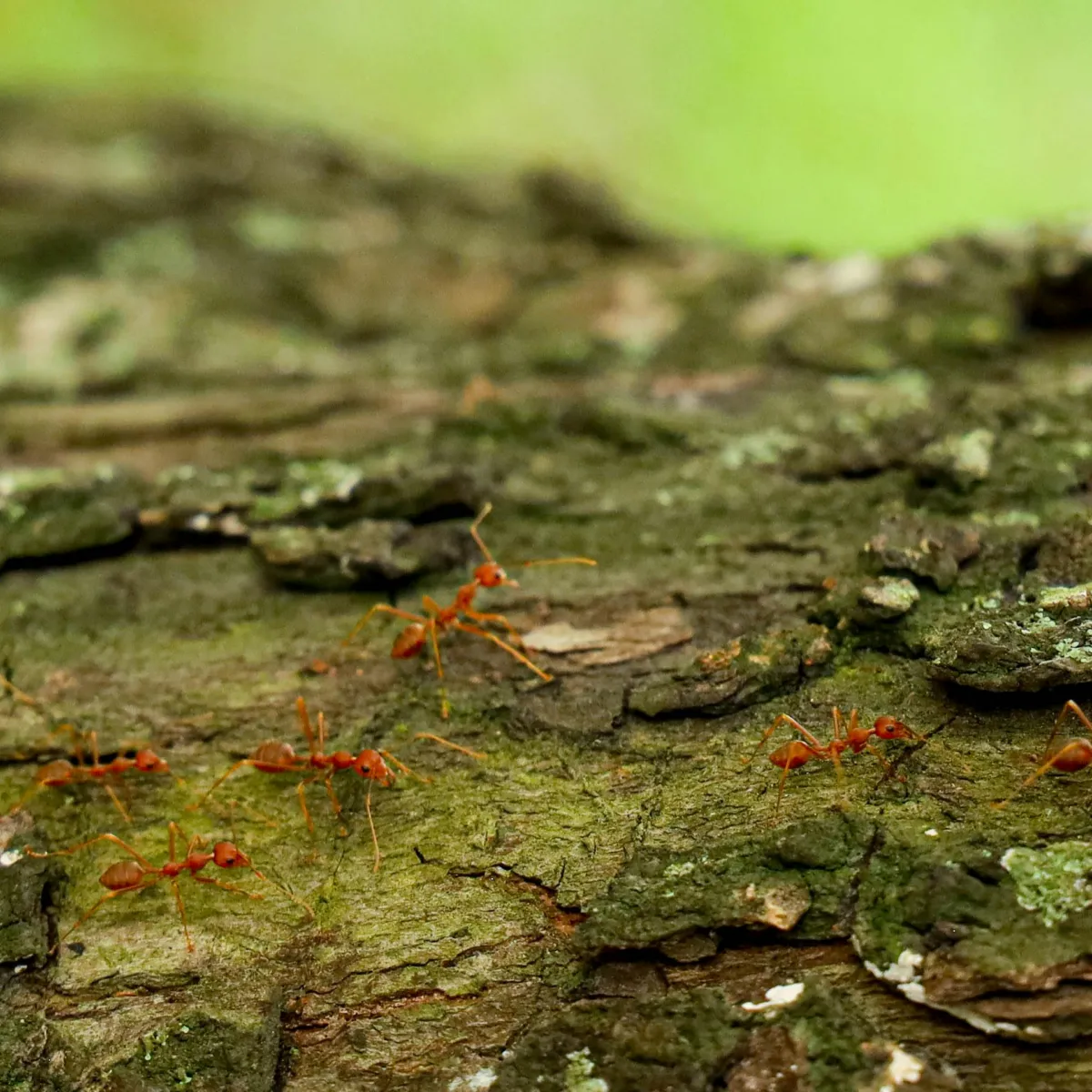
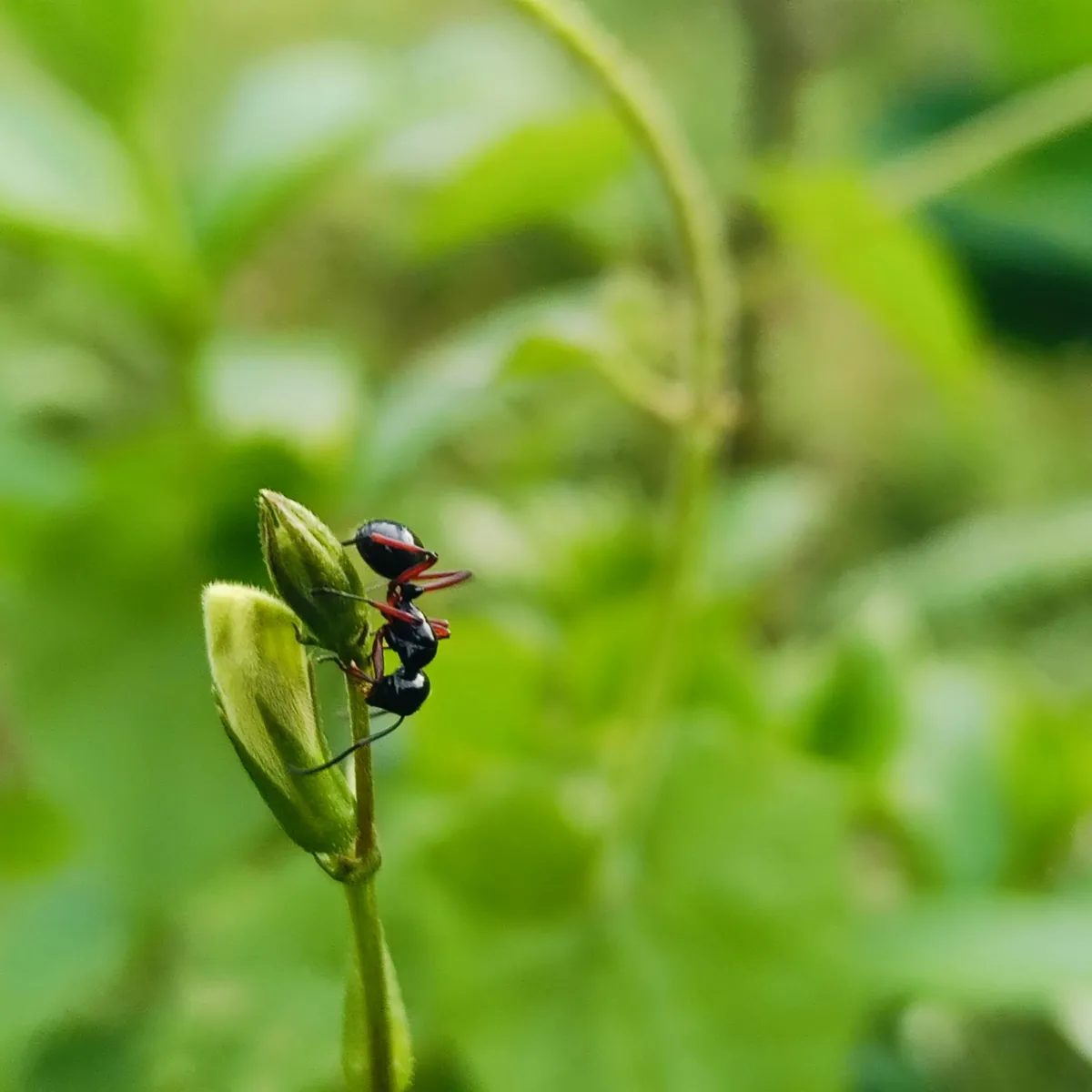
Fire ants are small and usually reddish or reddish-brown. Their size often ranges from about 1.6 to 5 mm, and workers in one colony may vary a bit in appearance. Homeowners may not always identify them right away by size alone, but their behavior is often a giveaway once the mound is disturbed.
They usually build in warm, open parts of the property. Their mounds may appear in turf, beside driveways, near landscape edges, or in other areas with exposed soil. Some nests are more noticeable than others, but even a small-looking mound can still mean a strong colony is active below.
Why fire ants are hard to clear out completely?
The main reason fire ants are tough to control is that most of the colony stays underground. The mound is what homeowners notice, but that visible portion is only part of the problem. A quick product that affects the surface may not reach deeply enough to provide the kind of control people are hoping for.
Conditions in the yard can also change how treatment performs. Rain, irrigation, high temperatures, and changes in ant feeding behavior all matter. On top of that, some colonies may have multiple queens, which can make them more persistent and more frustrating to eliminate.
What our fire ant service actually does?
We start by inspecting the property for active mounds and for signs that fire ants may be affecting more than one section of the yard. That inspection helps us understand the spread of the problem and choose a treatment approach that fits the property instead of assuming every lawn needs the same thing.
Once the inspection is done, we treat the active mounds and the lawn areas connected to that activity. Depending on what we find, follow-up service or monitoring may also be recommended. The goal is to reduce the current fire ant pressure and help keep the yard more manageable going forward.
Treatment options based on where ants are active
Some properties need treatment across larger lawn sections because activity is scattered in several places. In those situations, broadcast treatment may be the better fit. Other lawns have more concentrated mound activity, which may call for direct treatment aimed at the colonies that are most visible.
Some infestations are best handled with more than one method. A two-step approach may include bait-based treatment to help target the colony and direct mound treatment where fire ant activity is strongest. We explain the treatment path clearly so homeowners understand how the plan fits the yard.
Why many homeowners stop trying to do it alone?
DIY fire ant treatment can be frustrating because results are often uneven. A mound may seem improved for a while, then fresh activity shows up again nearby. That usually happens when the colony was never fully addressed and the visible change on top did not reflect what was still going on underneath.
There is also the simple issue of getting too close to active fire ants. Treating a mound yourself can mean disturbing the nest at close range, which raises sting risk. Professional service helps reduce that problem and gives homeowners a treatment plan based on the yard instead of on trial and error.
Why fire ants are a bigger issue for families?
Fire ants can be dangerous because they may sting several times once they react. Those stings often cause burning pain, bumps, and pustules, and the experience can be especially unpleasant when someone runs into a mound unexpectedly while doing something routine outside.
Some people may also have more serious reactions that require medical attention. That makes fire ants a bigger concern in yards where children play, pets spend time, and family members are in the grass on a regular basis.
What to expect after treatment is applied
Treatments should always be applied according to label directions. After service, our technicians explain what homeowners should do next and when treated areas can be used again. Clear re-entry guidance is part of helping families handle the service responsibly.
Depending on the treatment and lawn conditions, people and pets may need to stay off treated sections until the application has dried or settled. We make sure those instructions are straightforward so there is no confusion about how to manage the yard after the visit.
Why homeowners in Grovetown choose Fairway Lawns?
Homeowners in Grovetown choose Fairway Lawns because they want practical service built around the actual lawn instead of a generic treatment approach. We inspect the property, explain where fire ant pressure is showing up, and recommend treatment based on what the yard is dealing with.
We also make scheduling easy and provide clear guidance after treatment. If fire ants are making your yard harder to use, our team can help you address the issue with a professional plan that fits the property.
Questions homeowners ask when the yard keeps changing
If fire ants are making parts of your yard harder to use, Fairway Lawns can help. Contact us today for a quote and professional fire ant treatment in Grovetown, GA.