Targeted fire ant treatment for local lawns
A yard with fire ants starts feeling different even before the problem gets widespread. A few active mounds can change where people walk, where pets roam, and how comfortable it feels to spend time outside. Fairway Lawns offers fire ant control in Langley, SC for homeowners dealing with sting risk, visible mound activity, and fire ants that keep returning to the lawn.
Deal with the mound activity before it takes over routines
Most homeowners do not want to overreact to one mound. They see it, make a mental note, and assume they can deal with it later if needed. The problem is that fire ants do not always stay in one easy-to-ignore place. More activity can show up near the driveway, along the edge of the lawn, or out in open grass where people spend time every week.
Our service is meant to help before the yard becomes more frustrating to manage. We inspect the property, look at where the fire ants are active, and treat the affected areas based on the pressure we find. Instead of giving the lawn a general guess, we focus on the parts of the property where the fire ant problem is actually developing.
Why fire ants are more disruptive than they first look?
Fire ants matter because they can turn ordinary movement through the yard into a painful mistake. Disturbing an active mound while mowing, gardening, or walking across the lawn can lead to quick swarming and repeated stings. That aggressive response is what makes them more serious than many other ants homeowners may see around the property.
They also affect the day-to-day feel of the lawn. Once fire ants are active, people become more cautious about where they step and how they use certain sections of the yard. A mound on the surface might seem like a small thing, but it can point to a larger colony below that is already affecting more than one part of the property.
How homeowners usually spot the issue
One of the clearest signs is the sudden appearance of a loose mound of soil in a sunny section of the lawn. These mounds often look sandy and may stand out more after a rain, when the soil looks newly pushed up and easier to notice from a distance.
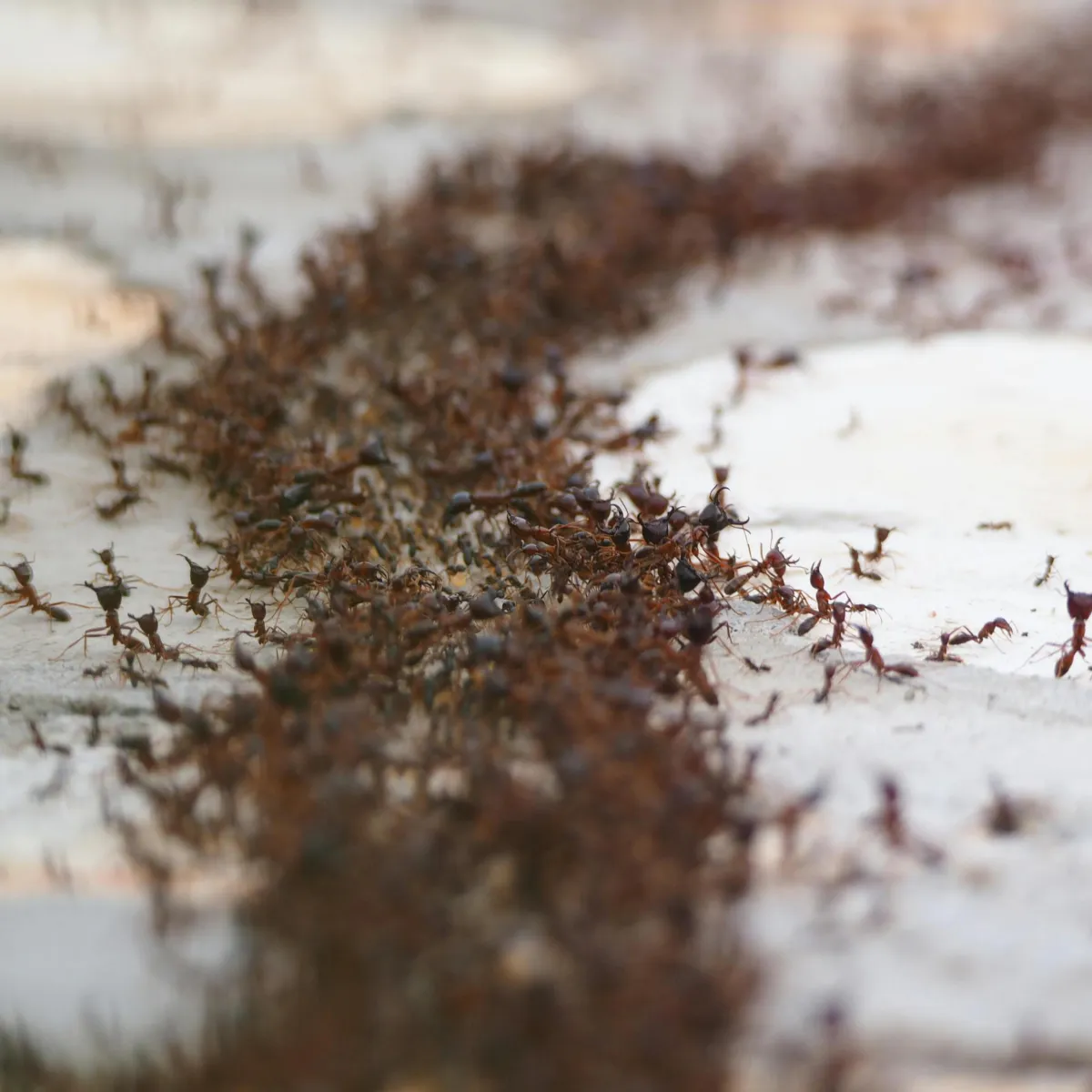
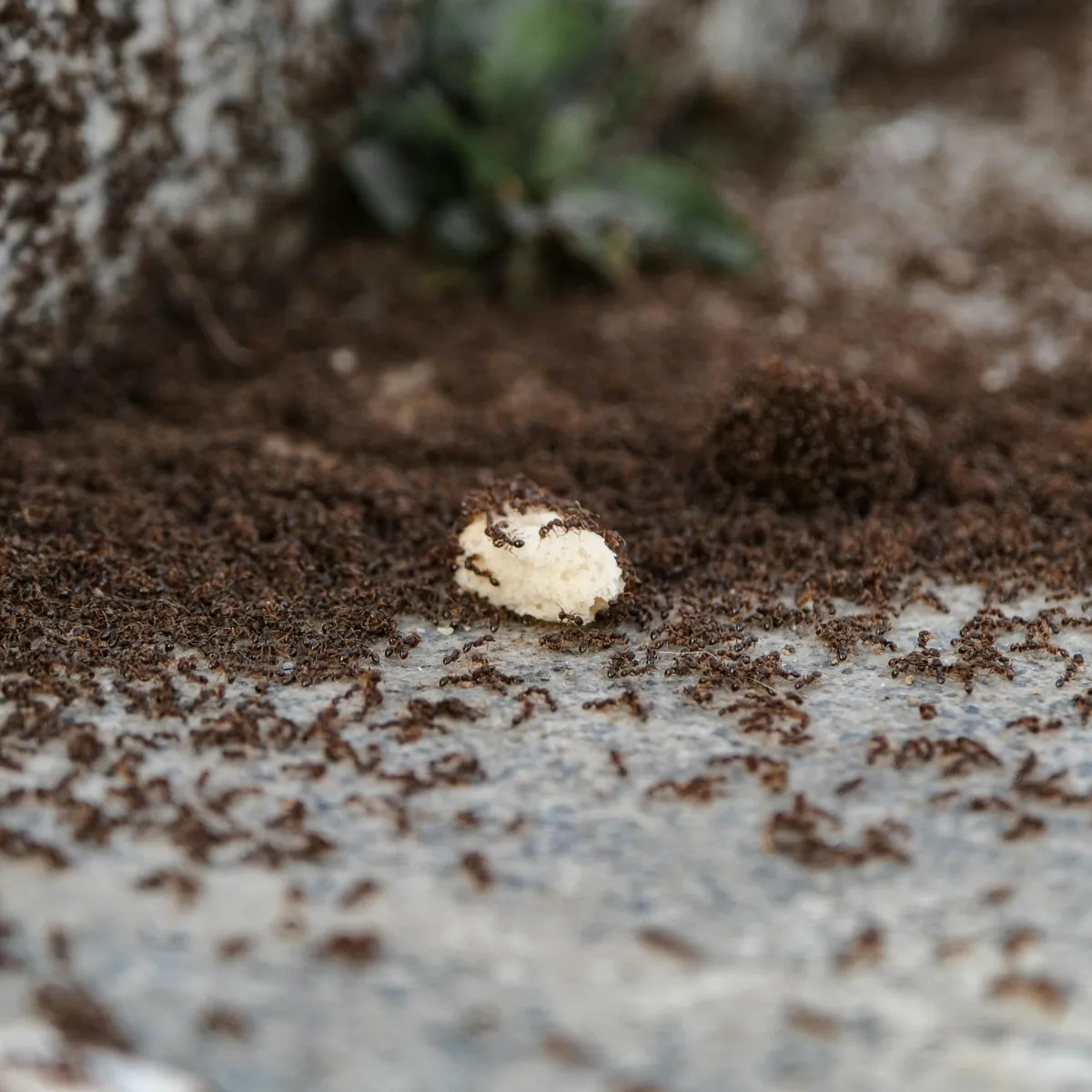
Homeowners may also notice ants swarming when a mound is disturbed, repeated stings in the yard, or several nests appearing in different sections of the lawn. In some cases, pets may begin avoiding certain areas or reacting after walking through one part of the yard, which can also point to active fire ants.
What they usually look like in the yard
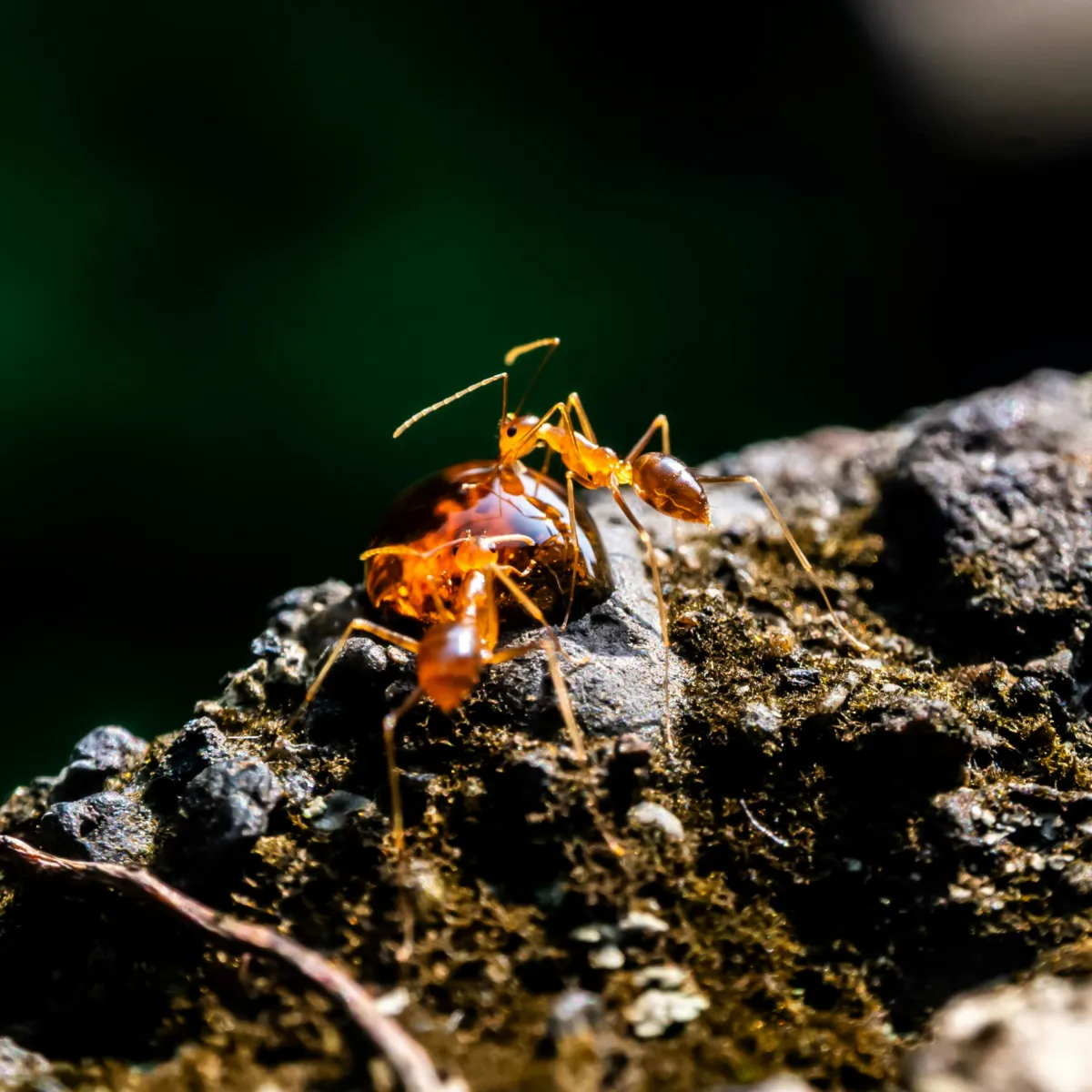
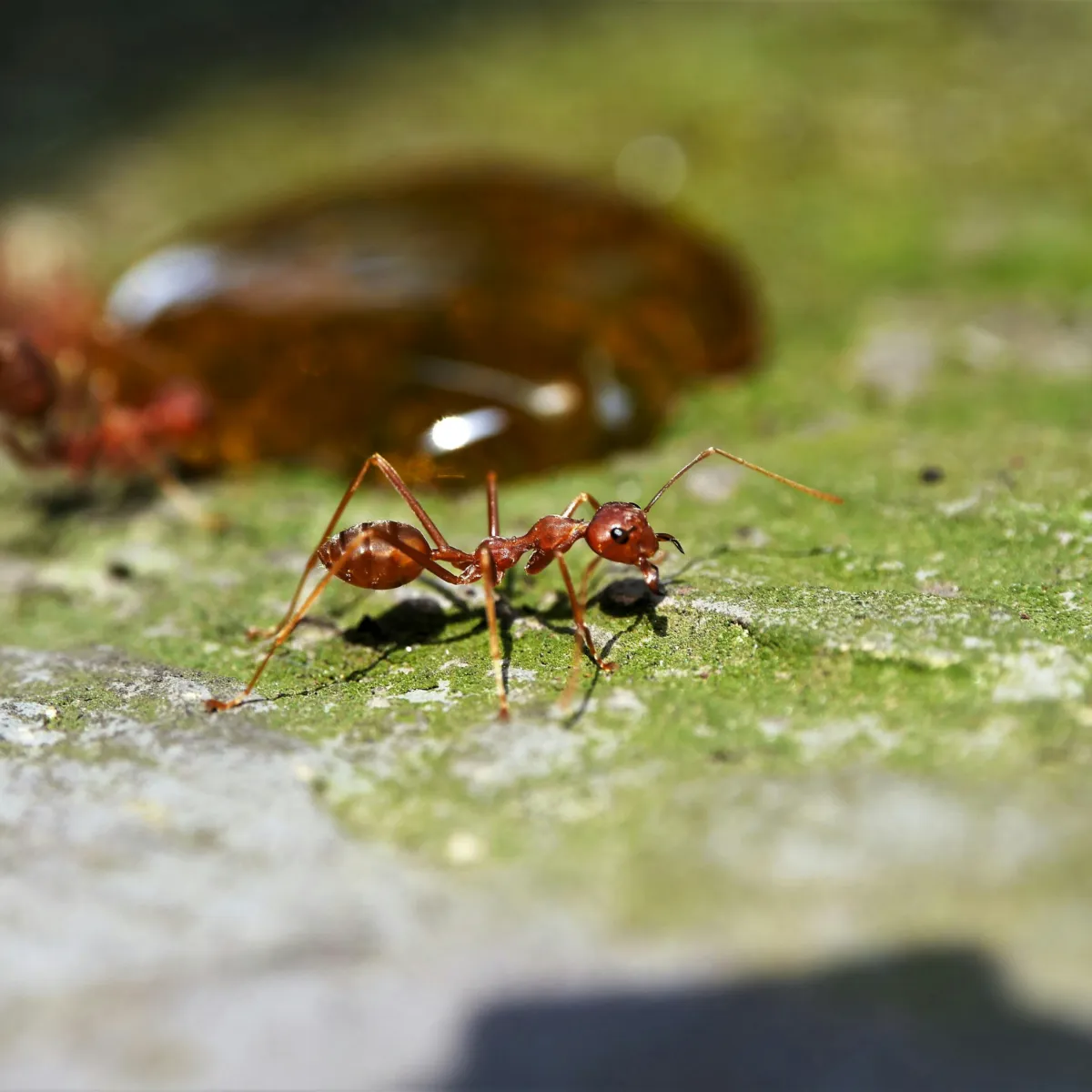
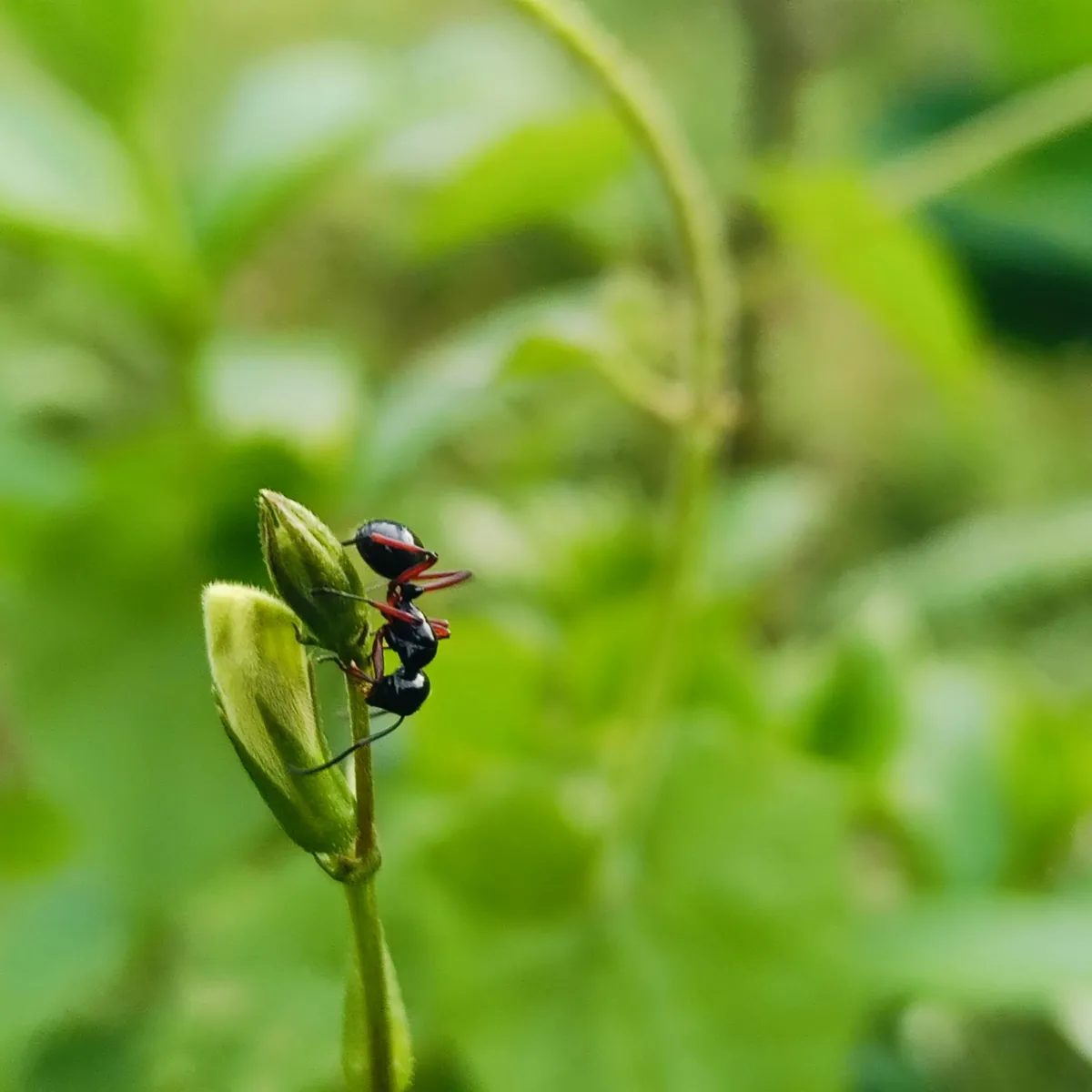
Fire ants are small ants that are usually reddish or reddish-brown. They generally range from around 1.6 to 5 mm long, and workers within a colony may vary somewhat in size. For many people, the easiest way to recognize them is not just by color, but by how quickly they react when their nest is disturbed.
They are often found in open, warm parts of the property. Their mounds may show up in turf, around flower beds, near sidewalks, along driveways, or in bare soil that gets plenty of sunlight. Even smaller mounds can still be tied to active colony pressure below ground.
Why fire ants are stubborn to eliminate?
Fire ants are difficult to get rid of because the visible mound is only a surface sign of a deeper colony. Many quick products only affect what is happening on top, and that can leave the nest below still active enough to produce more problems later. That is why homeowners sometimes feel like the same issue keeps coming back.
The timing and conditions in the yard also matter. Rain, irrigation, high temperatures, and when the ants are actively foraging can all affect results. Some colonies may even have multiple queens, which can make control more frustrating if the treatment does not match the situation properly.
How our service addresses the lawn?
We begin by inspecting the property for active mounds and for signs that fire ant pressure may extend beyond the most obvious areas. That helps us understand how the issue is distributed across the lawn and whether the property is dealing with a few isolated spots or a broader pattern of activity.
After that inspection, we treat the active mounds and the lawn areas tied to that fire ant presence. If the amount of activity suggests it, we may also recommend follow-up service or monitoring. The aim is to reduce the current pressure and help the yard feel more usable and manageable again.
Treatment methods chosen for the property
Some lawns need broader treatment because activity is spread over several sections of the property. In those situations, broadcast treatment may be part of the service plan. Other lawns have more concentrated problem areas, which may make direct mound treatment the better choice for those specific spots.
There are also times when using more than one method is the smartest approach. A two-step plan may include bait-based treatment to help target the colony and direct applications where mound activity needs immediate attention. We explain the recommendation clearly so homeowners know how the treatment fits their lawn.
Why DIY treatment can lead to repeat frustration?
DIY treatment often gives homeowners a short period of optimism. A mound looks different, the surface seems less active, and it feels like the problem may be solved. Then another mound appears or the same area becomes active again, and the cycle starts over. That is a common sign that the deeper colony was never really brought under control.
There is also the simple issue of safety. Treating fire ants up close can mean disturbing a nest at short range, which raises the risk of getting stung. Professional service helps reduce that risk and replaces product guessing with a treatment plan based on the infestation present in the yard.
Why fire ant stings are a serious concern?
Fire ants can be dangerous because they may sting multiple times after their nest is disturbed. Those stings often cause burning pain, bumps, and pustules that can remain well after the first contact. For many homeowners, one bad encounter is enough to turn fire ants into a priority.
Some people may also have stronger reactions and may need medical attention. That makes active fire ant colonies a bigger concern for homes where kids are often in the grass, pets move through the yard regularly, or adults are outside doing routine lawn work.
What homeowners should know after service
Treatments should always be applied according to label directions. After the service visit, our technicians explain what homeowners need to know about using the lawn again and when treated sections are ready for normal activity. That helps make the process more manageable and clear.
Depending on the product and conditions on the property, people and pets may need to stay off treated areas until the application has dried or settled. We make those directions clear before service is finished so homeowners know exactly what to do next.
Why Langley homeowners choose Fairway Lawns?
Homeowners in Langley choose Fairway Lawns because they want service that starts with the property in front of us, not a one-size-fits-all answer. We inspect the lawn, identify where fire ant pressure is showing up, and recommend a treatment plan based on the actual conditions we see.
We also make scheduling easy and provide straightforward follow-up guidance. If fire ants are making your yard harder to use, our team can help you deal with the issue using a plan built around your lawn and your level of activity.
Questions homeowners ask when fire ants keep showing up
If fire ants are making your yard less comfortable to use, Fairway Lawns can help. Contact us today for a quote and professional fire ant treatment in Langley, SC.