Take Back the Parts of the Yard You Actually Use
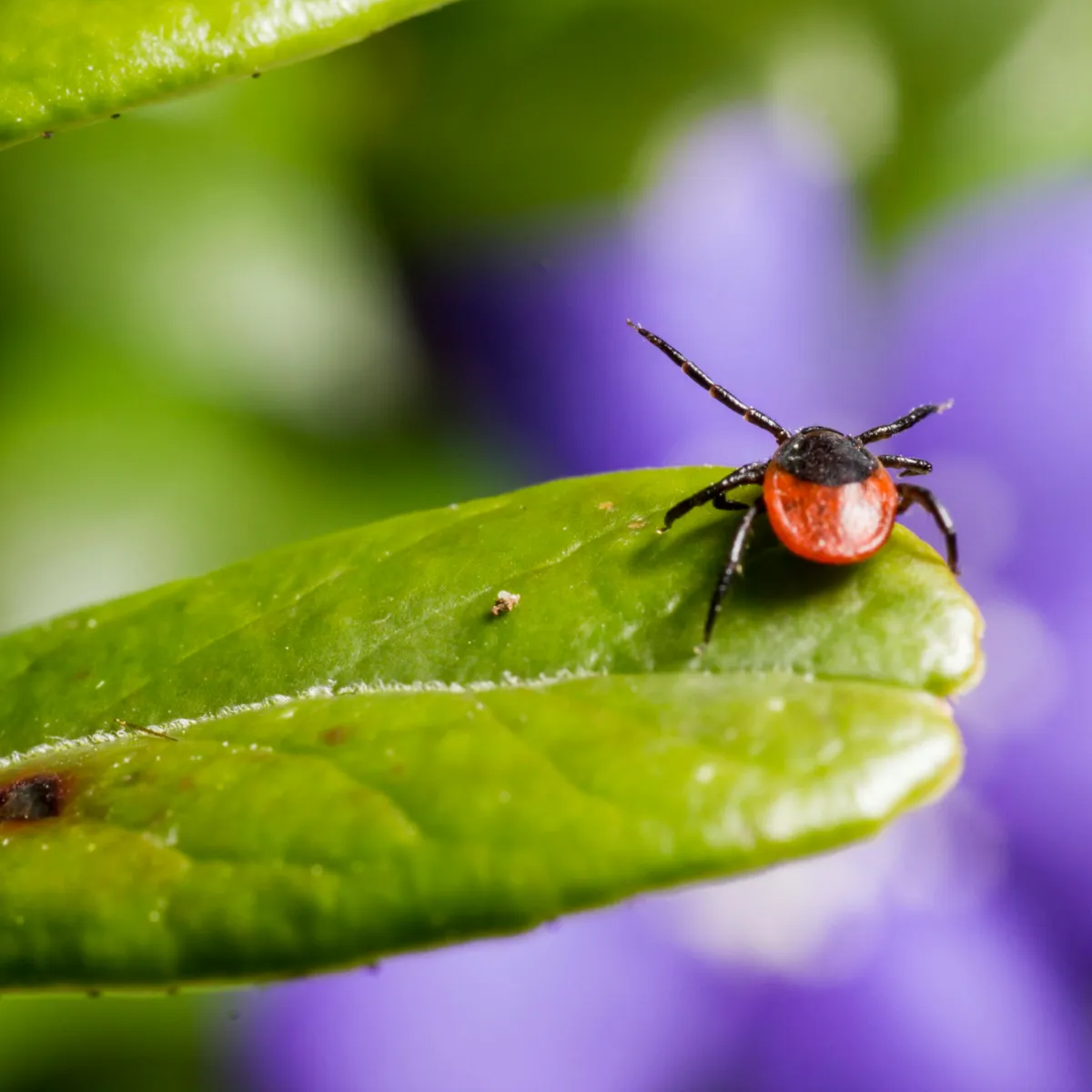
A tick problem can start in places homeowners barely notice at first. It may be the thin strip along the back fence, the bed near the porch, the shady side of the house, or the patch of grass near a gate that stays thicker than the rest of the lawn. In North Augusta, those small areas can be enough to keep tick activity going around the property.
Fairway Lawns provides tick control in North Augusta, SC for homeowners who want to lower that pressure and make their outdoor areas easier to enjoy. Our treatments are aimed at the sections of the yard where ticks are most likely to stay active, especially around cover, moisture, and the edges between managed lawn and rougher outdoor space. The goal is simple: reduce activity where it starts so the rest of the yard feels more comfortable to use.
Good Tick Control Starts With Knowing the Yard
No yard has the exact same setup. Some North Augusta homes have thick landscaping near patios and walkways. Others have more open grass but shaded edges that hold moisture longer. Some properties back up to trees or brush. Others have pet zones, play areas, or side sections that do not get much sun. Those details matter because they help explain where tick activity is most likely to build.
A professional treatment plan should reflect that. Instead of looking at the property as one uniform space, the focus should stay on the areas that create the most risk. That may include low shrubs, border grass, mulch beds, damp corners, fence lines, or the spots where the yard starts blending into natural cover. Once those sections are identified, treatment can be directed more carefully around the outdoor spaces people use all the time.
For families who want steady yard protection, that kind of targeted approach usually works better than a generic spray-and-go routine.
A Treatment Plan With Clear Steps and Purpose
The first step is to look over the yard and find the areas most likely to support ticks. We pay attention to shade, moisture, thicker growth, pet routes, lawn borders, and the sections of the property that stay more sheltered than the rest.
Once those zones are identified, treatment is applied where activity is most likely to build. That can include denser grass, brushy edges, mulched sections, low shrubs, damp corners, and other protected parts of the yard.
After the main hiding areas are treated, we strengthen coverage around the spaces homeowners use most, including lawn edges, foundation perimeter, fence lines, shrubs and landscape beds, tall grass, wooded borders, under decks, around sheds, pet areas, play areas, patios and outdoor seating areas, and areas with heavy shade or moisture.
That added protection helps reduce the chance of ticks moving from hidden yard sections into high-use outdoor space.
If the same conditions remain in place, ticks can return. Continued treatment helps reduce that rebound and supports better control through the active season.
Why Tick Activity Can Stick Around Longer Than Expected
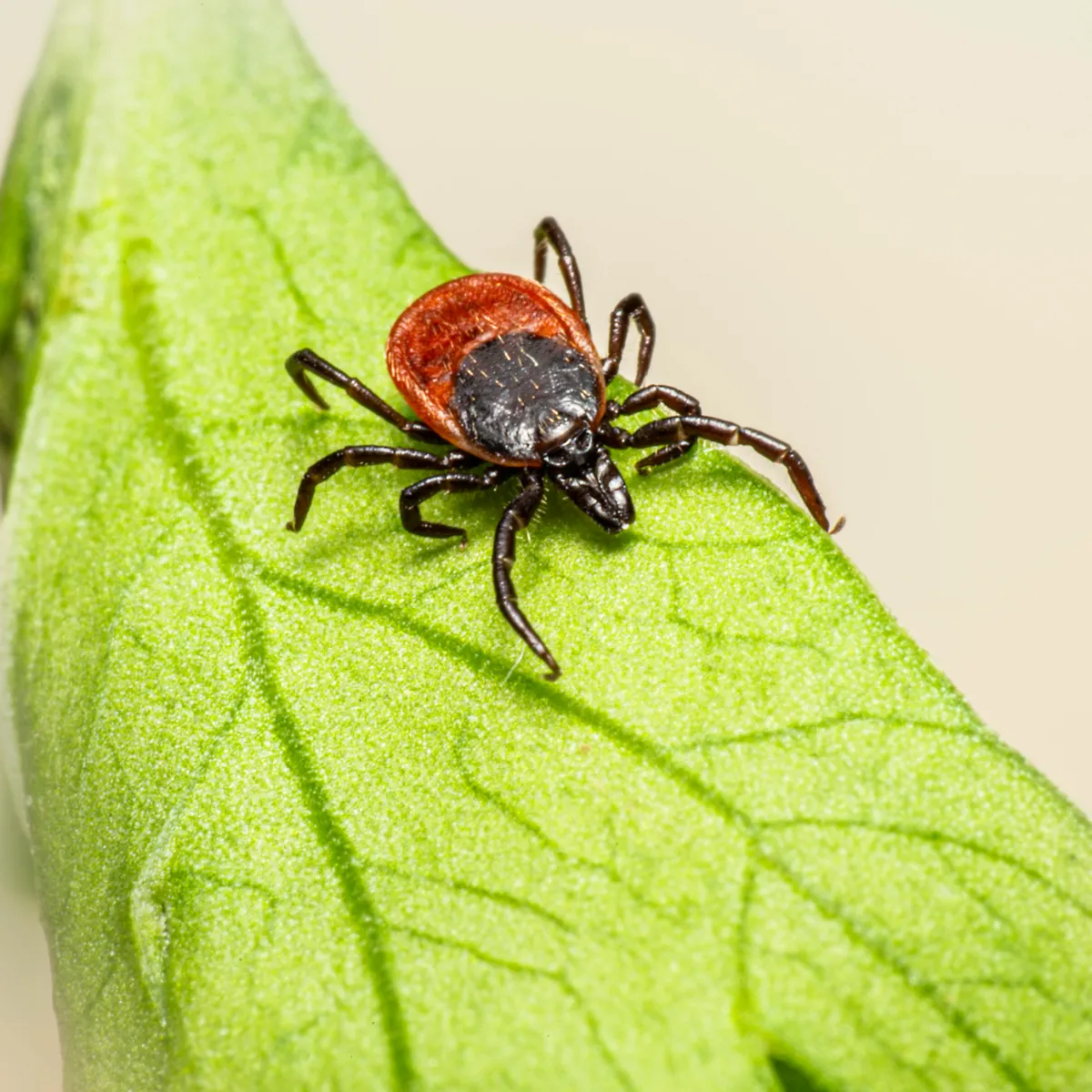
Ticks do not need much room to become a repeated problem. They just need the right conditions in the right places. A little shade, enough moisture, some plant cover, and movement from pets or wildlife can keep them active much closer to the house than most people realize. That is why homeowners are often surprised when ticks keep turning up even though the yard looks mostly maintained.
In North Augusta, warm conditions and regular growth can keep parts of the property favorable for long stretches. Beds with heavy cover, grass around the perimeter, leaf litter, and quiet areas near structures can all help ticks stay tucked away. Once they settle into those sections, it becomes easier for them to affect patios, pet areas, and other outdoor spaces used every day.
Professional tick control matters because it helps reduce those hidden sources instead of only reacting after a tick is found.
The Spots Around the Property That Can Hold Pressure
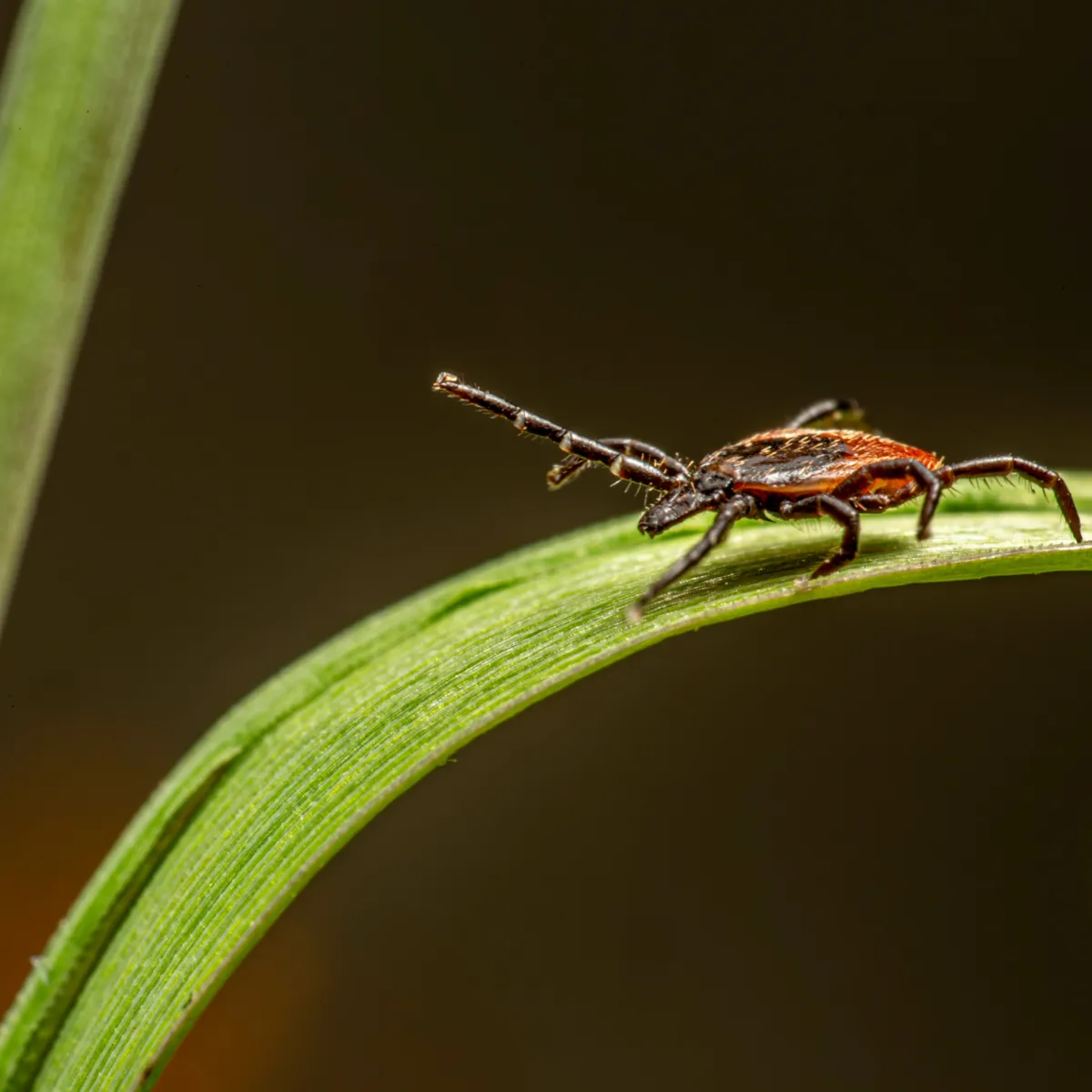
Ticks usually stay in protected areas where they can avoid full sun and hold onto moisture. In North Augusta, common hiding spots include tall grass, brush and overgrown vegetation, wood piles and leaf piles, landscape beds, shaded lawn edges, fence lines, under decks, around sheds, near wooded areas, around pet play areas, near deer, rodents, or wildlife activity, and damp or protected areas.
A lot of these spots are close enough to everyday yard traffic that the issue can move from hidden to noticeable pretty quickly.
More Protection for Pets, Kids, and Everyday Backyard Time
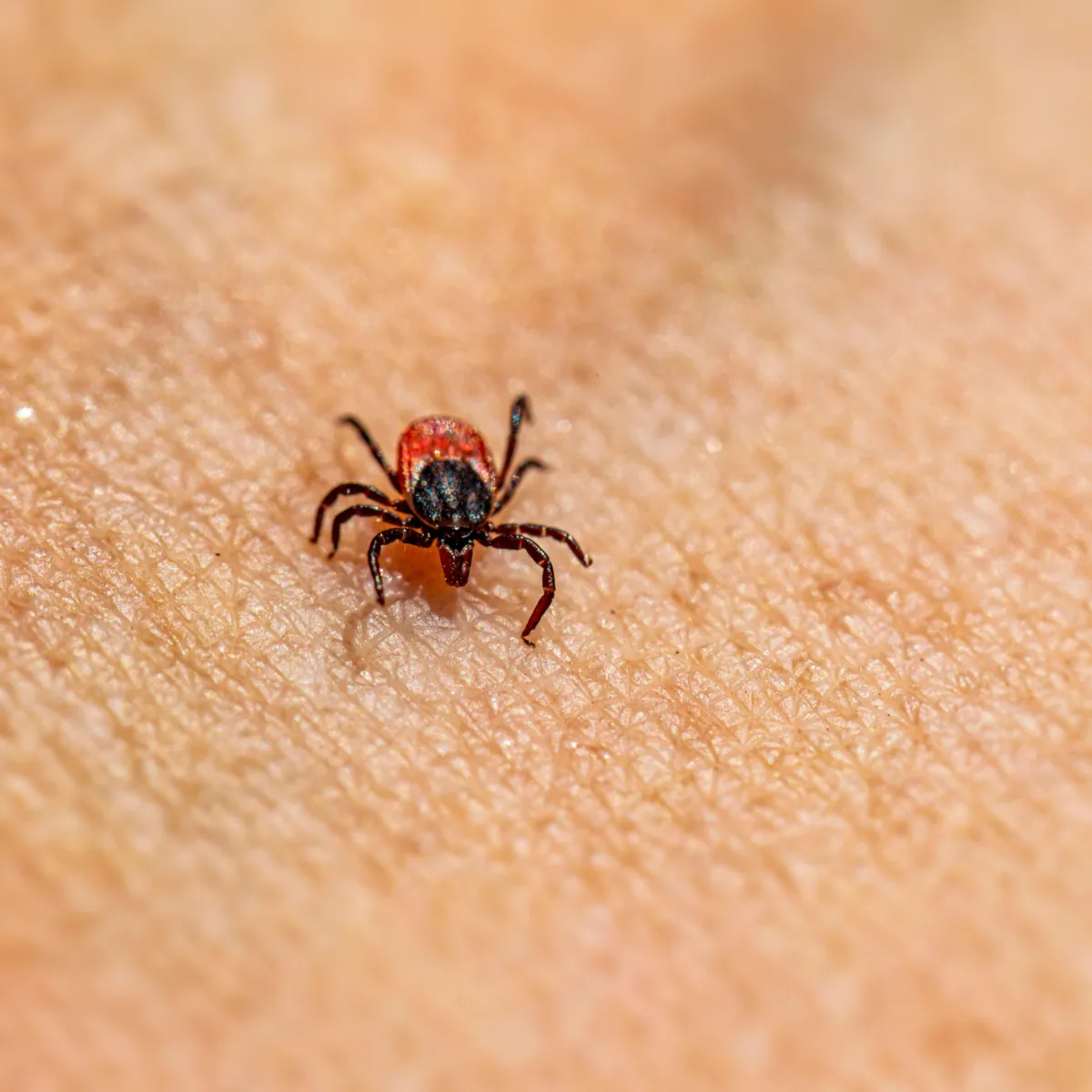
Ticks become a bigger concern when the yard is part of daily life. Dogs move through the grass and along borders without hesitation. Children play in the lawn, near fences, and around outdoor toys without thinking about where the thicker cover begins. Adults use patios, decks, gardens, and back seating areas as part of normal routines. If ticks are active nearby, all of those spaces can start feeling less inviting.
Professional treatment helps reduce activity around common outdoor living areas, including patios, decks, pools, play areas, fire pits, lawns, pet areas, gardens, and outdoor dining areas.
That can help make the yard feel more usable again for the whole household.
The Time of Year Can Change Which Areas Need Attention
Spring often brings new growth, thicker borders, and more time spent outside. It is a common time for hidden parts of the yard to start becoming more active.
Summer usually means the yard is getting used often, while heat, humidity, and denser vegetation all increase pressure around the more sheltered parts of the property.
Fall can still leave enough cover and debris in place for ticks to remain a concern, especially near beds, fences, and low-shade areas that do not clear out quickly.
Moisture can change the yard from one section to the next. Open areas may dry fast, but corners near trees, structures, or heavier beds can stay damp much longer. Those areas usually need the closest attention.
Why Fairway Lawns Is a Practical Choice for Local Yards
Homeowners need a service that pays attention to where the issue is really coming from. Fairway Lawns approaches tick control by focusing on the sections of the yard most likely to affect day-to-day outdoor use, rather than treating every part of the property exactly the same.
Reasons homeowners may choose Fairway Lawns for tick control in North Augusta include locally trained technicians, licensed and insured, free quote, pet-conscious and family-conscious treatments, recurring service options, transparent pricing, attention to hidden problem areas around the yard, help protecting outdoor living spaces, prevention-focused service, and local knowledge of Augusta-area conditions.
A Few Yard Habits Can Support Better Results
Homeowners can also help reduce tick-friendly conditions between treatments by staying on top of basic yard care: keep grass mowed, trim trees and shrubs, remove leaf piles, wood piles, and yard debris, reduce overgrown brush, create mulch, rock, or gravel barriers near wooded edges, keep pet areas maintained, check pets after time outside, discourage rodents and wildlife, move bird feeders away from high-use lawn areas if they attract rodents, keep play areas away from wooded edges, and ask a professional about recurring treatments.
These steps help reduce the shelter ticks rely on and make the treatment plan more effective.
A Useful Option for a Problem That Needs Immediate Help
A one-time tick treatment can make sense when there is a specific issue to handle. Maybe ticks were just found in the yard. Maybe one area has become difficult to use. Maybe there is an event coming up and you want the property treated first.
That kind of service can help knock activity down in the short term. But if the same yard conditions stay in place, the problem can return without a longer-term plan.
A Stronger Option for More Consistent Protection
Recurring tick control is often the better option for homeowners who want steadier yard protection over time. Regular treatments help address changes in growth, moisture, and outdoor conditions before they allow activity to build again.
For North Augusta properties with pets, family use, shade, or thicker edges, recurring service is often the more dependable path.
Serving North Augusta and Nearby Residential Areas
Fairway Lawns provides tick control for homeowners in North Augusta and nearby areas who want help reducing tick activity around lawns, patios, pet spaces, and other outdoor areas. This includes properties with similar conditions such as border growth, shaded sections, fence lines, and nearby natural cover.
Answers to Questions Homeowners Commonly Ask
If ticks are making your outdoor space harder to enjoy, Fairway Lawns can help. Our tick control service in North Augusta, SC focuses on the places where activity usually starts, so your yard can feel more comfortable and usable again. Reach out today to request a quote.