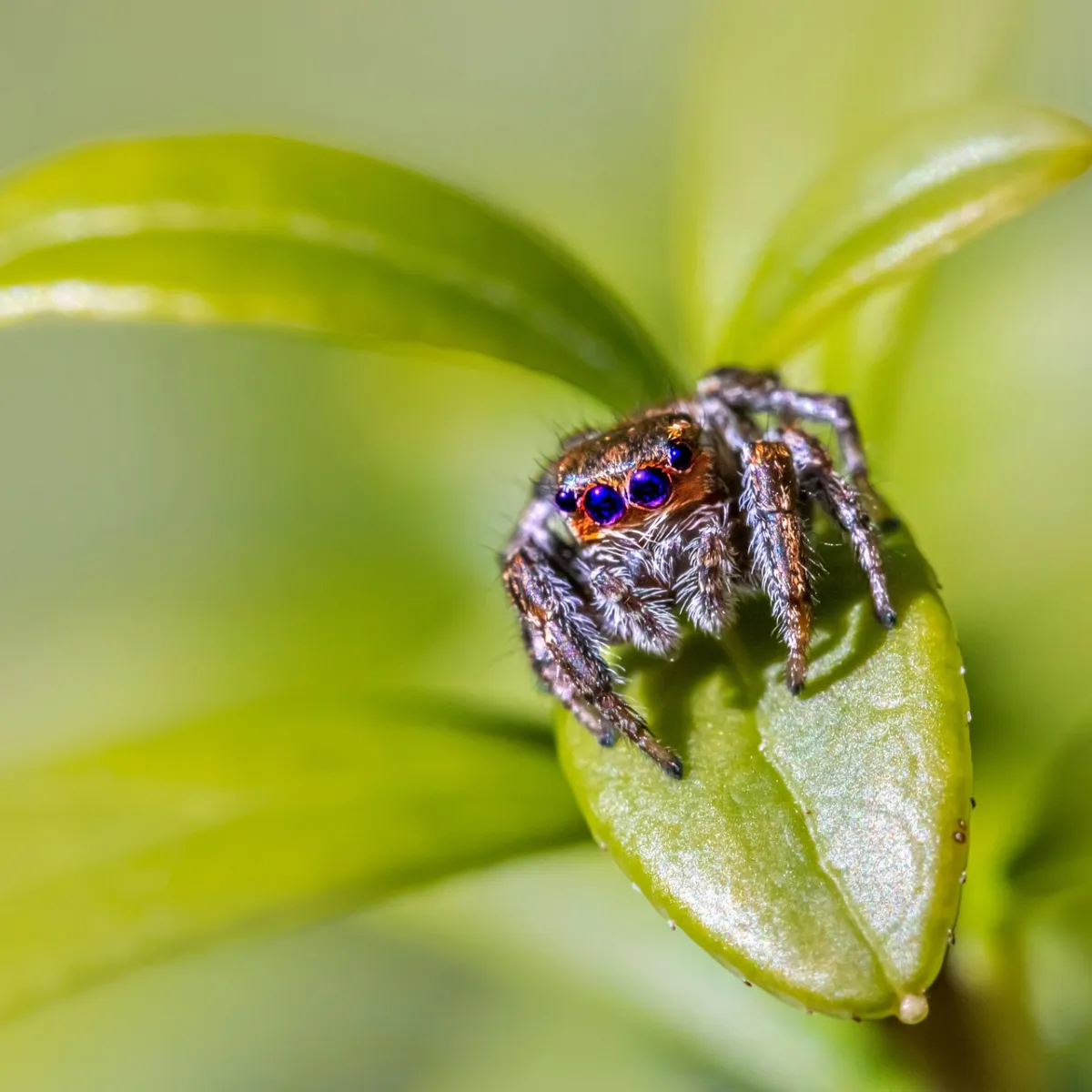
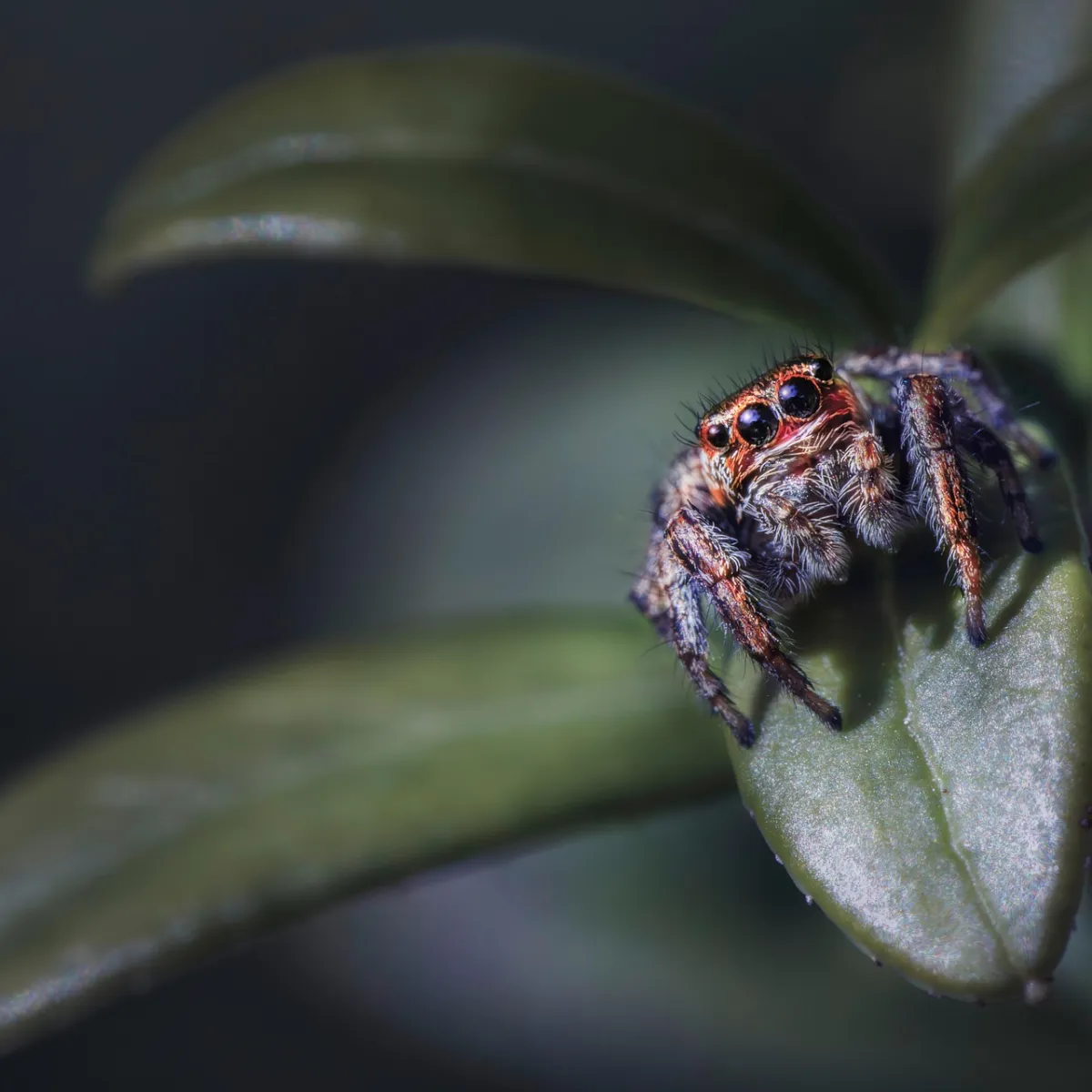
Spider Protection for Alabaster Homes and Outdoor Spaces
In Alabaster, a spider issue often starts in a way that feels easy to dismiss. A web appears near the back patio. Another shows up along the garage wall. A spider is found near a closet floor or bathroom baseboard, and then another turns up in a storage area. The signs become more serious when they stop feeling separate and start repeating in different parts of the property. That is usually when the activity has already become more established than it first appeared.
Fairway Lawns provides pest control through its Birmingham location in Bessemer and describes that service as local, targeted, and focused on the pest issues that show up around homes and outdoor spaces.
Spider Treatments That Go Beyond What You Can See
Spider infestations around Alabaster homes are often driven by the combination of hidden indoor shelter and active perimeter support. Exterior lights may pull insects toward the structure every night. Landscaping may create shaded edges close to walls and entry points. Garages, closets, attics, crawl spaces, and storage rooms may remain quiet enough for webs and egg sacs to survive unnoticed. When these conditions overlap, the issue tends to persist even after the most obvious activity is removed.
That is why treating only the room where a spider was last seen often does not solve the larger problem. A spider near the kitchen entry may point back to an outdoor light and nearby shrubs. A web in a utility room may trace back to a garage corner or crawl-space edge. Spider pest control works better when it follows the property’s pattern instead of assuming the most visible place is the only place that matters.
Alabaster properties often combine garages, porches, patios, side yards, and storage-heavy areas that create multiple sheltered transitions around the same structure. Those transitions can make spider activity hard to fully stop unless the treatment plan addresses both the inside and outside patterns together.
A reliable result usually comes from following a clear four-step process
We begin by identifying where spider activity is strongest and what may be helping it continue. That includes likely species, web-prone locations, insect movement, moisture concerns, and possible entry points.
Treatment is then directed toward the spaces where spiders are most likely to remain active. That may include perimeter applications, focused interior treatment, web removal, egg sac treatment, and crack-and-crevice attention in likely harborages.
Long-term improvement often depends on reducing what made the property attractive. That may include trimming vegetation, changing storage habits, improving screens, and lowering insect attraction around entryways and patio areas.
For homes with repeat seasonal activity or recurring perimeter pressure, follow-up service can help stop the same pattern from rebuilding.
The local spider mix includes species that differ in risk, behavior, and hiding style
Black widows prefer dark quiet spaces that stay protected from daily activity. Around Alabaster homes, that may include sheds, crawl spaces, stacked wood, storage corners, meter boxes, and outdoor furniture undersides. Because of the concern tied to their bite, they should be taken seriously whenever found.
Wolf spiders are active hunters that move quickly and often appear unexpectedly in garages, utility spaces, lower hallways, and around door thresholds. Their size makes them one of the most noticeable spiders homeowners encounter.
House spiders are indoor web-builders that favor upper corners, closets, guest rooms, and the edges behind furniture. They are usually nuisance pests, but repeated indoor webbing often indicates that the home offers stable shelter and enough prey for them to stay.
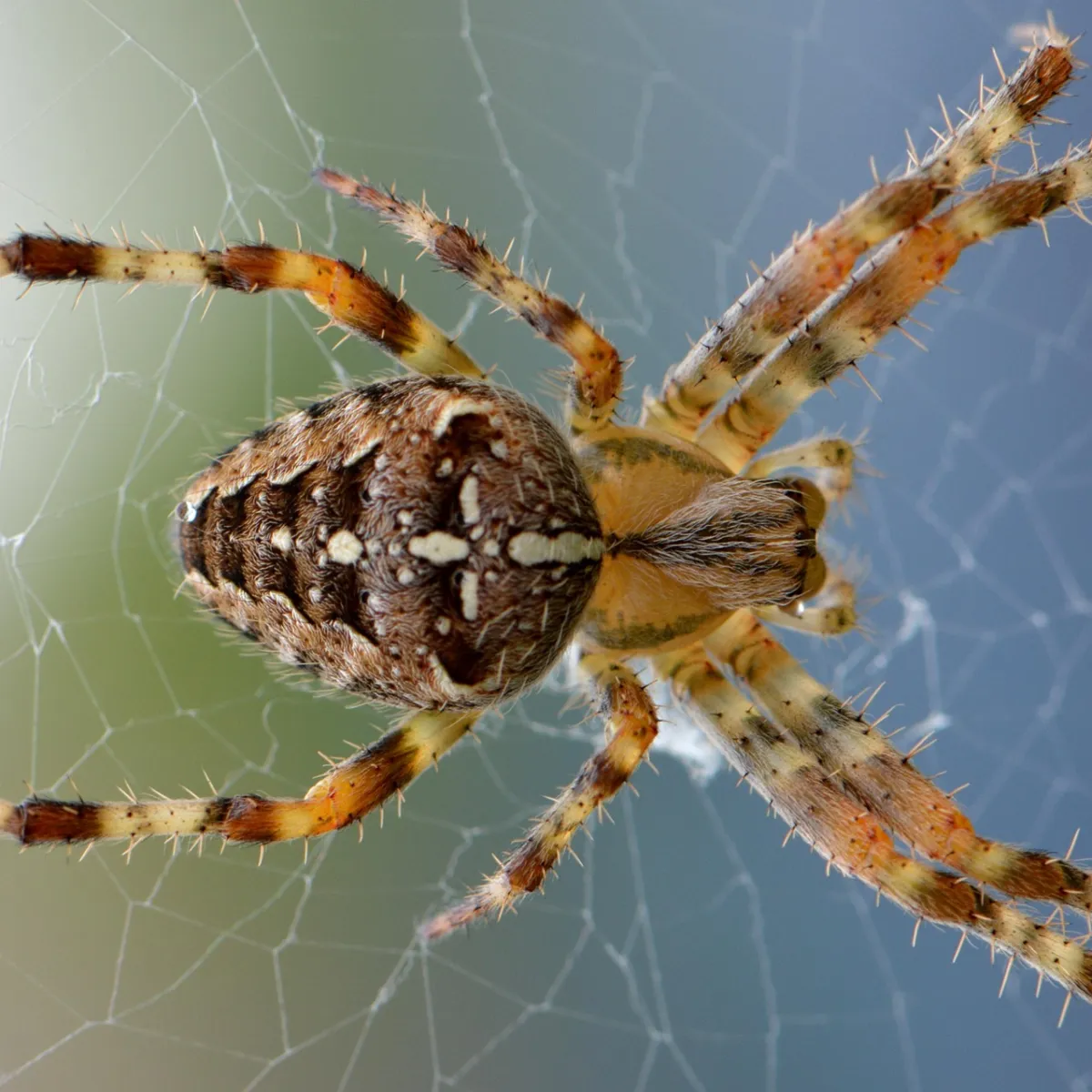
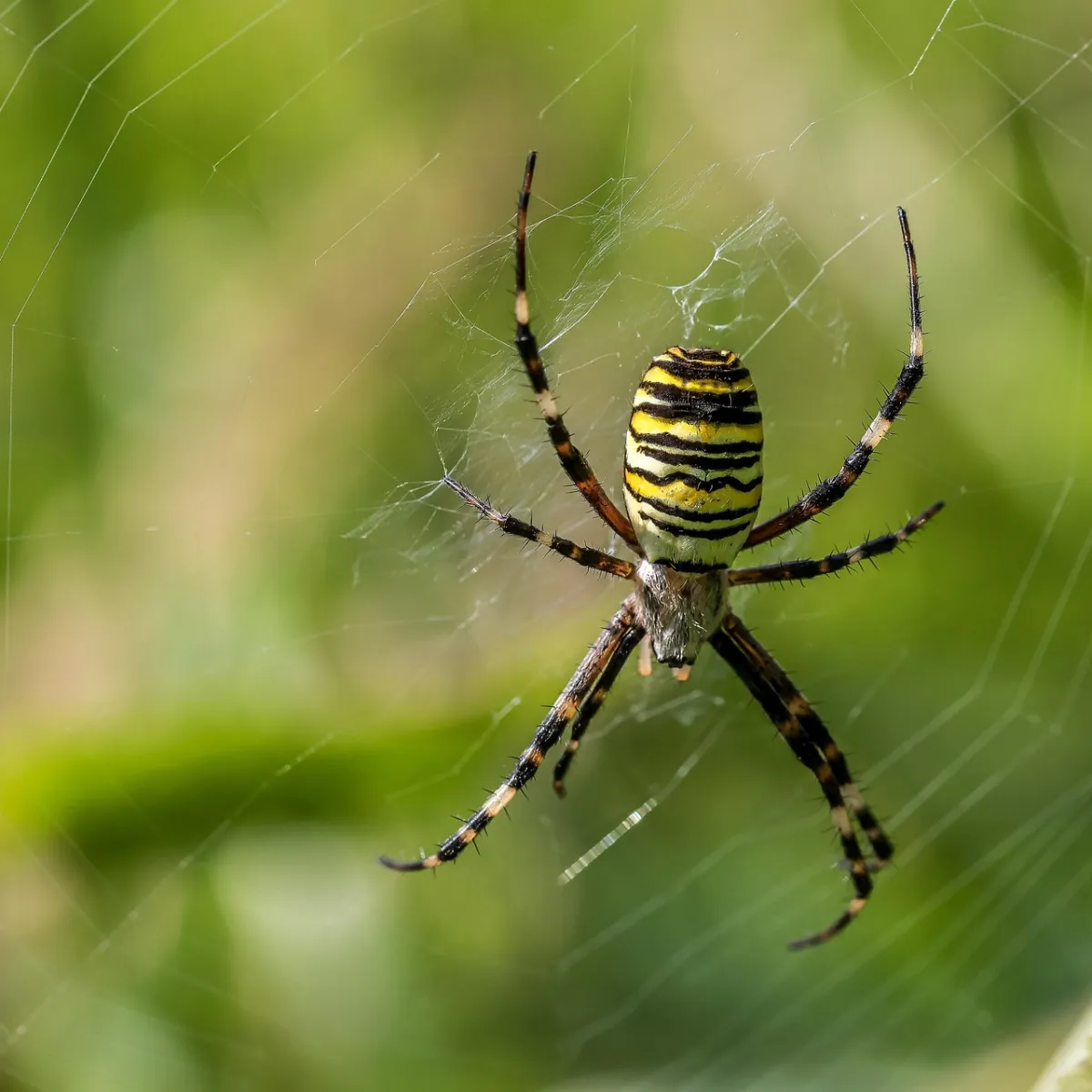
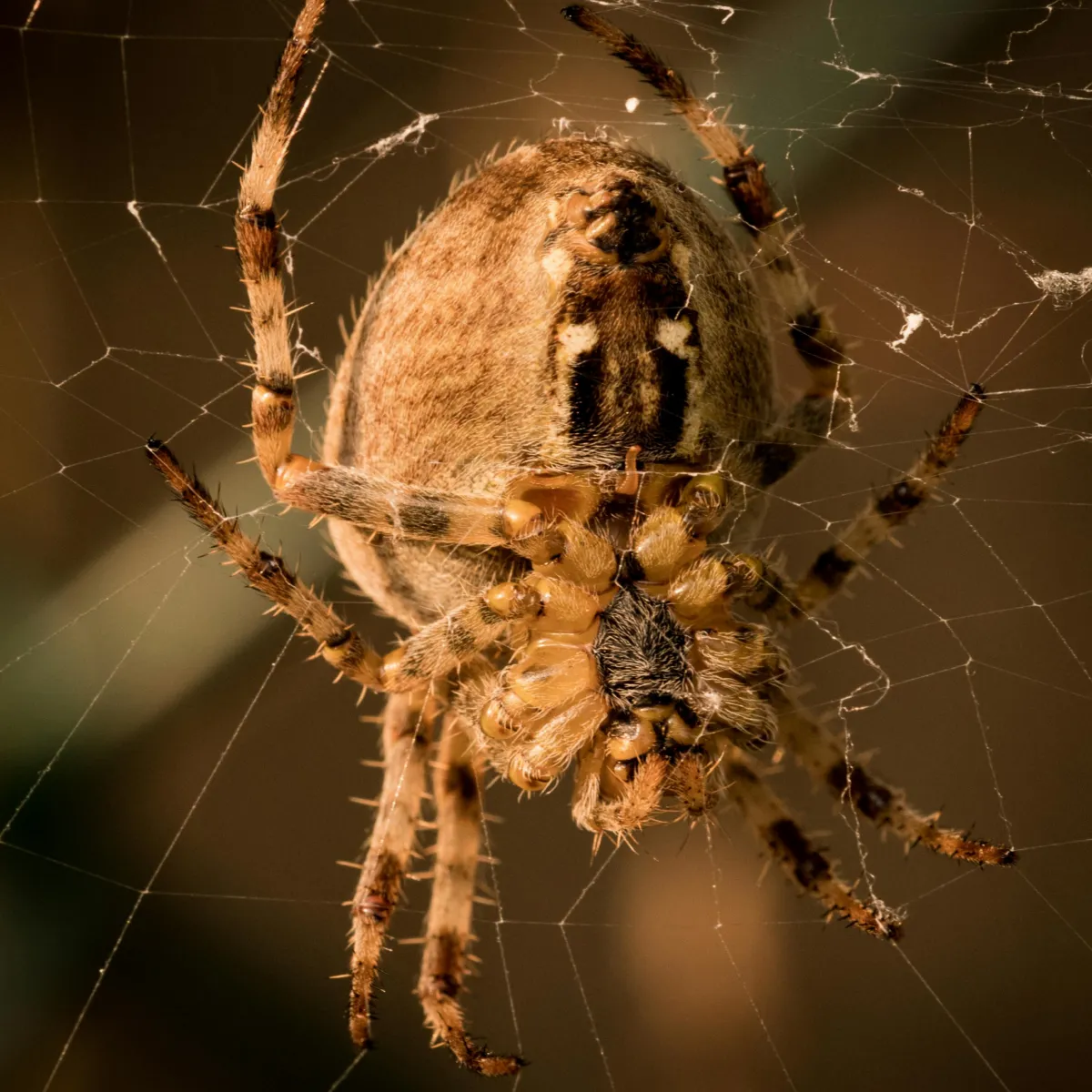
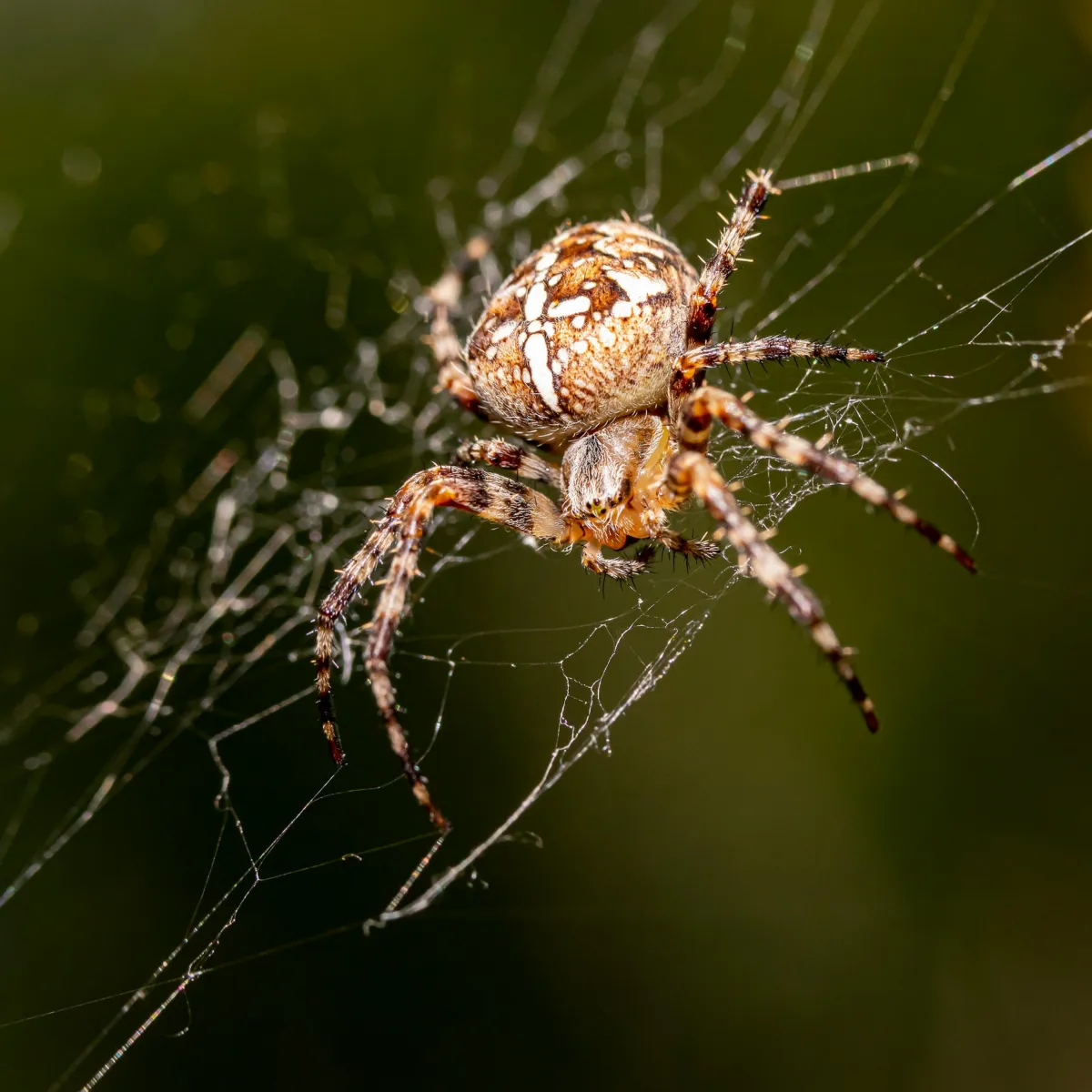
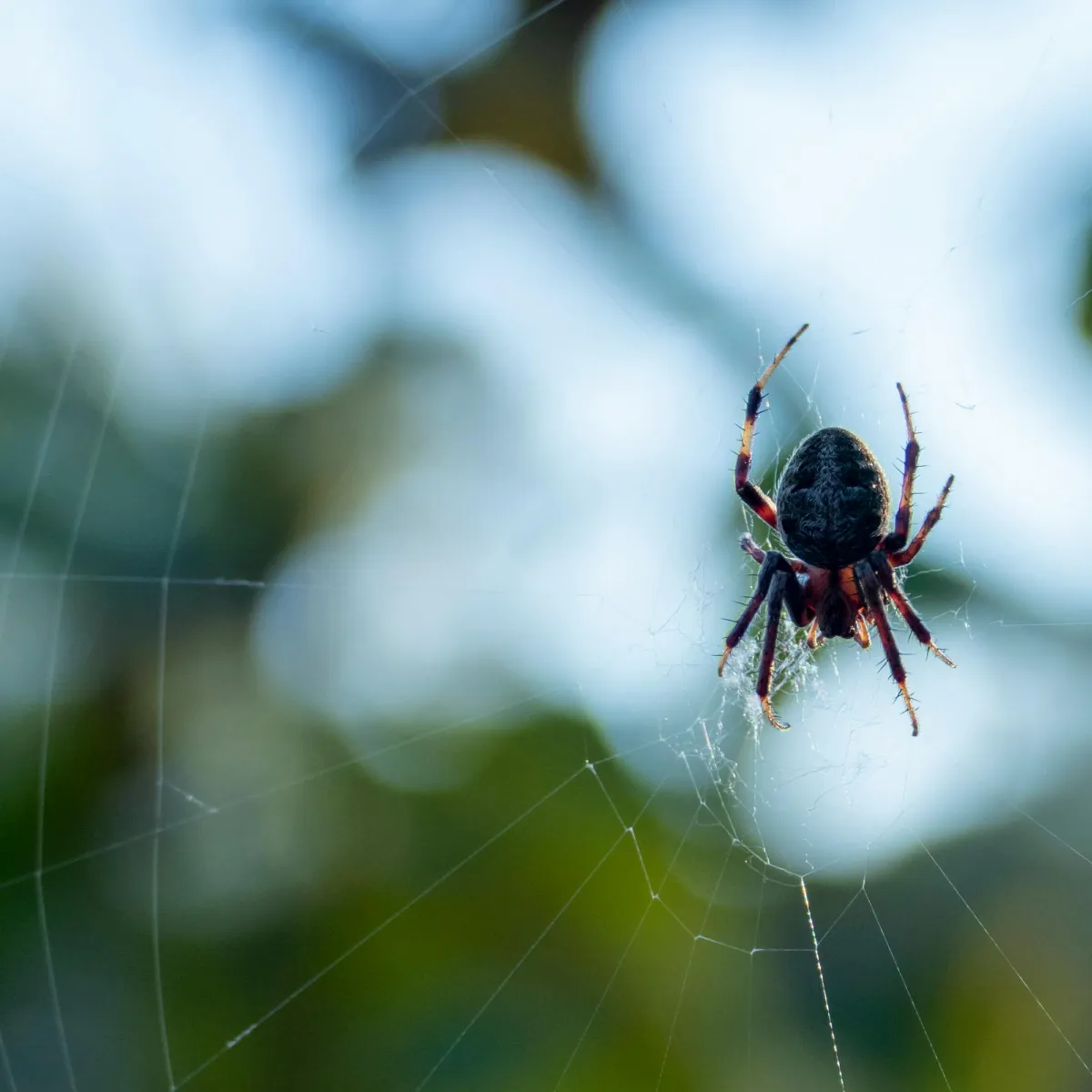
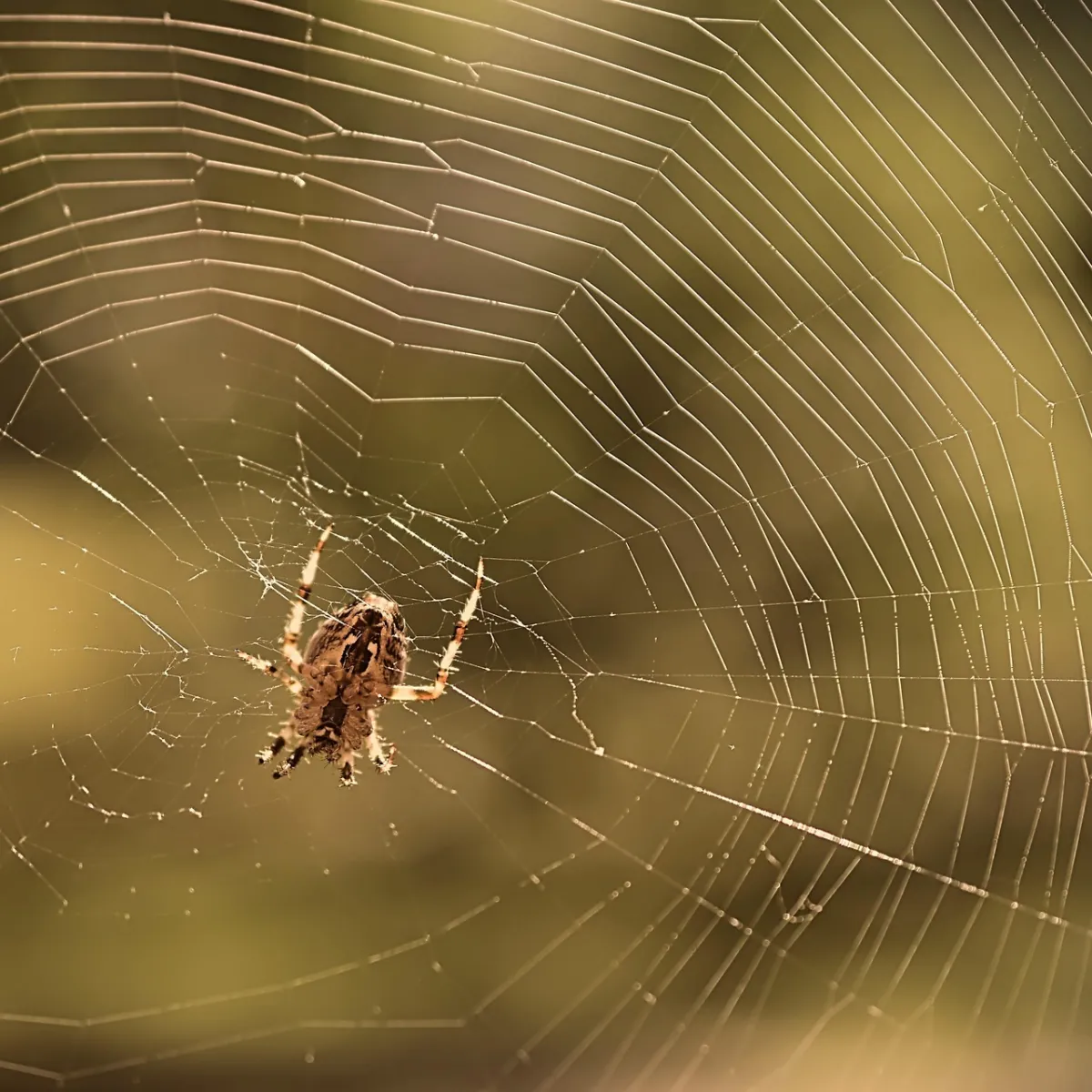
Orb weavers build wide circular webs around porch structures, railings, shrubs, fence lines, and roof edges. While not usually a serious danger, they can become a repeated nuisance when their webs keep appearing in heavily used outdoor spaces.
Garden spiders usually remain near planting beds, ornamental shrubs, and flower-heavy areas of the yard. Their webs become most noticeable once they start crossing common paths or appearing near patios and entry areas.
Cellar spiders often stay in basements, garages, utility corners, and sheltered storage areas. Though usually harmless, they often suggest that interior conditions are favorable for ongoing spider activity.
Spider infestations usually become obvious because the evidence keeps reappearing
Spider infestations often reveal themselves by the way signs continue to return. Webs come back in the same places. Spiders appear in more than one room. Outdoor activity near patios or garages overlaps with indoor sightings in closets, attics, and utility spaces. That kind of repeated evidence often means the issue is more established than the homeowner first thought.
Other clues can include egg sacs attached beneath furniture or stored objects, shed skins in low-traffic corners, insects trapped in webbing, and activity that reappears after store-bought treatment was already used. These signs often show that the visible problem is only the easiest part of the infestation to find.
Homes become attractive when spiders find shelter, prey, and entry all in the same place
Spiders enter homes because buildings provide more protection than the yard alone. Structures offer darker spaces, more stable temperatures, and easier shelter from weather. In Alabaster, strong insect movement around lights, patio areas, and moisture-prone landscaping can keep spiders close to the perimeter through much of the year.
The route inside is often small enough to miss. Door gaps, screen damage, vent openings, utility penetrations, and foundation cracks can all allow movement indoors. If those openings connect to garages, attics, closets, or crawl spaces, spiders can remain active inside for long stretches.
Rain, humidity, and seasonal cooling often intensify this pattern by making protected indoor areas more appealing than exposed outdoor shelter.
The most reliable spider shelter often exists in spaces that stay untouched for long periods
Spiders often remain in attic corners, crawl spaces, garages, under decks, closet floors, behind stacked bins, under furniture, along soffits, inside sheds, and near foundation openings. These quiet spaces let webs and egg sacs remain undisturbed for long enough to keep the issue active.
Outside, spider-supporting conditions may include shrubs against the house, stacked wood, patio furniture, decorative edging, side-yard storage, and low-traffic fence lines. If those perimeter zones stay active, they can continue pushing pressure toward the structure.
Spider activity in Alabaster shifts through the seasons instead of staying the same all year
Spring often starts the increase in spider activity because prey insects become more active and outdoor web-building becomes easier to notice. Summer usually brings the strongest perimeter presence around patios, porches, garages, shrubs, and lighting.
Fall often shifts the issue toward the inside of the house. Garages, attics, closets, and utility rooms become more active as spiders move toward more stable shelter. Winter may reduce visible perimeter activity, but sheltered indoor areas can continue supporting spider pressure for much longer.
A cleaner surface does not always mean the hidden issue has been reduced
DIY treatment often improves the most visible layer of the problem without addressing the hidden parts behind it. A web disappears, but the egg sac remains nearby. A spider dies, but the perimeter harborage and the insects around the same outdoor light stay active. That is why so many spider issues return after seeming better for only a short time.
Professional spider control works better because it addresses where spiders hide and what conditions are helping them stay. That larger approach usually leads to more dependable results than repeated spot treatment alone.
A few practical adjustments can help treatment hold longer
If spider activity has already become familiar, garages, closets, attics, crawl spaces, and storage corners should be checked more often. Removing fresh webs quickly and reducing deep clutter can make those spaces less useful for spiders over time.
Outside, it helps to move wood away from the structure, trim plants back from the siding, repair torn screens, reduce standing moisture, and pay attention to where insects gather near outdoor lighting. Those changes usually work best when they support the treatment plan.
A targeted treatment plan is often the most practical fit for everyday life inside the home
A focused spider-control approach keeps the work centered on the places where the issue is actually strongest. That more selective approach is often more practical than unnecessary broad treatment across areas that are not driving the problem.
A repeating issue deserves a provider that understands how the property is really functioning
Fairway Lawns describes its Birmingham-area pest control service as locally delivered through its Bessemer branch and focused on the kinds of pest problems affecting homes and outdoor spaces in this market.
That kind of local, property-specific approach matters with spider control because recurring spider problems are usually built from multiple pressure points at once, not a single visible sighting.
These are the questions Alabaster homeowners often ask when spider activity becomes consistent
If spider activity around your Alabaster home keeps surfacing in the same corners, garages, patios, and storage spaces, Fairway Lawns can help you take a more complete approach. Schedule service to reduce active spider pressure, target hidden harborages, and make the property less favorable for future infestations.