Get your lawn back on track with 50% OFF first application!* 50% OFF First Application!* Call Now

Smarter fire ant treatment for Irondale lawns

Professional Fire Ant Control Services in Irondale, AL

Fire ants can make a yard feel unsettled in a way homeowners notice quickly. A few mounds in the wrong places can change where people walk, where pets are allowed to roam, and how comfortable it feels to spend time outside. Fairway Lawns provides professional fire ant control in Irondale, AL for homeowners dealing with active colonies, painful stings, and repeated mound activity that keeps changing how the lawn gets used.

Professional service for painful stings, visible mounds, and ongoing yard disruption

Fire Ant Treatment for Irondale Lawns

Many fire ant problems begin with one mound that does not seem serious enough to deal with right away. Then another mound appears in a different section of the lawn, and the pattern becomes harder to ignore. Once that happens, the yard starts losing some of its normal comfort. Homeowners begin changing mowing routes, steering children away from certain spots, and watching pets more closely than they used to.

Our service is designed to address that broader problem, not just the top of the mound. We inspect the property, look at where activity is concentrated, and treat the affected areas based on what the lawn is actually showing. That gives homeowners a more deliberate plan for active mounds, colony control, and the parts of the yard that keep turning into trouble spots. If fire ants are making your Irondale lawn harder to manage, Fairway Lawns can help. Request a quote, call to schedule service, or check availability today.

Why fire ants become a real lawn problem?

Why Fire Ant Control Matters?

Fire ants are aggressive and territorial, which means they react quickly when their nest is disturbed. A person can step too close while crossing the yard, brush a mound during edging, or run equipment over it without realizing what is there. Once the ants react, repeated stings can follow in a matter of seconds, which is why fire ants are a much bigger issue than a simple nuisance insect.

They also affect the way the lawn functions. Mounds can signal larger underground colonies, and those colonies can change how people use the yard from one week to the next. Fire ants can interfere with normal lawn use, create concern for children and pets, and make the property feel less dependable for everyday outdoor activity. Professional treatment matters because the goal is to address the colony itself rather than only the visible mound on top.

What usually tells homeowners the issue is growing

Signs of a Fire Ant Infestation

One of the most common signs is the appearance of loose or sandy mounds scattered through the lawn, especially in sunny sections where the soil warms up easily. These mounds often become easier to notice after rainfall, when fresh soil stands out more clearly against the grass. In some lawns, homeowners spot one mound at first and then realize more are appearing in other areas not long after.

Aggressive swarming is another strong sign. Fire ants are often reddish-brown, and they can move fast when a mound is disturbed. Painful stings, pets reacting to certain sections of the yard, or repeated complaints about the same lawn areas can all point to an active infestation. When multiple mounds begin appearing across the property, it usually means the issue is established enough to need direct treatment.

What fire ants look like in a residential yard

What Do Fire Ants Look Like?

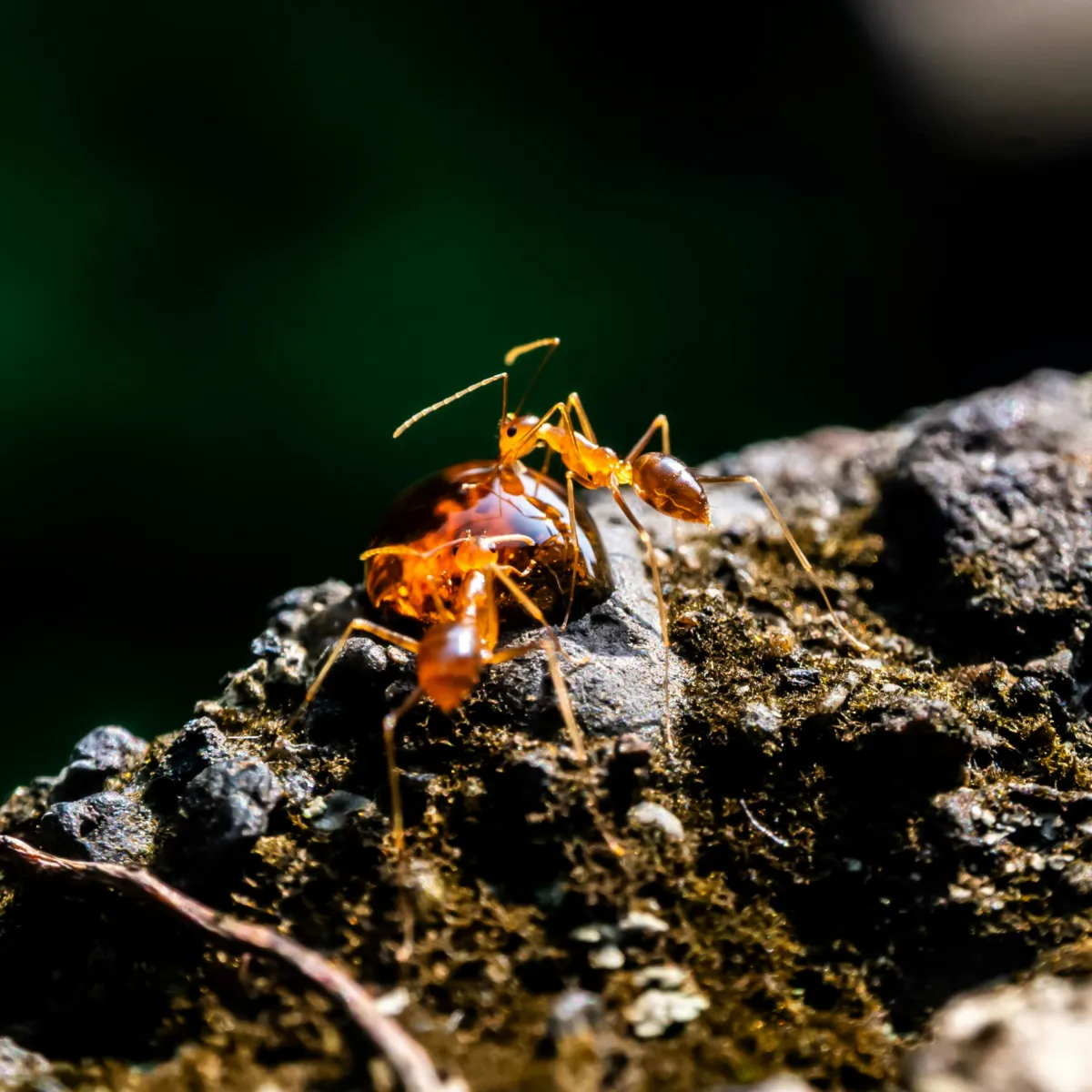
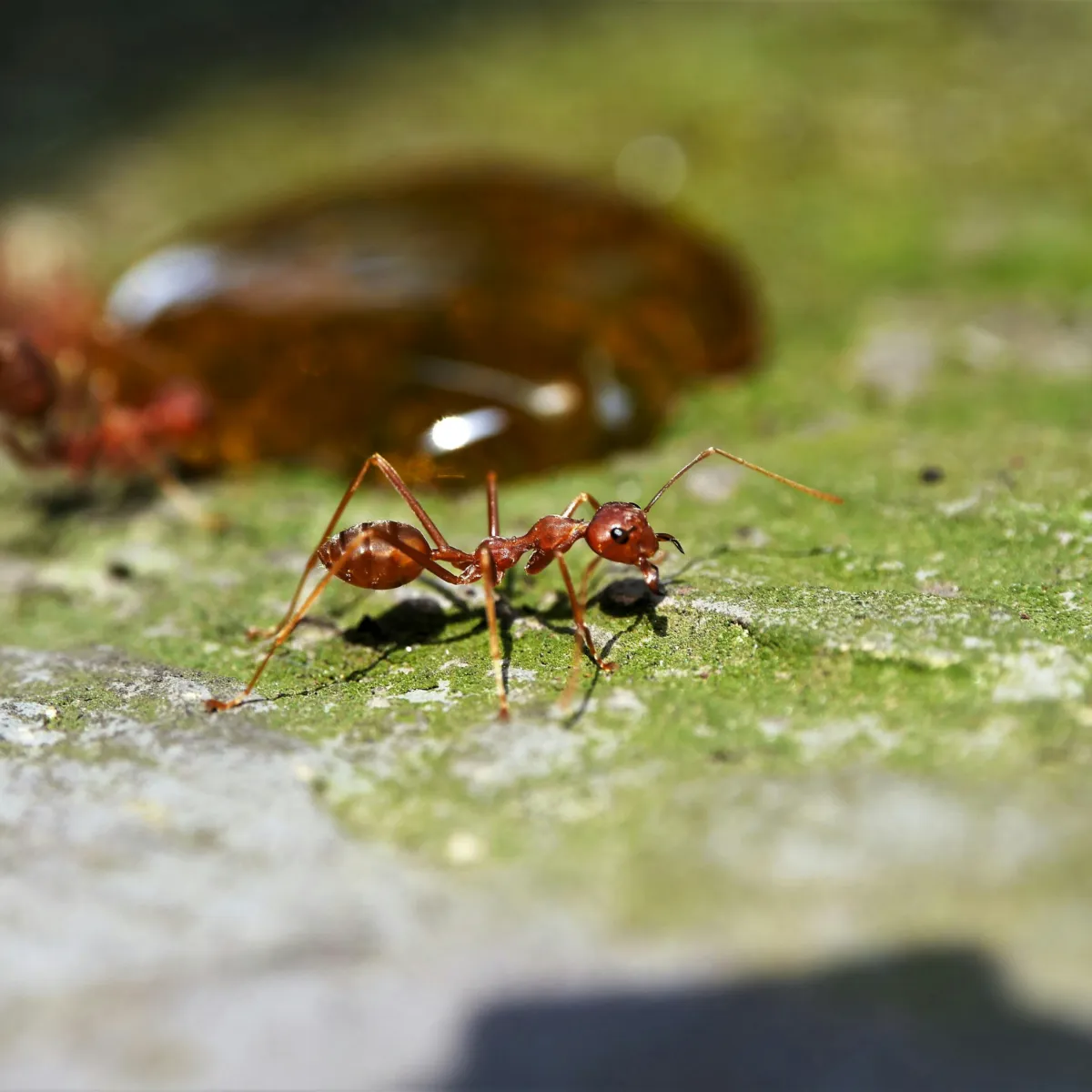
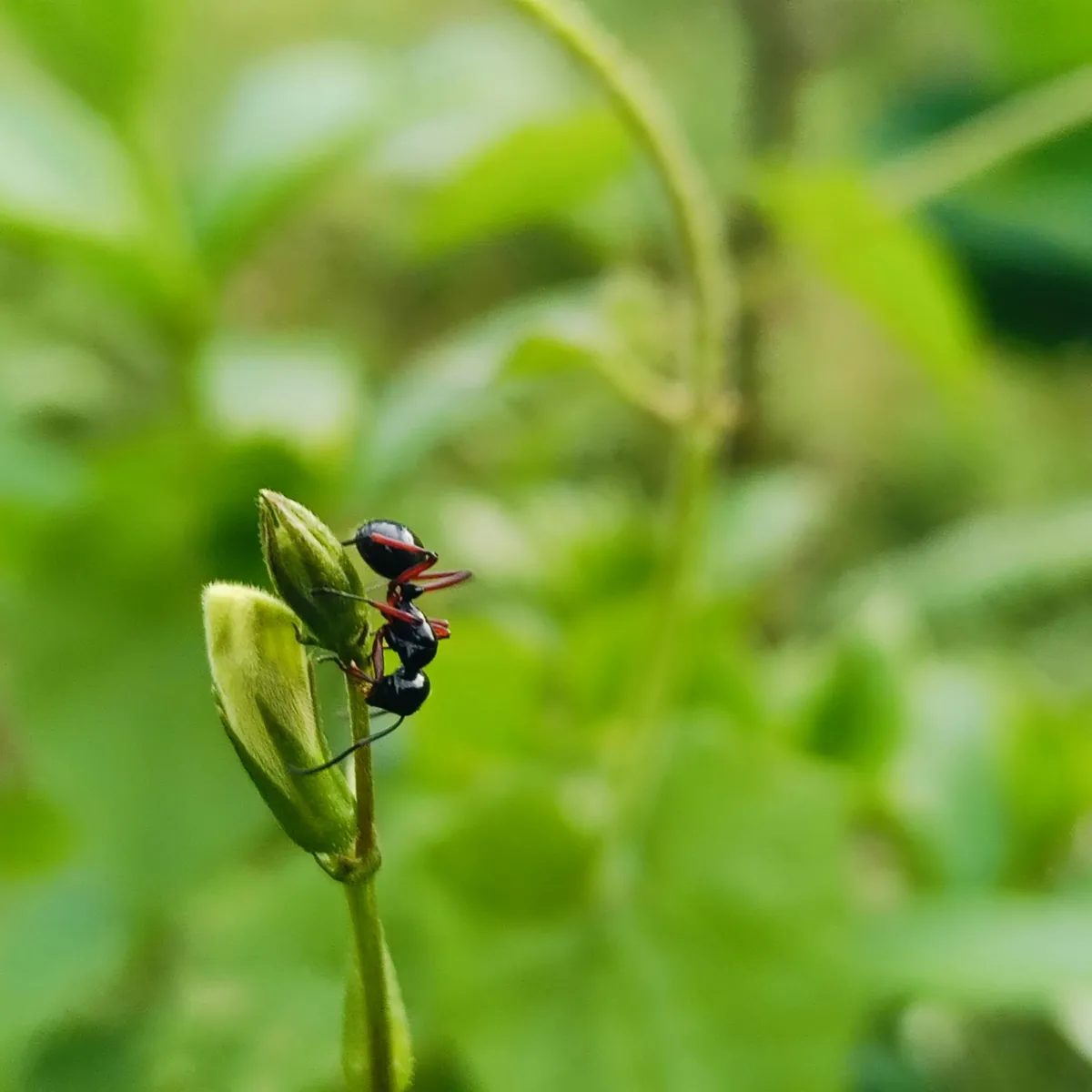
Fire ants are usually reddish or reddish-brown and small in size, typically around 1.6 to 5 mm long. Workers within the same colony can vary in appearance, so homeowners do not always identify them by size alone. Their quick, defensive behavior around a disturbed mound often makes them easier to recognize than their color by itself.

They are commonly found in open lawn areas, fields, and exposed soil. In residential settings, their mounds may show up in turf, beside sidewalks, around planting beds, near driveways, or in bare patches that get steady sun. Even when the mound itself is not especially large, the ants below may still be active enough to create repeated problems around the property.

Why they are difficult to wipe out?

Why Fire Ants Are Difficult to Get Rid Of?

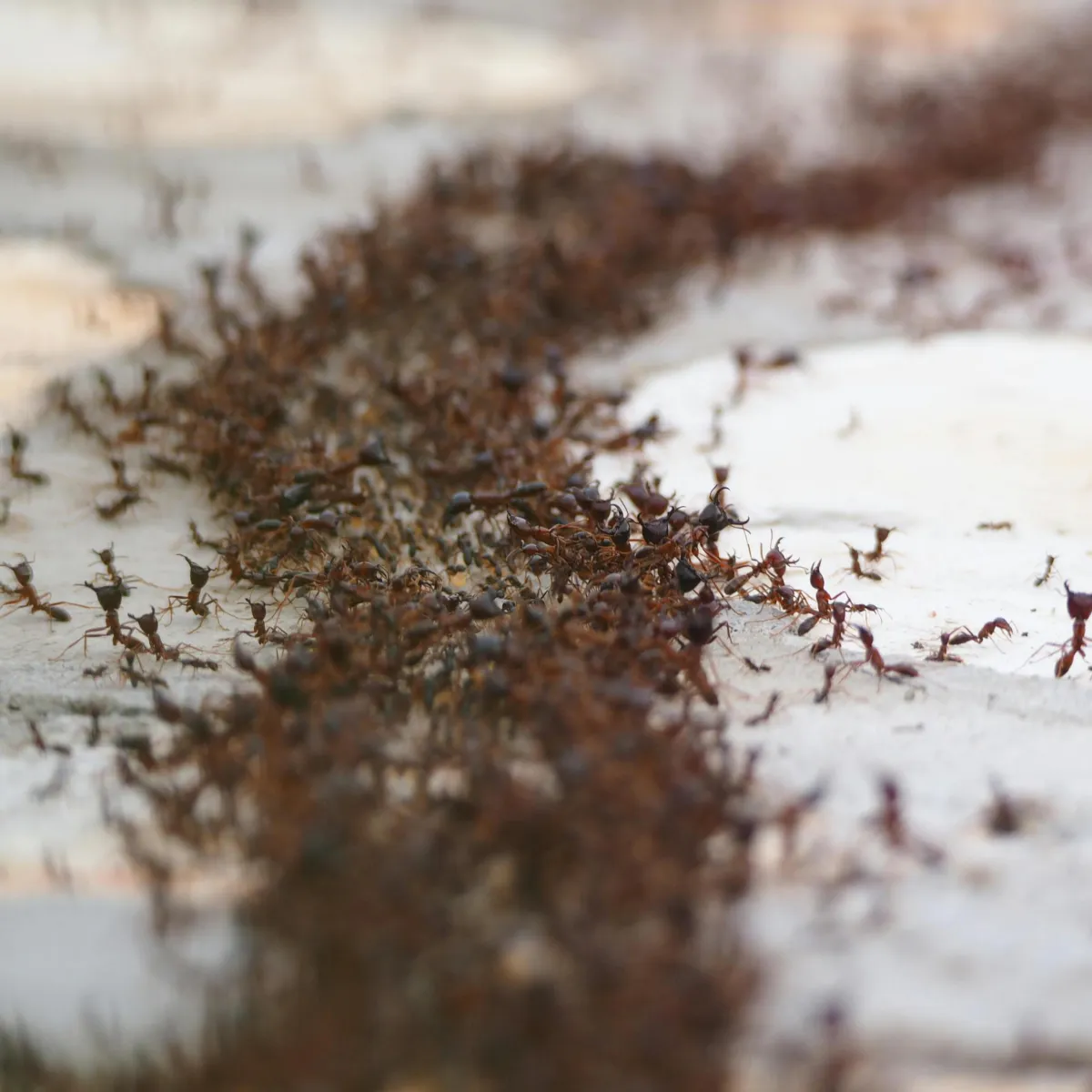
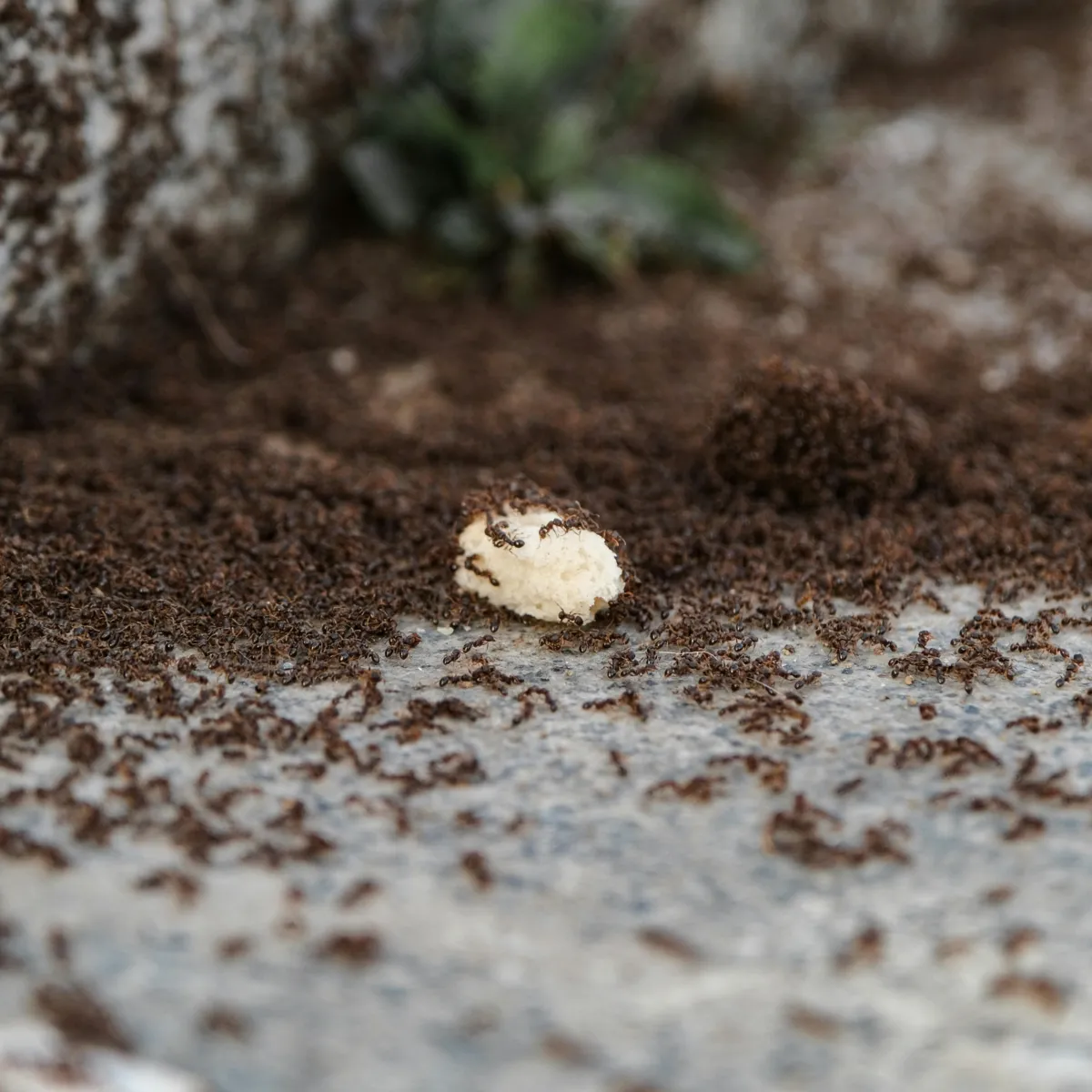
Fire ant colonies can be large, spread underground, and in some cases involve multiple queens. That makes them difficult to eliminate with simple surface treatment because what the homeowner sees above the lawn is only a small part of the whole problem. Visible mounds may only represent one piece of a colony that extends farther than expected below the soil.

DIY sprays may only kill visible ants, and the results can be affected by rain, irrigation, heat, or changes in foraging. Homeowners may think they have solved the issue because the mound looks quieter for a short period, only to find fresh activity returning later. Surface-level treatment often falls short because it does not match how the colony is actually structured underground.

How our fire ant control service works

How Our Fire Ant Control Service Works

We begin by inspecting the lawn and visible mound activity to understand how severe the fire ant issue appears to be. That includes identifying where ants are most active, whether the problem seems isolated or spread across more of the property, and which sections of the yard are being affected the most. Inspection is an important part of making sure treatment matches the actual condition of the lawn.

After the inspection, we treat active mounds and affected lawn areas with a targeted approach based on what we find. The goal is to reduce current activity and help protect against continued problems in the yard. Depending on the level of infestation and the way the property responds, follow-up service or monitoring may also be recommended as part of keeping the problem under control.

Treatment options for different yard conditions

Professional Fire Ant Treatment Options

Some lawns need broadcast treatment because fire ant activity is spread across a broader area instead of staying concentrated in one or two visible spots. Other lawns are better served with direct mound treatment when specific colonies stand out as the main source of trouble. The right choice depends on how the infestation is presenting itself on the property.

In some cases, a two-step treatment approach may make the most sense. That may include bait-based treatment to help target colony activity and mound drench treatment where direct applications are appropriate. At a high level, the idea is to match the method to the problem and give homeowners a more complete option than a single DIY product that may not reach enough of the colony to matter.

Why professional service often works better than DIY?

DIY vs Professional Fire Ant Control

DIY sprays may not reach the colony deeply enough to create reliable control. A mound can look less active for a short time and still have enough activity below the surface to create more visible trouble later. Baits can also be inconsistent because they depend on active foraging, and homeowners may not always know whether lawn conditions are right for that type of product to work well.

Rain or heavy dew can reduce effectiveness, and direct mound treatment can increase sting risk when someone gets too close to a live nest. Professional service helps reduce that uncertainty by matching treatment to the infestation level, the yard conditions, and the way activity is showing up on the property. That is often the difference between temporary change and more dependable control.

Why fire ants can be dangerous around the home?

Are Fire Ants Dangerous?

Fire ants can sting repeatedly, and those stings may cause burning pain, red bumps, or pustules. A person may disturb a mound without even realizing it is there, which can make the encounter especially unpleasant because the ants react before the problem is obvious. That is one reason active fire ant colonies can become such a concern in residential lawns.

Some reactions may be severe enough to require medical attention. Children, pets, and anyone who uses the lawn regularly may be the most exposed to active areas, particularly when mounds appear in high-use parts of the yard. Careful treatment matters because fire ants can affect not only comfort, but also the sense of safety homeowners expect from their outdoor space.

Can Fire Ants Damage Your Lawn?

Fire ant mounds can disrupt turf and create uneven lawn areas that make the property harder to use. Their tunneling and mound-building can affect lawn appearance and make mowing, walking, or playing outside more awkward than it should be. Even when the grass still appears healthy in general, the yard may feel rougher and less usable underfoot.

Fire ants can also interfere with ordinary outdoor routines. A few mounds in the wrong places can make homeowners rethink how they mow, where pets go, and which parts of the lawn children should avoid. For many households, the frustration is less about dramatic lawn damage and more about losing the easy, everyday use of the yard.

When Are Fire Ants Most Active?

Fire ants prefer warm, sunny conditions, so they often become more noticeable during warmer months. In Irondale, homeowners may spot fresh activity more easily when temperatures rise and the yard is being used often enough for new mounds to stand out quickly. Open sections of lawn usually reveal the problem first.

Mounds may also appear after rain, when fresh soil makes above-ground activity easier to see. During very hot weather, foraging may shift, so visible movement can change from one stretch of the season to another. Even if the surface looks quieter for a time, the colony may still remain active below the lawn.


What to know about safety after treatment

Is Fire Ant Treatment Safe for Families and Pets?

Treatments should always be applied according to label directions, and technicians should provide re-entry guidance afterward. That gives homeowners clear instructions about when the lawn can be used again and what to keep in mind until then. A responsible service approach includes not only treatment, but also clear follow-up guidance for the household.

Pets and family members may need to stay off treated areas until dry or otherwise settled, depending on the product and the conditions on the property. Those safety directions should be explained clearly after service so homeowners know exactly how to handle the lawn once the application has been completed.

Why homeowners choose Fairway Lawns for fire ant control?

Why Homeowners Choose Fairway Lawns for Fire Ant Control?

Homeowners choose Fairway Lawns because they want lawn and pest experience backed by a professional inspection and customized treatment recommendations. We take time to understand how the problem is showing up on the property, explain the treatment direction, and provide family- and pet-conscious guidance that reflects how the lawn is actually being used.

We also make it easy to schedule service, request a free quote, and ask about seasonal protection options where they apply. If satisfaction guarantees are available in your service area, we can explain those as well. For Irondale homeowners who are tired of adjusting their whole lawn routine around fire ant mounds, Fairway Lawns offers a clearer path forward.

Questions Irondale homeowners ask about fire ants

Fire Ant Control FAQs

Get Fire Ant Control in Irondale, AL

A yard with fire ants is harder to enjoy than it should be.
Contact Fairway Lawns today for a quote and professional fire ant treatment in Irondale, AL.