Get your lawn back on track with 50% OFF first application!* 50% OFF First Application!* Call Now

Relief for Leeds lawns with active fire ant issues

Professional Fire Ant Control Services in Leeds, AL

Fire ants can make a yard feel unsettled faster than most homeowners expect. A lawn that looked perfectly usable a few days ago can suddenly have raised mounds in the grass, painful sting concerns, and parts of the property that no longer feel simple to walk through. Fairway Lawns provides professional fire ant control in Leeds, AL for homeowners dealing with active colonies, repeat mound formation, and outdoor areas that have become harder to enjoy because of fire ants in the yard.

Professional service for lawns where fire ants keep becoming a problem

Fire Ant Treatment for Leeds Lawns

A fire ant issue often grows into a bigger concern one mound at a time. At first, homeowners may see one active spot and decide to keep an eye on it. Then another mound appears in a different part of the yard, maybe near the fence line, beside a driveway edge, or in a section of grass people use often. That is usually the moment the problem stops feeling minor. The yard begins requiring extra caution, and routines that used to feel automatic start feeling less predictable.

Our service is designed to deal with that kind of lawn disruption in a more deliberate way. We inspect the property, identify where fire ant activity is showing up, and treat the problem based on the infestation visible across the yard. That means the focus is not only on the mound itself, but on the colony activity that keeps making the lawn less comfortable to use. If you are dealing with fire ants in Leeds, Fairway Lawns can help. Call for a quote, request service, or schedule an appointment to get started.

Why fire ants deserve serious attention?

Why Fire Ant Control Matters?

Fire ants are aggressive and territorial, which means a small amount of disturbance can create a much bigger problem very quickly. A person might disturb a mound while cutting grass, moving through the yard, or handling ordinary outdoor chores and end up dealing with repeated stings before they even realize what happened. That fast reaction is one reason fire ants create so much frustration around residential lawns.

They are also more than a nuisance because they can change the way the whole property gets used. Mounds may signal larger underground colonies, and those colonies can make the lawn less comfortable for families, children, pets, and guests. Fire ants affect not only how the yard looks, but also how safe and usable it feels. Professional treatment matters because it is aimed at the colony behind the mound, not simply the visible surface activity.

What often gives an infestation away

Signs of a Fire Ant Infestation

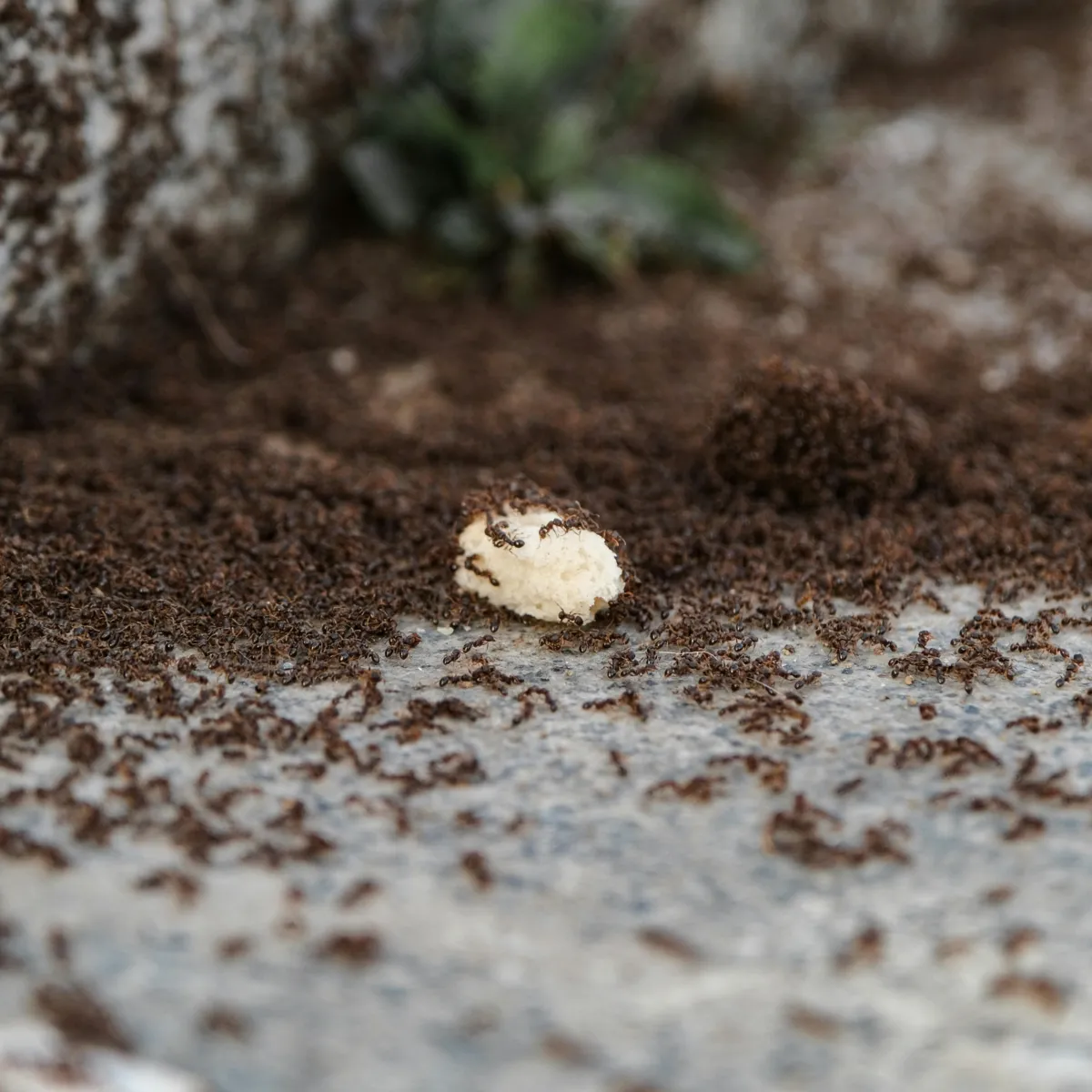
One of the clearest signs is the sudden appearance of loose, sandy mounds in the lawn. These mounds often form in sunny, open areas and may stand out more after rain when fresh soil is pushed upward and becomes easier to see. Some lawns show one obvious mound first, while others develop several visible problem areas within a short period.

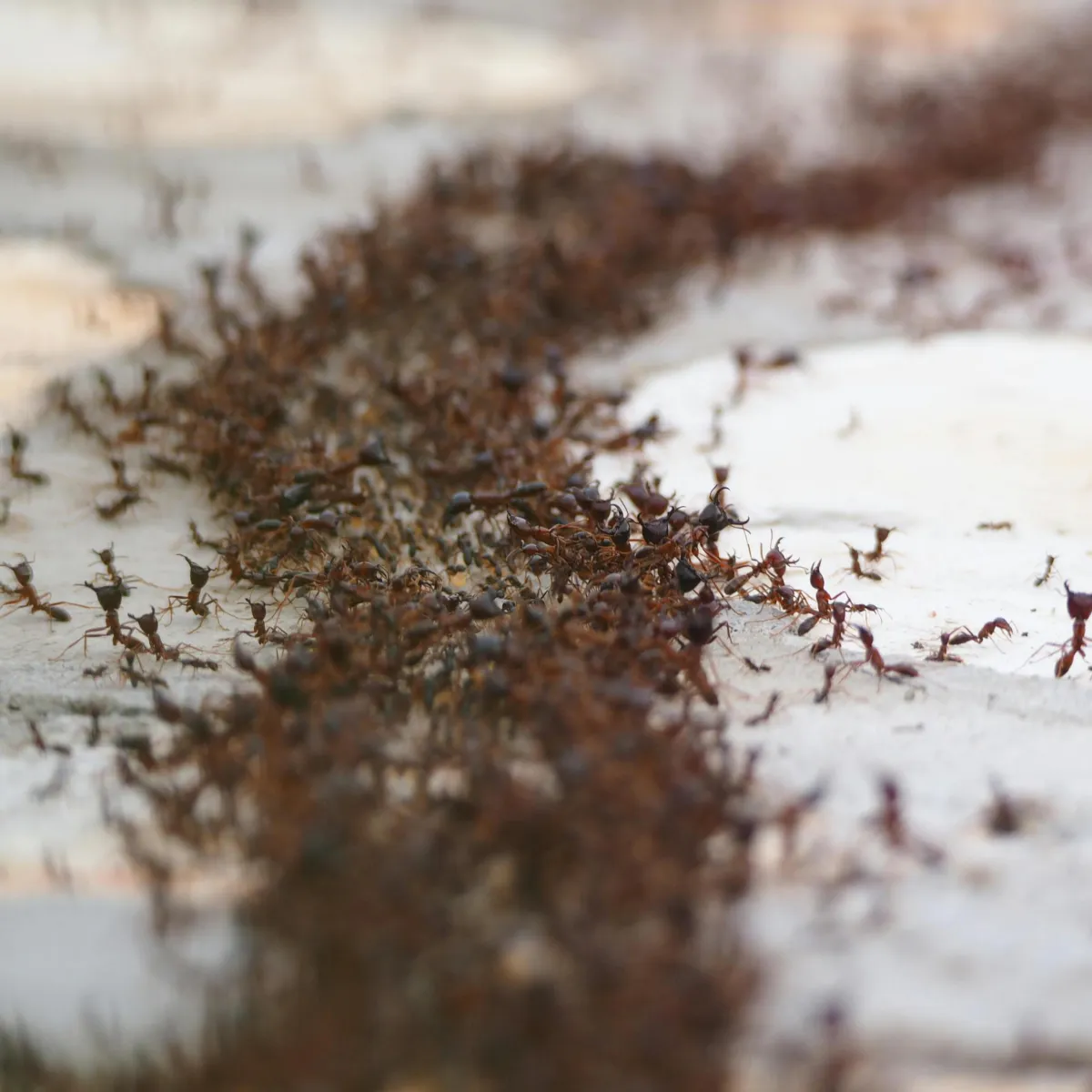
Homeowners may also notice reddish-brown ants swarming when a mound is disturbed. Painful stings are another common sign, especially when the same parts of the yard keep causing issues. If pets react to one area repeatedly, or if more than one mound starts appearing across the property, those are strong signs that fire ants are active and beginning to establish themselves in the lawn.

How to recognize them in the yard

What Do Fire Ants Look Like?

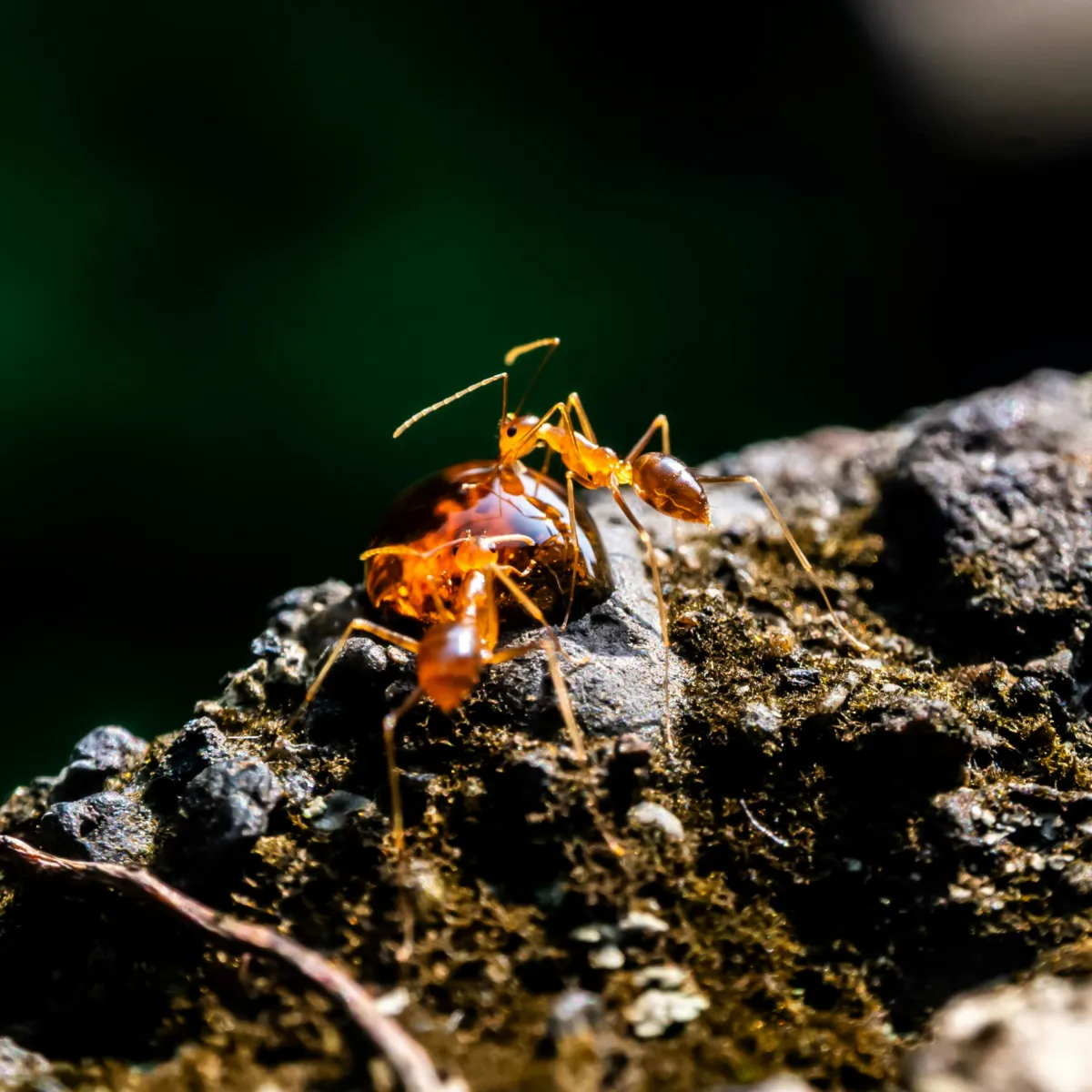
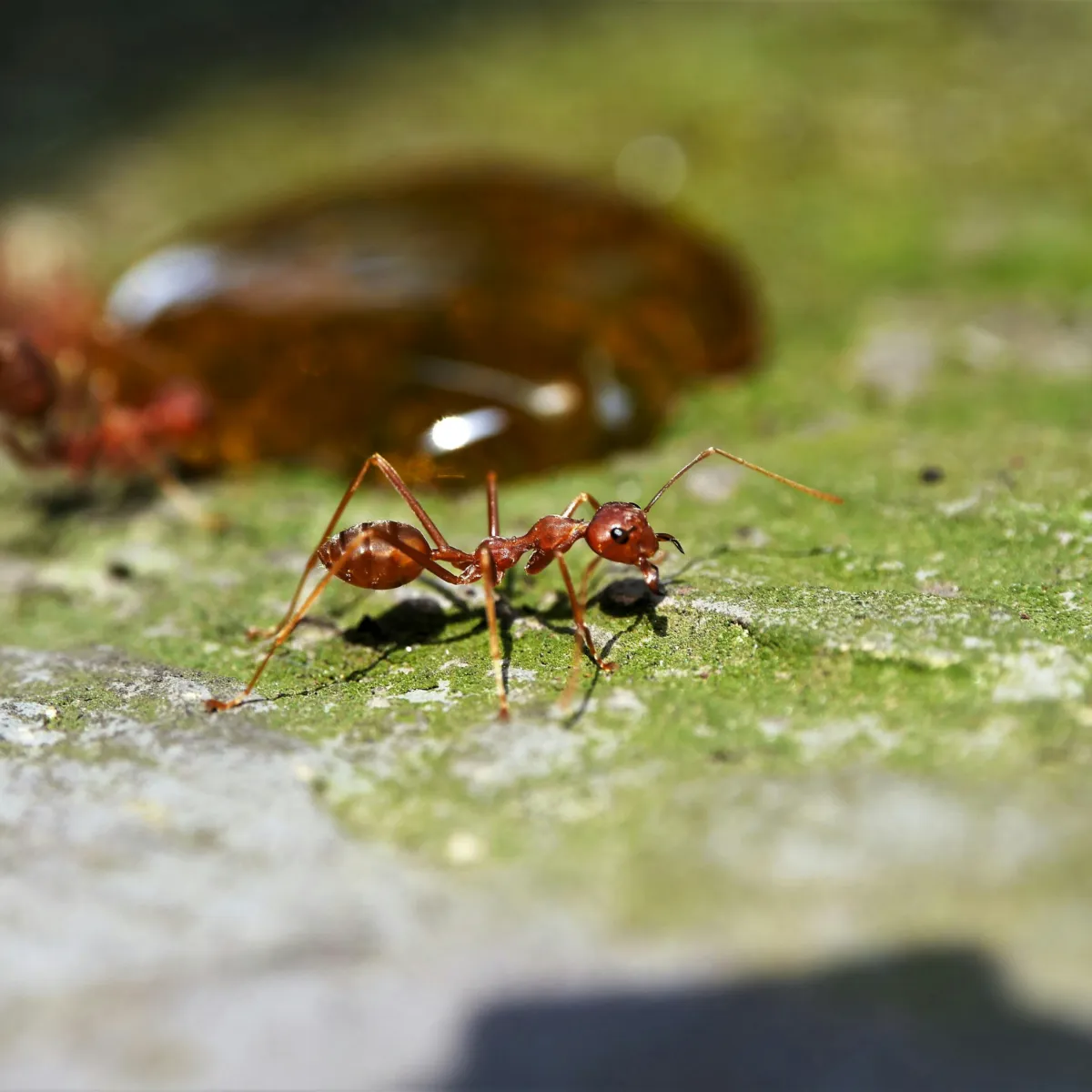
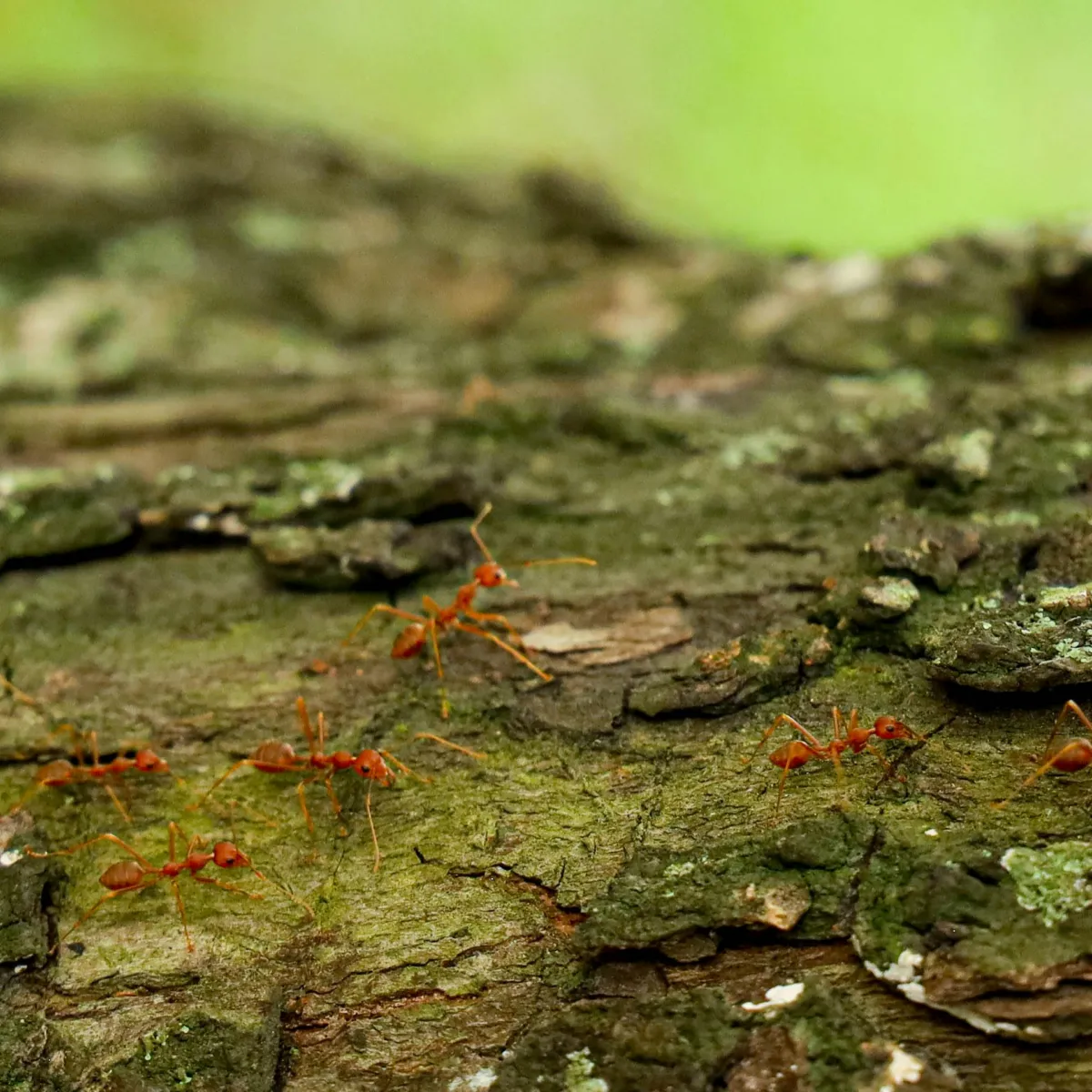
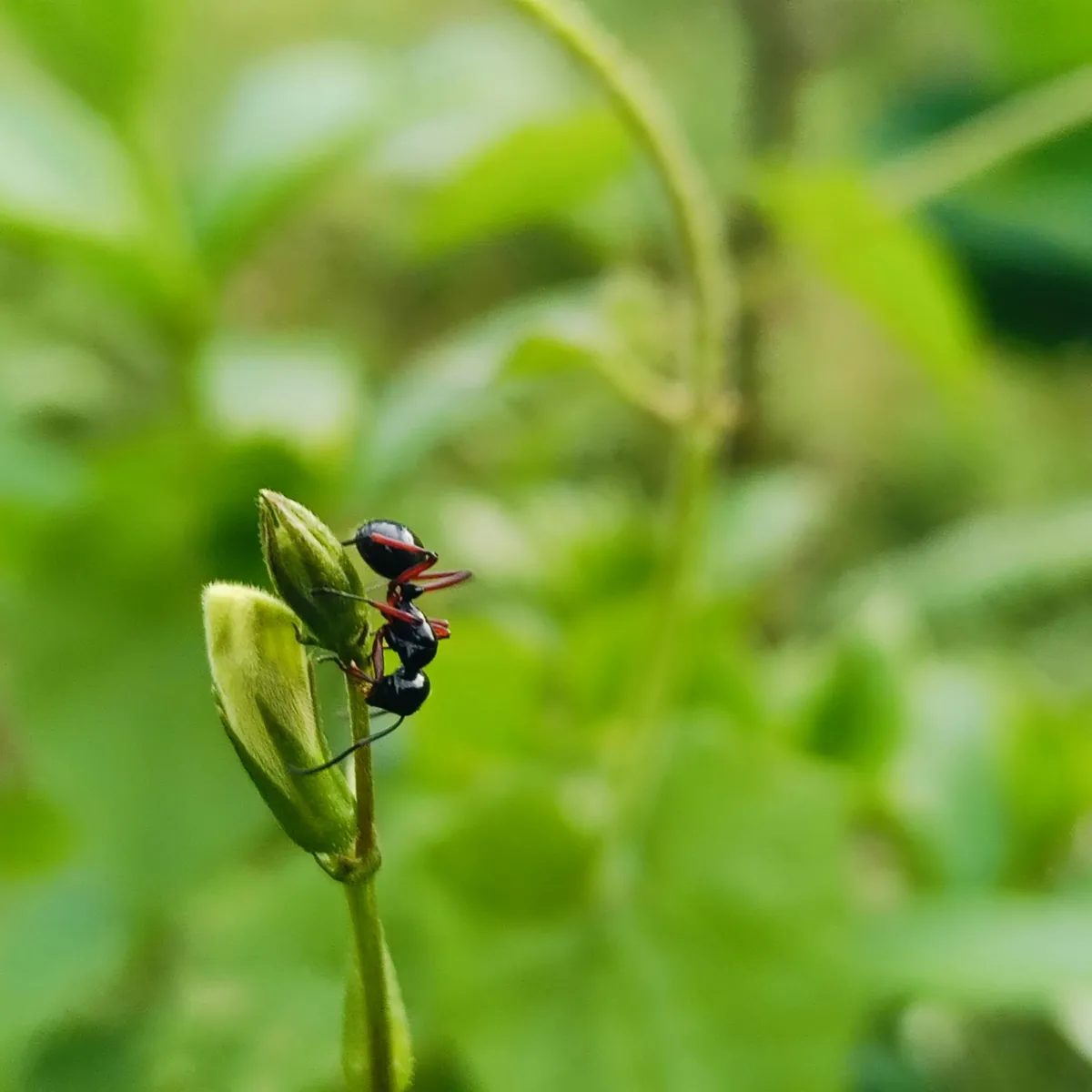
Fire ants are typically reddish or reddish-brown and small in size, usually ranging from about 1.6 to 5 mm long. Workers within the same colony can vary somewhat in size, so they do not always appear uniform. In many cases, homeowners identify them just as much by how aggressively they respond around a disturbed mound as by their color.

They commonly appear in sunny, open sections of lawns, fields, and exposed soil. Mounds may show up in turf, around the edge of planting areas, near sidewalks, or beside driveways and other hardscape lines. Even when the mound does not seem especially large, the colony beneath it may still be active enough to create repeated trouble in everyday lawn use.

Why they can be so difficult to remove?

Why Fire Ants Are Difficult to Get Rid Of?

Fire ants are difficult to get rid of because the mound visible on the surface is usually only one part of the problem. Colonies can be large, spread underground, and in some cases contain multiple queens. That makes the infestation more persistent and harder to control with quick surface treatments alone. Homeowners may think the issue is improving because the visible mound changes, while the real colony remains active below.

DIY sprays may only kill visible ants, and treatment success can also be influenced by rain, watering, heat, and shifts in foraging behavior. In other words, the conditions in the lawn can affect whether a product performs well enough to matter. That is one reason surface-level treatment often falls short and why a more targeted, professional approach can make a bigger difference.

How our fire ant control service works

How Our Fire Ant Control Service Works

We begin by inspecting the lawn and mound activity to identify where fire ants are active and how severe the infestation appears to be. That includes looking at the obvious problem areas as well as checking whether the issue seems more widespread across the property. Inspection helps us understand whether the lawn is dealing with one or two visible colonies or a broader fire ant pressure problem.

After that, we treat active mounds and the affected lawn areas tied to that activity. The goal is to reduce current mound pressure while helping protect the property against continued problems. Depending on the amount of activity and how the lawn responds, follow-up or monitoring may also be recommended. The service is built around what the property is actually showing rather than around a one-size-fits-all product choice.

Treatment options for different kinds of lawns

Professional Fire Ant Treatment Options

Some lawns need broadcast treatment when fire ant activity is spread over a wider area and not limited to just one or two visible mounds. Other properties may be better suited to direct mound treatment when the colonies creating the problem can be clearly identified. The right approach depends on how the infestation is showing up in the yard and how much of the property is being affected.

In some cases, a two-step treatment approach may make the most sense. That can include bait-based treatment to help target colony activity and mound drench treatment where direct applications are appropriate. We explain treatment options at a high level so homeowners understand the purpose behind the plan and why professional treatment often provides a safer and more complete option than relying on a single DIY product.

How DIY methods compare to professional treatment

DIY vs Professional Fire Ant Control

DIY fire ant treatment often seems promising at first because surface activity may change quickly. A mound may look quieter, and homeowners may assume the issue has been handled, only to see new activity show up again in the same general section of the lawn. That is usually a sign that the visible ants were affected but the colony underneath was not fully controlled.

Baits also depend on active foraging, which means timing matters, and weather conditions like rain or dew may reduce effectiveness. Direct mound treatment can increase sting risk because it requires working close to an active nest. Professional service helps match the treatment to the infestation level and the conditions in the yard, reducing the guesswork that comes with trying to handle the problem one product at a time.

Why fire ants can become a real safety concern?

Are Fire Ants Dangerous?

Fire ants can sting repeatedly, and those stings may cause burning pain, red bumps, or pustules. A person may not even realize they are near an active mound until the ants begin reacting, which is one reason the problem can escalate so quickly. Even a short encounter can be enough to turn fire ants into a much bigger concern than the mound alone suggested.

Some reactions may be severe enough to require medical attention. Children, pets, and people spending time in active lawn areas may be the most exposed. Fire ants can be dangerous not only because of the sting itself, but because they make parts of the yard feel less predictable and less safe to use normally.

Can Fire Ants Damage Your Lawn?

Fire ant mounds can disrupt turf and create uneven areas that affect both appearance and usability. Their tunneling and mound-building can make the lawn feel rougher underfoot, complicate mowing, and interfere with ordinary outdoor activity. Even when the grass still looks healthy overall, the yard may not feel as practical or inviting as it should.

The problem is often less about dramatic turf decline and more about how the lawn stops functioning normally. Homeowners may begin avoiding certain sections, redirecting children and pets, or treating the yard as something to work around rather than enjoy. That change in usability is one of the main reasons fire ant treatment becomes important.

When Are Fire Ants Most Active?

Fire ants prefer warm, sunny conditions, which is why they are often most noticeable during warmer months. In Leeds, homeowners may start seeing activity increase when temperatures rise and the lawn is being used more often. Open sections of grass and exposed soil usually make the problem easier to spot first.

Mounds may also appear after rain, when fresh soil is pushed to the surface and becomes more visible. During very hot weather, foraging patterns may shift, so surface movement can vary from one period to another. Even if visible activity changes, the colony may still remain active below the surface.


What homeowners should know about treatment safety

Is Fire Ant Treatment Safe for Families and Pets?

Treatments should always be applied according to label directions, and technicians should provide clear re-entry guidance after service. That means homeowners should know when treated lawn areas can be used again and what precautions apply until then. Good treatment includes not only addressing the infestation, but also making sure the household understands how to return to normal yard use safely.

Depending on the product used and the lawn conditions at the time of service, pets and family members may need to stay off treated areas until the application has dried or otherwise settled. Those instructions should be explained clearly after the service visit so there is no confusion about what to do next.

Why homeowners choose Fairway Lawns for fire ant control?

Why Homeowners Choose Fairway Lawns for Fire Ant Control?

Homeowners choose Fairway Lawns because they want lawn and pest experience backed by professional inspection and customized treatment recommendations. We take time to understand how fire ant activity is affecting the property, explain the treatment direction in clear terms, and provide family- and pet-conscious guidance based on the actual lawn conditions.

We also offer seasonal protection options where appropriate, easy scheduling, and a free quote. If satisfaction guarantees apply in your area, we can explain those during the service conversation. For Leeds homeowners who want a practical and more complete plan for fire ant control, Fairway Lawns is ready to help.

Questions Leeds homeowners ask about fire ants

Fire Ant Control FAQs

Get Fire Ant Control in Leeds, AL

Your lawn should be a place to use, not a place to avoid.
Contact Fairway Lawns today for a quote and professional fire ant treatment in Leeds, AL.