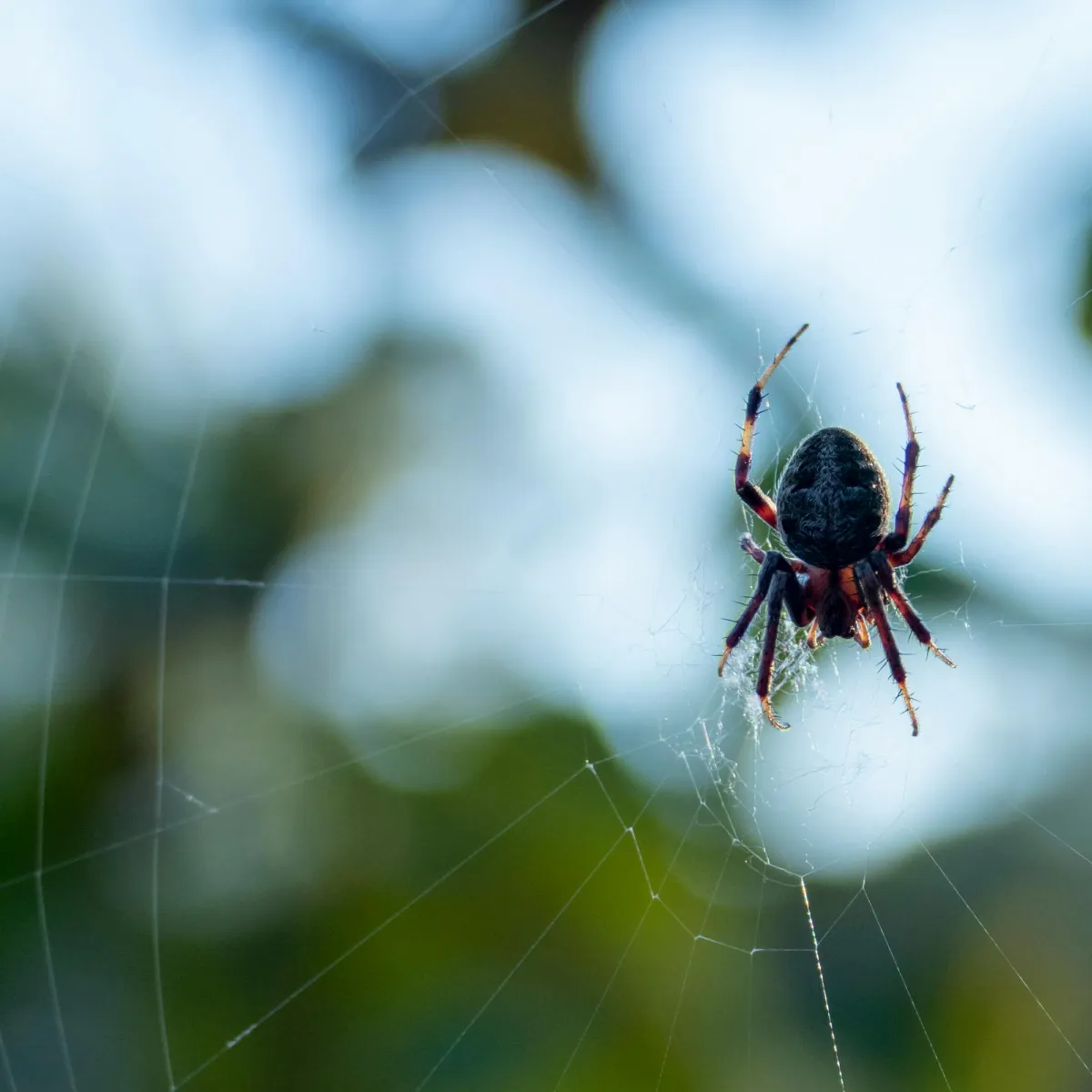
Spider Protection for Leeds Homes and Outdoor Spaces
A spider problem in Leeds often begins in places that feel easy to ignore at first. One web appears along the garage trim. Another forms under the edge of the porch. A spider shows up near stored items in a side room, and then another appears in a bathroom corner or along a hallway wall. What changes the situation is when those sightings stop feeling isolated and begin showing a pattern. That is usually when the home is supporting more spider pressure than it seems from the surface.
Fairway Lawns lists Birmingham, AL as one of its service locations, with its Birmingham branch based in Bessemer, and the company describes pest control as one of its core services for this market.
Spider Treatments That Go Beyond What You Can See
Spider infestations around Leeds homes are often connected to a combination of quiet indoor shelter and steady exterior pressure. Landscape beds may stay shaded and moist near the siding. Porch lights may pull insects close to doors and windows. Garages may collect storage that creates dark protected gaps. Attics, closets, and utility corners may go unchecked long enough for activity to build without much attention.
That is why professional spider pest control matters. The service should not begin and end with spraying where the last spider was seen. It should identify how the property is supporting the activity. In one home, that may mean deck framing and shrubs near the siding. In another, it may mean attic corners, storage clutter, and garage door gaps. Without that wider view, the same issue tends to return even after the visible webs are removed.
Leeds homes often have outdoor transitions that make this problem more persistent. Covered porches, detached storage spaces, decorative landscaping, and lower-traffic side yards can all become part of the same spider-support system if the conditions stay favorable long enough.
Control works better when each step follows the last
We begin by examining where the spider pressure is strongest and what conditions may be helping it continue. That includes likely species, web-prone areas, signs of prey insects, moisture issues, and likely access routes.
Once the active areas are identified, treatment is directed where it is most likely to matter. That may include perimeter applications, focused attention to cracks and crevices, removal of webs, treatment of common harborage, and targeting egg sacs where they are found.
Longer-lasting results depend on reducing the features that are making the property attractive. That may involve trimming shrubs away from the home, lowering clutter in storage areas, sealing obvious entry points, and reducing insect attraction near lights and windows.
Some properties benefit from ongoing service because spider pressure is seasonal or repeatedly influenced by surrounding conditions. Follow-up visits can help keep the issue from re-establishing itself once the initial treatment lowers activity.
The species around the property do not all create the same kind of concern
Black widows are one of the most serious spiders homeowners may encounter around a Leeds property. They prefer protected low-traffic locations such as sheds, wood piles, crawl spaces, meter boxes, patio furniture undersides, and outdoor storage corners. Because they often stay hidden, homeowners may not spot them until webbing or repeated activity in those areas draws attention.
Wolf spiders are large, active hunters that do not rely on classic web traps to catch food. Because they move quickly and often appear without warning, they are one of the species most likely to alarm homeowners. They are commonly noticed in garages, around thresholds, in utility rooms, and across lower-level floors after dark.
House spiders are indoor web-builders that thrive in quiet corners, ceiling lines, closets, spare rooms, and behind furniture that stays in place for long periods. They are generally nuisance pests rather than medical concerns, but repeated webbing in lived-in spaces can quickly become frustrating.
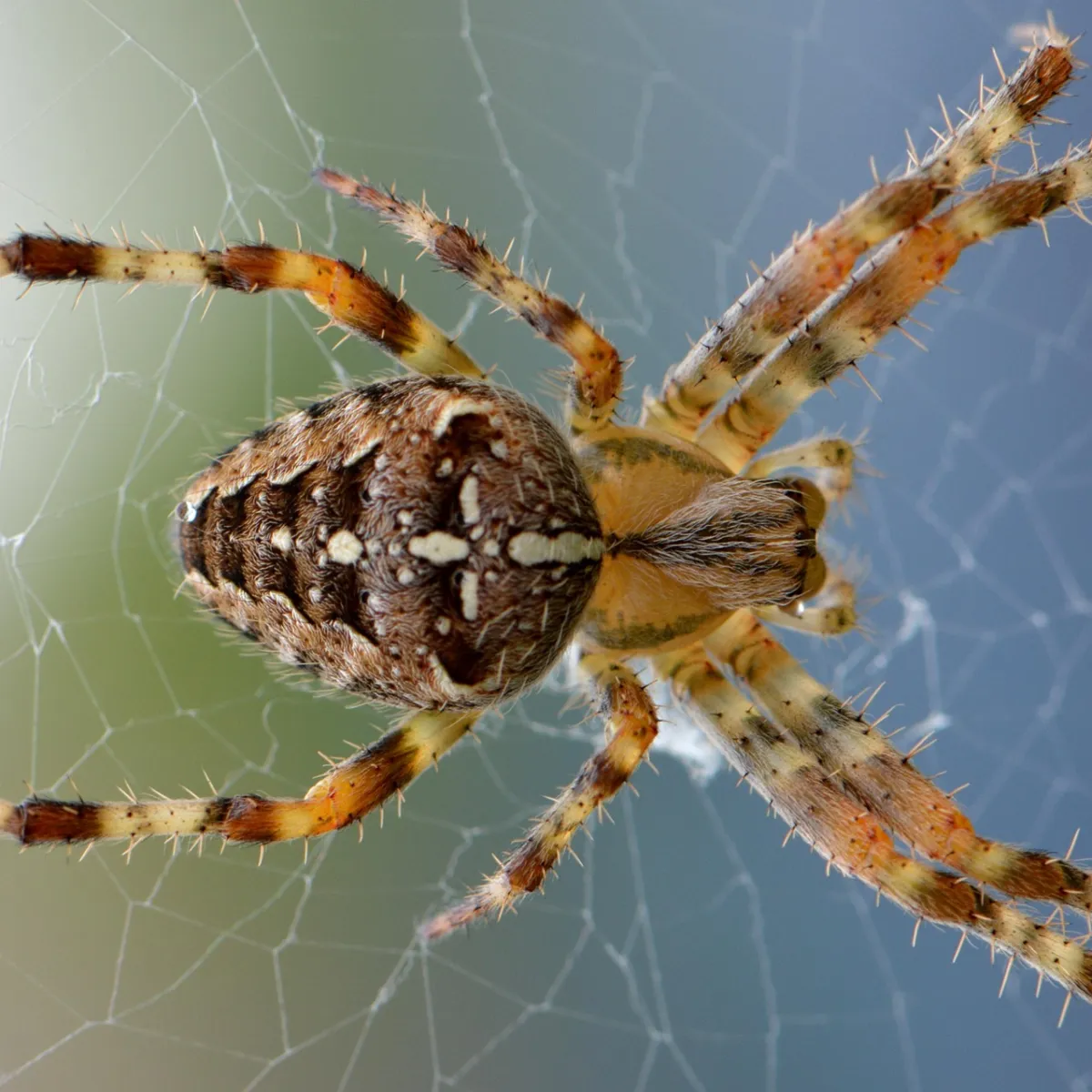
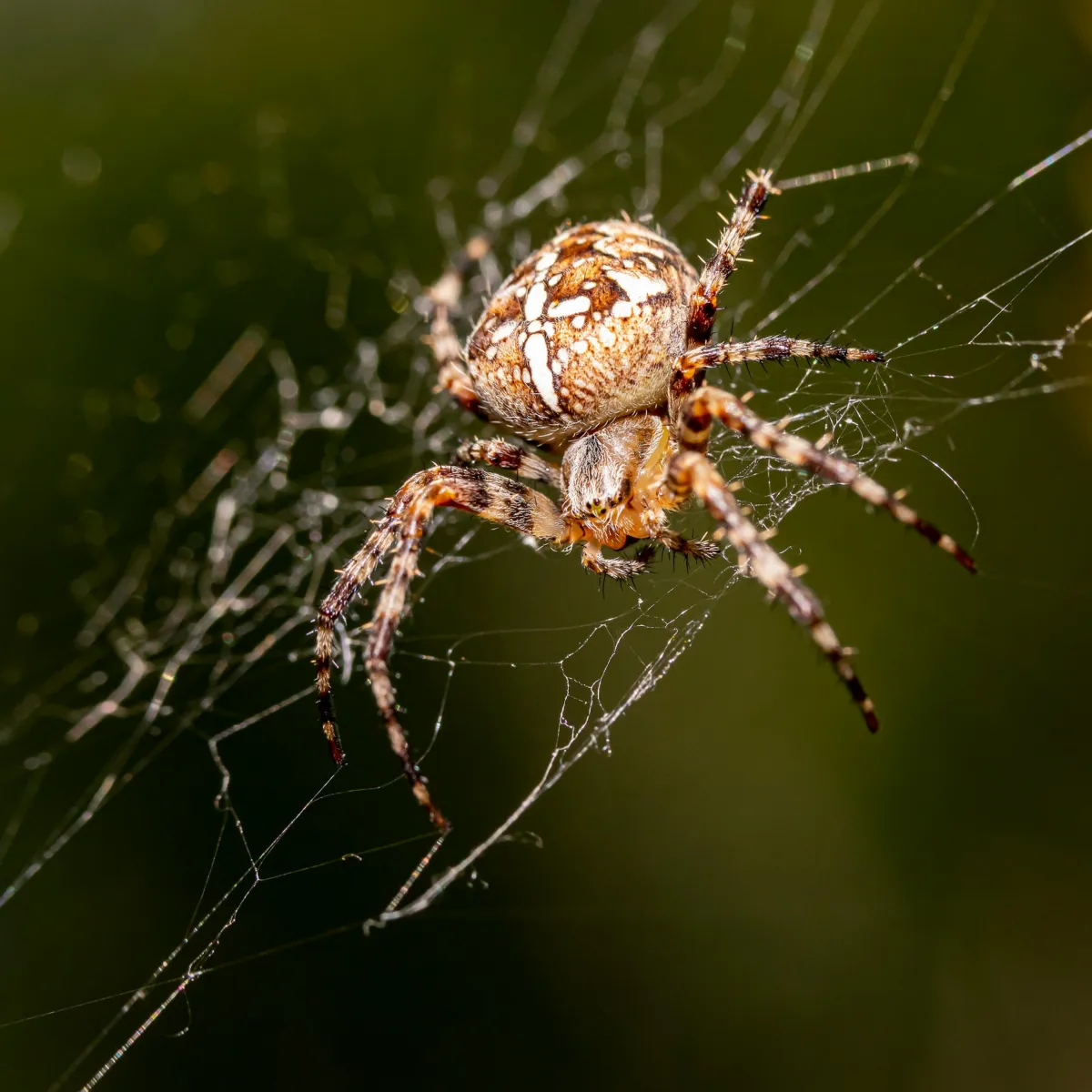
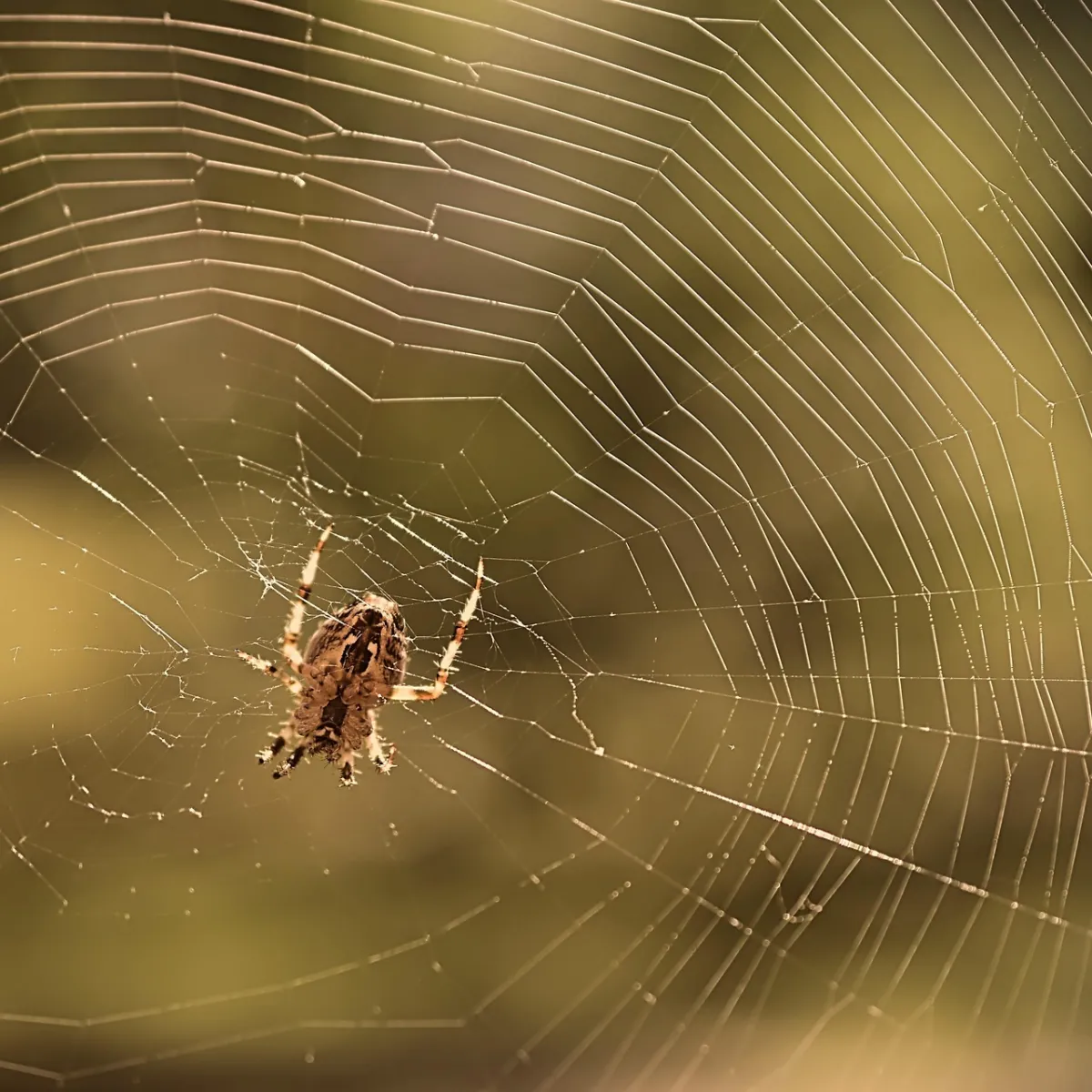
Orb weavers are known for the broad circular webs they stretch between shrubs, porch rails, eaves, fencing, and decorative fixtures. They are mostly an outdoor nuisance, but they can become a constant headache when their webbing spreads across entryways or heavily used exterior areas.
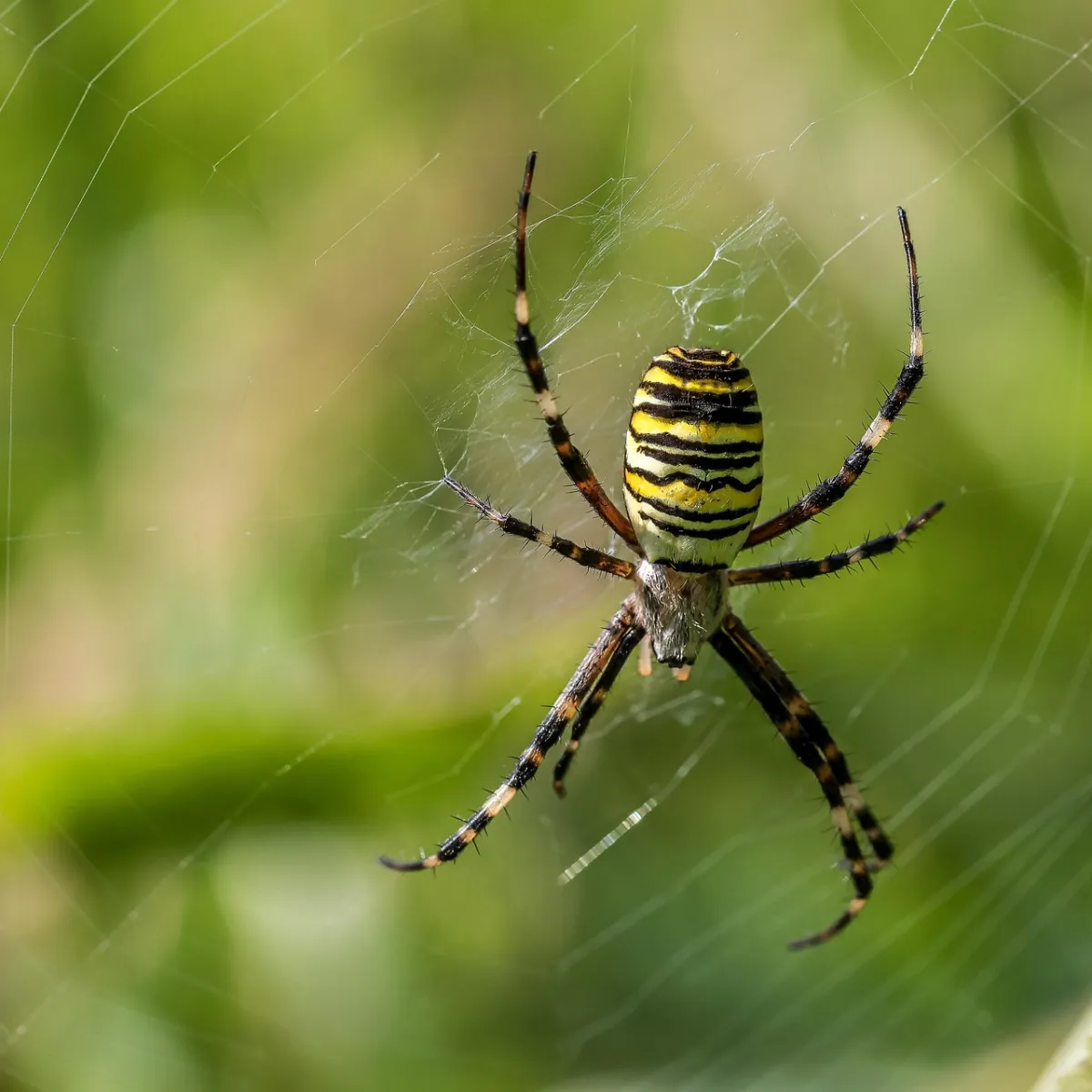
Garden spiders are usually tied to landscape beds, taller ornamental plants, and areas with steady insect movement. They remain mainly outside, though their webs can become highly visible around patios, walkways, and side-yard access points.
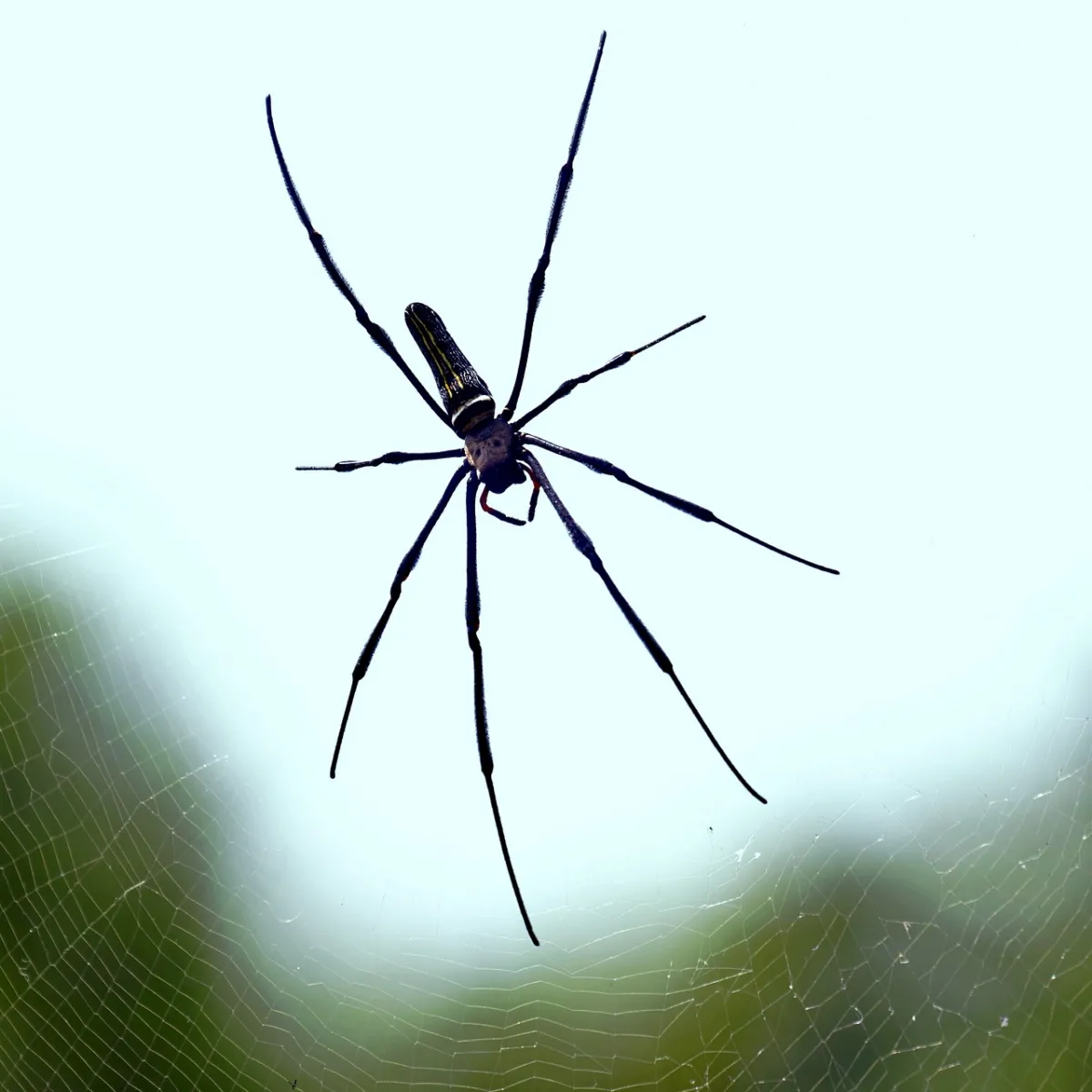
Cellar spiders are often found in damp or quiet indoor areas such as basements, garages, and utility rooms. Their long legs and loose webbing make them easy to recognize. While they are usually harmless, their presence often points to conditions that favor ongoing spider survival.
Spider issues usually leave clues before they feel overwhelming
Many homeowners do not realize how established a spider problem has become until the signs start overlapping. One obvious signal is repeated webbing in the same places. Another is when spiders begin appearing in several parts of the property instead of a single corner or outdoor area.
Other clues can include egg sacs attached to stored items or hidden edges, shed skins, clusters of dead insects in or near webs, and continued activity even after do-it-yourself sprays have been used. Sightings in garages, crawl spaces, attics, closets, and around roofline edges are often especially revealing, because those are the kinds of places spiders use when the problem is becoming more established.
A true infestation does not always look dramatic. Often it looks like recurrence. If the same corners, soffits, and storage areas keep becoming active again, something on the property is still helping the population survive.
A home becomes attractive long before the owner notices activity
Spiders move into structures because buildings offer things the outdoor environment does not always provide. Stable shelter is one. Predictable temperatures are another. A steady supply of prey insects nearby is often the biggest factor of all. In Leeds, long warm periods, humid conditions, and lush landscaping can support insect populations for much of the year, which gives spiders a reliable reason to stay close to the structure.
Once they are close, access does not need to be dramatic. Small gaps around door sweeps, screens, utility lines, vents, trim, and foundations can be enough. When spiders find dark quiet areas just beyond those access points, they can settle in surprisingly fast.
Seasonal weather changes also matter. Heavy summer growth, rain-driven moisture, and cooler fall transitions can all influence where spider pressure becomes concentrated. That is why a property may seem fine one month and suddenly feel far more active the next.
The most active zones are often the least checked
Spiders generally prefer places that stay still, dark, and low traffic. Around a Leeds home, that may include attic corners, garage shelving, crawl spaces, closet floors, behind storage boxes, beneath porches, under decks, inside sheds, along roof eaves, and around foundation openings. Furniture that is rarely moved, stacked containers, and utility areas can also become reliable shelter points.
Outside, shaded landscaping near the structure, stacked firewood, decorative edging, detached buildings, and corners around gutters or downspouts can all support activity. These exterior harborage zones matter because they often feed the indoor problem. If the population stays active around the perimeter, the house remains under pressure no matter how many interior webs get removed.
Spider pressure rises, spreads, and shifts during the year
Spring often marks the beginning of rising spider activity as insect populations increase and outdoor web-building becomes easier to spot. Summer typically brings the heaviest exterior pressure, especially around patios, shrub lines, porch lights, detached storage areas, and roof edges.
Fall often shifts the complaint from outdoor nuisance to indoor concern. As temperatures change, spiders begin moving toward more protected shelter, which can mean increased sightings in attics, garages, closets, utility areas, and other quiet spaces. Winter may reduce how often webs are seen outdoors, but indoor activity can still continue where shelter and food remain available.
This seasonal pattern is one reason spider problems can feel inconsistent even when the underlying issue has been present for some time.
A quick knockdown is not the same as true control
Household spider sprays often create the impression that the issue has been solved because they remove what is most visible. The problem is that hidden parts of the infestation usually remain active. Egg sacs may be untouched. Exterior source areas may continue producing new spiders. Storage clutter and sheltered voids may still offer safe cover. Insects near the structure may still be feeding the whole cycle.
Professional spider control works better because it follows the layout of the problem. It combines inspection, targeted treatment, and prevention steps instead of relying only on a surface reaction to whatever was seen most recently. That difference matters most on properties where the same spider issue keeps coming back.
The property itself can help lower future pressure
Checking quiet areas regularly can make a meaningful difference. Garages, crawl spaces, closets, attics, and utility corners should not be left alone for long periods if spider activity has been an issue. Removing fresh webs, organizing stored items, and keeping floors and corners accessible can all make the environment less useful to spiders.
Outside, it helps to trim vegetation away from the walls, repair worn screens, store wood away from the house, reduce standing moisture near the foundation, and watch for insects gathering around exterior lights. Prevention does not replace treatment, but it often helps treatment last longer.
Service should fit the people living in the space
A well-planned service does not need to rely on broad unnecessary applications. Targeted treatment allows attention to stay on the parts of the property where spider activity is strongest. That kind of focused approach is especially helpful in occupied homes where practical day-to-day living still matters.
Recurring activity deserves a company that looks beyond the latest sighting
Fairway Lawns presents itself as a lawn care and pest control company, and its pest-control pages describe inspection, targeted treatment, prevention, and follow-up support as core parts of service. The brand also maintains spider control content and serves the Birmingham-area market, which supports the fit for Leeds-area spider service.
That matters because spider infestations are usually not simple. They are often tied to property conditions, seasonal movement, and surrounding insect activity at the same time. A company that already frames its service around those broader realities is better positioned to address repeat spider problems in a practical way.
Answers homeowners often want before booking service
If spider sightings and recurring webs keep showing up around your Leeds home, Fairway Lawns can help you take a more complete approach. Schedule service to reduce active spider pressure, target hidden shelter zones, and make the property less inviting to future infestations.