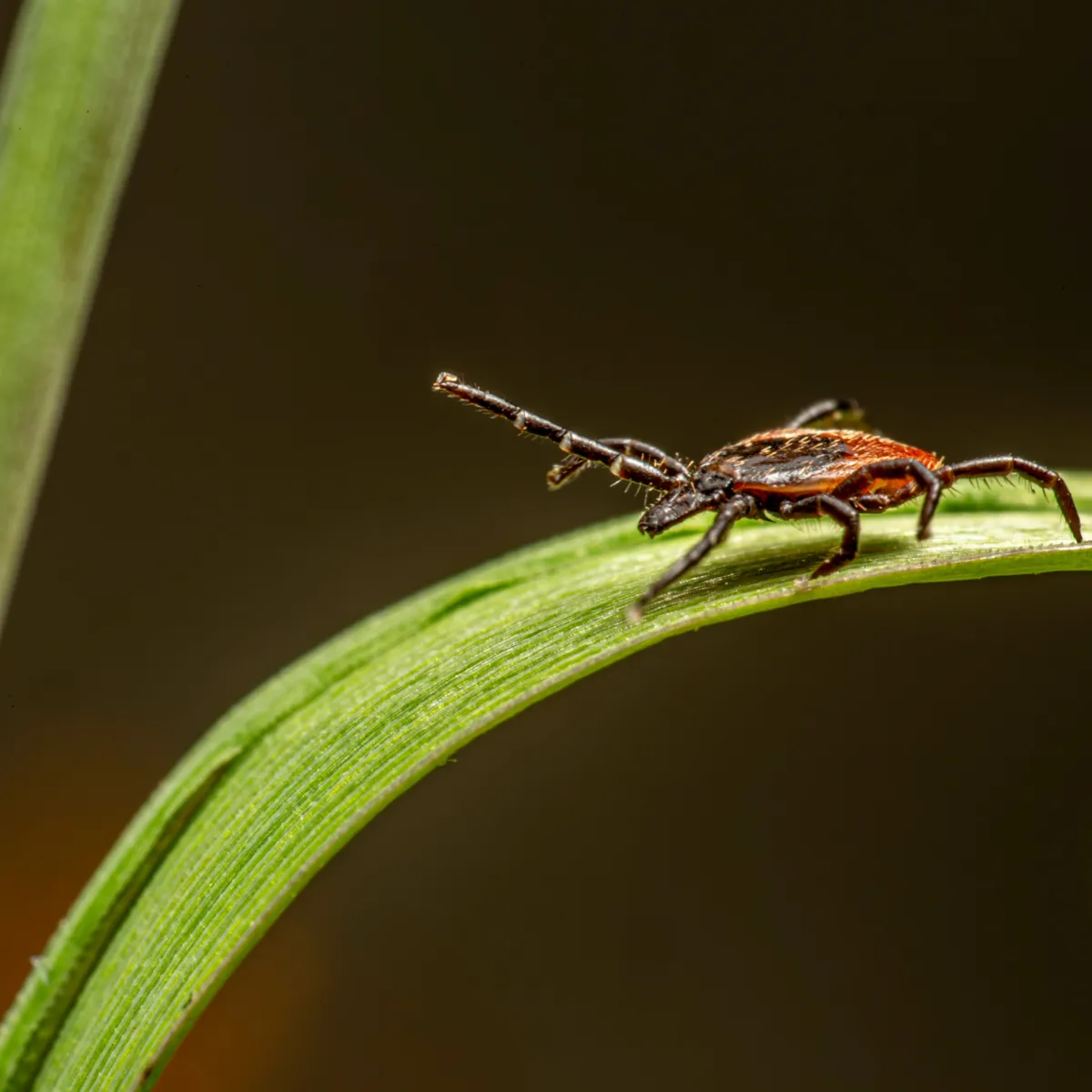
Established yards can hide more tick pressure than they show
In Mountain Brook, tick problems often begin in the prettiest parts of the property. A yard may have healthy turf, mature trees, carefully kept beds, and a patio that feels made for evenings outside, yet the same features that make the space feel settled and beautiful can also create quiet pockets where ticks hold on. It may be the bed behind a stone terrace, the shaded strip beside a hedge, the lower edge of a sloped lawn, or the tucked-away side garden that stays cooler than the rest of the yard.
Fairway Lawns provides tick control in Mountain Brook for homeowners who want treatment that fits the way their property is actually laid out. The goal is to reduce activity where it starts, then help protect the areas people use most, including patios, pet areas, lawn panels, garden paths, and other outdoor spaces that should feel comfortable instead of uncertain.
Landscape design often shapes where the problem starts
A tick issue in Mountain Brook does not always come from a rough or unused yard. In many cases, it comes from the way the property is layered. One home may have a backyard framed by mature tree cover and deep shade. Another may have terraced beds, retaining walls, tucked side sections, or ornamental planting that keeps parts of the yard more protected than they seem from the house. Even a smaller lawn can have persistent pressure when landscaped borders and outdoor living areas sit close together.
That is why better tick control starts with the structure of the property itself. Fairway Lawns approaches tick service in Mountain Brook with inspection, targeted treatment, and recommendations based on the parts of the yard most likely to keep supporting activity. That makes the service more useful for homes where established landscaping and daily outdoor use sit right beside the hidden sections ticks prefer.
Reliable control starts with a clear process
Tick control works best when treatment is focused on the areas where ticks are most likely to hide, travel, and return. Fairway Lawns uses a clear step-by-step process to inspect the property, target problem zones, and support ongoing protection around the outdoor areas that matter most in Mountain Brook.
We inspect the yard for conditions that support tick activity, including shade, moisture, overgrown vegetation, wildlife exposure, pet zones, and the parts of the property most used by family and guests. In Mountain Brook, that often means looking closely at tree-shaded lawn borders, terraced planting beds, side-yard transitions, garden edges, and the places where maintained grass meets more protected cover.
We apply targeted treatment to the places where ticks are most likely to stay active. That can include shaded lawn edges, landscape beds, fence lines, brushy transitions, damp borders, and other protected areas around the property.
Barrier applications help reduce tick activity around foundations, shrubs, tree lines, yard edges, around sheds, near pet areas, and around the outdoor spaces people use most often. On Mountain Brook properties with layered landscaping and regular outdoor entertaining, this step helps reduce the chance of ticks moving from hidden sections into patios, lawn areas, and everyday gathering spaces.
Because tick pressure can return as weather and vegetation change, recurring service is often the better option for homeowners who want steadier protection through the active season. In Mountain Brook, where mature shade and denser planting can keep some sections favorable for longer stretches, ongoing treatment helps keep the same pattern from returning.
Beautiful yards can still support tick activity
Ticks are easy to miss until they begin interfering with the way the yard feels. A dog comes back inside after moving along the same shaded border. Someone notices a tick after clipping plants, watering beds, or walking near a garden edge. A space that usually feels polished and peaceful starts feeling like a place that needs more caution.
In Mountain Brook, mature shade, humid weather, regular rainfall, and dense planting can all create favorable conditions for ticks. The issue is often not the whole property. It is the quiet sections where moisture lingers, plant cover stays thicker, and foot traffic is lighter. When those spaces sit close to patios, lawn areas, and pet routes, the problem starts feeling bigger very quickly.
Ticks usually hold close to cover, not open turf
On many Mountain Brook properties, ticks are more likely to stay near the edges of the landscape than out in the center of the lawn. They tend to gather where the yard offers a little shelter, steadier moisture, and more protection from direct sun. That can mean deeper planting beds, shaded lawn edges, hedge lines, leaf buildup beneath mature trees, the ground beside retaining walls, narrow side-yard strips, and the places where maintained turf blends into thicker shrubs or wooded cover.
Those spots matter because they often sit right beside the parts of the property people enjoy most. A stone patio, a quiet seating area, or a stretch of lawn for pets may look open and inviting, but the border just behind it can still keep feeding activity back into the same usable space.

Daily use often reveals where the real issue is
For many homeowners, tick control becomes more important once it affects the way the property is actually lived in. Dogs move along the same bed edges, across the same lawn routes, and through the same shaded sections without hesitation. Children and guests move between patios, lawn areas, and garden-side space without noticing where thicker cover begins. Even simple routines like carrying drinks outside, pruning, watering, or walking along a side path can bring people close to the same hidden trouble spots again and again.
That is why targeted treatment matters. It helps reduce activity near the parts of the property that matter most to daily life in Mountain Brook, especially where outdoor living areas sit close to mature borders, pet paths, and landscaped transitions.
The season changes where ticks stay active
Spring often brings fuller beds, fresh growth, and more time spent outdoors, which can make sheltered sections of the yard more active again. Summer adds warmth, humidity, and heavier use of patios, lawns, and entertaining space, while established plantings and shaded borders continue holding the kind of cover ticks prefer. Fall does not always clear the problem quickly either, especially where leaves and ground cover stay in place around the same protected edges.
Rain can make the pattern easier to see. One area of turf may dry quickly, while a bed beneath tree canopy, a garden-side path, or a lower lawn edge stays damp much longer. On Mountain Brook properties with layered landscaping, those differences often explain why the same sections keep becoming the problem spots.
Good service should match the property
Tick control is more effective when it reflects how a property is actually built and used. In Mountain Brook, that often means looking beyond the open lawn and paying more attention to the places that shape how the yard feels overall, such as mature borders, lower terraces, landscaped side sections, and tucked-away edges near patios or garden paths.
Fairway Lawns provides tick control in Mountain Brook with that kind of property awareness in mind. Instead of treating every yard like a flat, uniform space, the focus stays on the sections that influence comfort, pet movement, and outdoor living the most.
Small adjustments can support prevention
Professional treatment works better when the yard is not continuing to offer the same protected conditions unchecked. Keeping grass trimmed, reducing leaf buildup, cutting back heavier growth near bed edges, maintaining pet areas, and paying attention to shaded borders can all help limit the kinds of places where ticks tend to settle in.
For many Mountain Brook homeowners, the biggest improvement comes from noticing where the problem repeats. It is often not the entire property. It is one garden border, one shaded lawn edge, one side path, or one lower section near thicker planting that keeps supporting activity close to the spaces people use most.
Some yards need quick short-term relief
A one-time treatment can be a good fit when one section of the property needs fast attention. That may be after ticks are noticed near a patio edge, around a pet route, beside a deep planting bed, or along the lower part of the yard where landscape cover sits close to usable lawn space.
That kind of treatment can help reduce current pressure in the short term and address one active trouble area without delay. For some Mountain Brook homeowners, it also becomes the first step before deciding whether recurring service makes more sense for the property overall.
Ongoing service helps stop repeat pressure
Recurring tick control is often the better fit for homeowners who want steadier protection through the season. When a yard keeps offering shade, moisture, cover, and regular pet or family use, the same protected sections can keep becoming active again even after short-term relief.
For Mountain Brook properties with mature landscaping, shaded borders, and regular outdoor living, recurring service often provides the most dependable support. It helps stay ahead of the pattern instead of waiting for the next round of activity to show up.
After-service guidance still matters
Tick control should always be applied according to label directions and followed by clear after-service guidance. In many cases, treated areas should be avoided until they are dry or until normal use is recommended.
Fairway Lawns explains what to expect after service so homeowners know when pets, children, and guests can use the yard normally again. That is especially important on Mountain Brook properties where treated areas often include the same spaces used for everyday outdoor living and entertaining.
Nearby properties can face similar pressure
Fairway Lawns provides tick control for homeowners in and around Mountain Brook who want help protecting lawns, patios, pet areas, and other outdoor spaces from recurring activity. Properties with mature trees, layered landscaping, shaded borders, and regular family use often benefit from the same focused approach.
The best questions come from repeat trouble spots
If ticks are making part of your yard harder to enjoy, Fairway Lawns can help with treatment built around the places where activity tends to begin. Whether the trouble is near a garden border, a shaded lower lawn edge, a pet route, or the planted section closest to the patio, our team can inspect the property, treat the right sections, and recommend a plan that fits the way your Mountain Brook yard is actually used.