Where the Lawn Starts Feeling Unpredictable
What makes this kind of yard problem so frustrating is how quickly it changes daily use. A lawn that seemed normal a week ago can suddenly become the part of the property people second-guess. A mound appears, then another, and before long the yard feels like something you have to scan before stepping into it.
For Birmingham homeowners dealing with repeated mound activity, Fairway Lawns offers professional fire ant treatment built around active colony pressure, recurring lawn disruption, and the kind of infestation that does not stay contained to one small spot for long.

When the Same Spots Keep Flaring Up
What usually throws people off is how easy it is to think the issue is gone. One mound gets treated, the surface settles down, and for a little while the yard looks improved.
Then fresh activity shows up again.
That is usually because the visible mound was never the full problem. The colony beneath the soil may still be active, which is why new mounds can appear in nearby sections of the yard even after the first one seemed solved. A lawn can look quieter on top while the real issue keeps going underneath.
Fairway Lawns takes a broader approach by inspecting the lawn, checking the level of activity, and choosing treatment based on how the infestation is behaving across the property. The company says its local experts treat lawns based on local soil, seasons, and turf conditions, and it also promotes free reservice when a treatment does not meet expectations.
Why This Becomes More Than a Pest Issue?
A visible mound may seem like one isolated nuisance, but the real effect is usually bigger than that. Once active colonies start showing up in areas people use often, the whole yard can begin to feel less comfortable.
That change matters for families, pets, guests, and anyone mowing or crossing the lawn. What should be easy outdoor space starts feeling like a place that needs extra caution.
The bigger reason it matters is that the nest on top is often only the warning sign. Colony activity below the surface is what keeps the problem going, which is why lasting treatment has to address more than what is easy to see.
What the Yard May Be Telling You?
A loose, sandy mound is usually one of the first clues. These mounds often appear in open, sunny parts of the lawn and may become more obvious after rain.
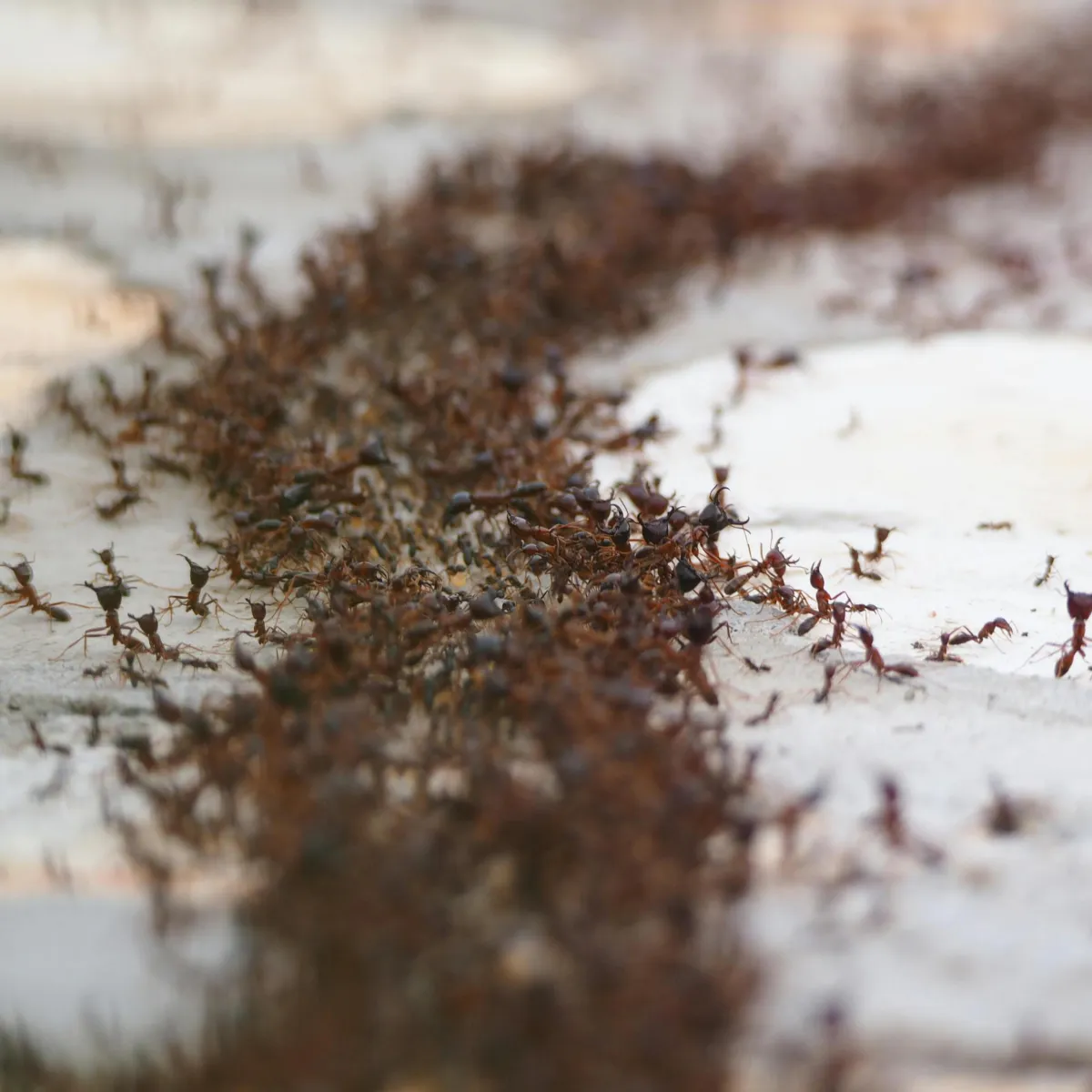
Other signs can include reddish-brown ants moving quickly around the mound, sudden swarming when the area is disturbed, repeated stings, or several mounds appearing across different sections of the yard. When the same general areas keep showing fresh mound activity, that usually points to an infestation that is more established than it first appeared.
How to Tell What You're Looking At?
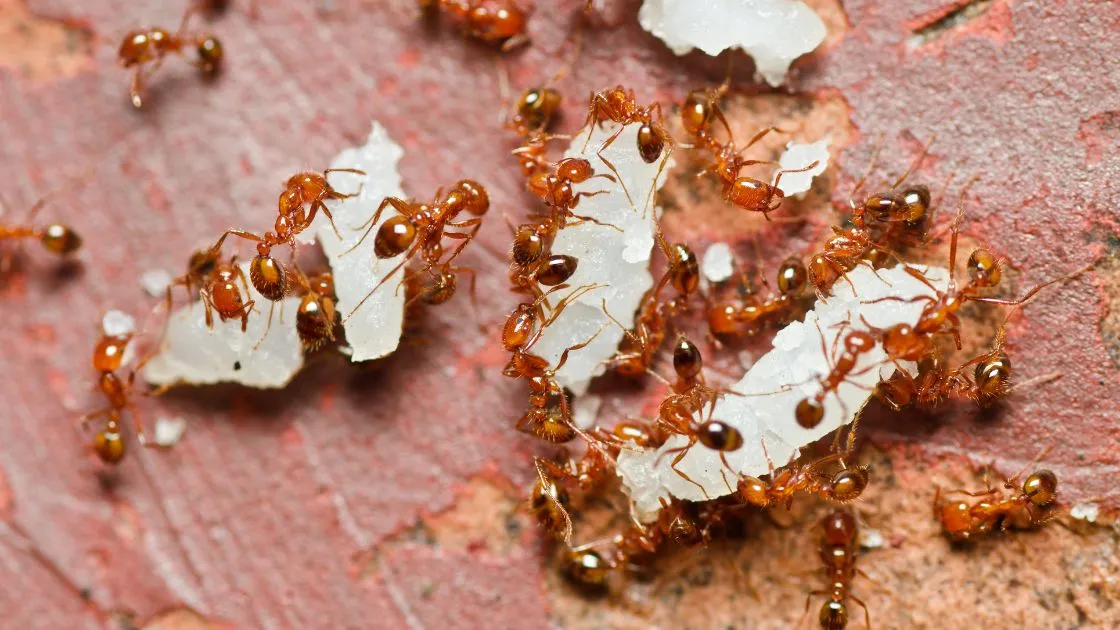
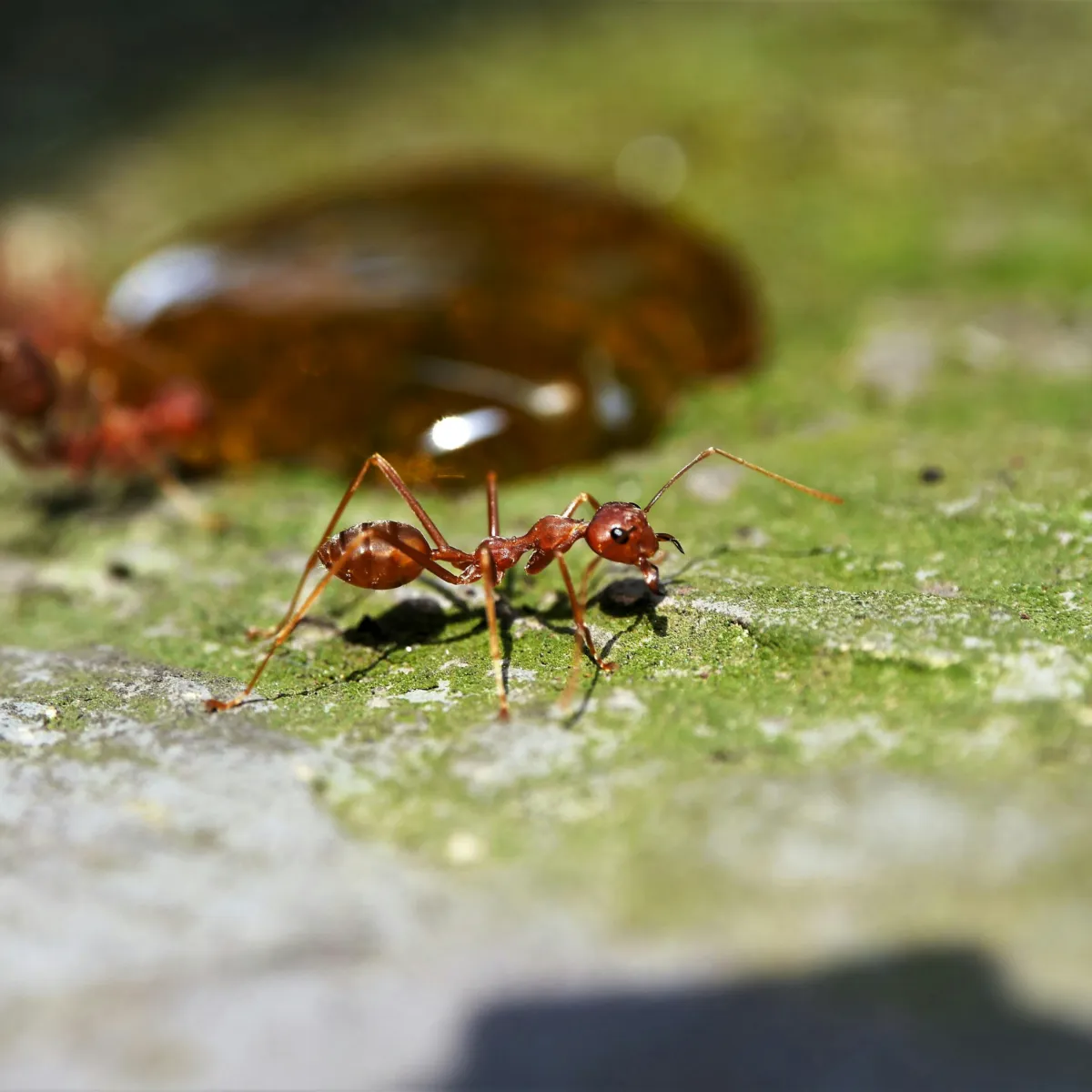
These ants are small and usually reddish to reddish-brown in color. They are commonly found in sunny lawn areas, exposed soil, and landscaped parts of the yard where mound building is easier.
Their behavior often makes them easier to identify than their size does. Once the nest is disturbed, they gather quickly, move fast, and react aggressively around the mound. That rapid response is often what makes homeowners realize they are dealing with fire ants rather than another kind of ant.
Why Surface Fixes Often Miss the Real Problem?
A large part of the infestation remains underground, which is why the mound on top can be misleading. What is visible may only be a small part of the colony.
Some infestations cover more ground than people expect. Some may even involve multiple queens. Add in weather, watering, high heat, and changes in feeding behavior, and it becomes easier to see why short-term surface treatment often fails to hold up.
That is also why many DIY attempts seem useful at first but do not prevent new mound activity from returning later.
How the Service Is Built Around the Lawn?
The process starts with a lawn inspection. That means looking at where mound activity is happening, how widely it is spread, and whether the problem is isolated to a few areas or affecting broader parts of the property.
Once that is clear, treatment is selected based on the conditions found. The goal is to reduce active colonies, lower visible mound pressure, and help keep the same pattern from starting right back up again.
That kind of approach matters because one lawn may need focused treatment in a handful of spots while another may need broader attention across multiple areas.
Approaches That Match the Infestation
Professional fire ant treatment may include direct mound treatment, bait-based treatment, wider lawn coverage, or a combination of methods depending on the property.
Some yards need highly targeted work around active nests. Others need a broader strategy when activity is spread across multiple sections of the lawn. The right plan depends on what the infestation is doing at the time of service, not just how one mound looks from above.
That is one of the biggest differences between professional treatment and guesswork with general products.
Why DIY Results Often Feel Temporary?
Results from store-bought treatments can be inconsistent. A spray may reduce what is visible while leaving deeper colony activity untouched. Baits may perform poorly if rain interferes, if timing is off, or if the ants are not feeding the way people expect.
Professional treatment usually works better because it is based on infestation size and how activity is showing up across the yard. That can make a major difference when the same lawn keeps producing new mounds after earlier attempts.
When Activity Tends to Stand Out Most?
Warm weather usually makes fire ant activity easier to notice, especially in sunny lawns and after rainfall. Birmingham gives them the kind of conditions they like, which is one reason mound activity may stay visible through much of the warmer season.
Rain often makes new mound formation more obvious, which is when many homeowners realize the colony never fully left.
What to Know About Re-Entry and Safety
Fairway Lawns says treatments are applied with customer satisfaction in mind and that follow-up service is available when needed. The company also says treated areas should only be used again after any post-treatment guidance has been followed and that it will return at no charge if a treatment does not meet expectations.
That kind of guidance matters because homeowners need a clear sense of when the lawn is ready for normal use again, especially where children and pets are involved.
Why Homeowners Keep Calling Fairway Lawns?
Fairway Lawns promotes local service in Birmingham, transparent pricing, professional treatment recommendations, free reservice, and a 100% money-back guarantee. The company also says local technicians evaluate lawns regularly and adjust treatment as needed.
For many homeowners, that matters because they are not looking for another short-term patch. They want a treatment plan based on what is really happening in the yard and not just a quick response to the most obvious mound.
Questions People Ask Before Scheduling
If fresh mounds keep turning up across the lawn, Fairway Lawns can help address the issue before more of the property becomes difficult to use.
Schedule fire ant control in Birmingham, AL to reduce active colonies, calm recurring mound activity, and make the yard feel like part of the home again.