Spider control that helps Birmingham homes feel cleaner and more comfortable
Birmingham homes deal with plenty of conditions spiders like: warm weather, humid stretches, mature landscaping, crawl spaces, garages, and insect activity that stays strong for much of the year. Fairway Lawns provides spider control services in Birmingham, AL to help reduce webs, treat active areas, and keep spider problems from becoming a regular part of home life.
A local approach for homes, garages, basements, and outdoor spaces
In Birmingham, spider issues usually build gradually. A web shows up in the garage. Then another appears above the front porch light. After that, you start seeing more movement near the attic hatch, basement wall, or storage shelves. The reason is usually not just the spiders themselves. It is the environment around them.
Moisture, insects, shade, clutter, and small gaps around the home all make a difference. If insects are active around the property, spiders have a reason to stay. If the home has undisturbed areas, they have a place to hide. That combination is why so many people feel like their DIY efforts never really solve the problem.
Fairway Lawns approaches spider control with a broader view. The goal is not only to reduce visible spider activity, but also to help interrupt the conditions that allow webs and sightings to keep coming back.

Targeted service that goes beyond a quick spray
Fairway Lawns uses a spider control process designed to look beyond the spider you happen to notice and focus on the full picture.
The service starts with an inspection of the property to identify spider activity, likely species, nesting areas, web concentrations, insect pressure, moisture concerns, and possible entry points.
Treatment may include targeted applications in active areas, perimeter service, web removal, egg sac removal, crack and crevice treatment, and attention to the places spiders are most likely to hide.
Prevention recommendations may include sealing gaps, reducing clutter, trimming back vegetation, improving storage habits, and managing the insect activity that often supports spider populations.
Ongoing service can help reduce recurring problems, especially when seasonal shifts or surrounding conditions keep spider activity active.
Brown recluse spiders are one of the bigger concerns in Alabama because they prefer the kinds of hidden, low-traffic areas many homes already have. Closets, attics, garages, storage boxes, and crawl spaces all give them the cover they like. They are usually brown and not especially easy to spot until activity increases.
Black widows are glossy black spiders with a red marking underneath the abdomen. They tend to stay tucked away in garages, sheds, crawl spaces, wood piles, and other protected outdoor areas. They are not spiders homeowners should ignore, especially if children or pets spend time near those areas.
Wolf spiders are big, quick, and intimidating to look at. They often show up in basements, garages, patios, landscape beds, and near entry points. They are usually more of a nuisance than a true danger, but repeated sightings tend to make homeowners feel like the spider problem is getting out of hand.
House spiders are common nuisance spiders that build webs in ceiling corners, windows, storage rooms, laundry areas, and closets. They are not usually the species people worry about most, but they are often responsible for the everyday webbing that makes a home feel unsettled.
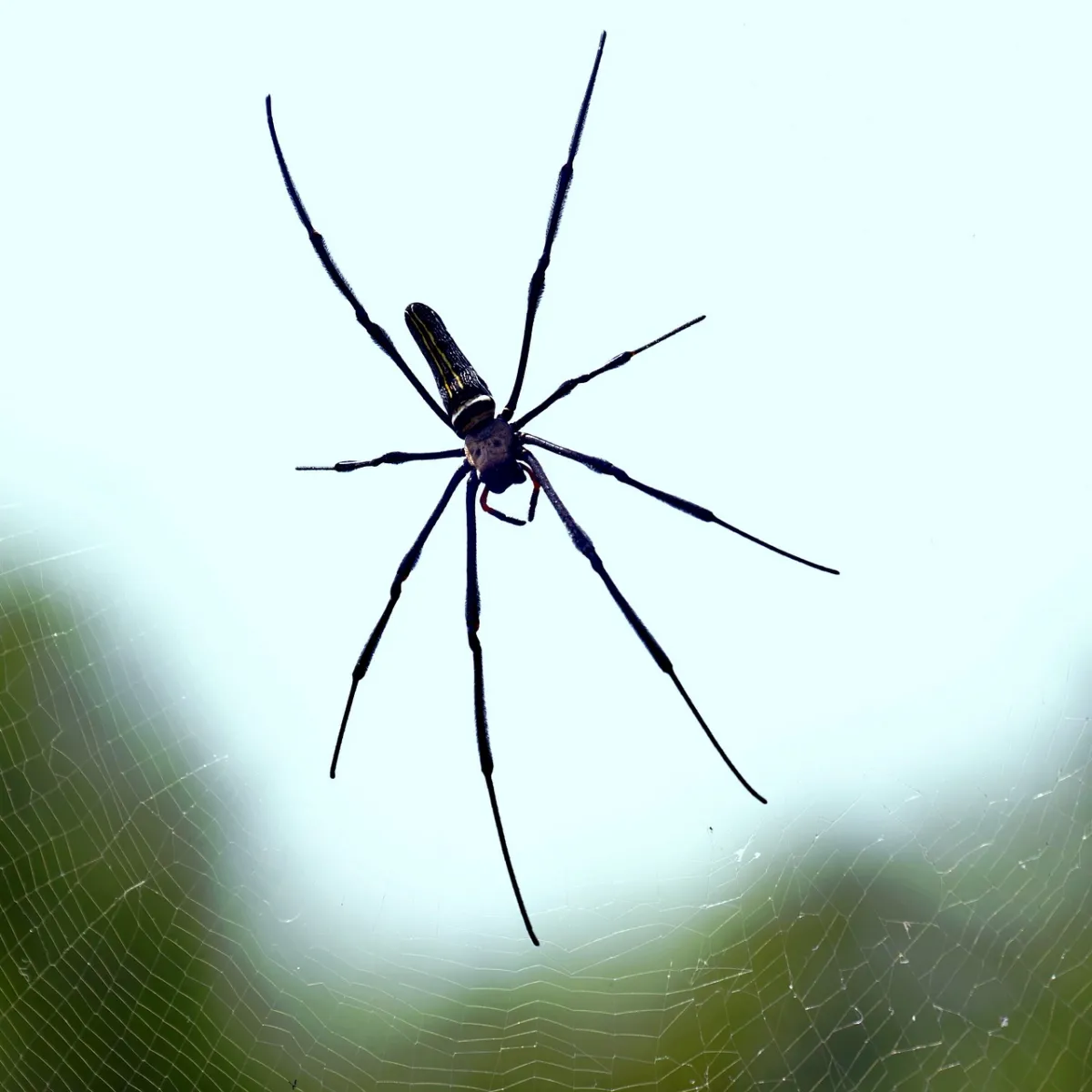
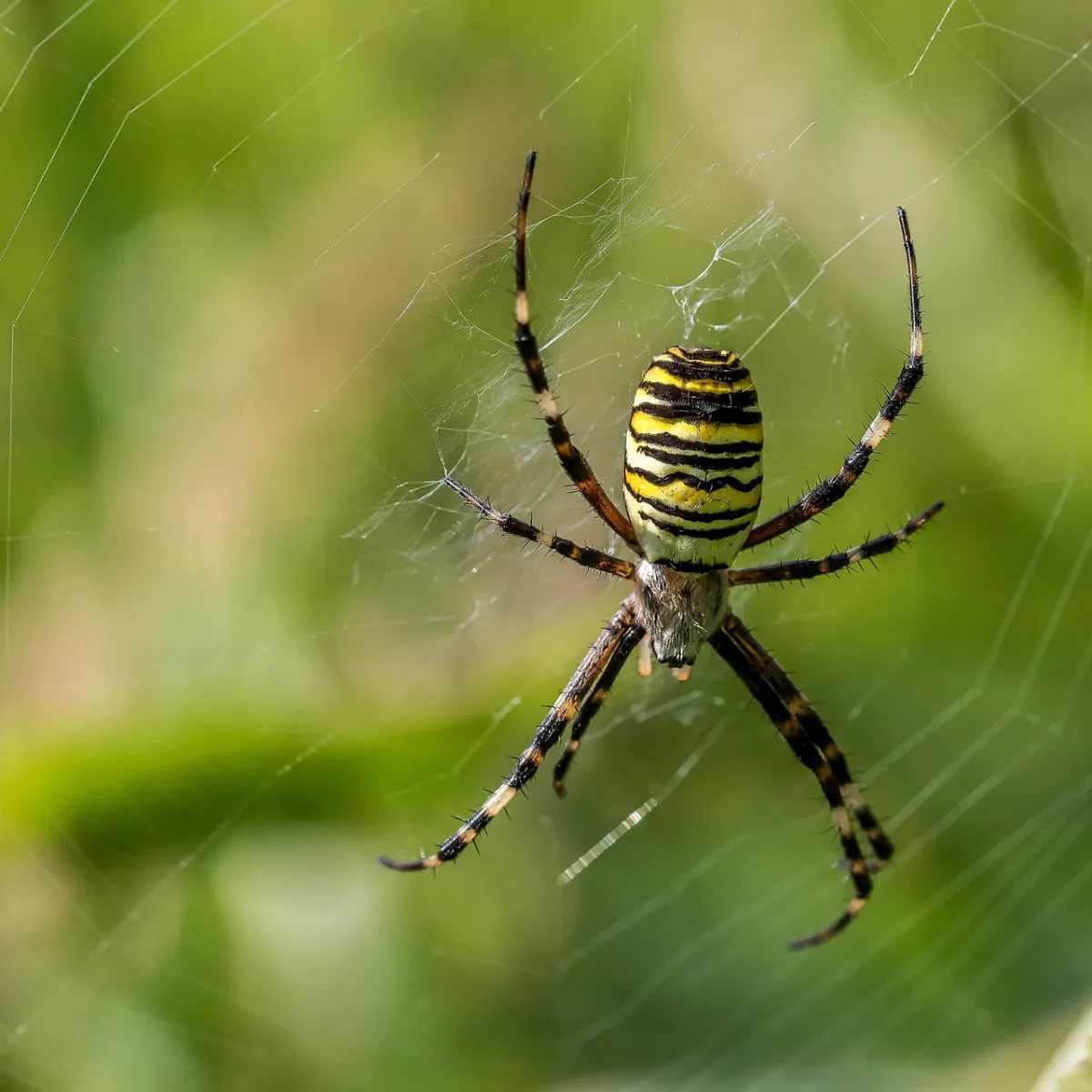
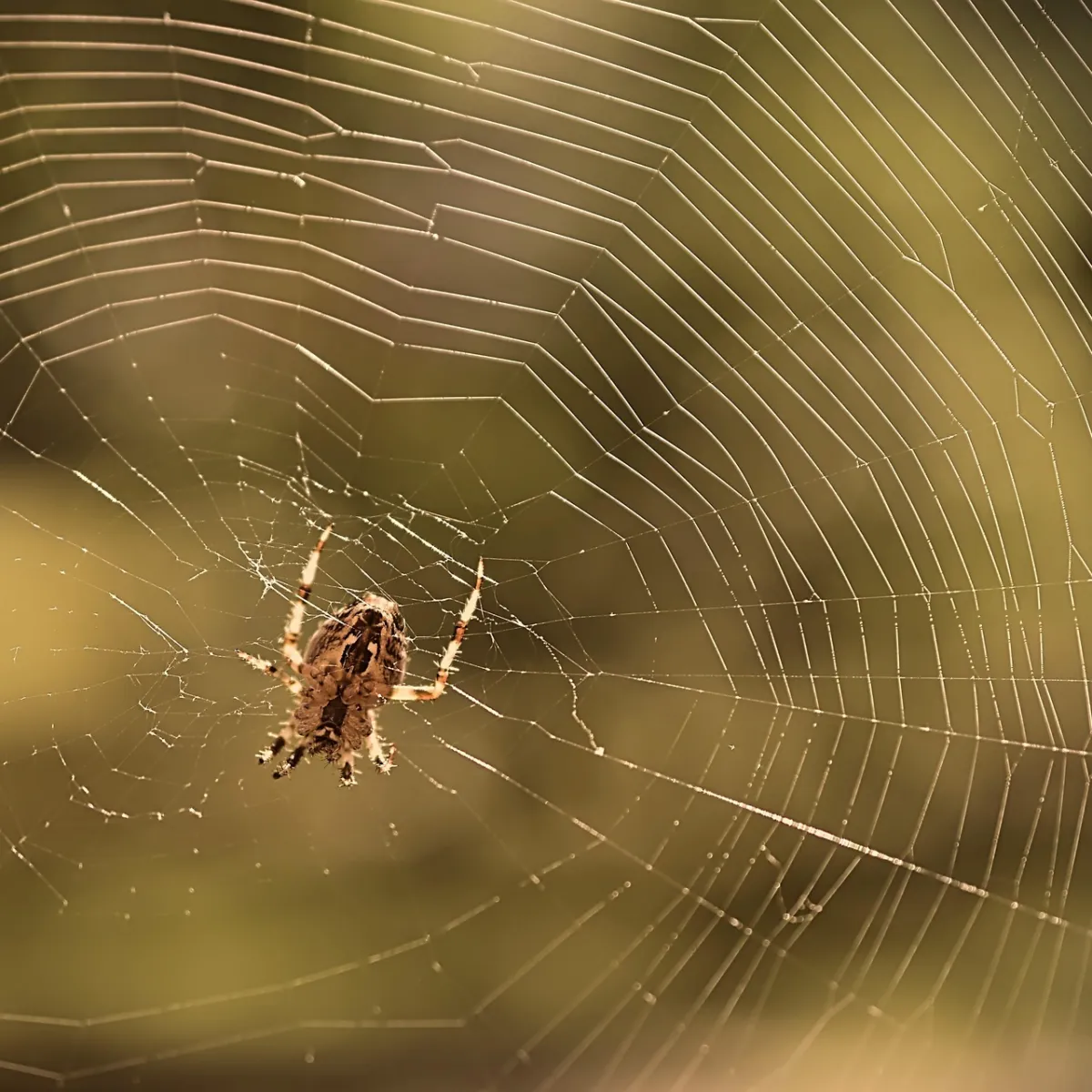
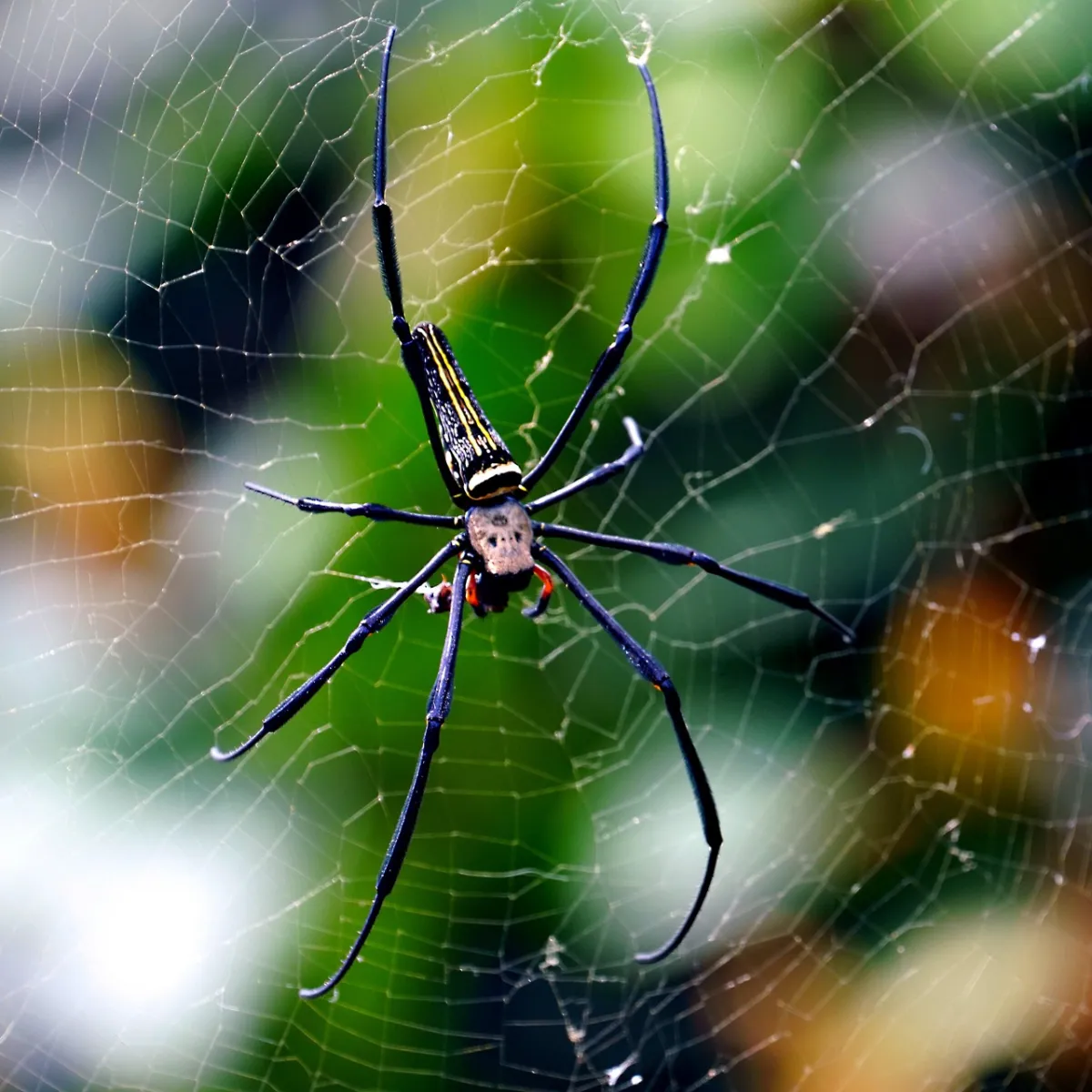
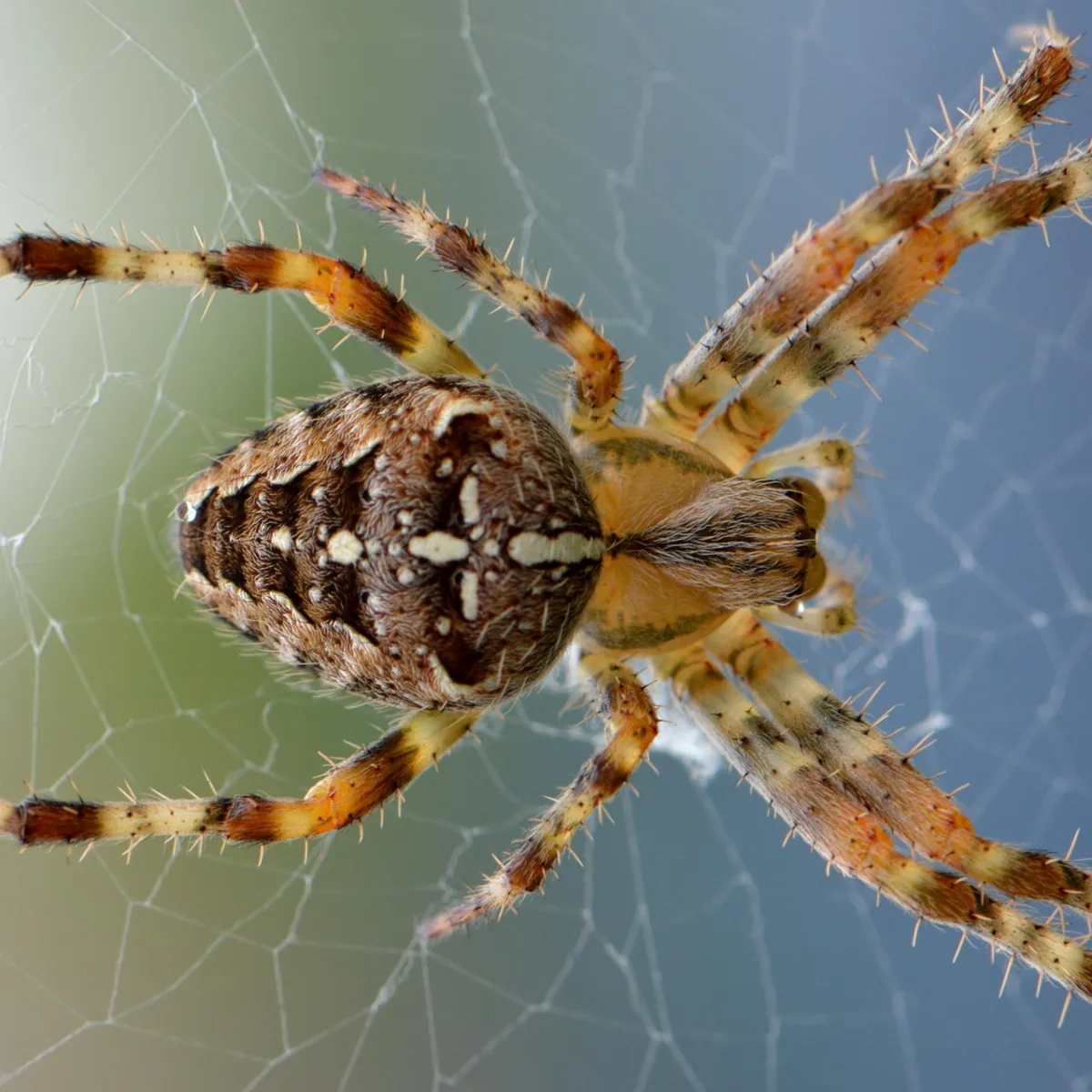
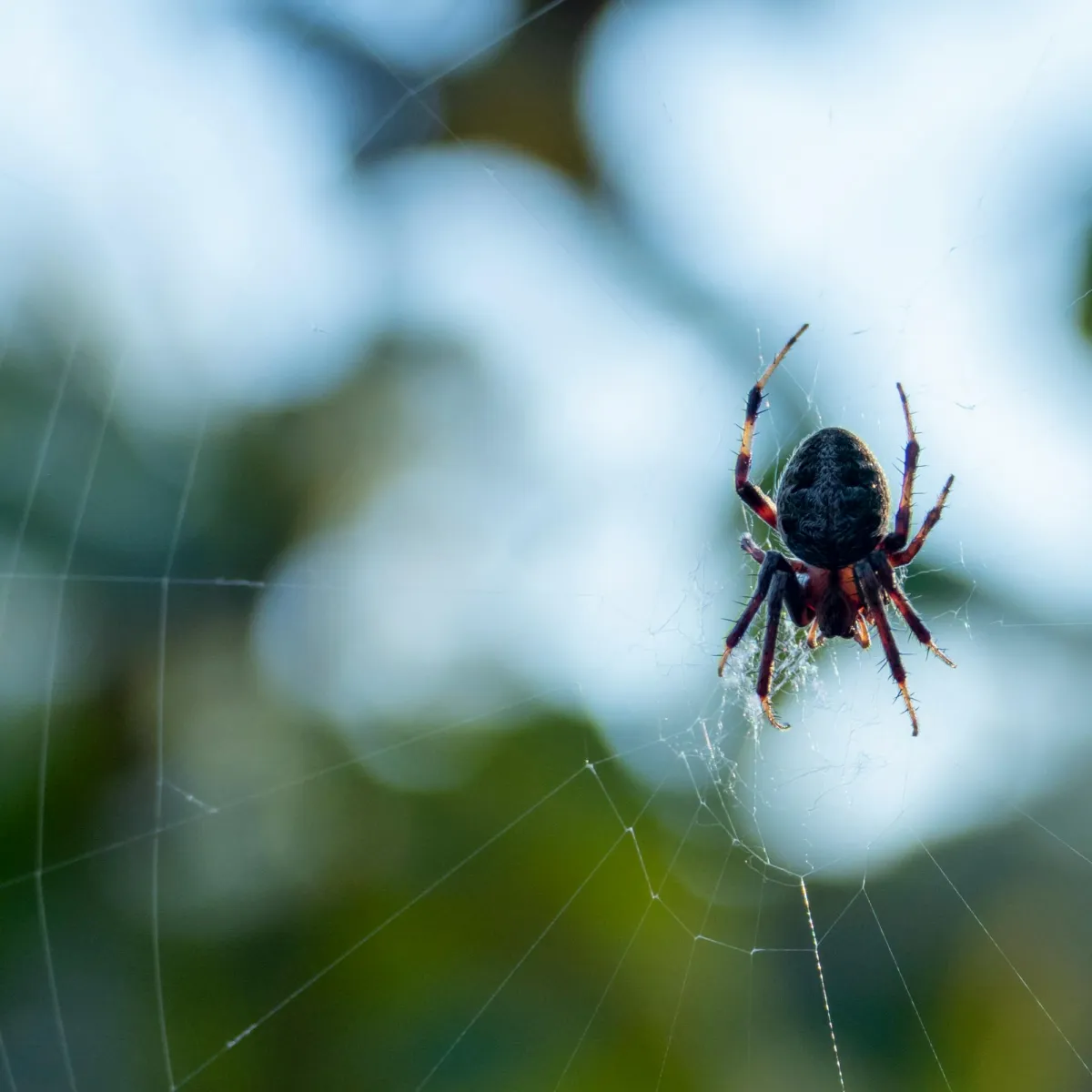
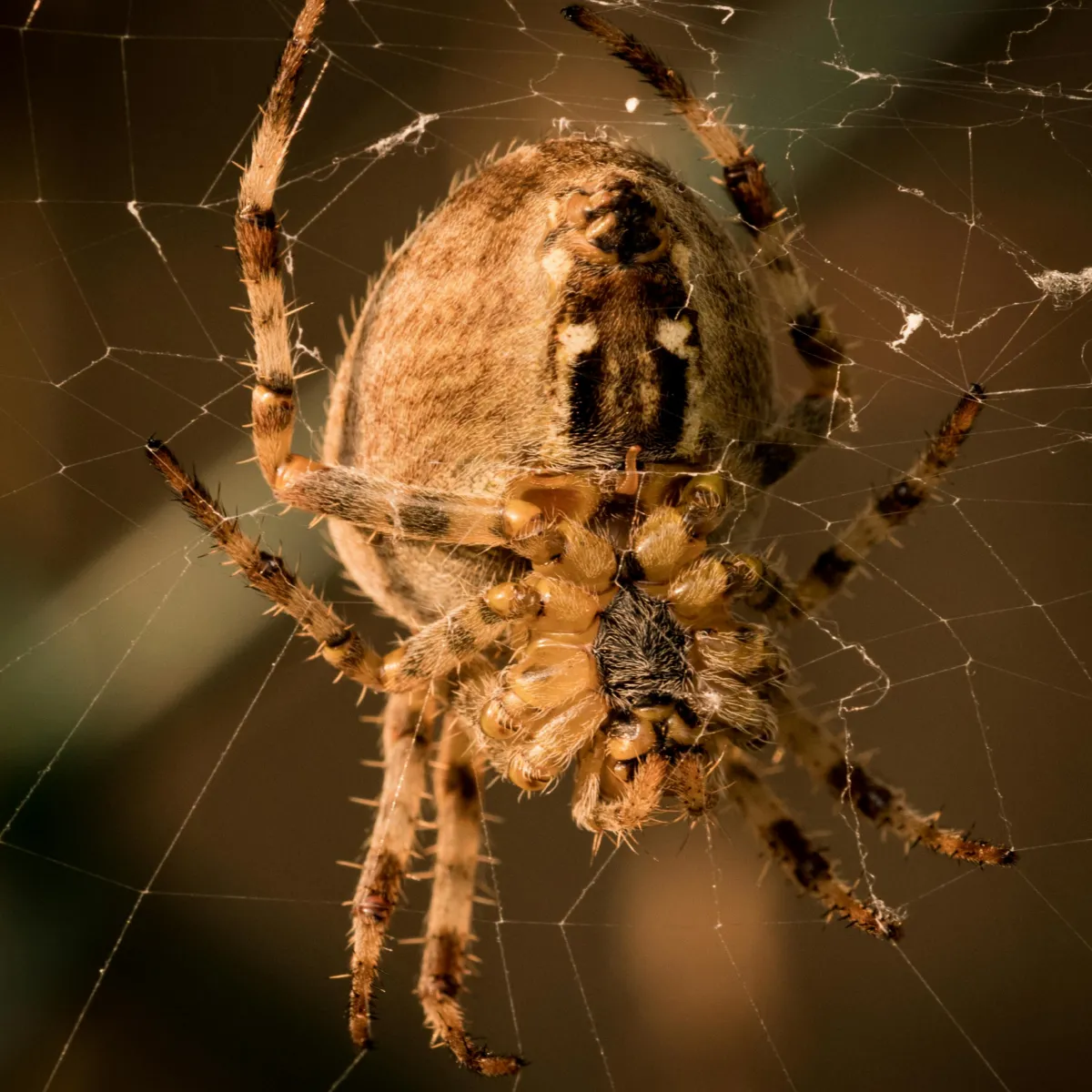
Orb weavers are most often noticed outdoors around porches, shrubs, gardens, and outdoor lighting. Their webs are large and easy to spot, especially in late summer and early fall. They are generally more annoying than dangerous, but they can quickly take over outdoor areas if left alone.
When webs and sightings start becoming too common
A single spider does not always mean there is an infestation, but repeated signs usually mean there is more going on. Webs forming in the same corners, increased sightings in basements or garages, egg sacs attached to webbing, shed skins, dead insects near lights, and activity that comes right back after cleaning are all signs that spiders are well established.
In Birmingham, homeowners often notice problems first in garages, crawl spaces, porches, utility rooms, storage areas, and attic spaces. When those quiet zones stay undisturbed for long periods, spider activity tends to build.
What brings spiders closer to your living spaces?
Spiders come inside for the same basic reasons most pests do: food, shelter, and stable conditions. If your property has insects, spiders have something to eat. If it has damp corners, clutter, or dark hiding places, they have somewhere to settle. Weather changes can push them closer too, especially after heavy rain or during seasonal temperature shifts.
Birmingham’s mix of humidity, shade, and long warm periods supports steady insect populations, which is one reason spider activity can feel persistent. Homes with dense landscaping, cracked seals, worn screens, and storage-heavy spaces often see more movement.
Protected areas give spiders room to settle in
Spiders usually choose places that are quiet, dry or sheltered, and rarely disturbed. In Birmingham, that often means crawl spaces, basements, attics, garages, closets, sheds, rooflines, wood piles, under furniture, window corners, and stacked storage.
Outside, they may gather under decks, around patio furniture, behind shutters, near exterior lights, or in vegetation that sits too close to the house. The more shelter and insect activity there is, the more comfortable those areas become for spiders.
From spring insects to fall indoor sightings
In spring, more insects mean more food for spiders, so outdoor webbing and movement tend to increase. Summer keeps activity high, especially around garages, shaded landscaping, porches, and storage structures. Fall is when many Birmingham homeowners notice a sharp rise in sightings as spiders move toward sheltered spaces. During winter, activity may become less visible outdoors, but indoor areas like basements, attics, and garages can still hold spider activity.
A longer-lasting approach starts with finding the source
The reason DIY treatments so often fall short is simple: they are usually reactive. They deal with the spider you see, but not the egg sacs, nesting areas, hidden entry points, or insect populations behind the scenes.
Professional spider control works better because it is built around inspection, targeted treatment, prevention, and follow-up. Fairway Lawns helps homeowners move past the cycle of spray, clean, repeat, and toward something more reliable.
Make your home less inviting to spiders
Seal gaps around doors, windows, pipes, and vents. Replace damaged screens and weather stripping. Keep storage areas organized instead of overpacked. Move firewood away from the house, trim shrubs and limbs back from the structure, and clean webs as soon as you see them.
It also helps to reduce moisture and limit the insect activity around exterior lights, standing water, and heavily shaded areas. The fewer insects available, the less appealing the property becomes for spiders.
Answers to common spider control questions
If spider webs keep reappearing in your garage, basement, porch, or storage areas, Fairway Lawns is ready to help. Our spider control service in Birmingham, AL targets active problem areas and helps reduce the conditions that keep spiders around. Schedule an inspection and get a treatment plan that fits your property.