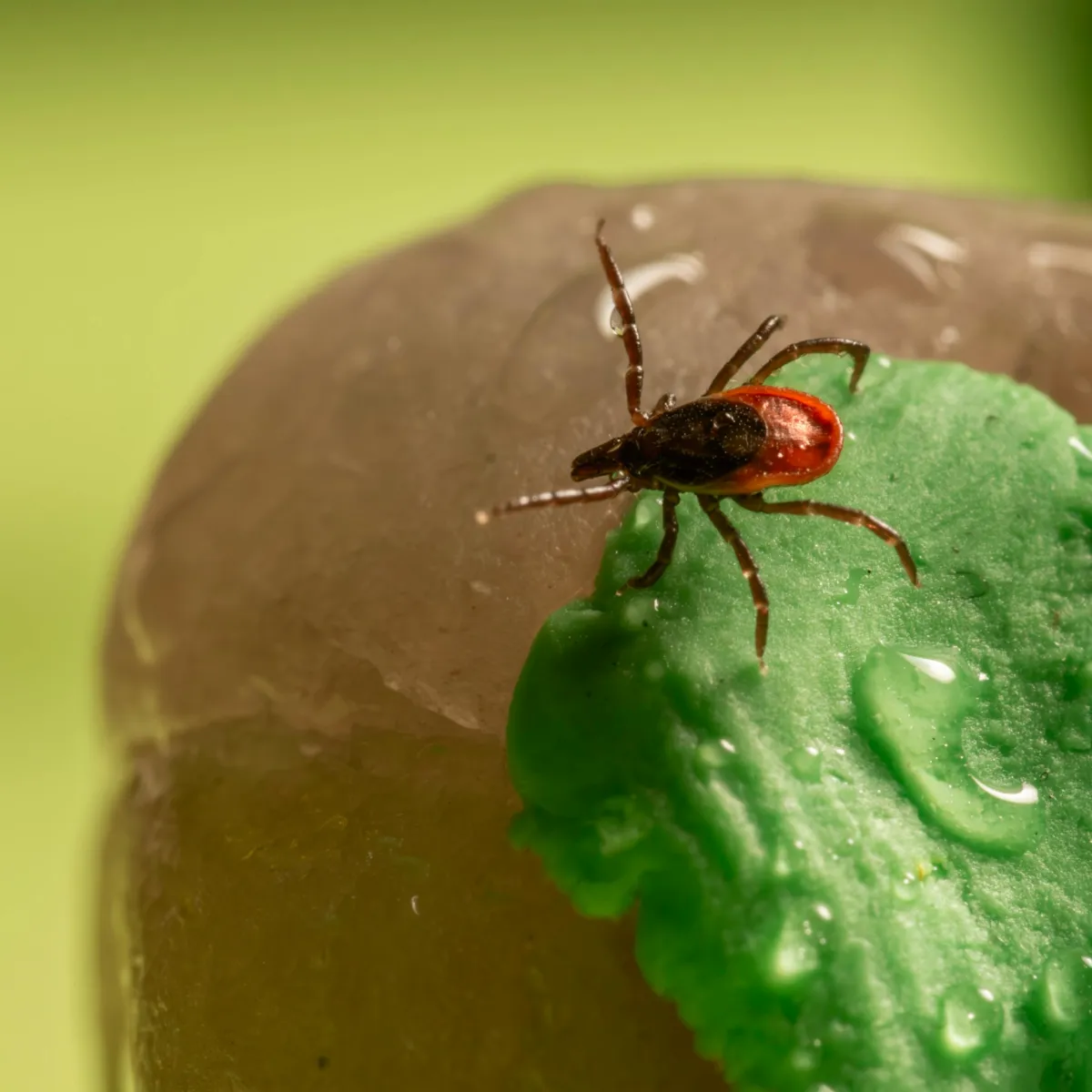
Tick Protection for Johns Island Outdoor Spaces
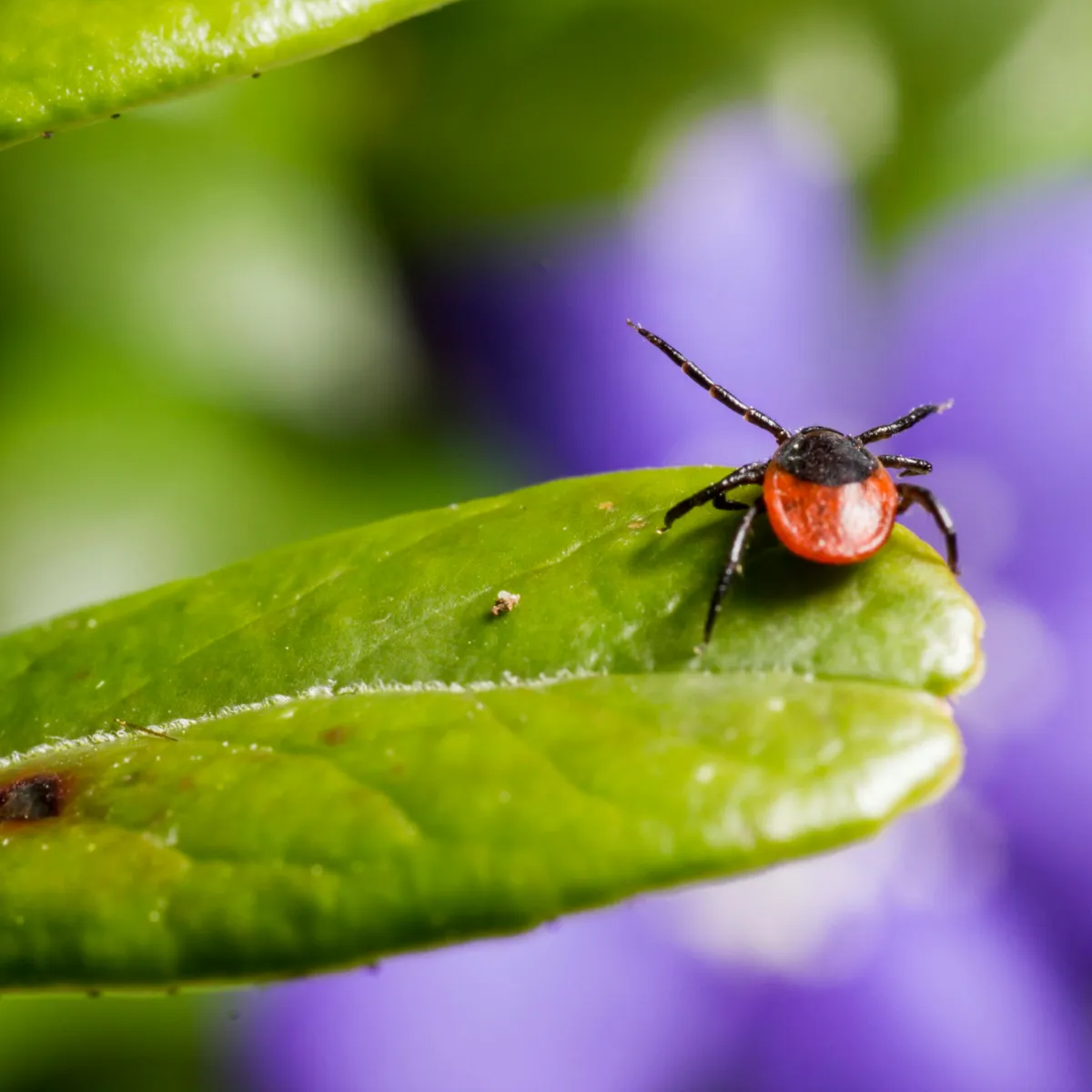
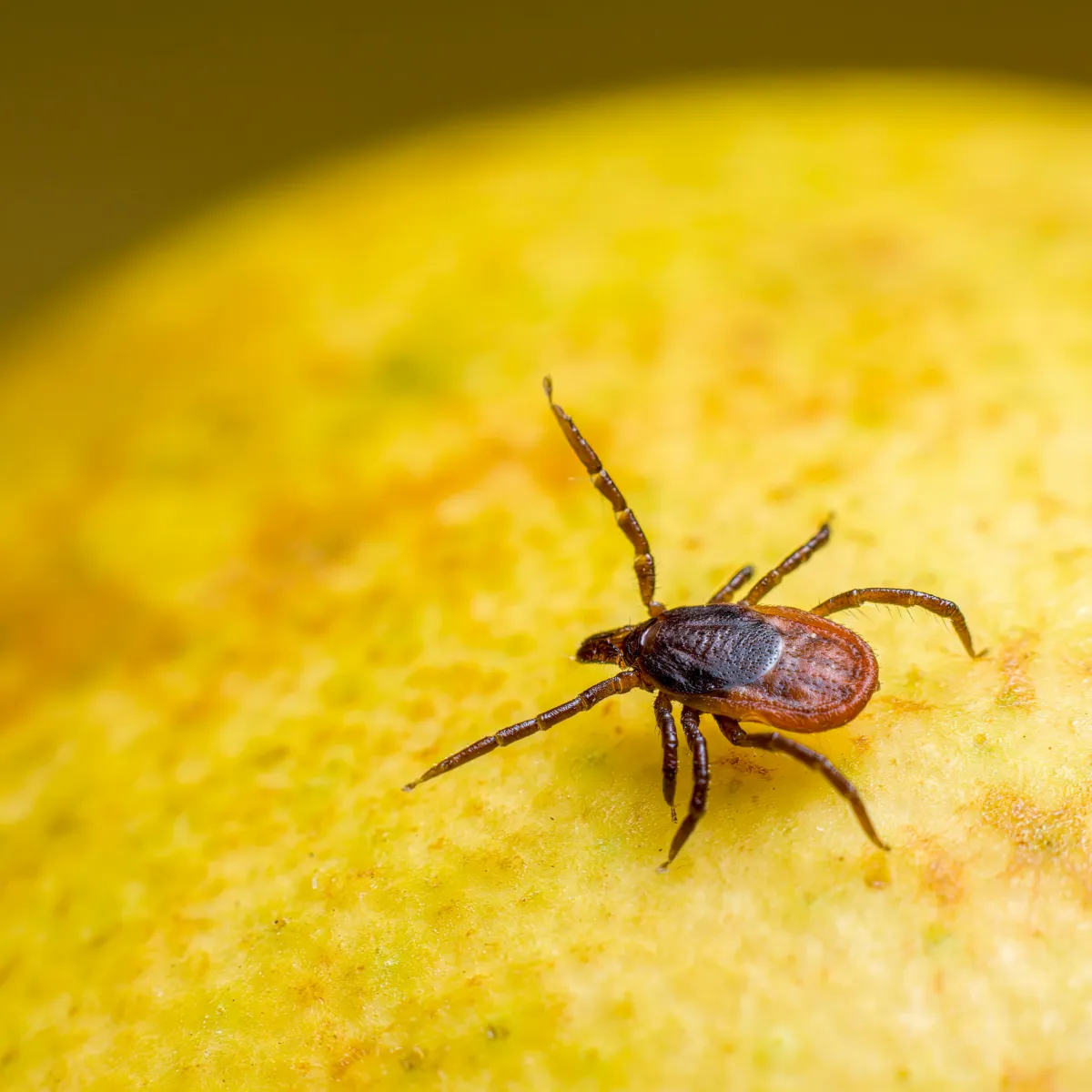
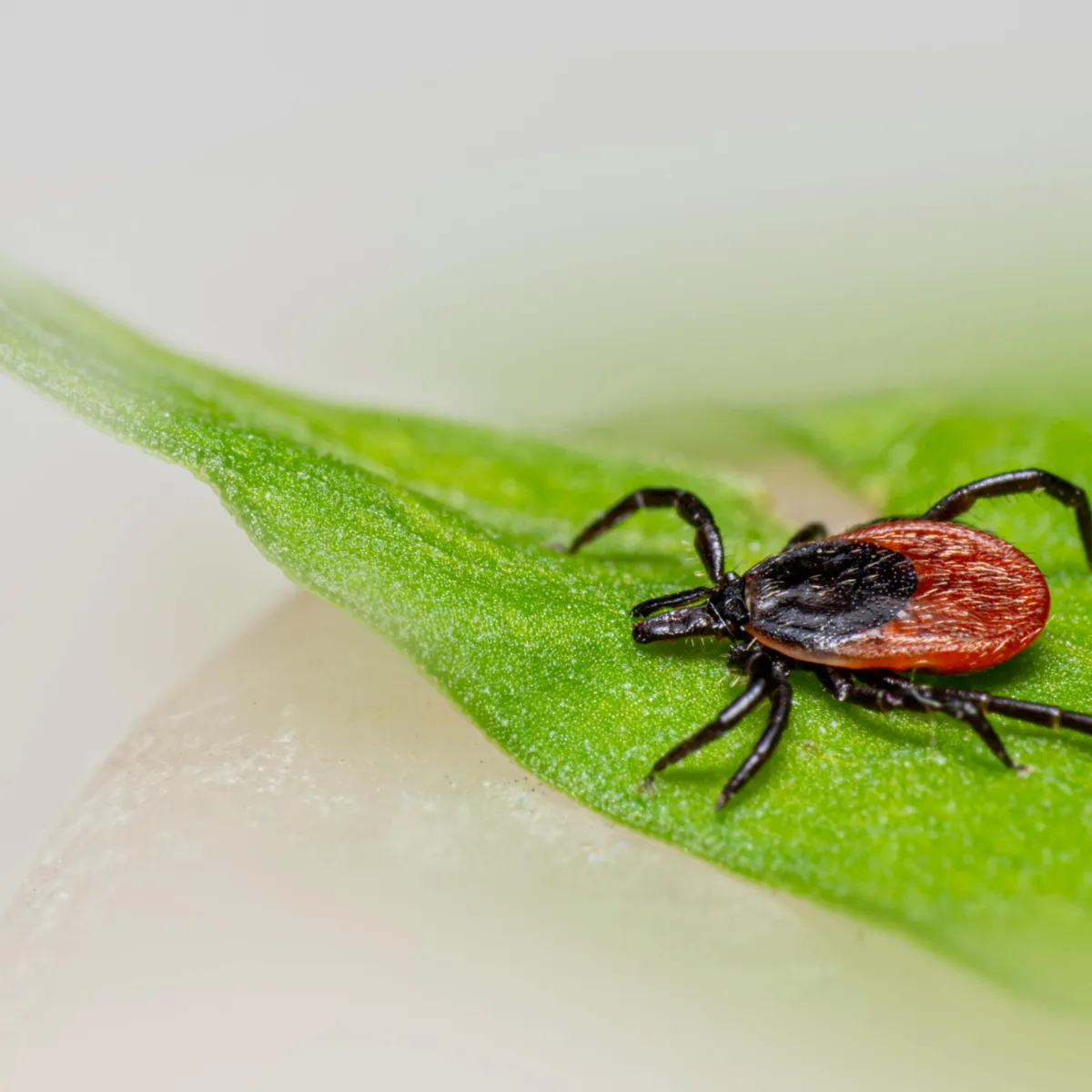
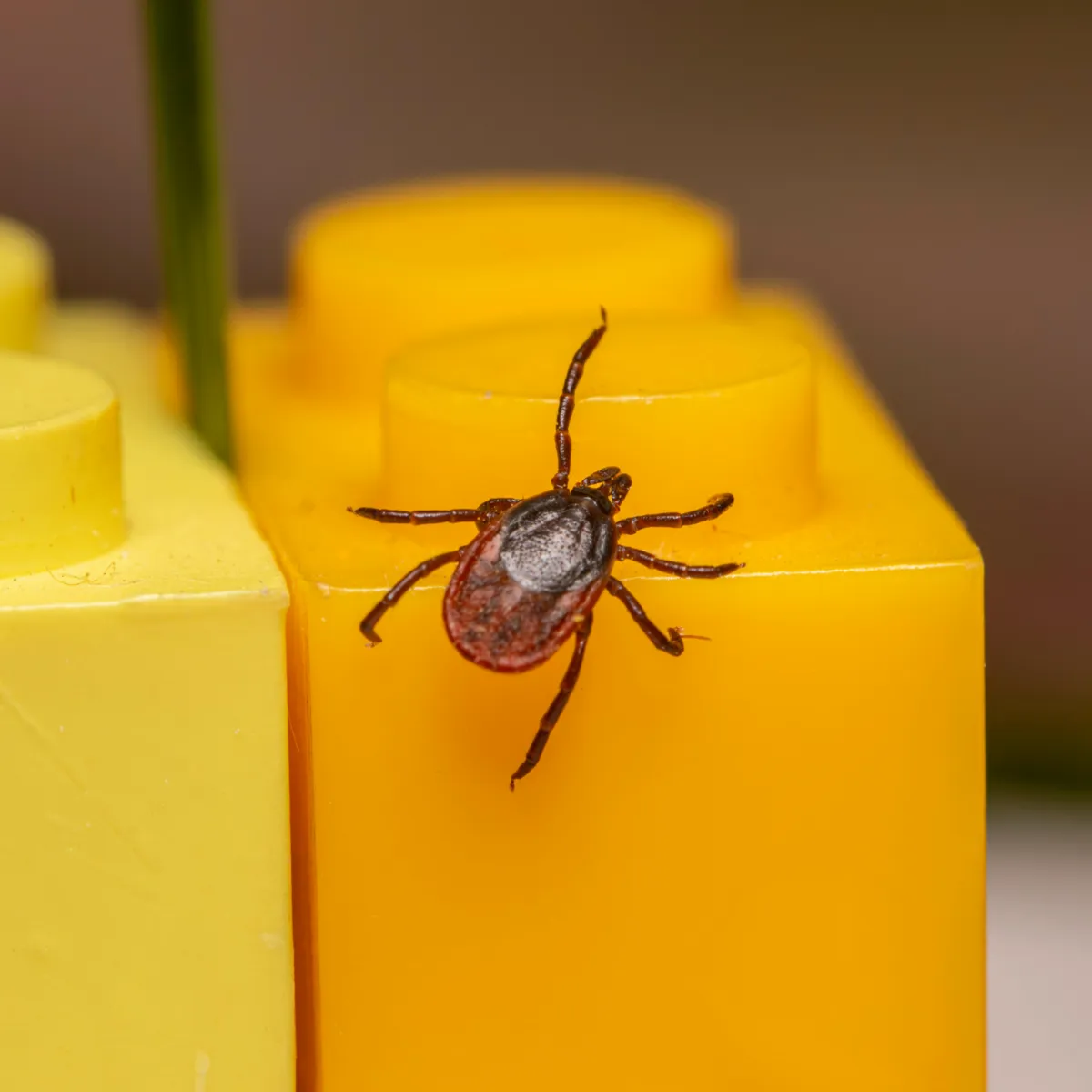
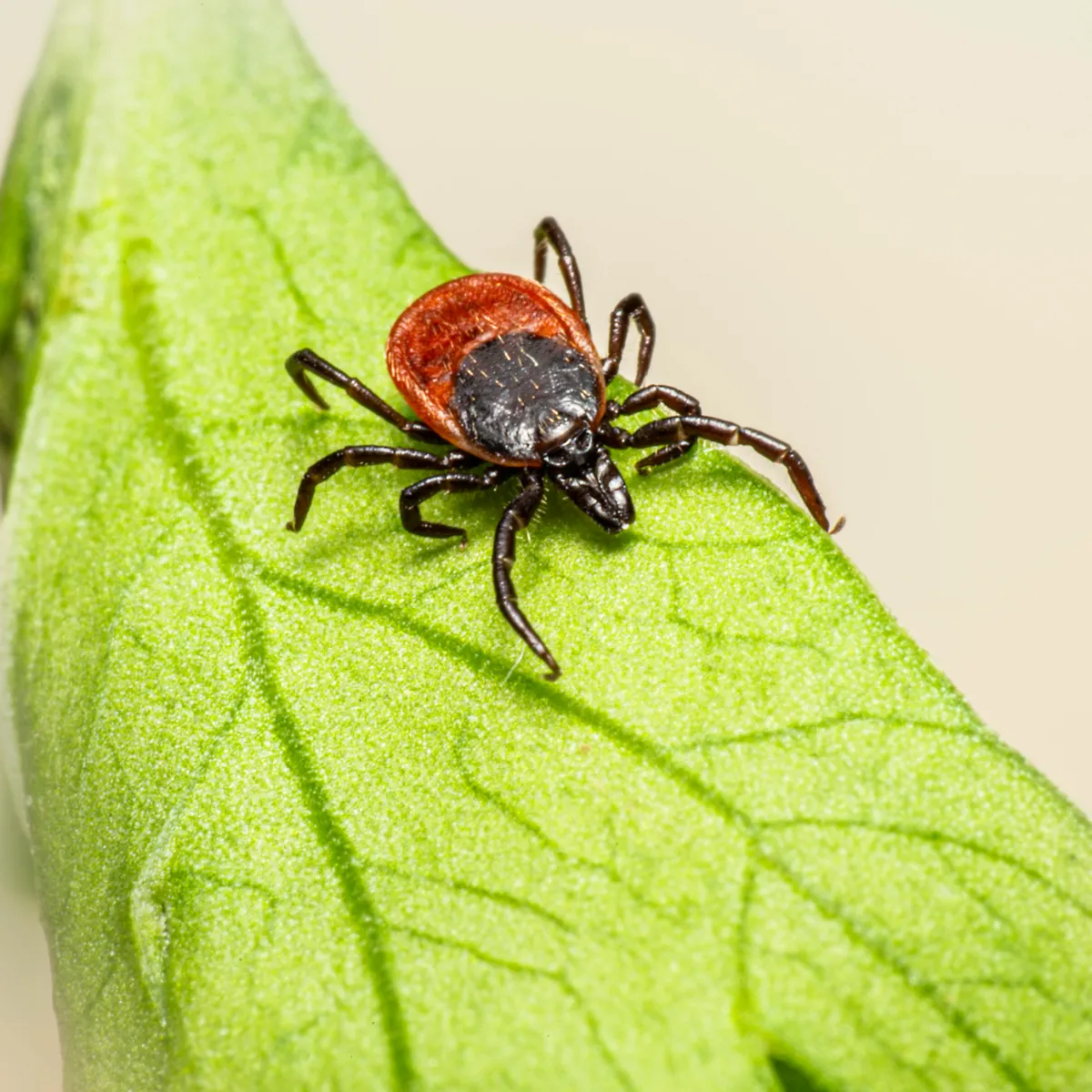
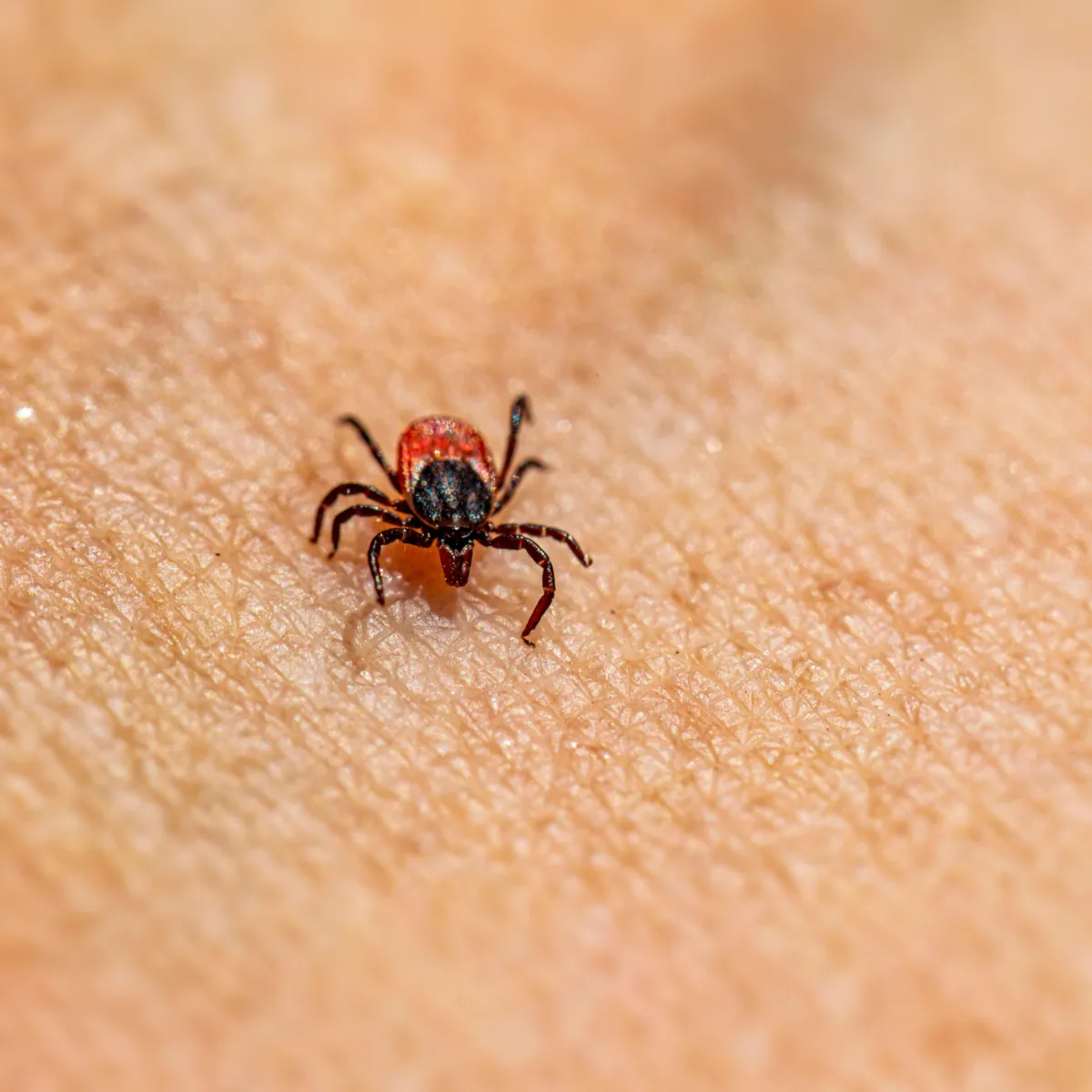
Ticks tend to stay out of sight until they suddenly become hard to ignore. A pet comes in from the yard with one, someone notices one after spending time outdoors, or certain parts of the property start feeling less comfortable to use because no one is sure what may be hiding in the grass or along the edges.
Fairway Lawns provides tick control in Johns Island, SC with targeted yard treatments for lawns, shaded sections, wooded borders, pet spaces, and other outdoor areas where tick activity can build quietly over time.
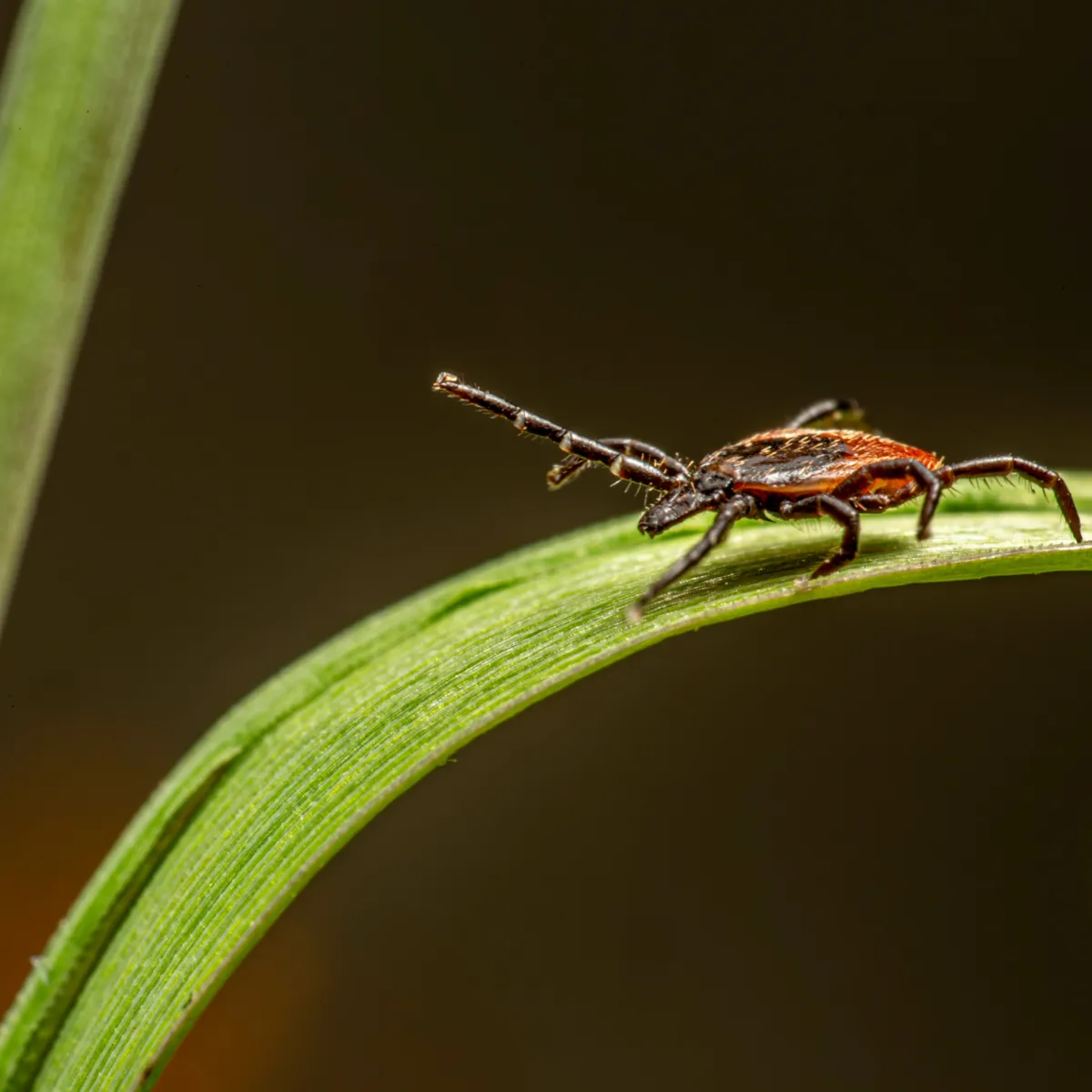
Targeted Treatments for High-Risk Yard Areas
Johns Island properties often have the exact kinds of conditions ticks prefer: shade, humidity, thick vegetation, lawn edges, brushy sections, natural borders, and steady wildlife movement. That combination can make tick pressure harder to spot until it starts affecting how the yard is used.
Our tick control service focuses on those higher-risk areas while helping protect the spaces families use most often, including patios, deck areas, pet zones, play spaces, and everyday lawn paths. The goal is to reduce hidden tick pressure in the parts of the yard that matter most.
A Tick Control Process Built Around Real Exposure Areas
We focus on the parts of the property where tick activity is most likely to build and where family exposure is most likely to happen.
We assess the layout of the yard, vegetation, shaded zones, border areas, pet spaces, and other conditions that may be supporting tick activity.
We apply treatments to the places where ticks are likely to rest and move, including dense landscaping, lawn edges, brush, and protected sections of the property.
We help reduce tick activity near patios, decks, pet zones, open lawn spaces, and other everyday-use parts of the yard.
Ticks can return with wildlife movement, rainfall, pets, and ongoing vegetation growth. Recurring service can help keep that pressure lower over time.
Why Tick Issues Build So Easily on Johns Island
Ticks matter because they affect both people and pets, and they are often easy to miss until contact has already happened.
On Johns Island, warm weather, moisture, shade, dense landscape growth, and outdoor activity can all keep tick pressure active for a long part of the year. Properties near wooded edges, open natural areas, or heavy planting may see even more exposure.
Professional tick control helps reduce activity around the property before it becomes something your household keeps dealing with directly.
Hidden Tick Zones Around the Property
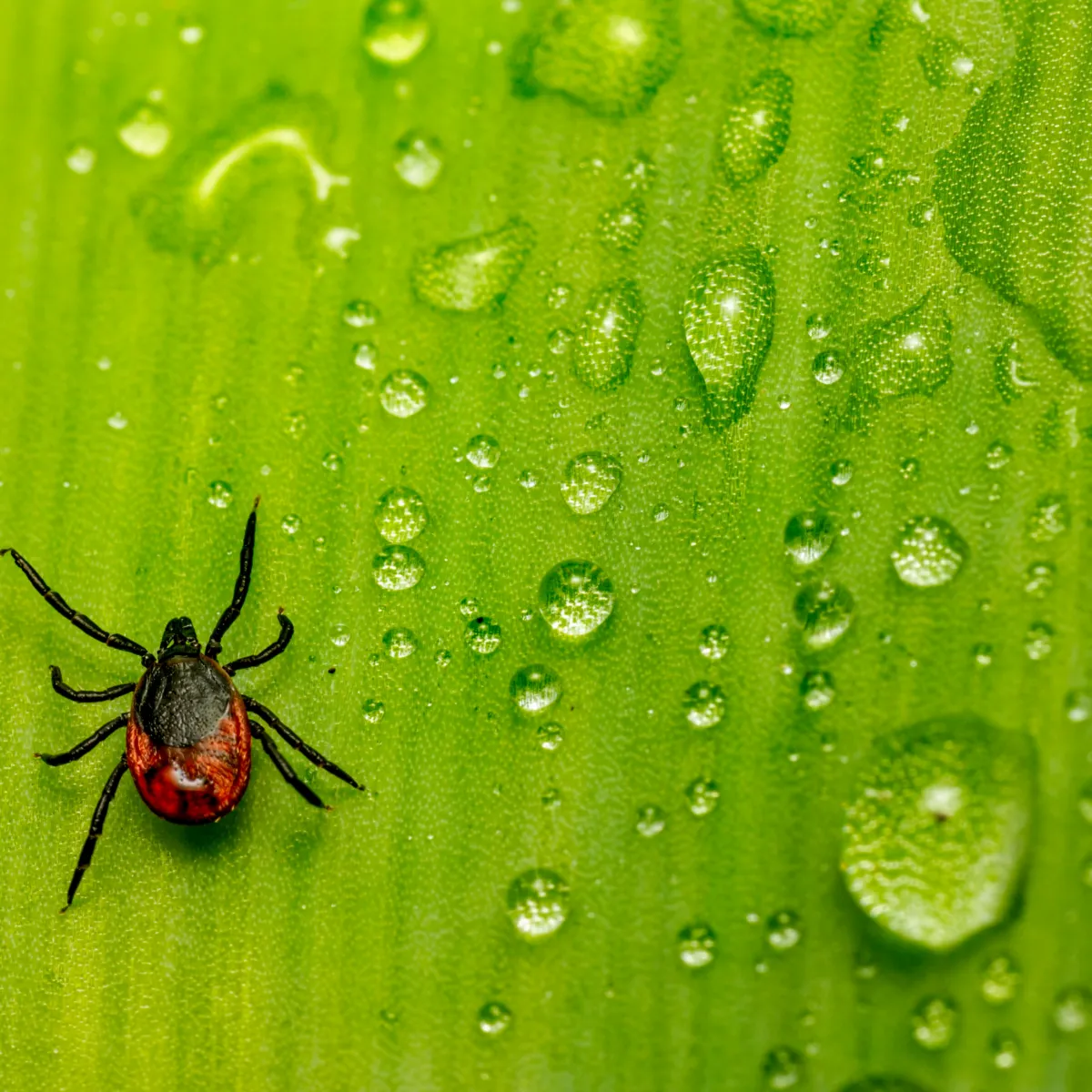
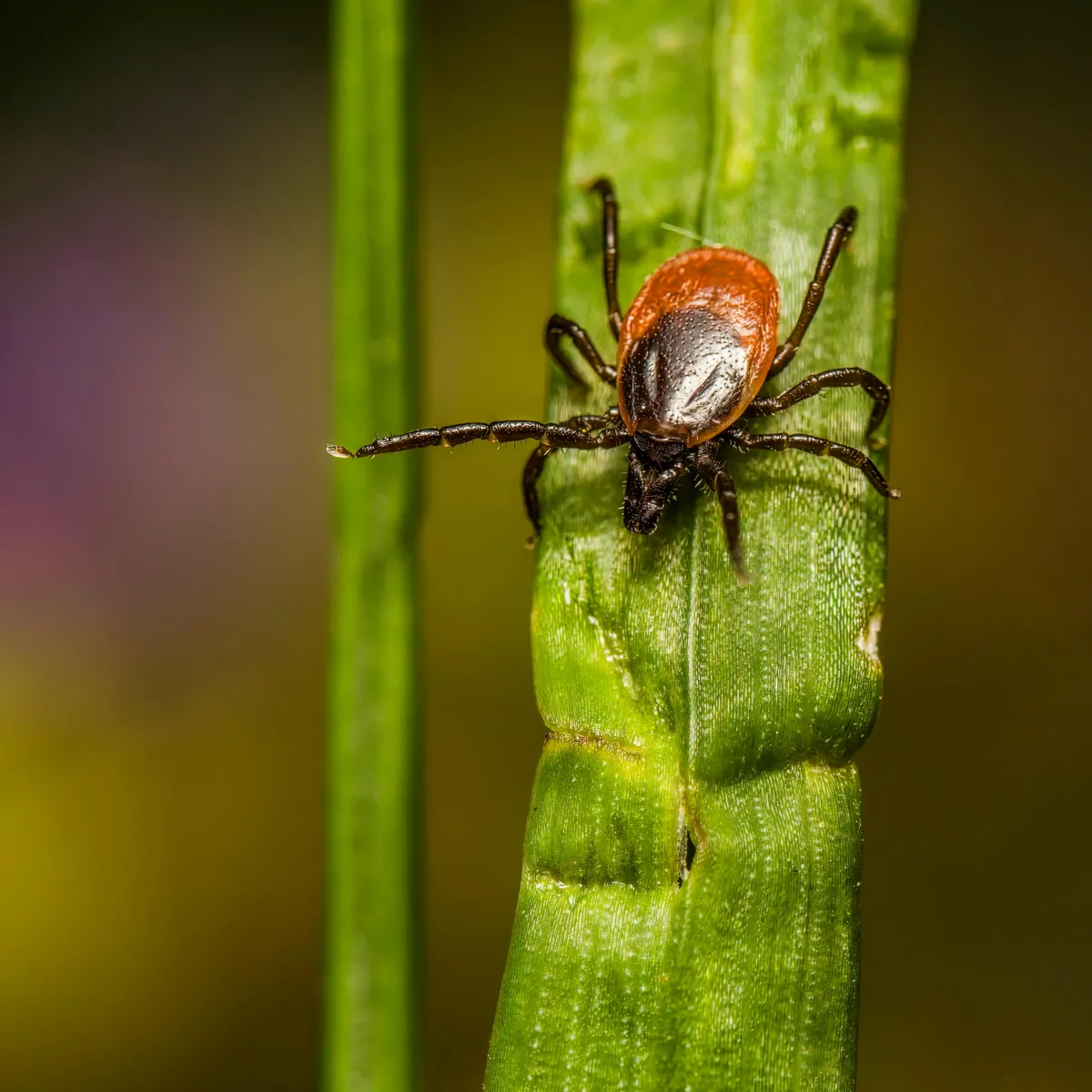
Ticks usually stay in protected places where they can avoid direct sun and wait for movement nearby. On Johns Island, that often includes brushy borders, shaded lawn edges, shrubs, leaf litter, under decks, fence lines, side-yard transition zones, and areas near wooded or natural edges.
Pets and wildlife can also shape where ticks gather. If dogs move through the same routes regularly, those paths can become important treatment areas.
Better Protection for Pets, Kids, and Daily Yard Use
For many homeowners, tick control becomes more urgent once pets start bringing the issue closer to the house or once family members start avoiding certain sections of the yard. That is often when the problem starts feeling more personal.
Targeted treatments help reduce tick pressure around pet areas, lawn space, patio edges, and outdoor paths so the property feels easier to use with confidence.
What Tick Season Looks Like on Johns Island
Tick activity often begins to rise in spring as the weather warms and the property greens up. Summer can bring even stronger pressure, especially in humid, shaded areas where growth stays thick and protected.
Because Johns Island stays favorable for outdoor pest activity for much of the year, tick concerns can linger longer than many homeowners expect. That is one reason recurring service often makes more sense than waiting until activity becomes obvious.
Local Tick Service That Fits Island Properties
Johns Island properties often combine larger lots, heavier vegetation, shaded edges, and active outdoor living in ways that make tick control especially important. Fairway Lawns understands those local conditions and uses them to guide treatment.
That local perspective helps make service feel more practical and specific to the property.
Yard Habits That Help Lower Tick Pressure
Keep grass trimmed, cut back overgrown brush, clear leaf litter, thin dense shrubs, and remove yard debris where ticks may stay protected.
It also helps to maintain pet areas, check pets after outdoor time, and keep family-use spaces from backing directly into dense or shady vegetation whenever possible.
Quick Response for Short-Term Tick Concerns
A one-time tick treatment can be a good choice before an outdoor event, a weekend of heavier yard use, or when activity becomes noticeable in one section of the property and you want to respond quickly.
Ongoing Support for Properties with Longer Tick Seasons
Recurring tick control is often a better fit for homeowners who want steadier protection. Ticks can return with moisture, wildlife, vegetation growth, and regular pet movement, especially around shaded borders and dense landscape zones.
Regular service helps lower the chances that activity quietly rebuilds between visits.
Service for Johns Island and Nearby Areas
Fairway Lawns provides tick control services in Johns Island, SC and nearby areas for homeowners dealing with tick activity around lawns, shaded edges, pet zones, and outdoor living areas.
Clear Answers to Common Tick Concerns
If ticks are becoming a concern around your lawn, pet spaces, shaded edges, or everyday outdoor areas, the problem is usually easier to manage when it is addressed early. Waiting often gives tick activity more time to build in the parts of the property your family uses the most.
Fairway Lawns provides tick control in Johns Island, SC with targeted treatments designed around how island properties are laid out and used. If you want better protection for your family, your pets, and the outdoor spaces you rely on most, contact our team to schedule your quote.