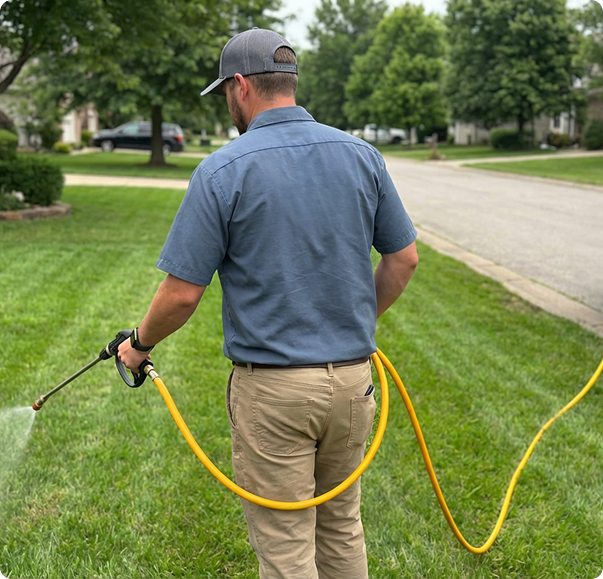
Charleston weeds love the same moisture and warmth that make lawns grow.
Weed control services in Charleston, SC help reduce unwanted growth, protect turf from competition, and keep coastal lawns cleaner through humidity, rain, heat, and sandy Lowcountry soil conditions.
In Charleston, weeds often take advantage of moisture, thin turf, and soft edges around the property.
Charleston lawns have their own rhythm. Warm weather hangs around, afternoon storms can roll in fast, and coastal humidity can keep certain areas damp longer than expected. Add sandy soil, drainage challenges, salt exposure in some neighborhoods, and heavy outdoor use, and it is easy for weeds to find a place to settle.
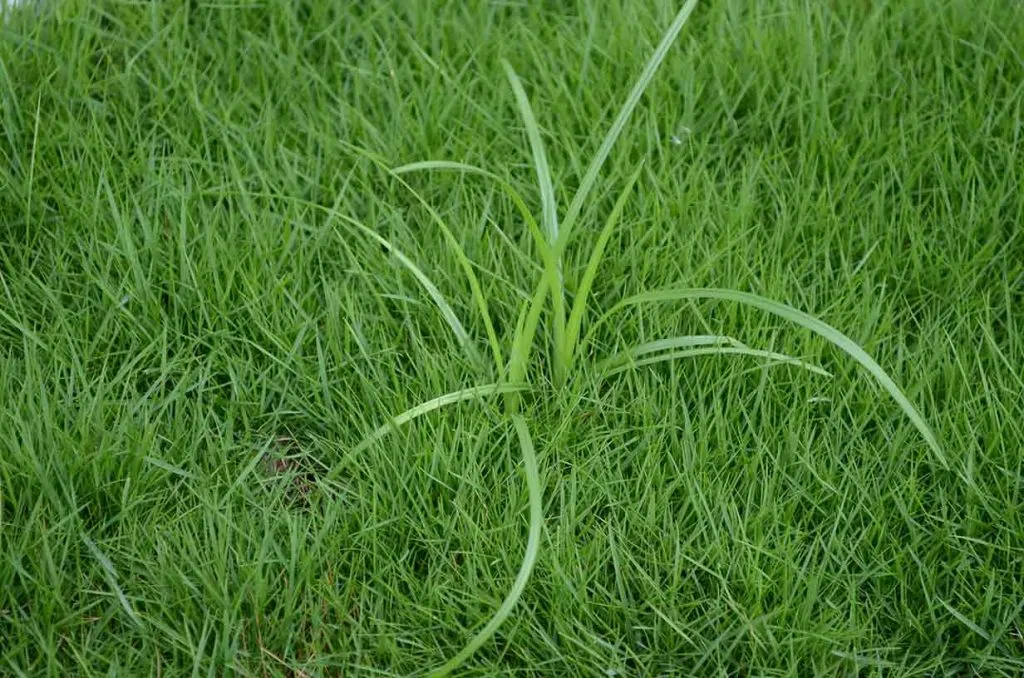
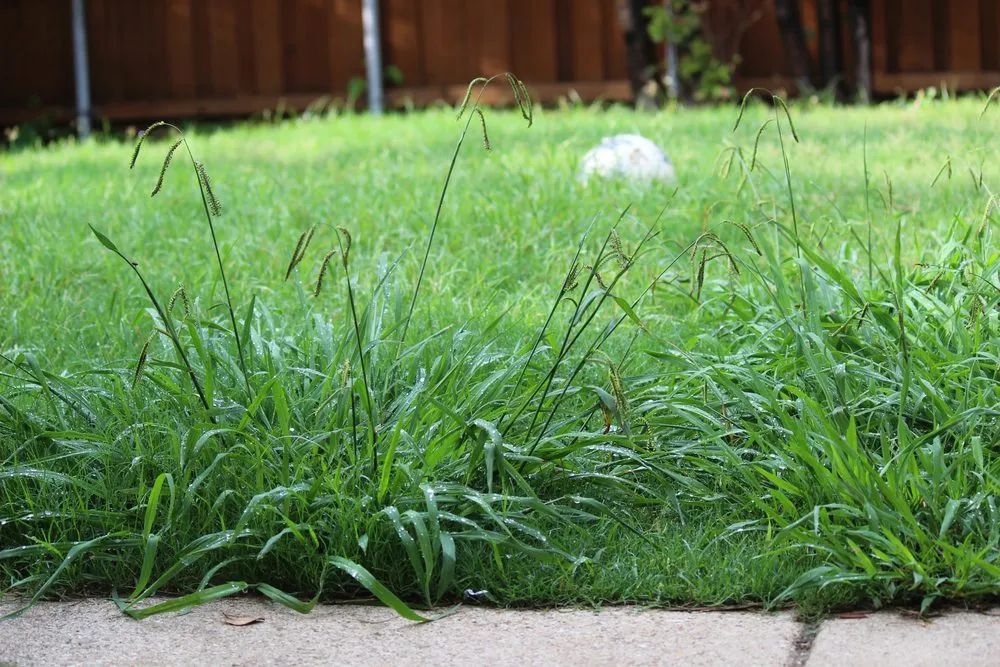
For some homeowners, the first signs are weeds creeping along the driveway or sidewalk. For others, it is dollarweed in a low area, nutsedge after rain, or crabgrass spreading through a sunny patch that thinned out during summer stress.
Fairway Lawns provides weed control services in Charleston, SC for lawns that need steady, thoughtful care. We focus on reducing existing weeds, preventing future pressure where possible, and helping the turf become better equipped to compete.
Weeds compete with turf for space, sunlight, water, and nutrients. In Charleston, that competition can become noticeable quickly because the growing season is long and weed pressure may not fully disappear for much of the year.
Professional weed control helps manage the lawn with timing, weed identification, and follow-up instead of relying on random spot spraying.
Pre-emergent treatments help reduce certain weeds before they establish. In Charleston, this is especially helpful because warm-season weeds can begin moving early and continue through long stretches of the year.
Post-emergent treatments target weeds that are already visible in the lawn. These treatments may be used for broadleaf weeds, grassy weeds, or breakthrough that needs correction.
Broadleaf weeds can be very noticeable in Charleston lawns because they interrupt the lawn’s texture and spread into weak or moist areas.
Grassy weeds can move into sunny, thin, or stressed turf areas. Once they spread, they can be difficult to separate visually from the lawn until they are well established.
Some Charleston lawns have specific problem zones, like wet corners, driveway edges, shaded side yards, or low spots. Spot treatment helps focus service where it is needed.
When turf is underfed or thin, weeds have less competition. Fertilization support may be part of the plan when the lawn needs help filling in.
Because Charleston weather can keep weed pressure active, follow-up helps catch new growth and adjust the plan when conditions shift.
Weed control is not only about appearance; it is about giving turf room to breathe.
Weeds do more than make a lawn look uneven. They can crowd out turf, steal moisture, and make it harder for grass to recover after stress. In a coastal city like Charleston, that matters because turf is already dealing with humidity, rain, heat, drainage swings, and sandy soil that may not hold nutrients evenly.
A lawn with heavy weed pressure can become thinner over time. Once that happens, weeds usually spread faster. Bare spots, damp soil, compacted paths, and weak edges can become repeat problem areas.
Weed control helps protect the lawn’s growing space and supports a cleaner, more stable property appearance. That is important for homes, rental properties, HOAs, townhomes, and commercial-facing residential areas where curb appeal matters.
Charleston lawns can deal with both fast-spreading weeds and stubborn moisture-loving ones.
Weed pressure in Charleston can vary from one neighborhood to another. A sunny lawn in Mount Pleasant may have different issues than a shaded yard on James Island or a low, damp area in West Ashley.
Broadleaf weeds are easy to spot because they break up the lawn’s texture. They may spread in weak turf, along lawn edges, or near areas where water collects.
Grassy weeds can blend in early, then spread quickly once the weather warms. They are often found in sunny, stressed, or disturbed turf.
Weeds such as dollarweed and nutsedge often point to water-related issues. They may appear after heavy rain, overwatering, or drainage problems.
Weeds along sidewalks, patios, driveways, and curb lines can make a Charleston property look rough around the edges even when the main lawn is improving.
A coastal weed control plan should be flexible enough to respond to changing weather.
Fairway Lawns uses a practical process that looks at the weeds, the lawn, and the conditions around the property.
We review the turf condition, soil stress, wet areas, dry patches, shaded zones, and high-traffic spots.
We identify the weeds present so the treatment approach matches the issue instead of guessing.
Your plan may include prevention, active control, spot treatment, follow-up, fertilization support, or a seasonal program.
Treatments are applied based on the property’s needs and the type of weed pressure present.
Charleston’s long growing season can bring new weed pressure later. Monitoring helps keep the lawn from sliding backward.
Pre-emergent weed control helps prevent certain weeds from establishing before they spread through the lawn. In Charleston, prevention can be especially valuable because weed activity can start early and continue for a long time.
Pre-emergent treatment helps reduce future weed breakthrough by addressing certain weeds before they mature.
Warm soil, rain, and mild seasonal transitions can move weed cycles along quickly. If prevention happens too late, weeds may already be active.
Spring service helps reduce early weed pressure before warm-season growth accelerates.
Summer weed control helps manage aggressive spread during heat, humidity, and frequent rain.
Fall treatments can help manage weeds that appear after summer stress and prepare the lawn for the next cycle.
Charleston winters can be mild enough for certain weeds to remain active, so lawn monitoring should not stop too early.
Charleston lawns need different weed priorities as the season shifts.
Weed control in Charleston is not a one-season concern. The climate keeps lawns active for a long stretch, and weeds can take advantage of almost every weather pattern.
Spring is a key window for prevention and early correction before weeds spread more aggressively.
Summer brings heavy heat, humidity, rain, and fast weed growth. Lawns under stress may need closer attention during this period.
Fall is often a time to clean up lingering weed pressure and help turf recover from summer wear.
Even during cooler months, Charleston lawns may see weed activity, especially when temperatures stay mild.
Residential weed control should pay attention to the edges, corners, and wet spots too.
Charleston homeowners often see weed pressure in the most visible and most used parts of the property.
Front lawns carry a lot of curb appeal. Weeds near the street, porch, driveway, or walkway can stand out quickly.
Backyards may deal with pets, shade, patios, drainage, and foot traffic. These areas can thin out and invite weeds.
Side yards often have less sun, poor airflow, or narrow drainage paths. Weeds can build there quietly.
Hard surfaces create seams and edges where weeds can grow fast, especially after rain.
For properties where appearance matters to neighbors, guests, tenants, or HOA standards, weed control helps keep the lawn looking more consistent.
Some homeowners want weed control that is mindful of the property and surrounding environment. Fairway Lawns can discuss reduced-input or more selective strategies when they fit the lawn’s condition.
When weed pressure is limited, selective treatment may be appropriate for the affected areas.
A thicker lawn can help reduce future weed openings. Supporting the turf may be part of a lower-input long-term plan.
Charleston properties can vary widely. A wet backyard, a sandy front lawn, and a shaded side yard may each need a different approach.
Charleston lawns need weed control from a team that understands coastal pressure, not just turf in general.
Fairway Lawns brings local lawn experience and a practical, property-specific approach to weed control in Charleston.
We understand how humidity, rainfall, sandy soil, and drainage issues affect weed growth in Charleston-area lawns.
We shape service around the lawn’s weed pressure, turf type, season, and site conditions.
You should know what is being treated, why it matters, and what to expect after service.
Weed control depends on timing. Reliable service helps keep pressure from building between visits.
The goal is not only fewer weeds. It is a lawn that has a better chance of staying full and stable over time.
Weed control is easier to trust when the steps are clear.
Fairway Lawns keeps the process straightforward from the first look at the lawn to follow-up care.
We review turf density, weed patterns, wet areas, dry areas, edges, and high-use sections.
Different weeds require different timing and treatment decisions.
Your plan may include pre-emergent weed control, post-emergent treatment, spot correction, lawn support, or ongoing care.
Applications are made based on the lawn’s needs and the conditions on the property.
We watch for recurring weed pressure and adjust recommendations when the season or lawn condition changes.
Weed control pricing should reflect the lawn’s real condition.
Weed control pricing in Charleston can depend on lawn size, weed coverage, turf condition, site challenges, and whether the property needs one-time correction or ongoing seasonal service.
Pricing may be influenced by lawn size, moisture issues, the amount of visible weed pressure, hard-surface weed areas, and the need for prevention.
A lawn evaluation gives Fairway Lawns a chance to see what is happening and recommend the right next step.
We focus on matching the plan to your lawn rather than offering a generic recommendation.
Charleston homeowners often want to know why weeds keep coming back after rain.
If weeds are spreading through your Charleston lawn or returning every time the weather shifts, Fairway Lawns can help. We will review the property, identify the weed pressure, and recommend a plan that fits your turf, your soil conditions, and the coastal challenges your lawn is facing.