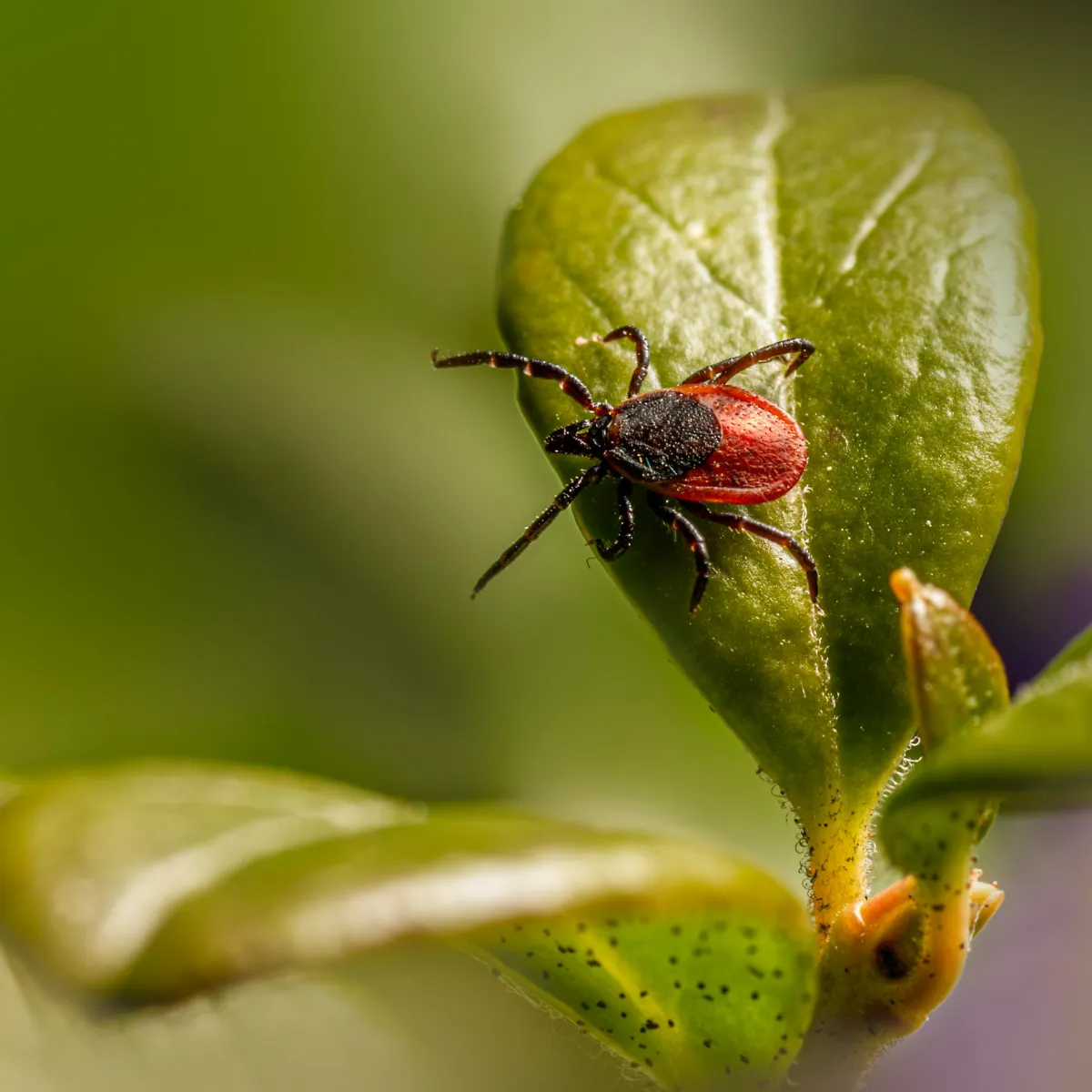
Lexington lawns deserve dependable tick protection
In Lexington, tick concerns often begin in the yard sections that stay a little quieter than the rest of the property. It may be the shaded corner behind the fence, the strip of grass beside the garage, the area near a drainage swale, or the path where the dog walks every day before heading back inside.
The main lawn may look neat and easy to use, but tick pressure often builds along the borders. Thick shrubs, shaded beds, wooded edges, and damp ground after rain can all create the kind of cover ticks prefer.
Fairway Lawns Columbia provides tick control in Lexington for homeowners who want treatment shaped around real yard use. Our service focuses on the places ticks are most likely to hide, then helps protect outdoor spaces like patios, play areas, pet routes, garden edges, fire pits, and the areas where family and guests spend time outside.

Neighborhood yard edges often hold ticks
Tick control in Lexington should account for the way each property is arranged. Some homes have fenced backyards with thick grass along the perimeter. Others have wooded rear lines, shaded side yards, lake-area moisture, or landscaping beds that sit close to patios and outdoor seating areas.
Fairway Lawns Columbia starts by looking at the outdoor conditions that can support tick activity. That includes shade, moisture, shrubs, tall grass, fence lines, pet movement, wildlife exposure, and the spaces people use most often.
Treatment may be focused around lawn edges, foundation areas, wooded borders, shrubs, landscape beds, fence lines, deck areas, sheds, pet spaces, play areas, and outdoor seating areas. The goal is not to treat randomly. The goal is to target the sections where ticks are most likely to wait and return.
For many Lexington homes, recurring maintenance may be the better fit because warm weather, rainfall, pets, and seasonal vegetation growth can keep tick pressure active across much of the year.
Steady steps make treatments more useful
Fairway Lawns Columbia follows a practical tick control process built around the property. We inspect the yard, treat tick-prone areas, create a protective barrier, and recommend continued service when recurring protection makes sense.
We inspect the yard for conditions that support tick activity, including shade, moisture, thick vegetation, wooded edges, fence lines, pet routes, wildlife movement, patios, play areas, and the outdoor spaces used most often. In Lexington, that may include checking backyard borders, drainage spots, side-yard strips, landscape beds, and shaded areas near decks or fences.
We apply targeted treatment to the areas where ticks are most likely to hide and return. That can include shaded lawn edges, tall grass, shrubs, landscape beds, brushy corners, fence lines, damp sections, under decks, around sheds, pet spaces, and outdoor seating areas.
Barrier applications help reduce tick movement from hidden yard sections into the spaces people use most. This may include treatment around the foundation perimeter, shrubs, wooded borders, fence lines, lawn edges, pet routes, patios, gardens, play areas, and other high-use outdoor zones.
Ticks can return as weather, moisture, vegetation, pets, and wildlife activity change. For Lexington homes with shaded yards, wooded edges, dogs, or repeat tick concerns, recurring service can help keep pressure from rebuilding during active seasons.
Ticks make outdoor comfort feel uncertain
Ticks are easy to overlook because they are small and often go unnoticed before they bite. A child may sit in the grass near a shaded fence. A dog may pick up a tick walking through the same corner of the yard every day. Someone may find one after pulling weeds, trimming shrubs, or cleaning up leaves near the back edge of the property.
Lexington’s warm, humid conditions can support tick activity across multiple seasons. Rain, thick grass, shaded areas, wooded borders, and wildlife movement can all bring tick pressure closer to the home. Even a clean, well-maintained yard can still have one or two protected sections where ticks remain active.
Professional tick control helps reduce tick populations around the areas families and pets use most. Instead of waiting until ticks are found on clothing, skin, or pets, treatment focuses on the places where tick activity is most likely to begin.
Hidden cover creates tick holding zones
Ticks are usually found near cover, not in the most open part of the lawn. Around Lexington homes, they may hide in tall grass, brush, leaf piles, wood piles, shaded lawn edges, fence lines, landscape beds, under decks, around sheds, and along wooded borders.
They may also be found near pet play areas, garden edges, drainage areas, and the quiet spaces where wildlife may pass through. Deer, rodents, stray animals, and other wildlife can carry ticks through the property, especially near tree lines and thicker vegetation.
These hiding places matter because they often sit close to daily outdoor routines. A patio may border a dense planting bed. A play area may sit near a shaded tree. A dog may follow the same fence line every morning. Tick control should focus on those transition areas because that is often where the pressure starts.
Family spaces need closer tick attention
For many Lexington homeowners, tick control becomes more important once the yard is part of daily family life. Dogs use the same route along the fence. Kids run between the patio and the grass. Family members garden, grill, mow, clean up leaves, and spend time near the same shaded edges week after week.
Those normal routines can bring people and pets close to tick-prone areas without anyone noticing. Because tick bites can be hard to detect at first, prevention around high-use spaces matters.
Fairway Lawns Columbia focuses on the areas that matter most to everyday outdoor comfort. That can include patios, decks, pools, lawns, gardens, pet areas, fire pits, play spaces, outdoor dining areas, and shaded yard transitions close to the home. The goal is to help your yard feel easier to enjoy with fewer tick worries.
Lexington weather keeps tick pressure shifting
Spring can bring fresh grass growth, fuller landscape beds, and more outdoor activity. As rain and warmer temperatures return, shaded corners, fence lines, and wooded borders can become more favorable for ticks.
Summer adds heat, humidity, storms, and heavier yard use. Pets spend more time outside, children play in the grass more often, and patios or decks become part of the daily routine. Even when open lawn areas dry quickly, shaded borders and thick beds may stay protected.
Fall can still bring tick concerns during warm stretches. Leaf buildup, wooded edges, and damp landscape areas can create cover near the ground. In Lexington, the tick pattern may shift through the season, but protected yard sections can remain active longer than homeowners expect.
Local crews understand Lexington yard patterns
Fairway Lawns Columbia understands how tick pressure can build around Lexington properties. Neighborhood backyards, wooded lots, shaded fences, lake-area moisture, pets, rainfall, and long warm seasons can all affect where ticks hide and how close they get to outdoor living spaces.
Our local technicians are trained, licensed, and insured. Service is based on inspection, targeted treatment, pet and family-conscious guidance, and recurring protection when the property needs it.
Homeowners choose Fairway Lawns Columbia for practical recommendations, free quotes, clear communication, recurring service options, and local experience with Columbia-area pest pressure. If mosquitoes, fire ants, spiders, or other outdoor pests are also a concern, related services can be discussed.
Simple yard upkeep removes tick shelter
Professional tick treatment works best when the yard is maintained between visits. Keep grass mowed, trim shrubs, reduce overgrown edges, and cut back heavy vegetation along fences, patios, sheds, and wooded borders.
Remove leaf piles, wood piles, and yard debris when possible because those areas can hold moisture and provide cover. If your yard borders woods or thick brush, a mulch, rock, or gravel barrier can help separate the maintained lawn from higher-risk areas.
Check pets after outdoor time, especially if they move near shrubs, tall grass, wooded edges, or shaded fence lines. Keep play areas away from thick vegetation when possible, and watch for spots in the yard where tick concerns seem to repeat.
One visit can target trouble areas
A one-time tick treatment may be useful when activity appears tied to one section of the property. That could be after ticks are found on a pet, before a backyard event, after yard cleanup, or when a specific shaded border, fence line, or patio edge becomes a concern.
For Lexington homes, one-time treatment may focus on wooded back lines, deck edges, pet paths, shrubs, tall grass, or damp sections that stay protected after rain. This can help reduce current pressure and give homeowners a clearer sense of whether the issue is isolated.
If ticks continue showing up, recurring service may be the stronger long-term option.
Regular service prevents pressure rebuilding again
Recurring tick control is often the better choice for properties where tick activity can return throughout the season. Shade, moisture, pets, wildlife movement, wooded borders, and thick landscaping can all allow the same areas to become active again after short-term relief.
For Lexington homes with dogs, shaded backyards, wooded edges, gardens, or frequent outdoor use, recurring service can help maintain more consistent yard protection. Regular treatments help stay ahead of new tick activity instead of waiting for another tick to be found.
This approach is especially useful when the yard is part of daily life and not just a space used occasionally.
Clear guidance supports safer yard routines
Tick control treatments should always be applied according to label directions. Fairway Lawns Columbia provides clear after-service guidance so homeowners know when pets, children, and guests can return to treated areas.
In many cases, treated areas should be avoided until they are dry or until normal use is recommended. This is especially important around pet paths, patios, play spaces, outdoor seating areas, gardens, and the lawn sections families use most often.
If your dog uses a specific corner, your children play near a certain part of the yard, or your patio sits beside thick shrubs, tell the technician before service. Those details help the treatment and guidance fit your property.
Nearby Lexington communities share tick conditions
Fairway Lawns Columbia provides tick control for homeowners in and around Lexington who want help protecting lawns, patios, wooded borders, pet spaces, shaded landscape beds, and outdoor living areas from recurring tick activity.
Nearby communities may share similar tick-friendly conditions, including humidity, rainfall, wooded edges, shaded yards, lake-area moisture, dense landscaping, pets, and wildlife movement. Service may also be available in Irmo, Chapin, Ballentine, Red Bank, West Columbia, Cayce, and surrounding Columbia-area communities.
If you are unsure whether your address is in range, request a quote and the Fairway Lawns Columbia team can help confirm availability.
Lexington questions focus on recurring spots
If ticks are making your backyard, pet route, patio, or wooded edge feel harder to enjoy, Fairway Lawns Columbia can help with treatment built around your property.
Our local team can inspect your Lexington yard, treat the areas where ticks are most likely to hide, and recommend a plan that helps your outdoor spaces feel more comfortable through the season.