Lawn Problems That Don't Stay in One Spot
What starts as a small mound in the grass can turn into a yard-wide headache faster than most people expect. One nest appears in a sunny part of the lawn, then another shows up closer to where people actually walk, and before long the whole yard starts feeling less comfortable to use. Once that happens, the problem is not just annoying. It starts affecting how the property gets used day to day.

Where Quick Fixes Usually Fall Apart
Most of the frustration starts after the first attempt to fix it. A mound gets sprayed, leveled out, or treated with something from the store, and for a few days the yard seems quieter.
Then the problem resets.
That happens because the visible mound is usually not the full infestation. The colony underneath can stay active even when the surface looks better. That is why a yard may seem improved one week and then show new mound activity the next, sometimes in the same area and sometimes a little farther across the lawn.
Fairway Lawns approaches that kind of problem by looking at the whole property instead of treating one mound like the whole story. The service is based on how much activity is present, where it is building, and how the infestation is behaving across the lawn.
When the Yard Starts Working Against You
The issue becomes serious once regular yard use starts changing. A property that should feel open and usable begins developing areas people avoid.
That affects more than comfort. It affects mowing, pet traffic, play space, and the everyday way people move across the lawn. Once active nests start appearing in the parts of the yard people actually use, the problem becomes part of how the property functions.
There is also the fact that one mound can point to much more going on beneath the surface. That is why surface-level relief does not always mean the yard is actually under control.
What the Lawn Is Warning You About?
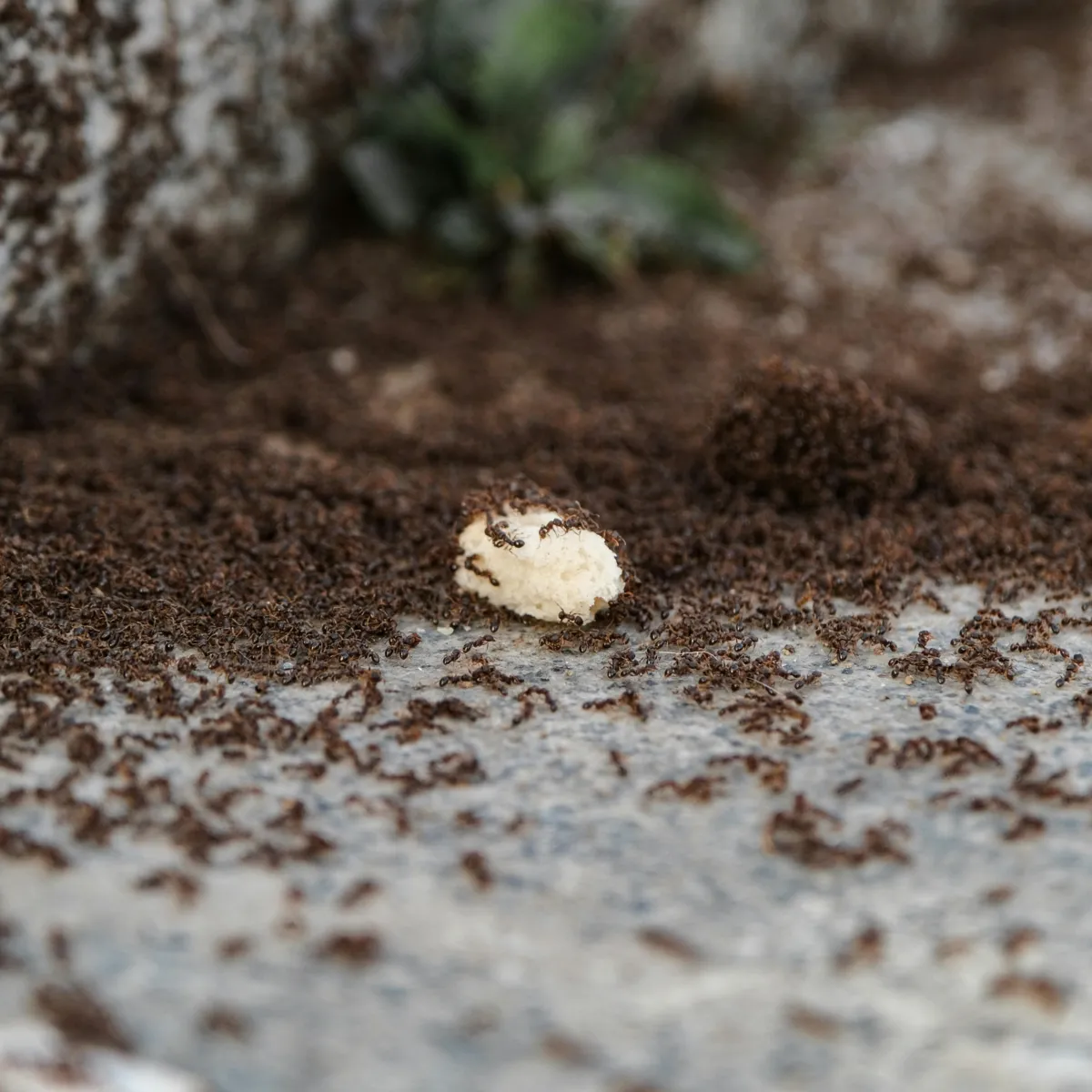
A fresh mound of loose, sandy soil is one of the clearest warning signs. These often show up in bright, open sections of the yard and may stand out more after rainfall.
You may also notice reddish-brown ants moving quickly over the mound, sudden swarming when the nest is disturbed, painful stings, or repeated mound formation in the same general parts of the lawn. When the same yard keeps producing fresh mounds after wet weather, that usually means the infestation is active and established.
How to Tell Fire Ants From Other Ants?
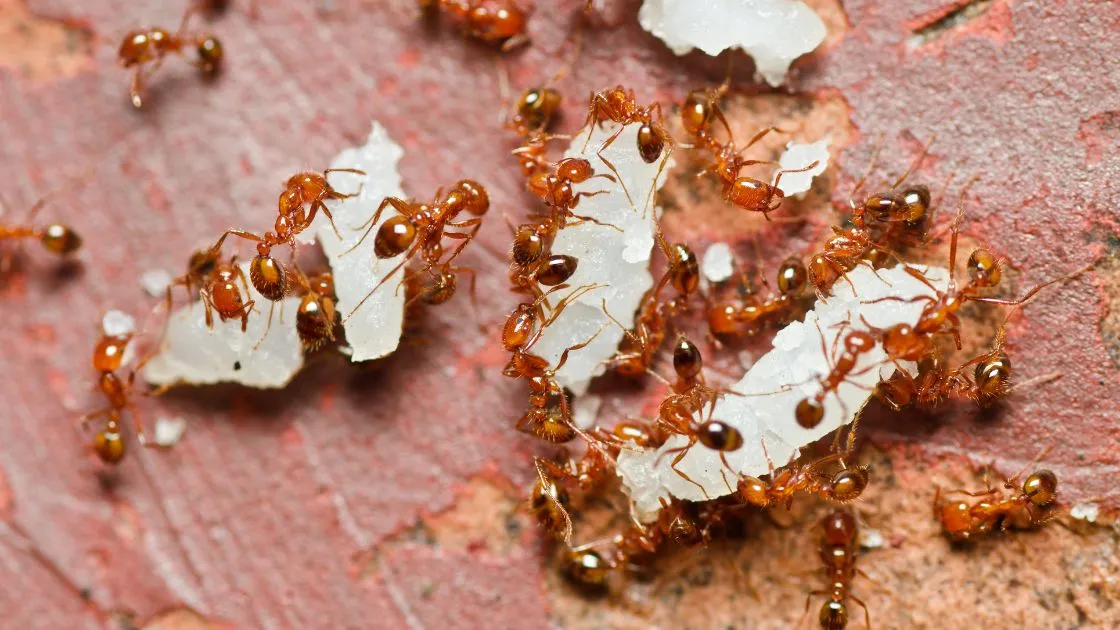
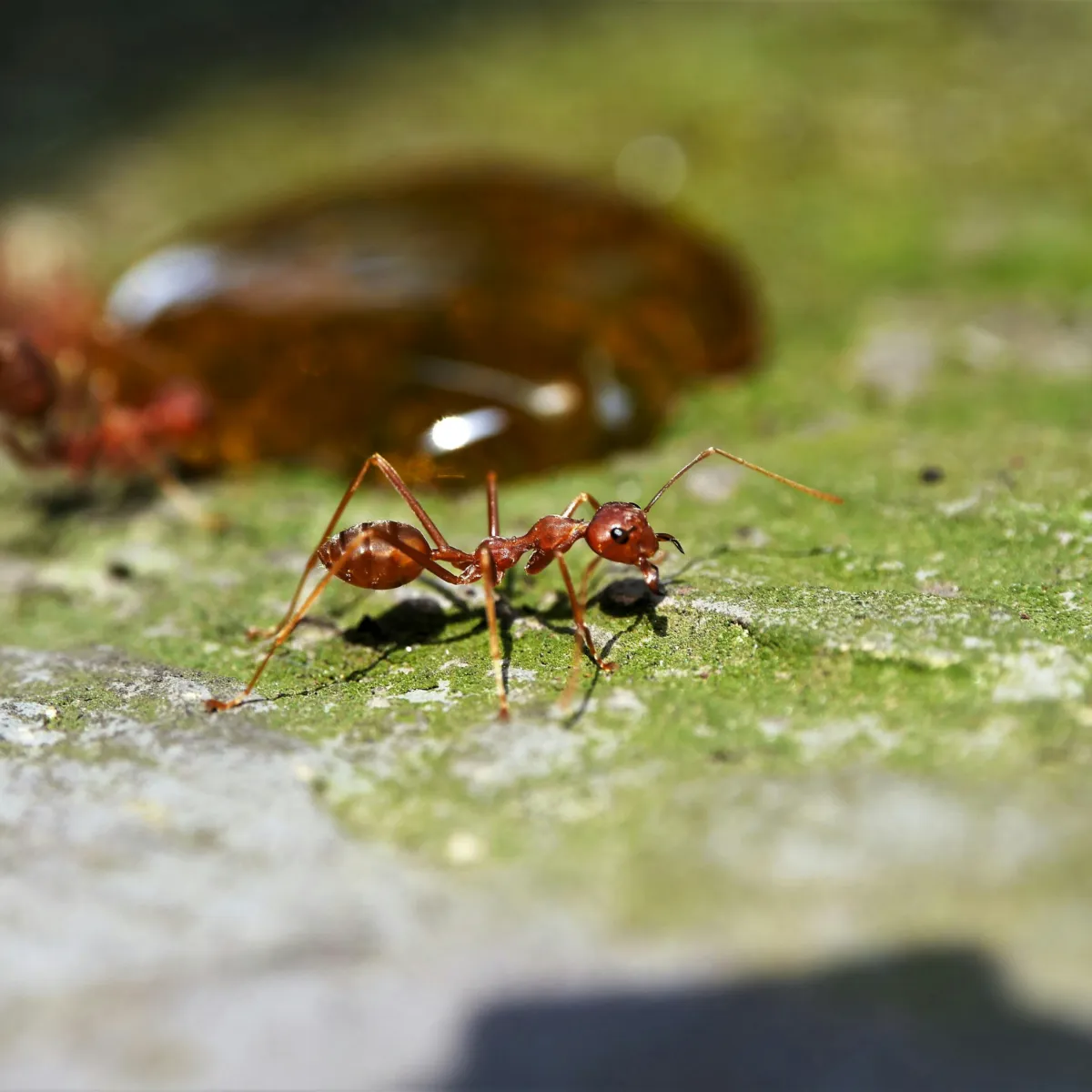
They are small ants with a reddish to reddish-brown color and are commonly found in sunny grass, exposed soil, and landscaped areas.
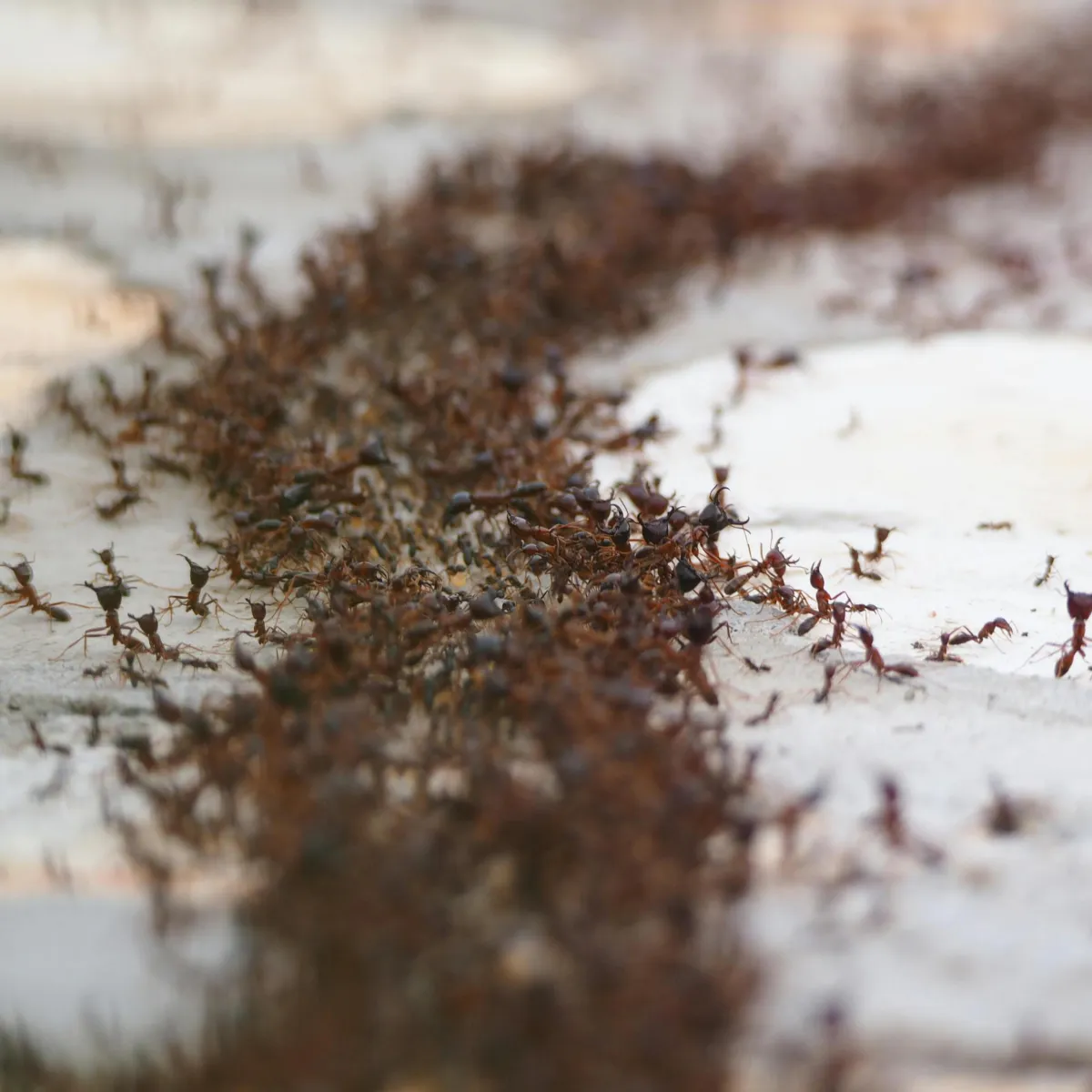
What often makes them unmistakable is not their size but their reaction. Disturb the nest and they move fast, gather in numbers, and become aggressive around the mound. That immediate response is usually what makes homeowners realize they are dealing with fire ants instead of just noticing ordinary ant movement in the yard.
Why the Same Yard Keeps Having the Same Problem?
The nest on top does not tell the whole story. Most of the colony stays below ground, and that hidden part is what keeps the problem going.
Some colonies spread wider underground than they appear above ground. Some may include more than one queen. Rain, irrigation, heat, and changes in feeding behavior can all affect treatment results. That combination is why a mound can disappear for a while and still come back later.
This is also why people often feel like they are making progress and then end up right back where they started.
How the Service Is Chosen?
The process starts with an inspection of the lawn. That means identifying where mounds are forming, how heavily the activity is concentrated, and whether the issue is contained to one area or spread into broader parts of the property.
From there, treatment is selected according to the actual conditions in the yard. The goal is to reduce active colonies, lower visible mound activity, and help keep the property from slipping back into the same cycle too quickly.
That matters because one lawn may need focused work in a few active spots while another may need a wider strategy.
Treatment Plans That Match the Pattern of Activity
Treatment depends on how the infestation is behaving, not just on what one mound looks like.
In some yards, the best starting point is direct work on the most active nests. On others, the smarter move is broader coverage because the problem is scattered across multiple sections of grass. There are also situations where baiting makes sense as part of a larger plan rather than as a stand-alone attempt.
The point is to build the treatment around the pattern in the lawn. A property with concentrated activity needs a different answer than one where pressure is spread thin but wide. That is where professional planning tends to make the biggest difference.
Why Store Products Often Lead to Repeat Work?
One reason DIY control wears people out is that it tends to create partial results. Something changes on the surface, but the yard never feels fully clear.
A spray might reduce visible ants around one mound while leaving the deeper colony untouched. Baits may underperform if weather interferes or if the ants are not feeding the way people expected. That is how homeowners end up treating one mound, then another, then another, without really breaking the cycle.
Professional treatment usually works better because it is selected around the infestation pattern, not around one general product and one moment of visible activity.
When Homeowners Usually Notice Them Most?
Warm conditions usually make mound activity easier to notice, especially in sunny sections of the yard. Rain often makes new mound formation stand out even more clearly.
In Columbia, that can make the problem noticeable through much of the warmer season, particularly when wet weather is followed by fresh activity in exposed lawn areas.
What to Know Before the Yard Is Used Again
That is usually one of the first concerns after service, especially in yards that get regular use.
Fairway Lawns says treated areas should only be used again after post-treatment guidance has been followed. That kind of direction matters because homeowners need to know when children can get back in the grass, when pets can roam normally again, and when the lawn is ready for regular use without uncertainty.
Why Some Homeowners Prefer Fairway Lawns?
Fairway Lawns promotes local service in Columbia, transparent pricing, professional treatment recommendations, and a 100% money-back guarantee.
For many homeowners, that matters because they are not looking for another short-term patch. They want a company that will assess the yard, explain what is happening, and recommend treatment based on actual lawn conditions instead of just reacting to the most obvious mound.
Questions Homeowners Ask Before Booking
If the lawn keeps producing fresh mound activity, Fairway Lawns can help address the infestation before more of the yard becomes difficult to use.
Schedule fire ant control in Columbia, SC and stop letting active colonies turn usable grass into space people keep working around.