St Andrews Lawns Should Feel Usable
Fire ants do not need a huge yard to become a problem. In St. Andrews, they can show up in a small front lawn, beside an apartment patio, along a sidewalk, near a driveway strip, or in the patch of grass where pets are taken outside.
The mound may not look like much at first. Loose dirt. A little raised soil. Maybe a few ants moving around. Then somebody steps too close, or the mower bumps it, and the ants come out fast.
Fairway Lawns Columbia provides fire ant control in St. Andrews, SC for homeowners, renters, property managers, and businesses that need active colonies treated. We inspect the outdoor areas, check where mounds are showing up, recommend a treatment plan, and explain the next steps for people, pets, tenants, or customers after service.

Help for patios, walkways, shared grass, and pet areas
Fire ants can make everyday outdoor spaces feel uncomfortable. A mound near a patio door, mailbox, walkway, courtyard, trash area, or pet relief spot can quickly become a safety concern.
Our fire ant pest control service starts with a look at the property. We check visible mounds, sunny soil areas, lawn edges, high-traffic spots, and places where people or pets may accidentally disturb a colony.
After inspection, Fairway Lawns Columbia may recommend mound treatment, broader lawn treatment, bait-based service, or a combined approach. The right option depends on how active the ants are and whether the issue is limited to one area or spreading.
We also give clear guidance after treatment, including when treated areas can be used again. If you have been searching for fire ant control near me because mounds keep appearing around your St. Andrews property, our team can help you schedule service and get a clear quote.
Shared Grass Needs Fire Ant Attention
Fire ants are aggressive around their colonies. They can swarm when disturbed and sting repeatedly. That can happen during normal routines, not just during yard work.
Someone may step on a mound while walking to the car. A pet may sniff too close. A tenant may cross a shared lawn. A child may sit down in the grass before anyone notices the loose soil.
Fire ant stings can cause burning pain, itching, redness, swelling, and small pustules. Some people may have stronger reactions, and severe reactions may require medical attention.
The mound on top of the lawn is only part of the issue. Fire ants live underground, and the colony can be larger than it looks from the surface. Professional fire ant control helps treat the colony activity instead of only knocking down visible mounds.
Fresh Soil Can Signal Active Colonies
A loose, sandy mound is one of the most common signs of fire ants. Around St. Andrews, mounds may appear near sidewalks, patios, parking areas, shared green spaces, building edges, and sunny lawn patches.
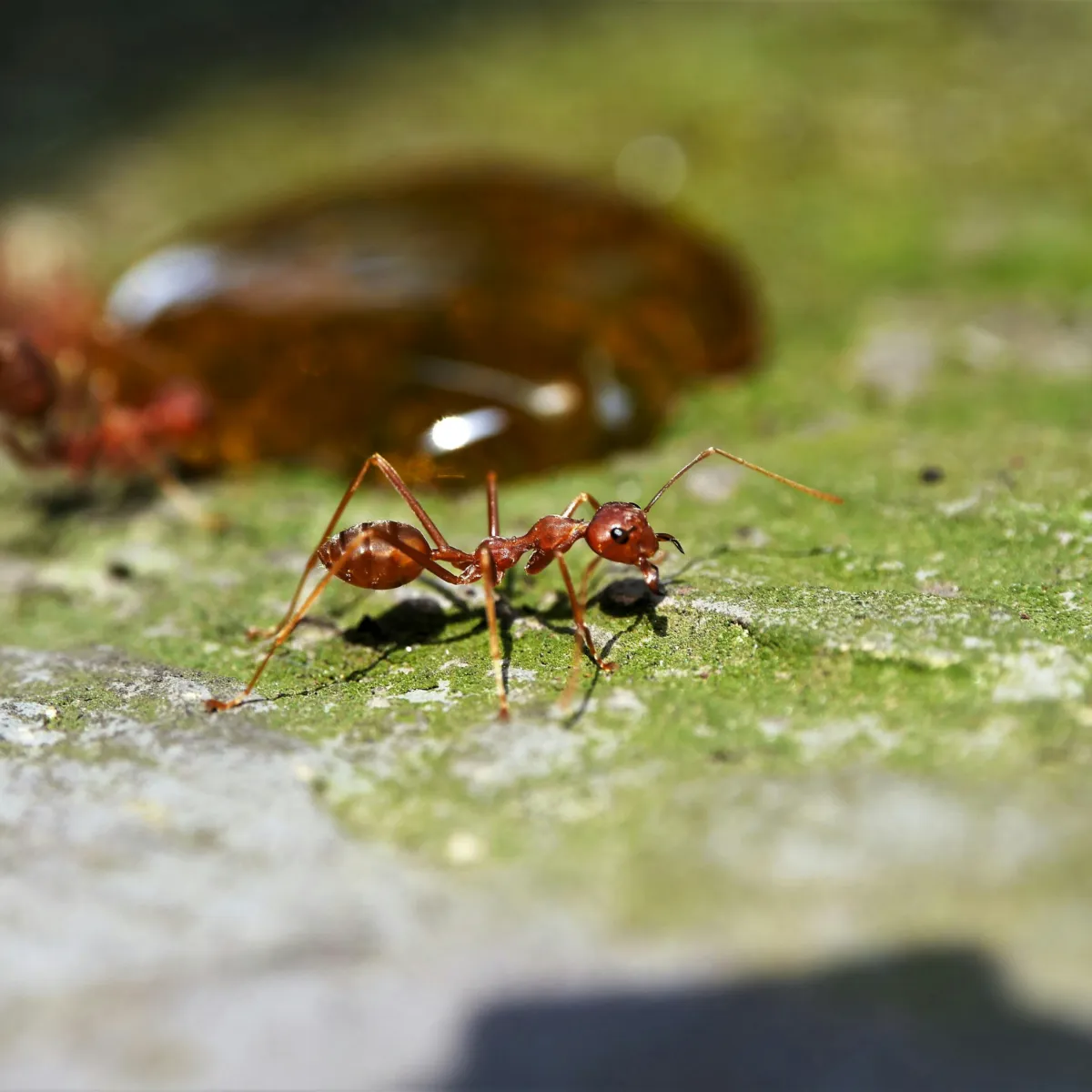
You may see reddish-brown ants moving around the mound. If the mound is disturbed, the ants may rush out quickly and aggressively.
Other signs include painful stings, pets avoiding one part of the grass, complaints from tenants or family members, or several mounds appearing across the same outdoor area.
Fire ant mounds often become more noticeable after rain or irrigation. If you keep seeing new mounds after treating or flattening old ones, the colony may still be active underground.
Small Ants Create Painful Yard Surprises
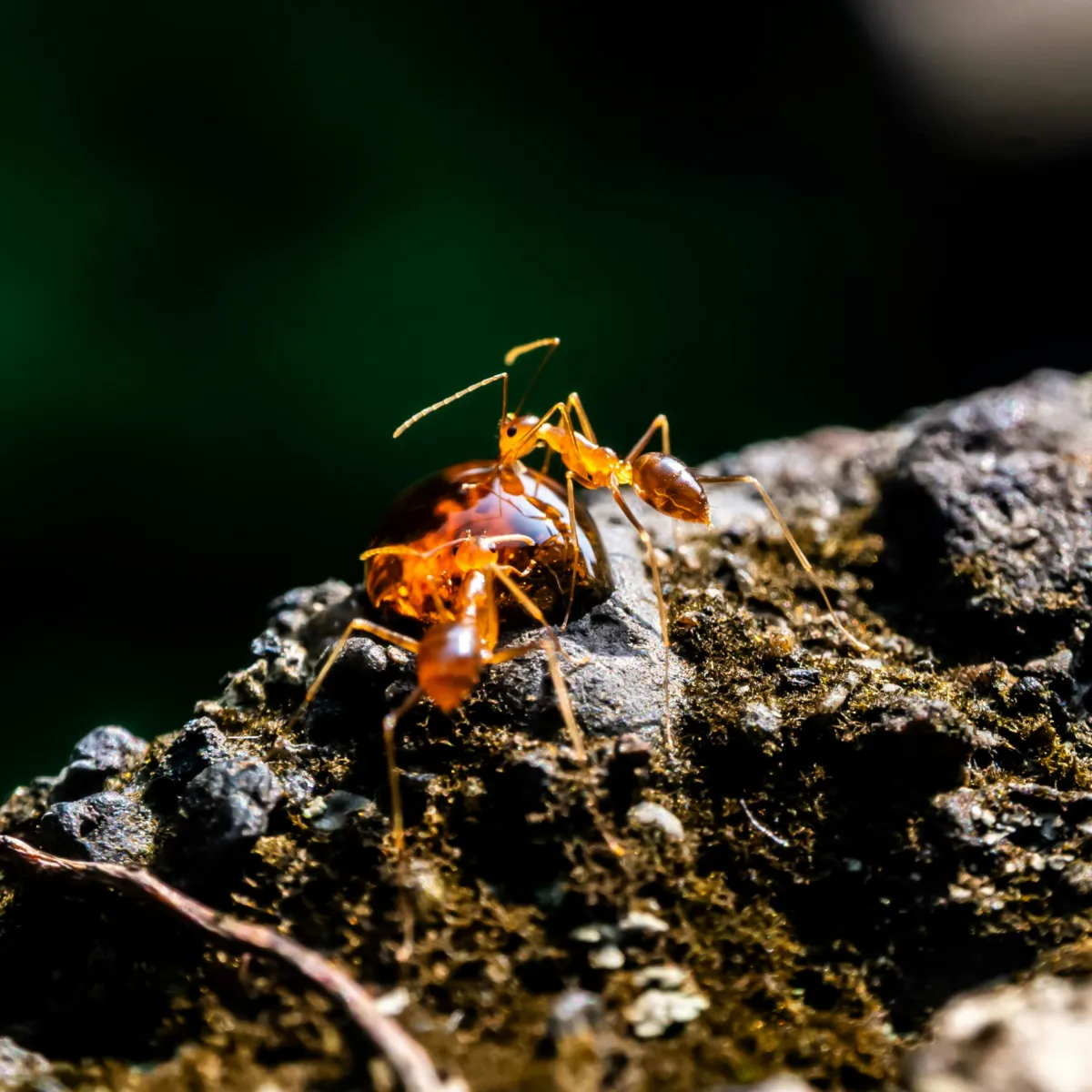
Fire ants are small, reddish to reddish-brown ants. Most are roughly 1.6 to 5 millimeters long, so they can be easy to underestimate.
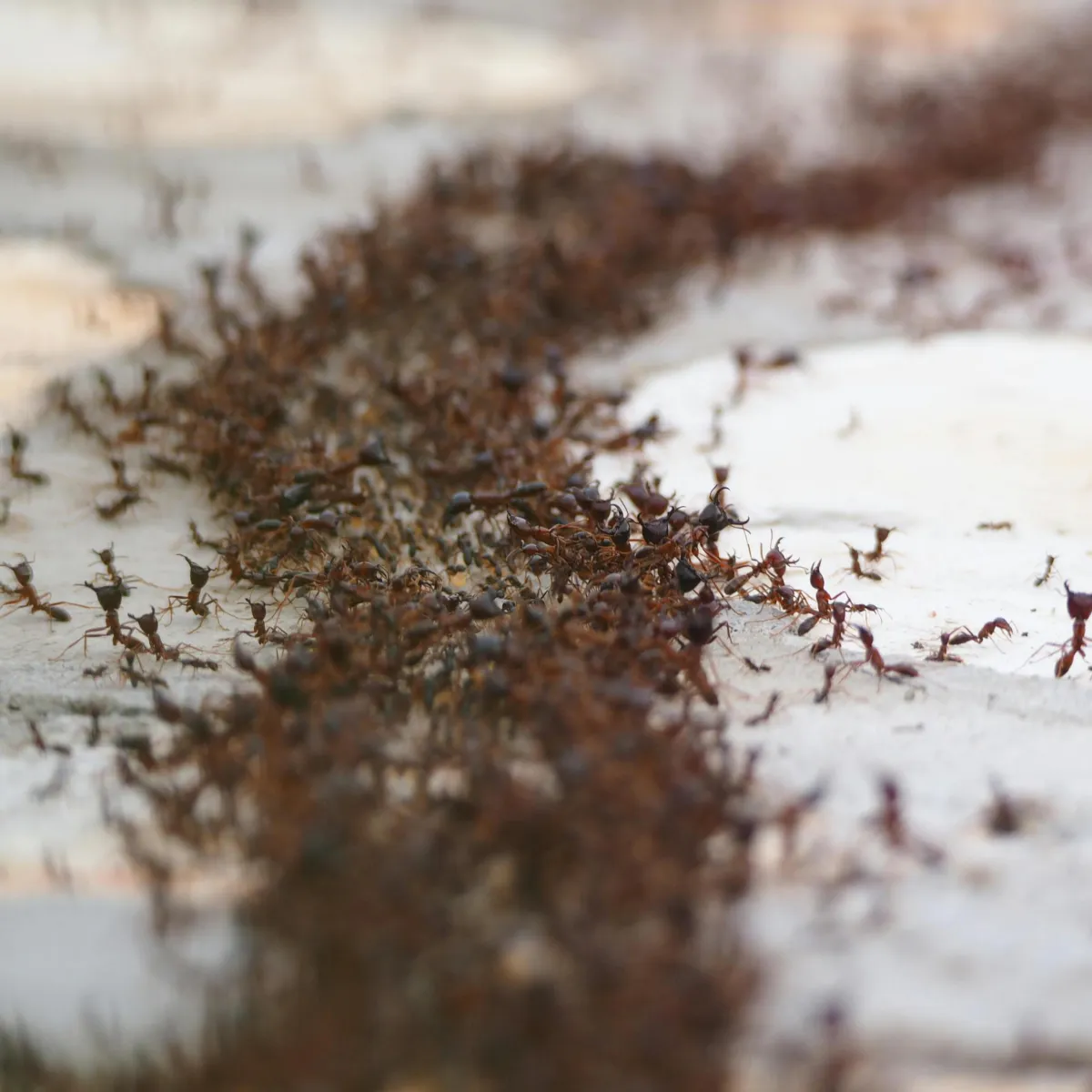
Their behavior is usually what gets attention. When disturbed, fire ants may pour out of the mound, climb onto shoes, socks, ankles, pet paws, garden tools, or mower wheels, and sting quickly.
They are often found in sunny lawn areas, loose soil, landscape edges, fields, and along warm hard surfaces like sidewalks, driveways, patios, and curbs.
Their mounds usually look loose and crumbly. Many do not have one clear center hole. Red imported fire ants are a common concern in South Carolina because they can make ordinary outdoor spaces harder to use safely.
Underground Colonies Make Control More Complicated
Fire ants are hard to control because most of the colony is below ground. The mound is just the visible part.
Some colonies can be large. Some may have multiple queens. That means a surface-level spray may kill the ants you see but miss what keeps the colony alive.
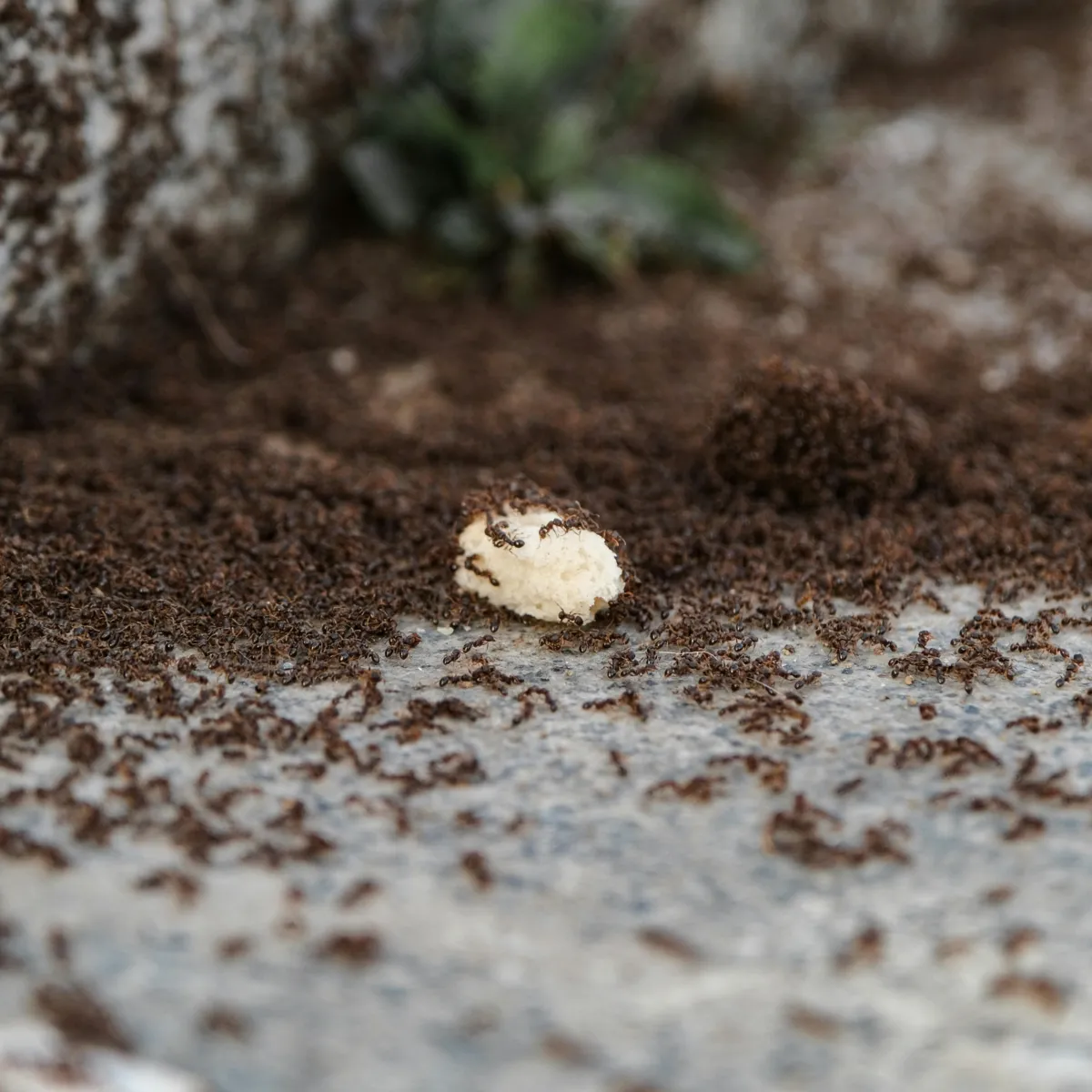
Baits can help, but they depend on the ants actively foraging. Rain, dew, irrigation, and heat can affect how well bait performs. If the product gets wet or the ants are not feeding, results may be limited.
Mound treatments can also put you close to active ants. If the mound is disturbed, stings can happen fast. A professional fire ant exterminator can inspect the property first and match treatment to the actual level of activity.
Good Treatment Starts With Walking Outside
Fairway Lawns Columbia starts with an inspection of the outdoor areas. In St. Andrews, that may include small lawns, apartment greenspaces, patio edges, sidewalks, entry paths, parking strips, pet areas, and sunny soil near buildings.
We look at how many mounds are present, where they are located, and how active they appear. A single mound beside a patio may need a different approach than several colonies across a shared lawn.
After inspection, we apply the recommended treatment according to label directions. Then we explain what was treated, what you may notice next, and when treated areas can be used again.
If fire ants have been a recurring problem around the property, we can also talk about seasonal service or monitoring.
Different Spaces Need Different Treatment Methods
Fire ant treatment should match the property. A courtyard, a narrow lawn strip, a backyard, and a business entrance may each need a different plan.
A broadcast treatment may be used when fire ant activity is spread across a wider lawn area.
A mound treatment may be used when visible colonies are concentrated in specific spots.
A two-step treatment approach may combine broader lawn treatment with direct mound service when both are needed.
A bait-based treatment may be used when ants are actively foraging and conditions are dry enough for bait to work properly.
A mound drench treatment may be appropriate in certain situations where direct colony treatment is needed.
Fairway Lawns Columbia explains the treatment recommendation before service begins, so you know why that method fits your St. Andrews property.
Store Products Often Leave Colonies Active
DIY fire ant products can seem simple until the mounds come back. You treat one area, it gets quiet for a little while, and then fresh soil appears nearby.
Sprays may only kill visible ants. Baits may fail if they get wet or if ants are not foraging. Direct mound treatments can also increase the risk of stings because you have to get close to the colony.
Professional fire ant control starts with an inspection. A technician checks where the mounds are, how active they are, and whether the property needs a spot treatment, wider lawn coverage, bait, or a combined approach.
For St. Andrews homes, apartments, and businesses with shared outdoor spaces, that extra care can make the service more practical and safer.
Stings Can Make Simple Chores Risky
Fire ants can be dangerous because they may sting repeatedly. Someone can disturb a mound by accident and receive several stings before realizing what happened.
Stings may cause burning pain, itching, redness, swelling, and small pustules. Some people may have stronger reactions. Severe allergic reactions can happen and may need medical attention.
Children, pets, tenants, employees, and anyone using the lawn or walkway may be exposed when mounds are active.
Fire ants are more than a nuisance when they settle near patios, doors, sidewalks, parking areas, or shared grass. They can change how safe those spaces feel.
Clear Guidance Matters After Every Service
Fire ant treatments should be applied according to label directions. Fairway Lawns Columbia uses trained technicians who follow proper application guidelines.
After service, we explain re-entry instructions. Family members, pets, tenants, employees, or customers may need to stay off treated areas until dry or until the technician says the space is ready.
Tell us if mounds are near a pet area, patio, walkway, playground, business entrance, or shared lawn. Those details help us give guidance that fits the property.
The goal is to treat fire ants while making the after-service steps clear and easy to follow.
Local Experience Keeps Treatment More Practical
Fairway Lawns Columbia understands fire ant pressure around St. Andrews and the greater Columbia area. Warm weather, humidity, rainfall, sunny lawn strips, patios, sidewalks, and shared outdoor spaces can all support mound activity.
Our team brings lawn care and pest control experience together. We inspect first, explain what we find, and recommend treatment based on the property’s actual activity.
Homeowners, renters, property managers, and businesses choose Fairway Lawns Columbia for professional inspections, practical treatment options, family and pet-conscious guidance, seasonal service options, easy scheduling, and a satisfaction-focused approach.
If fire ants are making your outdoor space harder to use, our local team can help.
St Andrews Fire Ant Questions Answered
Fire ants should not make patios, walkways, pet areas, or shared grass feel risky.
Schedule fire ant control in St. Andrews with Fairway Lawns Columbia today. We will inspect the property, treat active mound areas, and help make your outdoor space easier to use again.