Get your lawn back on track with 50% OFF first application!* 50% OFF First Application!* Call Now

West Columbia Lawns Should Feel Usable

Professional Fire Ant Control Services in West Columbia, SC

A fire ant mound can turn a normal yard into a place everyone avoids. One mound by the mailbox. Another near the patio. A few more after a good rain. Before long, you are telling the kids to stay out of the grass or watching the dog every time he runs across the lawn.

That is the frustrating part about fire ants in West Columbia. They do not stay politely tucked away in one corner. They show up in sunny parts of the lawn, along sidewalks, near driveways, beside play areas, and right where people walk.

Fairway Lawns Columbia helps treat active fire ant colonies and reduce the chance of new activity taking over the yard. We inspect the lawn, look at where mounds are showing up, choose a treatment approach that fits the situation, and explain what to do after service so your family and pets can use the yard safely.

Help for mounds, stings, and unsafe outdoor areas

Fire Ant Treatment for West Columbia Lawns

Fire ants are not just another lawn nuisance. They are aggressive, fast to react, and known for painful stings. If a mound gets stepped on, bumped by a mower, or disturbed by a curious pet, the ants may swarm quickly.

Our fire ant control service starts with a look at the yard. We check visible mounds, nearby lawn areas, and places where activity may be spreading. Some yards have one problem area. Others have colonies scattered across the property.

From there, we recommend the right treatment. That may include mound treatment, broader lawn treatment, bait, or another professional approach based on what is happening outside. We also give simple guidance about kids, pets, drying times, and when the lawn can be used again.

If you have been searching for fire ant control near me because the mounds keep coming back, Fairway Lawns Columbia can help you schedule service and get a clear quote.

Kicked Mounds Can Turn Into Stings

Why Fire Ant Control Matters?

Fire ants are territorial. They defend their mounds, and they do it quickly. A child running barefoot, a dog digging in the grass, or someone mowing too close can disturb a mound without meaning to.

Once disturbed, fire ants can climb and sting more than once. The sting usually burns first, then may turn into red bumps, itching, or small pustules. Some people can have stronger reactions, and severe reactions may need medical attention.

The mound you see is only the top of the problem. Fire ants live underground, and the colony may stretch farther than the loose soil on the surface suggests. That is why knocking down a mound with a shovel does not solve much. It may just make the ants move or react.

Professional fire ant control is about reaching the colony and treating the lawn in a way that helps make outdoor areas safer to use.

Fresh Mounds Tell You Something Changed

Signs of a Fire Ant Infestation

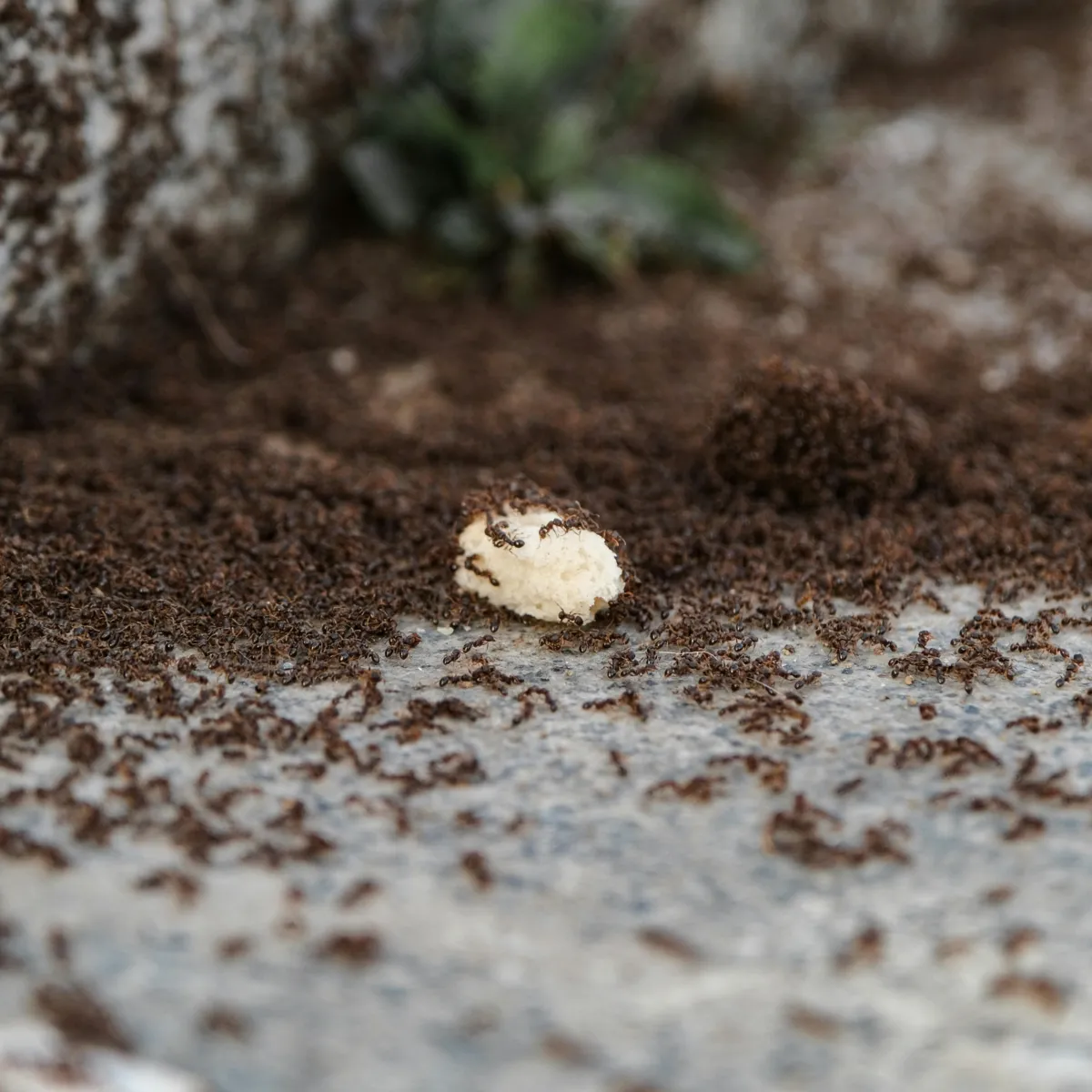
The easiest sign is a loose, sandy mound in the lawn. In West Columbia, fire ant mounds often become more noticeable after rain or irrigation because the ants move soil as they repair or expand their tunnels.

You may also see small reddish-brown ants moving around the mound. If the mound is touched, they may rush out instead of scattering slowly.

Other signs include painful stings, pets suddenly avoiding an area, kids complaining after playing outside, or several mounds appearing across the yard. Fire ants may show up near sidewalks, driveways, garden beds, mailboxes, patios, or open sunny turf.

If you treat one mound and another appears nearby a few days later, there may be more colony activity under the surface.

Small Red Ants Move With Purpose

What Do Fire Ants Look Like?

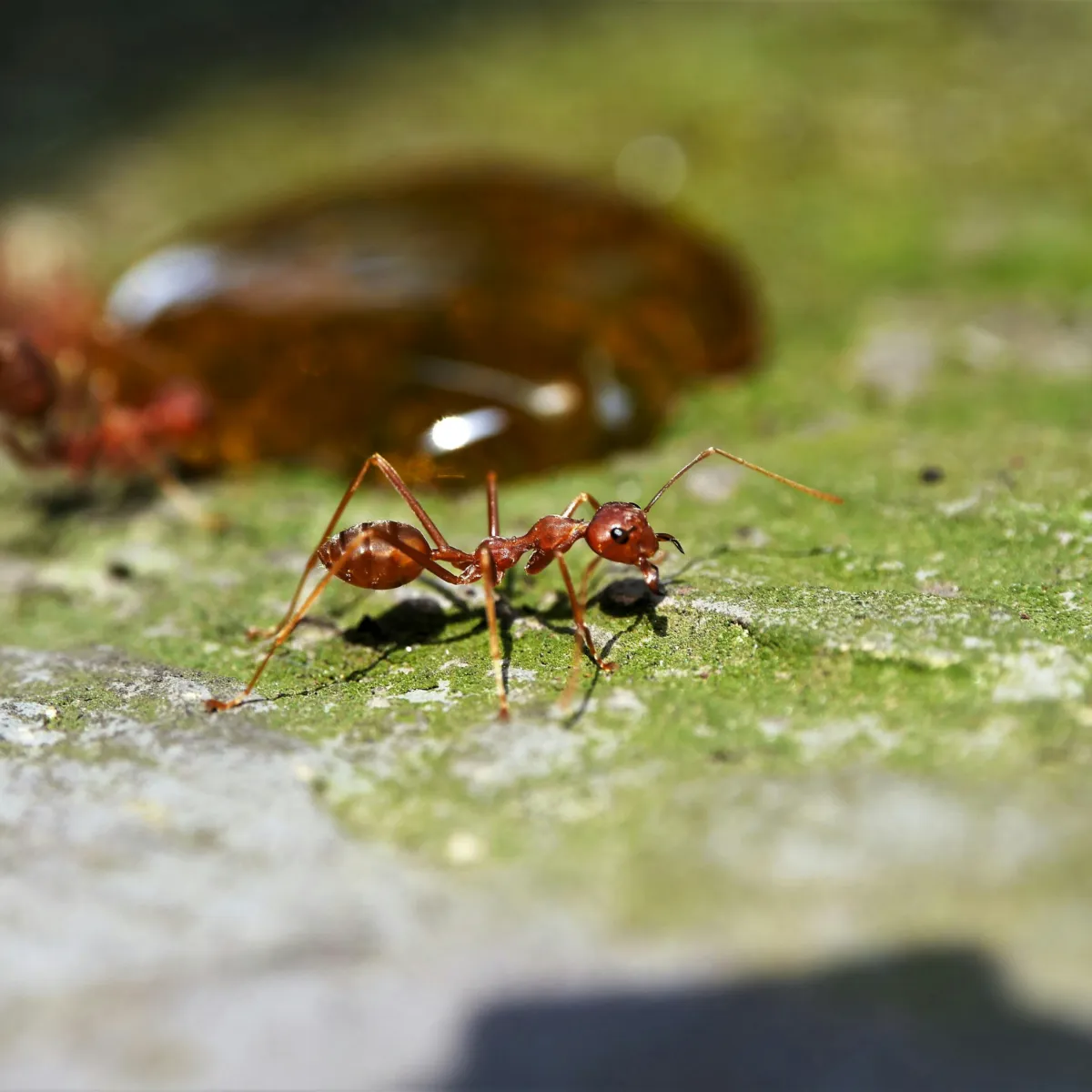
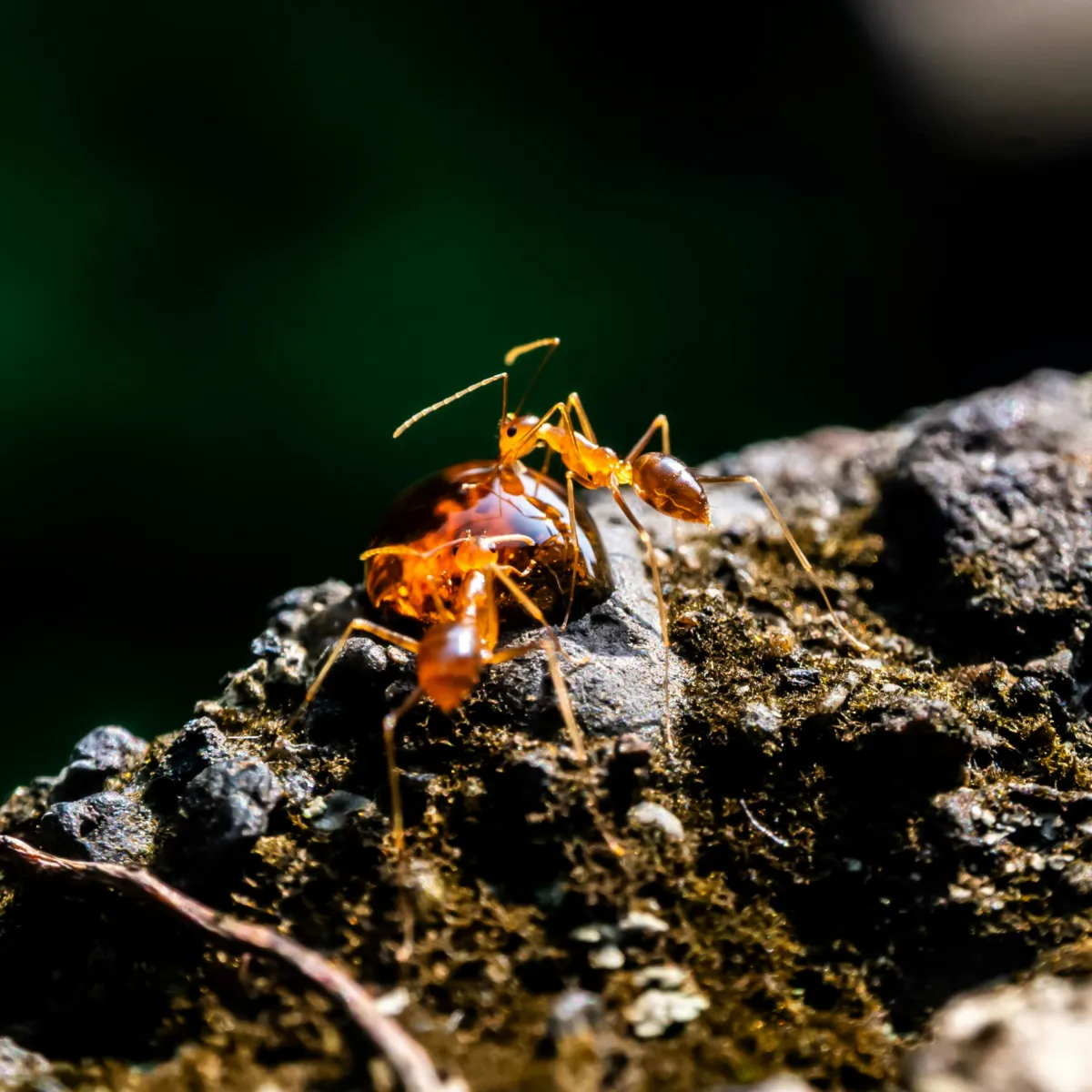
Fire ants are small, but they do not act harmless. They are usually reddish or reddish-brown and can range from about 1.6 to 5 millimeters long.

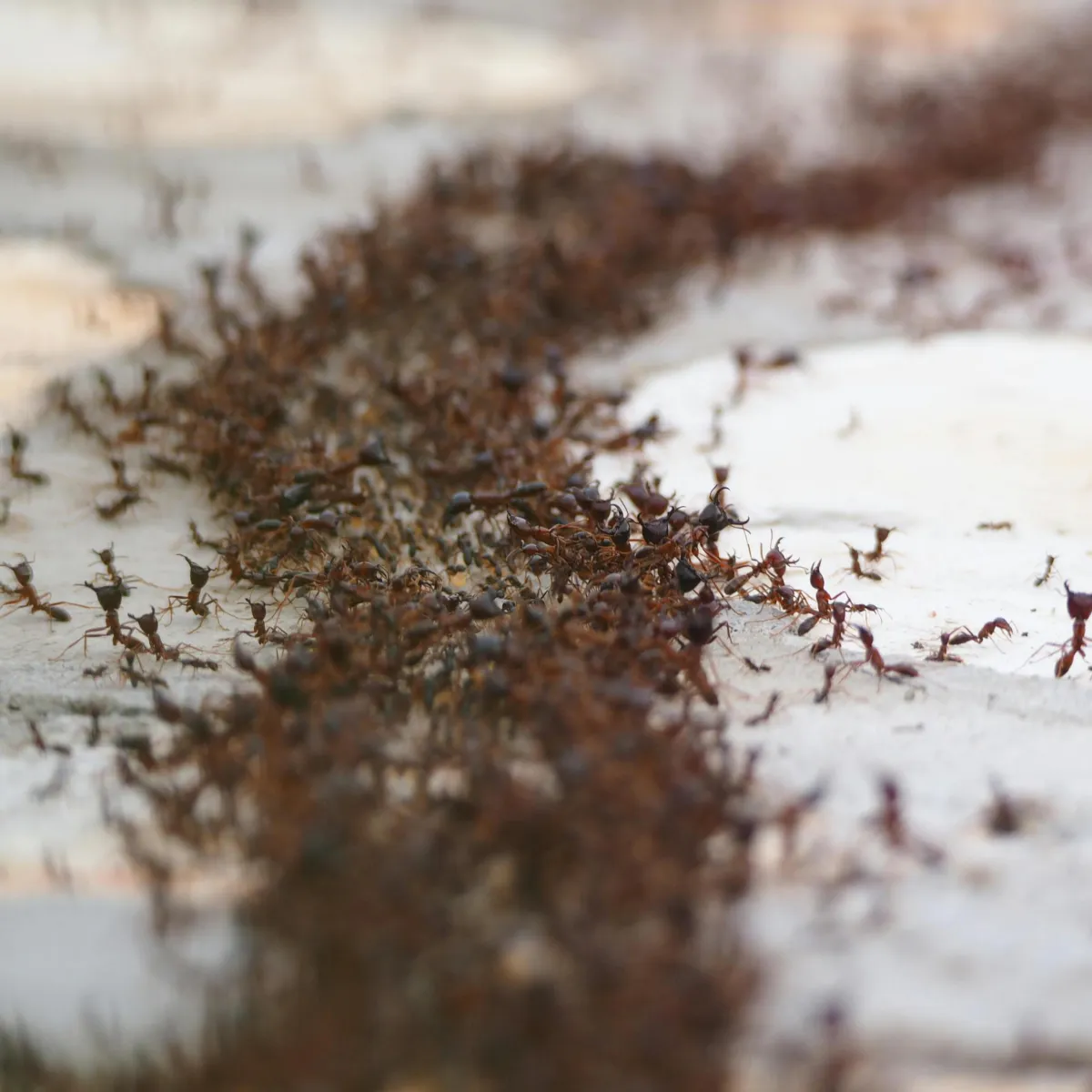
You may notice their movement before you notice their size. When disturbed, fire ants come out quickly and in groups. They may climb shoes, socks, legs, paws, mower wheels, or garden tools before stinging.

They are commonly found in sunny, open lawn areas. Their mounds may appear in grass, bare soil, fields, landscape edges, and along hard surfaces. Unlike some ant hills, fire ant mounds often do not have a neat hole in the center.

Red imported fire ants are a common concern in South Carolina, and they can make a yard hard to enjoy when colonies are active.

Surface Treatments Often Miss Hidden Colonies

Why Fire Ants Are Difficult to Get Rid Of?

Fire ants are difficult because most of the colony is underground. What you see on top is only part of the setup.

Some colonies can be large. Some may have multiple queens. That means a simple surface spray may kill visible ants but leave the deeper colony alive. A mound might look quiet for a little while, then activity shows up again.

Baits can help, but timing matters. Fire ants need to be actively foraging. Rain, watering, dew, heat, and poor placement can all affect how well bait works. If bait gets wet or ants are not feeding, results may be disappointing.

Mound treatments also come with risk. Getting too close to an active mound can lead to stings, especially if the colony is disturbed before the treatment reaches where it needs to go.

A professional fire ant exterminator can match the treatment to the colony activity instead of guessing.

Better Results Start With Yard Details

How Our Fire Ant Control Service Works

Fairway Lawns Columbia begins with a yard inspection. We look for active mounds, scattered activity, sunny problem areas, and places where fire ants may be spreading.

Then we decide how the lawn should be treated. A yard with one visible mound may need a different approach than a lawn with several colonies across the turf. The goal is to treat the active problem and help reduce continued fire ant pressure.

Treatment is applied according to label directions. After service, our technician explains what to expect and what your household should do next. If pets or family members need to stay off treated areas until dry, we make that clear.

For yards that see fire ants again and again, seasonal service or monitoring may be recommended. West Columbia weather gives fire ants plenty of chances to return when conditions are right.

Different Mounds Need Different Treatment Plans

Professional Fire Ant Treatment Options

Fire ant treatment depends on the yard. There is not one perfect method for every lawn.

A broadcast treatment may be used when activity is spread across a wider area. This can help with lawns that have multiple mounds or steady fire ant pressure.

A mound treatment may be used when colonies are visible and concentrated in certain spots.

A two-step approach may combine broader yard treatment with direct mound service when the infestation calls for it.

A bait-based treatment may be recommended when ants are actively foraging and conditions are right.

A mound drench treatment may be used in certain cases where a more direct treatment is appropriate.

Fairway Lawns Columbia explains the plan before service begins. You will know what we are treating, why we chose that method, and what results to expect.

Do It Yourself Often Gets Risky

DIY vs Professional Fire Ant Control

A lot of homeowners try to handle fire ants themselves first. That is understandable. You see a mound, buy a product, and hope it works.

Sometimes it helps. Sometimes it only quiets the mound for a short time.

DIY sprays may not reach the queen or the deeper colony. Baits can fail if they get wet, sit too long, or are used when ants are not feeding. Pouring products onto a mound can also put you close enough to get stung.

Professional fire ant control is different because the treatment is chosen after the lawn is checked. A technician can look at the number of mounds, how active they are, where they are located, and whether the problem needs spot treatment or a wider lawn approach.

For a yard used by children, pets, guests, or customers, professional treatment is usually the safer and more practical choice.

Fire Ant Stings Can Escalate Quickly

Are Fire Ants Dangerous?

Fire ants can be dangerous because they sting repeatedly. A person or pet may disturb a mound and receive several stings before getting away.

The sting often causes a burning feeling, followed by red bumps, itching, swelling, or small pustules. Some people may have more serious reactions. Severe allergic reactions are possible and may require medical help.

Children and pets are especially at risk because they may not notice a mound before stepping, sitting, digging, or playing near it.

Fire ants are more than a lawn annoyance. When they are active in the yard, they can affect how safely people and pets use the property.

Can Fire Ants Damage Your Lawn?

Fire ants can make a lawn harder to use and harder to maintain. Their mounds can interrupt smooth turf, create uneven spots, and get in the way of mowing.

Tunneling below the surface can loosen soil and change the look of parts of the lawn. Mounds may appear near walkways, play areas, patios, driveways, or other places where people spend time.

Even if the grass is still growing, the yard may feel less usable. Nobody wants to walk barefoot where fire ants are active. Pets may get stung. Kids may avoid the lawn. Mowing can become stressful.

Fire ant lawn treatment helps reduce the activity that makes outdoor spaces uncomfortable.

When Are Fire Ants Most Active?

Fire ants like warm, sunny conditions. In West Columbia, that gives them a long active season.

Mounds often show up after rain because ants are repairing tunnels and moving soil. Irrigation can sometimes make mound activity easier to spot too.

During very hot weather, fire ants may forage more in the morning or evening when conditions are cooler. You may not see as much movement in the middle of the day, even if the colony is active underground.

Activity often increases during warmer months, especially when lawns have the right mix of sun, moisture, and open soil.

Clear Instructions Help Everyone Stay Safe

Is Fire Ant Treatment Safe for Families and Pets?

Fire ant treatments should always be applied according to label directions. Fairway Lawns Columbia uses trained technicians who follow proper application guidelines.

After treatment, we explain any re-entry instructions. In many cases, people and pets should stay off treated areas until they are dry or until the technician says it is safe.

If your dog uses a certain part of the yard, your kids play near a swing set, or you have a garden or patio area you are concerned about, tell us before treatment begins.

The goal is to treat fire ants while giving your household clear, simple guidance after service.

Local Lawn Experience Helps Control Fire Ants

Why Homeowners Choose Fairway Lawns Columbia for Fire Ant Control?

Fairway Lawns Columbia understands how fire ants behave in Midlands lawns. West Columbia has warm weather, humidity, rain, and long outdoor seasons, which can all keep fire ants active.

Our team brings lawn and pest experience together. That matters because fire ants are not only a pest problem. They are a yard-use problem too.

We inspect first, explain what we find, and recommend treatment based on the lawn. Homeowners choose us for professional service, easy scheduling, family and pet-conscious guidance, seasonal options, and a satisfaction-focused approach.

If fire ants are making your yard stressful, we can help you take the next step.

West Columbia Fire Ant Questions Answered

Fire Ant Control FAQs

Schedule Fire Ant Control in West Columbia

Fire ant mounds should not decide where your kids, pets, or guests can use the yard.

Schedule fire ant control in West Columbia with Fairway Lawns Columbia today. We will inspect the lawn, treat the active problem areas, and help your outdoor space feel usable again.