Spider Control in West Columbia, SC
Spiders are not always a sign that a home is dirty. Around West Columbia, they are often a sign that the outside conditions are giving them what they need: bugs to eat, moisture, shade, and plenty of places to hide.
You might notice webs around the porch light, a wolf spider crossing the garage floor, or little webbing that keeps coming back near the same window. Maybe you cleaned everything last weekend, and by Tuesday, the corners already look busy again.
Fairway Lawns Columbia helps homeowners and businesses in West Columbia deal with spider activity in a way that makes sense for the property. We look for webs, egg sacs, spider activity, entry points, and the insects bringing spiders closer in the first place. Then we treat the areas that matter instead of just spraying where one spider happened to show up.
Local spider help for real-life problem areas
West Columbia has a lot of the conditions spiders like. Warm months last a long time. Humidity keeps insect activity high. Afternoon rain can push pests into covered spots. Homes near the river, wooded edges, crawl spaces, thick shrubs, or older foundation gaps may see spiders more often than expected.
Our spider pest control service starts with a look around the property. We check porches, garages, crawl spaces, eaves, windows, foundation gaps, storage areas, and other quiet places where spiders hide. We also look for the food source. If flies, mosquitoes, ants, roaches, or other insects are active, spiders usually are not far behind.
Fairway Lawns Columbia provides residential and commercial spider control services with licensed technicians who understand pest pressure in the Midlands. We focus on inspection, treatment, prevention, web removal, and seasonal maintenance when needed.
DIY spider sprays can help with the one spider you see. The problem is the ones you do not see. Egg sacs, hidden cracks, cluttered storage areas, and insect activity can keep the issue going. Professional spider control matters because it looks at the whole pattern, not just the moment that made you grab a spray can.
Our Spider Work Starts With Details
Fairway Lawns Columbia uses a practical spider control process that starts with inspection and ends with prevention. The goal is to reduce the spiders you are seeing now and make it harder for them to settle back in.
We check the areas where spiders are most likely to hide. That includes eaves, windows, garage corners, crawl space openings, foundation cracks, porch areas, sheds, and storage spaces. We look for spider species, webs, egg sacs, entry points, moisture, and insect activity. If there is a food source drawing spiders in, we want to know about it.
Treatment may include exterior perimeter applications, crack and crevice work, web removal, egg sac removal, residual applications, and interior spot treatments when needed. We focus on the places spiders use most instead of randomly treating the whole property.
Prevention can include sealing recommendations, screen repair suggestions, vegetation trimming, moisture reduction, clutter cleanup, and advice for reducing insects around lights and entryways. Small fixes can make the home less comfortable for spiders between services.
Some properties need seasonal maintenance, especially if spider activity keeps returning around the same areas. Ongoing service helps catch new webs, egg sacs, entry points, and insect pressure before the problem builds back up.
Local Spider Problems Start Outside First
West Columbia homeowners may see several kinds of spiders through the year. Most are nuisance spiders, but a few deserve extra caution.
Wolf spiders are the ones that often make people jump. They are usually larger, quick on the ground, and commonly found in garages, sheds, crawl spaces, and around doorways. They do not build big messy webs like some spiders. They hunt. Wolf spiders are not usually considered dangerous, but nobody wants to keep finding them inside.
House spiders are the everyday corner-web builders. They show up around windows, closets, ceiling corners, laundry rooms, storage shelves, and spare rooms. They are usually more annoying than harmful, but the webs can make a clean home feel neglected.
Black widow spiders are more serious. They tend to hide in quiet, protected places like outdoor storage, wood piles, crawl spaces, garages, and sheds. Female black widows are dark and shiny, often with a red hourglass marking underneath. Because their bites can cause stronger reactions, it is better not to handle them yourself.
Brown recluse spiders are a high-concern spider, even though many suspected sightings turn out to be something else. They are usually tan to brown and prefer undisturbed spaces such as boxes, closets, attics, storage rooms, and cluttered corners. If you think you found one, do not guess from a blurry photo. Have it checked.
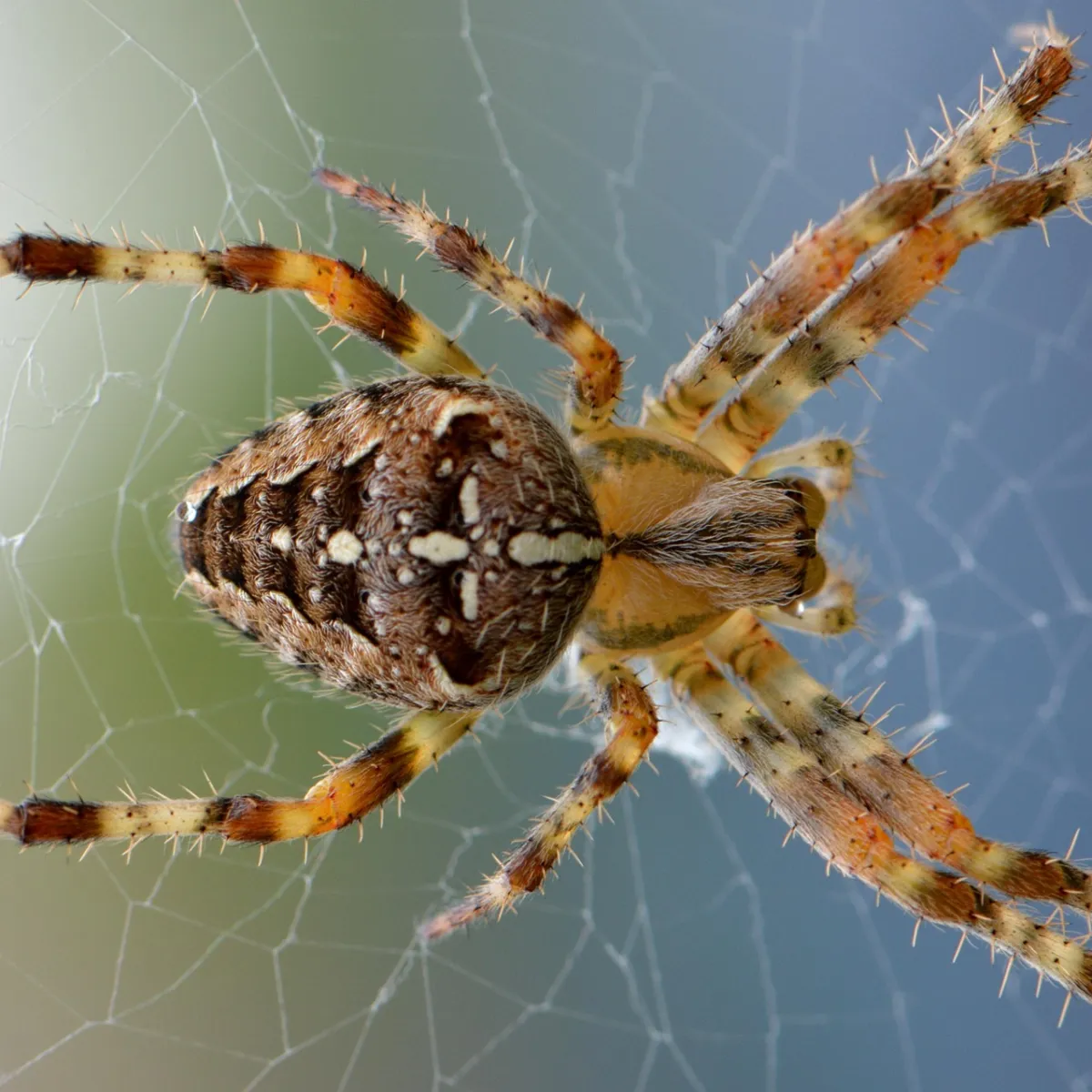
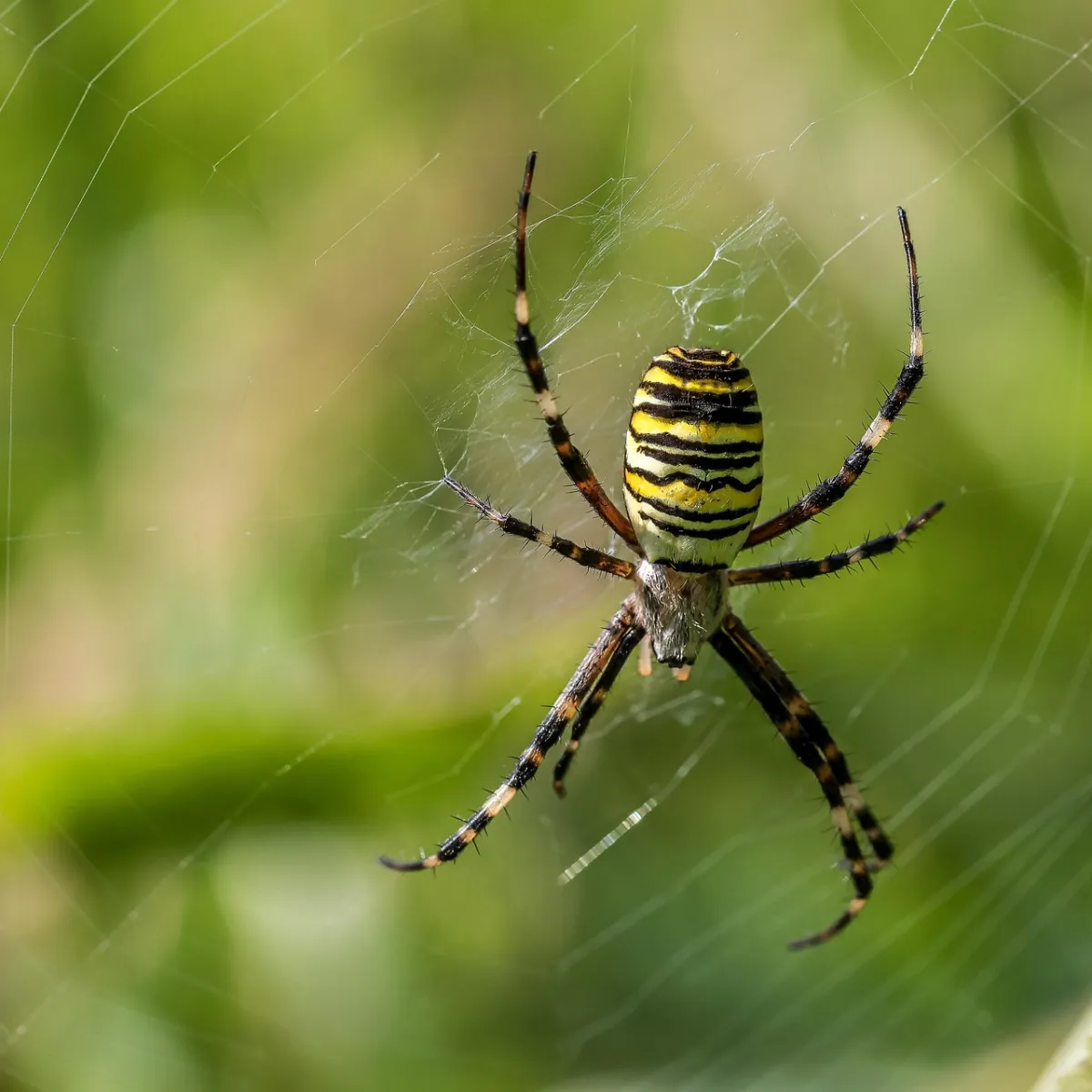
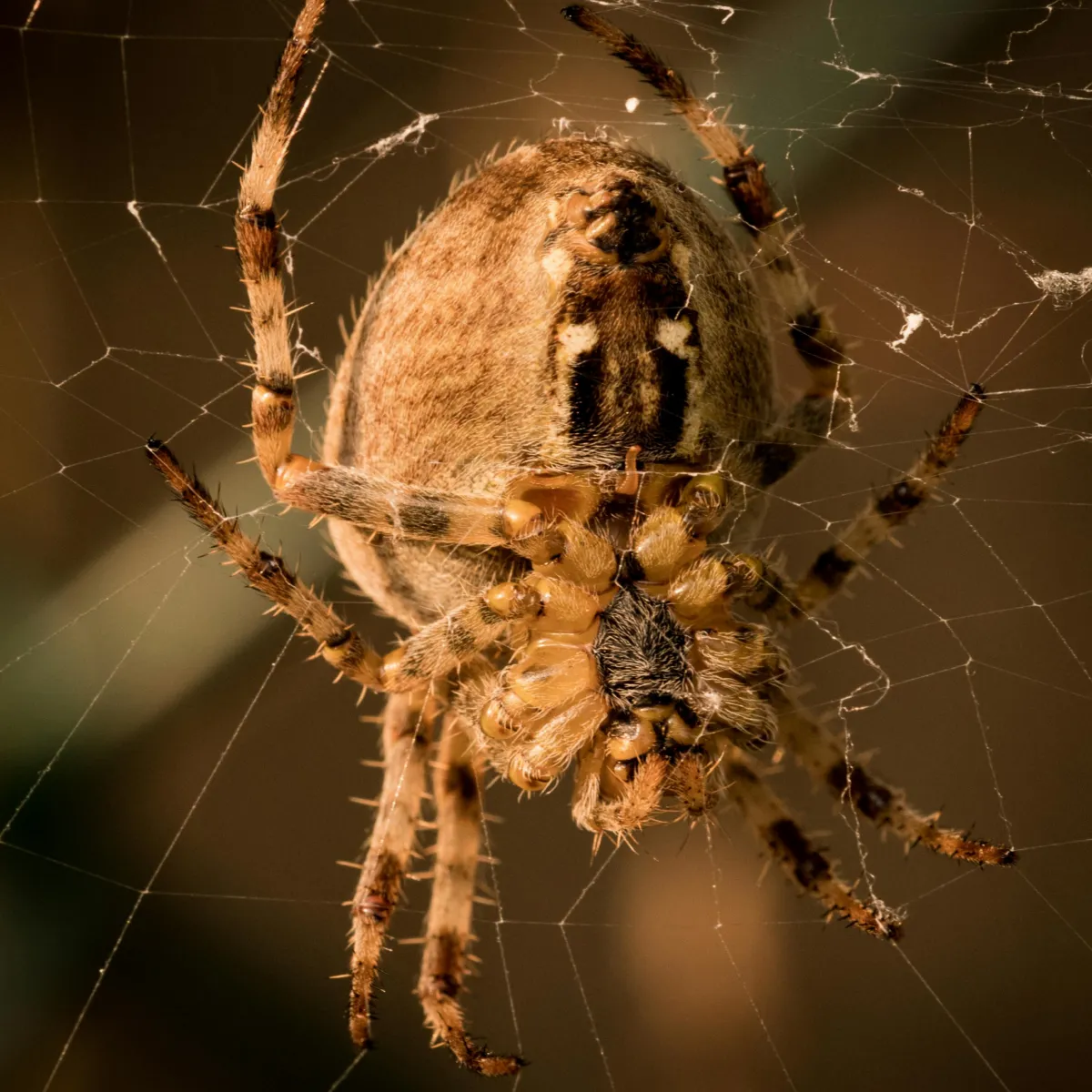
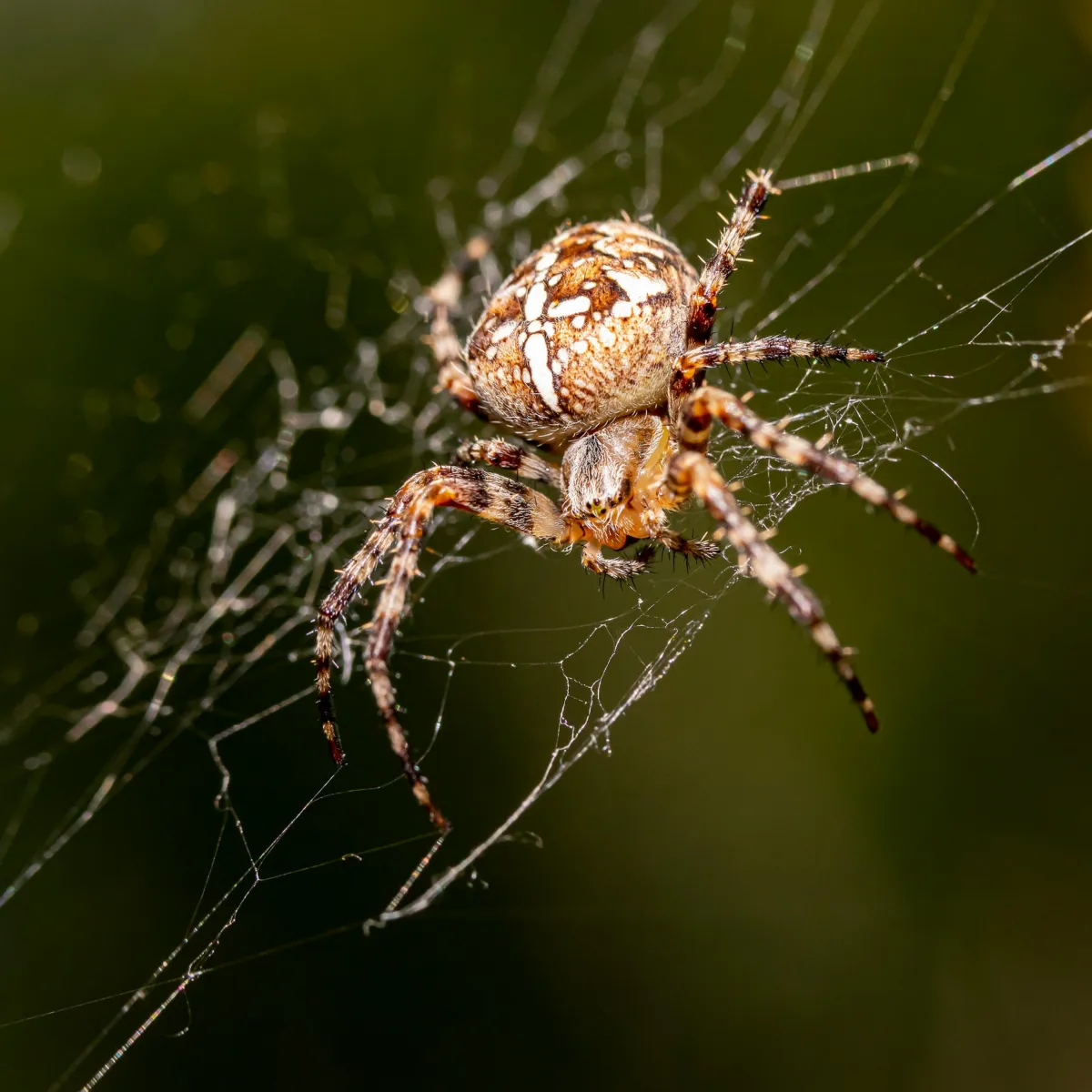
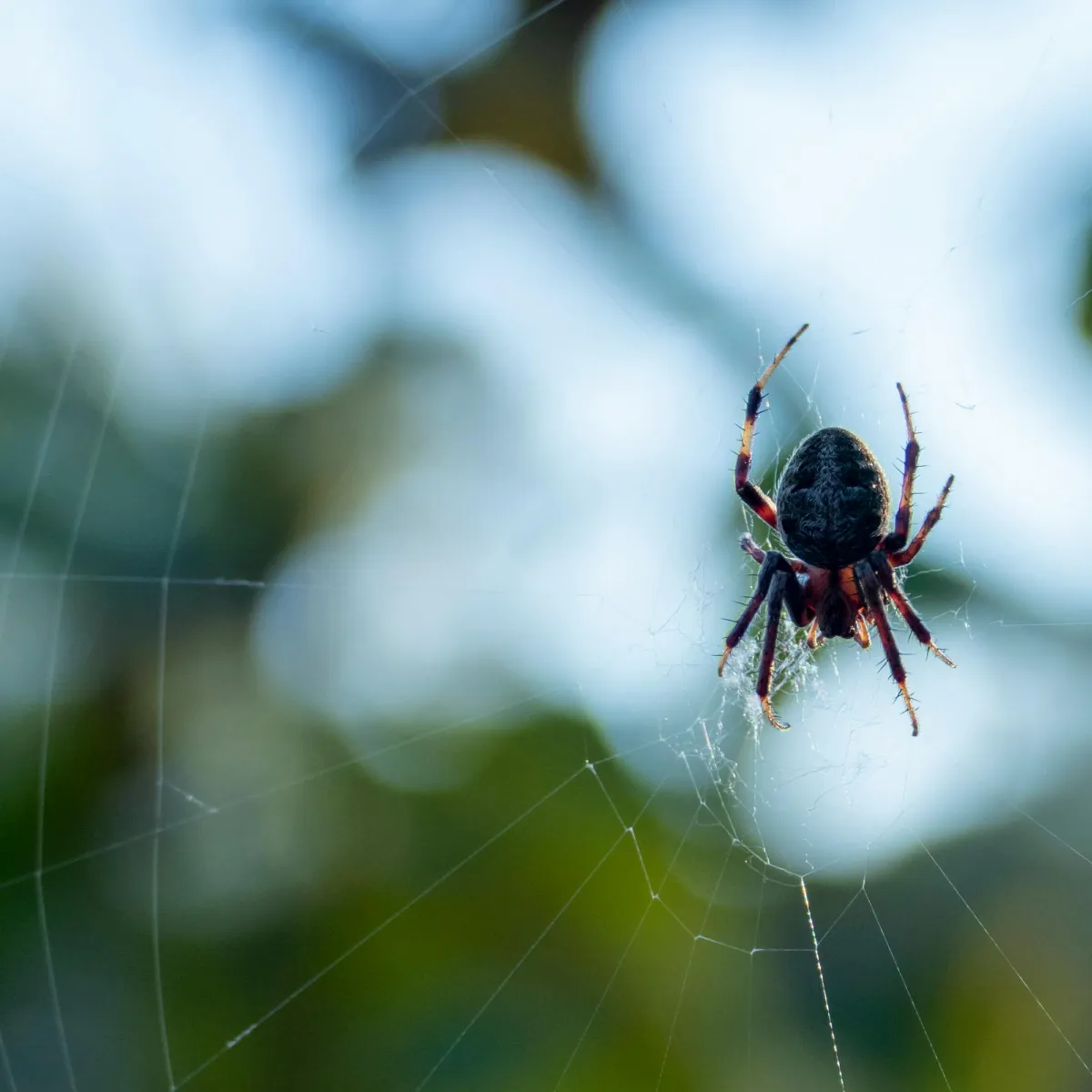
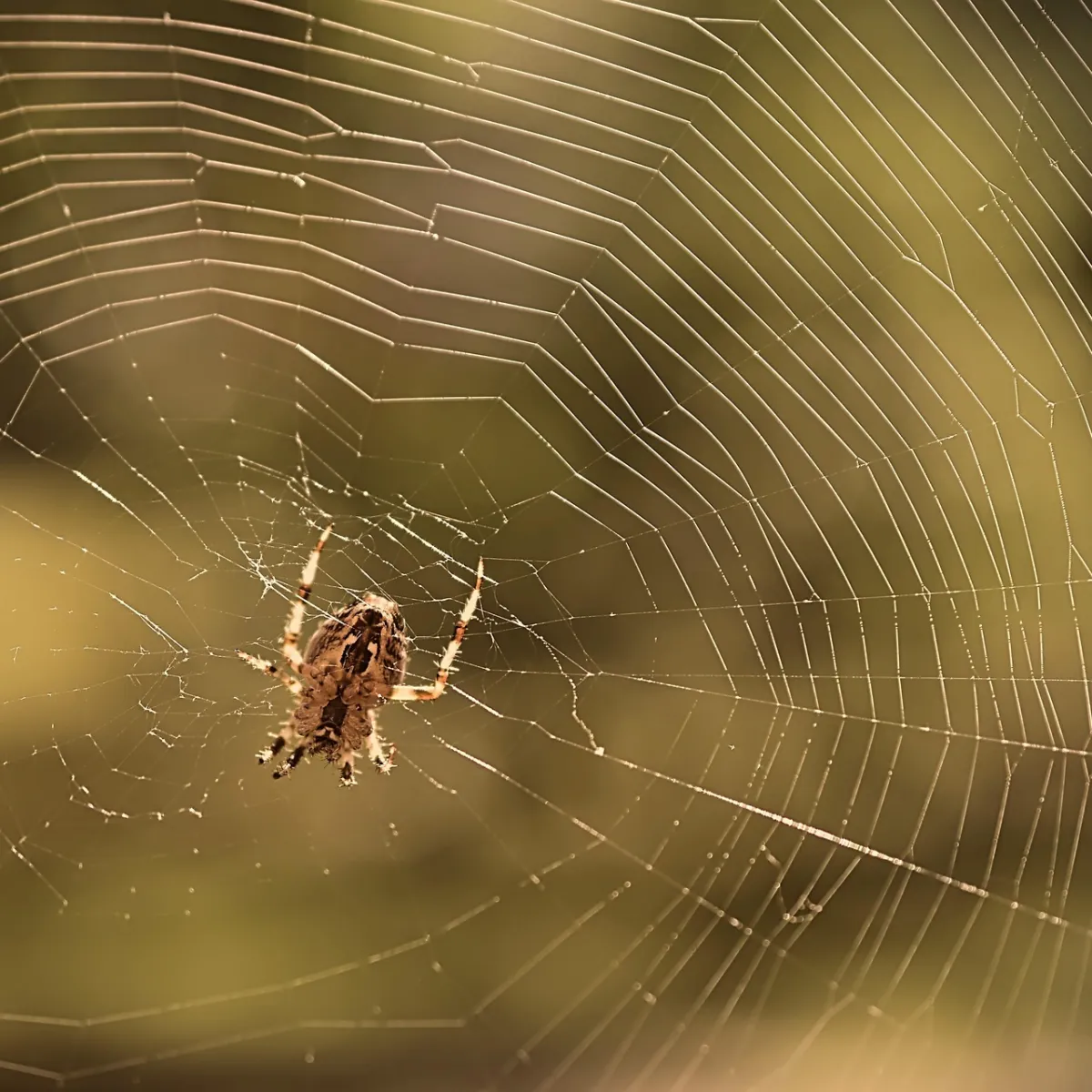
Orb weavers and garden spiders are common outside. You may see them building large webs near shrubs, fences, porches, and lights. They help catch insects, but their webs can become a problem around walkways, outdoor seating, and entry doors.
Brown widows can also show up in the Southeast. They often hide around patio furniture, railings, garages, and exterior clutter. Like black widows, they should be treated with caution.
Recurring Webs Usually Mean Something Else
A spider infestation is not always dramatic. Sometimes it is just the same annoying signs showing up again and again.
You may see webs around windows, porch lights, eaves, garage corners, patio furniture, basement areas, crawl space doors, or ceiling corners. You may notice more spiders after rain, during warm weather, or when temperatures start changing in the fall.
Egg sacs are another sign to take seriously. They can be tucked in webs, corners, storage areas, sheds, garages, and crawl spaces. If those sacs hatch, the spider problem can grow quickly.
Other clues include dead insects, tiny dark droppings, shed spider skins, and spiders showing up in rooms where you usually do not see them. If you keep knocking down webs and they keep coming back, there is a reason.
Food Moisture Shelter Bring Spiders Indoors
Spiders usually come inside because something is pulling them there. Food is a big reason. If insects are active around porch lights, trash areas, damp spots, crawl spaces, or landscaping, spiders may follow.
Moisture also matters. West Columbia’s humid weather can keep bugs active, and those bugs become a steady food source. Heavy rain can push spiders out of outdoor hiding spots and into garages, sheds, covered patios, or wall gaps.
Season changes play a part too. In the fall, spiders may move indoors looking for warmth or a place to mate. Some find their way through gaps around doors, windows, vents, utility lines, foundation cracks, and damaged screens.
Dense shrubs, leaf litter, wood piles, clutter, and mulch right against the home can make the problem worse. Those areas give spiders shelter before they ever make it inside.
Spiders Prefer Places People Ignore Most
Spiders are good at finding the spaces people rarely disturb. Inside a West Columbia home, that might mean closets, garages, attics, crawl spaces, laundry rooms, storage boxes, window corners, basements, and the areas behind or under furniture.
Outside, they may hide around sheds, wood piles, decks, porch ceilings, roof eaves, foundation cracks, outdoor furniture, dense shrubs, and landscape beds. Web-building spiders often set up near lights because lights attract insects.
That is why spider control is not just about knocking down webs. It is about finding the quiet areas where spiders can hide, feed, and rebuild.
Spiders Change Habits Through Each Season
Spider activity in West Columbia changes with the seasons, but it does not disappear completely.
In spring, insects become more active, and spiders begin showing up outside again. Webs may appear around shrubs, porch lights, windows, and eaves.
In summer, heat and humidity can keep spider activity high. Bugs are everywhere, and spiders follow the food. Garages, patios, sheds, crawl spaces, and outdoor seating areas often become problem spots.
In fall, many homeowners notice more spiders indoors. Cooler nights, mating behavior, and weather changes can bring spiders into garages, closets, attics, and storage areas.
In winter, sightings may slow down, but spiders that already moved inside can stay active in quiet spaces. Basements, crawl spaces, wall voids, and attics can still have activity even when the weather cools.
DIY Sprays Miss The Real Problem
A store-bought spray may kill the spider on the wall. That can feel satisfying for about five minutes. Then the webs come back.
The issue is that DIY products usually miss egg sacs, hidden spiders, cracks, crawl spaces, attic corners, and the insects spiders are feeding on. They also do not create the kind of ongoing barrier that helps reduce future activity.
Professional spider pest control works better because it looks at why spiders are there. Fairway Lawns Columbia can identify spider activity, remove webs and egg sacs when accessible, treat key hiding spots, and help reduce the food source through pest management.
It is not about chasing one spider at a time. It is about changing the conditions that make the property attractive.
Small Habits Make Homes Less Inviting
You can help keep spiders down by sealing cracks, replacing damaged screens, and adding door sweeps where gaps are visible. Check around windows, vents, pipes, utility lines, and garage doors.
Inside, reduce clutter in closets, storage rooms, garages, and attics. Vacuum corners, baseboards, under furniture, and around windows. Remove webs when you see them, especially if they keep coming back in the same spot.
Outside, move firewood away from the house, trim shrubs back from siding, keep grass maintained, clear leaf litter, and avoid letting mulch pile against the foundation. If porch lights attract a lot of insects, consider changing the bulb type or keeping lights off when they are not needed.
Moisture matters too. Fix leaks, watch crawl space dampness, and keep gutters moving water away from the home.
Careful Service Around People And Pets
Fairway Lawns Columbia uses trained technicians and professional application methods for spider control. We follow product labels and apply treatments with care around the places your family and pets use.
Before service, we explain what areas may be treated and whether any simple steps are needed. The goal is targeted pest control, not careless spraying.
If you have pets, kids, sensitive areas, or specific concerns, let our technician know before treatment begins. We want the service to fit your home, not interrupt it more than necessary.
Local Pest Pressure Needs Local Experience
Fairway Lawns Columbia understands the pest pressure that comes with life in the Midlands. West Columbia homes deal with humidity, storms, insects, crawl spaces, wooded edges, older foundations, and landscaping that can all affect spider activity.
Our licensed technicians inspect first, explain what they find, and recommend a spider control service based on the property. We also understand that homeowners want practical answers, not a lecture.
Fairway Lawns Columbia offers pest control, spider control, mosquito control, ant control, and ongoing pest management for local homes and businesses. We bring local experience, professional service, and a satisfaction-focused approach to every visit.
Honest Spider Questions Need Clear Answers
If webs keep coming back around your porch, garage, crawl space, or windows, it is time to look past the surface. Fairway Lawns Columbia can inspect your West Columbia property and build a spider control plan that fits what is actually happening.
Schedule your inspection today, and let our local team help make your home feel more comfortable again.